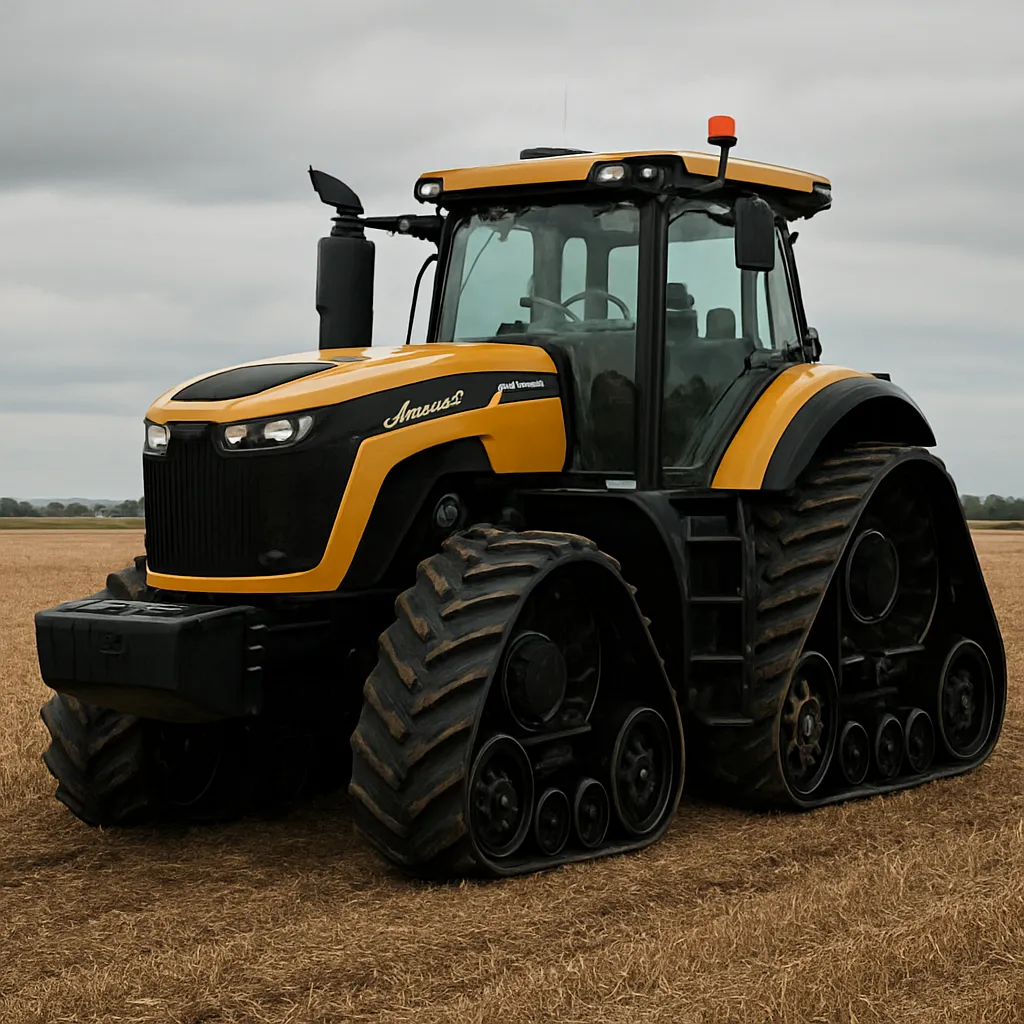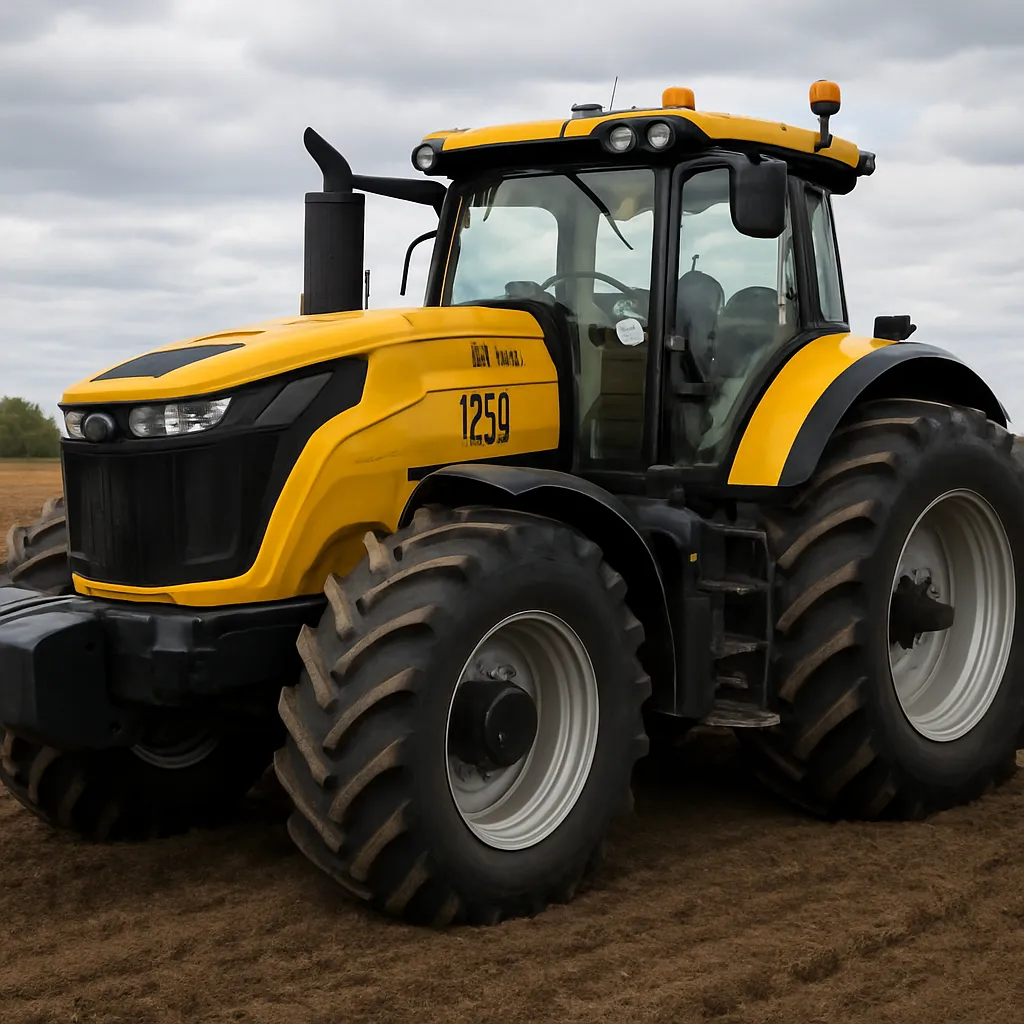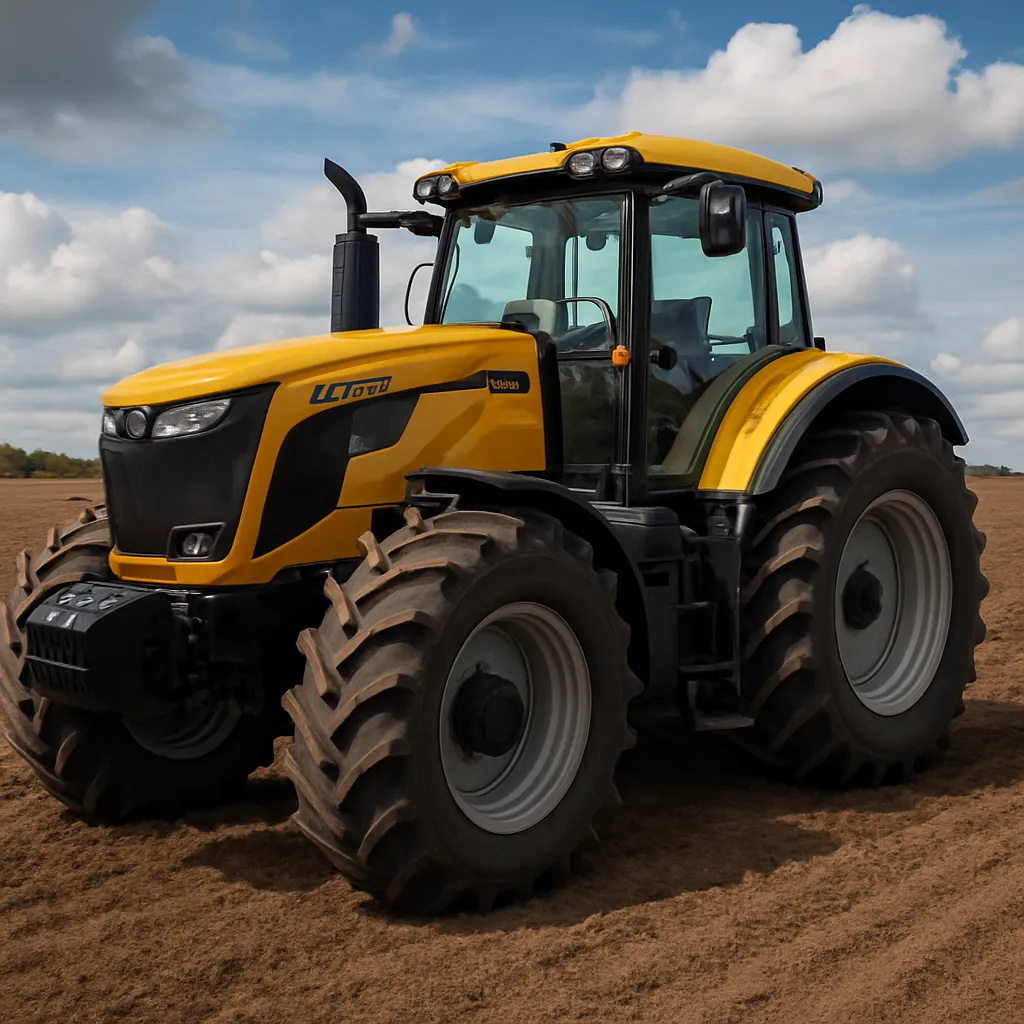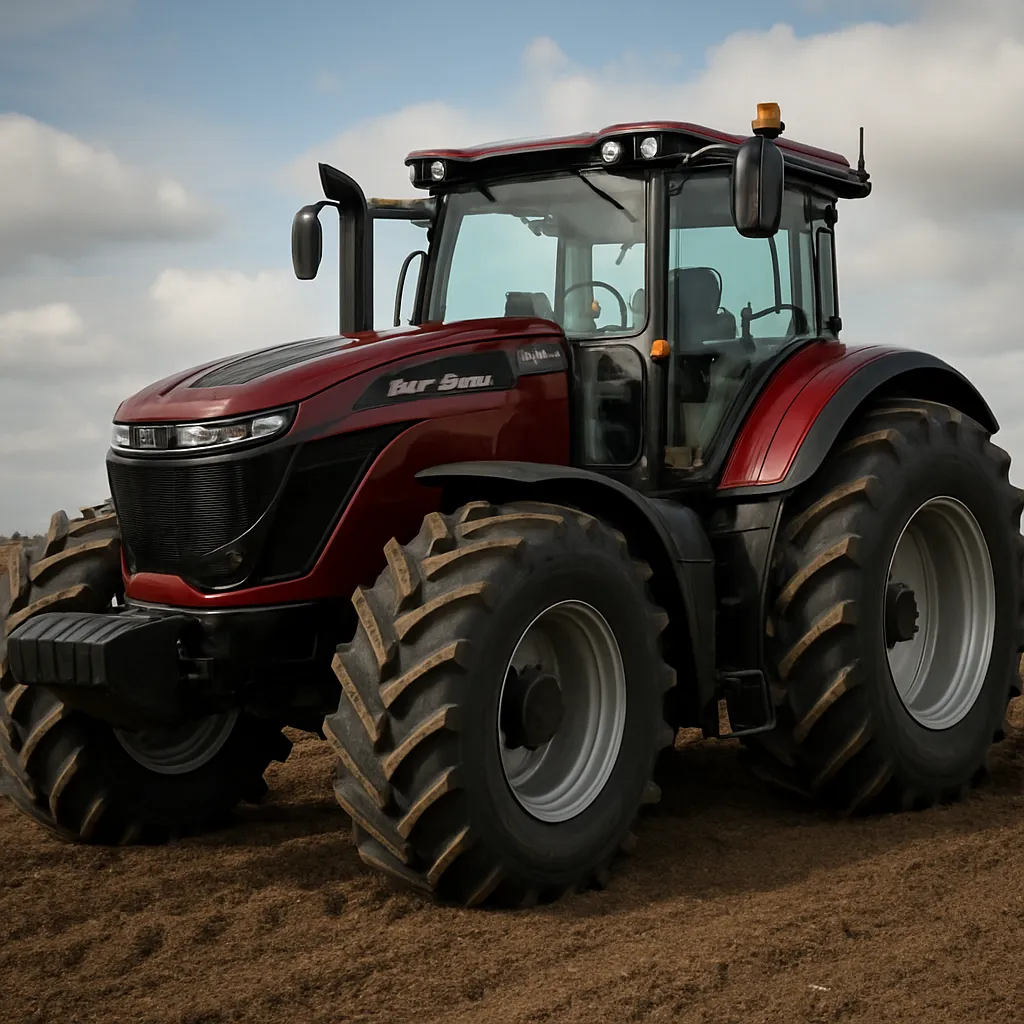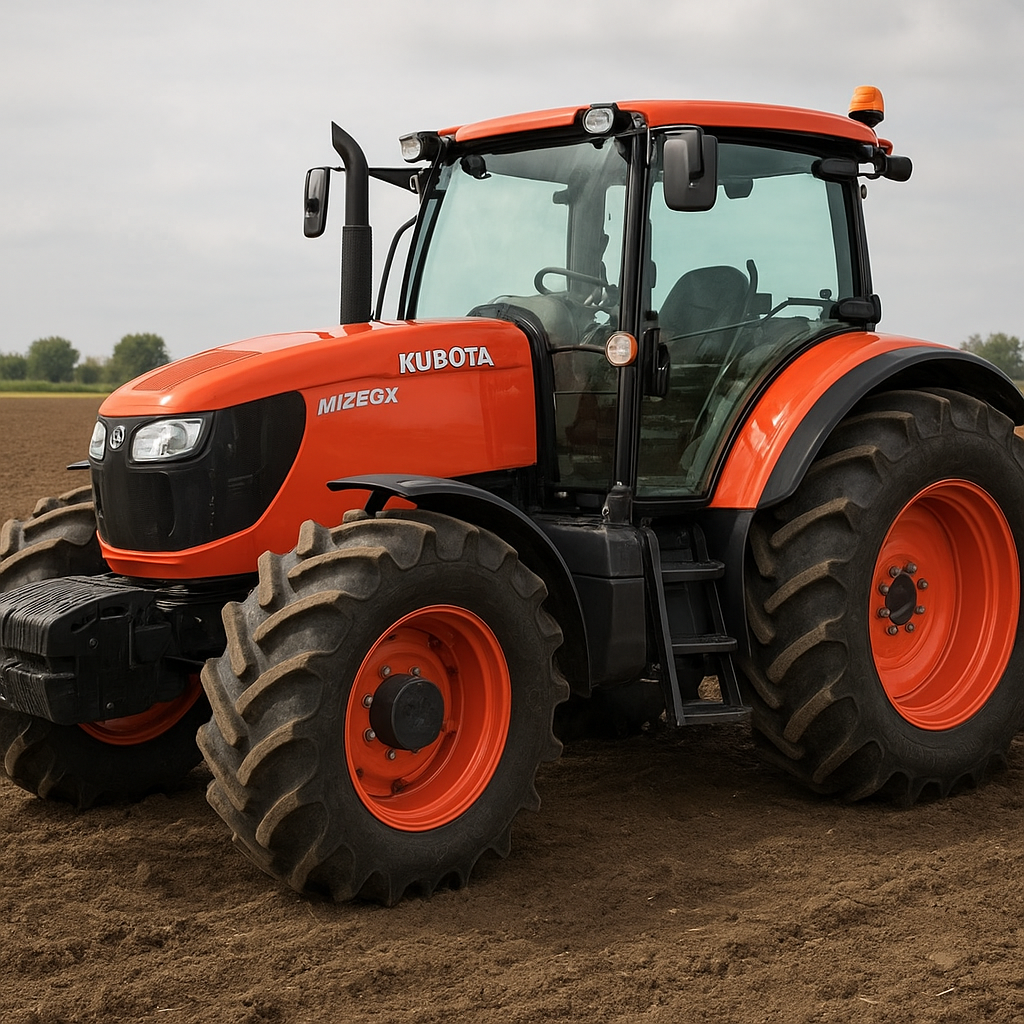
The Kubota M125GX is a modern utility and row-crop tractor designed to deliver a balance of power, comfort and versatility for demanding agricultural and contracting tasks. Combining robust mechanical components with an operator-focused cab and flexible attachment options, the M125GX aims to be a productive choice for farmers, contractors and municipal operators who need dependable performance across many applications. Below you will find an in-depth look at its characteristics, typical applications, maintenance considerations and market context.
Overview and key characteristics
The Kubota brand is globally recognized for compact and mid-range tractors that emphasize durability and user-friendly design. The Kubota model M125GX positions itself in the market as a high-output mid-size machine with an emphasis on all-around utility. With a nominal output of around horsepower in the 125-HP class, the M125GX combines strong pulling capability and hydraulic performance to handle implements such as ploughs, seeders, large mowers, and front loaders.
The machine’s design follows contemporary expectations for tractors in this segment: a robust frame, a comfortable and well-appointed cab, comprehensive hydraulic capacity and multiple PTO and hitch options. The M125GX is aimed at users who need a single tractor able to perform a wide range of tasks over long working days while providing straightforward service access and long-term reliability.
Technical specifications and performance
While technical specifications may vary by market and optional configurations, the typical core attributes of the M125GX include:
- Rated power: approximately 125 engine horsepower (rated) suitable for a broad set of implements.
- Engine: a turbocharged diesel designed for torque delivery across a useful RPM range for PTO and draft work; emphasis on fuel economy and durability.
- PTO options: commonly offered with selectable speeds (e.g., PTO 540/1000 rpm) to match a wide range of implements.
- Transmission: multiple choices depending on specification — from synchronized shuttles and powershifts to more advanced transmissions in some markets; this gives a balance between operator control and ease of use.
- Hydraulics: high-flow, closed-center or load-sensing hydraulic systems available to support demanding implements and quick-coupler loader work; high-capacity pumps for consistent performance.
- 3-point hitch: Category II or II/III with lift capacity often in the range of several thousand kilograms at the lift arms (typically around 4,000–5,000 kg depending on configuration).
- Front axle and suspension options: rigid or suspended front axles to improve ride quality and traction under load, particularly useful with front loaders or heavy front-mounted implements.
- Weight: curb weight and ballasted operating weight will vary by configuration but align with mid-size tractors designed for a mix of field and loader work.
Key performance considerations for prospective buyers include engine torque curves (for draft and loader performance), hydraulic flow rates (for responsive implement control), and PTO power delivery under load. The M125GX is engineered to provide consistent performance in these areas so that implements can be operated effectively in both field and farmyard environments.
Common applications and attachments
The M125GX is designed to be versatile. Typical applications include:
- Arable farming — ploughing, cultivating, drilling and trailing seeders and planters. The engine and transmission combinations make it suitable for medium-to-large implements used on family farms and smaller commercial operations.
- Hay and forage work — mowing, tedding, raking, baling and silage transport. Strong hydraulic capacity and PTO performance are important for continuous baling operations.
- Loader and yard work — when equipped with a front loader, the M125GX serves contractors and farmers handling materials, silage, feed, and pallets. Loader packages often include joystick controls and quick couplers.
- Livestock farms — feeding, bedding, slurry handling and manure spreading. The tractor’s maneuverability and power make it suitable for repeated daily tasks around barns and yards.
- Municipal and contractor tasks — road verge mowing, snow clearing, street sweeping and light construction duties when fitted with appropriate implements.
- Specialist crop management — with narrow or adjustable track options, and precision hydraulic control, it can be adapted for orchards, vineyards and other specialist systems.
Available attachments typically cover a broad palette: front loaders and buckets, pallet forks, bale spikes, rotary mowers, flail mowers, snow blowers, front and rear-mounted blades, seed drills, cultivators, subsoilers, sprayers and slurry spreaders. The tractor’s hydraulic and PTO flexibility make it compatible with a wide range of tools, allowing owners to consolidate tasks onto a single platform.
Operator comfort and controls
Modern tractors in this power class place a premium on ergonomics because operator comfort directly impacts productivity over long shifts. The M125GX cab typically offers:
- Comfort features such as air-suspended seats, climate control (air conditioning and heating), and good visibility to the front and sides for loader operations.
- Low-noise design and vibration damping, which reduce fatigue during prolonged use.
- Intuitive control layouts, including easily accessible joystick controls for loader operation, ergonomically placed levers and a clear instrument cluster for monitoring engine and implement parameters.
- Optional technological upgrades in some markets, like GPS-ready guidance systems, ISOBUS-compatible displays for precision farming and on-board telematics for fleet management.
These features make the cab a productive environment for operators and contribute to higher uptime by reducing human error and fatigue-related slowdowns.
Fuel efficiency, emissions and environmental considerations
Modern diesel engines used in the M125GX are designed with emissions compliance and fuel economy in mind. Typical characteristics include common-rail fuel injection, turbocharging, and after-treatment systems in markets where Tier/Stage emissions standards apply. The focus on fuel efficiency aims to lower operating costs and emissions per hectare or job-hour, which is increasingly important for commercial operators and farms looking to reduce total cost of ownership and environmental footprint.
Operators should evaluate fuel consumption figures under realistic working loads—loader cycles, PTO-driven tasks and field draft work have different consumption profiles. When considering lifecycle impacts, efficient matching of tractor power to implement requirements is key to minimizing unnecessary fuel usage.
Maintenance, serviceability and reliability
For professional users, downtime is costly. Kubota typically engineers tractors like the M125GX with straightforward service access: large engine bonnets, easily reachable filters, clearly laid-out hydraulic and electrical components, and accessible grease points. Regular maintenance items include oil and filter changes, air filter service, hydraulic fluid checks and PTO/driveline inspections.
Reliability is supported by robust transmission components, durable axle designs and proven engine platforms. Many operators report multi-thousand-hour service intervals when preventive maintenance is performed on schedule. A strong dealer network and parts availability also affect total uptime and ownership experience.
Economics — purchase, resale and total cost of ownership
When evaluating the economics of the M125GX, buyers should consider the following:
- Initial purchase price relative to power and options. The M125GX competes in a segment where competing models from other manufacturers offer similar power and feature sets, so option selection and local dealer support play a role in value.
- Operating costs, including fuel, service parts, tires and routine maintenance. Efficient engines and appropriate gearing can reduce fuel costs per hectare.
- Resale value — Kubota tractors often retain good resale values, especially in markets where the brand is well supported and known for durability.
- Flexibility of use — a tractor that can handle a wide range of tasks reduces the need to purchase multiple specialized machines, lowering total fleet costs.
For commercial operations, calculating cost per operating hour and matching the tractor’s capabilities to the majority of tasks will give the best measure of affordability and return on investment.
Market position and competitors
The M125GX competes with other global mid-size tractor offerings in the 110–140 HP range. Key competitors often include models from manufacturers such as John Deere, New Holland, Case IH, Massey Ferguson and Fendt, depending on the market. Kubota’s competitive strengths typically include a reputation for compact, robust engineering, a wide dealer network in many regions, and a focus on operator comfort and straightforward maintenance.
When comparing models, buyers should look at:
- Actual PTO power at rated RPMs rather than advertised engine power alone.
- Hydraulic flow rates and the number of remote valves for implement control.
- Transmission type and shift smoothness for the intended work profile (field work vs loader cycles vs transport).
- Cab comfort and available technology packages for guidance and telematics.
Safety and operator training
Operating a tractor of this size requires attention to safety standards: roll-over protective structures (ROPS), correct hitching and use of PTO shields, attention to weight distribution when using front loaders, and safe speeds on the road. Training operators in daily checks, safe coupling of implements and emergency procedures increases safety and reduces accidents, which in turn protects productivity and asset value.
Summary and buying considerations
The Kubota M125GX is designed for users who need a robust, flexible mid-size tractor with strong performance across multiple tasks. Its main selling points are balanced power for field and loader work, a comfortable cab environment for long hours, flexible hydraulic and PTO configurations, and straightforward maintenance. Prospective buyers should:
- Assess the common tasks to be performed and match the tractor’s PTO and hydraulic capabilities to those implements.
- Compare transmission and cab options for the primary work profile (heavy draft vs loader-intensive tasks).
- Consider dealer support, parts availability and warranty coverage in the local market.
- Evaluate long-term operating costs and resale prospects as part of the purchase decision.
Overall, for farms and contractors seeking a dependable mid-range tractor, the M125GX presents a compelling package when configured to match the operator’s specific needs. Its combination of power, versatility and operator-focused features makes it well suited to a wide array of agricultural and utility operations.