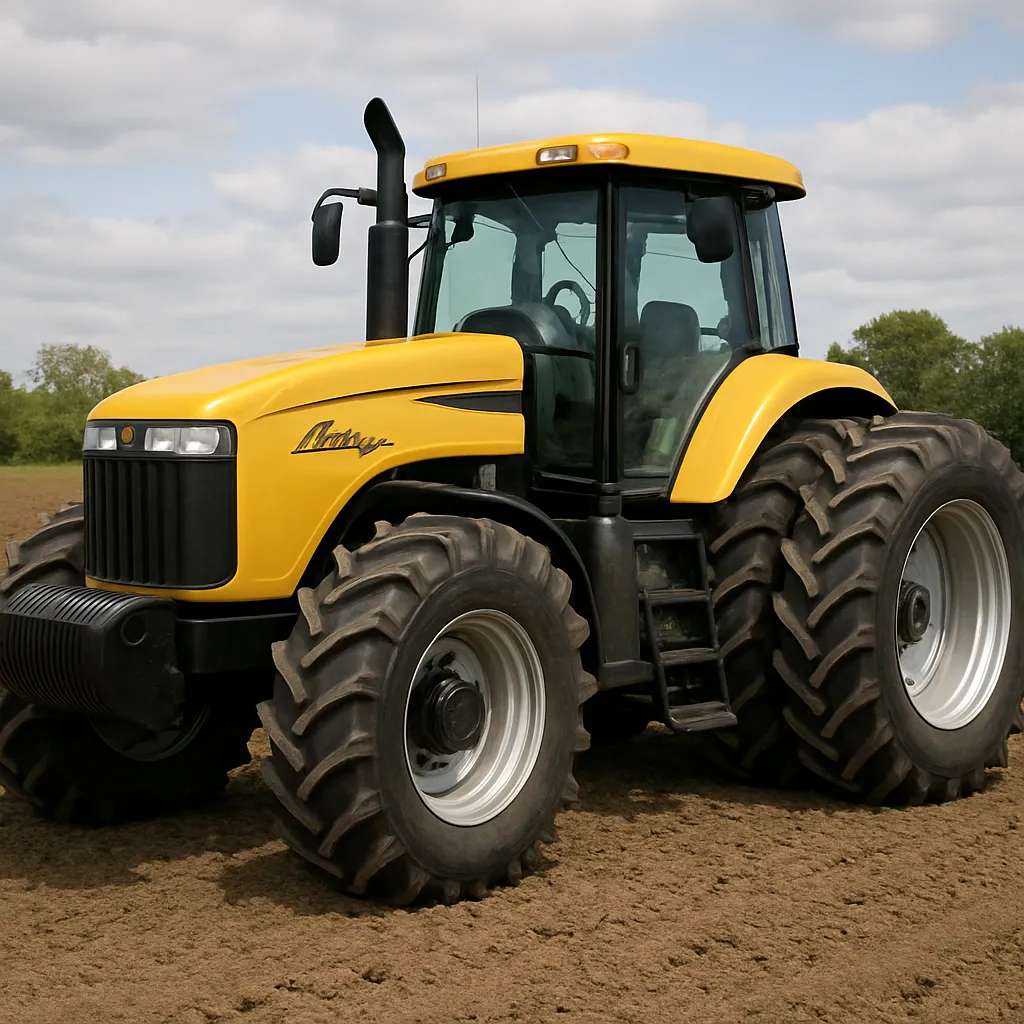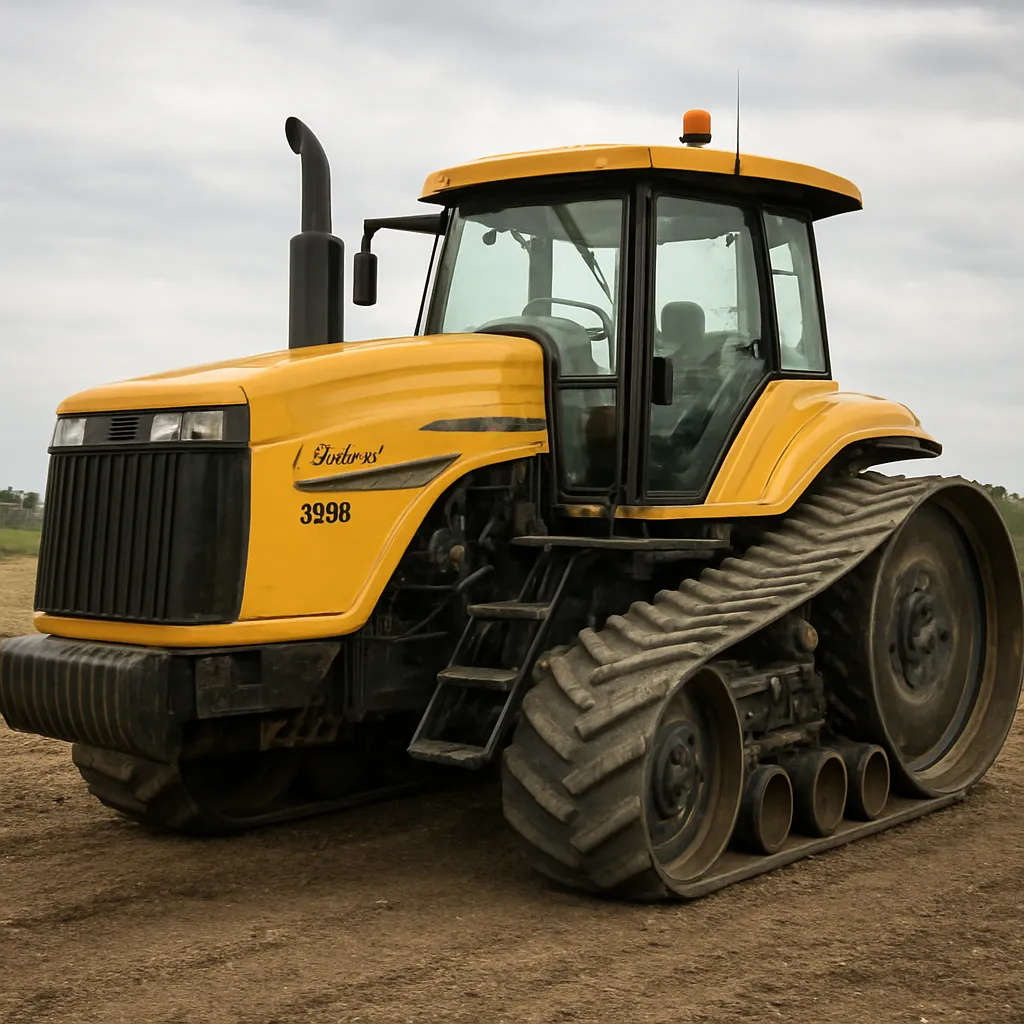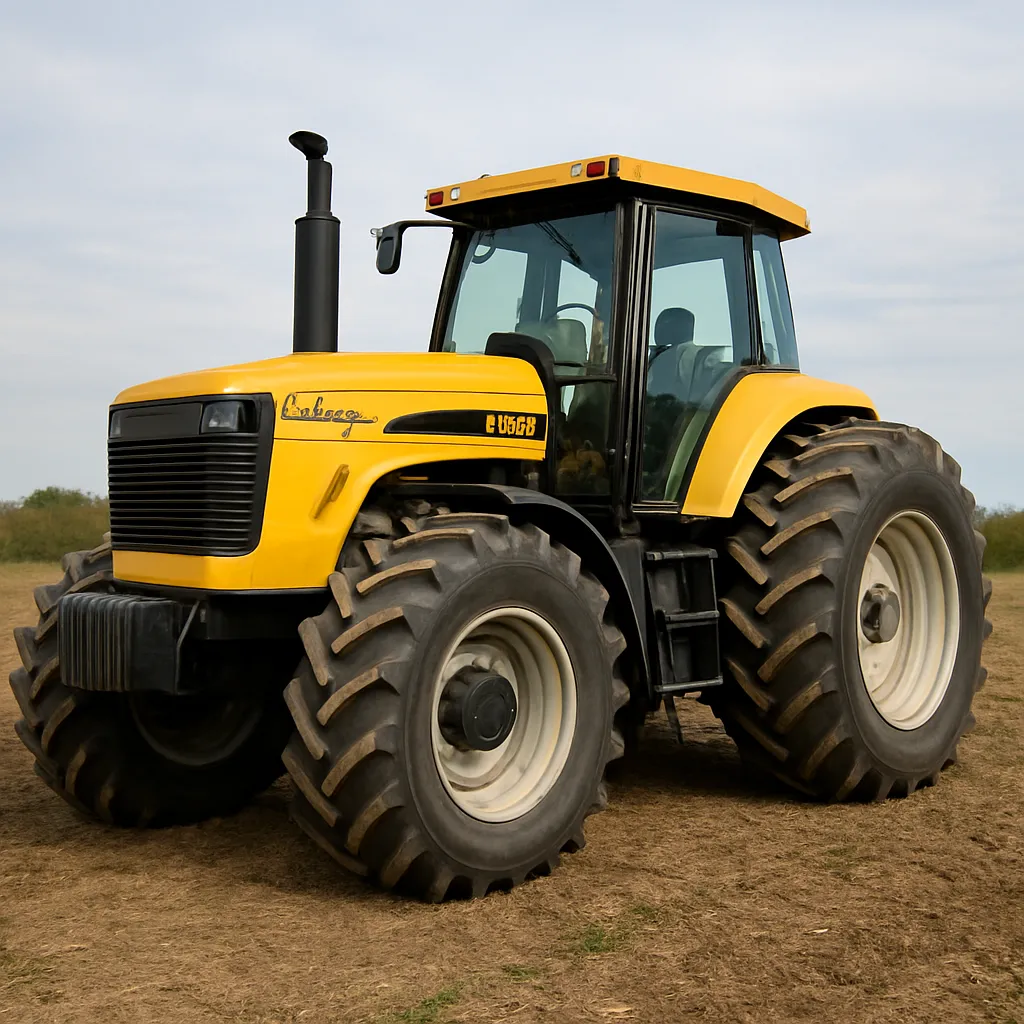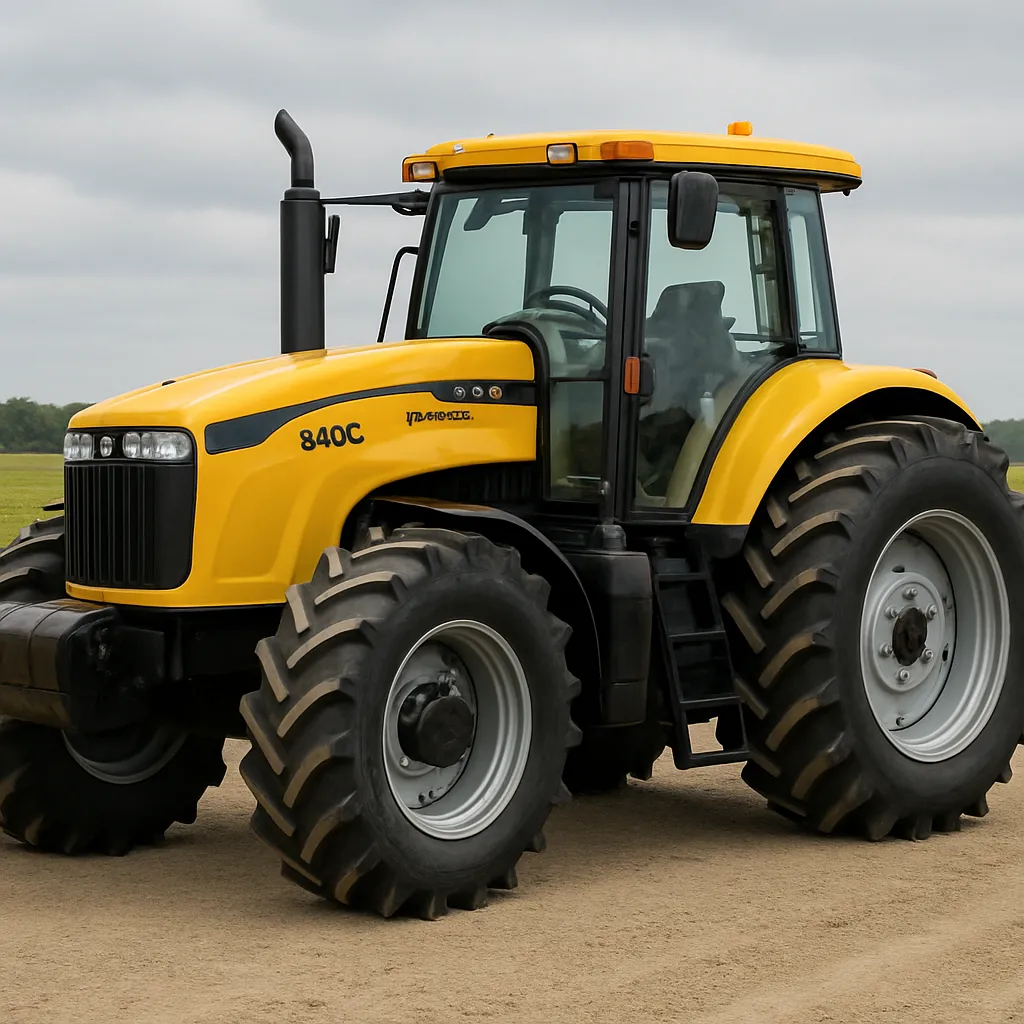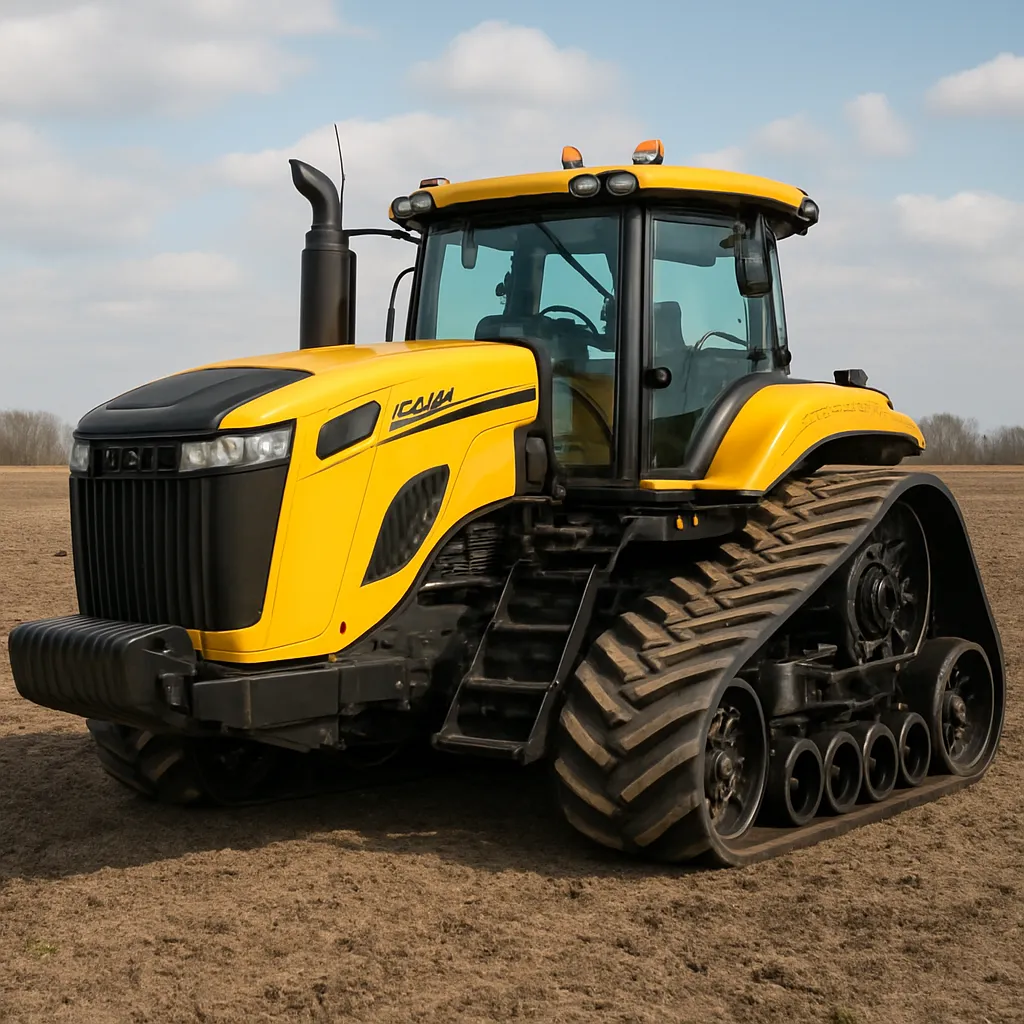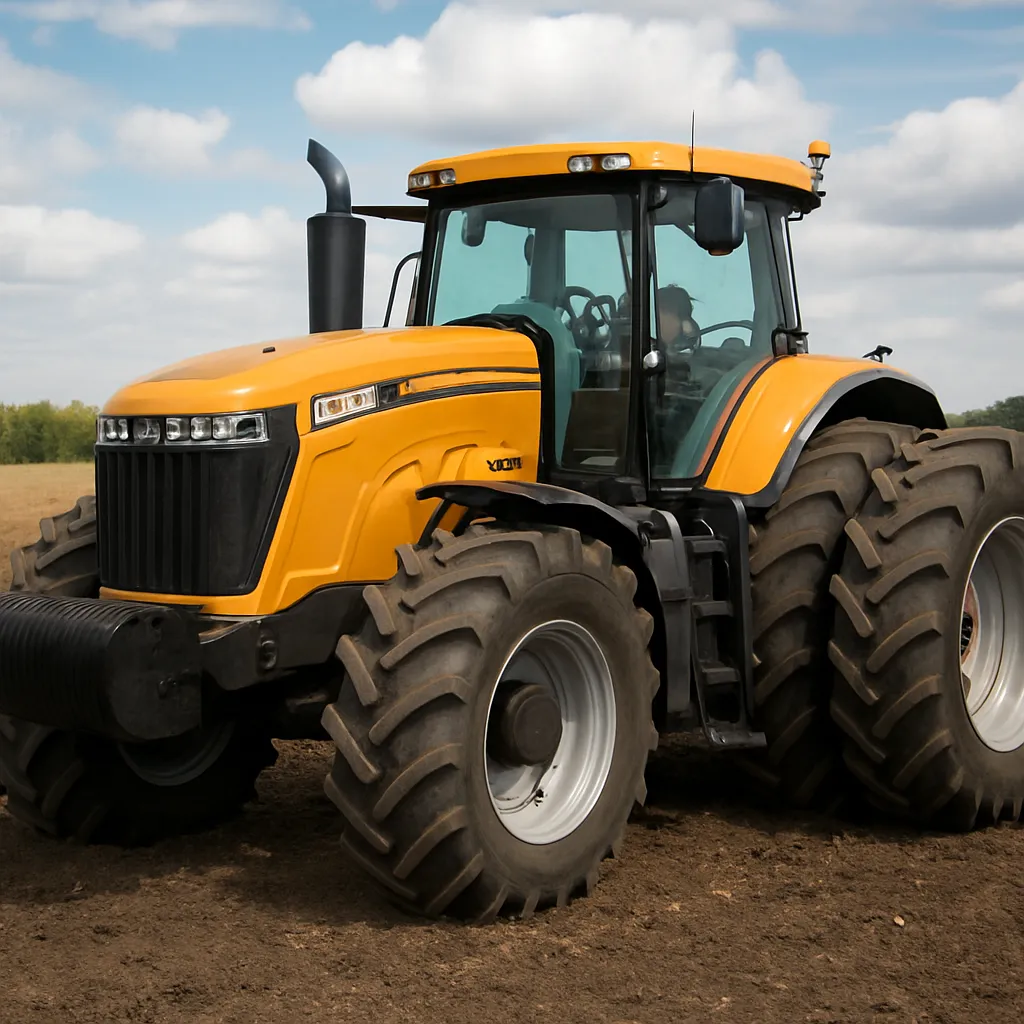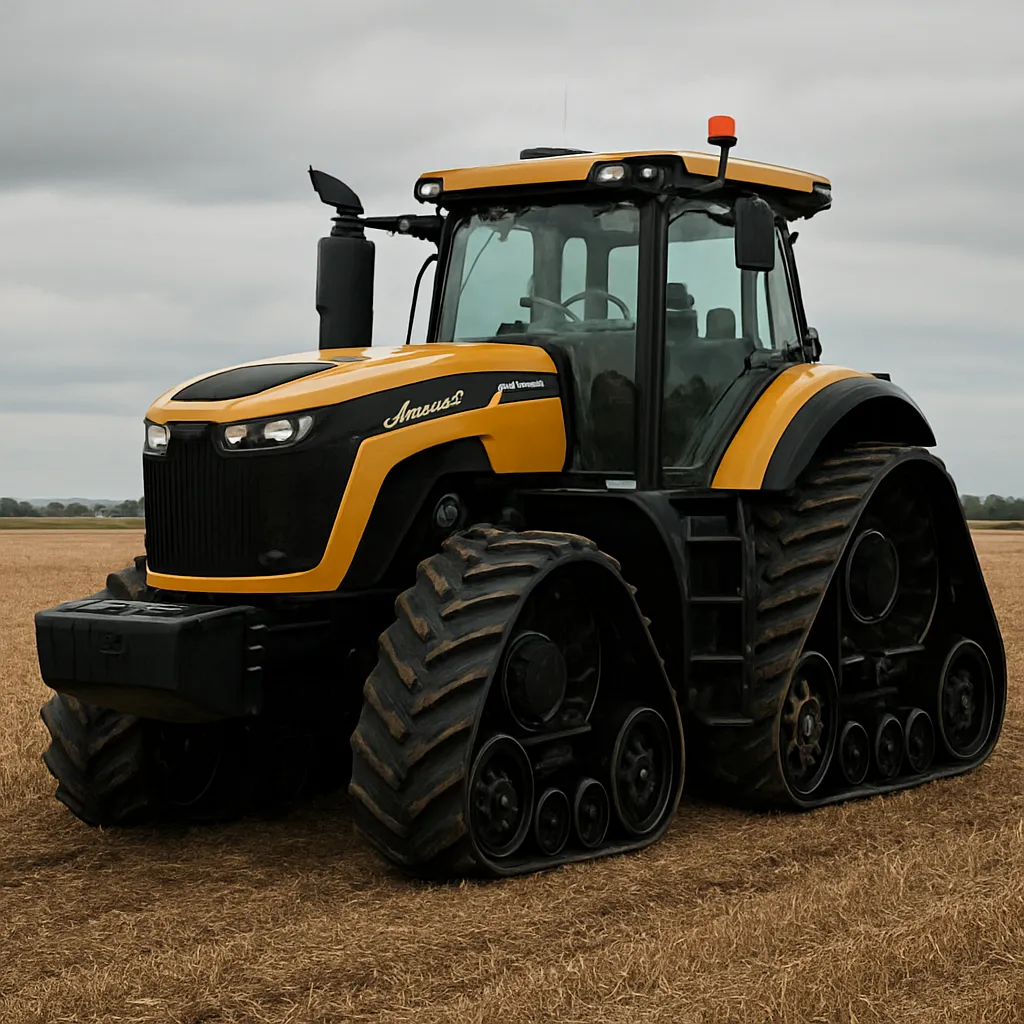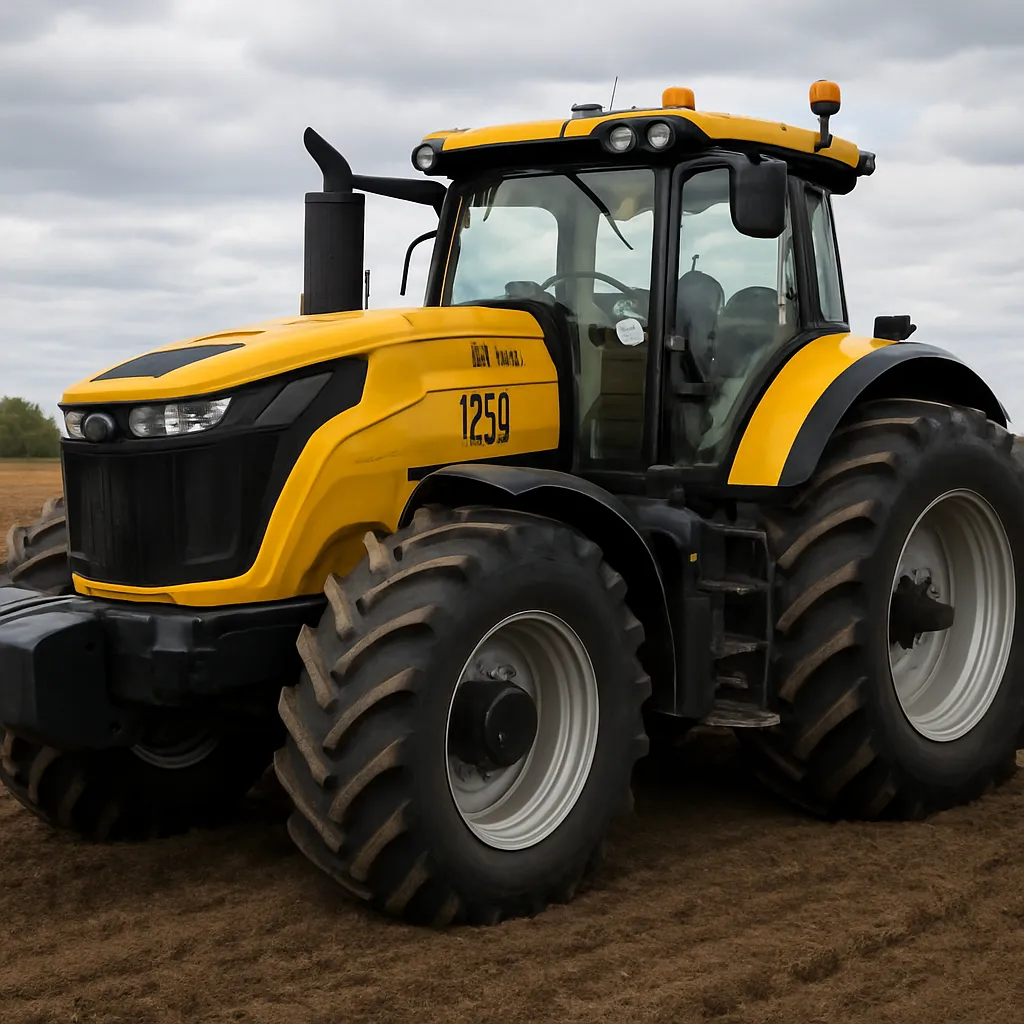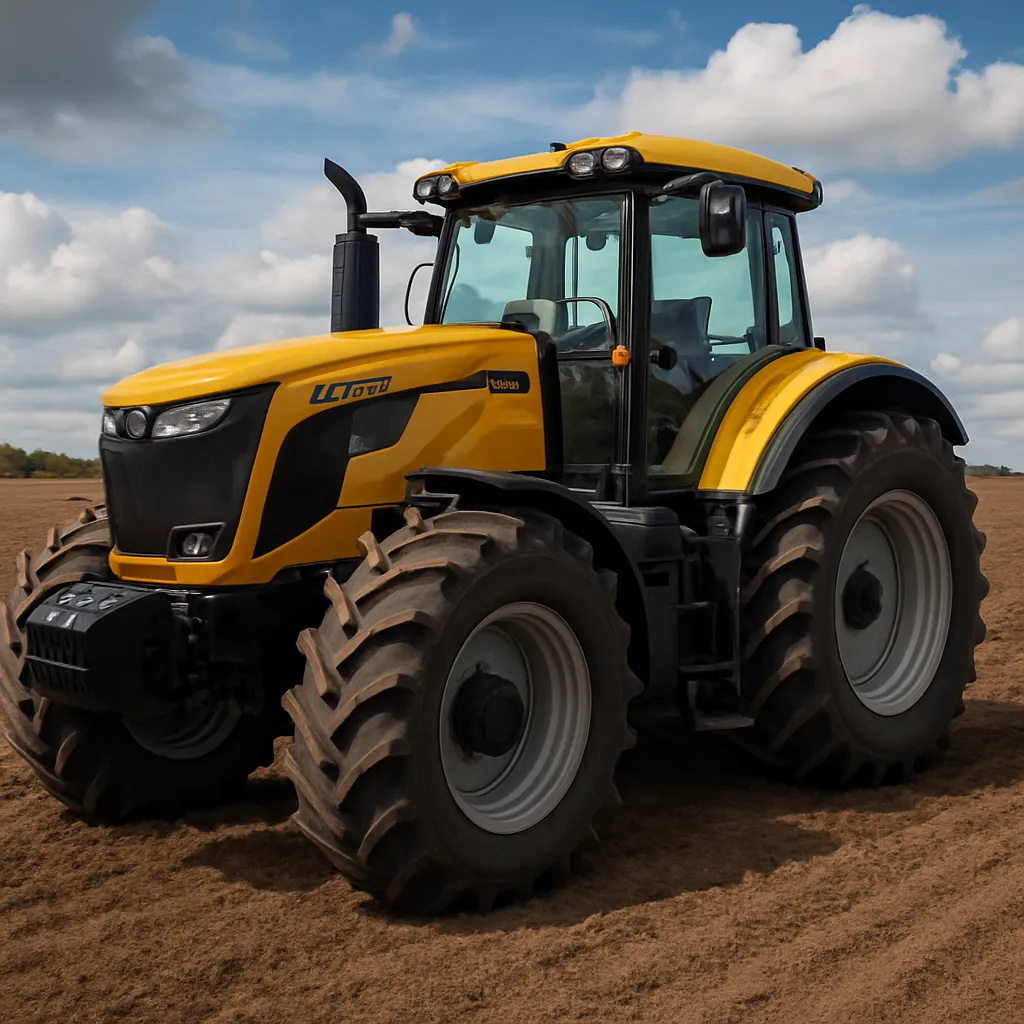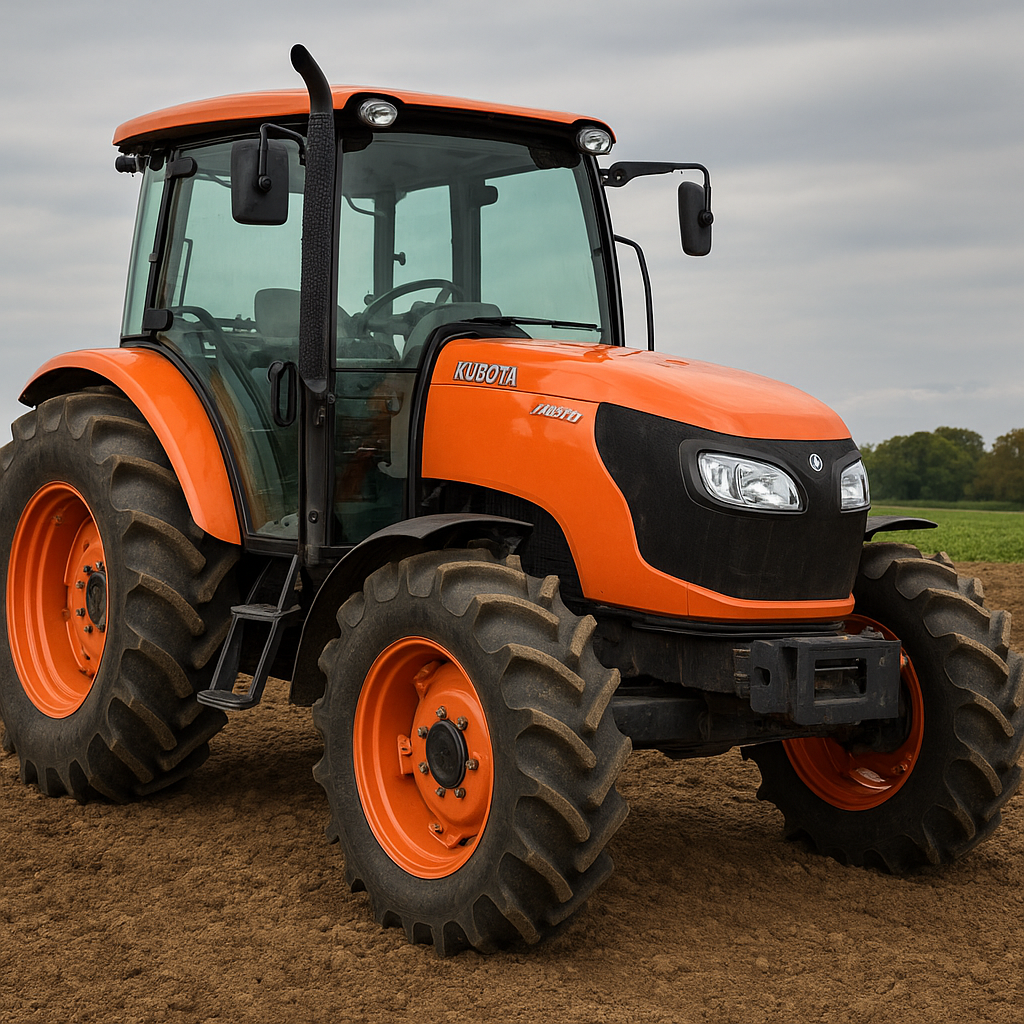
The Kubota M8540 is a versatile mid-size agricultural machine that combines practical power with compact dimensions. Designed for users who need a reliable workhorse for a variety of tasks, the M8540 has found favor with farmers, contractors and municipal operators worldwide. This article examines the tractor’s characteristics, typical applications, technical highlights and practical advice for owners and prospective buyers. It also provides approximate technical data and operational considerations to help you understand where the M8540 fits in modern farm and utility fleets.
Overview and main characteristics
The Kubota M8540 is positioned as a tractor for small to medium-sized enterprises that require both field performance and daily versatility. Manufactured as part of Kubota’s M-series family, the machine balances sufficient power output with maneuverability and ease of maintenance. The overall concept favors practical, proven technologies over experimental complexity, making the M8540 attractive to users who prioritize uptime and straightforward servicing.
Design intentions and target users
Kubota designed the M8540 to serve a broad spectrum of tasks: tillage, mowing and haymaking, loader work, transportation, and light-to-medium-duty tillage or seedbed preparation. Typical owners include mixed-crop farms, dairy farms, landscaping and groundskeeping operations, and small contractors. The tractor is also used in municipal roles—snow clearing, road verge maintenance, and municipal grounds tasks—where a compact but capable machine is required.
Key features at a glance
- Durable, turbocharged diesel engine tuned for steady torque in fieldwork.
- Comfortable operator station with options for cab or ROPS platform depending on market and configuration.
- Hydraulic system and three‑point hitch sized to handle a wide variety of implements.
- Front-loader compatibility for material handling, pallet work and feed tasks.
- Relatively compact footprint allowing operations in narrow lanes, orchards or buildings.
Technical specifications and performance (approximate)
Below are commonly referenced figures for the M8540, presented as approximate values because exact specifications can vary by market, year and trim level. These numbers are intended to give a clear sense of the tractor’s capabilities rather than represent a single factory sheet for every model variant.
Engine and powertrain
- Rated power: approximately horsepower 80–90 hp (roughly 60–67 kW) at the flywheel—many sources and owner reports list the model around 85 hp.
- Engine type: 4‑cylinder, turbocharged diesel with intercooler on some variants; reliable mechanical fuel injection or modern electronic injection depending on year.
- Displacement: typically in the range of 3.3–3.8 liters (varies by market and engine version).
- Transmission: multiple options historically offered—synchromesh 12F/12R or upgraded ranges like 16F/16R; creeper gear or power shift options may exist depending on specification.
- Top road speed: often around 30–35 km/h with appropriate gearing (market-dependent).
PTO, hydraulics and hitch
- PTO: standard 540 rpm; some versions may offer 540/540E or 540/1000 options depending on the implement needs.
- Lift capacity: rear three‑point hitch lift in the ballpark of 2,200–3,000 kg (≈2.2–3.0 tonnes) measured at hitch points—adequate for most mid-sized implements.
- Hydraulic flow: typical flow rates are around 40–70 L/min depending on pump and configuration; adequate for loader work and multiple remote circuits.
- Number of remote valves: commonly two or three spool valves, with optional mid-mount or front remotes for loaders and additional implements.
Dimensions, weight and capacities
- Operating weight: generally between 2,400 and 3,200 kg depending on cab, ballast and attachments.
- Wheelbase and overall length: compact enough for farmyard and confined-space tasks while remaining stable during fieldwork.
- Fuel tank capacity: approximately 80–120 liters—sized to support multiple hours of fieldwork without frequent refueling.
- Tire options: multiple front/rear tire choices for field, transport, or orchard applications.
Fuel efficiency and operating consumption
Fuel consumption depends heavily on task and load; typical working consumption under moderate load conditions often falls in the range of 6–12 L/h. Low-load transport tasks will be on the lower end, while heavy loader cycles or intensive ploughing increase fuel use. Owners generally praise the M8540’s balance of torque and economy for its class.
Typical applications and real-world uses
The M8540 is truly a multi-purpose machine. Its size and performance make it a go-to choice across a broad set of roles that require consistent power without the complexity and cost of larger tractors.
Field and cropping work
- Tillage and seedbed preparation: light-to-medium tillage implements such as discs, cultivators and seed drills.
- Crop maintenance: sprayer and spreader towing, cultivation between rows, and general field transport.
- Hay and forage operations: mowing, raking, baling (small- to medium-size balers), and silage trailer work.
Livestock and mixed farming
- Feeding and bedding tasks: front-loader for muck handling, bale stacking and feed distribution.
- Barn and yard maintenance: mowing, sweeping, and snow removal with attachments.
- Transport: moving feed, materials, or animals within the farm or to local markets.
Contracting, municipal and landscaping use
- Contractors often use the M8540 for light civil works, property maintenance and estate management where agility matters.
- Municipal services find the machine useful for verge mowing, sweeping, gritting, and light snowplough attachments.
- Groundskeepers and landscaping firms use compact size for working close to buildings, in parks and on planted areas.
Attachments and adaptability
One of the M8540’s strengths is the wide range of compatible implements. The tractor is often sold with loader compatibility in mind, enabling it to double as both a field machine and a general yard handler.
Common attachments
- Front loader and bucket—used for material handling, pallet work and lifting bales.
- Rear implements: ploughs, cultivators, harrows, seeders, mowers, balers and spreaders.
- Utility implements: snowploughs, salt spreaders, flail mowers, hedge cutters and trailers.
- Specialist adapters: bale spears, pallet forks, bale grabs and front-mounted mowers for orchards or vineyards.
Loader performance
When equipped with a front loader, the M8540 becomes a highly productive yard machine. Loader lift capacity typically suits pallets, feed buckets and medium bales, and hydraulic responsiveness allows for smooth cycle work. Kubota and third-party loader kits are commonly available, increasing flexibility across different owner needs.
Operator comfort, safety and ergonomics
The M8540 emphasizes straightforward ergonomics: a clear instrument cluster, accessible controls and a practical work platform. Buyers can often choose between a basic ROPS platform for open‑farm tasks and an enclosed cab with heating and optional air conditioning for year‑round comfort.
- Visibility: thoughtful cab and bonnet design aimed to give good forward and loader visibility.
- Controls: logically placed levers and switches reduce operator fatigue during long shifts.
- Safety: standard safety items include rollover protection (ROPS) and seat belts; many models include or can be retrofitted with additional lighting and mirrors for transport and night work.
Maintenance, reliability and lifecycle costs
The M8540’s reputation largely rests on a foundation of tried-and-true engineering and accessible maintenance. Owners emphasize that routine checks and adherence to service intervals ensure dependable operation across seasons.
Typical maintenance items
- Engine oil and filter: service intervals commonly every 200–300 hours—check owner’s manual for exact period.
- Fuel filters and air filters: replaced per schedule or sooner in dusty environments.
- Hydraulics: monitor fluid levels and replace hydraulic oil and filters according to the manufacturer plan.
- Transmission and final drives: regular oil checks and periodic changes depending on operating hours and load.
- Cooling system: inspect hoses, radiator and coolant levels; cleaning the radiator is important in dusty or crop residue environments.
Reliability notes
Users typically describe the M8540 as robust and reliable for its class. The straightforward mechanical systems reduce the likelihood of complex electronic failures, particularly on earlier units. As with any used tractor, the major variance in reliability is driven by maintenance history, operating conditions and whether the tractor underwent heavy or abusive use (e.g., extreme loader cycles, continuous heavy ploughing without proper service).
Buying considerations and used-market advice
When evaluating an M8540—new or used—buyers should focus on service history, wear items, and the presence of any hard-use modifications. The M8540 is often available on the used market, and sensible inspection can reveal whether a machine will remain a cost-effective asset.
Pre-purchase checklist
- Service records: prefer machines with documented oil changes, filter replacements and major servicing.
- Hour meter: compare hours to expected wear; a tractor with moderate hours and good upkeep usually outperforms a low-hour but neglected example.
- Hydraulic integrity: look for leaks at hoses, cylinders and couplings; test all remotes under load.
- Transmission: check for smooth engagement, unusual noises, or slipping under load in each gear range.
- Cooling and engine: check for overheating signs, smoke color at startup and under load, and any coolant leaks.
- Undercarriage and frame: inspect for welds, bends or signs of collisions—especially around loader mounts.
Depreciation and lifecycle value
Depreciation of tractors in this class depends on hours, maintenance and region. A well-maintained M8540 commonly retains value because of its utility and relatively low total cost of ownership. Replacement parts remain accessible through dealer networks and third-party suppliers, helping to control long-term maintenance expenses.
Environmental and regulatory aspects
As emissions regulations have tightened, later-model tractors often include more advanced emission controls. Depending on the model year, your M8540 may include elements such as improved fuel injection control or after-treatment systems. For older units, operators should be mindful of local emissions rules for on-road transport or municipal contracts.
- Emissions: check the tractor’s certification level if operating in regions with strict off-road engine regulations.
- Noise and operator exposure: cabbed models reduce noise exposure and improve operator comfort during extended tasks.
- Refurbishment potential: retrofit options such as improved lighting, modern telemetry or safety features can extend machine utility and compliance in some contexts.
Strengths, limitations and suitability
The Kubota M8540 stands out for a combination of reliability, moderate power and versatile application. It’s particularly well suited for operations that need a single machine to perform a variety of tasks without stepping up to a much larger tractor. Its compactness is a benefit in confined spaces, while its power is adequate for most mid-range implements.
- Strengths:
- Versatility across farm and municipal tasks.
- Lower complexity than larger, more electronically intensive machines.
- Good balance of power to size for many mixed farm operations.
- Limitations:
- Not intended for the heaviest, high‑horsepower implements or continuous heavy tillage at scale.
- Specific feature sets (e.g., high-flow hydraulics or very large loader capacities) may require optional equipment or other models.
Conclusion
The Kubota M8540 occupies a practical niche: a mid-size, dependable tractor that can handle a wide range of tasks around the farm, yard or municipality. With approximate rated power in the mid-80s horsepower class, robust hydraulics, and a capable three-point hitch, it answers the needs of mixed and small-to-medium sized enterprises. Proper maintenance and sensible use extend the machine’s life and keep lifecycle costs manageable. For buyers seeking a flexible, straightforward workhorse that bridges the gap between small utility tractors and larger field tractors, the M8540 remains an attractive option.