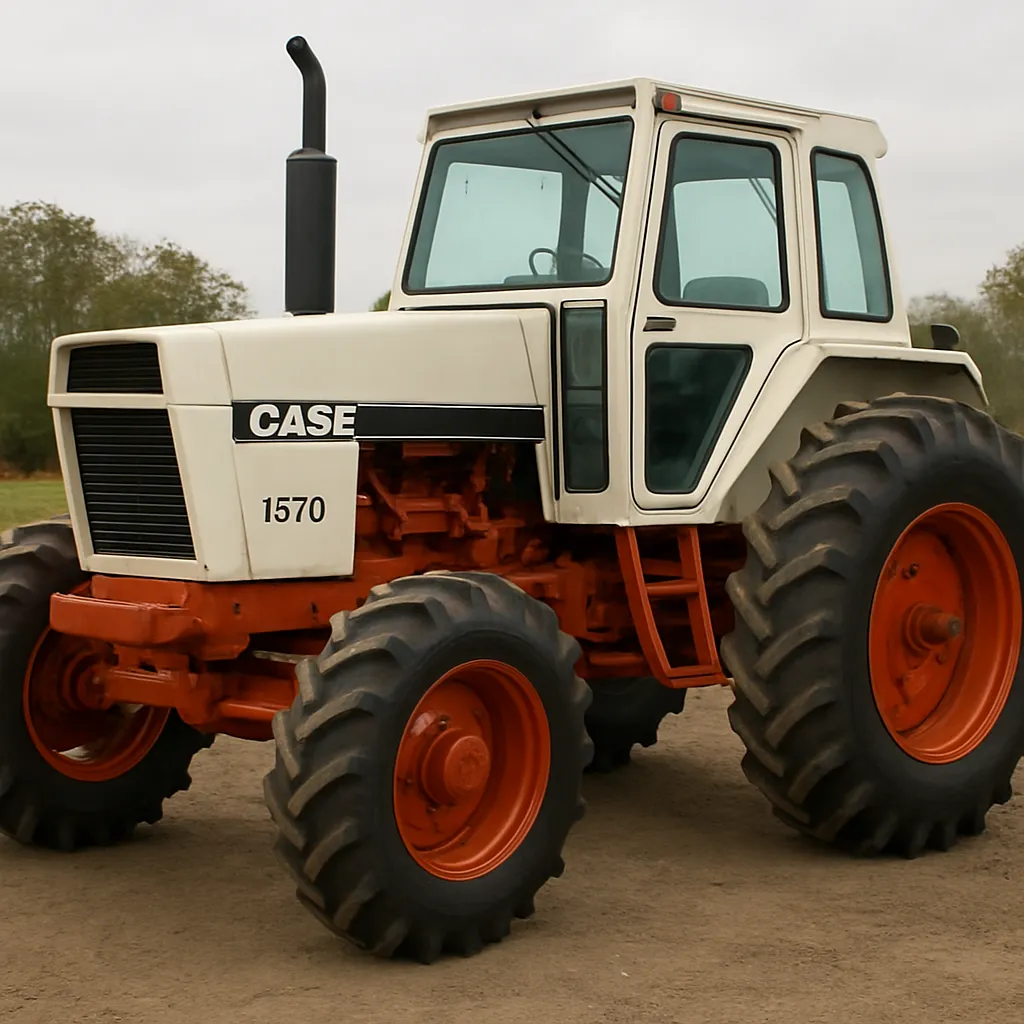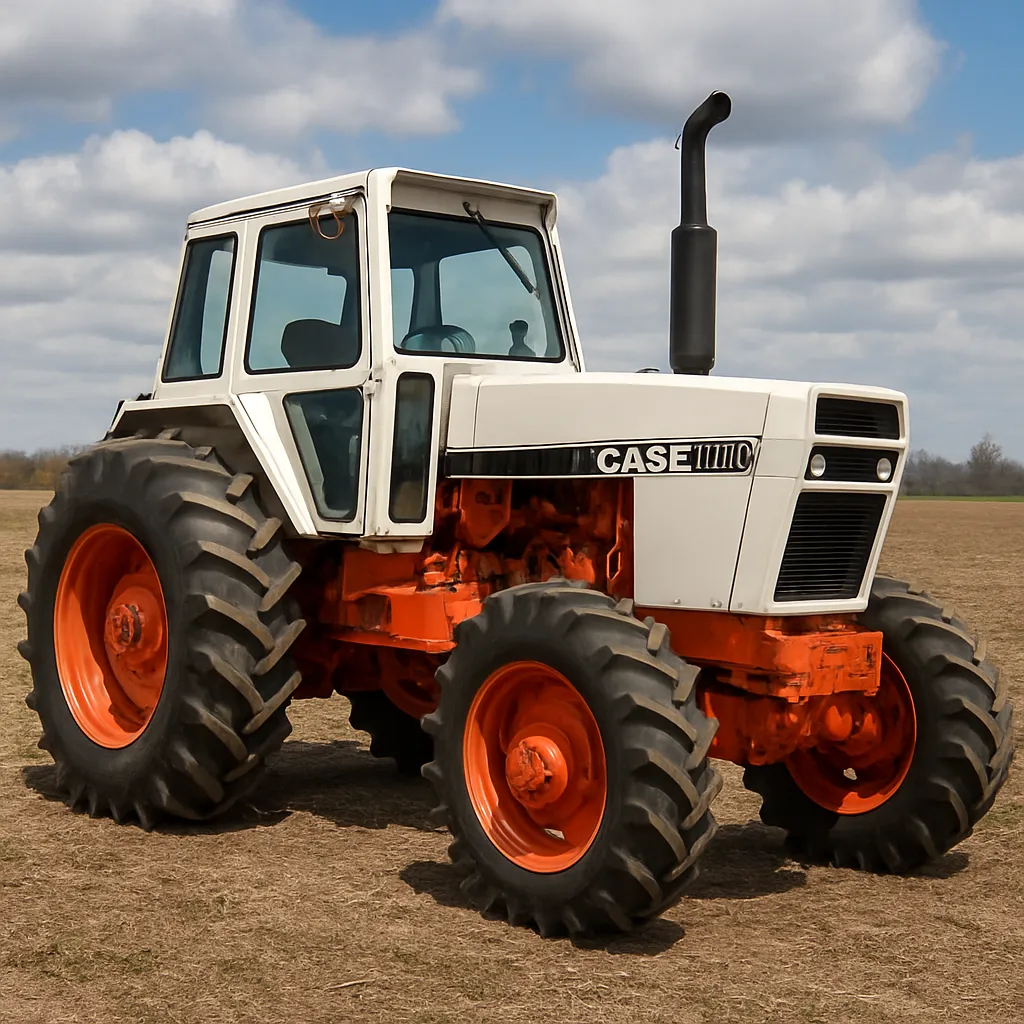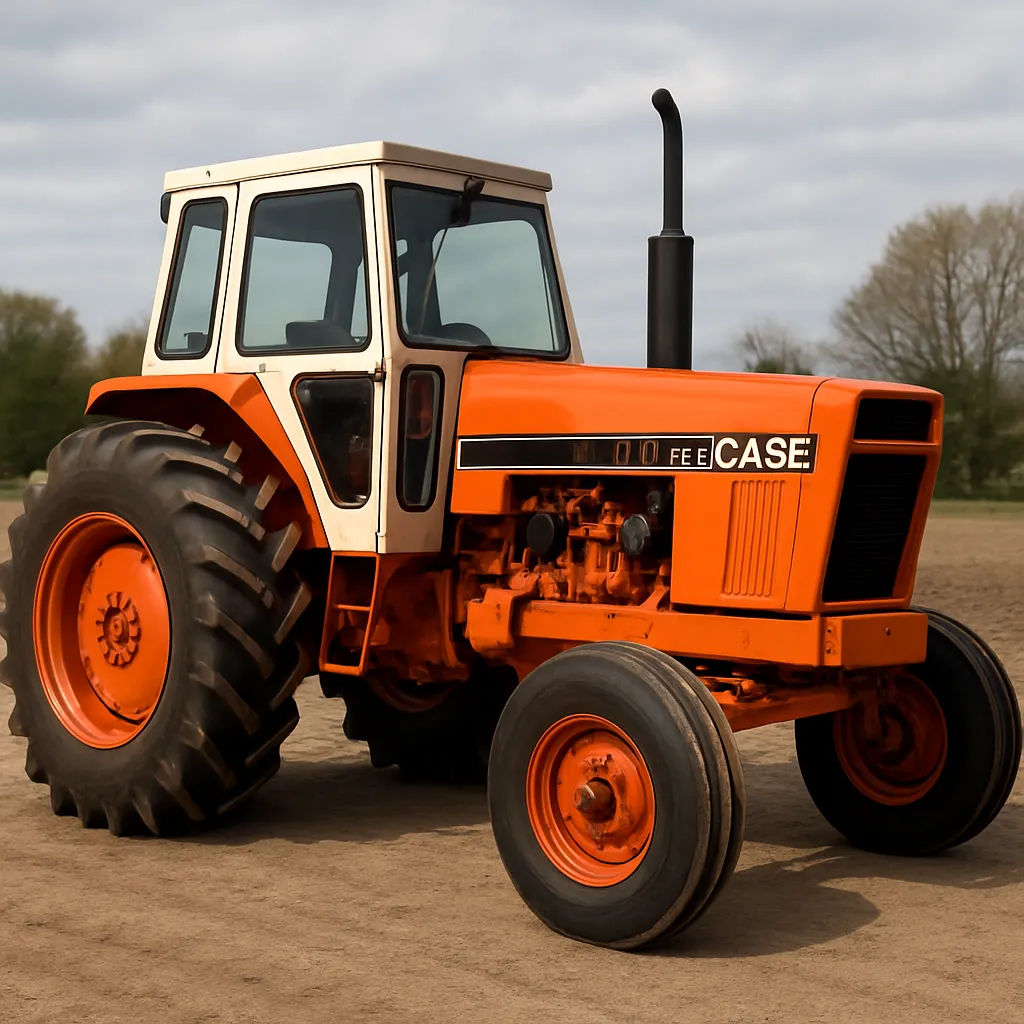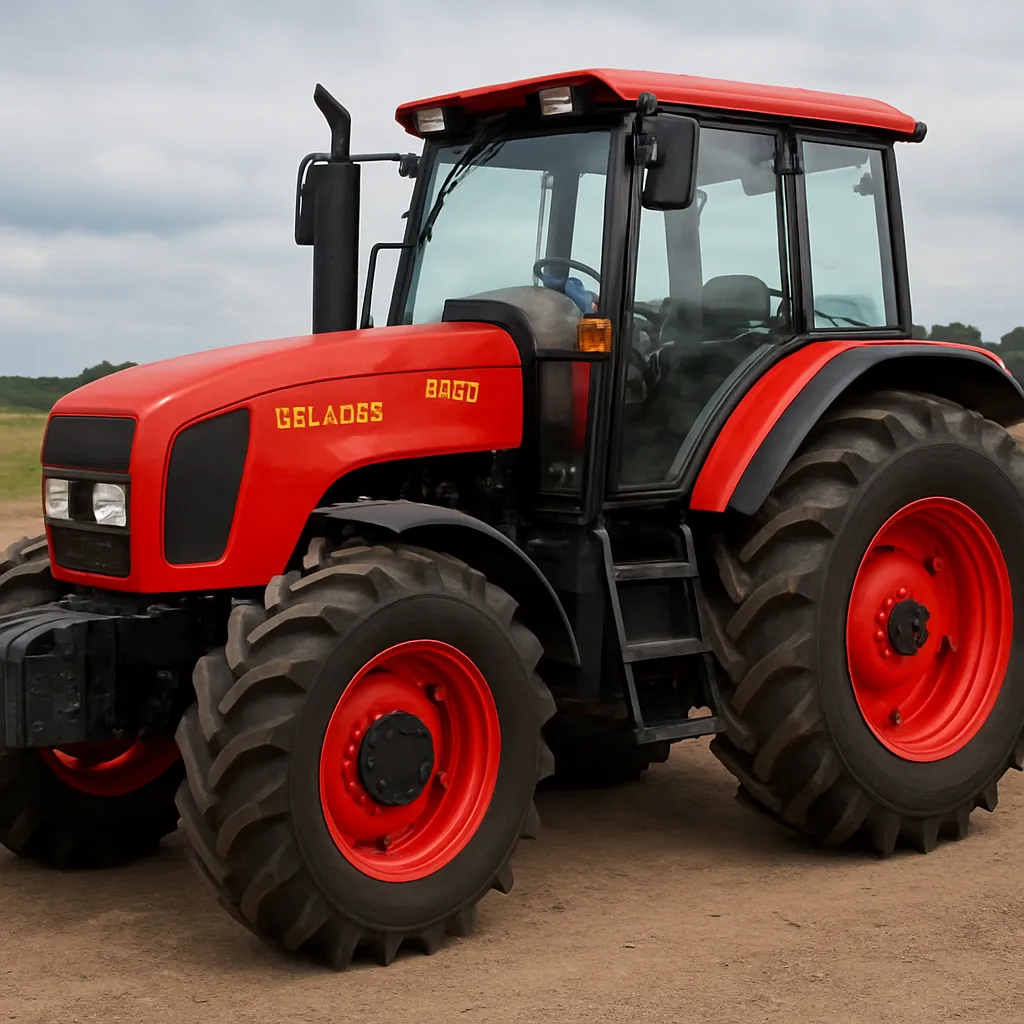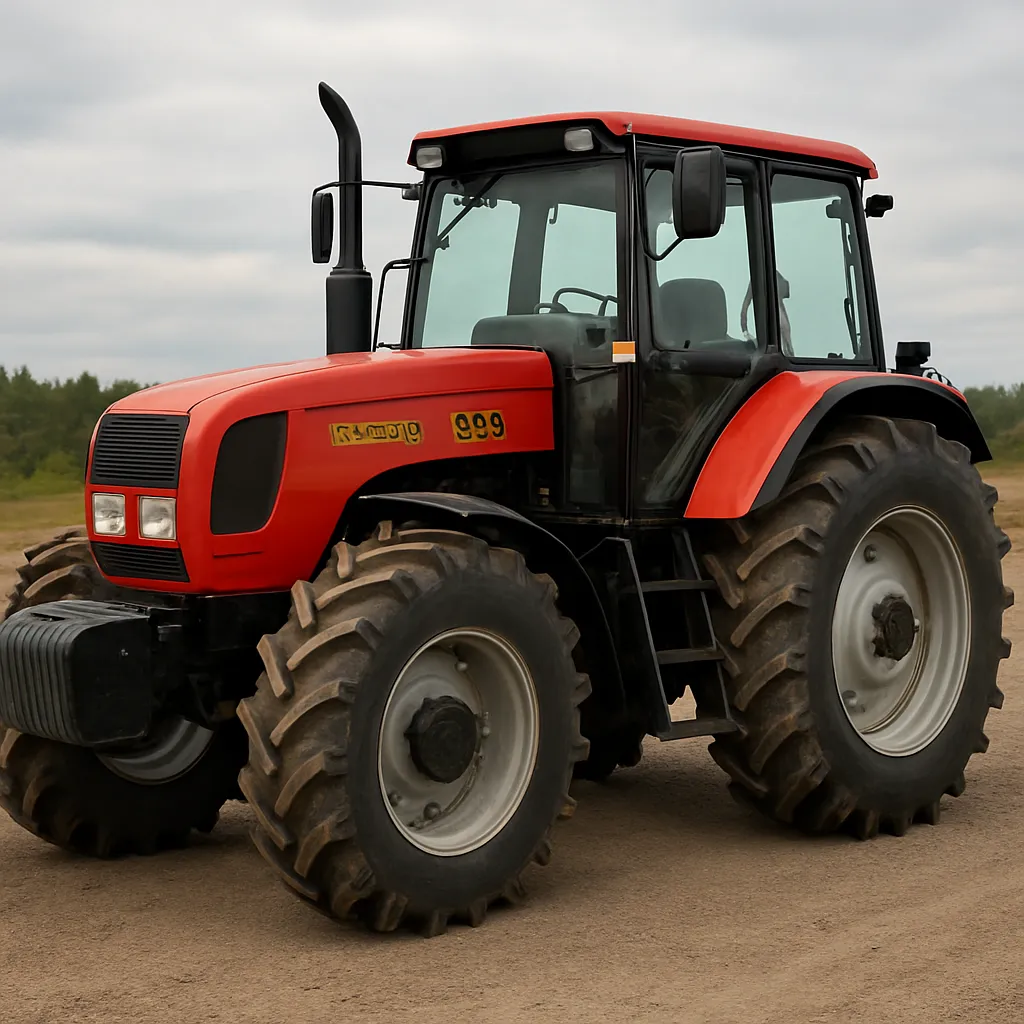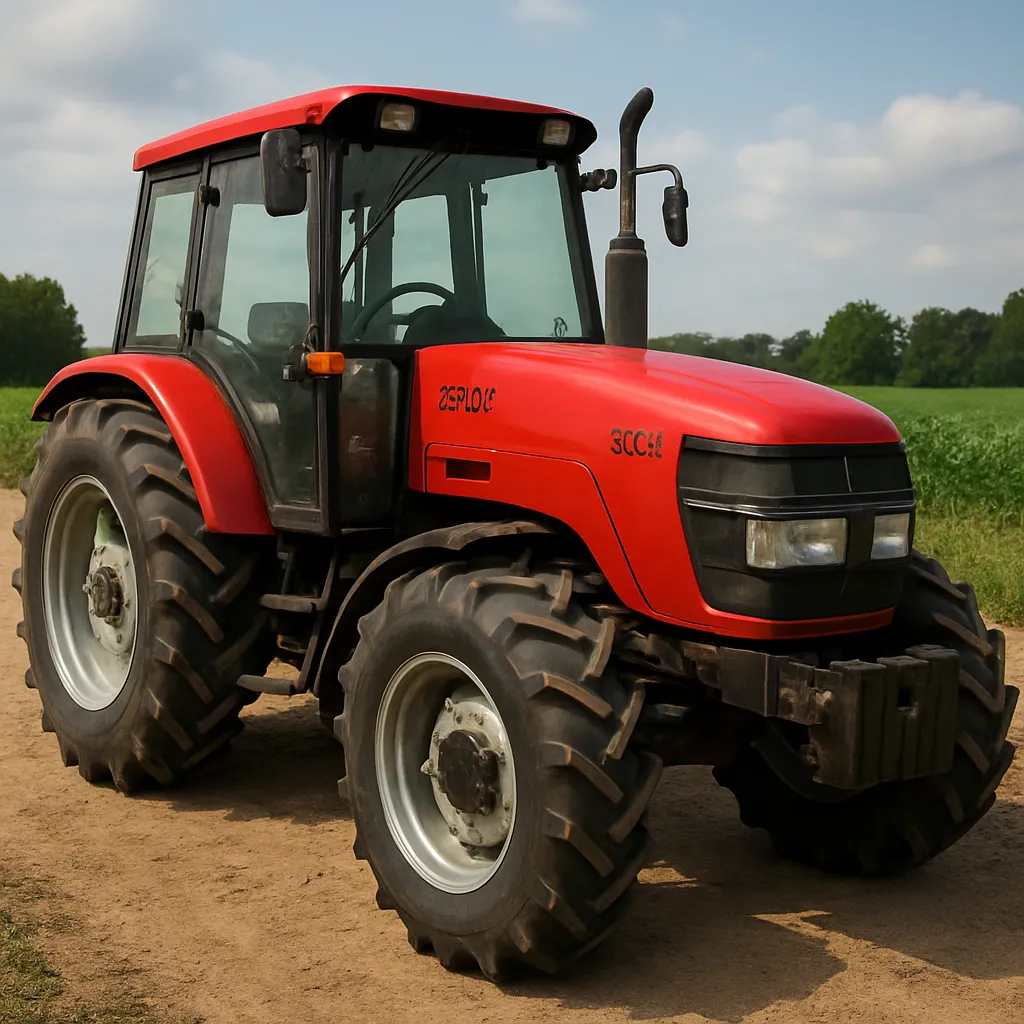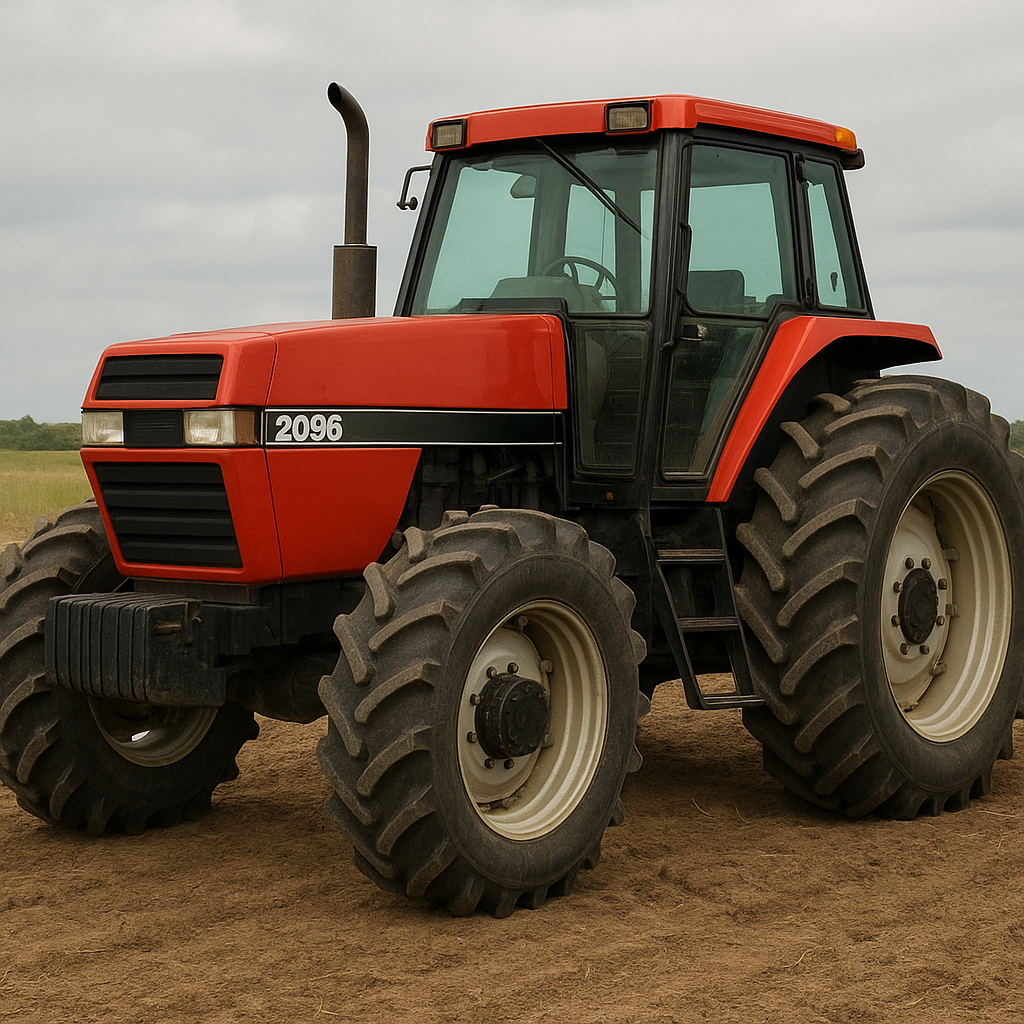
The Case 2096 is a name that evokes images of reliable fieldwork and practical engineering. As a mid-sized agricultural tractor, it has been appreciated by operators for its balance of power, simplicity and adaptability. This article explores the machine’s technical characteristics, typical applications, maintenance requirements, and broader significance in modern farming and rural industries. Wherever precise data varies by year or configuration, the text will note typical ranges or explain common variations so the reader can place the Case 2096 into context.
Design and technical characteristics
The engineering priorities behind tractors like the Case 2096 are straightforward: deliver dependable traction, a robust engine platform, and a hydraulic and transmission system that supports a wide variety of implements. While exact factory specifications differ between production years and optional packages, the following overview captures the typical technical layout and design decisions found on machines of this class.
Powertrain and engine
- Engine type: Diesel, usually an inline-4 or inline-6 configuration depending on market and year. Diesel engines are chosen for their torque and fuel economy under load.
- Horsepower: Tractors in the same class as the Case 2096 commonly deliver in the range of roughly 70–110 engine horsepower (HP); actual output depends on tuning, turbocharging and emissions packages.
- PTO (power take-off): Rear PTO with standard speeds (540/1000 rpm options on many tractors of this size), providing mechanical power to implements like mowers, balers and tillers.
- Cooling and fuel systems: Robust cooling systems are employed to maintain performance during prolonged heavy work, while fuel delivery is typically via direct injection or mechanical injection on older variants.
Transmission and driveline
Transmission choices aim to balance operator comfort, efficiency, and the capability to work over a range of speeds. Common configurations include synchronized gearboxes, power-shift or partial powershift units, and sometimes continuously variable transmissions (CVT) on more modern iterations or upgrades. Four-wheel drive (4WD) versions significantly improve traction for heavier implements or soft field conditions.
- Gear options: 8–24 forward speeds are typical in this class, with similar numbers for reverse depending on the transmission design.
- Four-wheel drive: Many operators prefer 4WD versions for improved traction and drawbar pull; 2WD was often offered for lower-cost models or orchard use.
- Drawbar and three-point hitch: Standard Category II or III three-point hitch compatible with a wide set of implements.
Hydraulics, hitch and implement compatibility
Hydraulic capacity and hitch flexibility are essential for a tractor intended as a general-purpose workhorse.
- Hydraulic flow: Medium-flow hydraulic pumps (often in the range of 30–60 L/min depending on equipment) powering lift arms, remote valves and loader operations.
- Remotes and couplers: 1–3 remote hydraulic circuits with standard quick couplers for implement control.
- Loader capability: Front-end loader readiness with dedicated subframe and loader joystick control in many configurations.
Typical applications and attachments
One of the Case 2096’s strongest selling points is its versatility. By design, tractors of this size serve multiple roles across agricultural, municipal and small industrial contexts.
Agricultural tasks
- Tillage: Pulling plows, discs and cultivators for seedbed preparation.
- Planting and seeding: Operating seed drills, planters and air seeders with hydraulic or PTO-driven auxiliaries.
- Crop maintenance: Sprayer booms (when matched to hydraulics and PTO), mowing, and shredding.
- Baling and harvesting support: Powering balers, forage harvesters and wagons via PTO and hydraulics.
- Transport: Moving trailers, feed wagons and materials around the farm yard.
Livestock and mixed-farm use
On livestock farms, the Case 2096 often operates with front loaders for bedding and feed handling, uses pallet forks or bale spears, and drives manure spreaders. Its combination of moderate horsepower and hydraulic capability makes it an effective multi-purpose tool where flexibility is more important than extreme horsepower.
Municipal, landscaping and construction
Smaller municipal crews and landscaping businesses value this class of tractor for:
- Loader work: Material handling and light excavation with a front loader.
- Landscaping attachments: Rotary mowers, sweepers, and backhoes suited for maintenance tasks.
- Roadside and utility tasks: Snow removal (with blade or blower), street sweeping or salting when equipped appropriately.
Specialized attachments
Examples of common implements include:
- Front-end loader and bucket
- Bale spike or fork
- PTO-driven mower decks and flail mowers
- Post-hole diggers and augers
- Rear-mounted seeders and fertilizer spreaders
Durability, maintenance and lifecycle considerations
Longevity and low operating cost are central to the Case 2096’s appeal. Proper maintenance can extend a tractor’s useful life for several decades; many farmers keep machines running with scheduled service and modest upgrades.
Routine maintenance essentials
- Engine oil and filter changes: Follow manufacturer intervals based on hours of operation, typically every 100–250 hours depending on conditions.
- Fuel filter replacement: Critical to avoid injector and fuel pump wear, especially in dirty fuel environments.
- Hydraulic fluid and filter service: Maintain hydraulic efficiency and avoid contamination that can damage valves and cylinders.
- Tire checks and pressure management: Crucial for traction and soil compaction control.
- Greasing and lubrication points: Regular greasing of linkages, spindles and pivot points reduces wear.
Common wear items and troubleshooting
Frequent wear points include hydraulic seals, PTO clutches, transmission synchronizers, and wheel bearings. Operators commonly address problems such as:
- Overheating: Often due to blocked radiators or worn thermostats—cleaning and coolant checks help prevent downtime.
- Hydraulic leaks: Regularly inspect hose connections and cylinder seals; replace aged hoses.
- Electrical issues: Corroded connectors, starter wear and battery degradation are typical with older machines.
Upgrades and modernization
To extend functional life, many owners invest in targeted upgrades:
- Cab retrofits: Improved seating, climate control and ROPS (roll-over protective structures) upgrades improve operator comfort and safety.
- Telemetry and electronics: Aftermarket sensors and telematics can track hours, fuel usage and maintenance intervals.
- Hydraulic and PTO improvements: Adding auxiliary hydraulic circuits or PTO speed options expands implement compatibility.
Performance, fuel efficiency and operational statistics
Performance metrics vary with load, terrain and operator technique. A few typical performance considerations for a tractor like the Case 2096 include drawbar pull, PTO efficiency and fuel consumption. Exact numbers are model- and year-dependent; the following are representative ranges and rules-of-thumb commonly used when evaluating similar machines.
Fuel consumption
Fuel use depends heavily on load and duty cycle. Typical numbers for mid-sized tractors under moderate to heavy field load often fall into these broad ranges:
- Light work (transport, light mowing): 5–8 liters per hour (L/h)
- Moderate work (tillage, seeding): 8–12 L/h
- Heavy work (deep plowing, prolonged PTO use): 12–18 L/h or more
These ranges are illustrative; modern tune-ups, proper tire inflation, and load-matching can reduce consumption. Conversely, worn engines or poorly matched implements can substantially increase fuel usage.
PTO and drawbar performance
PTO horsepower is always lower than engine horsepower due to drivetrain losses; for tractors of this class PTO figures are often in the range of 70–90% of rated engine horsepower. Drawbar pull, a measure of useful traction for pulling implements, depends on weight distribution, tire selection and 4WD capability.
Operational uptime and lifecycle
With disciplined maintenance, tractors like the Case 2096 routinely achieve 8,000–15,000 service hours over their operational life. Many units surpass these figures when used in lower-intensity roles and given consistent care. Uptime statistics on modern farms are increasingly augmented by telematics, which help identify maintenance needs before failures occur.
Safety and regulatory considerations
Safety is paramount when operating heavy machinery. The Case 2096 and tractors of similar design should be used in compliance with local regulations and best practices.
- ROPS and seat belts: Ensure ROPS are intact and seat belts are used; these substantially reduce injury risk in rollovers.
- PTO shielding: Keep PTO shafts and driveline shields intact to prevent entanglement.
- Load limits and stability: Properly ballasted tractors reduce the risk of tipping when using front loaders or heavy rear implements.
- Emissions compliance: Depending on year and region, emissions regulations may require retrofits or engine replacement to meet modern standards.
Market position, resale and buying considerations
The market for used medium-duty tractors like the Case 2096 is shaped by availability, hours, condition and the attractiveness of features (cab, 4WD, loader). Here are practical points for buyers and sellers.
Valuation factors
- Hours: Lower-hour units command higher prices, but thorough service records add value even when hours are moderate.
- Maintenance history: Documented oil changes, transmission service and hydraulic work improve buyer confidence.
- Attachments and extras: Loaders, modern cabs and additional remotes raise resale value.
- Regional demand: Areas with mixed farming or livestock often maintain stronger demand for versatile tractors than specialty row-crop regions.
Price ranges
Used prices vary widely by region, condition and included equipment. A representative guidance (not definitive) for older mid-sized tractors in good working condition might range from several thousand to tens of thousands of USD or equivalent in other currencies. Specialized configurations or low-hour, well-documented examples can fetch premium prices. Because of market volatility, checking local listings and recent sale records is essential for accurate valuation.
Pre-purchase checklist
- Inspect engine for leaks, smoke characteristics and compression where possible.
- Check hydraulics for slow operation or leaks and test all remotes under load.
- Examine transmission shifting under varied speeds and loads.
- Verify PTO operation at both 540 and 1000 rpm if fitted and ensure the driveline is in good condition.
- Confirm the condition of tires, brakes and steering components.
- Review maintenance records and ask about any major repairs, such as engine rebuilds or transmission overhauls.
Historical context and brand heritage
Case has a long history in agricultural machinery, building tractors that ranged from compact utility models to high-horsepower row-crop giants. Models like the Case 2096 exemplify the company’s focus on durable, adaptable tractors for family farms and contractors. Over decades the brand evolved through mergers, new technologies and changing regulatory landscapes, but the core emphasis on practical utility remained.
The broader historical significance of such models lies in their role as general-purpose machines that enabled smaller farms to mechanize a wide variety of tasks without investing in multiple specialized machines. The modularity of hitch systems, PTO compatibility and common implement platforms helped create a flexible toolkit for rural economies.
Case studies and real-world examples
Across different farm types, tractors like the Case 2096 are frequently put to creative use. A few representative applications include:
- A mixed livestock operation using the tractor for bedding distribution, feed handling with a front loader and periodic tillage of small fields—demonstrating the value of multi-role capability.
- A municipal parks department using a tractor with a mower deck and front blade to maintain public spaces and clear snow in winter—showing seasonal utility beyond crop work.
- A vineyard or orchard operation adapted with narrow tires or specialized front loaders for precise material handling while reducing soil compaction.
Conclusion and practical recommendations
The Case 2096 represents a class of tractors prized for its balance of durability, adaptability and manageable operating costs. Whether used for fieldwork, livestock support, municipal services, or landscaping, the machine’s strengths come from its straightforward mechanical design and the wide ecosystem of compatible implements.
Practical recommendations for prospective owners and current operators:
- Prioritize thorough pre-purchase inspections and maintenance records when buying used.
- Invest in routine preventive maintenance—oil, filters, hydraulics—to maximize lifetime value.
- Match implements to the tractor’s hydraulic and PTO capacity to avoid overloading the drivetrain.
- Consider modest modernization (cab comfort, telematics, hydraulic upgrades) to improve productivity and resale appeal.
With attentive care, the Case 2096 can continue to serve as a workhorse for years, delivering reliable performance across a wide range of rural and municipal tasks. Its combination of practical engineering and flexibility makes it a sensible choice for operators who value long-term utility over cutting-edge complexity.