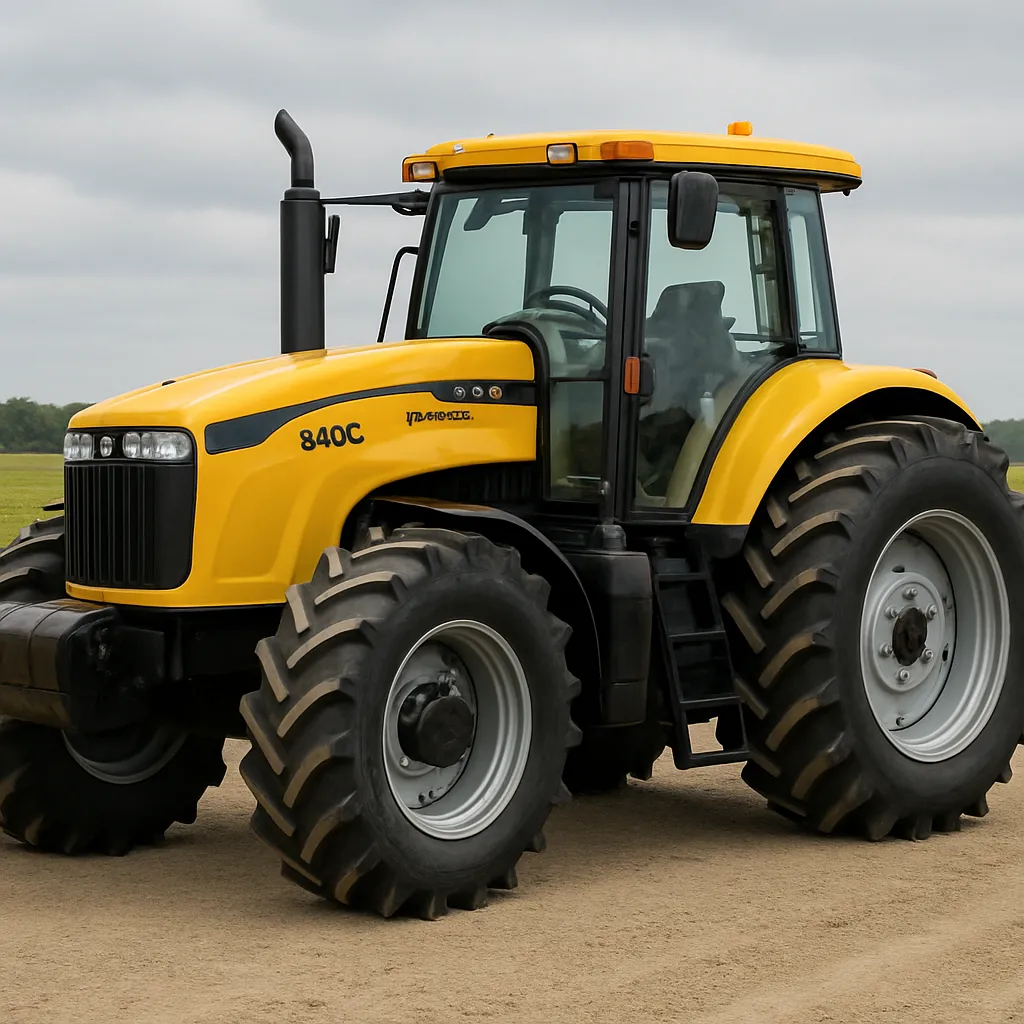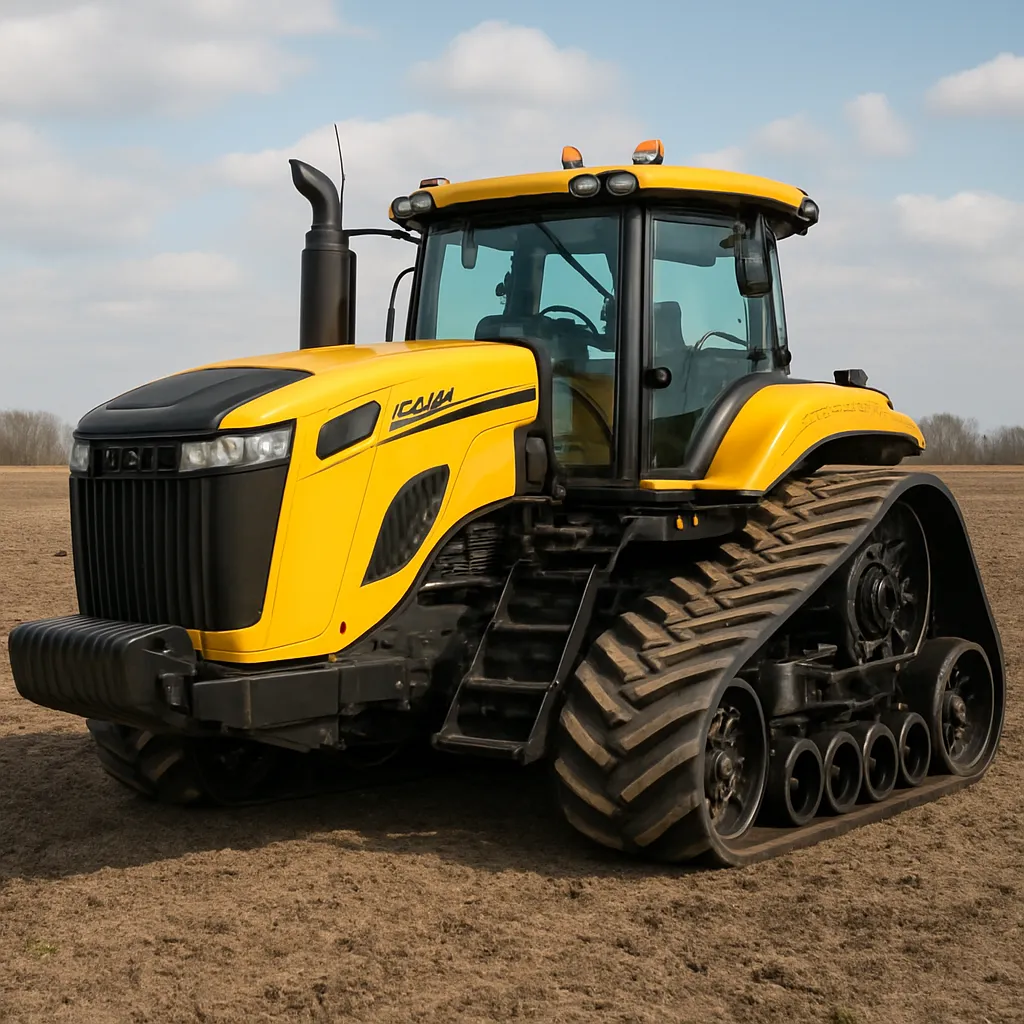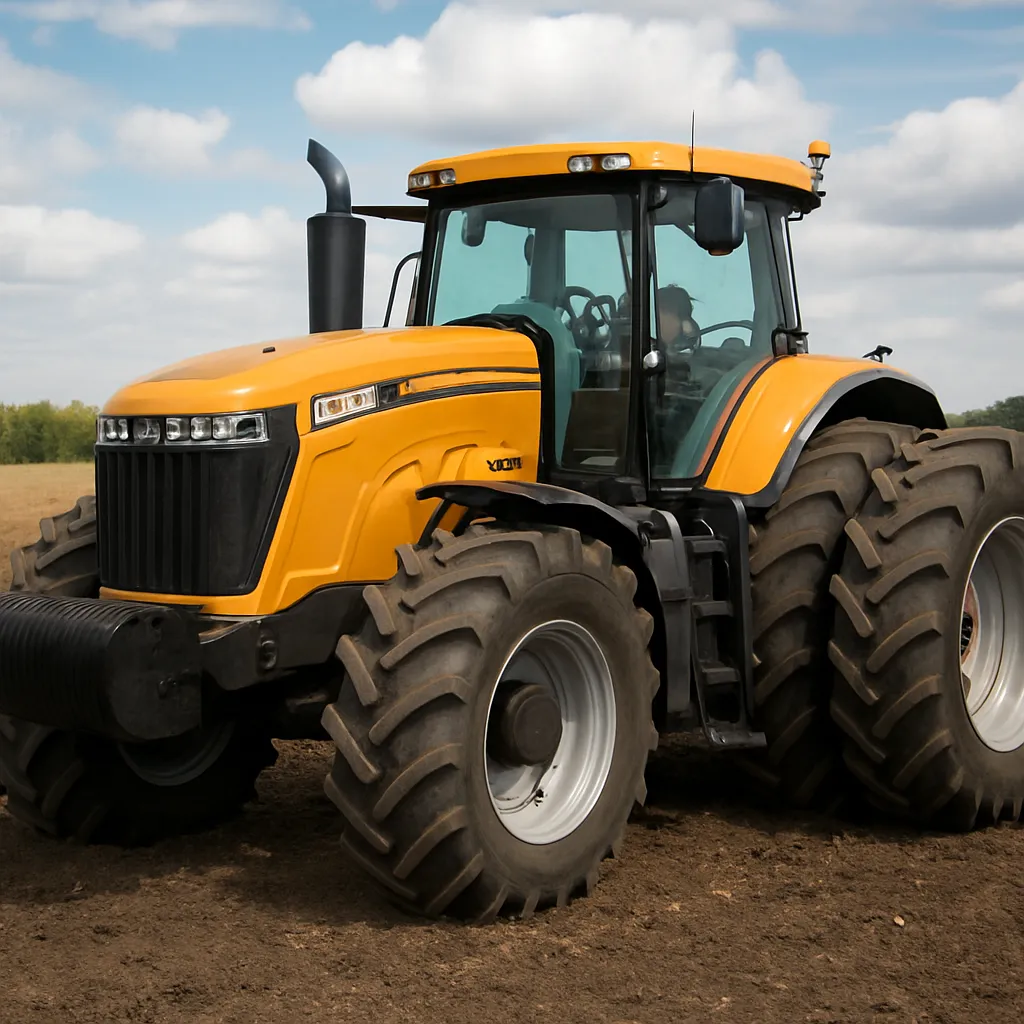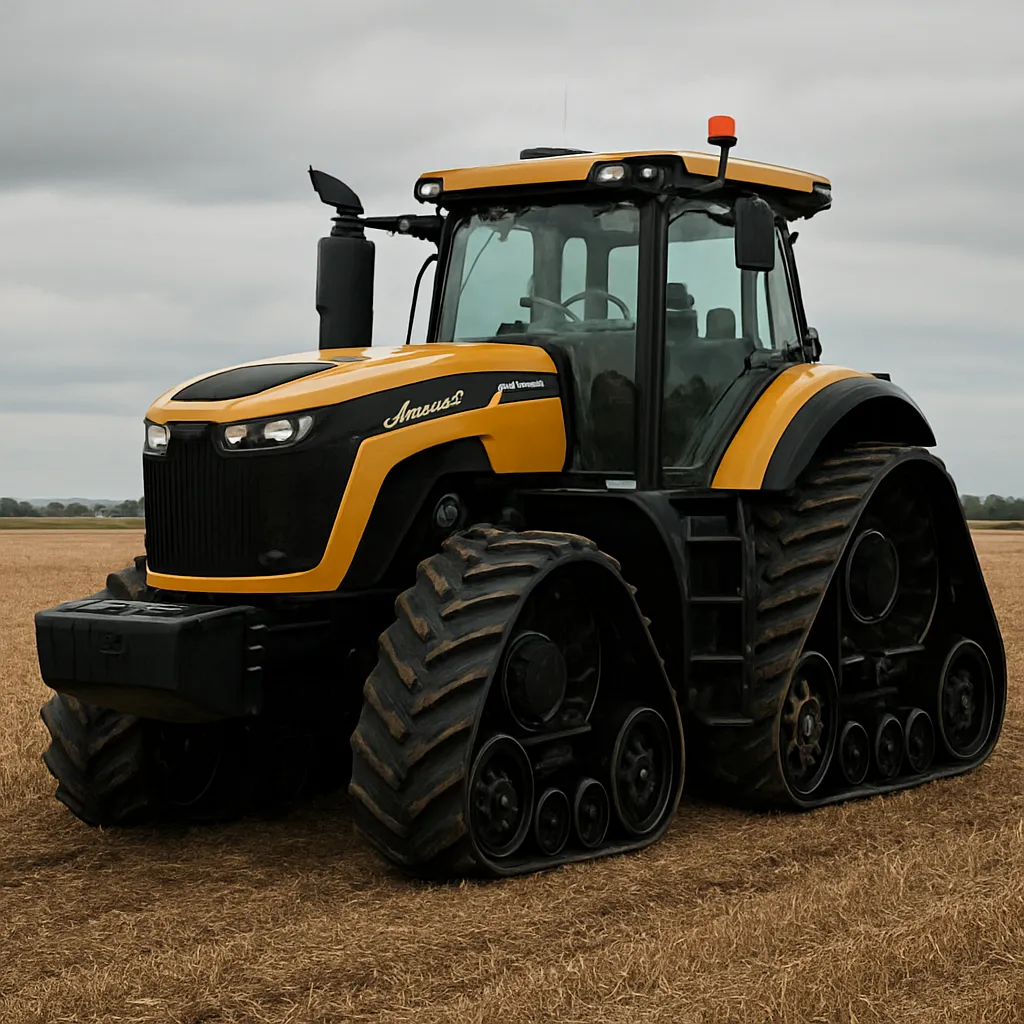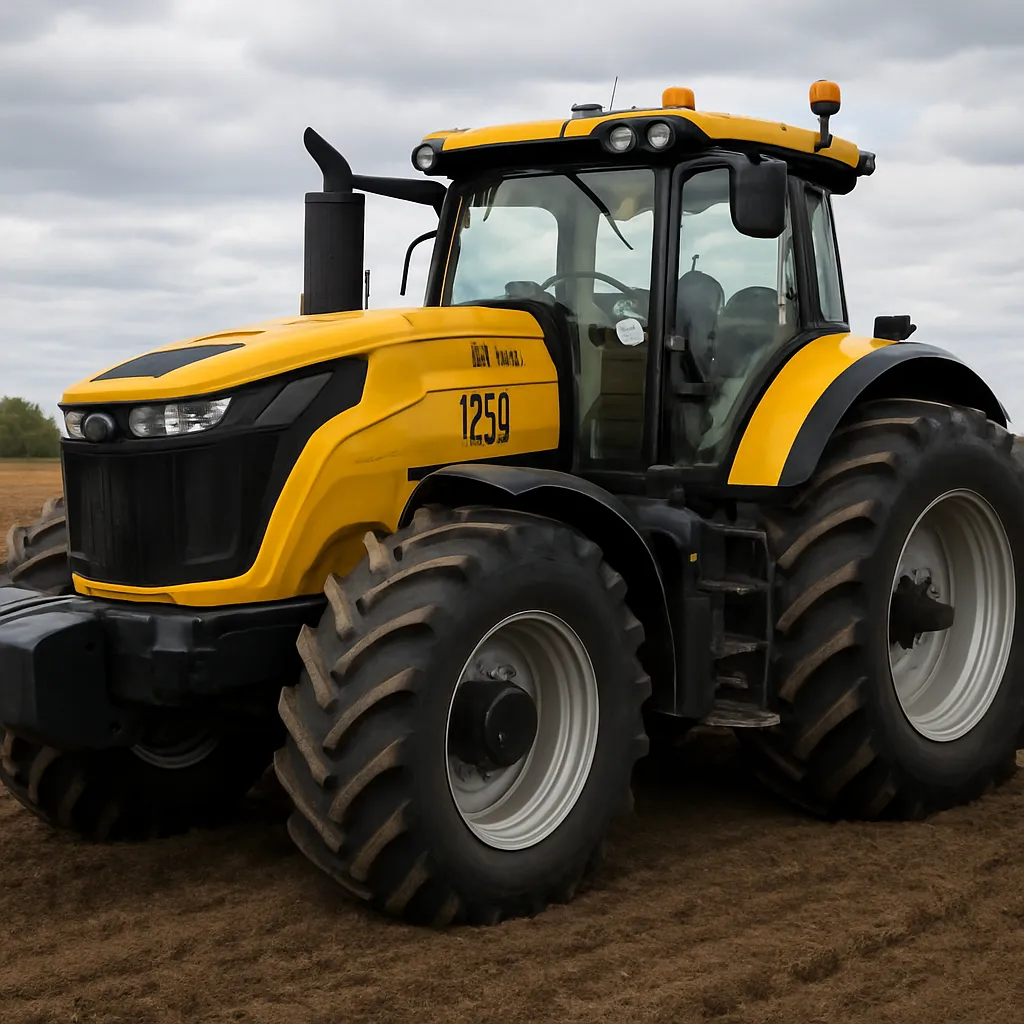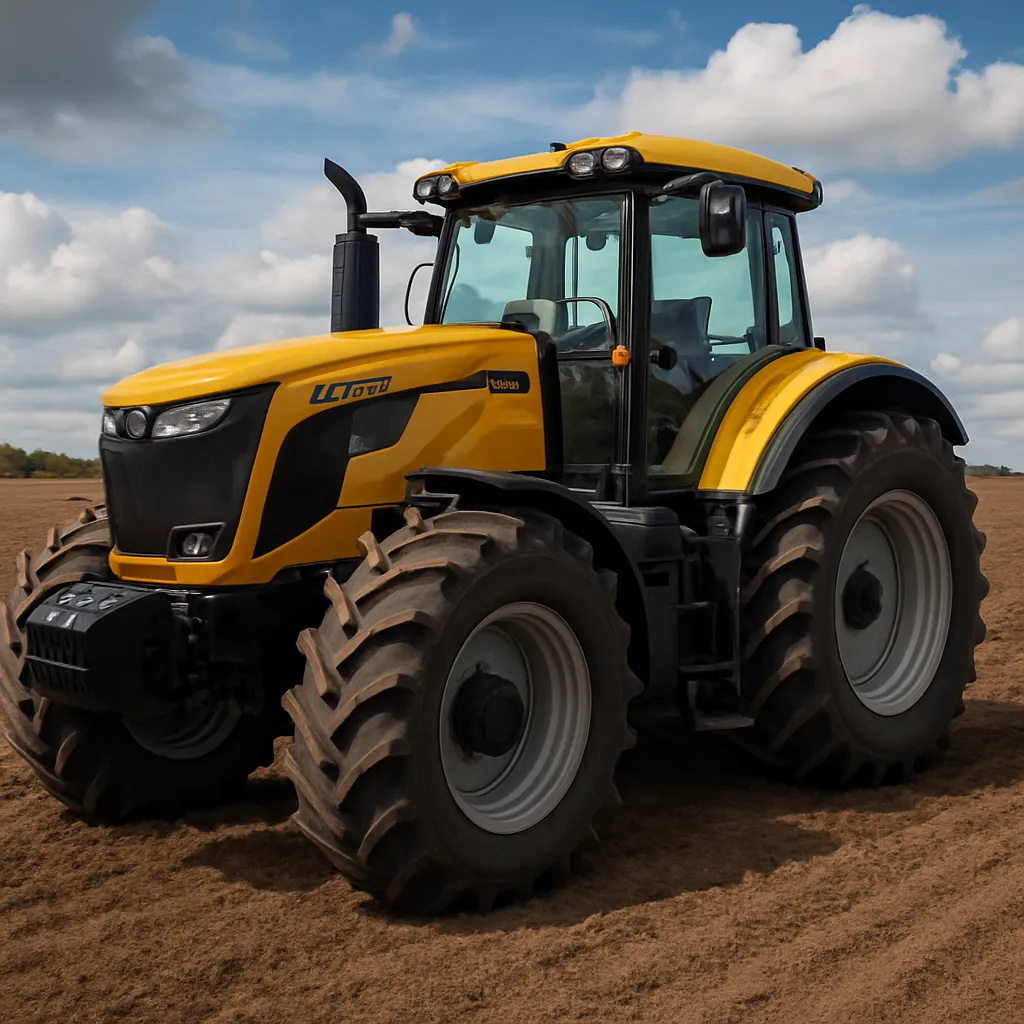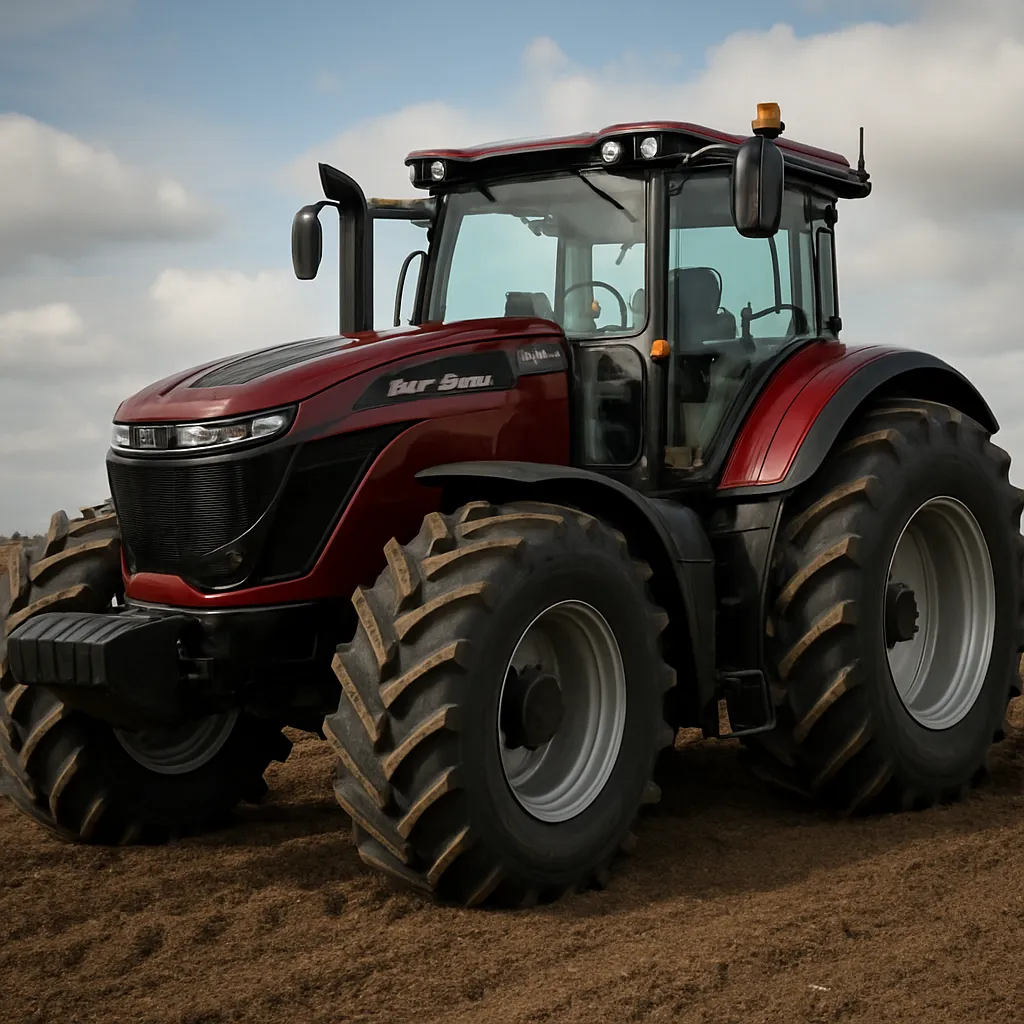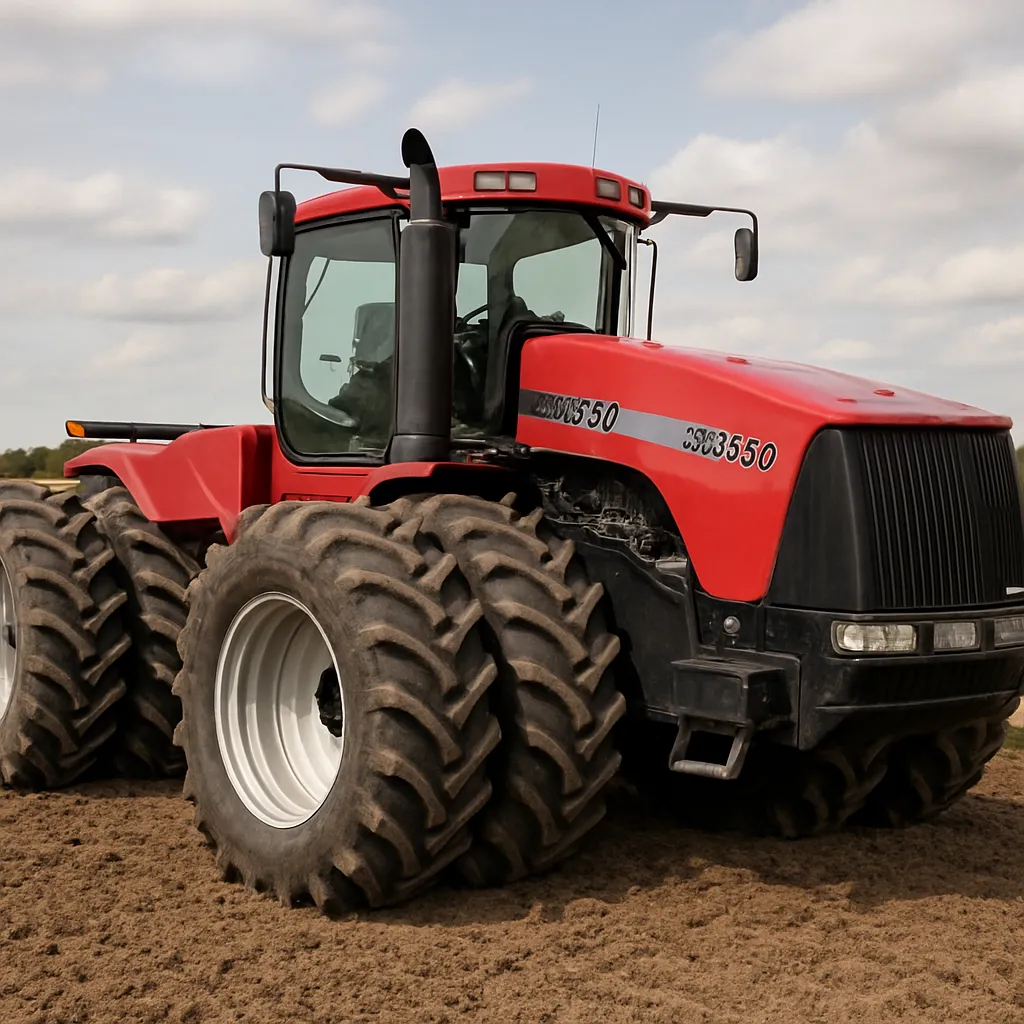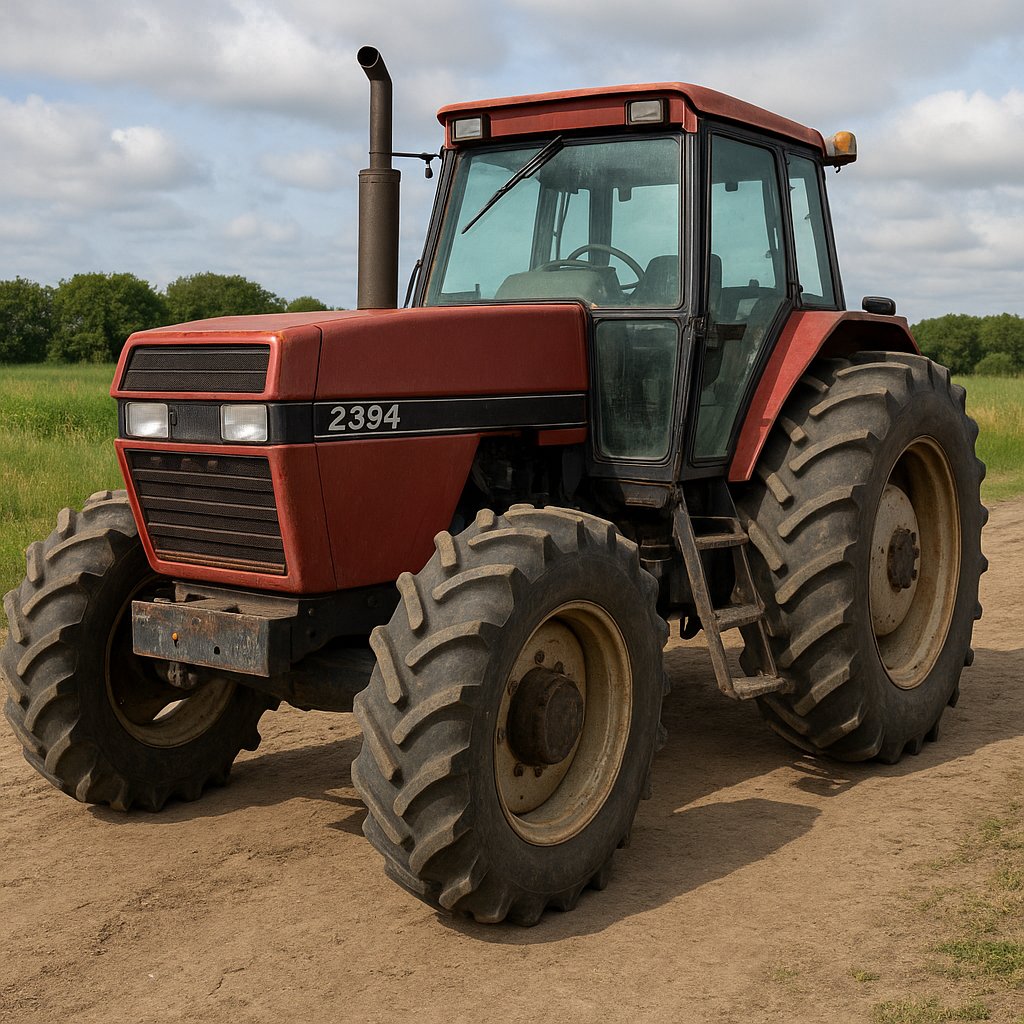
This article explores the machine known as Case 2394 — a representative member of the modern agricultural and utility tractor family. The text covers where this tractor is used, its typical technical characteristics, practical applications, maintenance and ownership considerations, market context, and a handful of interesting facts and safety recommendations. Wherever precise model data are scarce or vary by configuration, the discussion uses well-documented class‑typical values and clear qualifiers so the reader gains a realistic picture of capabilities and trade‑offs.
Overview and design philosophy
The model designation Case 2394 suggests a mid-size utility tractor aimed at farmers, contractors, estate managers and municipal operators who need a balance of power, maneuverability and multi-functionality. In this class, manufacturers emphasize a combination of compact dimensions for field and yard work plus enough mechanical and hydraulic capacity to handle a wide range of implements. Key design priorities include durability, operator comfort, simple serviceability and adaptable front‑ and rear‑mounting points for implements.
Most versions of a tractor in this segment are built around a turbocharged diesel engine, a synchronized or power‑shift transmission, and a rear power take‑off (PTO). The chassis is robust but designed to be narrow enough for row‑crop or vineyard access when required. Cab options typically range from open operator platforms to fully enclosed air‑conditioned cabs with ergonomic controls and sound insulation.
Manufacturers such as Case IH and other mainstream brands offer multiple configurations for a model designation like 2394: utility, agricultural, orchard/vineyard, and industrial. This flexibility is one of the primary selling points — the same base machine can work as a tractor for seedbed preparation in the morning and a loader tractor for moving pallets in the afternoon.
Where the machine is used
The strength of a mid-size unit like the Case 2394 lies in its adaptability. Typical application areas include:
- Row‑crop and mixed‑farm operations: cultivating, planting, spraying (with trailed or mounted sprayers), mowing and light tillage.
- Livestock farms and dairies: feed mixing, bale handling, manure spreading and general material handling with a front loader.
- Horticulture, vineyards and orchards: narrower wheel tracks, protective guarding and specialized implements allow safe work among trees and vines.
- Municipal and estate maintenance: roadside mowing, snow removal with front blades, and grader/landscaping duties.
- Construction and light‑contracting: compact earthmoving, trenching (with excavator attachments), site cleanup and towing equipment.
Because the platform supports a range of hydraulics and PTO outputs, it is also commonly used with specialties such as wood chippers, post drivers, seed drills and transport trailers. The ability to swap implements quickly makes it a central piece of equipment for small to medium enterprises that need one versatile machine rather than multiple specialized vehicles.
Technical characteristics and representative statistics
Exact specifications for a particular serial production run or year will vary, but for a tractor identified as Case 2394 one can reasonably expect class‑typical figures in the following ranges:
- Engine power: 80–120 horsepower (hp) at rated rpm. This range allows strong PTO performance and adequate tractive effort without excessive fuel consumption for small‑to‑medium operations.
- PTO power: Typically 70–105 hp available at the rear PTO shaft, depending on transmission and accessory load capacity.
- Hydraulic flow: 30–60 liters per minute (l/min) on standard systems; high‑flow packages can exceed 80 l/min for demanding loader or implement needs.
- Lift capacity at the three‑point hitch: 2,000–4,000 kg (approximately 4,400–8,800 lb), depending on mechanical or electronic draft control options and lift‑ram sizing.
- Weight: 3,000–4,500 kg (6,600–9,900 lb) for standard configurations; weight varies with cab options, loader and ballast.
- Fuel tank: 80–150 liters (21–40 US gallons), balancing runtime and compactness for field work.
- Transmission options: mechanical synchronized shuttle, powershift, or stepless CVT in premium configurations. Gearing typically supports a road speed up to 30–40 km/h (18–25 mph) and slow crawl speeds for precision tasks.
- Turning radius: compact designs deliver tight turning radii (often under 4.5 meters / 15 feet) for operations requiring maneuverability.
Operational statistics that matter to owners and fleet managers:
- Fuel consumption: under normal mixed operations, expect roughly 6–16 liters per hour depending on load, engine size and RPM profile. Light transport and idling are at the low end; heavy PTO or draft applications push consumption to the high end.
- Availability and uptime: modern tractors in this class, when maintained correctly, often offer annual uptime ratios above 90% for typical farm seasons. This depends on maintenance discipline and local service availability.
- Resale retention: well‑kept mid‑size tractors from reputable brands tend to hold 40–60% of original value after five years; specialized configuration and low hours improve retention.
When considering these numbers, note that actual performance will vary by option package, tire selection, ballast, implement match and operator technique.
Implements, attachments and versatility
One of the greatest strengths of a model like the Case 2394 is the breadth of compatible implements. A typical utility tractor supports:
- Front loaders and bucket systems for material handling and light earthmoving.
- Rear implements: ploughs, harrows, seeders, mowers, balers, and spreaders for agricultural tasks.
- Power take‑off (PTO) driven equipment: rotary cutters, shredders, post drivers, and wood chippers.
- Hydraulic implements: backhoes, pallet forks, and hydraulic tilt attachments.
- Specialized kits: orchard guards, narrow‑track axles, and turf‑friendly tires for sensitive ground.
Modern tractors also often include modular electrical and hydraulic connector panels for quick implement hookup and, increasingly, ISO‑standard electronic control compatibility for implements that require data exchange (e.g., ISOBUS). This makes the platform future‑proof for precision agriculture add‑ons like GPS auto‑steer, implement rate control and telematics.
Maintenance, operating costs and ownership considerations
Owning a tractor is not only about purchase price; operating economics and maintenance planning typically define lifetime cost of ownership. For a mid‑size model such as the Case 2394, consider the following:
- Routine service intervals: oil and filter changes typically every 200–300 operating hours for engine oil; hydraulic and transmission services commonly fall in the 500–1,000 hour range depending on fluid specifications. Air filters, fuel filters and cooling system checks are frequent, especially in dusty or humid environments.
- Serviceability: look for ground‑level access to filters, clear diagnostic ports, and a service manual; these features shorten downtime and reduce labor costs.
- Parts availability: mainstream brands usually offer good parts distribution networks; aftermarket parts can reduce costs but may affect warranty coverage.
- Insurance and compliance: depending on region, additional insurance for hired labor or municipal work may be required; emissions compliance (Tier IV, Stage V etc.) impacts maintenance complexity and fuel quality requirements.
- Average annual operating costs: for a moderately used machine (700–1,200 hours/year), budget roughly 10–20% of purchase price per year to cover fuel, maintenance, insurance and depreciation — this is a broad estimate and varies widely by application intensity.
Good preventive maintenance pays dividends: scheduled inspections reduce the risk of catastrophic failures, preserve resale value and maintain fuel efficiency.
Safety, operator ergonomics and regulations
Safety is a non‑negotiable factor with heavy machinery. Typical safety features and recommended practices for a working tractor include:
- ROPS (Rollover Protective Structure) and seat belt as standard on all open platforms; enclosed cabs provide additional protection and climate control.
- Clear PTO guards, rear‑view mirrors, and optional camera systems to improve visibility behind the machine.
- Operator presence switches that disable PTO and transmission movement if the operator leaves the seat unexpectedly.
- Hydraulic lockouts and pressure relief valves to avoid implement runaway or sudden movements.
- Compliance with local occupational safety standards and emissions regulations; regular operator training and certified license requirements in some jurisdictions.
Ergonomics matter for long workdays: adjustable seats, low‑effort steering, well‑ laid instrument panels and climate control reduce operator fatigue, improve precision and enhance long‑term productivity.
Market context and economic role
Tractors in the 80–120 hp range form the backbone of many small to medium agricultural enterprises. They offer sufficient power for primary tillage in smaller acreage farms while keeping acquisition and operating costs below those of larger, specialized machines. Broadly:
- Market demand: This class is popular globally due to its versatility — small family farms, contract operators and municipal fleets are typical buyers.
- Brand and dealer network: Having access to a reliable dealer network for parts, service and warranty support is often a decisive factor in purchase decisions.
- Technological diffusion: Modern features such as electronic draft control, auto‑guidance and telematics have increasingly become available in this segment, narrowing the performance gap to larger tractors for some tasks.
From an economic perspective, tractors like the Case 2394 enable mechanization gains that raise productivity per worker and reduce reliance on seasonal labor. For contracting businesses, a single versatile tractor can be the capital anchor for multiple service lines — mowing, ploughing, seeding and snow clearing.
Environmental considerations and sustainability
Sustainability factors include emissions standards for diesel engines, fuel efficiency, and soil impact. Practices and features that reduce environmental footprint:
- Engine emissions controls meeting the latest tiers/stages reduce particulate and NOx output; selective catalytic reduction (SCR) and diesel particulate filters (DPF) may be present on newer models.
- Precision farming attachments (rate controllers, section shutoff) minimize fertilizer and pesticide waste and reduce overlapping passes.
- Tire selection and ballast management to limit soil compaction; using wider tires or tracks reduces ground pressure and preserves soil structure.
- Potential for biodiesel or renewable diesel use where compatible with engine warranty and local fuel availability.
Operators aiming to minimize environmental impact should combine modern equipment with best practices: planned field passes, proper tire inflation and conservative RPMs when heavy power isn’t required.
Interesting technical and historical notes
– Tractors in the mid‑size category historically evolved from narrow‑gauge row‑crop tractors to multi‑purpose machines with enclosed cabs and power hydraulics, reflecting a shift from purely mechanical devices to integrated systems delivering both mechanical and electronic control.
– The integration of telematics and GPS into tractors like the Case 2394’s class means many users can now monitor fuel usage, operating hours and service alerts remotely, enabling proactive maintenance scheduling.
– Because many farms require a “jack‑of‑all‑trades” machine, manufacturers build models with modularity in mind: the same basic engine and frame can support multiple transmissions, cab levels and hydraulic packages, simplifying parts supply and production.
Buying guide and practical tips
If you are evaluating a Case 2394 or a similar tractor, keep these practical points in mind:
- Match the PTO and hydraulic capacity to the implements you expect to run most often; overspecifying increases purchase cost, underspecifying limits productivity.
- Inspect maintenance records and hours on used machines: a tractor with low hours but poor maintenance might be a worse buy than a high‑hour unit with excellent service history.
- Check compatibility for modern control systems (ISOBUS, auto‑steer) if you plan to adopt precision farming tools.
- Factor in dealer availability for warranties, seasonal parts and emergency service during peak seasons.
- Consider lifetime costs: depreciation, fuel, parts and labor can exceed purchase price over the machine’s service life; a detailed operational budget helps avoid surprises.
Concluding perspective
A machine such as the Case 2394 embodies the balance many operators need: enough power and hydraulic capacity to perform demanding tasks, combined with compactness and adaptability for diverse roles. Whether used on a mixed crop farm, a livestock enterprise, a municipal fleet, or by a contractor, this class of tractor remains a cornerstone of rural and urban service economies. Embracing appropriate maintenance regimes, selecting the right implements, and leveraging modern electronic aids can multiply the practical value of the platform and prolong its operational life.