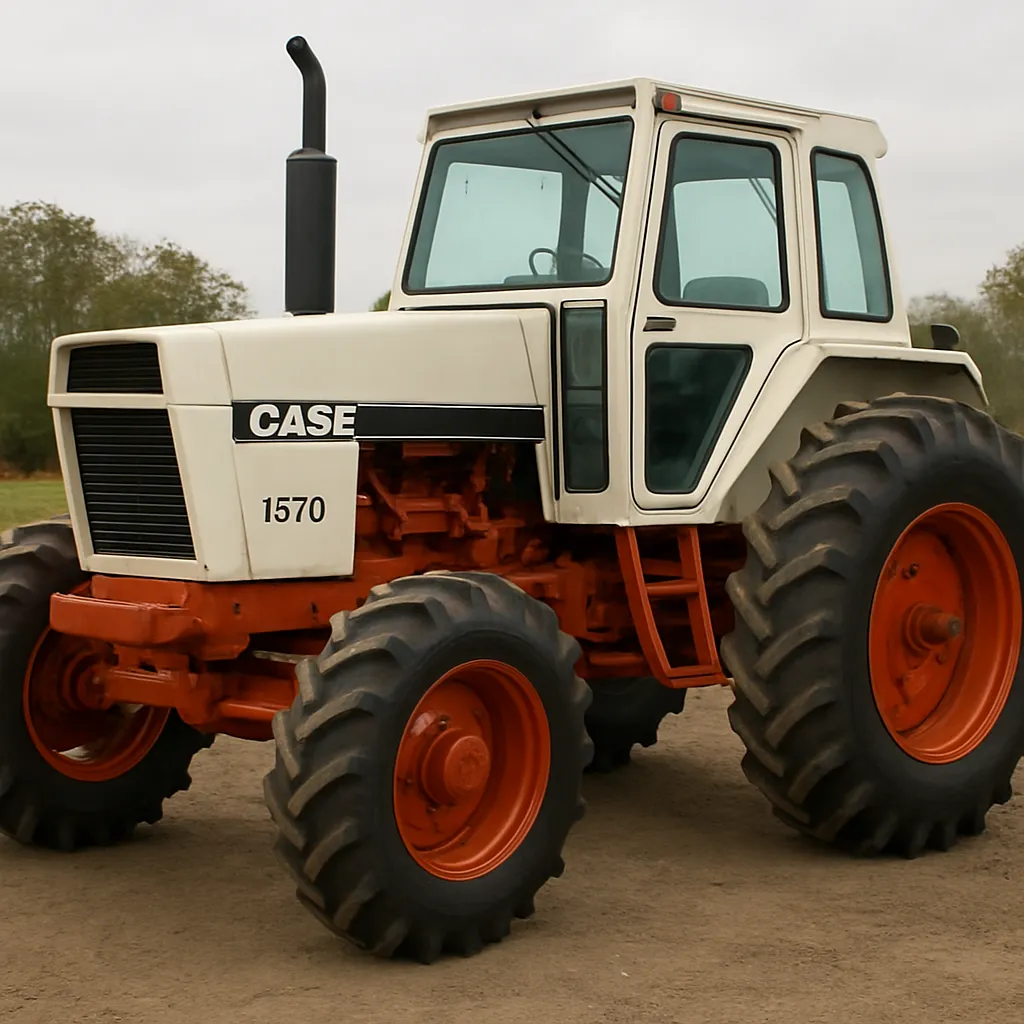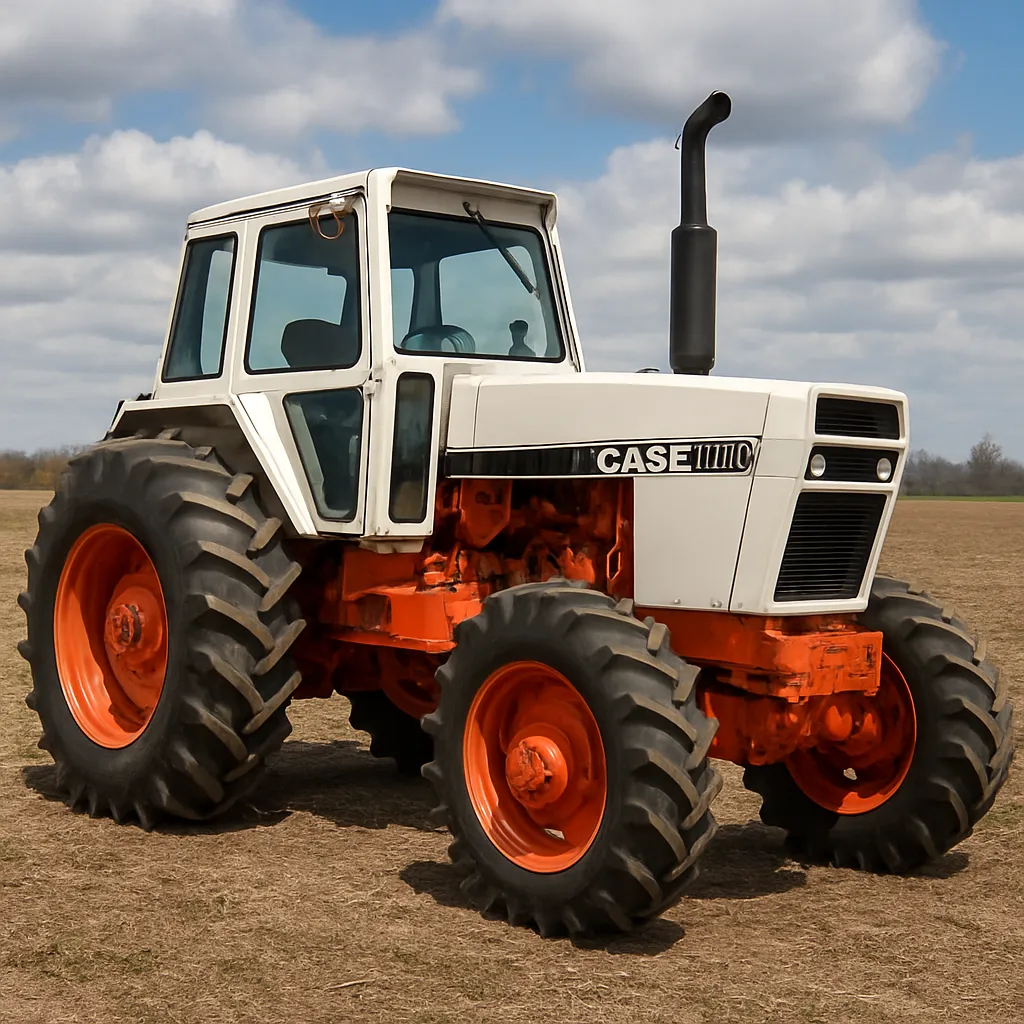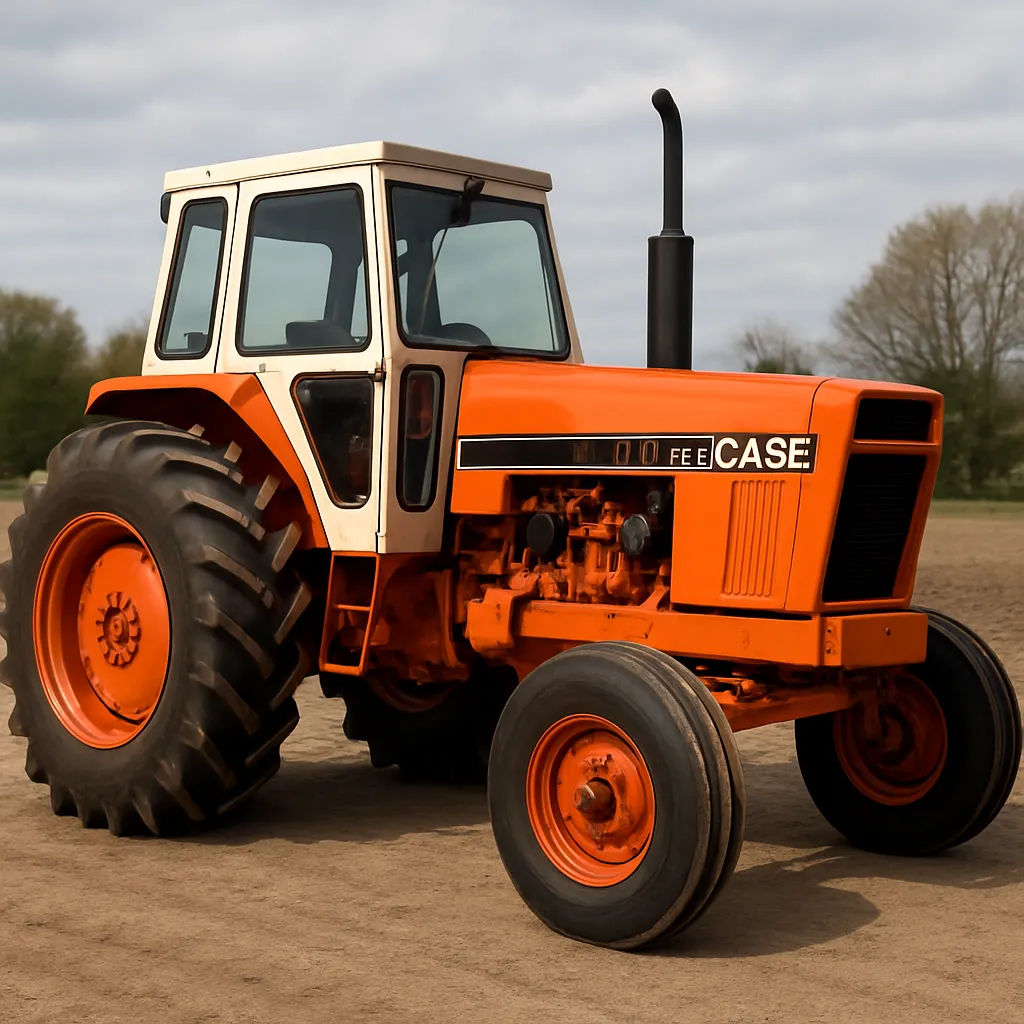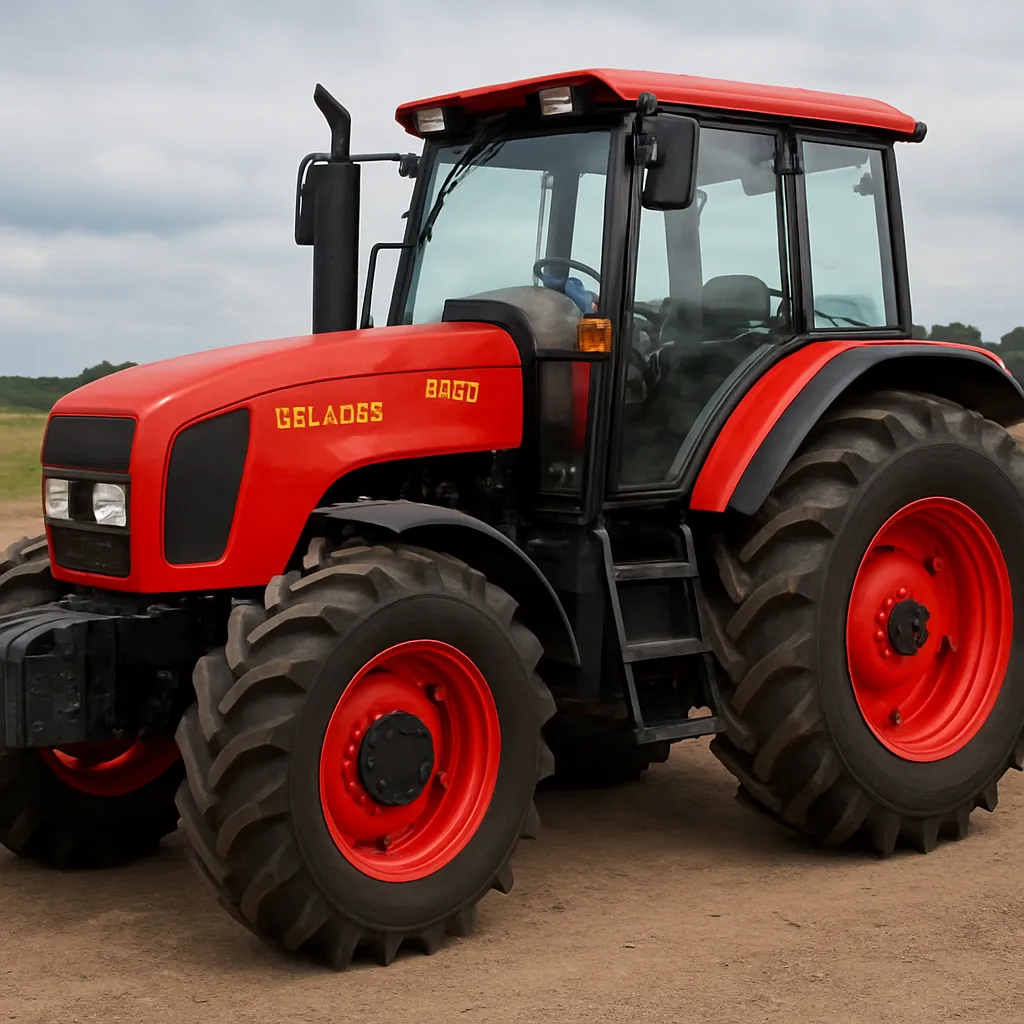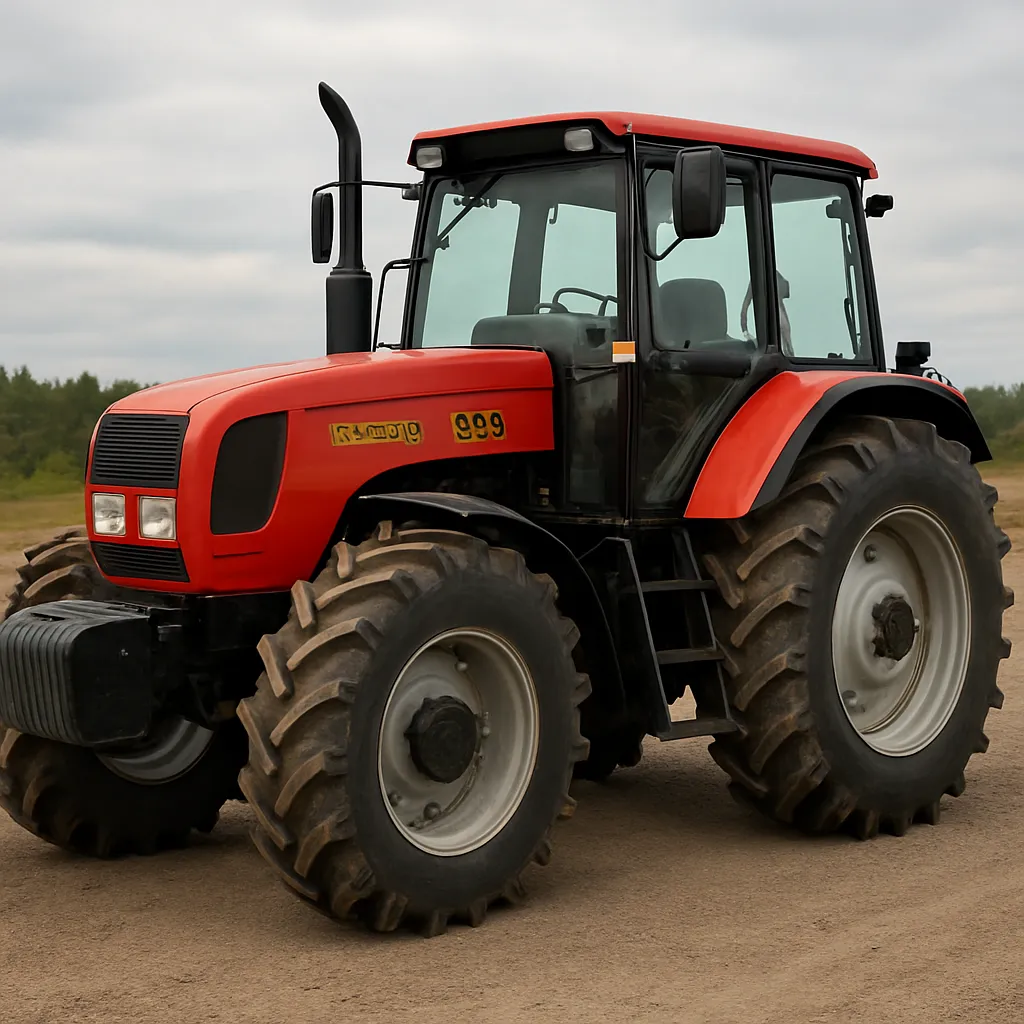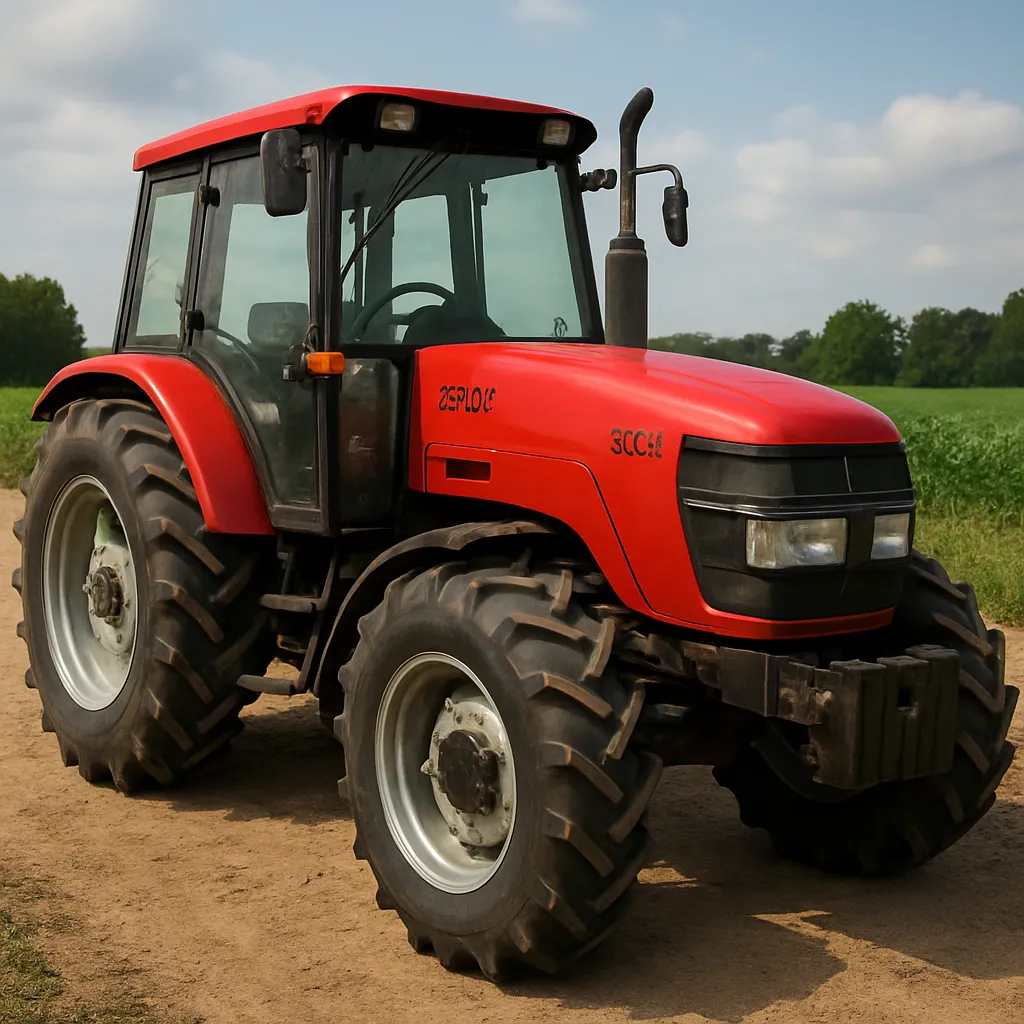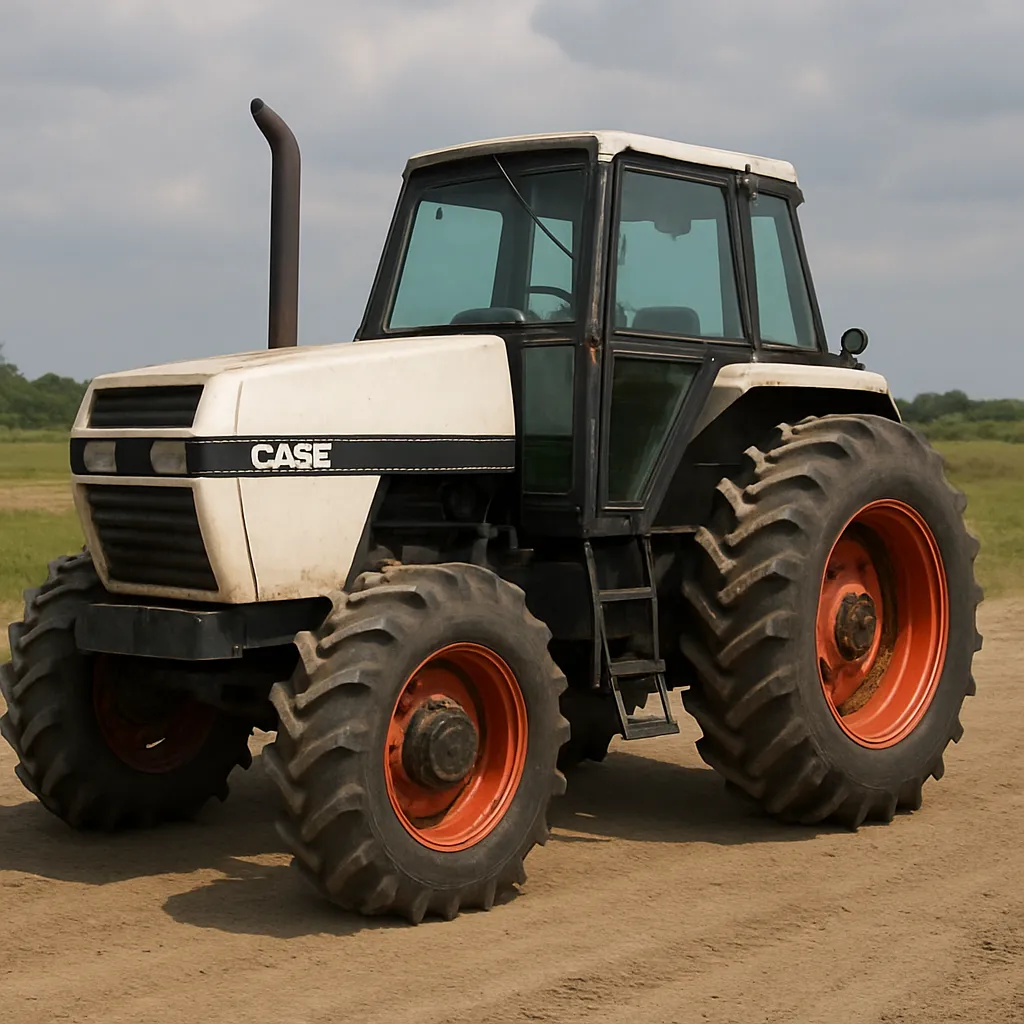
The Case 2594 tractor — a designation seen in equipment lists and operator reports — represents a robust example of a mid-size agricultural machine that blends practical field capability with everyday reliability. This article explores the machine’s typical characteristics, common applications, maintenance needs, and economic considerations. Throughout the text you will find insights useful for farmers, contractors, equipment managers, and anyone interested in agricultural machinery. Key concepts such as power, durability, and versatility are highlighted to help you quickly identify the tractor’s principal strengths.
Overview and Historical Context
The Case 2594, as referred to in many service records and equipment inventories, is part of a tradition of mid-range tractors used worldwide for a wide spectrum of agricultural tasks. While manufacturers and regional markets vary, tractors in this nomenclature tend to occupy a sweet spot between compact utility models and larger row-crop or high-horsepower units. Their design philosophy centers on balancing fuel efficiency, ease of service, and the capacity to handle both soil-engaging implements and power-demanding attachments.
Lineage and manufacturing background
Tractors bearing a numeric tag like 2594 usually reflect a specific series or a production run associated with a larger brand family. These machines are frequently produced by well-known agricultural equipment manufacturers and are common in regions where medium-scale mixed farming prevails. Over time, incremental improvements in engine management, transmissions, and operator ergonomics have helped maintain the relevance of mid-size tractors even as large-scale mechanization grows.
Design principles
- Modularity: Components such as hitches, PTOs, and hydraulic couplers are standardized to accept a wide range of implements.
- Serviceability: Engine access and routine maintenance points are engineered for quick checks and repairs.
- Operator comfort: Cab or platform designs focus on reduced vibration, clear sightlines, and intuitive controls.
Technical Characteristics and Performance
Specific technical details for a tractoring designation like Case 2594 can vary by year, market, and exact model version. However, there are typical specifications and performance characteristics common to tractors in this class — useful as a working reference for evaluation and planning.
Typical engine and powertrain
- Engine: Four-cylinder diesel engines are common, designed for a balance of torque and fuel economy. Typical displacement falls into a mid-range band appropriate for continuous field duty.
- Rated horsepower: Mid-size tractors similar to the 2594 generally produce between 90 and 130 horsepower at the flywheel, with PTO horsepower slightly lower depending on driveline losses.
- Transmission: Synchromesh, power shuttle, or powershift transmissions are often available. These systems allow for smooth directional changes and a broad spread of working speeds.
Hydraulics, PTO, and three-point hitch
Hydraulic systems supply oil flow for implements and steering. Typical flow rates for this tractor class range from 40 to 70 liters per minute (l/min) on the implement circuit, with draft control and position control for the three-point hitch. Standard PTO speeds include 540 rpm and sometimes 1000 rpm, enabling operation of rotary mowers, balers, and power harrows.
Dimensions and weight
- Operating weight: Often falls between 3,500 and 6,500 kg depending on configuration and ballast.
- Wheelbase and ground clearance: Designed to accommodate row-crop work as well as general utility tasks.
- Tire options: Agricultural, turf, or industrial tires are selectable to match traction or surface protection needs.
Performance metrics and fuel economy
Fuel consumption depends heavily on duty cycle, implement load, and terrain. Under average field loads, fuel use for tractors in this segment typically ranges from 8 to 18 liters per hour. Peak fuel economy is achieved by matching engine RPMs with PTO or hydraulic demand and avoiding excessive travel speeds during field operations.
Primary Applications and Field Uses
Tractors like the Case 2594 are engineered to be multifunctional. Their combination of moderate horsepower and robust attachments make them suitable for many farming, landscaping, and light contracting tasks. The following sections outline common uses and the types of implements typically paired with such machines.
Arable farming
- Primary cultivation: Pulling ploughs, cultivators, and disc harrows for seedbed preparation.
- Seeding and planting: Operating seed drills and planters, often with hydraulic control for depth and row adjustments.
- Row-crop care: Cultivation, spraying, and mechanical weed control where maneuverability and consistent traction are beneficial.
Livestock and forage operations
- Hay and silage: Mowing, raking, baling, and towing forage wagons are typical tasks.
- Manure management: Powering spreaders and loaders; compatibility with front-end loaders expands versatility.
Contracting, municipal, and property maintenance
- Roadside mowing, snow clearing, and grading with blade or box scraper attachments.
- Tree and brush clearing with flail mowers or mulchers, taking advantage of robust PTO and hydraulic outputs.
Specialty crops and vineyards
With narrow-track options and careful tire selection, mid-size tractors can operate in orchards and vineyards, performing pruning, spraying, and harvesting support work while minimizing soil compaction.
Implements, Attachments, and Compatibility
One of the defining advantages of a tractor like the 2594 is its compatibility with a broad range of implements. A well-equipped machine can switch between tasks within a single day.
Front loaders and material handling
Front-end loaders transform a field tractor into an effective material handler. Common loader attachments include buckets, pallet forks, bale spears, and grapples. Loader kits for mid-size tractors are engineered for simple attachment and secure lift capacities matching the tractor’s hydraulic and chassis strength.
Rear-mounted implements
- Ploughs, seed drills, and cultivators, leveraging the three-point hitch and draft control.
- Bale wrappers, post-hole augers, and rotary tillers that use the tractor’s PTO.
Hydraulic and electrical interfaces
Modern mid-size tractors often include multiple rear remote valves, quick couplers, and 12V/24V electrical connectors to operate hydraulic motors, electronic seed monitors, and lighting packages. These interfaces make it easier to adapt the tractor for precision agriculture tools and implements that require auxiliary power.
Maintenance, Reliability, and Lifecycle Costs
For owners and fleet managers, lifecycle costs and maintenance intervals are often as important as upfront purchase price. Tractors like the 2594 are built for long service life, but proper care is essential for maximizing return on investment.
Routine maintenance
- Daily: Check engine oil, coolant, hydraulic oil levels, tire pressure, and general visual inspection for leaks or damaged hoses.
- Every 250–500 hours: Change engine oil and filters, check fuel filters, inspect brakes and clutch linkages, and clean or replace air filters.
- Annual or heavy-use intervals: Full hydraulic fluid changes, transmission service, valve adjustments, and detailed inspection of the drive train and PTO.
Common wear items and troubleshooting
Wear items include belts, hydraulic hoses, coupling seals, and brake linings. Track and tire wear is influenced by traction demands and field conditions. Early diagnosis of hydraulic slippage, overheating, or unusual vibration can prevent costly mid-season downtime.
Resale value and depreciation
Medium-sized tractors typically retain reasonable resale value when maintained properly. Depreciation curves depend on hours of use, maintenance history, and implement compatibility. Clean service records and recent component replacements (e.g., injectors, turbochargers, or transmissions) positively affect trade-in or private sale prices.
Economic, Market, and Environmental Considerations
Understanding the broader market environment helps buyers and operators make informed choices. Mid-size tractors balance affordability with performance, and they are often the most cost-effective option for mixed and regional farmers.
Acquisition and operating costs
- New vs. used: New tractors offer warranty and the latest emissions technology, while used machines reduce upfront capital expenditure but may require immediate maintenance or component replacement.
- Fuel and maintenance: Fuel is a recurring expense; optimized field planning and the use of modern engine-management systems can reduce consumption.
- Insurance and registration: Commercial operations should account for liability, insurance, and possible road-use permits.
Environmental footprint
Modern tractor engines increasingly meet stringent emissions standards through improved fuel injection, turbocharging, and after-treatment systems (DOC, DPF). Operators can further lower environmental impact by:
- Adopting precision application techniques to reduce overlapping operations.
- Using appropriate-sized implements to avoid excessive passes.
- Regular engine tuning and filtration maintenance to maintain combustion efficiency.
Safety, Ergonomics, and Operator Training
Safe operation and operator comfort are critical for productive, long-term use. A tractor like the 2594 should incorporate features to protect the operator and those working nearby.
Safety features
- ROPS (Roll-Over Protective Structure) or enclosed cabs with safety belts to reduce injury risk in rollovers.
- Clear PTO shields, hitch locking mechanisms, and hydraulic lockouts to prevent accidental engagement.
- Good visibility, adequate lighting, and warning systems for low oil pressure or overheating.
Operator ergonomics and productivity
Comfortable seats, intuitive control layouts, and reduced vibration extend operator endurance and reduce fatigue. Training on load limits, safe hitching procedures, and maintenance routines is essential for farm safety culture and machine longevity.
Comparisons, Upgrades, and Future Trends
Mid-size tractors are evolving with digital integration, improved fuel management, and aftermarket upgrade options. When comparing similar models, consider total cost of ownership and adaptability to future agricultural technologies.
Common upgrade paths
- Telematics and GPS guidance for field efficiency and tracking.
- Upgraded hydraulic pumps or refrigerated air conditioning in cabs for operator comfort in hot climates.
- Aftermarket loader or quick-attach systems to broaden implement flexibility.
Emerging technologies
Automation, electrification of auxiliary systems, and smart implements will increasingly influence mid-size tractor function. While full electrification of larger tractors is still emerging, hybrid systems and battery-assisted hydraulics can offer advantages in specific applications.
Practical Buying and Ownership Tips
Whether acquiring a used Case 2594-class tractor or specifying a new replacement, pragmatic assessment saves money and operational headaches.
- Request full maintenance records and inspect for signs of heavy duty use such as bent hitches, patch-welded frames, or mismatched paint indicating repairs.
- Test hydraulic responsiveness, PTO engagement, and ensure the transmission shifts cleanly under load.
- Consider the total package: loader compatibility, cab condition, available attachments, and the availability of spare parts in your region.
- Plan for routine maintenance budgets: filters, fluids, and tires should be forecasted into annual costs.
Concluding Remarks
The Case 2594 designation evokes a class of reliable, versatile mid-size tractors designed to meet the diverse demands of modern agriculture and light contracting. By balancing power and fuel efficiency, providing robust hydraulic and PTO capabilities, and remaining adaptable to multiple implements, tractors of this type remain central to many farming operations. Proper maintenance, thoughtful implement selection, and attention to operator safety ensure these machines deliver strong service life and favorable economic returns for owners.