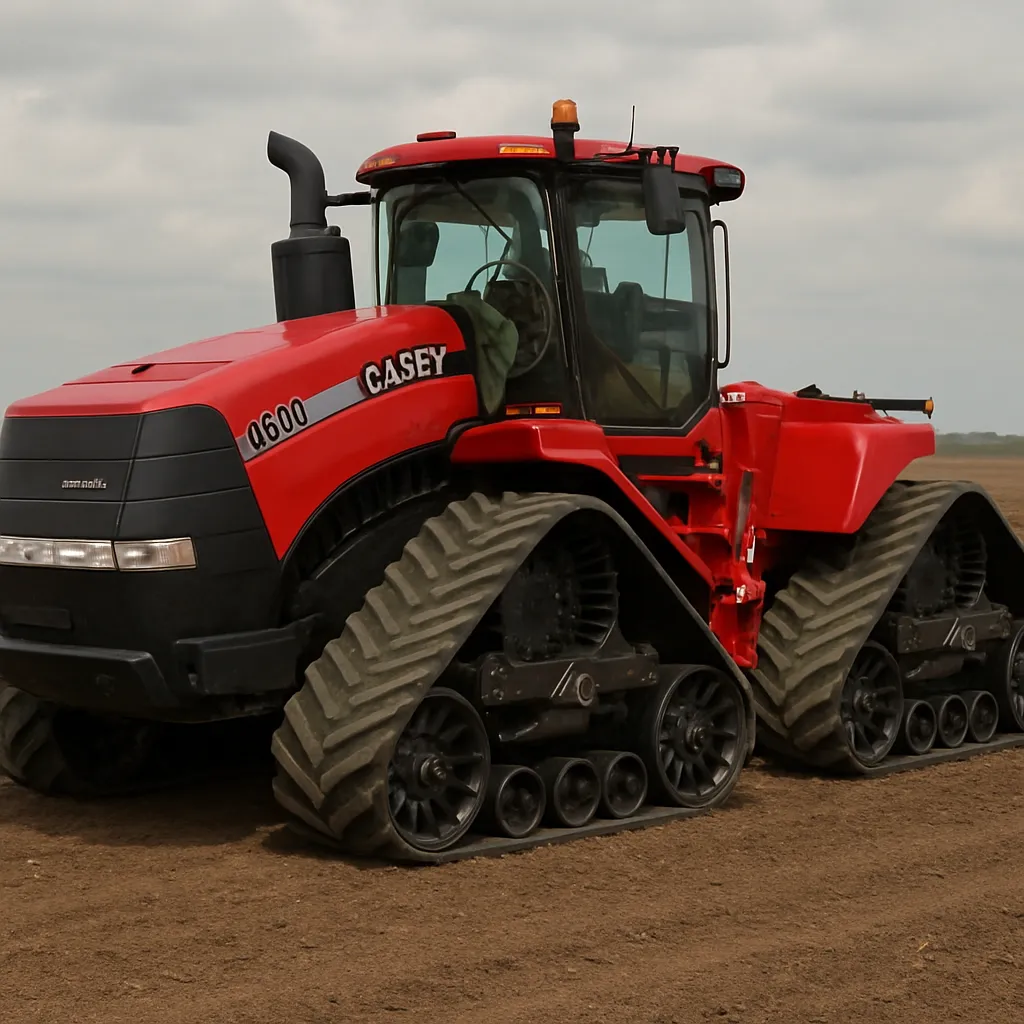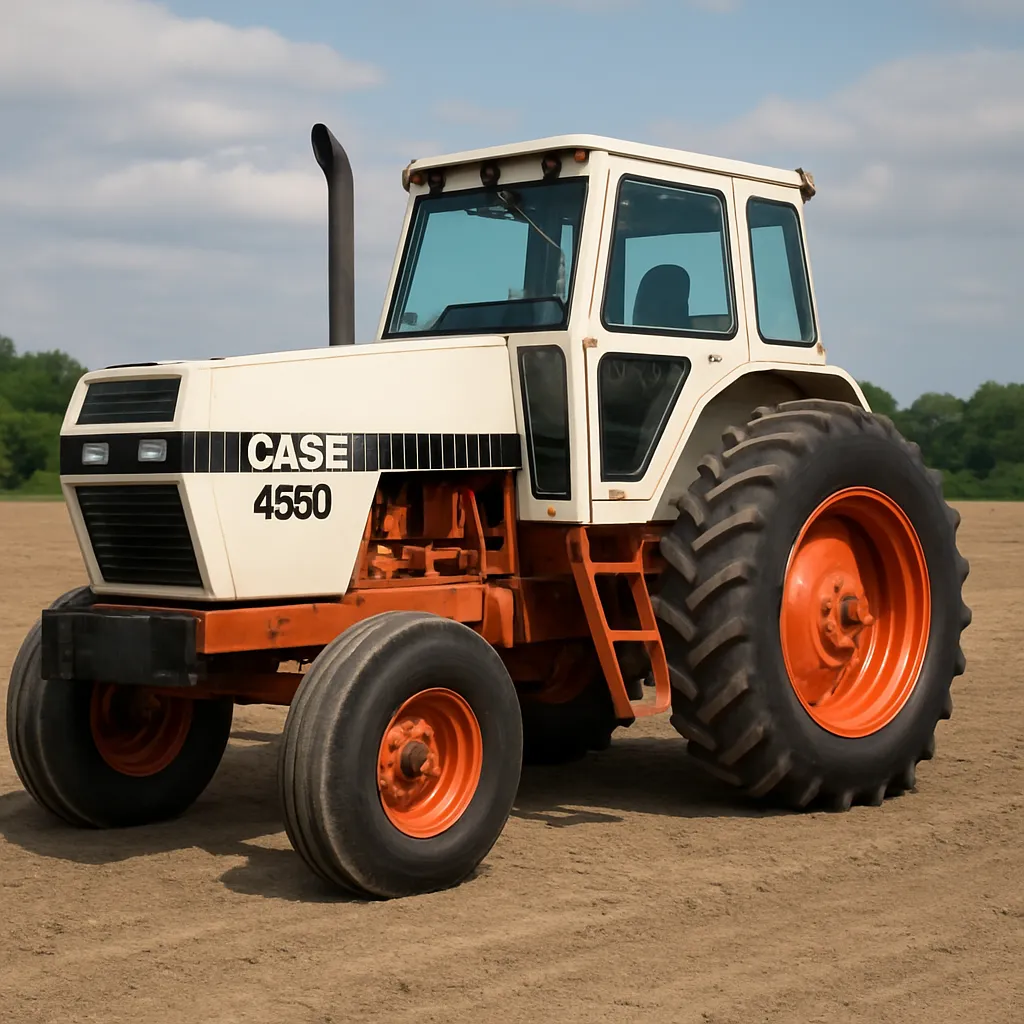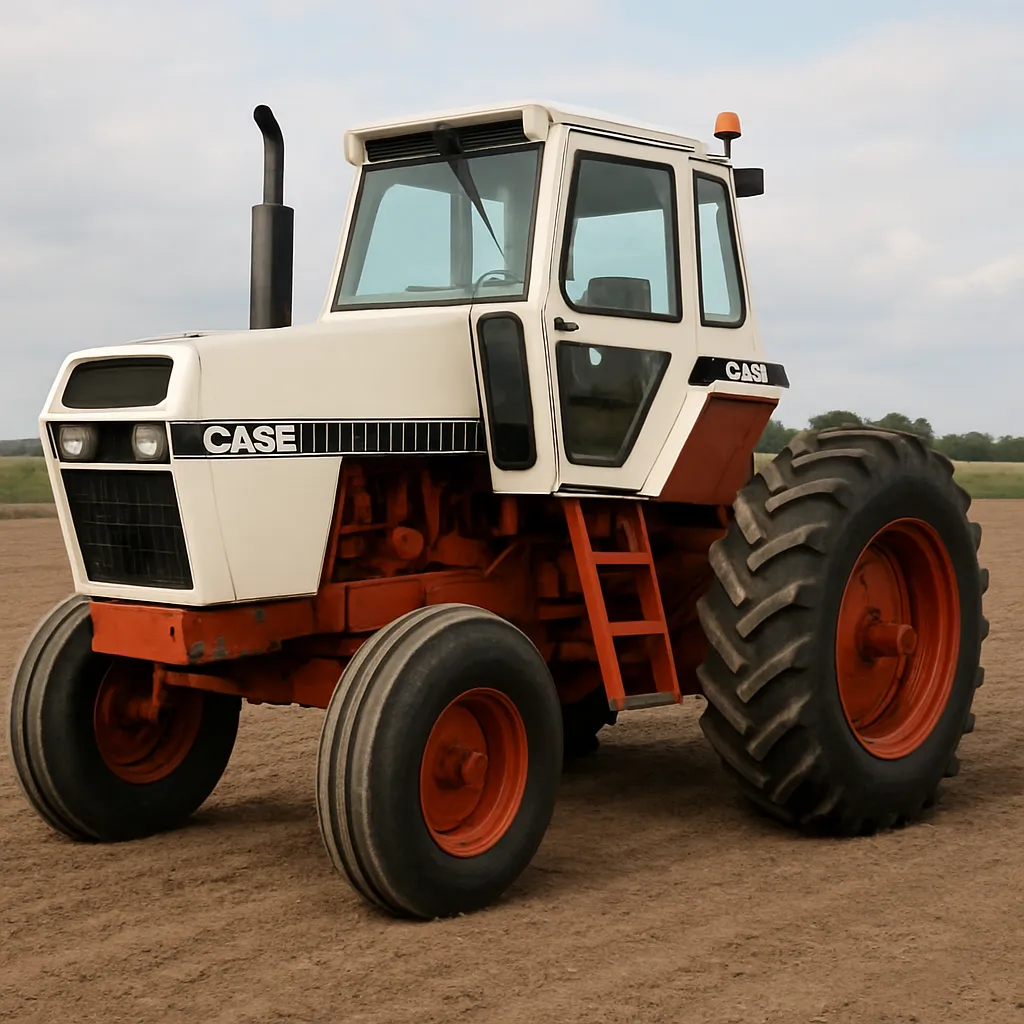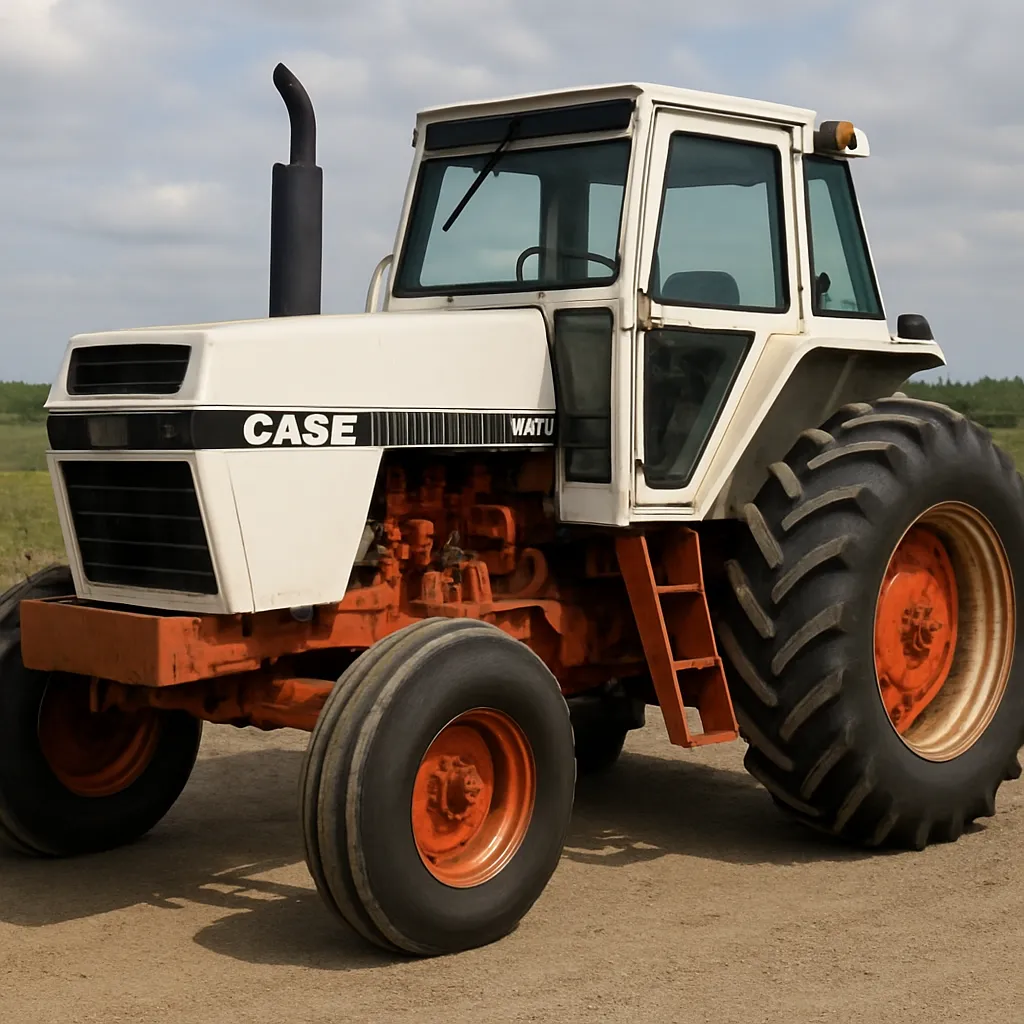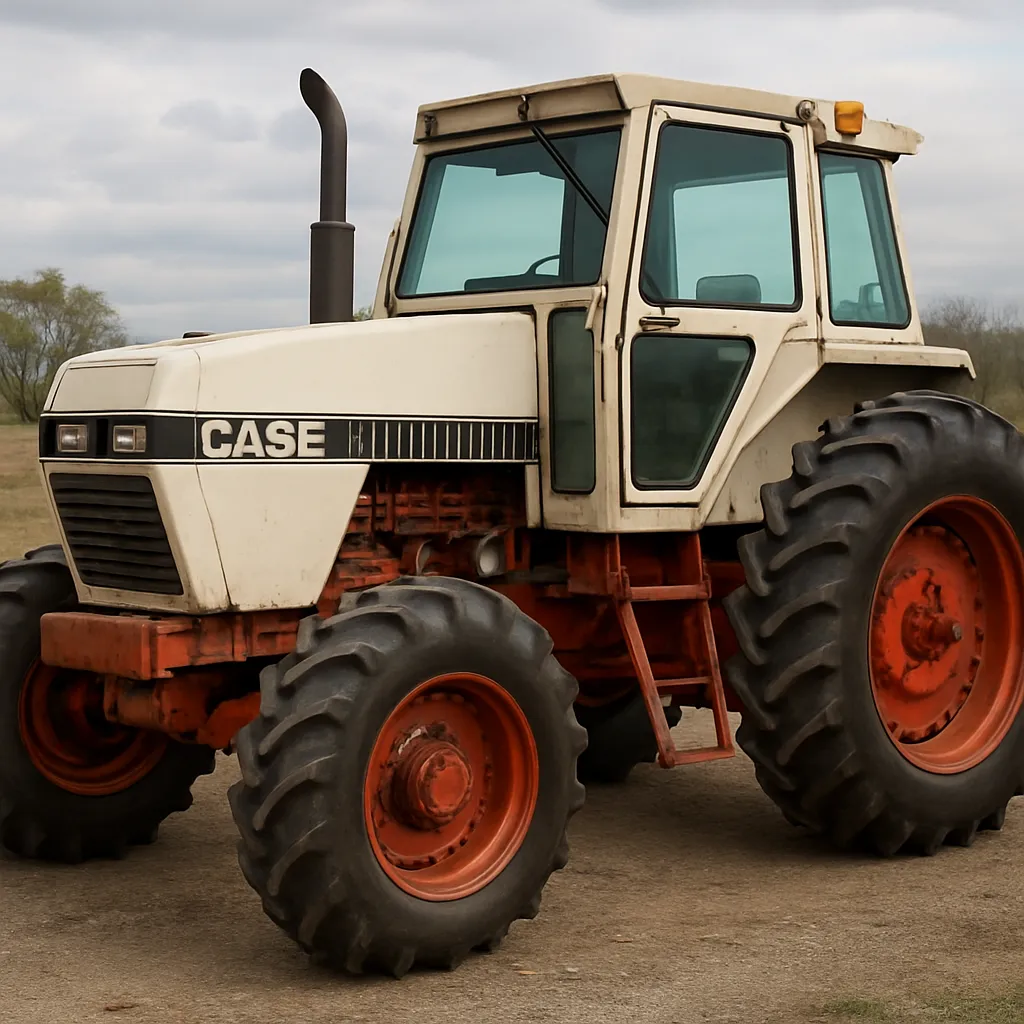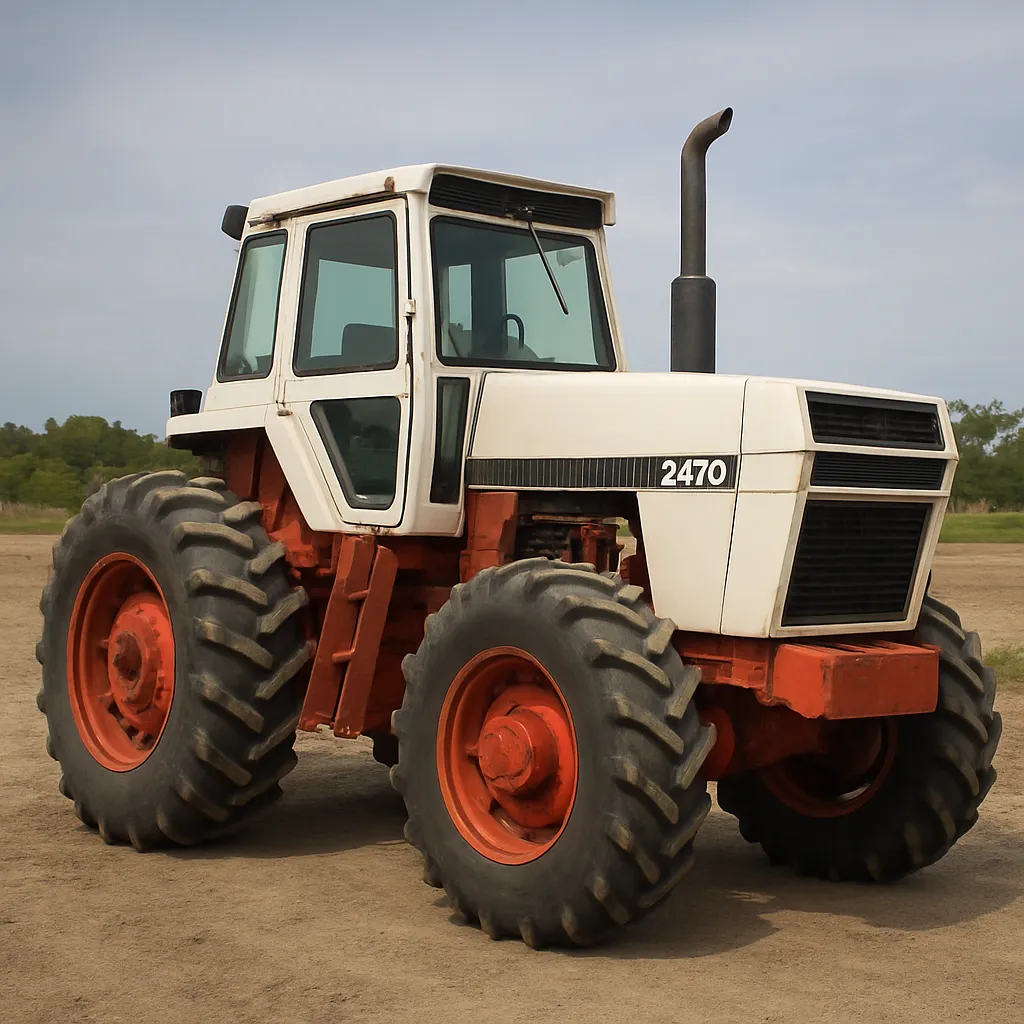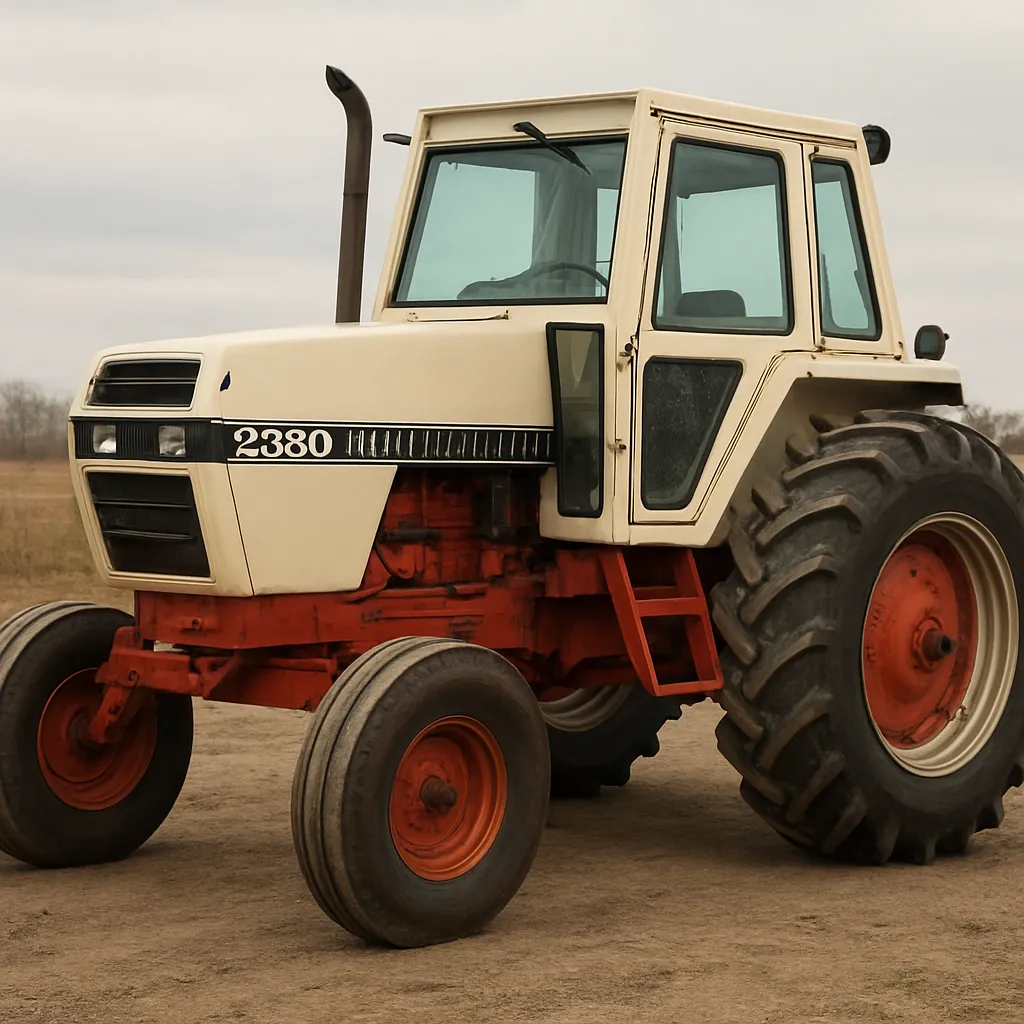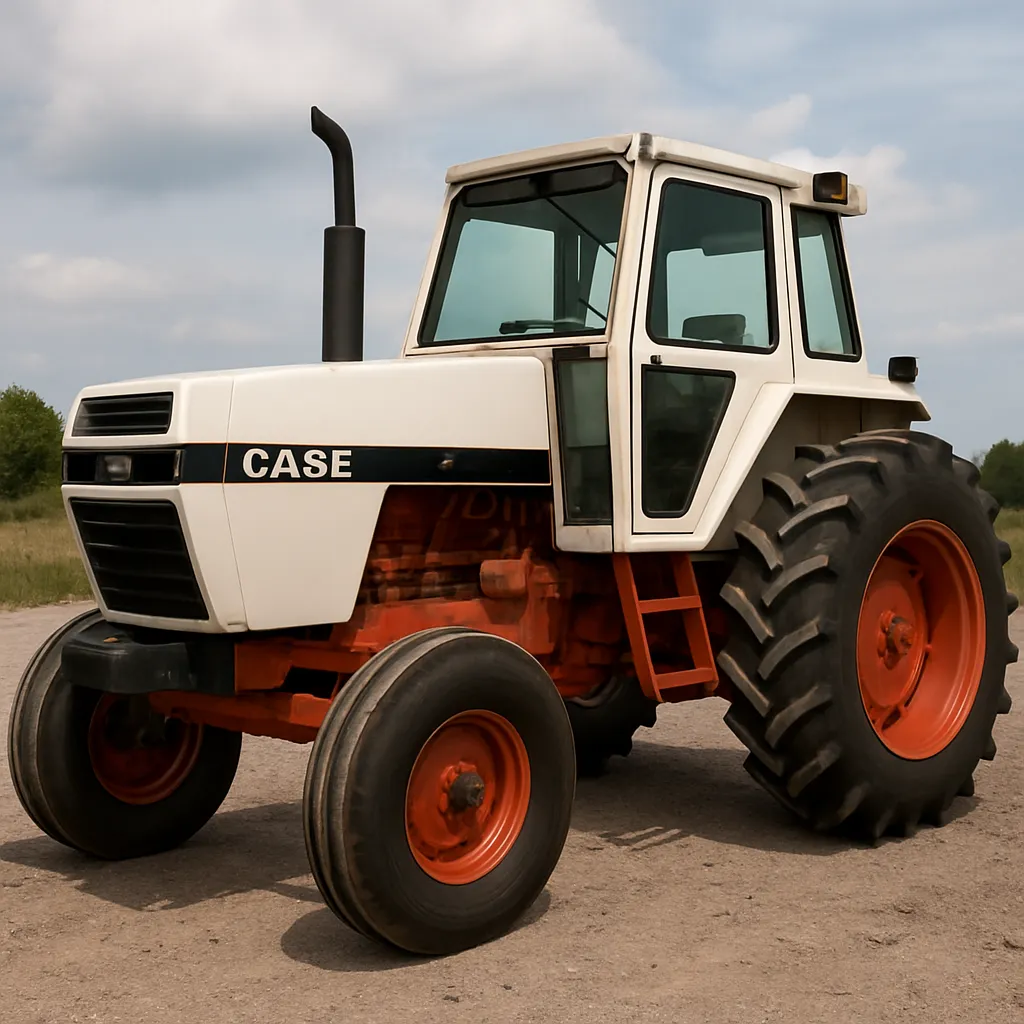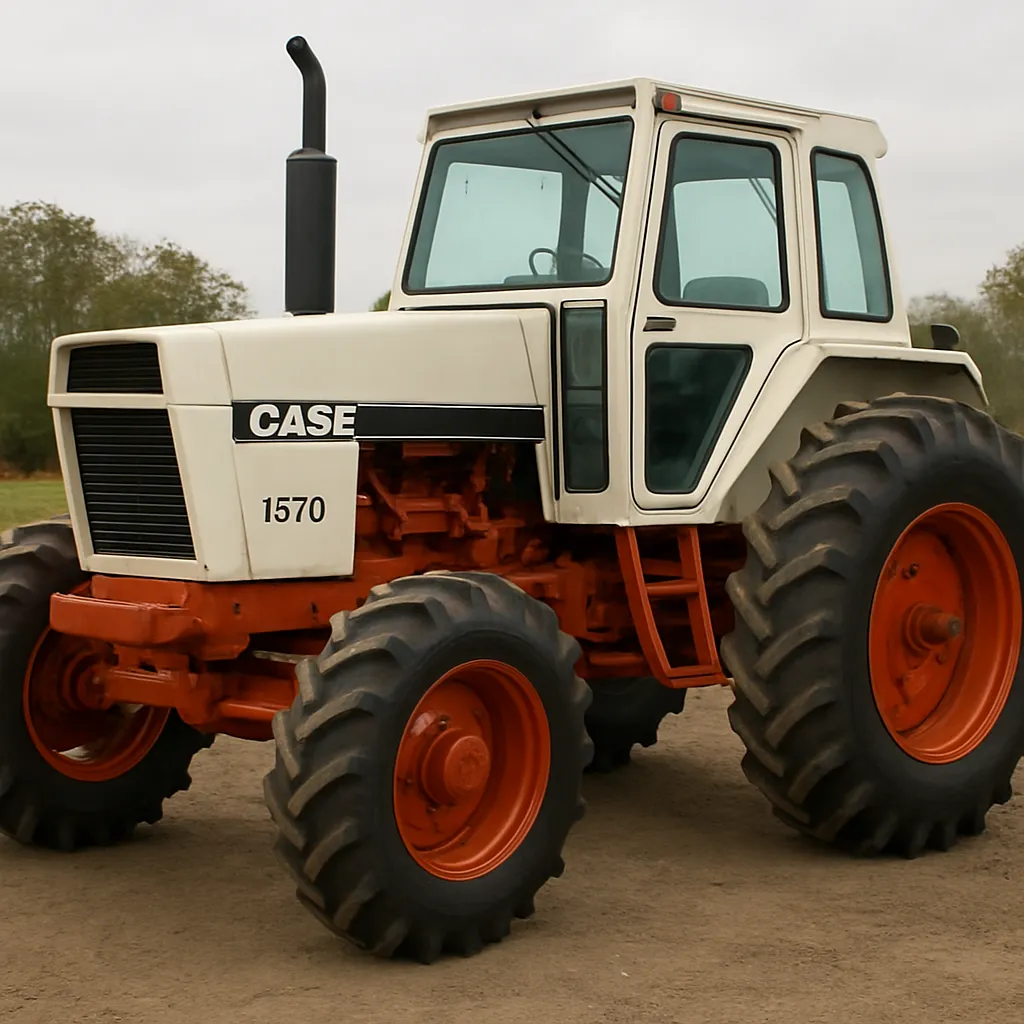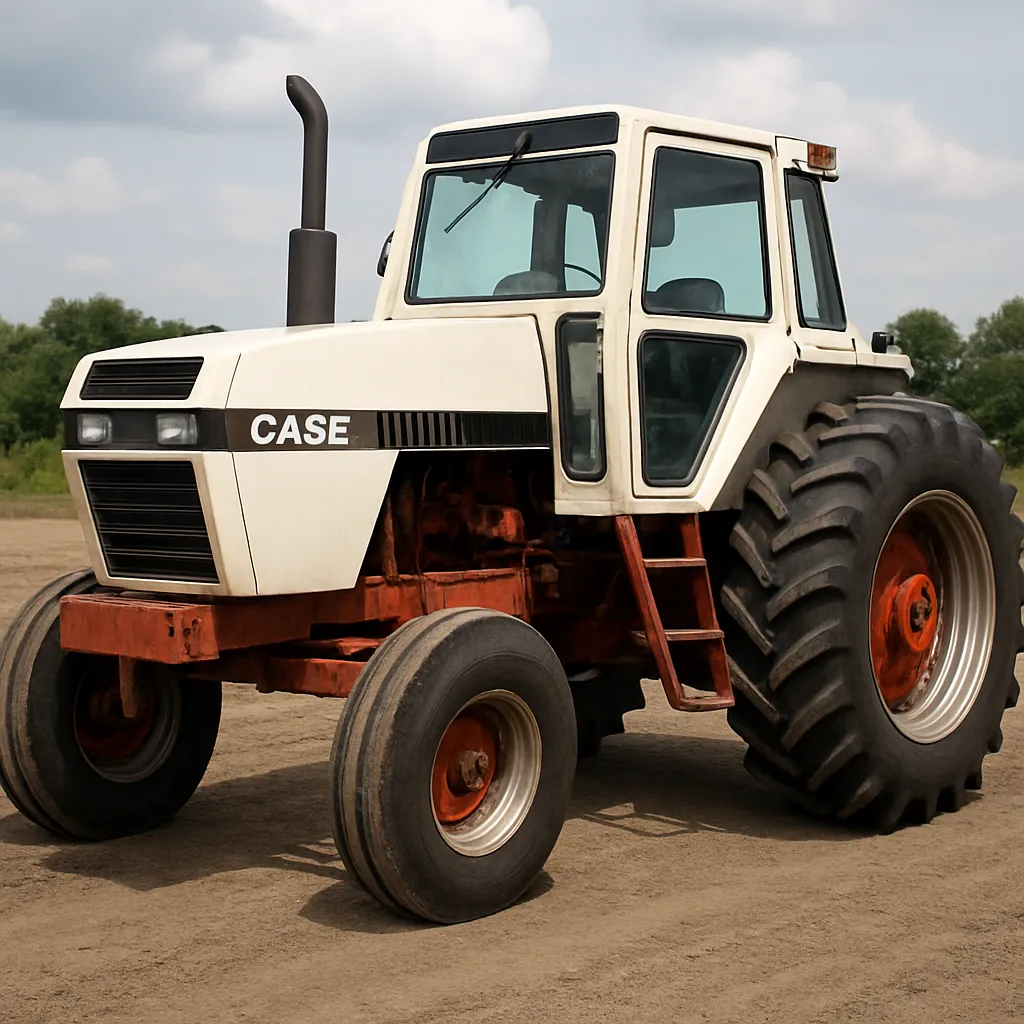
Case 2870 is a mid-size agricultural tractor that has earned a reputation among farmers and contractors for its versatility, durability, and straightforward mechanics. Although specific production details vary by region and year, this model exemplifies a class of tractors designed to balance enough power for demanding fieldwork with manageable size for varied farm tasks. The following article explores the machine’s background, technical characteristics, common uses, upkeep, market behavior, and safety considerations. Throughout the text, key terms are highlighted to draw attention to the most important concepts.
Background and design philosophy
The Case 2870 sits within a long tradition of agricultural machinery intended to serve both crop producers and livestock farmers. The manufacturer focused on producing an implement that combined efficient power delivery with a simple, maintainable layout. Early design priorities included field performance, ease of repair, and adaptability to multiple implements.
In line with that philosophy, the 2870 typically features a robust diesel engine, mechanically straightforward transmission options, and a durable chassis capable of accepting a wide range of attachments. The result is a workhorse that appeals to users who value reliability and ease of service over cutting-edge electronics.
Many owners describe the 2870 as an ideal machine for medium-sized operations that need a tractor able to switch quickly between front loader work, transport duties, and field cultivation. Its design favors accessibility—components are often easy to reach, which reduces downtime and maintenance costs.
Technical characteristics and common configurations
While exact specifications can vary with model year, region, and optional packages, the Case 2870 generally shares a set of core technical attributes typical for mid-range agricultural tractors. The following subsections summarize the most relevant mechanical and performance features.
Engine and powertrain
- The tractor is commonly equipped with an inline, turbocharged diesel engine designed for long service intervals and steady torque delivery. Engines in this class prioritize low-end torque to pull heavy implements at moderate ground speeds.
- Horsepower for the 2870 class models typically places them in the mid-horsepower range suitable for medium tillage and loader tasks. In practical terms, this gives operators enough reserve power to run PTO-driven implements and large plows while keeping fuel consumption reasonable.
- Transmissions offered often include synchronized gearboxes or powershift options in some variants. These enable smooth speed changes under load and good control in field and transport conditions. A common feature is a multi-range gearbox with a selectable creeper or low-speed range for precision tasks.
PTO, hydraulics, and hitch
- The PTO (power take-off) system on the 2870 is built to standard agricultural speeds and can handle a wide variety of implements such as mowers, balers, and rotary tillers. PTO engagement systems may vary from mechanical to electro-hydraulic, depending on the trim level.
- Hydraulic systems are designed for robust implement control. Typical setups include a main hydraulic pump with sufficient flow for a front loader and two to three remote valves. This gives the operator the capacity to run multiple hydraulic functions simultaneously.
- The three-point hitch is generally Category II, enabling compatibility with the majority of mid-sized implements. Draft control and position control systems help maintain consistent working depth and implement positioning.
Chassis, tires, and traction
- The 2870’s chassis is engineered for a balance of rigidity and maneuverability. Frame strength allows for heavy implements without excessive flex, while wheelbase and turning geometry support stable transport speeds.
- Traction options include standard agricultural tires, optional dual wheels for increased flotation, and in some markets, selectable four-wheel drive or limited-slip differentials to improve field performance in adverse conditions. Good traction is crucial for tasks like deep tillage and heavy hauling.
- Braking systems are typically robust enough for safe road transport when the tractor is used to tow trailers or wagons.
Practical applications and typical uses
The versatility of the Case 2870 makes it suitable for a wide spectrum of agricultural and non-agricultural tasks. Below are the most common applications where the model excels.
- Row-crop farming: The tractor’s balance of power and maneuverability makes it well-suited for planting, cultivating, and spraying operations across medium-sized fields.
- Tillage and soil preparation: With adequate horsepower and sturdy hitch/hydraulic systems, the 2870 can pull plows, discs, and cultivators for primary and secondary tillage.
- Baling and forage work: PTO power and hydraulic capacity allow efficient operation of balers, mowers, and rakes, making it a common sight on mixed farms.
- Loader work and material handling: Fitted with a front loader, the tractor handles tasks such as moving feed, handling pallets, and loading manure or aggregate.
- Transport and utility tasks: Road transport of goods around a farm or short-distance hauling is a typical secondary duty.
- Specialty operations: With the right gear, the tractor can be adapted for orchards, vineyards, and municipal work such as road maintenance or snow clearing, although specialized narrower variants may be better for tight rows.
Maintenance, common issues, and practical upgrades
Owners of Case 2870 tractors often emphasize the machine’s manageable maintenance needs. Key service procedures and common concerns include:
Routine maintenance
- Regular oil and filter changes for both engine and hydraulic systems are vital to long-term reliability. Following manufacturer service intervals—adjusted for operating conditions—is recommended.
- Fuel system maintenance, including periodic injector cleaning and filter replacement, preserves performance and reduces smoke and fuel consumption.
- Cooling system checks, including radiator cleaning and coolant condition monitoring, are important for tractors that operate in dusty or hot environments.
Common wear points
- Hydraulic seals and hoses can become brittle over many seasons and may need replacement to avoid leaks and loss of hydraulic performance.
- Transmission and clutch wear is an expected maintenance area for tractors used heavily in high-load operations; timely adjustments and rebuilds can extend service life.
- Front-end components—steering joints, bearings, and tire wear—require periodic inspection, especially on units used with heavy loaders.
Popular upgrades and modifications
- Installing modern GPS guidance or rate control systems can drastically improve productivity and reduce input costs for tasks like planting and spraying.
- Upgrading lighting, adding a cab HVAC retrofit, or installing more ergonomic seating improves operator comfort and efficiency during long days.
- Fitting dual wheels or wider tires increases flotation and reduces soil compaction when working on soft ground.
- For older units, remanufactured components—turbochargers, injectors, or transmissions—offer cost-effective ways to restore performance.
Market trends, resale, and statistical perspectives
The Case 2870 and comparable tractors occupy a solid position in the used equipment market. Several market patterns are relevant to buyers and sellers:
- Tractors in this power class traditionally retain value well when maintained; a clean, well-serviced unit with documented service history often fetches a premium over similar-but-neglected machines.
- Average operating lifespans for well-maintained agricultural tractors can exceed many thousands of hours—10,000 to 20,000 hours is often cited for robustly built machines—though practical working life depends on maintenance, usage, and operating conditions.
- Fuel consumption is a key economic factor. Typical medium-sized diesel tractors consume varying amounts depending on load: from a light-load rate of a few liters per hour up to double-digit liters per hour under heavy draft and transport work. Operators monitor fuel use closely as it impacts cost per hectare.
- Parts availability for established brands generally remains good. This supports the retrofitting and long-term ownership of models like the 2870, as replacement parts and aftermarket components are often accessible.
Exact resale values and statistical metrics vary by region, year, and the agricultural cycle. Local market conditions, crop prices, and financing rates can influence demand for used tractors more than model year alone.
Operational safety and ergonomic considerations
Operating any heavy agricultural equipment requires a focus on safety. The Case 2870 is designed with practical safety features, but responsible operation and maintenance are critical.
- Rollover protective structures (ROPS) and seat belts should be present and used at all times to protect the operator in case of a tip-over.
- Proper maintenance of brakes, steering, and lighting reduces the risk of accidents during road transport or low-visibility conditions.
- PTO guards and safe engagement practices are essential to avoid entanglement hazards—never work near a rotating PTO drive without adequate shielding.
- Ergonomic improvements—such as updated controls, a comfortable seat, and climate control—reduce operator fatigue, which in turn lowers the risk of errors and accidents.
Why farms choose the Case 2870: strengths and limitations
Strengths commonly cited by owners include:
- Reliability: A sturdy build and simple mechanical systems make the tractor dependable in a variety of conditions.
- Versatility: The ability to switch between implements and tasks makes the 2870 valuable for mixed farms.
- Maintainability: Ease of access to major components means repairs are often quicker and cheaper than on highly electronic, modern tractors.
Limitations to consider:
- Compared with modern tractors, older 2870 units may lack advanced precision farming electronics and automated controls that improve efficiency for large-scale row-crop operations.
- Fuel efficiency and emissions control are usually less sophisticated than modern EPA Tier-certified engines; this can be a factor in regions with strict emission standards.
- Comfort and ergonomics may not match newer designs unless aftermarket modifications are applied.
Field performance and operator impressions
Farmers who have used the Case 2870 often emphasize its practical field performance. Reports typically highlight steady pull in draft work, predictable hydraulic response for loaders, and a straightforward driving experience. Operators appreciate a machine they can troubleshoot without specialized diagnostic tools.
In everyday terms, the tractor is described as a “get-things-done” machine: not the fastest or most refined, but highly capable when maintained. For many small-to-medium operations, that practical performance profile makes the 2870 an economical and sensible investment.
Final considerations when buying or maintaining a Case 2870
Prospective buyers should inspect service records, check for signs of hydraulic leaks, evaluate engine smoke, and verify the integrity of the transmission and clutch. For older tractors, a compression or leak-down test can reveal the engine’s condition, while test-driving under load helps assess transmission health.
When planning long-term ownership, set up a maintenance schedule that includes oil and filter changes, hydraulic system checks, fuel system maintenance, and periodic inspections of the cooling system. Investing in a few sensible upgrades—improved lighting, a more comfortable seat, or a basic precision-guidance retrofit—can modernize the operator experience and boost productivity.
Overall, the Case 2870 remains a practical choice for operators looking for a durable, versatile tractor with a proven mechanical layout. Its balance between power and simplicity, combined with good parts availability and a history of solid field performance, makes it an enduring option in the used equipment market for a wide array of farming tasks.