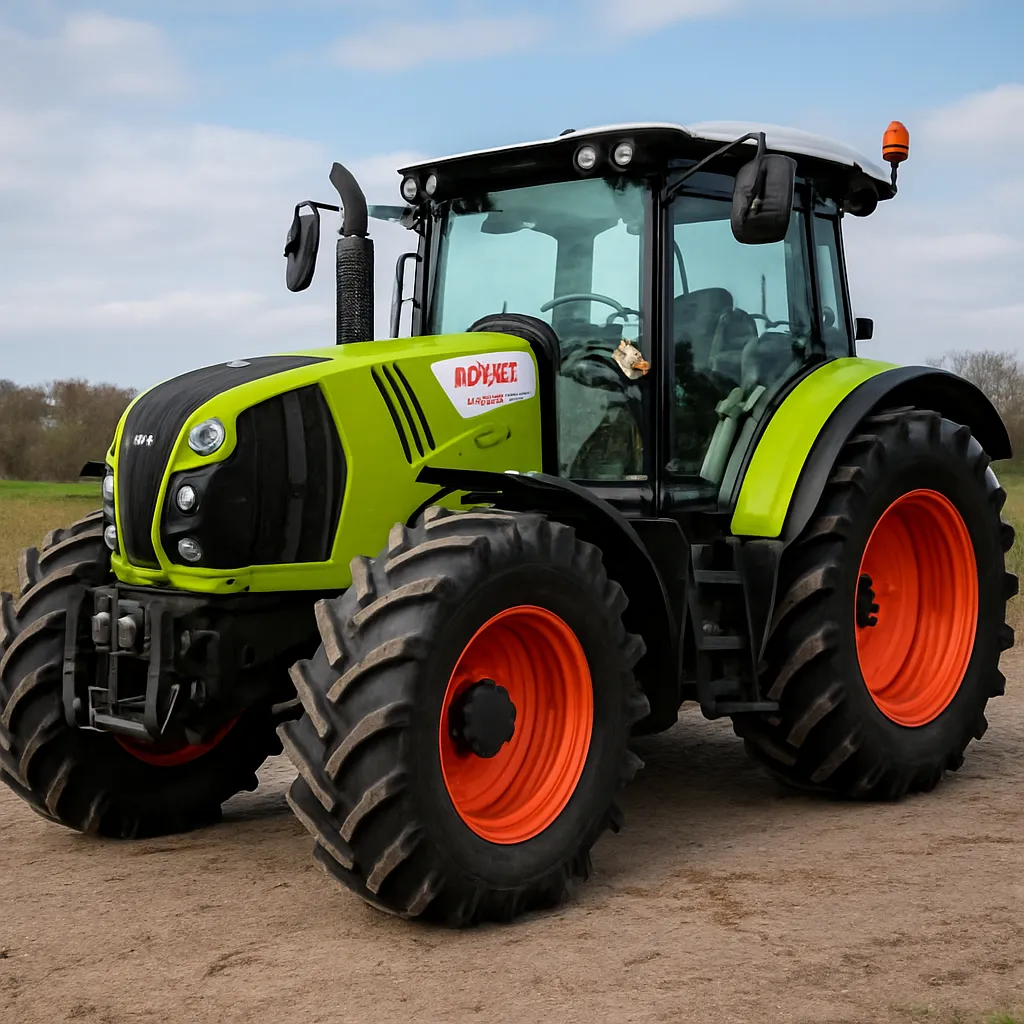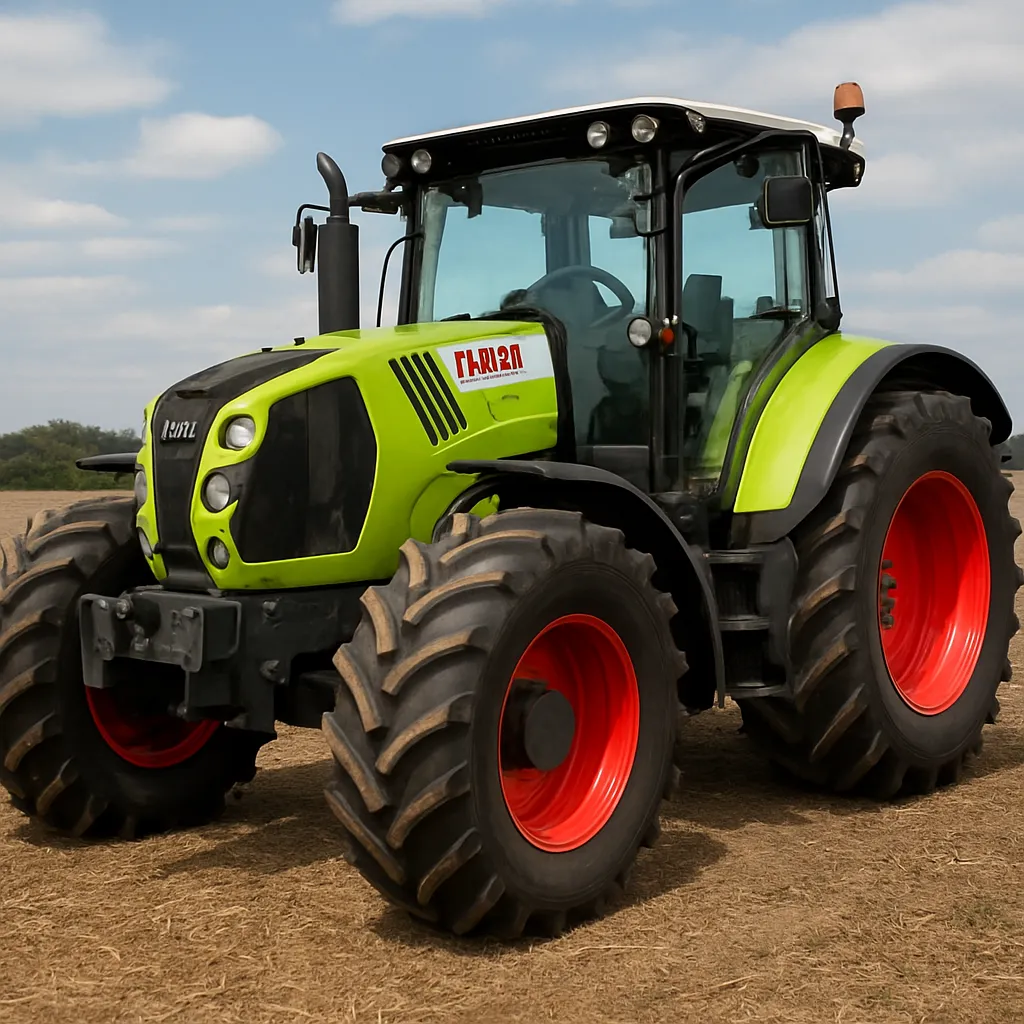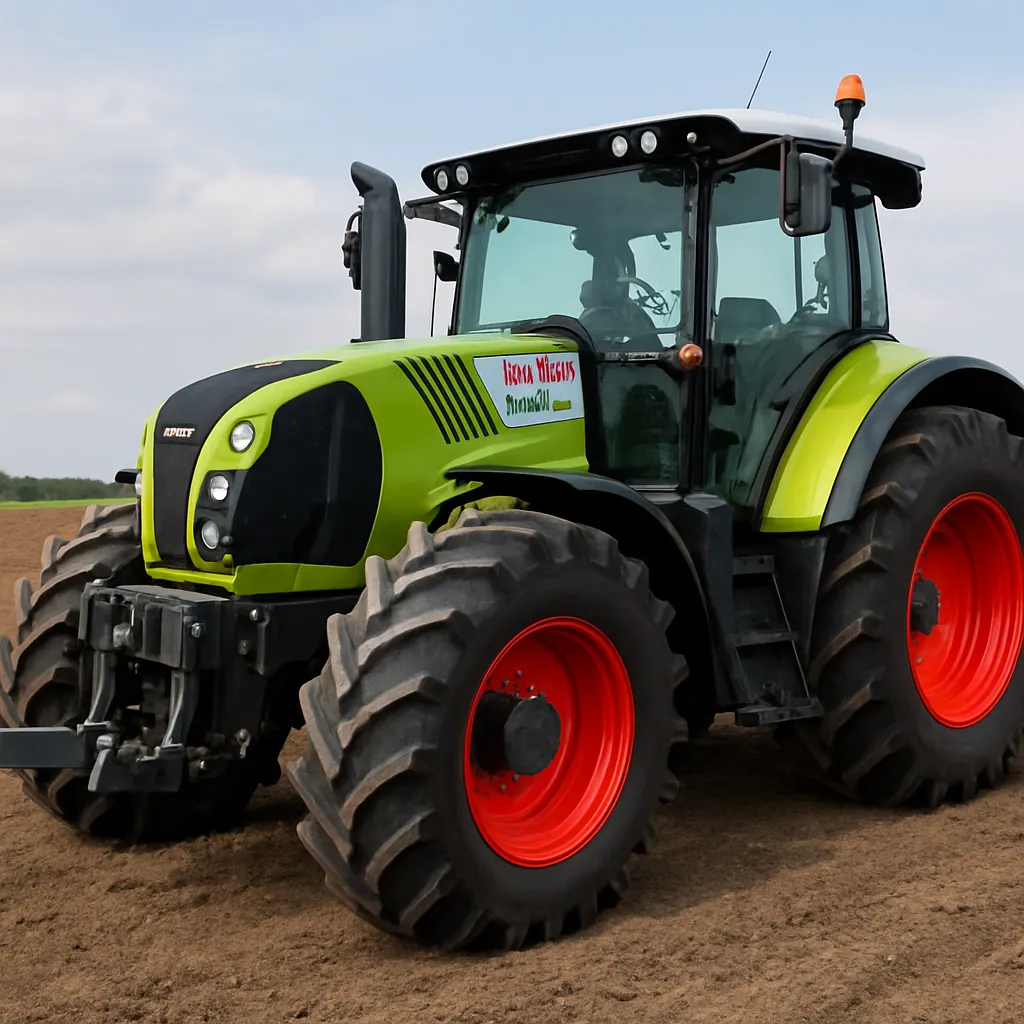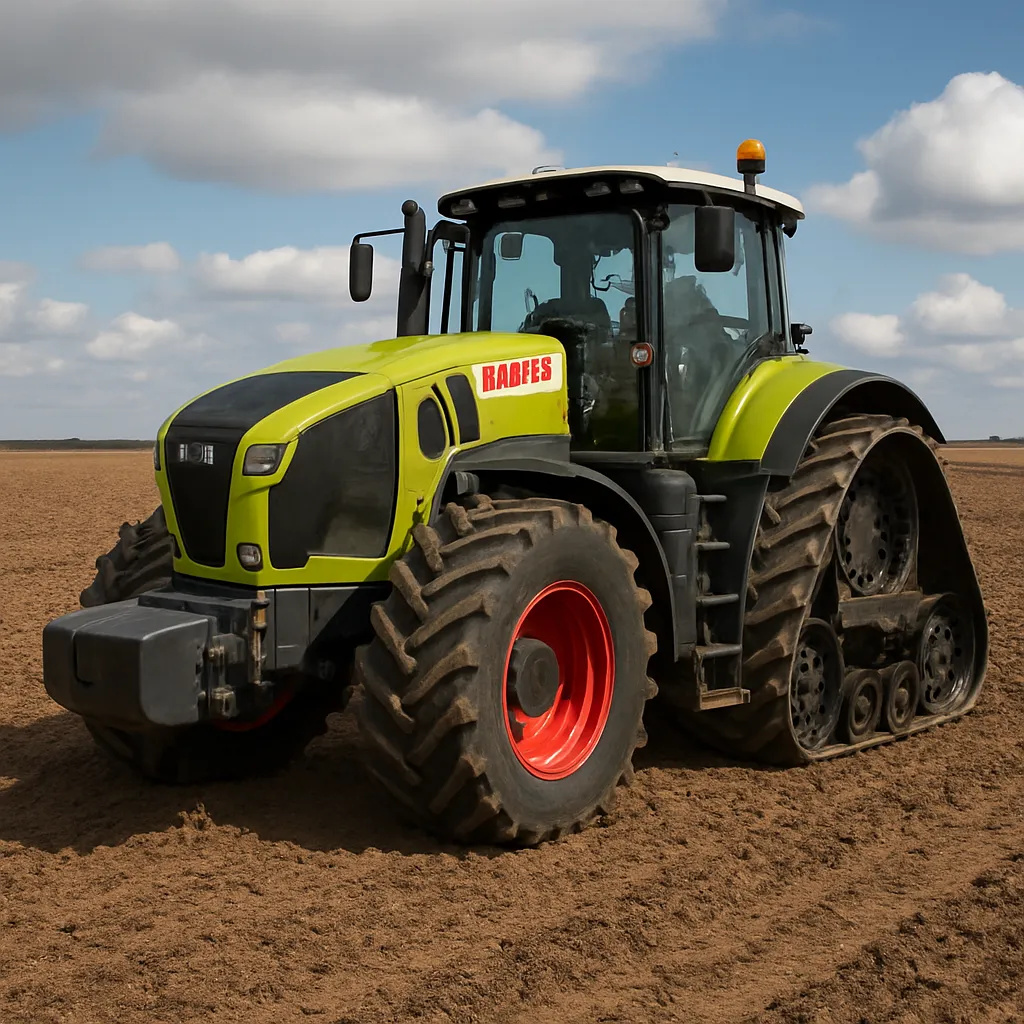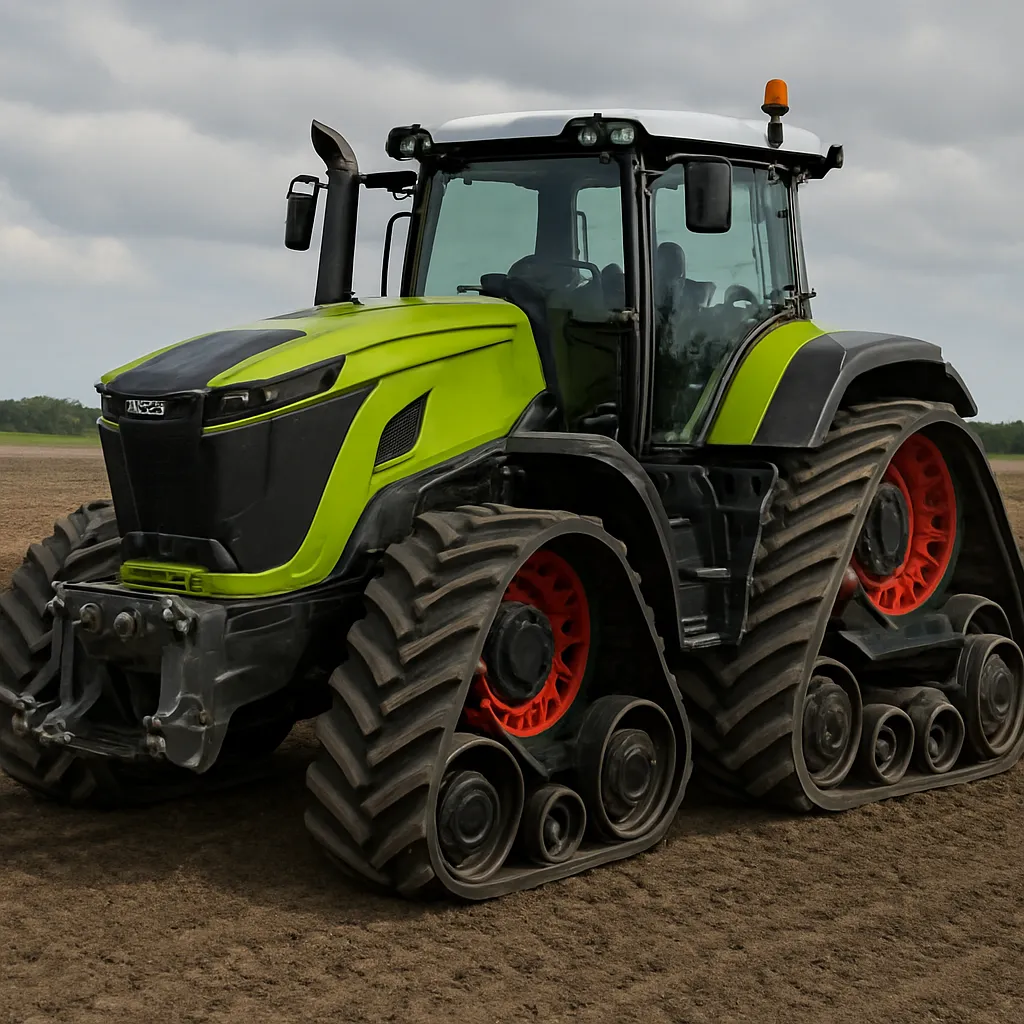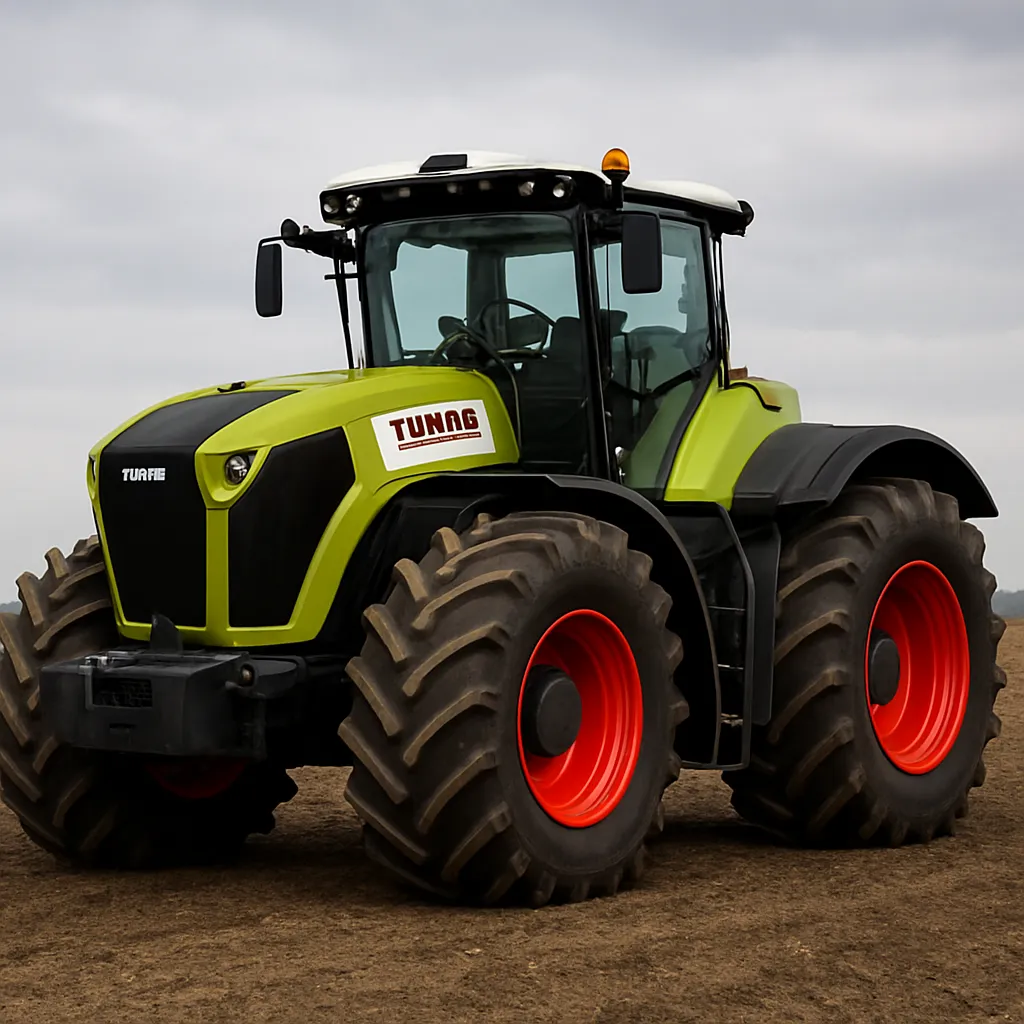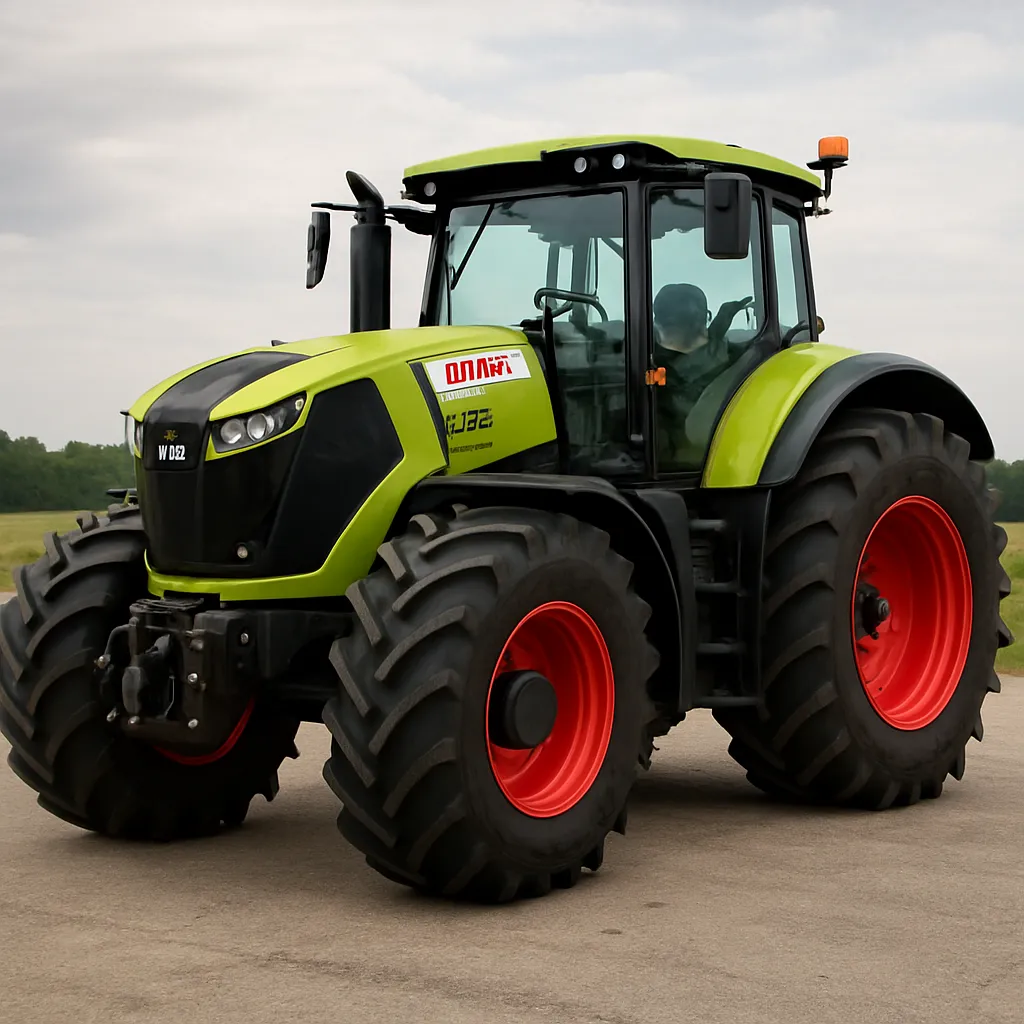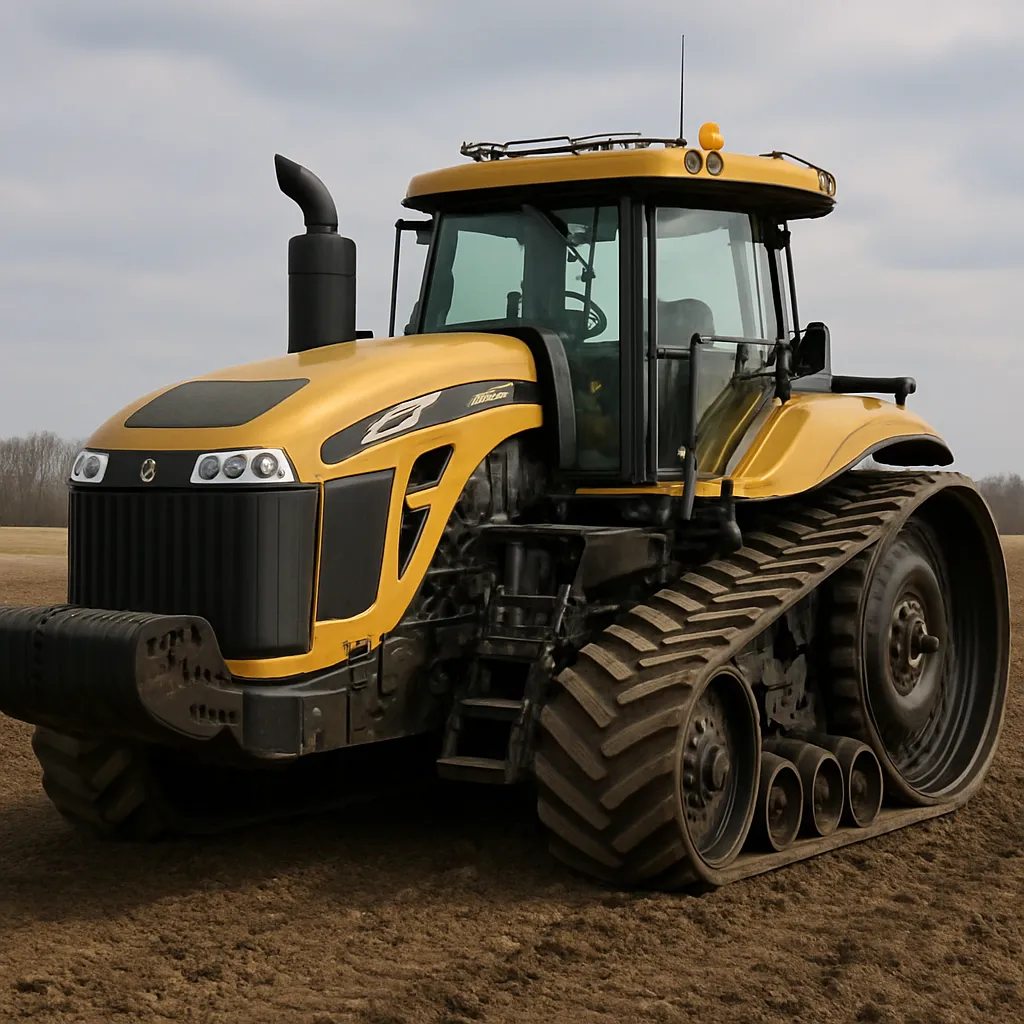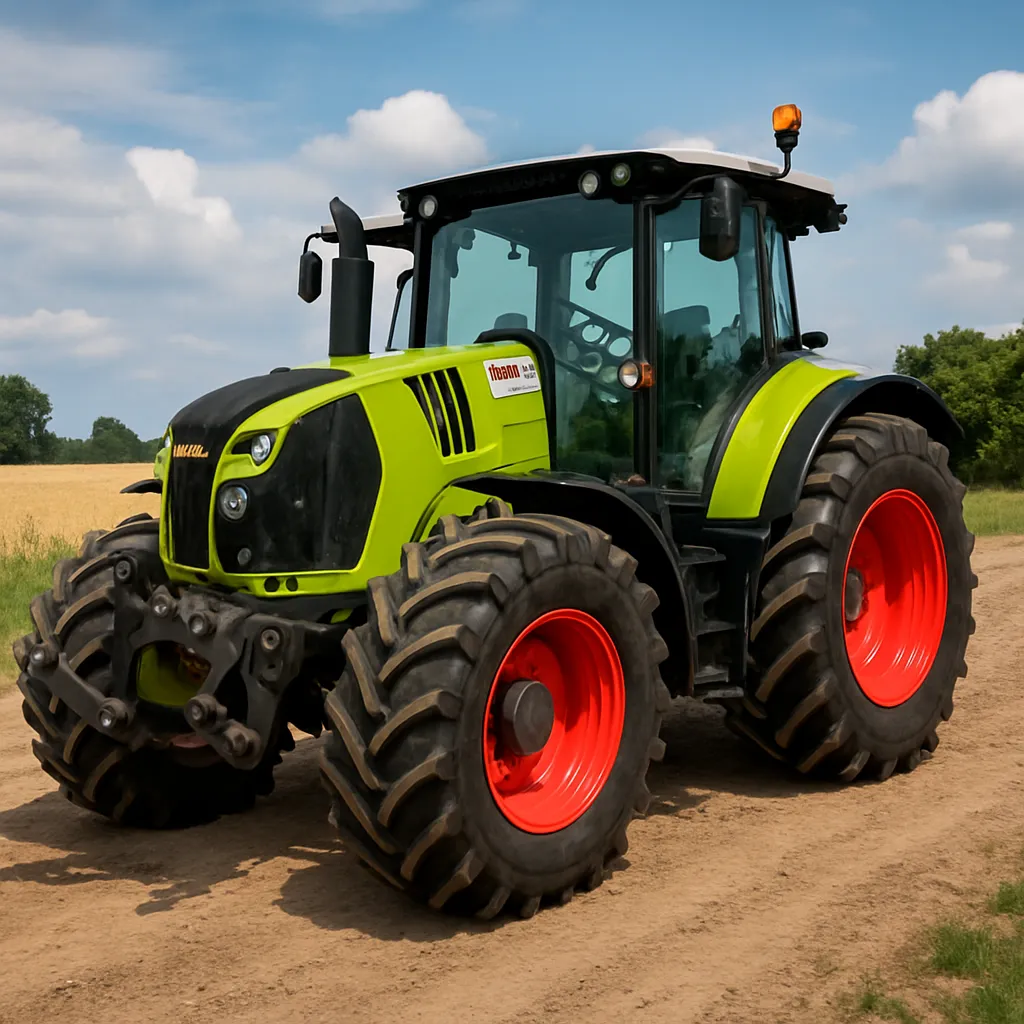
The Claas Arion 660 Cebis is a versatile agricultural machine that sits comfortably in the mid-to-upper range of modern farm tractors. Combining robust mechanical design with user-focused cabin technology, it aims to deliver reliable performance across a wide variety of tasks — from fieldwork and livestock farm duties to transport and municipal operations. In the following sections you will find a detailed look at the Arion 660 Cebis, including its typical applications, technical highlights, operator amenities, and practical considerations for owners and fleet managers.
Overview and design philosophy
The Arion 660 Cebis is part of Claas’s Arion family, a series designed to balance power, fuel efficiency, and operator comfort. The “Cebis” designation refers to the integrated electronic terminal in the cab, which centralizes key tractor functions for easier management. Claas positioned the Arion models to address the needs of mixed farms and contractors who require a tractor that is both strong in the field and comfortable for long hours of operation.
Core attributes
- Claas engineering emphasizes a compact, yet rigid chassis that supports a variety of implements.
- The Arion 660 is engineered for flexibility, offering multiple transmission and hydraulic packages to suit different farm needs.
- Cebis cabin electronics provide intuitive controls and data feedback to optimize workflow and reduce operator fatigue.
Visually the tractor follows Claas’s modern styling cues: a streamlined hood for better visibility, a spacious cab platform, and clear placement of service points for maintenance. Durability was a focus, with reinforced subframes and well-protected driveline components to withstand heavy-duty tasks over long seasons.
Technical specifications and performance (typical figures)
Specifications for the Arion 660 Cebis can vary depending on model year and optional packages. Below are representative figures and common configurations observed across production runs and dealer documentation. Where exact values differ by year, this text refers to typical ranges.
- Engine: Normally a turbocharged four-cylinder diesel, designed for efficient torque delivery at low rpm. Typical capacity is in the range that balances compact size with robust output.
- Horsepower: Rated horsepower commonly falls into the mid-horsepower class — roughly in the neighborhood of 140–160 hp (consult a specific model year for exact ISO ratings).
- Transmission: Available with multiple gearbox options including synchronized mechanical transmissions, semi-powershift, and fully stepless continuously variable transmissions (CVT) in some configurations. Gear ratios are arranged to provide both low-speed tractive effort and efficient transport speeds.
- Hydraulics: A high-flow hydraulic system with load-sensing options is usually available; rear linkage lift capacity typically ranges around the levels needed for heavy implements (several thousand kilograms at the hitch in common configurations).
- Fuel tank: Sufficient capacity to support long operational periods between refueling; tank sizes vary by configuration but are sized to match the tractor’s workday requirements.
- PTO options: 540/540E/1000 rpm PTO speeds are commonly available depending on attachments and operator needs.
- Weights and dimensions: Kerb weight and axle loads depend on equipment; the design emphasizes a low center of gravity and balanced weight distribution to improve stability during front loader work or with heavy rear implements.
Because Claas offers factory and dealer-installed options, exact numbers should be verified from the specification sheet of the specific tractor you consider. The above figures provide a realistic expectation for the performance class of the Arion 660 Cebis.
Cabin, controls, and ergonomics
The Arion 660 Cebis places considerable emphasis on operator experience. The Cebis terminal is a hallmark feature that distinguishes higher-trim Claas tractors by centralizing information and control. This focus on ergonomics reduces operator fatigue and improves precision of implement control.
- Seating: Comfortable, often air-suspended seats with adjustable settings for several body types and long shifts.
- Visibility: Large glazed surfaces and a well-positioned bonnet provide excellent forward, side, and rearward visibility — an asset for loader work and precise implement placement.
- Controls: The Cebis console groups transmission, hydraulics, PTO and ISOBUS-compatible implement controls within easy reach. Joysticks and multifunction controls are available for loader operation and hydraulic spool control.
- Climate and noise: Effective climate control and soundproofing are intended to reduce operator fatigue over extended periods in the cab.
In short, the cabin is designed not just for comfort but to improve productivity: quicker setup, easier monitoring, and more intuitive control reduce downtime and user error.
Typical applications and versatility
The Arion 660 Cebis is a truly multipurpose machine. Its balance of power, hydraulics and operator comfort makes it appropriate for the following roles:
- Field cultivation — plowing, harrowing, seedbed preparation, and sowing with medium to large implements.
- Seed and fertilizer application — stable PTO and hydraulic outputs allow precise implement operation.
- Harvest support and transport — sufficient road speed and economy for shuttle runs between fields and storage areas.
- Loader and handling work — front-loader compatibility for bale handling, material loading, and general farm maintenance.
- Livestock farm operations — feeding, bedding distribution, and manure handling when fitted with the correct implements.
- Contracting and municipal duties — mowing, snow clearing, street sweeping and other year-round tasks with appropriate attachments.
Its versatility is enhanced by an expansive option list: front-linkage and PTO packages, various tires and wheel configurations, front suspension, and integrated electronics that support precision farming tools and ISOBUS implements.
Fuel efficiency, emissions, and environmental considerations
Modern Claas tractors, including the Arion family, are engineered to meet evolving emissions standards while maintaining fuel efficiency. Key points:
- Engine management systems optimize fuel injection and combustion to reduce fuel use per hectare compared with older models.
- Aftertreatment systems (such as SCR or particulate filters where fitted) reduce NOx and particulate emissions to comply with regional regulations.
- Efficient transmissions and power management systems ensure engine output is used effectively, especially under variable field loads.
- Lower fuel consumption is not only an environmental benefit but also reduces operating costs over the tractor’s lifecycle.
Farmers and contractors often see tangible savings by matching engine and transmission choices to the actual workload rather than overspecifying power, a design philosophy supported by Claas through various model and option choices.
Maintenance, serviceability, and total cost of ownership
Ease of maintenance is an important aspect of the Arion 660 Cebis design. Service points are generally accessible, and routine checks can be performed without excessive disassembly. Key maintenance considerations include:
- Regular oil, filter and fluid changes according to the manufacturer’s schedule to maximize engine and transmission life.
- Hydraulic system maintenance, including filter and seal inspections, to avoid downtime caused by leaks or contamination.
- Software updates and diagnostics via the Cebis system can streamline troubleshooting and reduce technician time in the field.
- Claas parts distribution network supports availability of spare parts and certified service across many regions.
Total cost of ownership (TCO) depends on purchase price, fuel consumption, maintenance, downtime, and resale value. The Arion series typically holds good residuals in markets where Claas has strong dealer support, and its modular options let buyers tailor initial cost to actual needs.
Comparisons and market positioning
Compared with other tractors in the 120–170 hp class, the Arion 660 Cebis competes by offering a strong combination of operator comfort, flexible drivetrain options, and integrated electronics. Its direct competitors in various markets include similar models from manufacturers focusing on the same mid-range segment. Points of differentiation for the Arion 660 Cebis often include:
- The Cebis terminal and related software ecosystem for implement control and data logging.
- Claas’s experience integrating loaders and front-linkage systems to maintain visibility and balance.
- A reputation for robust build quality and durable drivetrains in working farms and contracting fleets.
Fleet managers often weigh these strengths against purchase cost and service network coverage when choosing between brands. When assessing tractors in this class, consider long-term needs for precision farming, telematics, and implement compatibility.
Operational tips and best practices
To get the most from an Arion 660 Cebis, owners and operators should follow several practical guidelines:
- Match tires and ballast to the task to optimize traction and minimize soil compaction.
- Use the engine’s torque curve efficiently by selecting appropriate gear and PTO speeds rather than running at unnecessarily high rpm.
- Take advantage of the Cebis terminal to record field jobs and monitor fuel use, which helps refine operational practices over time.
- Keep up with scheduled maintenance and use genuine parts to preserve performance and resale value.
- Train operators on advanced features such as cruise control, hitch geometry presets, and ISOBUS implement management to improve consistency and reduce errors.
Statistics, market uptake and lifecycle considerations
Exact global sales and market penetration figures for the Arion 660 Cebis are not publicly itemized in a single source, and numbers vary by country and year. However, Claas has reported steady demand for the Arion series in regions where mixed farms and contractors require versatile mid-power tractors. When evaluating lifecycle performance, owners typically consider:
- Average annual operating hours — mid-range tractors like the Arion 660 often accumulate several hundred to a few thousand hours per year, depending on farm size and contracting activity.
- Resale values — tractors from well-supported brands with proper maintenance histories retain higher resale prices.
- Depreciation schedules — commercial operators often calculate depreciation over 5–10 years based on expected hours and maintenance costs to determine replacement timing.
Regional differences also influence adoption. In areas with strong Claas dealer networks, uptake is higher due to service confidence and parts availability. Conversely, where dealer networks are thinner, buyers may favor brands with greater local support even if the machine itself is well suited to the tasks.
Conclusion: who should consider the Arion 660 Cebis?
The Claas Arion 660 Cebis is best suited to mixed farms, livestock operations and contractors who need a multifunctional, reliable tractor with modern cabin technology. Its strengths are a well-rounded powertrain, flexible hydraulic systems, and an operator-focused cab with the Cebis terminal for streamlined control and monitoring. Prospective buyers should assess specific package options (engine tuning, transmission type, front loader compatibility, precision farming features) against their typical working hours and implement roster to ensure the chosen configuration maximizes return on investment.
When properly configured and maintained, the Arion 660 Cebis can be a long-lasting asset that balances performance, comfort and operational efficiency in a demanding agricultural environment.