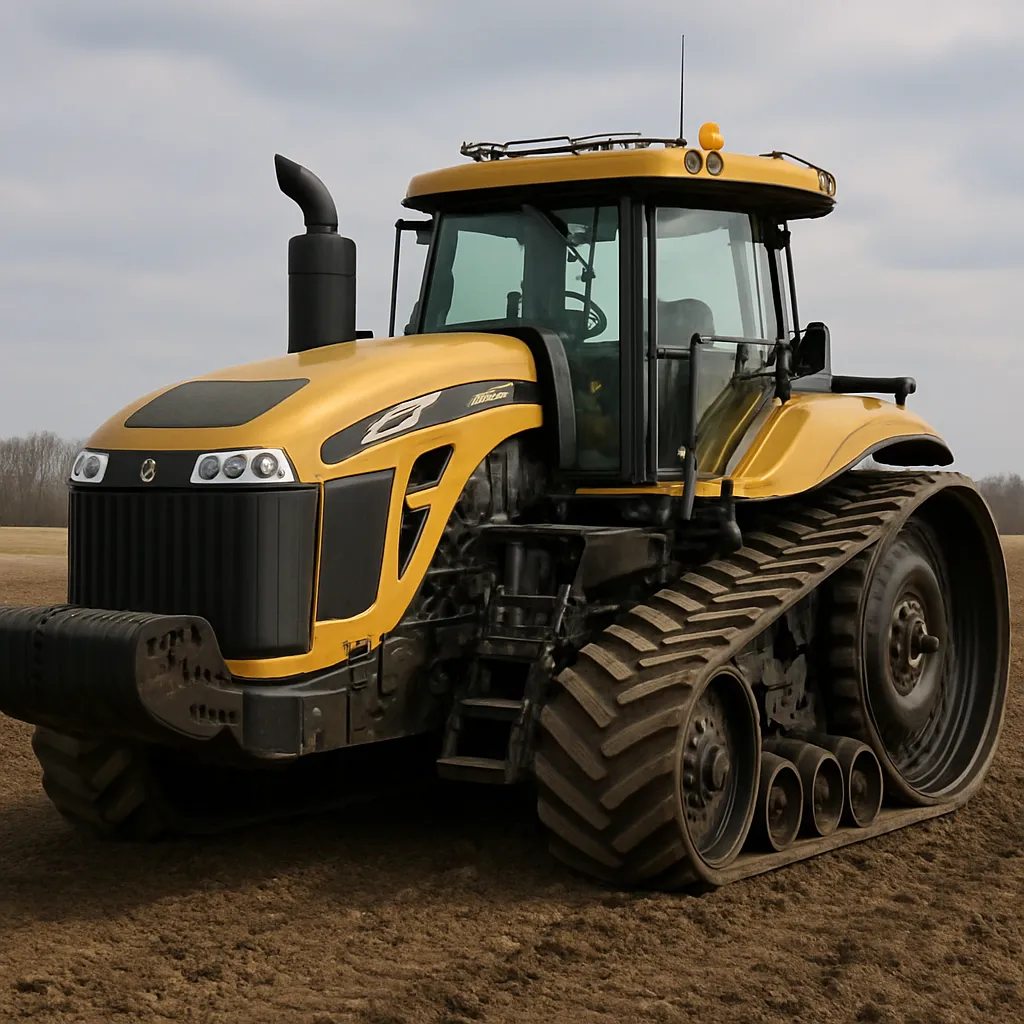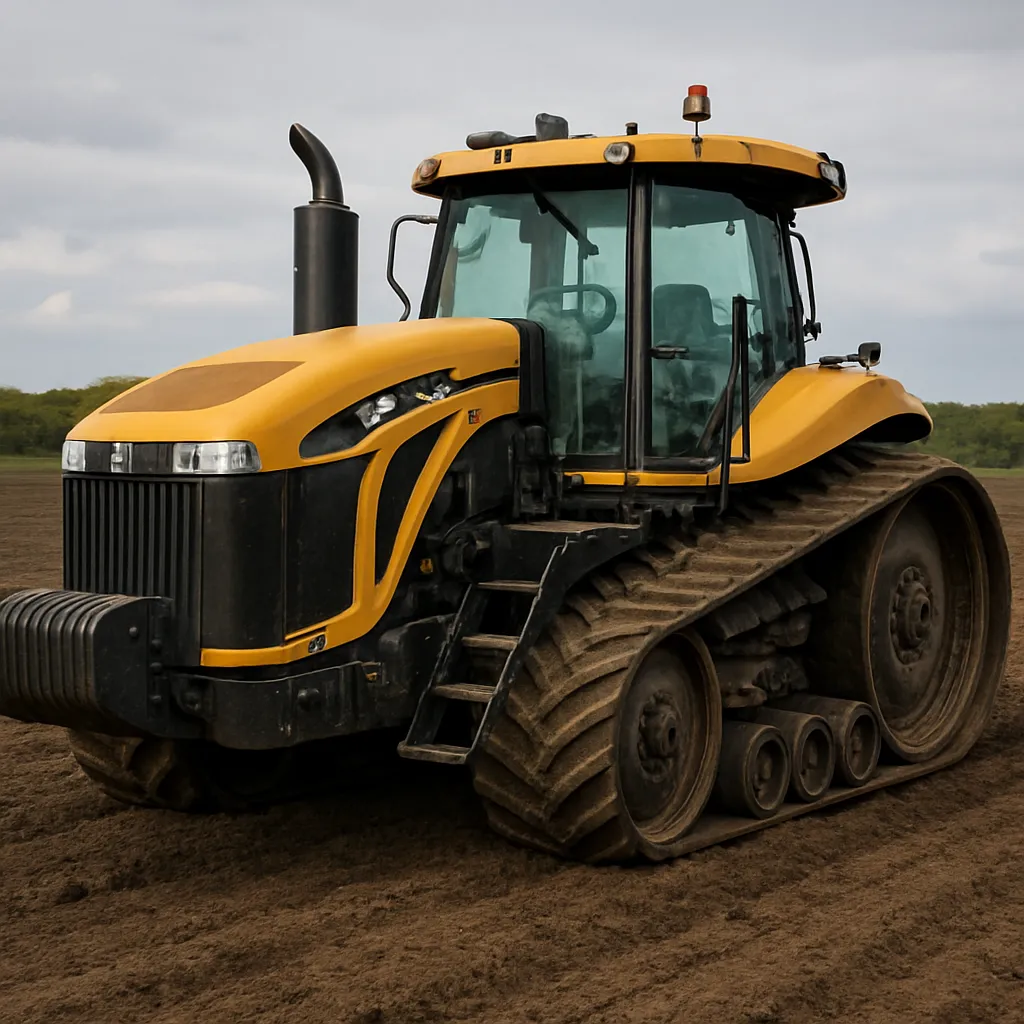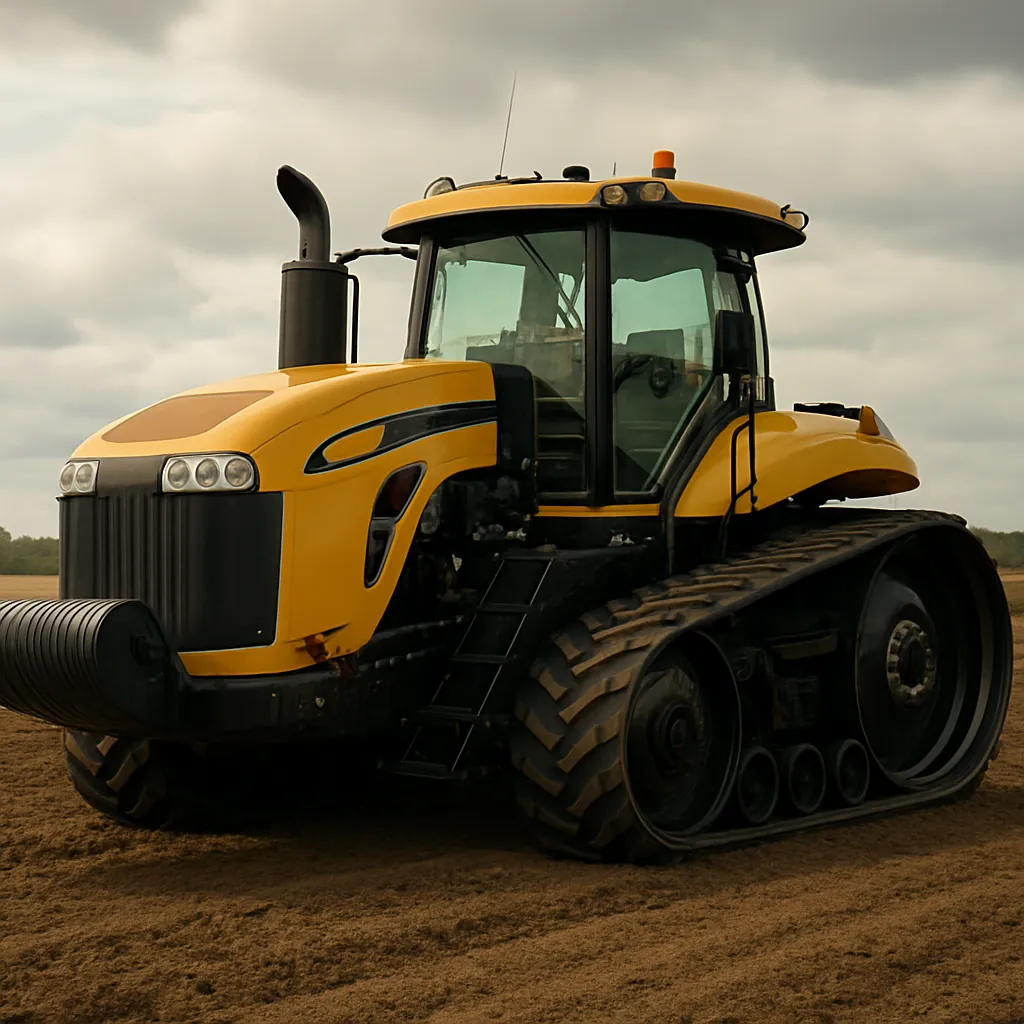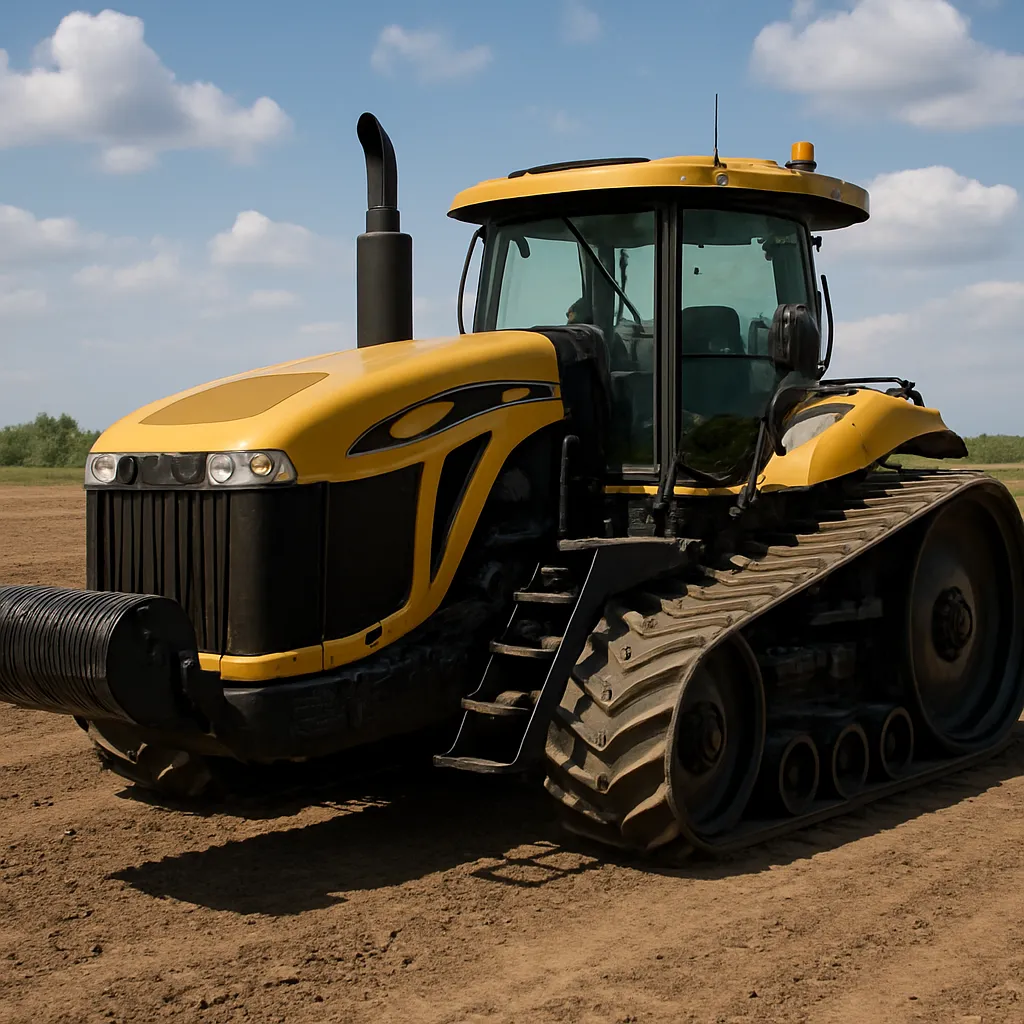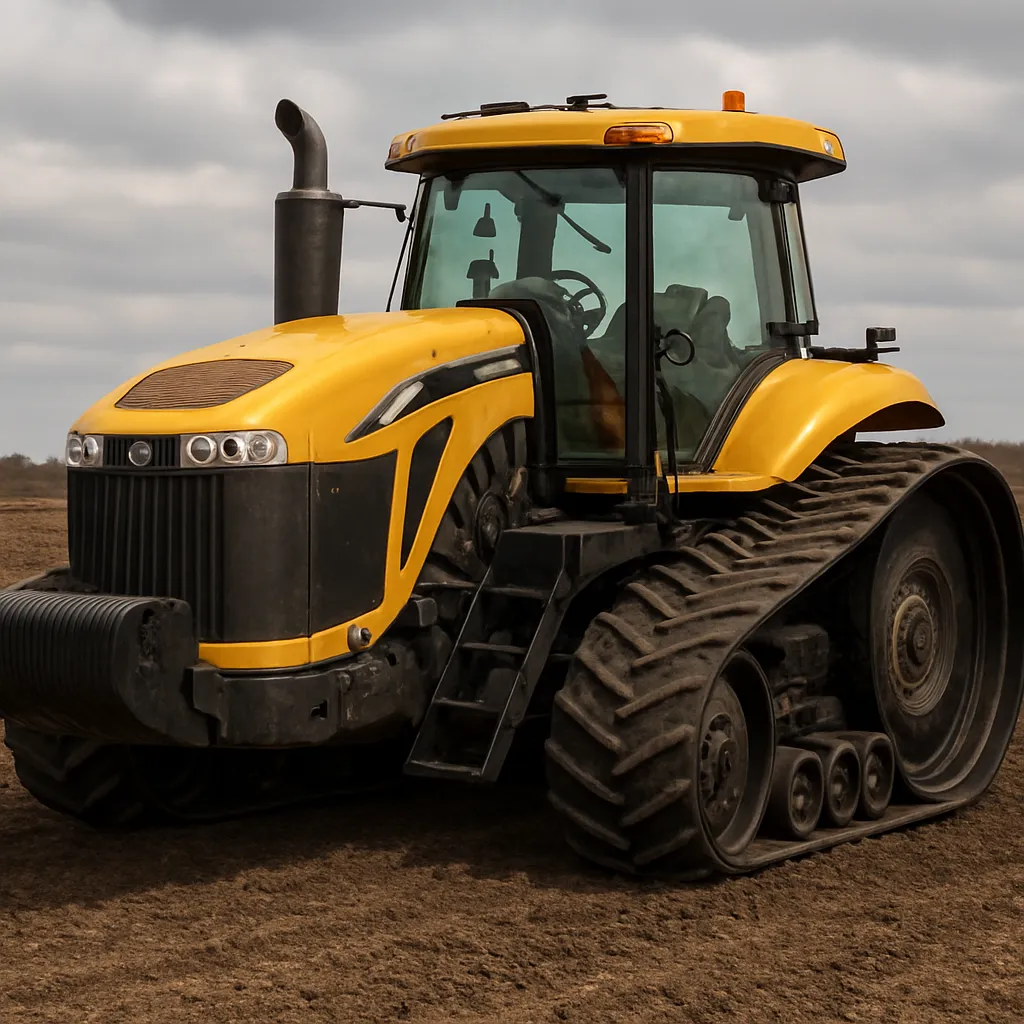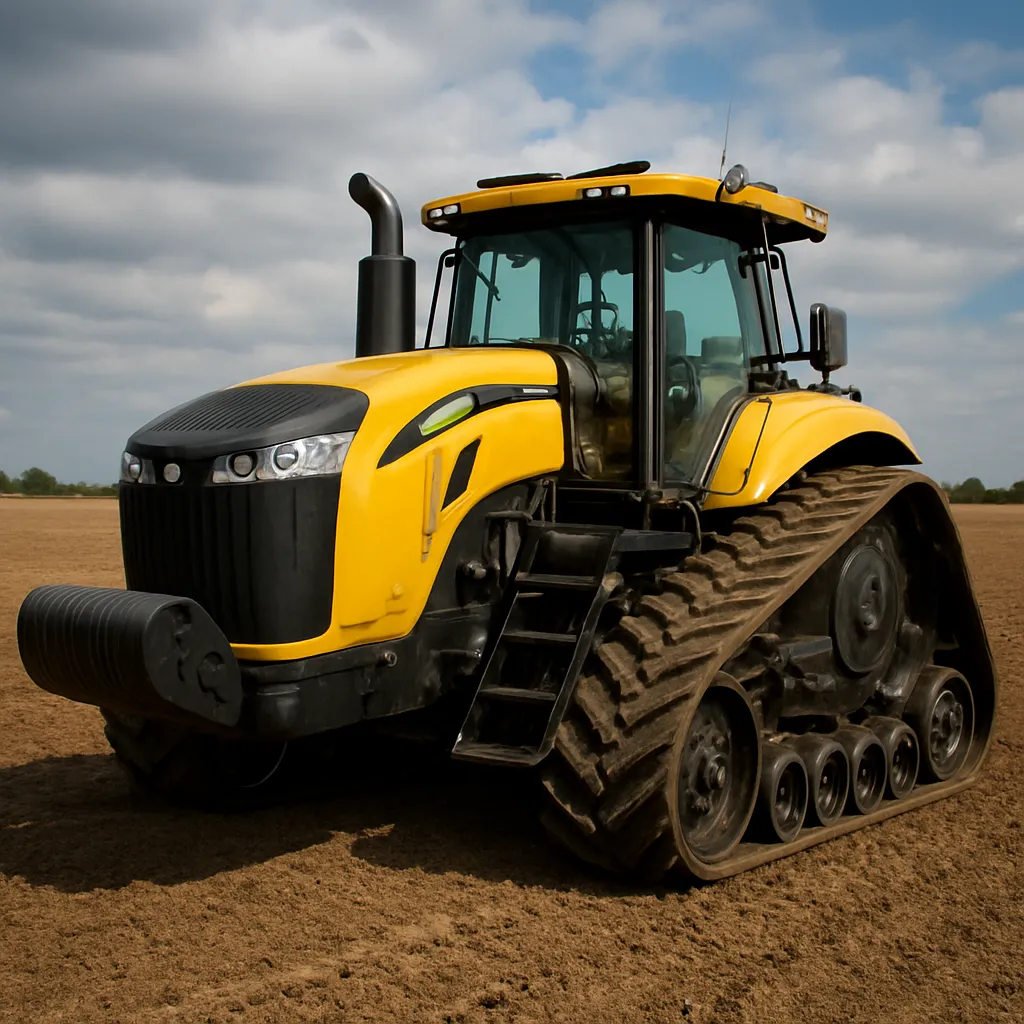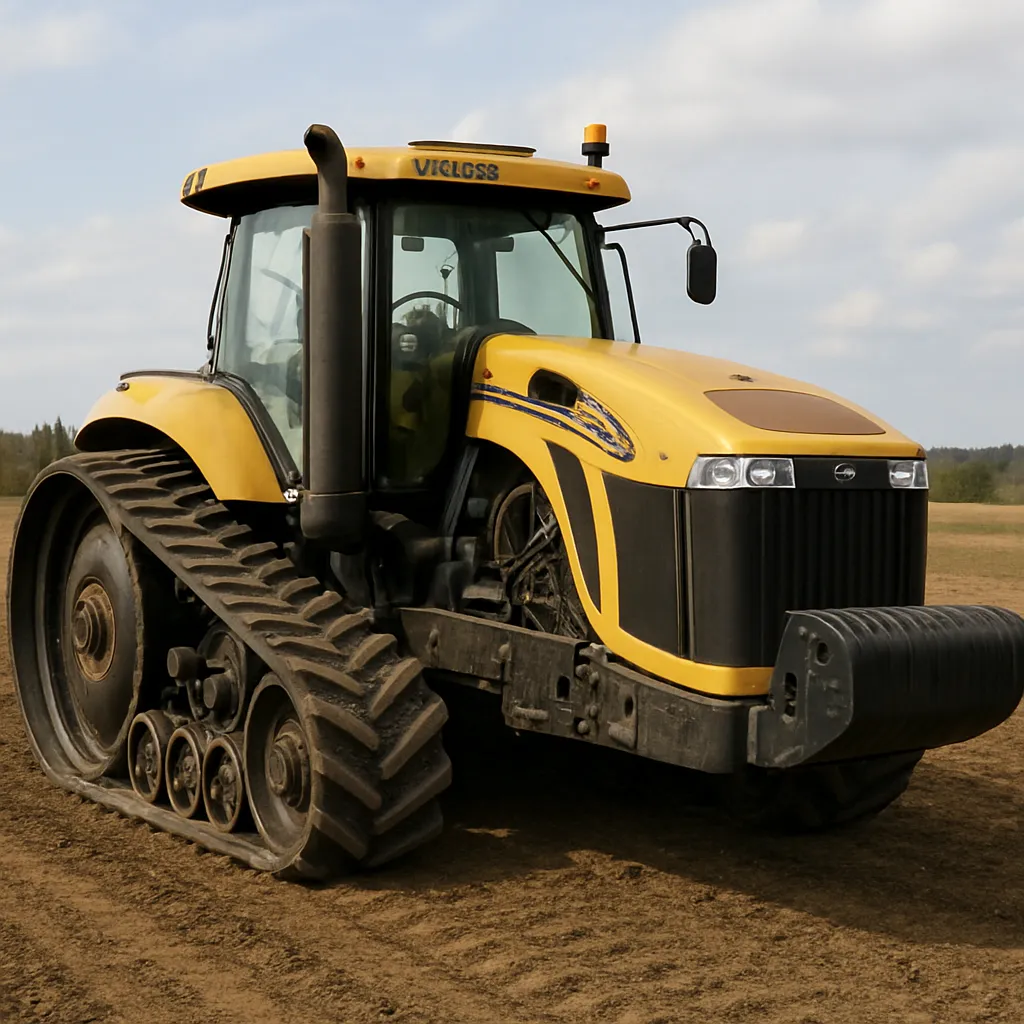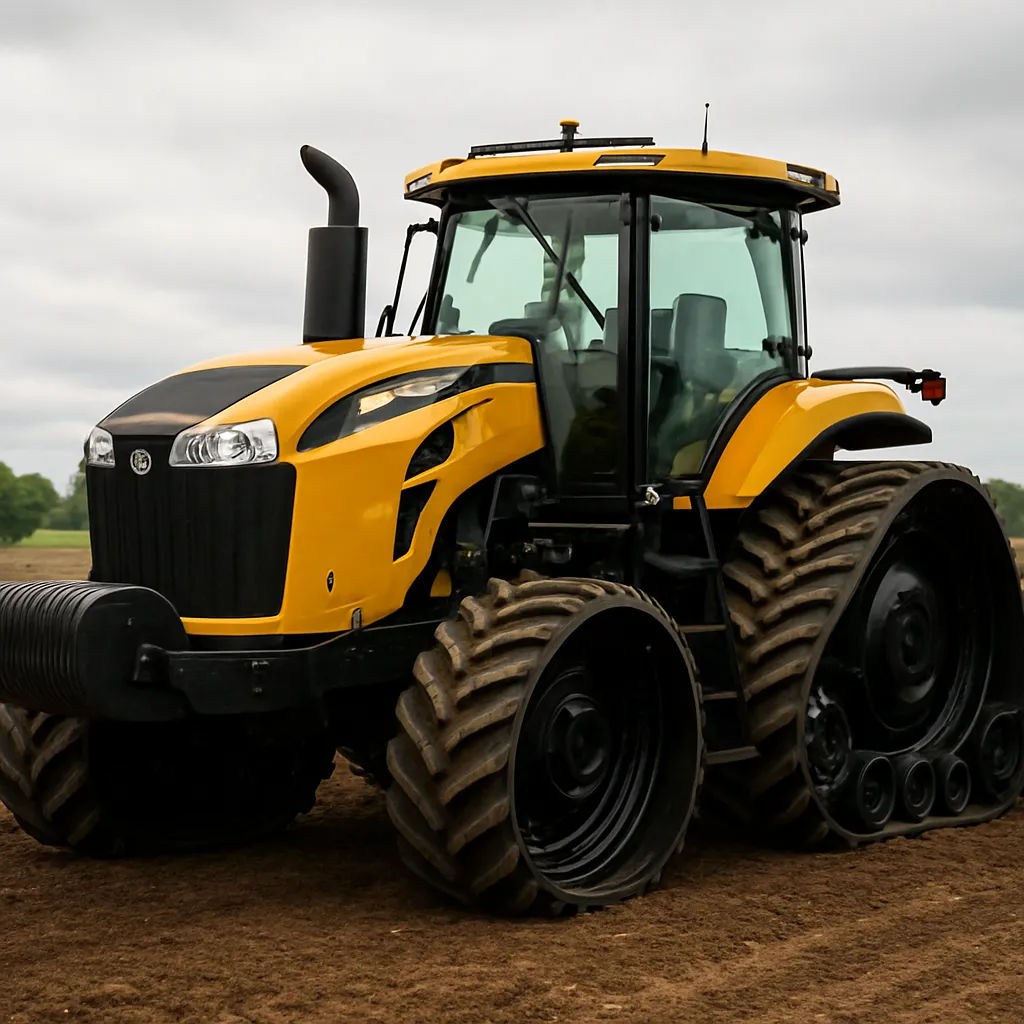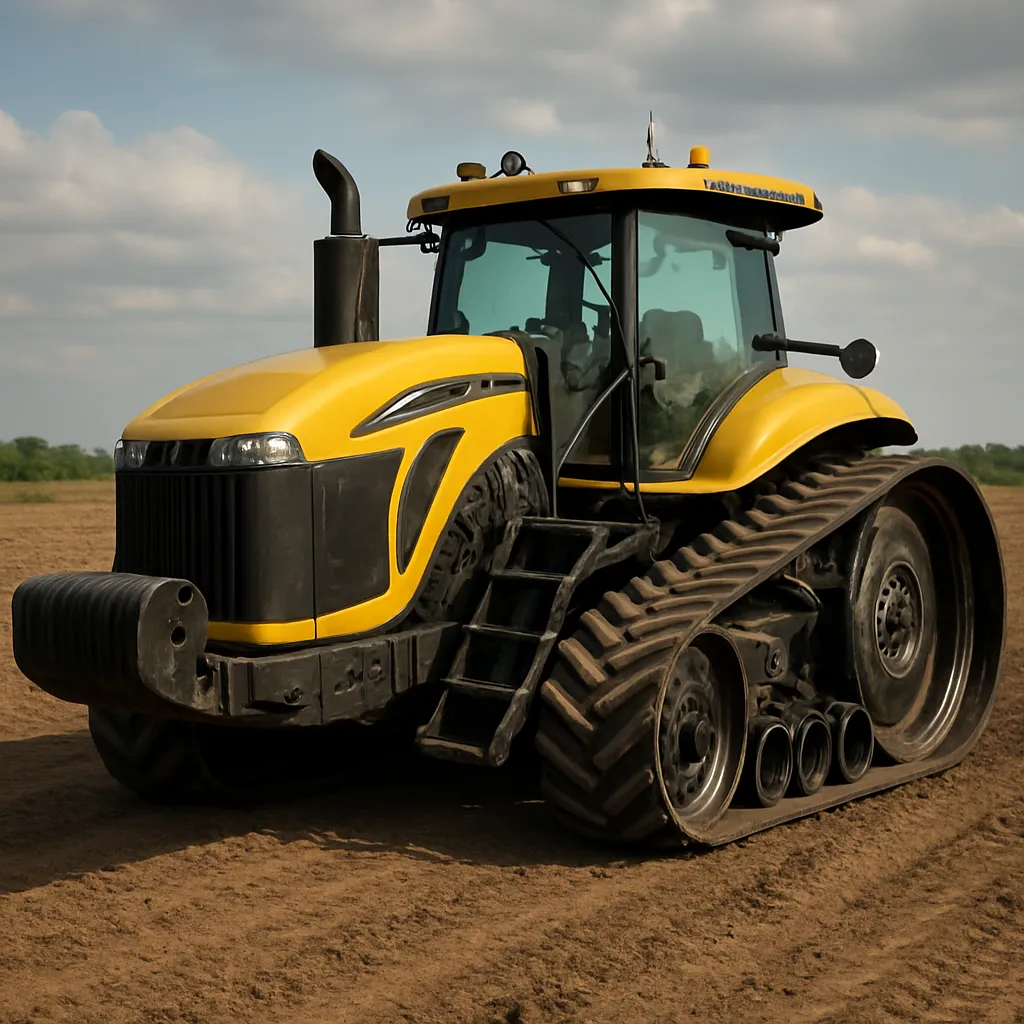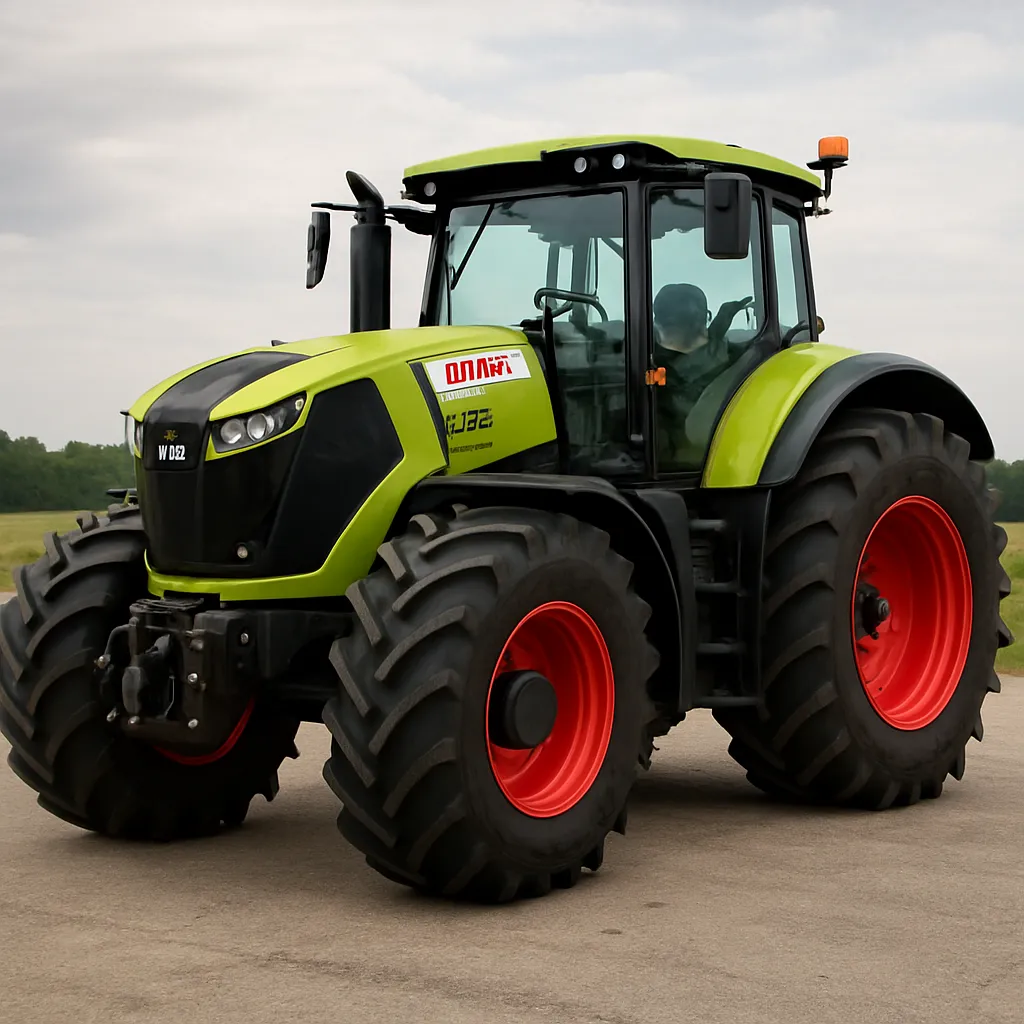
The Claas 5000 Proto represents an intriguing example of modern agricultural engineering: a conceptual tractor that blends traditional mechanical robustness with emerging digital and autonomous technologies. Whether conceived as a direct prototype by Claas or as a hypothetical development model within the 5000-series naming convention, the Claas 5000 Proto exemplifies trends shaping the future of farm machinery. This article explores its likely applications, technical characteristics, operational benefits, market implications, and maintenance considerations, offering both factual context and informed estimates where official specifications are not published.
Design Philosophy and Core Features
The Claas 5000 Proto is designed around several guiding principles that reflect contemporary agricultural needs: versatility, efficiency, durability, and integrated intelligence. As a prototype or concept vehicle, the emphasis is on showcasing modular systems that can be adapted to different farm sizes and cropping systems. Claas has historically focused on user-centered ergonomics and robust driveline engineering, and the 5000 Proto follows this lineage with a cabin layout optimized for operator comfort, clear instrumentation, and advanced control systems.
Key design highlights likely include a reinforced chassis optimized for heavy implements, a modular front-end attachment system for loaders and tools, and a compact yet roomy cab with high visibility. Attention is given to serviceability: major components are easily accessible to reduce downtime. The integration of modern telematics and diagnostic systems allows remote monitoring and predictive maintenance, transforming the tractor from a purely mechanical asset into a connected node within a farm’s digital ecosystem.
Intended Applications and Operational Roles
The Claas 5000 Proto is intended for a broad range of agricultural tasks. In practice, a machine positioned in the 5000 range would be suitable for:
- Arable farming tasks such as plowing, seeding, and primary tillage when paired with appropriate implements.
- Transport duties, including hauling trailers, slurry tankers, and grain carts across medium-to-large farms.
- Fieldwork requiring high hydraulic capacity—spraying, seeding with pneumatic planters, and operating mounted or trailed fertilizer applicators.
- Hay and forage operations, especially when equipped with a front loader or specialized linkage for balers and mowers.
- Specialized tasks in mixed farms—livestock bedding material handling, feed distribution, and manure spreading—when adaptability and visibility are important.
Because prototypes often act as testbeds for automation and guidance systems, the 5000 Proto could also support semi-autonomous operations: repeatable field passes using RTK-GNSS guidance, auto-steer for precision seeding, and remote supervision for long field days. This makes it attractive to farms that prioritize labor efficiency, precision input management, and operational data capture for decision support.
Powertrain, Transmission and Estimated Technical Data
As an actual production figure for the Claas 5000 Proto may not be publicly available, the following section provides a reasoned estimate based on Claas trends and comparable tractors in the market segment. These numbers are presented as likely ranges rather than guaranteed specifications.
Engine and performance: Prototype tractors in this class typically use turbocharged, intercooler diesel engines complying with modern emission standards (e.g., EU Stage V / EPA Tier 4 Final). Expected characteristics include:
- Engine power range: approximately 150 to 300 horsepower (HP) at rated RPM, depending on configuration and target market.
- Peak torque optimization for low-RPM pulling power and fuel economy; torque management systems to maintain traction under variable load.
- Engine displacement and cylinder count: common options are 6-cylinder engines in the 4.5–7.0 L class for higher-power variants, 4-cylinder units for lower-power configurations.
Transmission: Modern prototypes emphasize fuel-efficient, high-efficiency transmissions. Possible options include:
- Continuously Variable Transmission (CVT) or infinitely variable transmission optimized for smooth load handling and reduced fuel consumption.
- PowerShift or e-Power hybrid assist systems that combine mechanical gears with electrical torque assist for improved responsiveness and momentary torque boosts.
- PTO (Power Take-Off) configurations offering 540/1000 rpm selectable speeds, with electronic PTO engagement for controlled start-up under load.
Hydraulics and three-point linkage: To maximize implement compatibility, the 5000 Proto would feature high-flow hydraulics capable of supporting modern seeding and spraying equipment. Estimated numbers:
- Hydraulic flow: 90–150 L/min (variable delivery pumps available as an option).
- Rear linkage lift capacity: 4,000–8,000 kg depending on model and configuration.
Fuel capacity and range: Tanks sized to allow long field days without frequent refueling are typical—estimates in the 250–450 liter range for continuous operations under heavy load.
Telematics and electronics: Integrated telematics for fleet management, remote diagnostics, and over-the-air updates. Compatibility with ISOBUS AEF standards enables plug-and-play implement control. Estimated onboard computing includes multi-core processors for implement guidance, support for RTK-GNSS corrections, and data logging for farm management systems.
Autonomy, Guidance and Precision Agriculture Capabilities
One of the most modern aspects of any prototype tractor is its potential for automation. The Claas 5000 Proto, as a concept, likely demonstrates systems that improve repeatability, reduce operator fatigue, and enhance input efficiency:
- Autosteer with sub-inch accuracy when paired with RTK correction networks; the system supports complex headland maneuvers and automated implement control.
- Assisted autonomy modes that allow the tractor to carry out long straight-line tasks or follow prescription maps while an operator supervises from within the cab or remotely.
- Machine learning-driven implement control that dynamically adjusts application rates, depth, or speed based on sensor feedback (soil resistance, biomass sensors, or yield mapping data).
Such capabilities improve resource efficiency—seed placement precision, reduced overlap in spraying, and lower fuel consumption through optimized speed control. They also enable farms to manage larger areas with fewer operators, addressing labor shortages in many regions.
Environmental and Regulatory Considerations
Prototype tractors must anticipate regulatory demands, particularly emissions and noise standards. The Claas 5000 Proto likely conforms to or exceeds current norms:
- Advanced aftertreatment systems such as SCR (Selective Catalytic Reduction) and DPF (Diesel Particulate Filter) to meet Stage V / Tier 4 Final emission limits.
- Engine management optimized for lower NOx and particulate emissions without sacrificing fuel economy, often using sophisticated EGR (Exhaust Gas Recirculation) control strategies.
- Noise reduction via acoustic insulation and drivetrain design to comply with occupational safety standards.
Energy and sustainability trends also encourage hybridization or alternative fuel readiness. Some prototype tractors explore mild hybrid drives, battery-assist for peak loads, or compatibility with HVO (hydrotreated vegetable oil) and other renewable diesel fuels to reduce carbon intensity.
Operator Experience and Ergonomics
Operator comfort and intuitive control are central to Claas cabin design. The 5000 Proto focuses on minimizing fatigue while maximizing situational awareness:
- High-visibility panoramic glazing, optimized mirror placement, and optional camera systems for 360-degree awareness during loader work or field operations.
- Adjustable seating with air suspension, climate control, low-vibration cab mounting, and user-configurable control layouts for different operators and tasks.
- Centralized touchscreen interface for telematics, implement management, and diagnostics, paired with physical controls for critical functions to ensure redundancy and ease of use.
Accessibility and maintenance ergonomics likely receive attention: service points grouped on one side of the machine, color-coded hydraulic and electrical connectors, and clear maintenance intervals accessible through the onboard display.
Maintenance, Reliability and Total Cost of Ownership
For farms considering a prototype or early-adoption machine, lifecycle costs and support are critical. Claas typically emphasizes long service intervals and robust componentry to lower total cost of ownership (TCO). Typical approaches include:
- Extended service intervals for oil and filters through improved filtration and synthetic lubricants.
- Predictive maintenance algorithms monitoring critical components (engine, transmission, hydraulics) and signaling replacement windows before failures occur.
- Comprehensive dealer networks for parts and field service, combined with remote diagnostics to reduce downtime.
Investing in a prototype-level machine may carry higher upfront costs but can present long-term savings if improved fuel efficiency, reduced labor needs, and lower downtime are realized. Financial models should account for software subscription fees for telematics and autonomous features, which are increasingly part of modern agricultural machinery pricing.
Market Positioning and Comparative Context
Where would the Claas 5000 Proto sit in the market? If positioned as a mid-to-high-power versatile tractor, it would compete with models from major manufacturers (e.g., John Deere, New Holland, Case IH, Fendt) in similar horsepower brackets. Key differentiators for the 5000 Proto could include:
- Superior integration of guidance and telematics by Claas software specialists.
- Modular design offering customization for family farms up to contract farming operations.
- Innovative fuel-saving and hybrid assist systems improving real-world economy.
Adoption likelihood depends on after-sales support, demonstrable reliability in field trials, and compatibility with existing farm implements. Prototype models that evolve into production versions typically undergo extensive validation through pilot programs with partner farms, providing real-world performance metrics and user feedback.
Safety Systems and Regulatory Compliance
Safety is paramount on modern tractors. The Claas 5000 Proto would be expected to incorporate:
- Advanced braking systems with ABS-like control for heavy towed loads and emergency stopping support.
- Active tractive control to prevent wheel slip and improve implement control in wet or challenging fields.
- Operator presence systems that disable dangerous PTO or implement movements when the operator leaves the cab.
- Clear lighting packages and daytime running lights for road travel, plus reflective markings for transport safety.
In prototype stages, additional safety sensors and redundant control pathways are often fitted to safely test novel autonomous behaviors under supervision.
Potential Limitations and Considerations for Buyers
Prospective users should weigh potential limitations when evaluating a proto-type-class tractor:
- Uncertainty around proven long-term reliability until the machine has completed extensive field hours and service cycles.
- Higher initial investment for cutting-edge features, plus recurring costs for software updates and telematics subscriptions.
- Compatibility issues with some legacy implements if specialized electronic interfaces are used; ISOBUS mitigates this risk but does not eliminate it entirely.
- Dependence on dealer support and availability of replacement parts, which can vary by region for newly released models.
Farm managers should request trial periods, in-field demonstrations, and access to data from pilot deployments when possible to make informed decisions about adoption.
Conclusion and Outlook
The Claas 5000 Proto, whether a formal Claas prototype or a conceptual designation, encapsulates the modern trajectory of tractor development: stronger integration of electronics, increasing automation, and a continual drive toward higher efficiency and lower environmental impact. Its strengths would likely be innovation, integrated intelligence, and adaptability across diverse farm tasks. Potential buyers and observers should focus on key performance metrics—fuel economy, uptime, hydraulic capacity, and telematics utility—when judging its value.
As precision agriculture expands and labor markets tighten, tractors like the Claas 5000 Proto that combine robust mechanical design with sophisticated digital controls will become more attractive. For now, detailed specification sheets and long-term field data are the best indicators of whether such a prototype successfully transitions into a cost-effective, production-ready model for global markets.