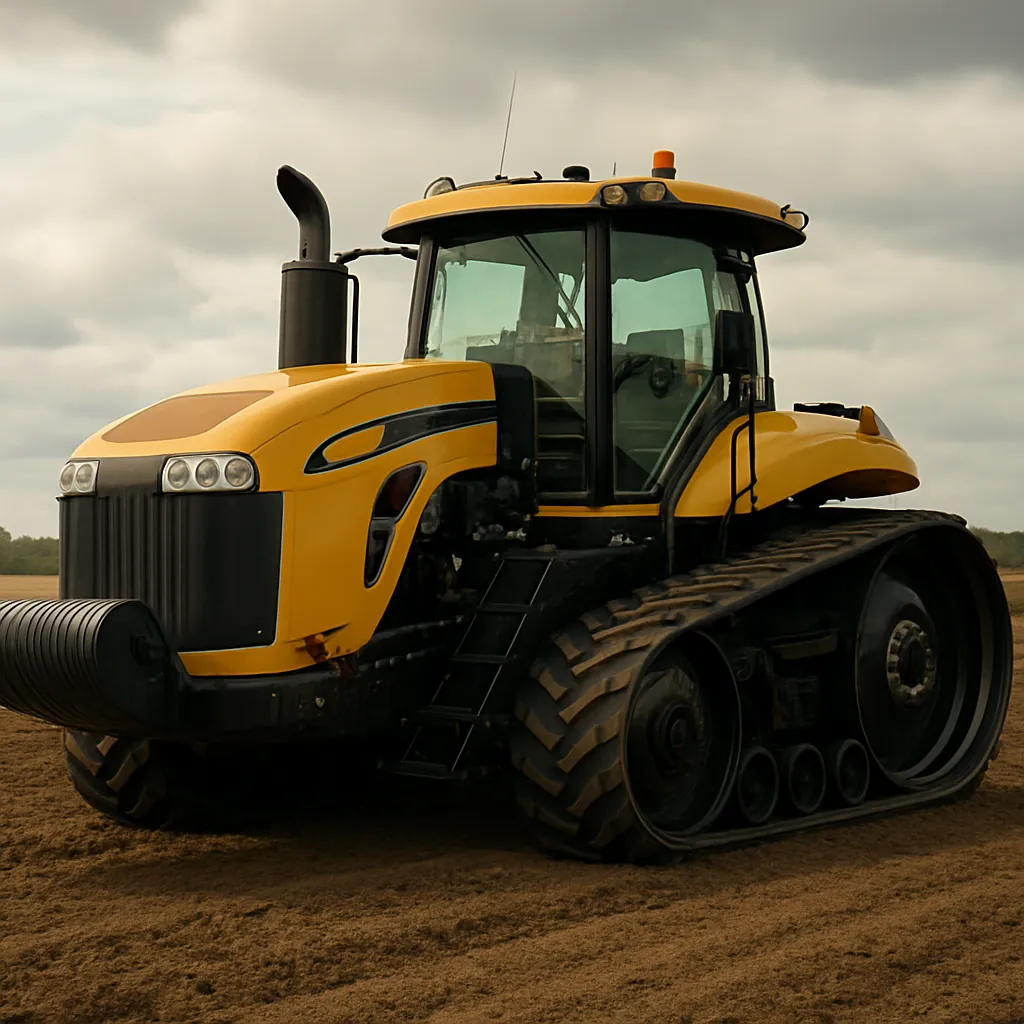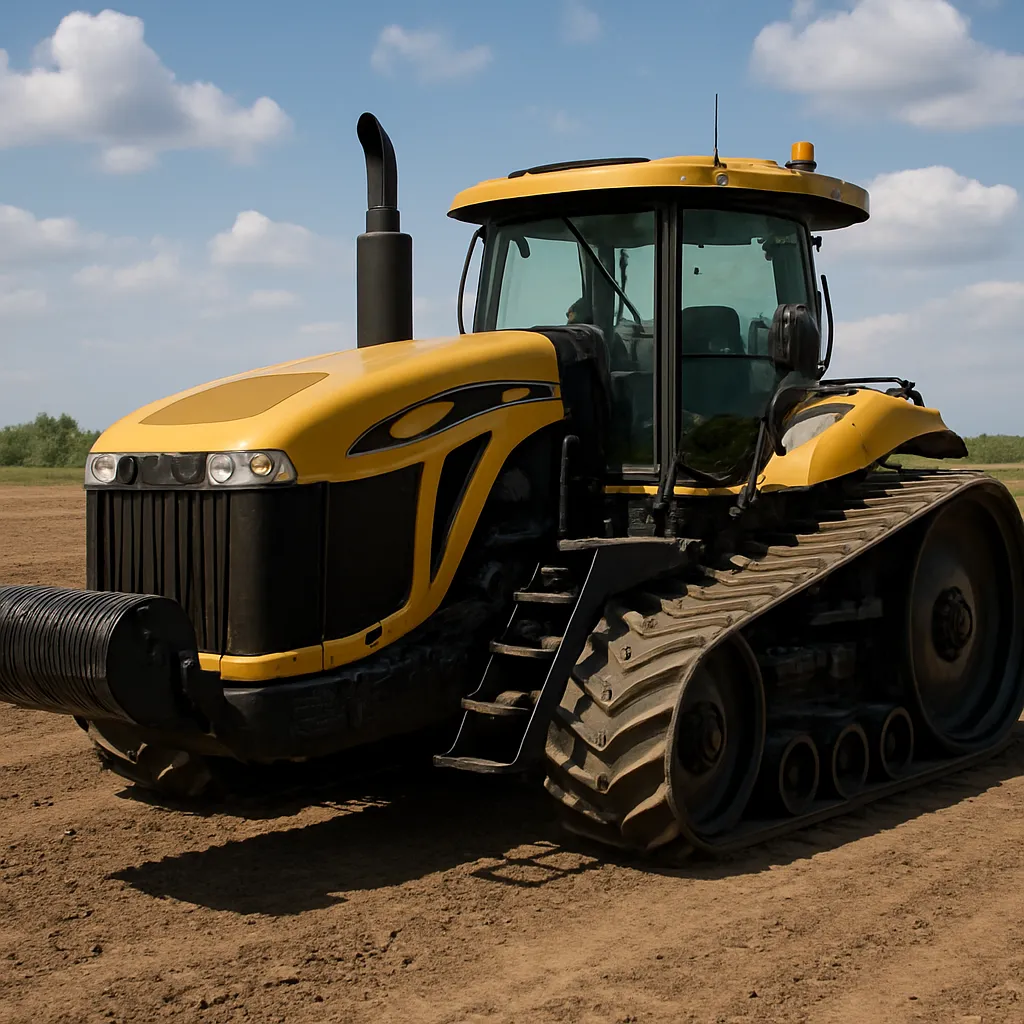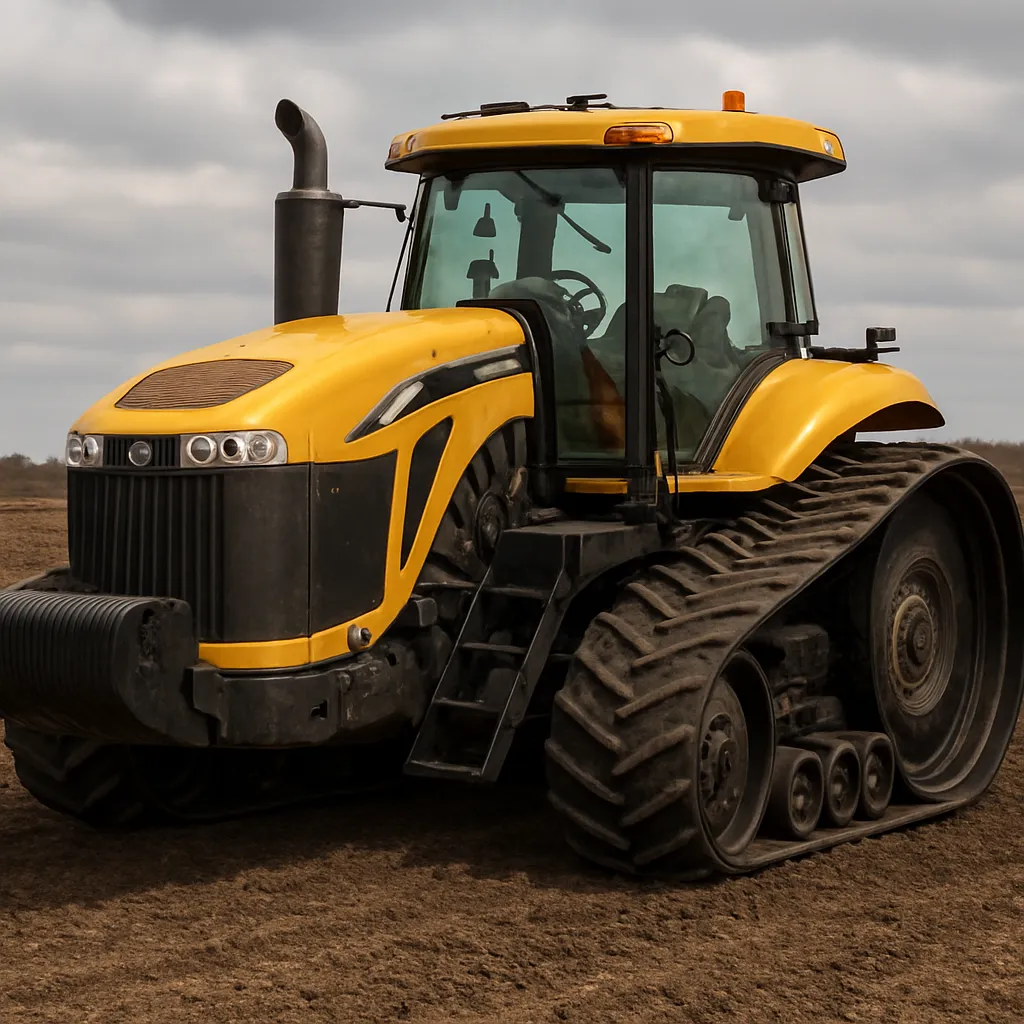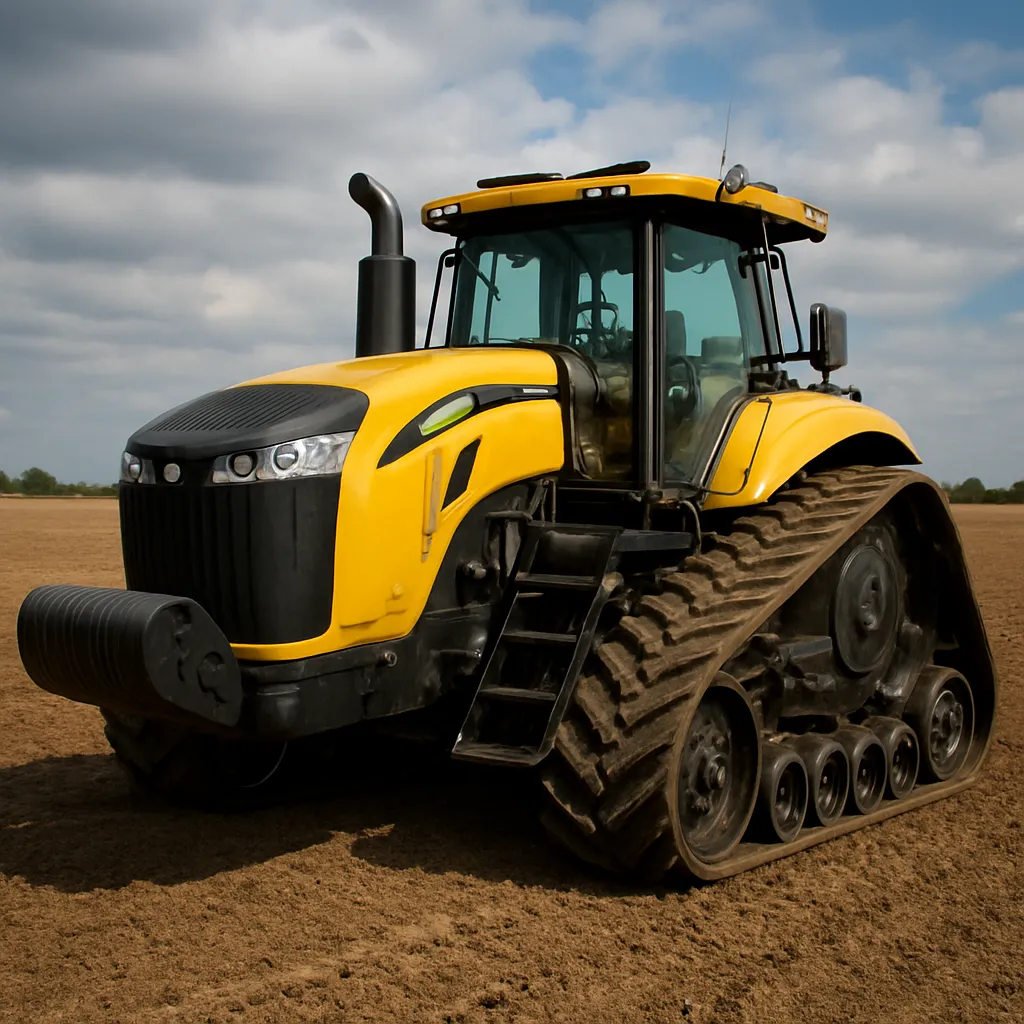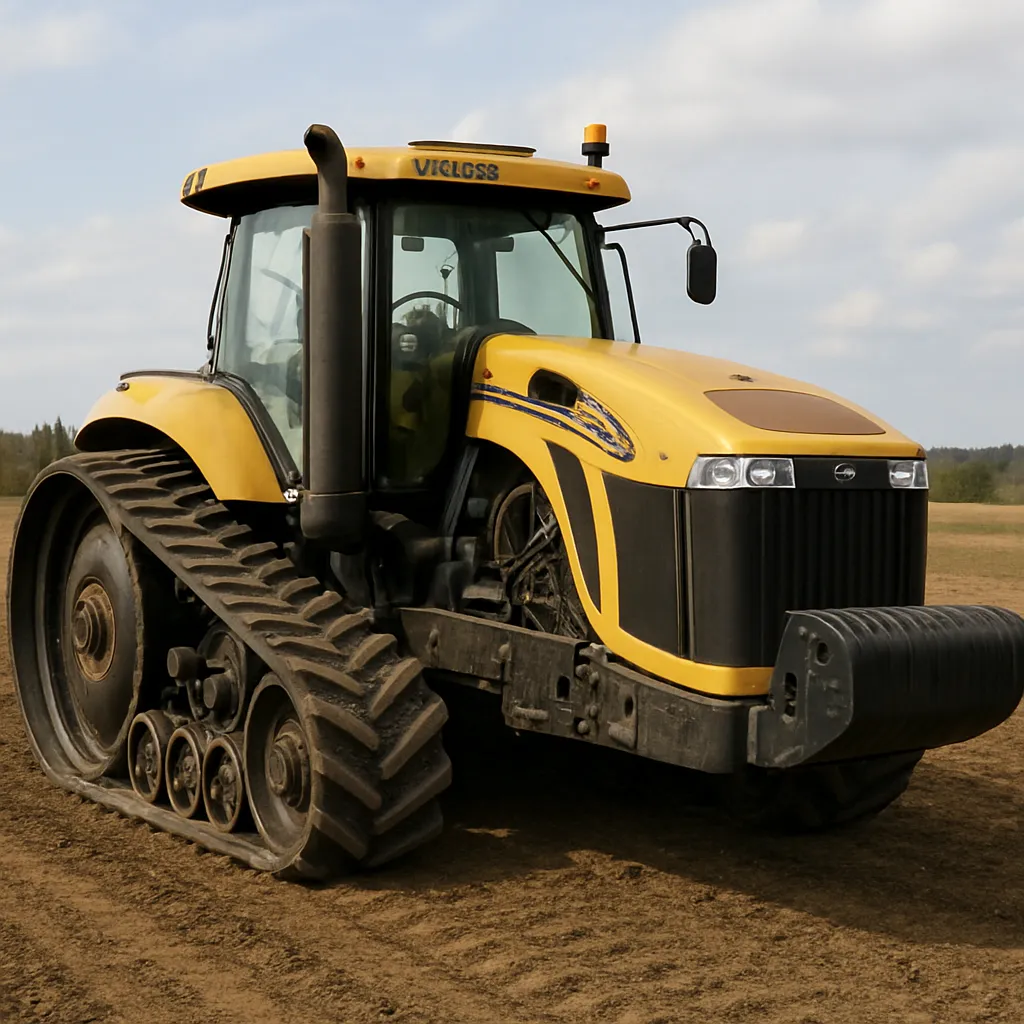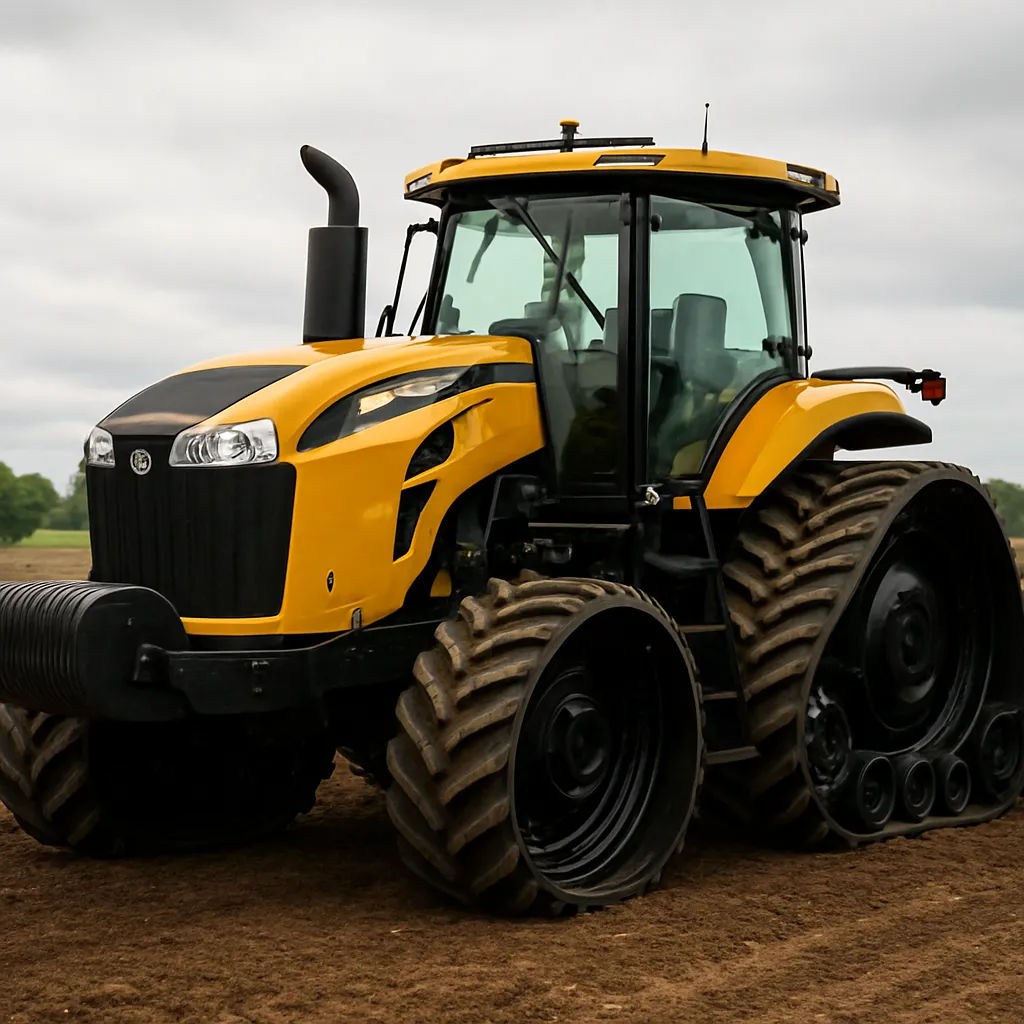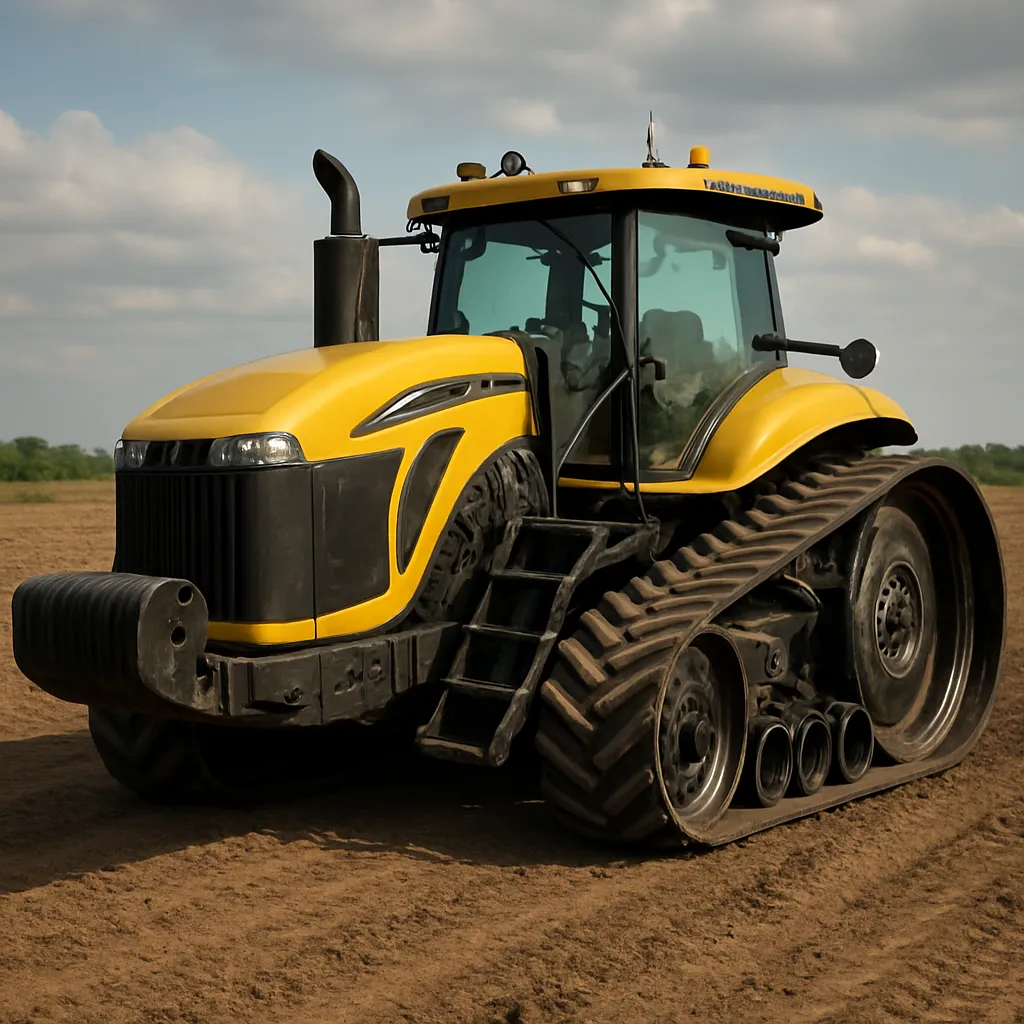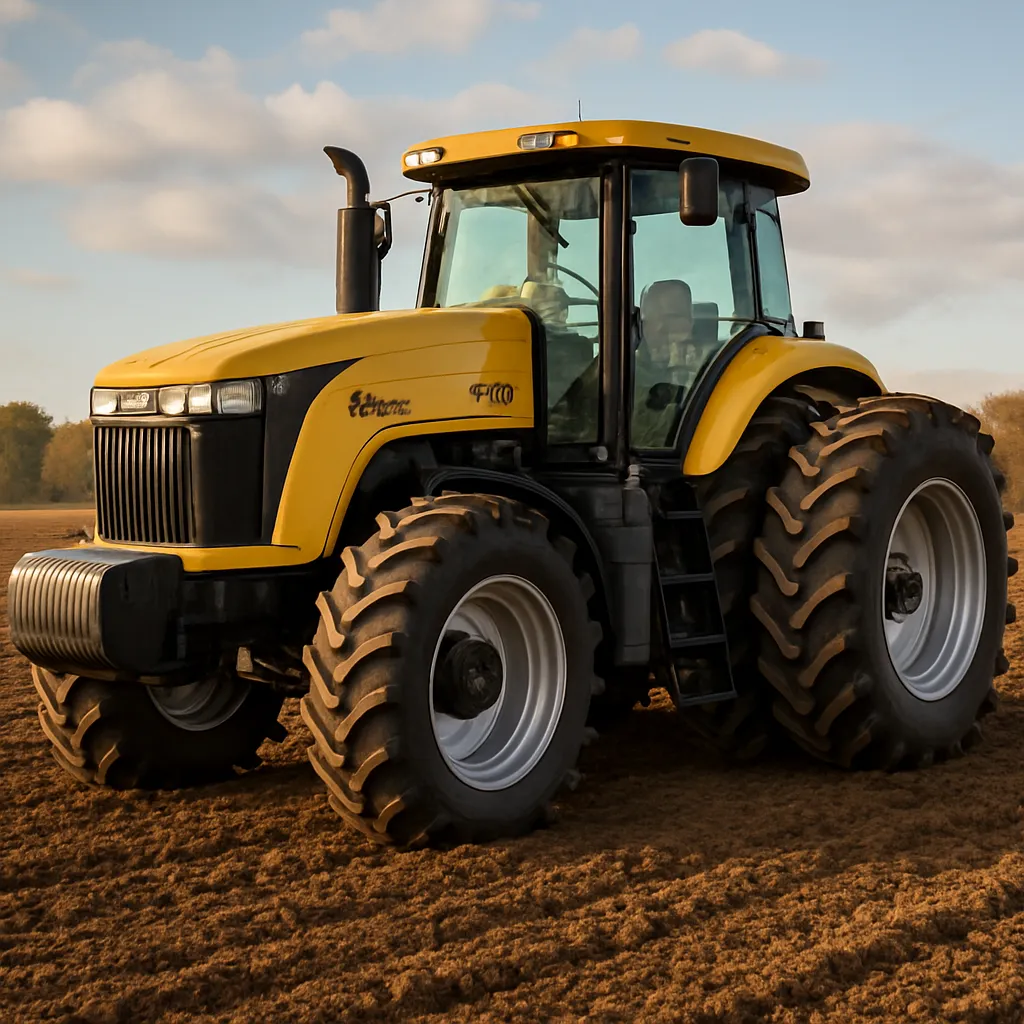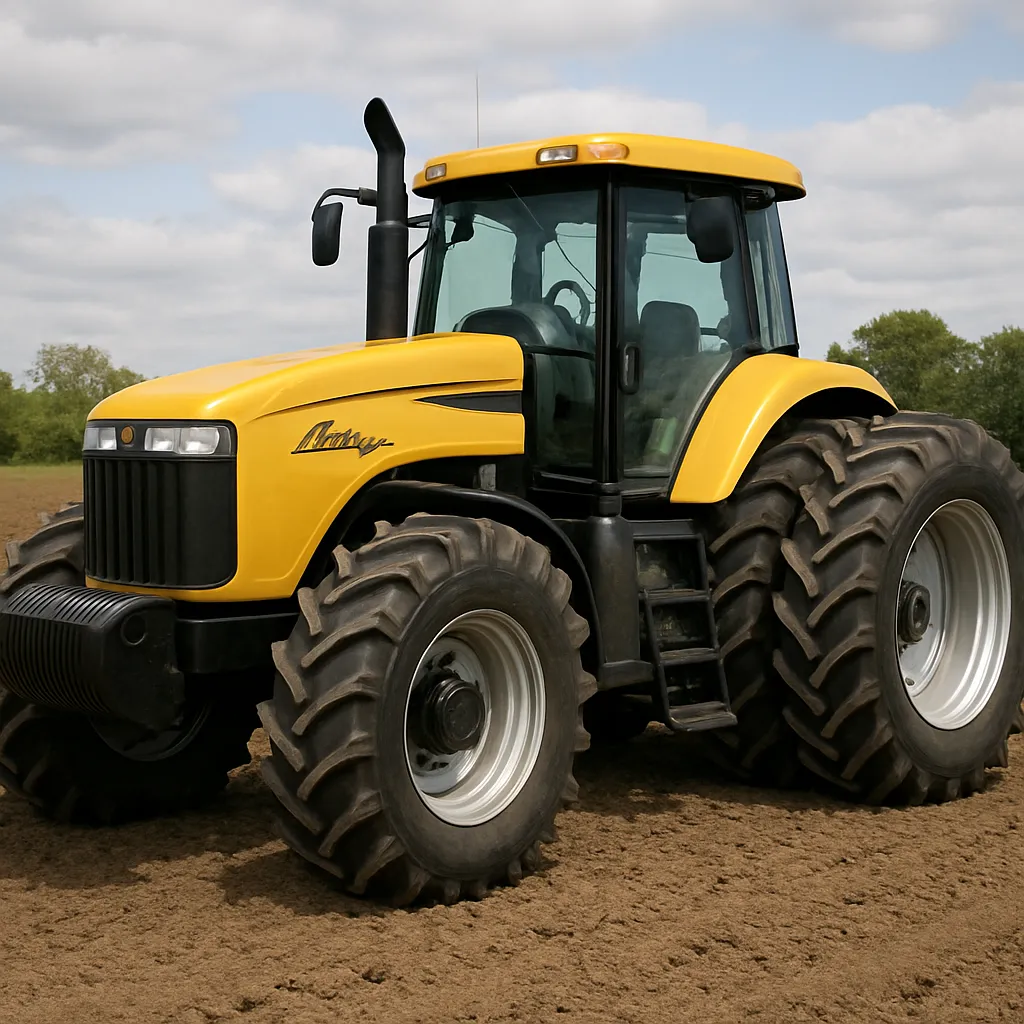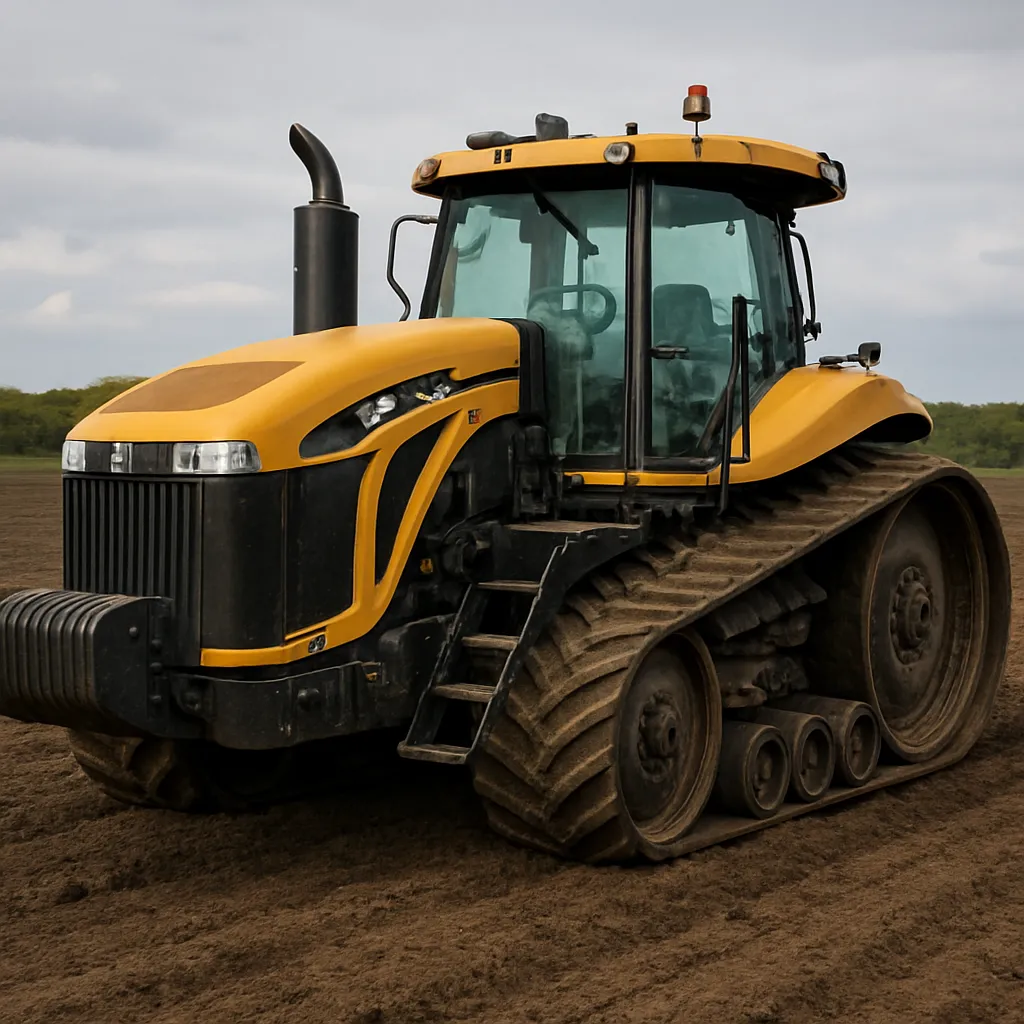
The Challenger MT875B is a heavy-duty agricultural machine designed to take on the most demanding field tasks with power, stability and durability. In the world of modern farming, where productivity and soil preservation are both priorities, this model represents a combination of robust mechanical engineering and practical design. This article explores the origins, technical characteristics, primary applications, operational considerations and future relevance of the Challenger MT875B.
Overview and historical context
The Challenger MT875B was produced as part of Challenger’s line of articulated, track-equipped agricultural tractors aimed at high-horsepower farming operations. Challenger introduced track technology and large tracked tractors to meet the needs of broadacre farmers who required better weight distribution, reduced soil compaction, and superior pull in wet or challenging conditions compared with conventional wheeled tractors. The MT875B is a notable model in this lineage, offering a balance of raw power and field-proven features.
Origins of the tracked concept
Tracked agricultural tractors evolved from demands for higher efficiency on large farms and from adaptation of industrial track technology to agriculture. The tracked undercarriage gives machines like the MT875B a larger contact area with the ground, which translates into improved flotation, traction and lower ground pressure. These traits became especially important as farmers expanded the size of implements and sought to minimize soil damage.
Market positioning
- The MT875B occupies the high-horsepower tier of Challenger’s product range, intended for heavy draft work and large implement operations.
- It competes with other tracked and high-horsepower wheeled tractors from major manufacturers, appealing to operators who prioritize traction and stability.
- Typical buyers are large-scale grain, oilseed and mixed farms, contractors and custom operators handling wide tillage tools and seeding systems.
Technical characteristics and performance
Below are the key technical aspects that define the MT875B and explain its operational strengths.
Powertrain and engine
The MT875B is typically equipped with a high-displacement diesel engine tuned to deliver substantial power for heavy draft and PTO-driven tasks. The rated output for the MT875B commonly falls in the region of approximately 375 horsepower (about 280 kW), making it suitable for pulling large cultivators, planters and air seeders. That power is routed through transmissions and driveline components engineered to handle heavy, continuous loads.
- Horsepower: around 375 hp (approximate factory rating).
- Transmission: rugged powershift or gearbox arrangements with multiple ranges to match field and transport speeds.
- PTO options: configured to deliver appropriate power to implements where PTO-driven equipment is required.
Tracked undercarriage and mechanics
The most distinctive feature of the MT875B is its continuous rubber track system. Tracks replace traditional wheels on each side and are supported by a series of rollers and idlers designed for heavy loads. This arrangement provides:
- Tracks for increased ground contact and reduced soil compaction.
- Improved traction in soft or wet conditions compared to wheeled counterparts.
- Enhanced stability on slopes and uneven terrain, allowing consistent implement depth control.
Weight and dimensions
The MT875B is a large machine; its operating weight is substantial to ensure traction and to support wide implements. Typical machines in this class will have an operating mass that can range broadly depending on configuration and ballast. This mass, combined with track surface area, lowers ground pressure compared to equivalently powered wheeled tractors.
Fuel efficiency and operating economy
High-horsepower tractors are inherently fuel-intensive, but the MT875B’s design focuses on delivering effective work per liter of fuel by maximizing traction and minimizing wheel slip. In real-world conditions, fuel consumption varies with load, ground conditions and implement size; operators often judge fuel economy by the area worked per hour rather than raw liters per hour.
Applications and practical use cases
The MT875B is engineered to excel in several large-scale agricultural roles. Its primary advantages are visible in operations requiring consistent draft force, broad implement compatibility and minimal soil disturbance under heavy loads.
Primary agricultural applications
- Tillage: pulling large plows, discs, cultivators and rippers where deep and consistent tillage is required across wide passes.
- Seeding and planting: towing wide air seeders and planters while maintaining stable depth control at higher field speeds.
- Heavy transport: moving heavy implements and specialized equipment around the field and on-farm roads (in configurations that support higher transport speeds).
- Specialty operations: tasks such as subsoiling, deep ripping and heavy banding where persistent draft force is critical.
Why large farms and contractors choose tracked tractors
Large-scale operators rely on machines like the MT875B for several reasons:
- Lower soil compaction per hectare due to larger contact area, which helps long-term soil health and crop root development.
- High traction reduces slippage; less wasted fuel and improved implement efficiency.
- Capability to work in less-than-ideal weather conditions, extending productive windows in spring and fall.
- Durability and longevity when properly maintained, making them a long-term investment for heavy-use operations.
Operator comfort, controls and ergonomics
Although heavy performance is paramount, modern implementations of the MT875B prioritized operator environment and control. Comfortable, intuitive operation improves productivity and reduces fatigue during long field days.
Cab environment and visibility
Key features often include:
- Spacious cab with good visibility to both tracks and rear implements.
- Seating and control layouts designed for long hours; adjustable seats and ergonomically placed controls.
- Heating, ventilation and often air conditioning to ensure operator comfort in varied climates.
Controls and technology
While early models relied on mechanical and hydraulic control systems, later versions and retrofits introduced more electronic assistance:
- Precision guidance compatibility (GPS and auto-steer) for improved field accuracy and overlap reduction.
- Engine and implement monitoring for efficient operation and diagnostics.
- Hydraulic controls sized for large implements and multiple circuit requirements.
Maintenance, lifecycle and reliability
The long service life of a heavy tractor like the MT875B depends on a disciplined maintenance program and the use of quality parts. The tracked undercarriage has specific maintenance needs compared with wheeled systems but also offers robustness in heavy applications.
Routine maintenance tasks
- Engine service: regular oil and filter changes, fuel system care and cooling system checks.
- Undercarriage inspections: track tension, roller wear, and idler conditions should be checked frequently.
- Hydraulic maintenance: filter and fluid replacement per manufacturer intervals to protect pumps and valves.
- Electrical systems: sensor and module checks, especially when precision guidance and monitoring electronics are installed.
Common wear items and repair considerations
Tracks, rollers, sprockets and seals are wear items that will typically require periodic replacement depending on hours of service and ground conditions. Proper track tensioning and avoiding excessive travel on abrasive surfaces can help extend component life. Availability of OEM parts and experienced service networks influences total lifecycle costs and machine uptime.
Economic considerations and total cost of ownership
Purchasing and operating a machine like the MT875B is a significant investment. Total cost of ownership should account for purchase price (or lease payments), fuel, maintenance, depreciation and the productivity gains it enables.
Productivity and return on investment
When used on large acreages with appropriately sized implements, the MT875B can increase daily output and reduce the number of passes required to complete fieldwork. These productivity gains are where large farms and contractors realize a return on their investment. Proper matching of implement size and field conditions is critical to maximizing value.
Resale and lifecycle value
Tracked tractors often retain value among buyers who need high-horsepower, low-compaction machines. Lifecycle management, documented service histories and condition of the undercarriage are key determinants of resale value.
Environmental and sustainability aspects
By reducing wheel slip and distributing weight over tracks, machines such as the MT875B can help lower soil compaction — a meaningful environmental benefit that helps maintain soil structure, infiltration and root development. These advantages are particularly important in conservation tillage systems or on soils prone to compaction.
Fuel and emissions context
Modern diesel engines and emissions controls have reduced particulate and NOx outputs compared with older generations, but high-horsepower machines still consume significant fuel. Efficient operation, regular engine tuning and use of advanced farming techniques (precision application, GPS guidance) can reduce unnecessary passes and thereby lower overall fuel consumption per hectare.
Variants, accessories and common modifications
Operators commonly equip the MT875B with accessories tailored to their tasks:
- Different track widths and tread patterns to match soil types and seasonality.
- Ballast and weight kits to optimize traction and balance with specific implements.
- Precision agriculture packages for auto-steering, section control and data telemetry.
- Hydraulic and electrical upgrade packages to meet the control needs of modern implements.
Statistical and comparative notes
Below are some representative figures and comparative observations that help place the MT875B in context. Exact numbers vary by year, configuration and regional specifications, but the following are common reference points for machines of this class:
- Rated engine power: commonly marketed around 375 hp (roughly 280 kW).
- Drawbar performance: effective drawbar power typically slightly lower than engine rating due to drivetrain losses; these machines are valued for sustained draft ability more than peak advertised power.
- Operating weight: substantial and dependent on configuration and ballast; weight contributes to traction and is a core design factor for track-equipped tractors.
- Typical users: large grain farms, contractors, and enterprises with implements 9 m (30 ft) wide and larger, where a high-horsepower, low-compaction solution is necessary to achieve field productivity targets.
Strengths and limitations
Understanding where the MT875B excels and where it may be less suitable helps buyers make informed choices.
Strengths
- Superior traction and flotation for heavy draft tasks.
- Reduced soil compaction relative to similar-horsepower wheeled tractors.
- Capability to extend workable windows in marginal weather conditions.
- Robust construction well-suited to high-hour, large-acreage operations.
Limitations
- Higher initial purchase cost and potentially more expensive undercarriage component replacement.
- Greater weight and size may limit use in small fields or farms with narrow gates and limited turning space.
- Fuel use remains significant at high outputs; matching implement and operation to the tractor’s strengths is essential for cost-effectiveness.
Conclusion and outlook
The Challenger MT875B stands as a strong choice for operations that require consistent, high-power performance with reduced soil compaction and excellent traction. Its design emphasizes work output, stability and durability, making it a reliable tool for modern large-scale agriculture. While it carries the expected costs of a high-horsepower tracked machine, the productivity advantages and soil-preserving characteristics can make the MT875B a valuable asset for farms and contractors focused on efficiency and long-term soil health.
When considering acquisition or comparison with other high-power tractors, careful attention to implement matching, maintenance planning and operator training will maximize the returns delivered by a machine of this class.