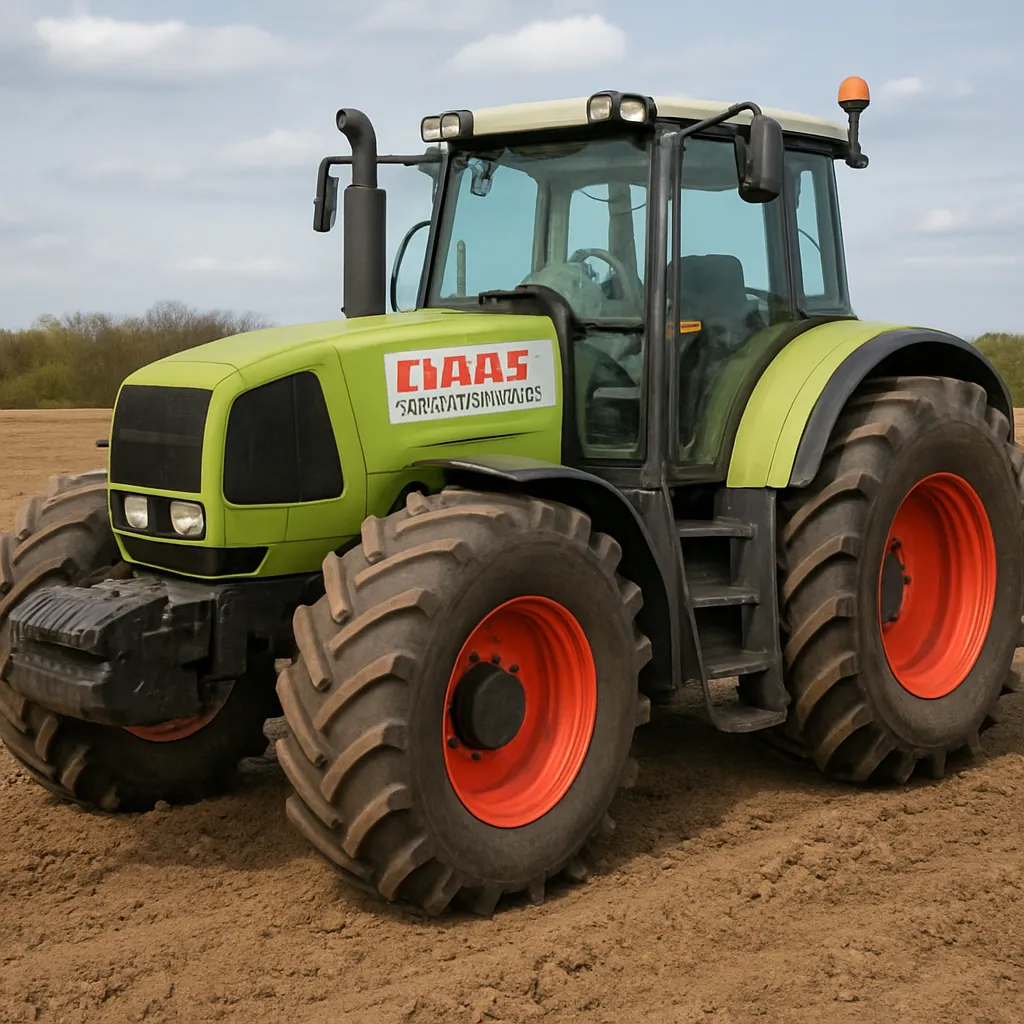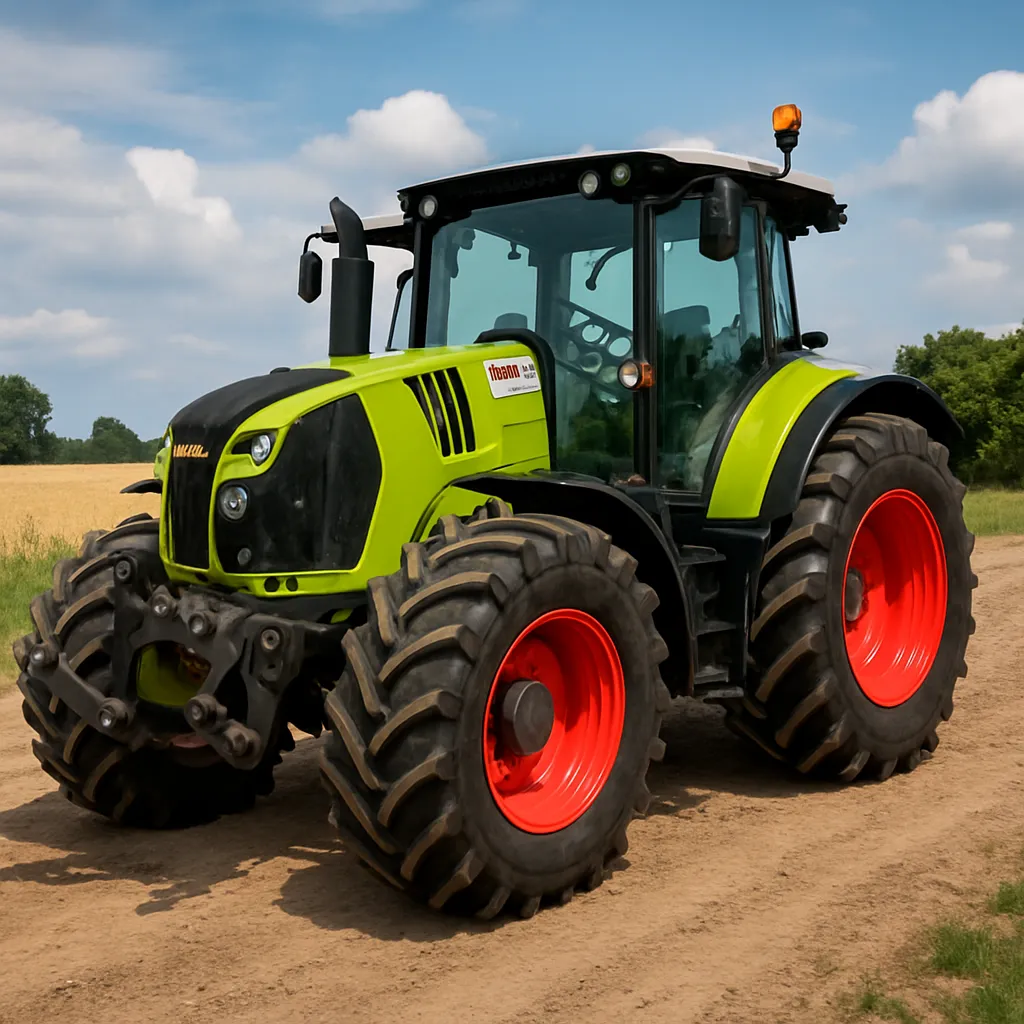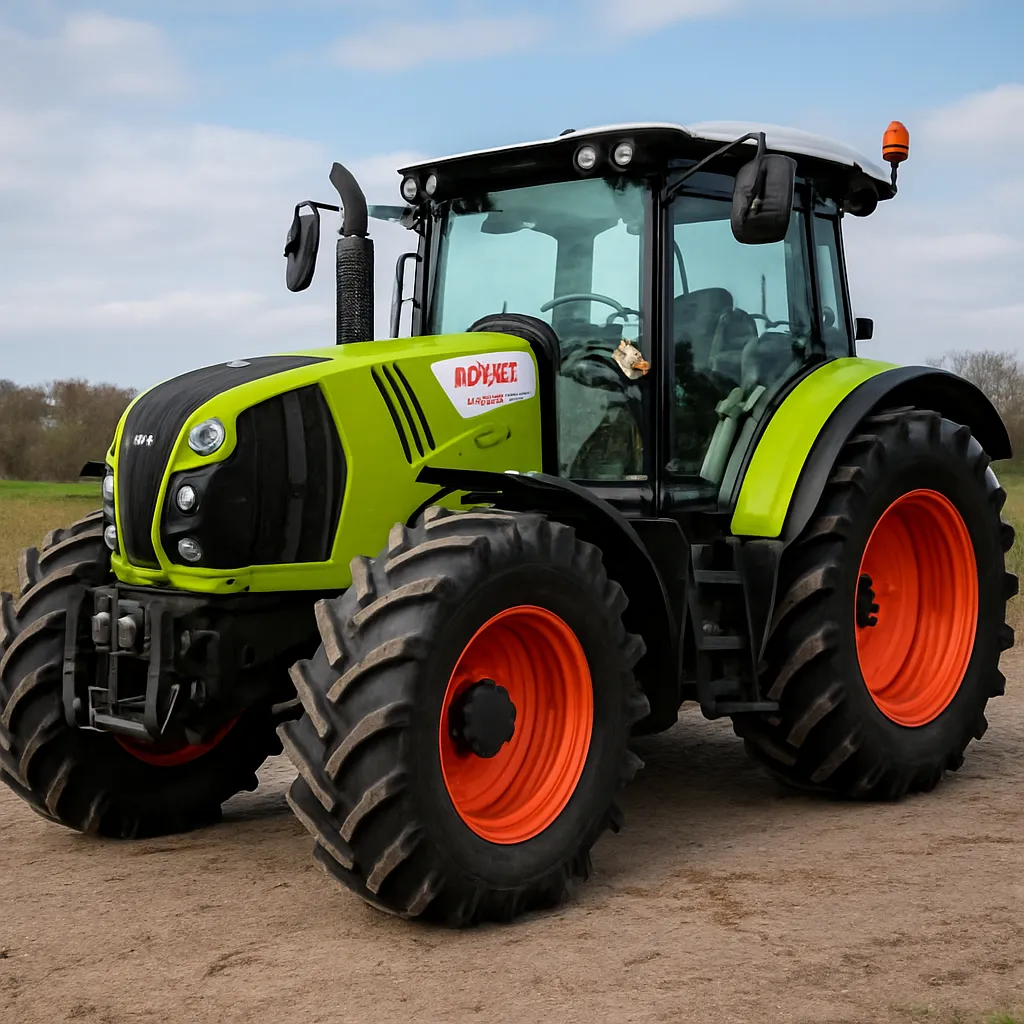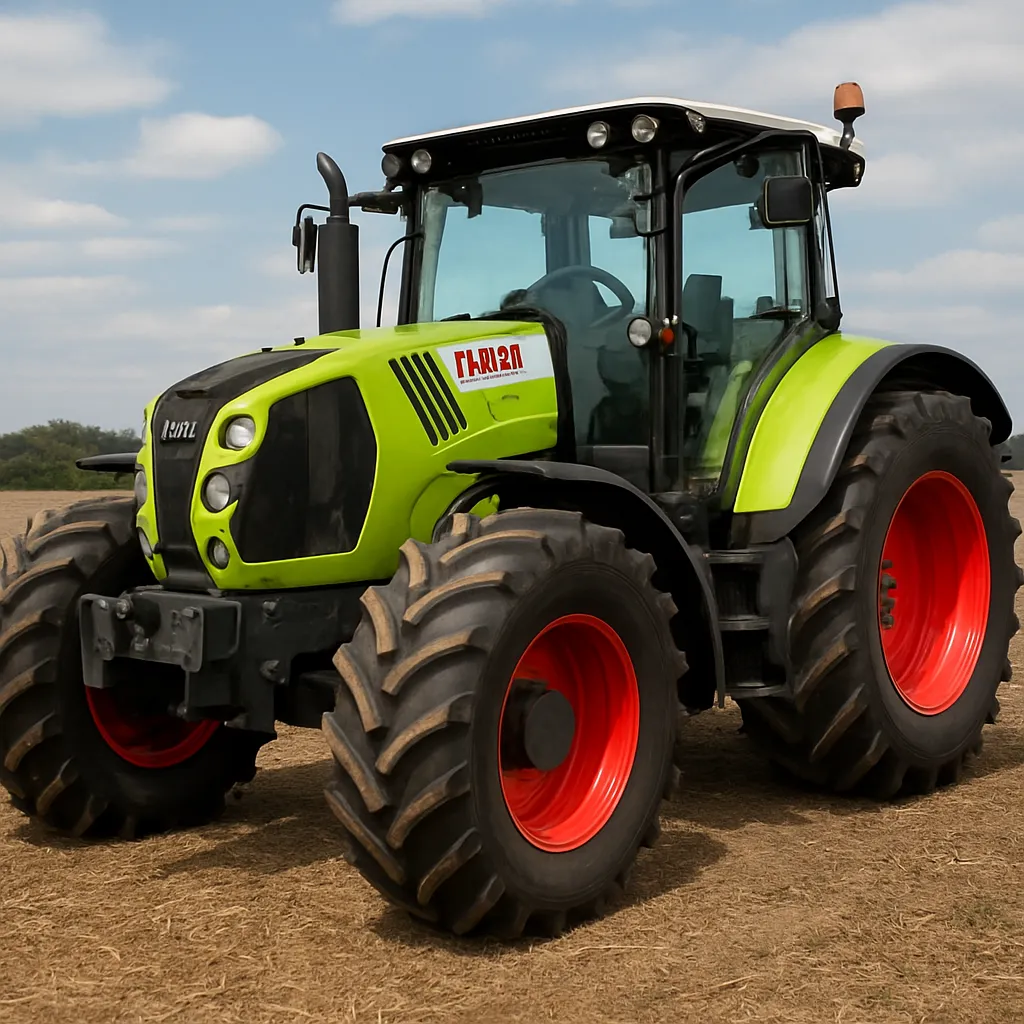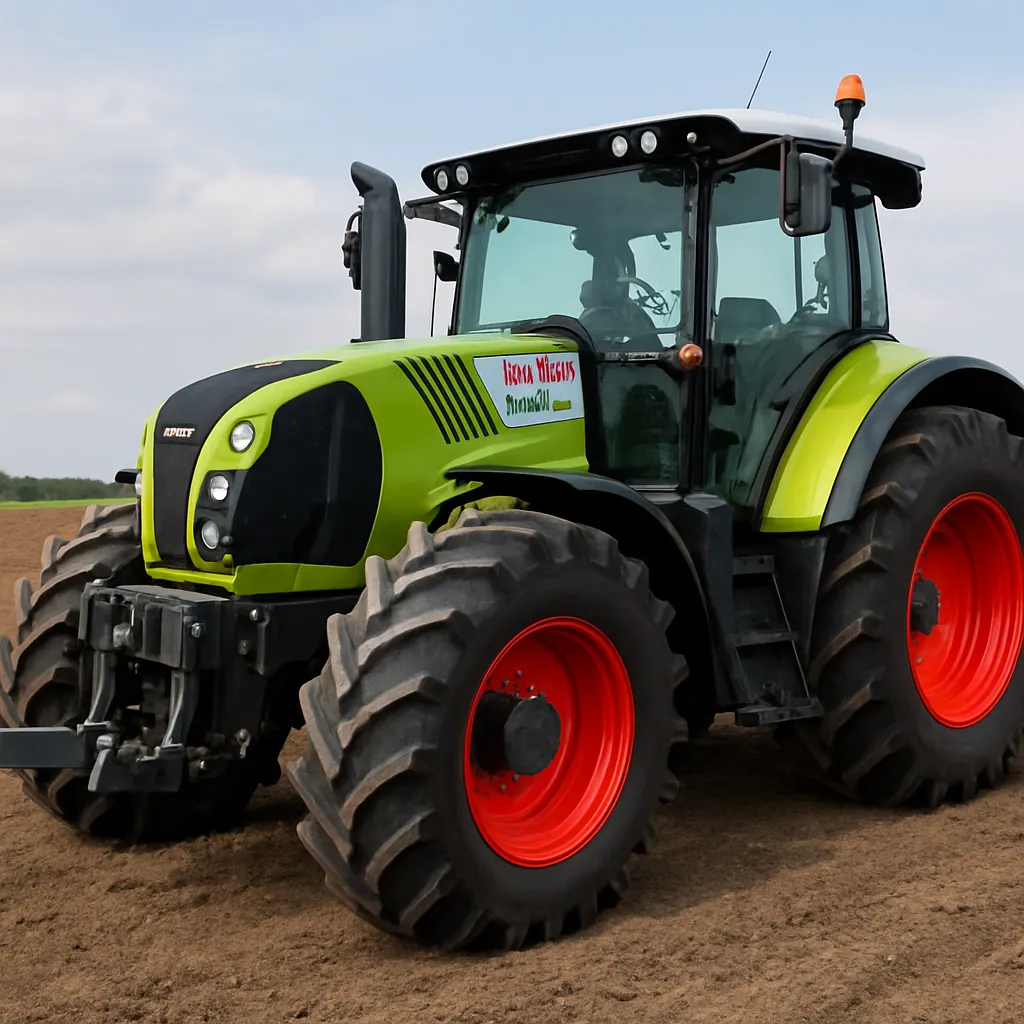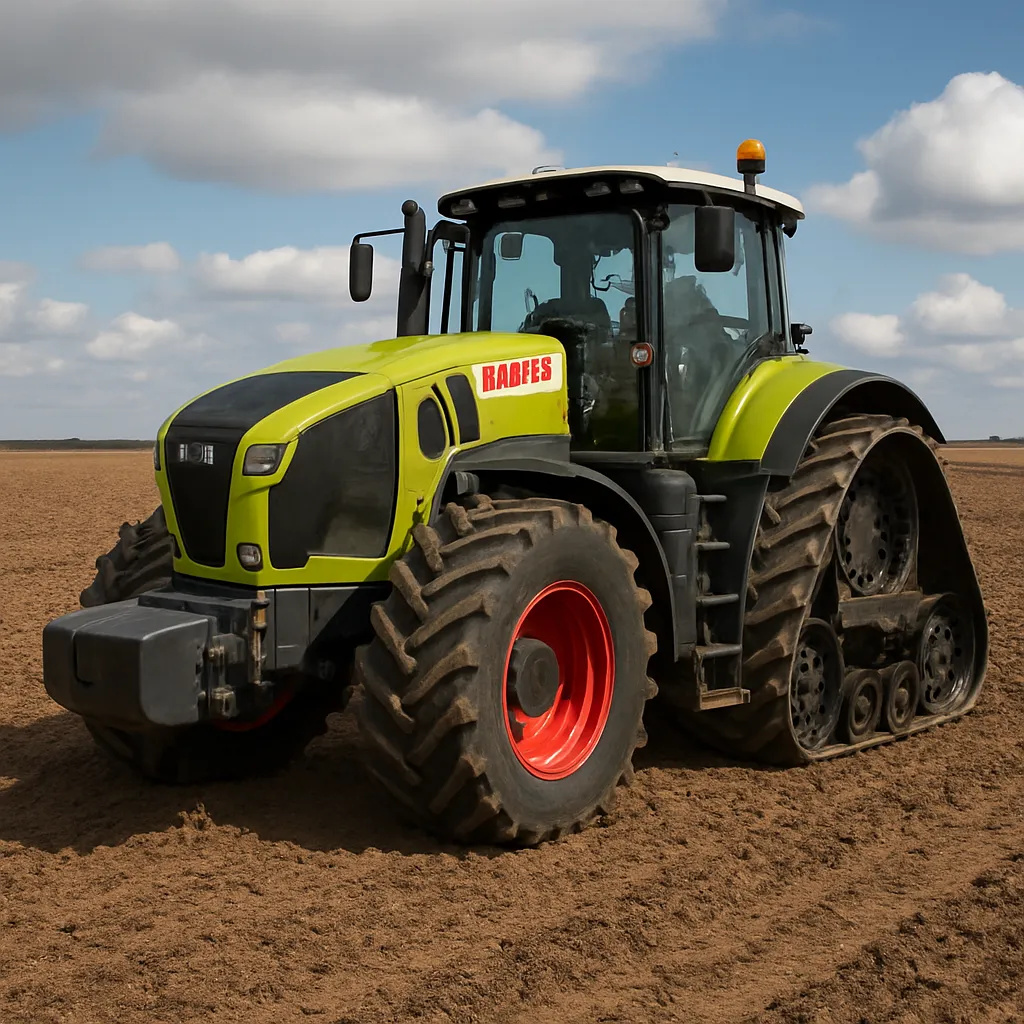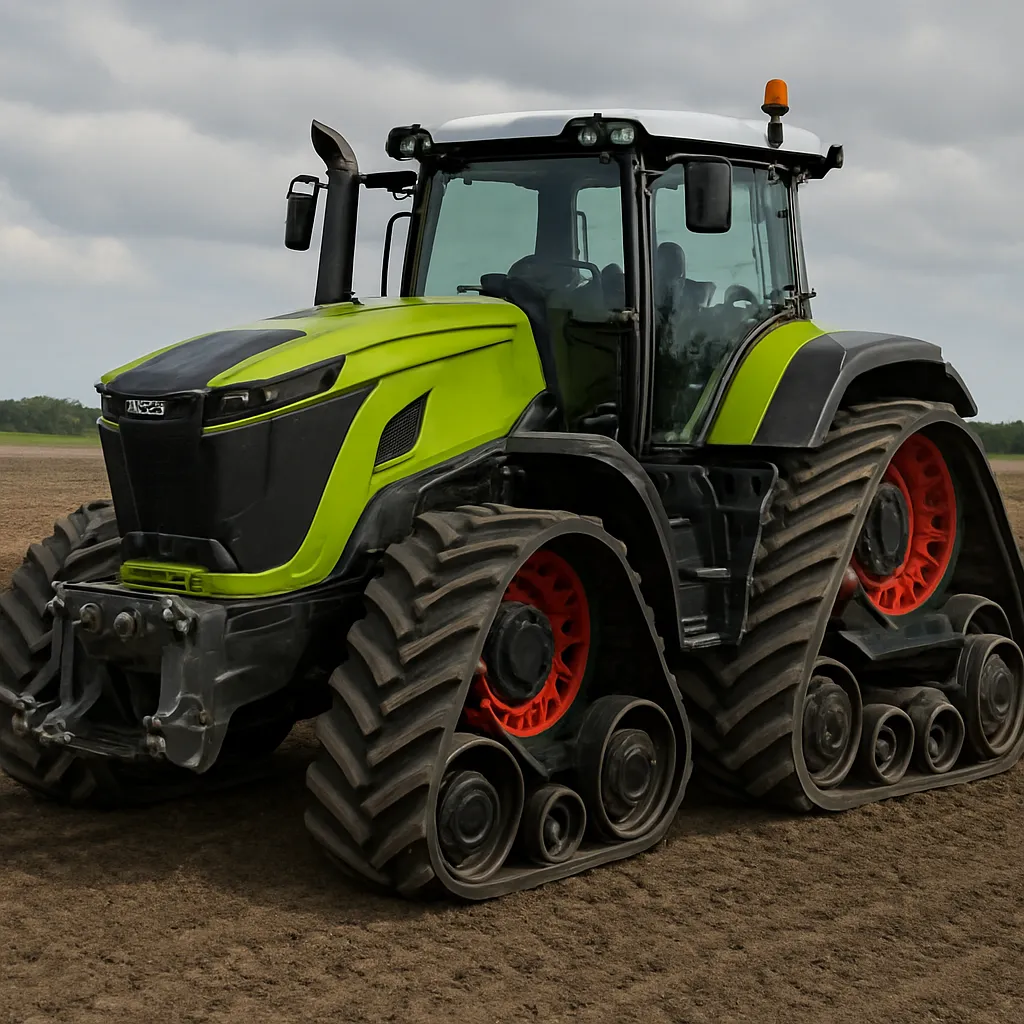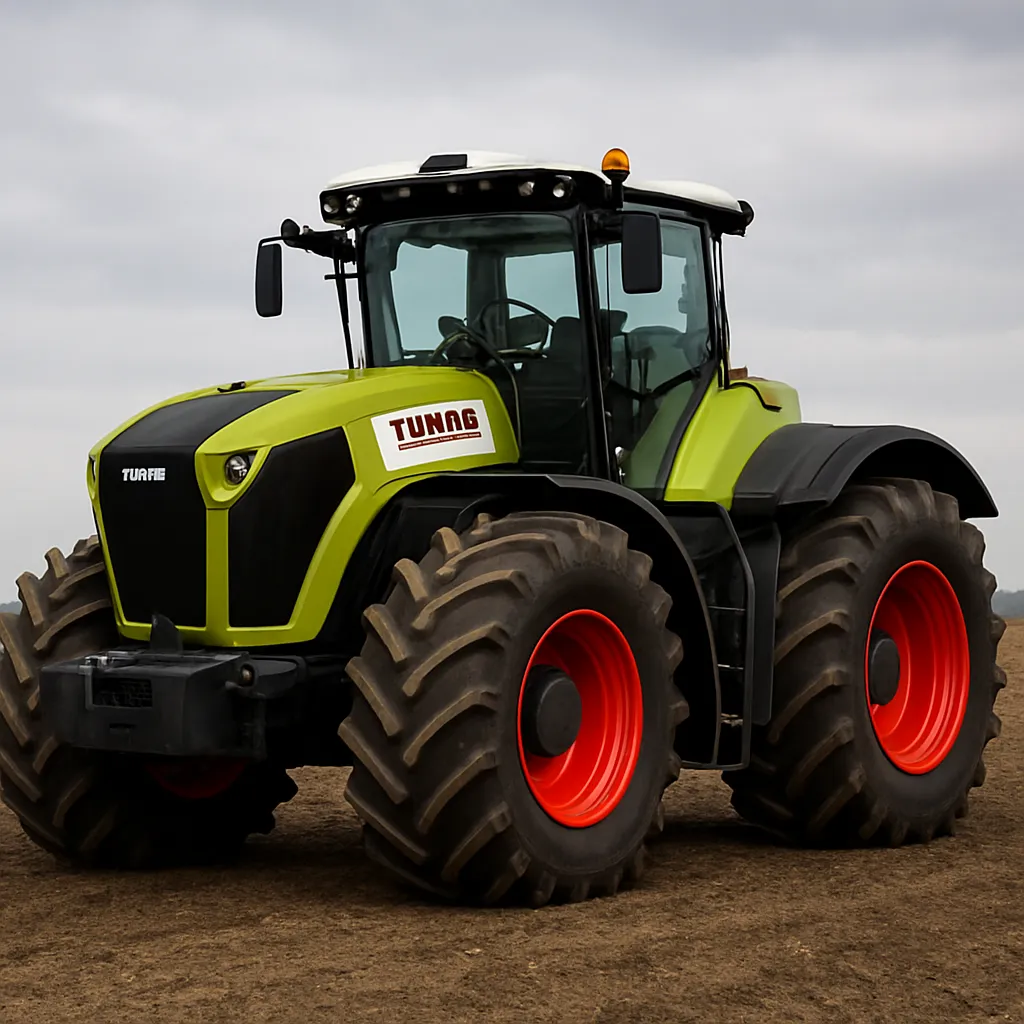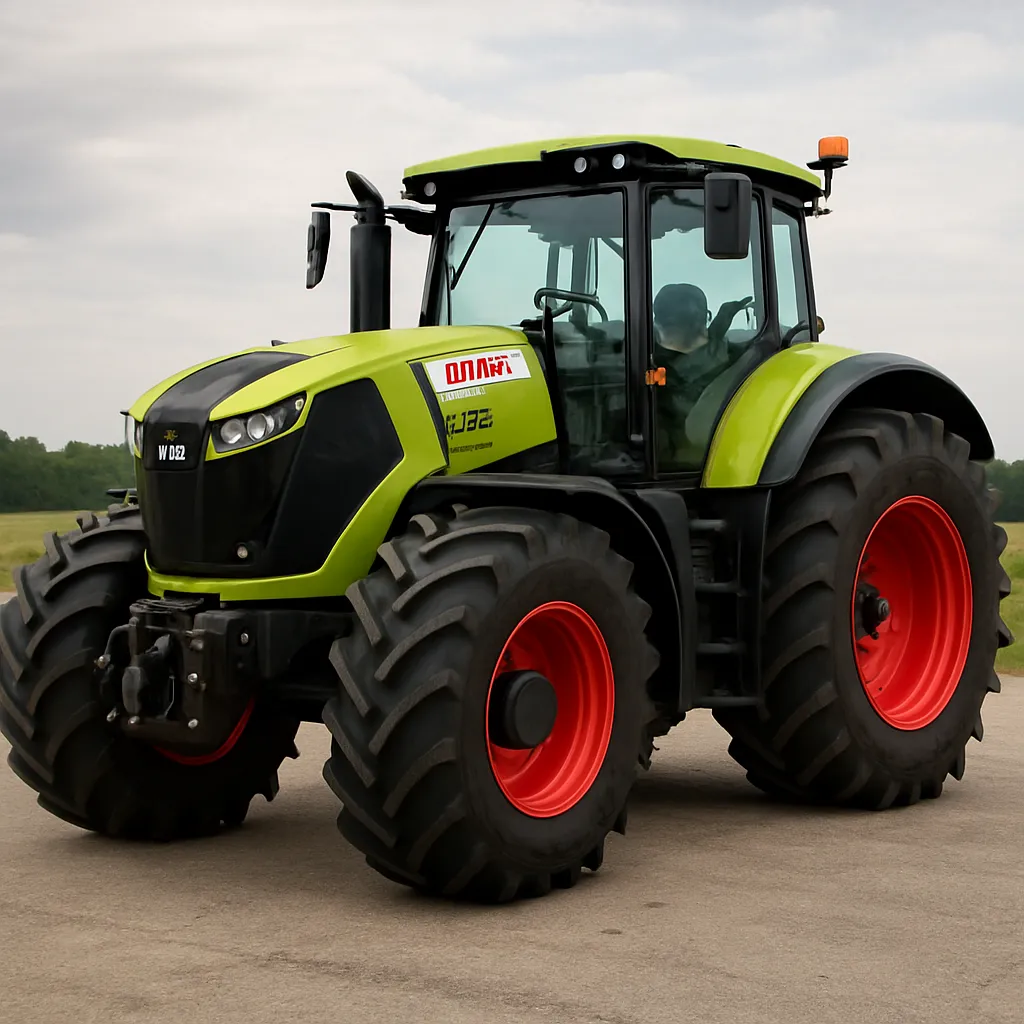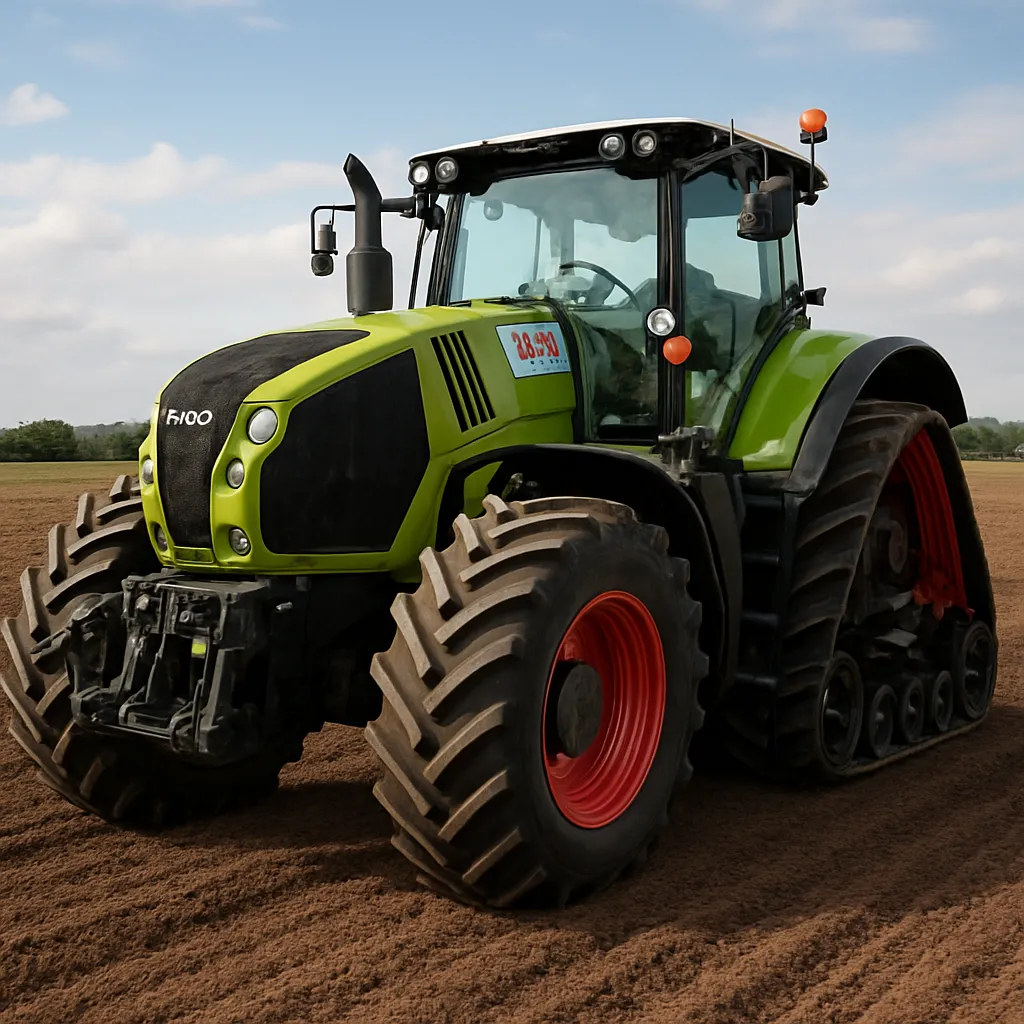
The Claas Axion 810 Terra Trac represents a synthesis of modern tractor engineering aimed at maximizing field performance while minimizing soil compaction and improving traction in varied conditions. Designed as part of the Axion 800 series, the Terra Trac variant integrates a factory-fitted tracked undercarriage that changes how power is delivered to the ground and how the machine interacts with soil. This article explores the design and technical characteristics of the Axion 810 Terra Trac, its typical applications across agriculture and other sectors, performance and economic considerations, and practical information on maintenance and operation. Throughout the text, key concepts such as traction, efficiency, and maintenance are emphasized to highlight what makes this tractor a compelling choice for large-scale and conservation-oriented farming operations.
Design and technical specifications
The Claas Axion 810 Terra Trac is built around the Axion 800 platform, which combines a robust chassis, a high-torque diesel engine, and a transmission designed to deliver smooth power across a wide range of field and road speeds. The Terra Trac version replaces traditional wheels or duals with a rubber track undercarriage on each side, creating a larger contact area with the ground. This configuration reduces ground pressure and improves pull-through in soft or loose soils.
Engine and powertrain
- The Axion 810 typically features a 6-cylinder turbocharged diesel engine tuned for a balance between rated power and torque reserve. Depending on the market and exact configuration, the engine delivers in the general range typical for the 800-class: adequate continuous power for heavy draft implements while providing extra torque for demanding fieldwork.
- The power is routed through Claas transmission options that may include a stepless CVT-style system (in Claas terminology, a continuously variable drive option is available across the Axion range) or a powershift variant. These transmissions provide smooth acceleration, efficient fuel usage, and fine speed control useful for seeding, tillage, and transport tasks.
Terra Trac undercarriage
The defining feature of the Terra Trac model is its full-length rubber track system. Unlike wheels, the track system provides:
- Significantly lower ground pressure (helping preserve soil structure)
- Improved traction with less wheel slip on wet or loose soils
- Greater contact patch, spreading the tractor’s weight more evenly
- Reduced soil rutting and compaction, which is especially critical for conservation tillage systems and early-season field work
The track units are engineered to maintain tension, shed mud, and provide durability under heavy loads. Track width and length can vary by configuration, enabling operators to choose setups tailored to their fields and transport needs.
Hydraulics, PTO and rear linkage
- Hydraulic system capacity and flow rates on the Axion 810 are designed to support modern implements: multiple remote valves, high-flow options for hydraulically driven equipment, and electronic control for precision implement handling.
- The rear PTO (Power Take-Off) is offered in common 540/1000 rpm variants, with robust driveline components to transfer power reliably to high-demand machinery such as large mowers, balers, and cultivators.
- The rear linkage capacity is rated to lift heavy implements and maintain stability with wide-frame or high-draft attachments. Electronic draft control and automatic depth regulation are common features that enhance repeatability and efficiency in field tasks.
Terra Trac advantages and operational considerations
Choosing a Terra Trac-equipped Axion 810 introduces several operational benefits and a few adjustments in routine management. Understanding these trade-offs is important to fully leverage the system’s strengths.
Advantages
- Soil conservation: The low ground pressure resulting from the track footprint reduces compaction, preserves soil structure and porosity, and can enhance long-term productivity on heavy soils or in wet climates.
- Improved traction: By increasing the contact area, Terra Trac reduces slip, translating engine power into forward motion more effectively. This is valuable during primary tillage, deep ripping, or when pulling large planters.
- Fuel economy: Reduced slip often leads to lower fuel consumption per hectare because less energy is wasted overcoming traction loss. The smoother delivery of power also aids efficient operation.
- Ride stability: Tracks can deliver a smoother ride over rough terrain due to the elongated footprint and shock distribution, benefiting operator comfort and implement control.
- All-season capability: In climates with muddy spring conditions or after heavy rains, tracked tractors retain mobility where wheeled machines would struggle.
Operational considerations and trade-offs
- Transport speed and road travel: Tracked units generally have lower maximum transport speeds and different handling characteristics on paved roads compared to wheeled tractors. Operators need to plan movements and may require special permits or escorts in some regions for slow-moving vehicles.
- Tread wear and replacement cost: Tracks and undercarriage components can be more expensive to maintain and replace than tires, depending on usage patterns, surface types, and lifetime kilometers on hard surfaces.
- Turning radius and field maneuverability: While modern tracked tractors are engineered to turn efficiently, tight turning in soft conditions can still cause scuffing; operators must adjust turning techniques to minimize damage.
- Initial acquisition cost: Terra Trac variants commonly add to the purchase price relative to comparable wheeled configurations. However, potential gains in productivity and reduced soil remediation costs can offset the premium over the lifespan of the machine.
Applications and use cases
The Axion 810 Terra Trac is particularly suited to large-scale arable farms, mixed operations with heavy tillage demands, and specialty operations where soil preservation is critical. It also has roles beyond traditional cropping.
Arable and row-crop farming
- Primary tillage: deep ploughing, subsoiling and heavy discing benefit from consistent traction and pull-through provided by the Terra Trac system.
- Seeding and planting: reduced compaction helps maintain seedbed structure and promotes uniform germination, especially when planting into moist soils.
- Large-scale spraying and fertilizing: while wheeled sprayers are common, a tracked tractor towing heavy booms or applicators can offer stability and reduced wheel tracks across fields.
Conservation agriculture and environmental stewardship
Farms adopting reduced-till or no-till systems often prioritize minimization of soil disturbance and compaction. The Terra Trac’s ability to lower surface pressure aligns with conservation goals such as maintaining infiltration rates, reducing runoff, and protecting soil organic matter.
Specialized and non-agricultural applications
- Forestry and biomass operations: where mobility on soft, uneven ground is essential, tracked tractors can tow harvesting or chipping equipment.
- Construction and earthmoving support: tractors with tracked undercarriage can assist in towing, grading, or hauling tasks on delicate or muddy sites where wheeled equipment would bog down.
- Large estate, turf or reclamation projects: preserving soil profile during heavy operations is important in restoration work, and tracked machines can help meet those constraints.
Performance metrics and statistical considerations
When evaluating an Axion 810 Terra Trac, operators focus on measurable outputs: fuel consumption, field hectares per hour, draft force, and long-term impact on soil health. Values vary widely with implement size, soil conditions, and driving style, but a few generalized observations are useful for planning and benchmarking.
Fuel consumption and productivity
- Under moderate to heavy draft, tracked tractors often show lower per-hectare fuel consumption compared with equivalent wheeled machines, primarily because reduced slip translates directly into lower fuel wasted overcoming traction loss.
- Typical drawbar efficiency increases with better traction, enabling heavier implements to be used at higher forward speeds, which improves productivity (hectares per hour).
- Estimates for comparable large tractors show fuel consumption for heavy fieldwork can range from roughly 12 to 30 liters per hour depending on load; tracked configurations are often toward the lower end of that range for the same effective work output.
Ground pressure and compaction effects
One of the most objective benefits of Terra Trac systems is reduced contact pressure. Typical ground pressures for wheeled tractors with single tires or even duals can exceed 150–200 kPa under axle loads, while a tracked undercarriage can reduce that to well below 100 kPa in many configurations. Lower pressures help preserve soil macropore structure, enabling deeper root penetration and better water infiltration over time.
Reliability and utilization statistics
- Claas machines, when properly serviced, are known for long service intervals and high uptime. Utilization rates for large arable tractors often approach 500–1,000 hours per year in intensive operations; many contractors and large farms exceed that usage, so reliability and ease of maintenance are central to total cost calculations.
- Track life expectancy is heavily dependent on the proportion of road vs. field use; heavy road use on abrasive surfaces can shorten track life and increase replacement frequency. Conversely, field-dominant operations often realize many thousands of hours before major track replacement is required.
Operator comfort, controls and technology integration
Claas emphasizes operator ergonomics and integration of precision farming technology across the Axion range. The Axion 810 Terra Trac benefits from these features to improve daily performance and data-driven decision making.
Cab environment and ergonomics
- Modern Axion cabs offer a comfortable working environment with climate control, noise insulation, and optimized visibility. Controls are laid out to reduce operator fatigue during long field days.
- Seating and suspension options, combined with the smoother ride characteristics of tracks, reduce vibrations transmitted to the operator, which improves comfort and concentration.
Precision agriculture and connectivity
- ISOBUS compatibility, GPS-guided auto-steering, and section-control capabilities are common options that allow the tractor to integrate with modern implements and farm management systems.
- Telematics packages enable monitoring of fuel use, location, and maintenance alerts, which aids fleet managers and owners in maximizing uptime and efficiency.
- Data from field operations (e.g., field efficiency maps, fuel consumption logs) can be used to refine processes and justify the Terra Trac investment through measurable gains in productivity or reduced soil remediation costs.
Maintenance, lifecycle and practical ownership tips
Owning a Terra Trac-equipped Axion 810 involves both routine tractor maintenance and attention to the tracked undercarriage. Well-managed maintenance prolongs component life and protects resale value.
Regular maintenance tasks
- Engine and transmission oil changes at manufacturer-specified intervals, along with filter replacements, are fundamental to long-term reliability.
- Track tension checks, inspection of drive sprockets, idler wheels, and rubber track condition should be performed frequently, particularly after extended road travel or operations in abrasive environments.
- Hydraulic fluid checks, PTO driveline inspections, and linkage greasing are routine but critical tasks for safe and efficient operation.
Seasonal and pre-sale considerations
- Before high-intensity seasons (planting and harvest), conduct a comprehensive inspection of tracks and undercarriage components, replacing worn parts proactively to avoid downtime.
- For resale or trade-in, maintaining detailed service records and preserving the condition of high-cost items such as the track system and transmission increases resale value.
Economic perspective and total cost of ownership
Purchasing a Terra Trac machine usually commands a price premium relative to a wheeled equivalent. However, an accurate economic assessment considers not only upfront costs but also productivity gains, reduced soil remediation expenses, fuel savings, and potential improvements in yield resulting from better soil structure over time.
Factors affecting return on investment
- Scale of operation: larger farms and contractors that log high annual hours stand to recover the differential cost more quickly due to productivity benefits.
- Soil type and climate: farms dealing with heavy clay soils, frequent wet conditions, or conservation tillage practices derive greater long-term benefits from lower compaction.
- Implement synergy: pairing the Axion 810 Terra Trac with wide implements or heavy draft tools that previously limited field speed on wheels can unlock greater efficiency.
Example calculation approach
To evaluate financial viability, compare per-hectare costs across scenarios that include purchase price spread over expected useful life, fuel consumption differences, maintenance and replacement costs for tracks vs. tires, and yield impacts attributable to soil health improvements. Even modest improvements in operational hours per day or reductions in compaction-related yield losses can make a Terra Trac investment compelling over a multi-year horizon.
Final thoughts: suitability and selection guidance
The Claas Axion 810 Terra Trac is a compelling option for operations that demand high draft capacity while prioritizing soil protection and consistent field performance. It is especially suitable for:
- Large arable farms and contractors performing intensive tillage or planting operations
- Farms practicing conservation agriculture, where long-term soil health is a priority
- Operations in regions with challenging seasonal conditions (wet springs, soft soils)
Potential buyers should evaluate individual field conditions, transport requirements, and the balance of road vs. field use to decide whether the tracked configuration is preferable to wheeled or dual-wheel alternatives. Close consultation with dealers to analyze expected hours, implement compatibility, and maintenance support will help ensure that the selected configuration meets productivity and economic expectations.
Key takeaways
- The Axion 810 Terra Trac blends power and a track-based undercarriage to improve traction and reduce soil compaction.
- Operational advantages include better fuel efficiency under load, increased field productivity, and benefits for soil conservation practices.
- Trade-offs include higher initial costs, specific maintenance needs for tracks, and different road-handling characteristics.
- Optimal for large-scale, high-utilization operations and farms that prioritize long-term soil health.