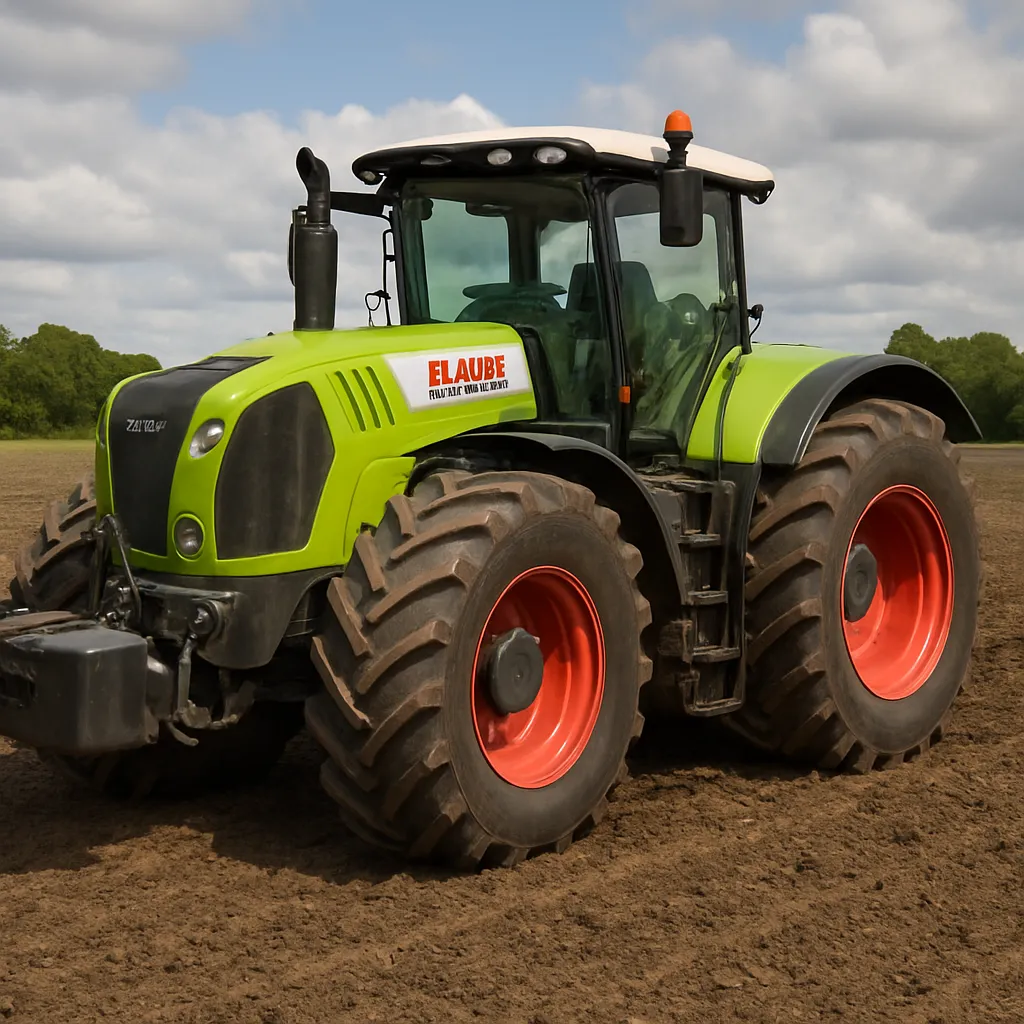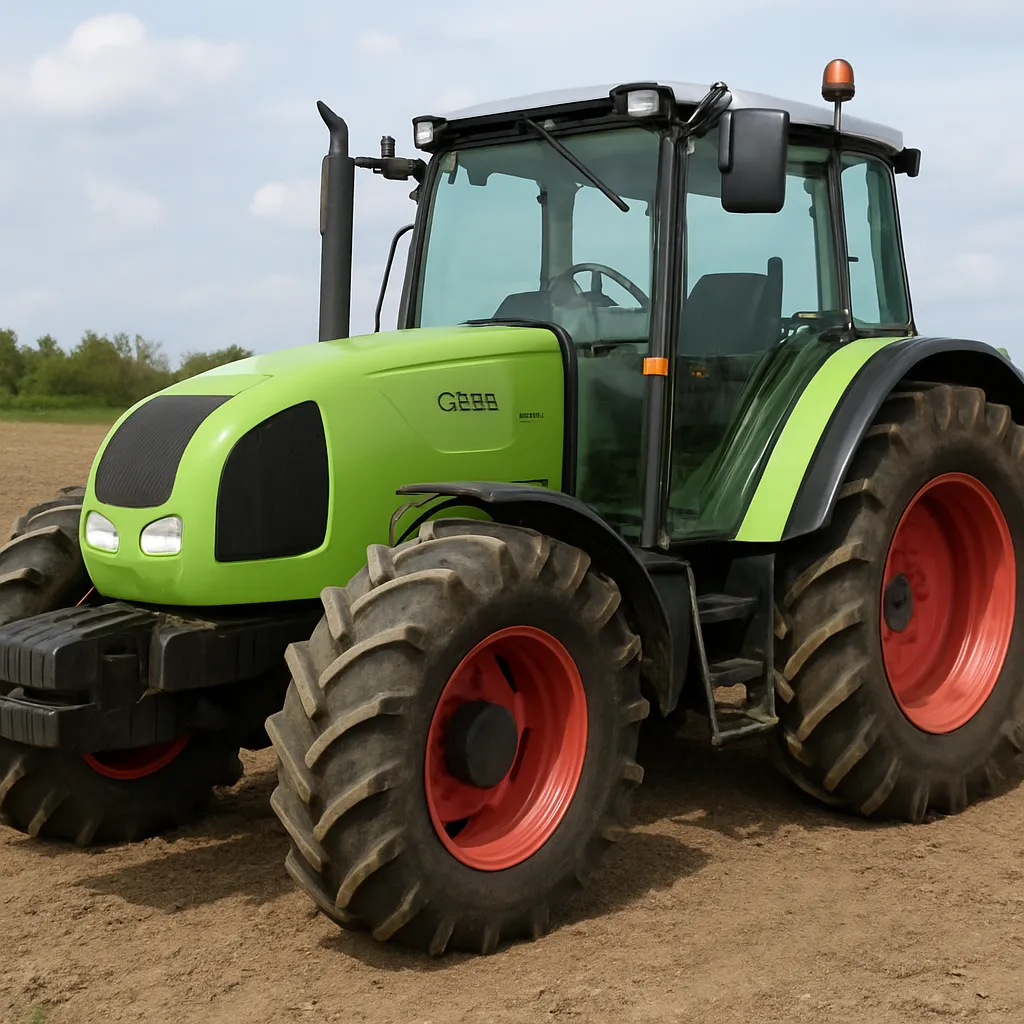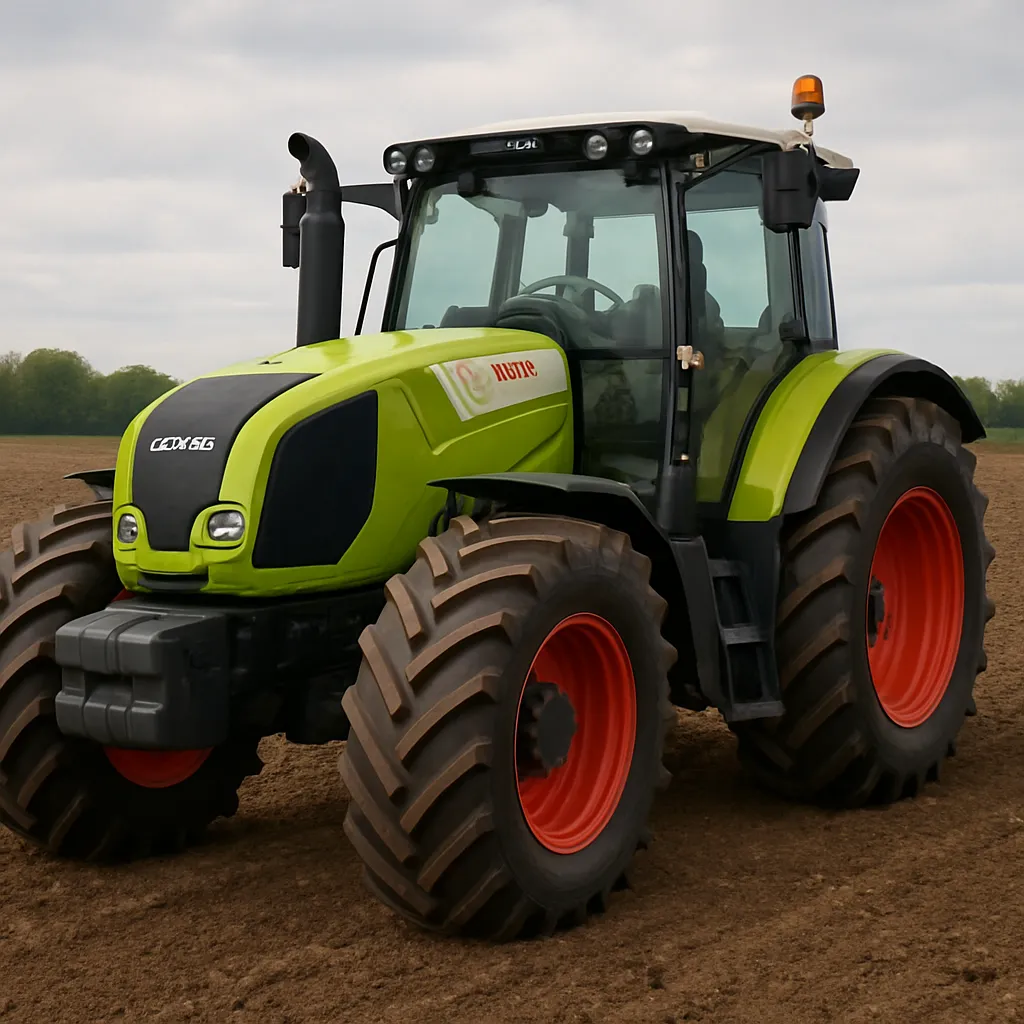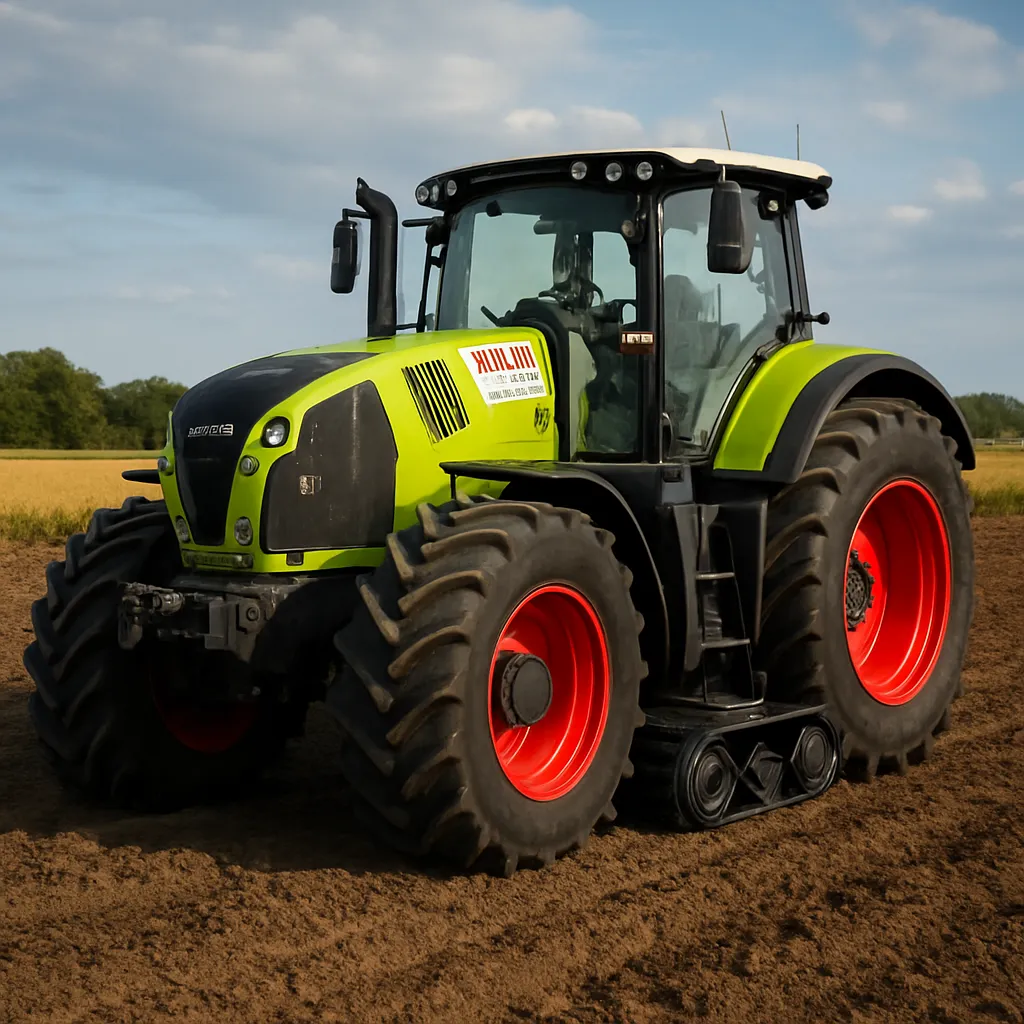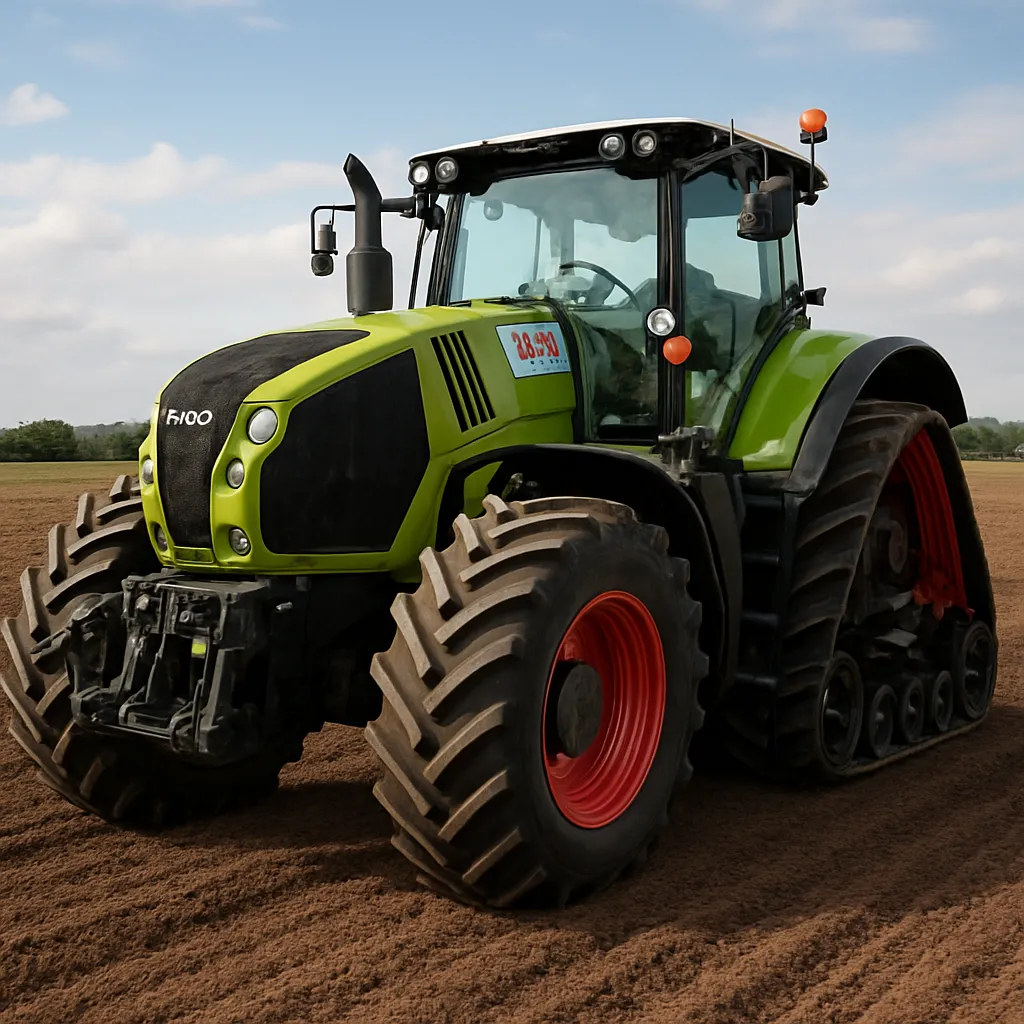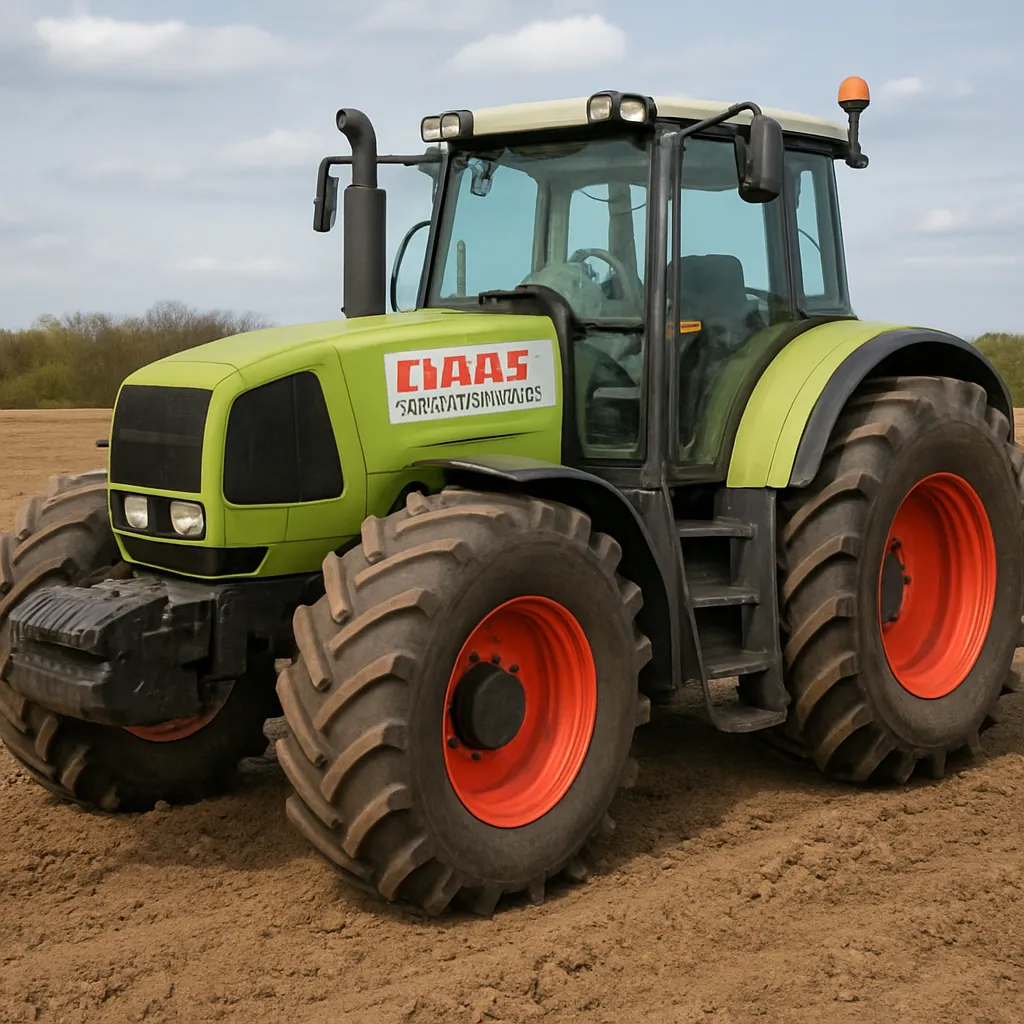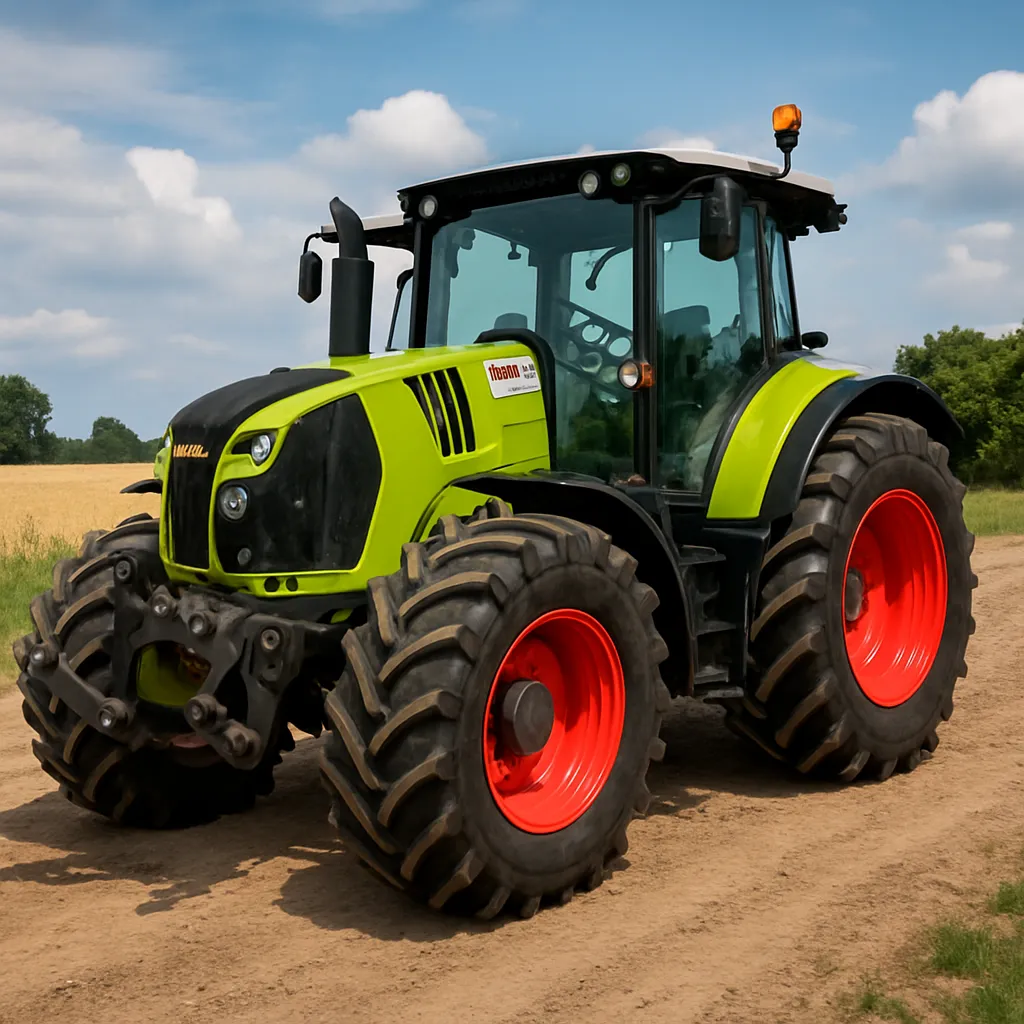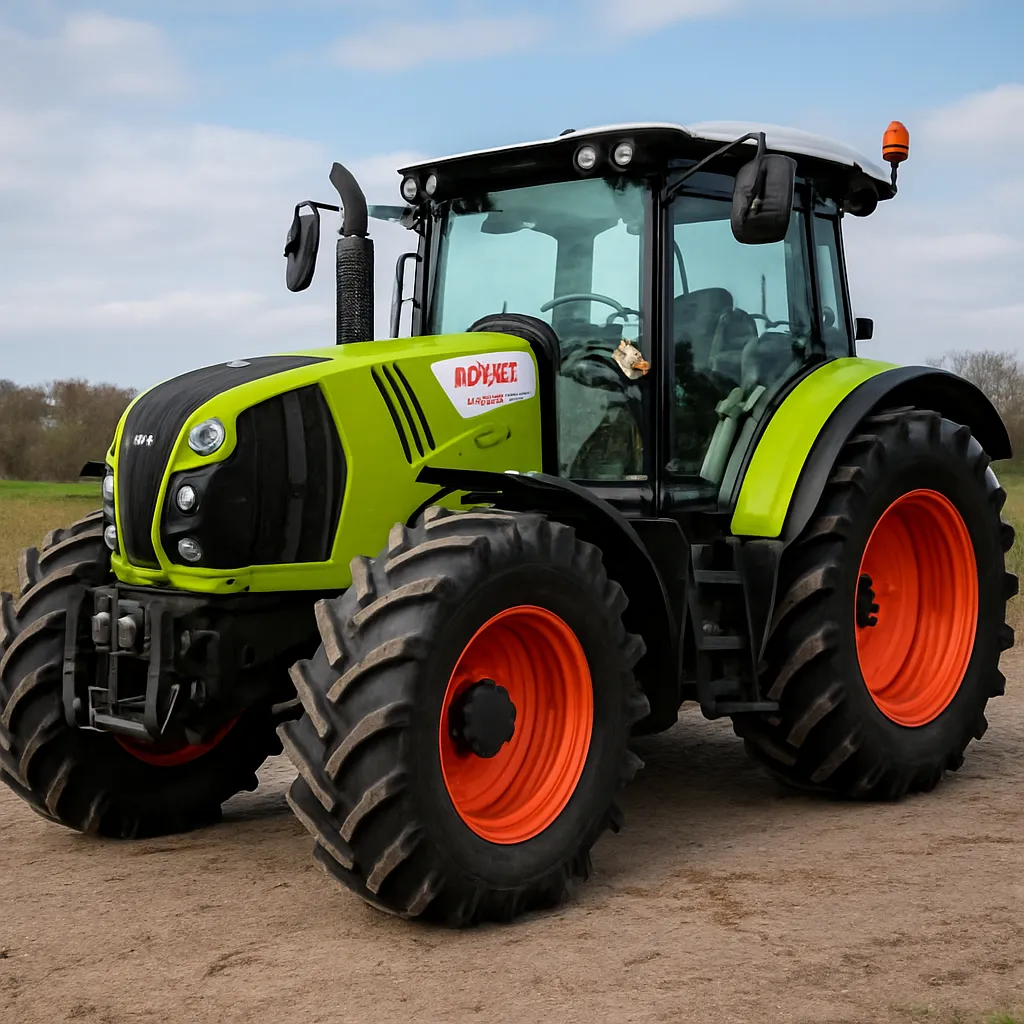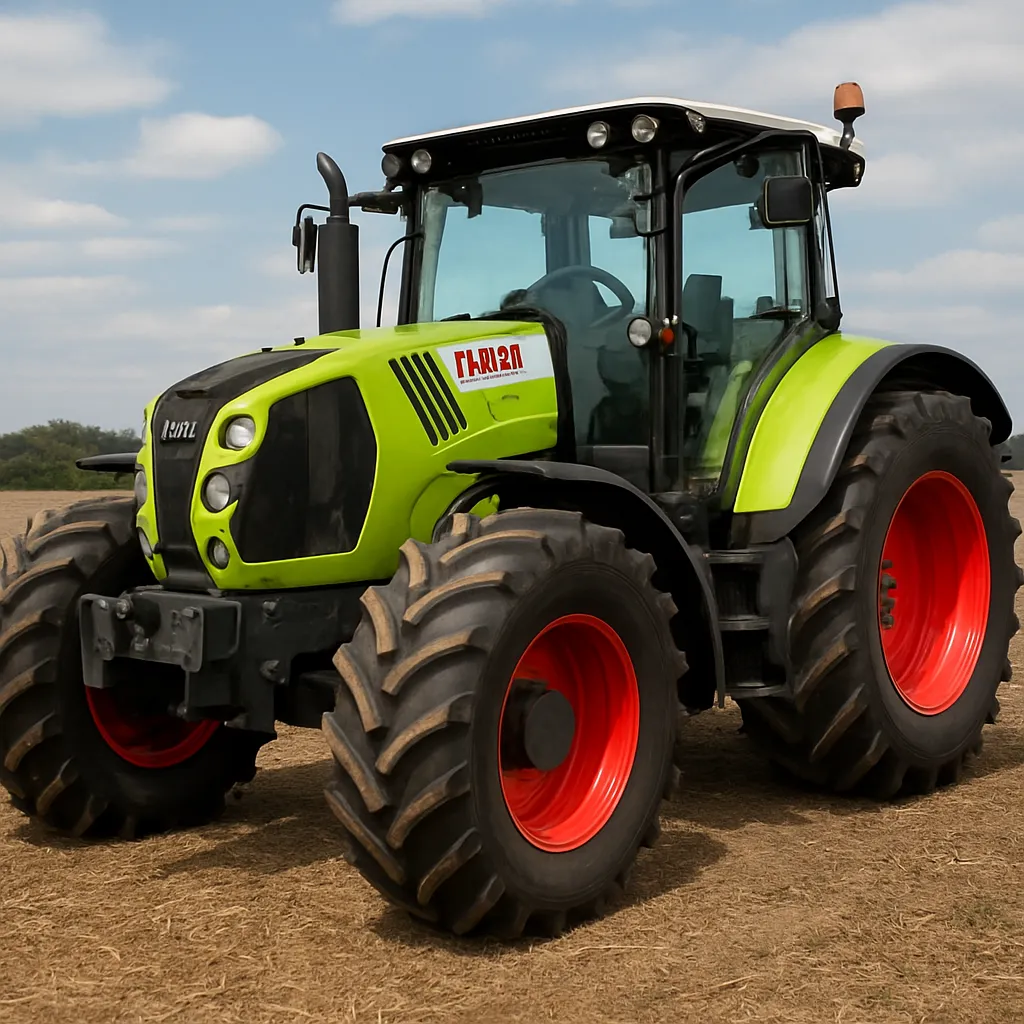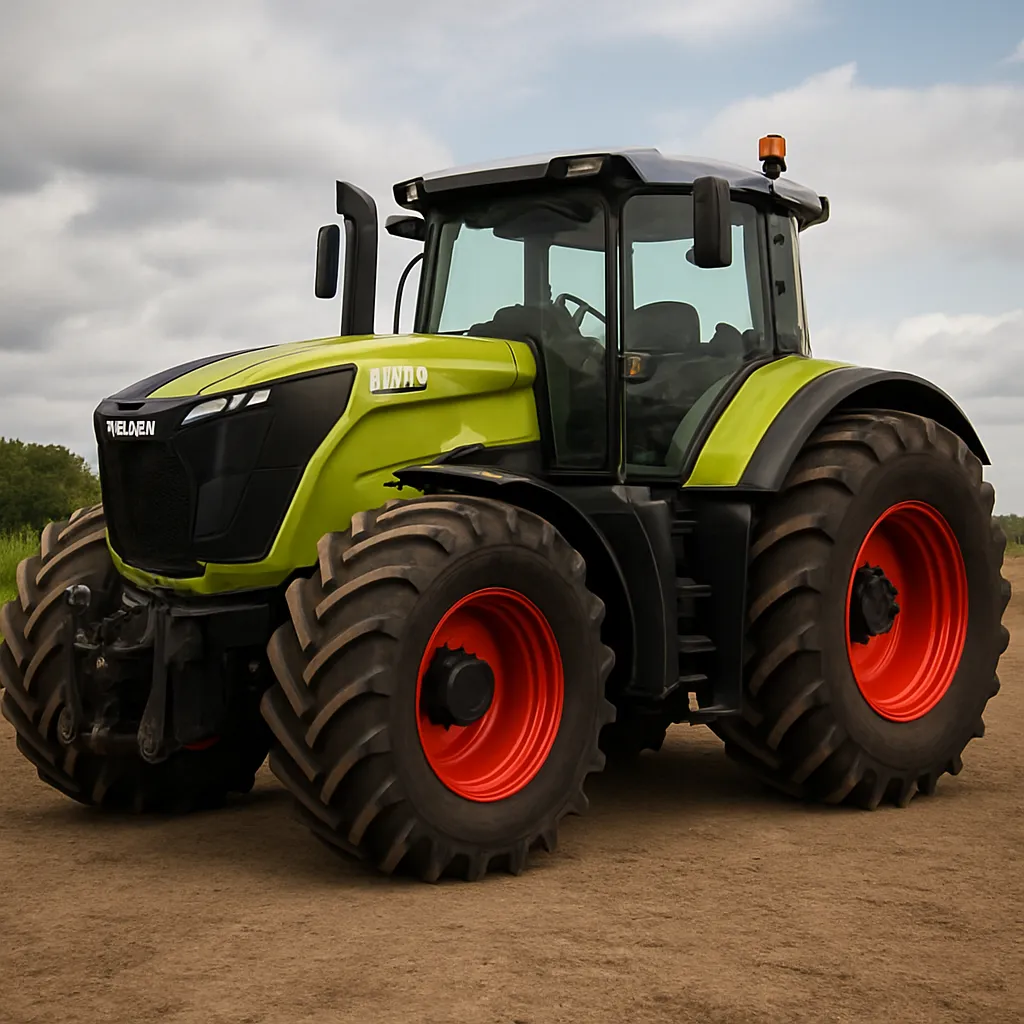
The Claas Mega Tractor Concept 199 is an ambitious conceptual design that explores the future of high‑performance agricultural machinery. Combining ideas from large row‑crop tractors, articulated machines, and integrated digital systems, the Concept 199 represents a vision of how a modern manufacturer might approach the demands of large‑scale farming, contract work and precision agriculture. This article examines the Concept 199 from multiple angles: design philosophy, likely technical characteristics, practical applications, and the broader implications for the agricultural industry. Wherever numerical figures appear they are presented as reasoned estimates or typical ranges for machines of this category, unless explicitly cited as documented values.
Background and Design Philosophy
Claas has a long tradition of designing machines that bridge the gap between robust mechanical engineering and smart agricultural solutions. The Concept 199 can be understood as an exploratory blueprint rather than a production model: it tests radical ideas in ergonomics, modularity and connectivity. The core design objectives appear to be improving operator comfort, increasing operational efficiency, and providing a platform that can be adapted to multiple tasks—from heavy draft work to precision application and transport.
Key themes in the Concept 199’s design philosophy include:
- Modularity: the machine is intended as a platform that can accept different axle configurations, powertrains, and implements without extensive redesign.
- Operator‑centric design: cab comfort, visibility and control ergonomics are emphasized to support long shifts and complex operations.
- Connectivity and data integration: the Concept 199 is envisioned with advanced electronics to join farm management ecosystems, enabling telematics, remote diagnostics and precision agronomy.
- Sustainability: reduced fuel consumption, possible hybridization or alternative‑fuel readiness, and efficient implement integration are central to lowering environmental impact.
Estimated Technical Specifications and Architecture
As a concept, official specification sheets may be limited or intentionally vague; however, reasonable technical estimates can be drawn from the design intent and comparable machines. The Concept 199 would position itself in the upper mid‑to‑large tractor class, optimized for heavy fieldwork and long transport tasks.
Powertrain and Engine
The Concept 199 is likely designed around a powerful, turbocharged diesel engine with electronic controls. Typical engines for tractors in this category deliver from roughly 300 to 600 horsepower (HP), so an expected nominal output range for the Concept 199 would be approximately 350–500 HP depending on configuration. The engine would include features such as:
- Common‑rail fuel injection and exhaust aftertreatment (DOC/DPF/SCR) to meet emissions standards.
- Electronically controlled torque management for smooth power delivery under load.
- Potential for hybrid assistance (electrified torque fill) to reduce fuel spikes during heavy draft work.
Transmission and Driveline
The transmission architecture likely emphasizes smoothness, durability and adaptability. Options could include a continuously variable transmission (CVT) or an advanced stepped automatic powershift gearbox with many ratios and integrated power take‑off (PTO) management. Key features would be:
- Full‑time or demand‑based four‑wheel drive with electronically controlled locking differentials.
- Multiple PTO speeds with independent control for implements.
- Integrated braking and cruise control for safe field‑to‑road transport; estimated top road speed commonly ranges between 40–50 km/h for large tractors.
Chassis, Suspension and Weight
For work stability and traction the Concept 199 could use an articulated or long‑wheelbase chassis with robust front and rear axles. Modern concepts often incorporate active suspension for both axles and the cab to improve operator comfort and traction on uneven ground. Expected characteristics:
- Operating weight likely in the 8–14 tonne range depending on ballast and equipment.
- Ballasted axle loads adjustable to optimize soil compaction versus traction.
- Large, low‑pressure tires or optional duals to reduce ground pressure and increase flotation.
Cab and Operator Interface
Claas has historically prioritized cab ergonomics and visibility. The Concept 199’s cab would be a showcase for operator‑centric features, including:
- Panoramic visibility, noise reduction and climate control for extended comfort.
- High‑resolution multi‑function displays with touch and haptic controls integrating GPS guidance, implement control and telematics.
- Adaptive seating, automated task sequences, and multi‑function joysticks to reduce operator fatigue and improve productivity.
Applications and Use Cases
The Concept 199 is conceived for operations where high power, endurance and versatility are essential. It is not limited to a single niche: rather, the design allows for multiple roles on large farms, contractor fleets and mixed operations.
Large‑Scale Arable Farming
On farms with extensive acreage, the Concept 199 would be useful for:
- Primary tillage (ploughing, heavy cultivations) where consistent high torque is required.
- High‑width seeding and planting operations, pulling wide implements while maintaining accurate depth and spacing via advanced hydraulic and electronic control.
- Large‑scale fertiliser and chemical applications where GPS guidance reduces overlap and optimizes inputs.
Contractors and Custom Hire
Contractors depend on machines that can switch roles and deliver reliable uptime. The Concept 199’s modularity supports:
- Road transport with specialized trailers for equipment moves and hauling large bales.
- Seasonal tasks such as silage work, heavy transport, and establishment tillage, where robustness and serviceability are valued.
- Attachments and front implements for loader tasks or front‑mounted tools to expand capability.
Specialty and Non‑crop Applications
Beyond raw arable tasks, the Concept 199 could be configured for:
- Biomass and energy crop harvesting support, where high torque is needed to handle dense residues.
- Forestry and land reclamation with the correct protection packages and hydraulic configurations.
- Precision liquid or solid manure spreading using integrated sensors and mapping.
Technological Innovations and Digital Integration
Modern tractor concepts are as much about software and systems as about mechanical power. The Concept 199 anticipates several technological trends:
Precision Farming and Autonomy
Integration with GNSS guidance and farm management systems enables consistent field passes and minimized overlaps. Potential autonomous or semi‑autonomous features could include:
- Adaptive path planning that accounts for implement width, soil conditions and traffic constraints.
- Automated sequences for headland turns, implement transport positions and field boundaries to reduce operator workload.
- Remote supervision and tele‑operation features for certain constrained tasks.
Telematics and Data Analytics
A connected Concept 199 would stream operational data—fuel use, implement status, engine load—into farm management platforms. Benefits include:
- Predictive maintenance scheduling based on actual load cycles rather than fixed intervals.
- Field performance analytics that feed back optimization suggestions for speed, power and implement settings.
- Fleet management tools to coordinate machines across large operations and contractor fleets.
Energy Efficiency and Environmental Considerations
Environmental performance is a growing requirement. Possible approaches on a concept tractor include:
- Hybridization to capture braking energy or to provide electric torque fill during transient loads.
- Engine downsizing with intelligent transmission and electric assistance to keep fuel burn low while preserving peak power.
- Compatibility with renewable diesel or other alternative fuels to reduce lifecycle emissions.
Comparative Context and Market Impacts
Where would the Concept 199 fit among current market offerings? It would compete with high‑power tractors from other major manufacturers that emphasize horsepower, modularity and digital tools. Competitive advantages of a well‑executed Concept 199 could include:
- Enhanced operator productivity through superior cab ergonomics and integrated automation.
- Lower total cost of ownership via predictive maintenance and higher fuel efficiency strategies.
- Flexible platform economics: a single base machine configurable for multiple tasks reduces capital tied up by specialty machines.
Potential market challenges include higher purchase cost due to advanced electronics and hybrid subsystems, dealer training needs for new technologies, and ensuring sufficient aftermarket support for contractors who demand peak uptime.
Maintenance, Serviceability and Lifecycle Considerations
Concept tractors must balance innovation with practicality. For the Concept 199, maintainability would be a major design driver:
- Easy access to service points (filters, fluid drains, battery packs) to minimize downtime during busy seasons.
- Modular replacement units for electronics and hybrid components to keep repair times short.
- Comprehensive diagnostics and remote support to allow dealers to pre‑order parts and reduce visits.
From a lifecycle perspective, designs that emphasize remanufacturing, recyclable materials, and longer component lifetimes could reduce environmental impact and offer better resale value—an important factor for contractors and large farms.
Operator Safety and Comfort
Safety and ergonomics are core to the Concept 199. Expected features that directly affect the operator and bystanders include:
- Advanced lighting packages and camera systems for night work and reduced blind spots.
- Operator assistance systems such as automatic emergency braking when obstacles are detected during low‑speed implement operations.
- Improved cab filtration and climate systems to protect operators from dust and chemical drift during application tasks.
Real‑World Performance Indicators and Statistics (Estimated)
Because the Concept 199 is conceptual, published, verifiable statistics may be limited. Nevertheless, benchmark figures below reflect reasonable expectations for a machine in its class and help place its potential performance in context:
- Power output: estimated 350–500 HP depending on configuration and engine tuning.
- Operating weight: estimated 8–14 tonnes depending on ballast and attachments.
- Fuel capacity: typical capacity for similar machines is 400–800 litres, enabling extended work shifts between refuelling.
- PTO speeds: likely to include 540/1000 or fully variable PTO options to match diverse implements.
- Top transport speed: approximately 40–50 km/h for road transit versions, subject to regional regulations.
- Ground pressure: configurable through tire options and ballast to minimize soil compaction (low‑pressure tires and duals commonly used).
These figures should be interpreted as directional. For any production or fleet‑level decisions, users would require official specifications from the manufacturer or verified test data.
Economic Considerations and Total Cost of Ownership
Cost analysis for a high‑end concept machine like the Concept 199 must look beyond purchase price. Factors that influence the economic case include:
- Productivity gains per hectare due to automation and precision tools, reducing fuel and input waste.
- Maintenance intervals and remote diagnostics that aim to reduce unscheduled downtime.
- Resale value and modularity: a platform that adapts to new tasks often retains value better than single‑purpose machines.
For contractors, the economics also reflect flexibility: a single well‑equipped tractor that can be reconfigured across seasons reduces capital intensity and increases utilization rates.
Potential Limitations and Criticisms
No concept is without tradeoffs. Some potential limitations and industry critiques that might apply to the Concept 199 are:
- Complex electronics and hybrid components can raise repair costs and require specialized technician training.
- High purchase price could be a barrier for smaller farms, even if lifecycle costs are favorable.
- Adaptation of new technologies in conservative markets can be slow; meaningful returns on automation require changes in farm operations and management mindsets.
Conclusion: The Role of Concept Machines in Agricultural Progress
The Claas Mega Tractor Concept 199 embodies many directions agriculture is taking: greater mechanization, tighter digital integration, and a push toward sustainability. While the Concept 199 itself may remain a prototype or design study, the ideas it encapsulates—modularity, precision, operator comfort, and connectivity—are likely to appear in future machines from Claas and other manufacturers. For large farms and contractors, the promise of higher productivity, lower per‑hectare costs and improved operator conditions makes these innovations attractive, provided that service networks and economic models evolve to support them.
Key Takeaways
- The Concept 199 is a platform idea: powerful, flexible and aimed at large‑scale operations.
- Its most valuable attributes would be efficiency, modularity and digital integration.
- Estimated technical metrics place it among high‑power tractors (roughly 350–500 HP), but final specs would depend on production choices.