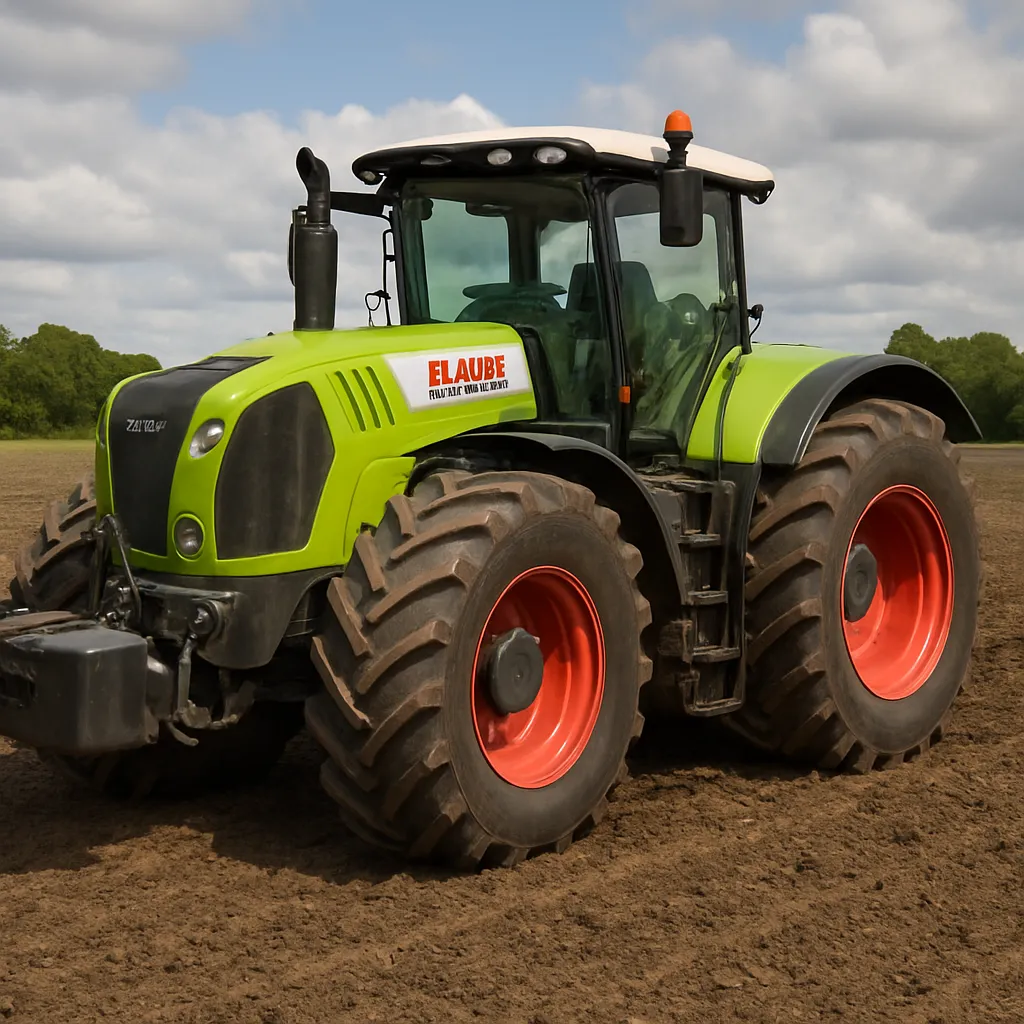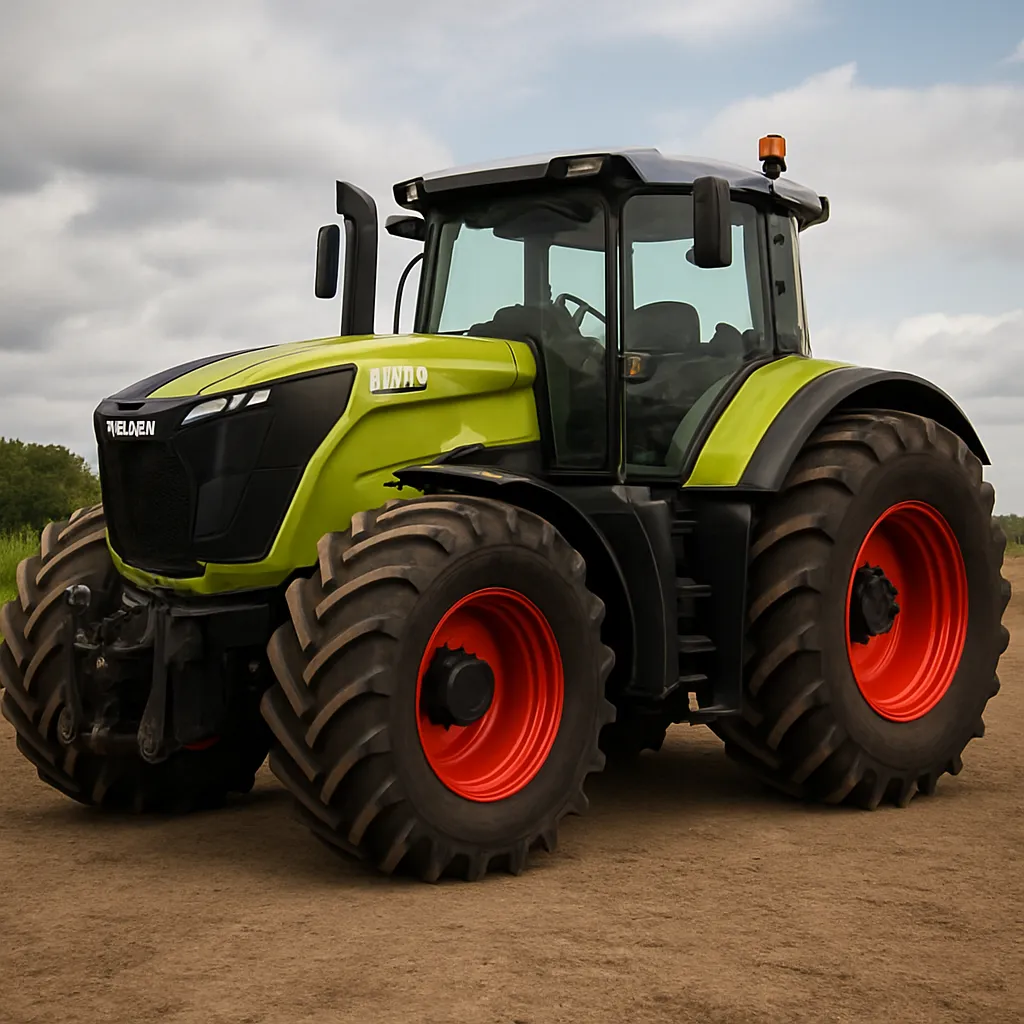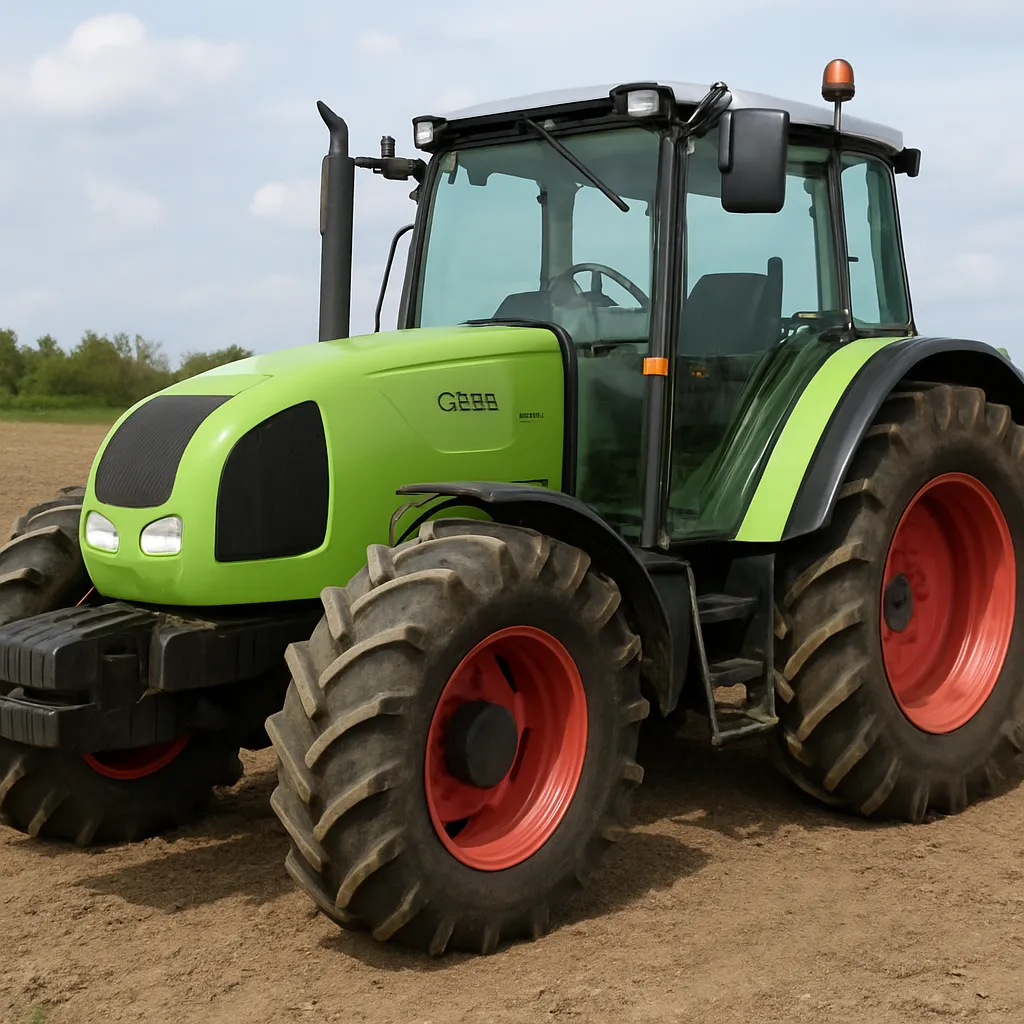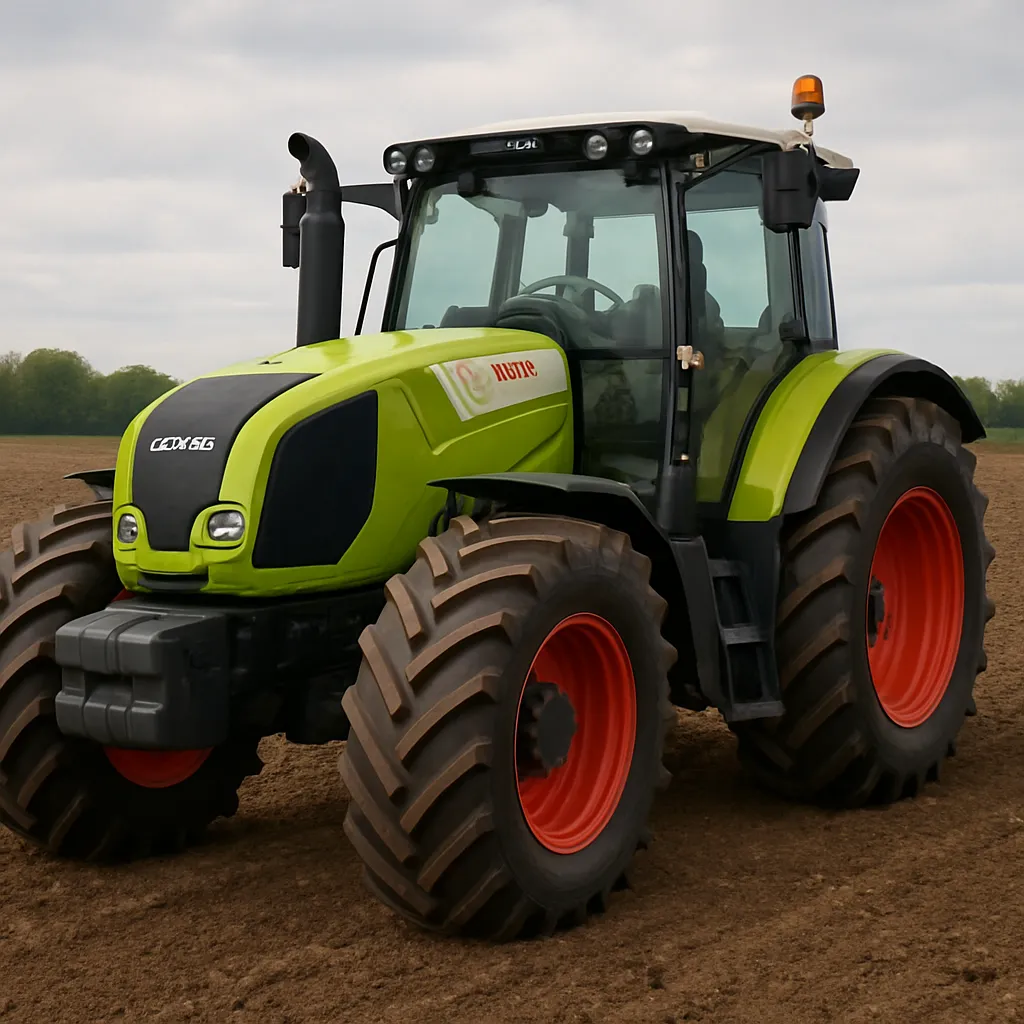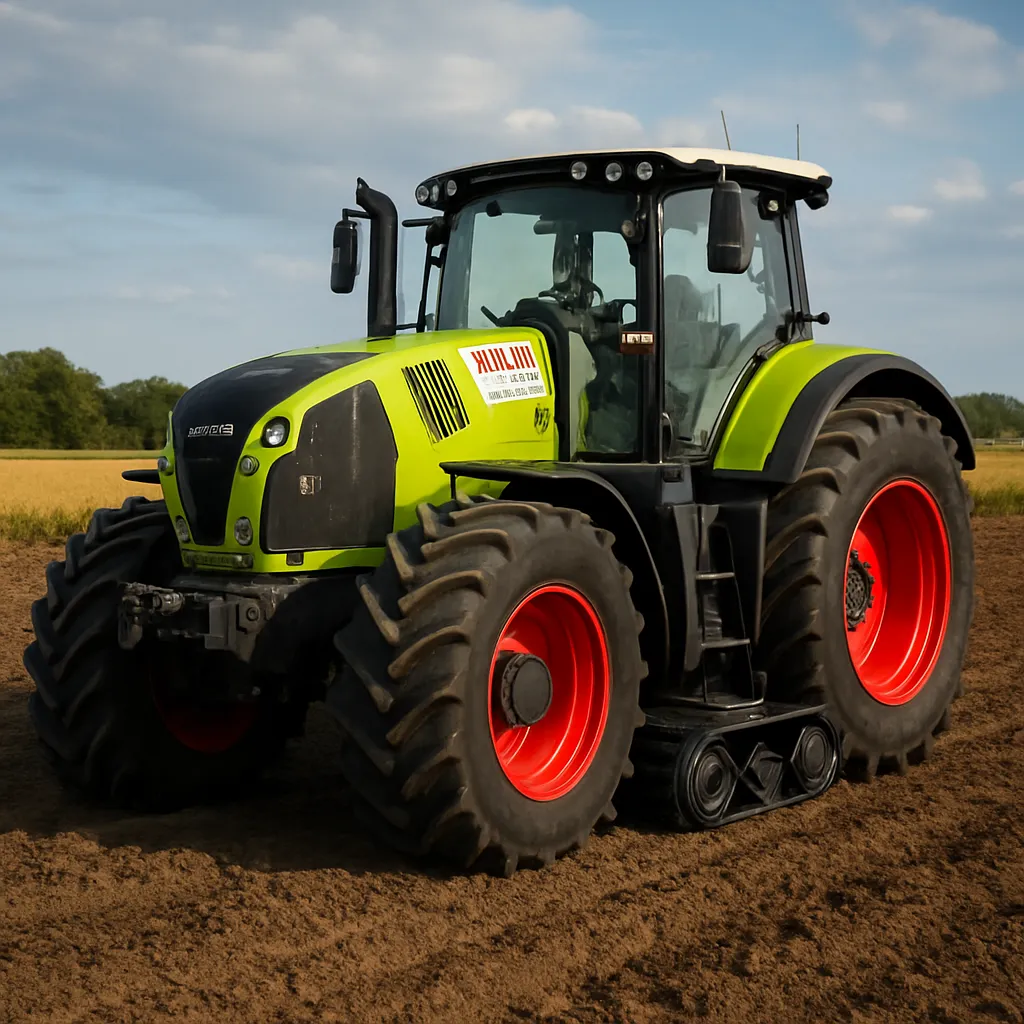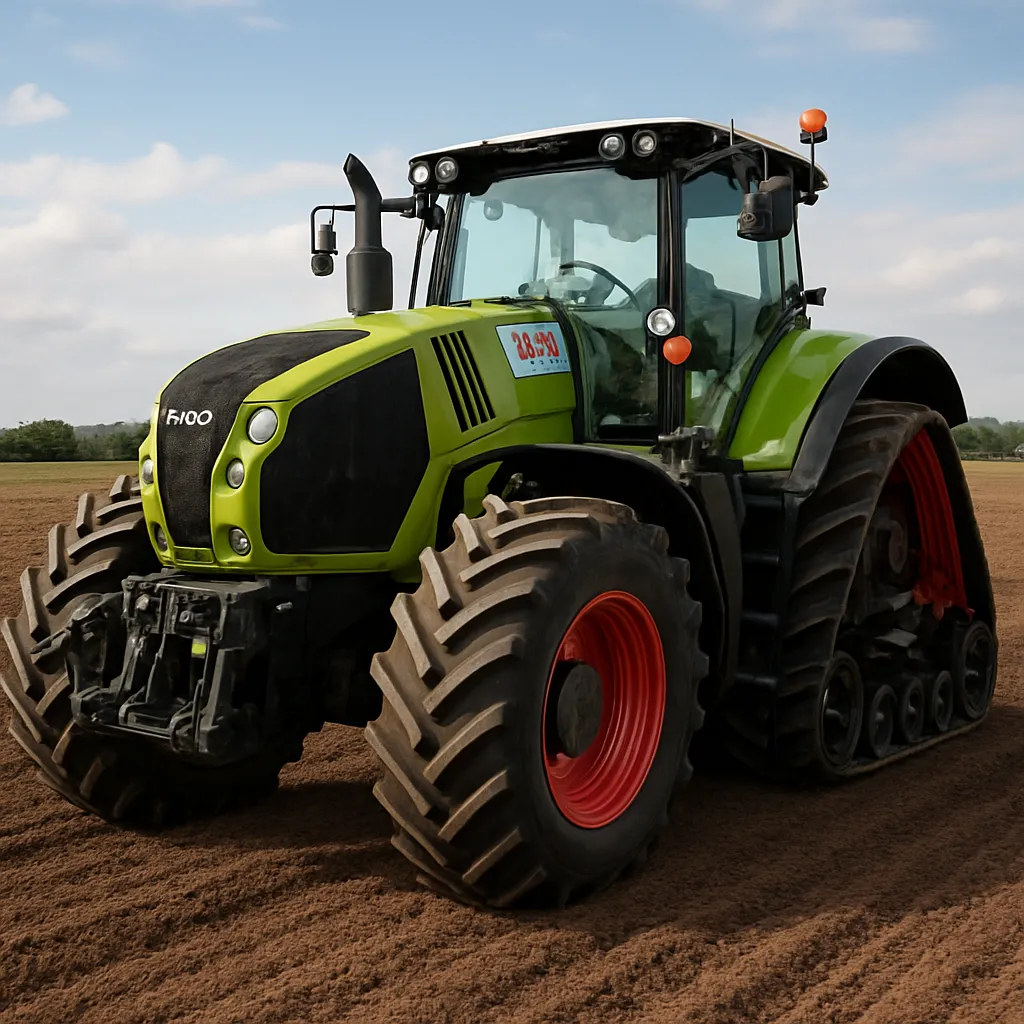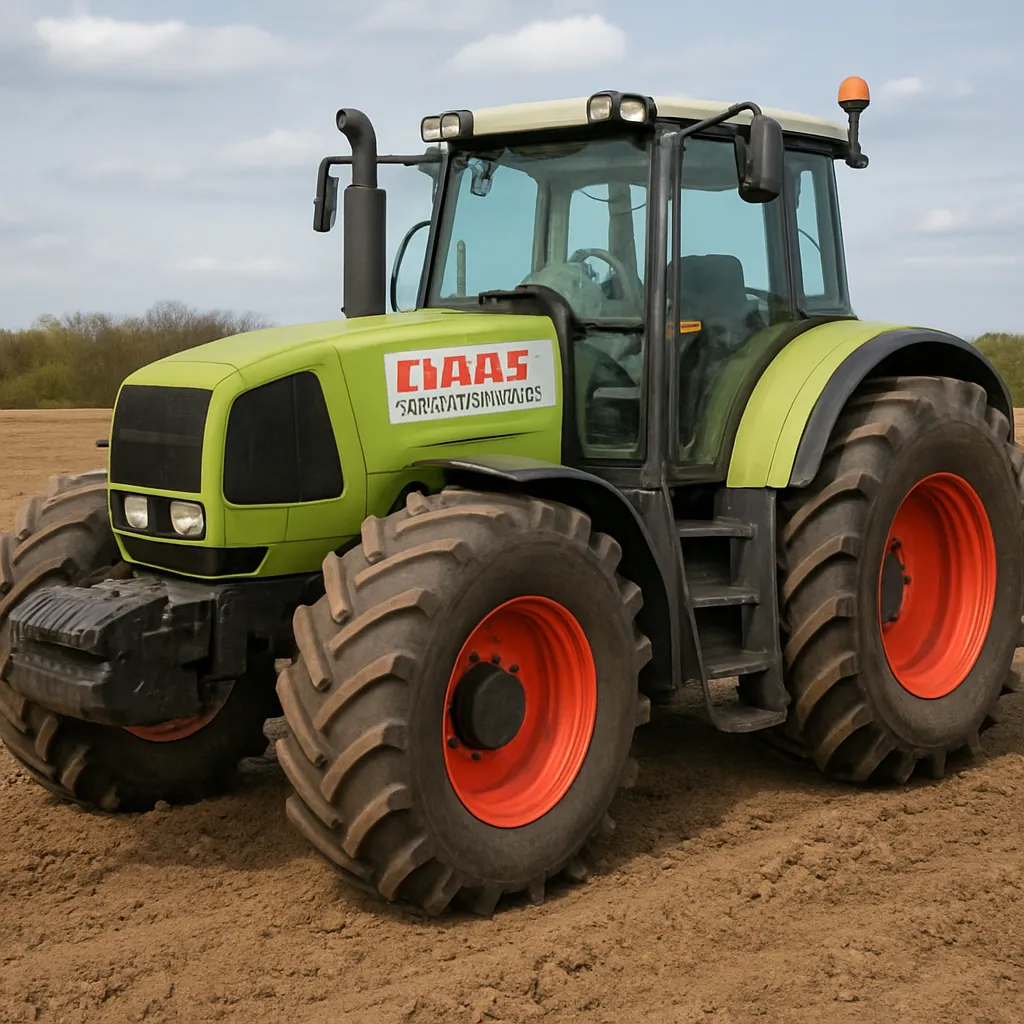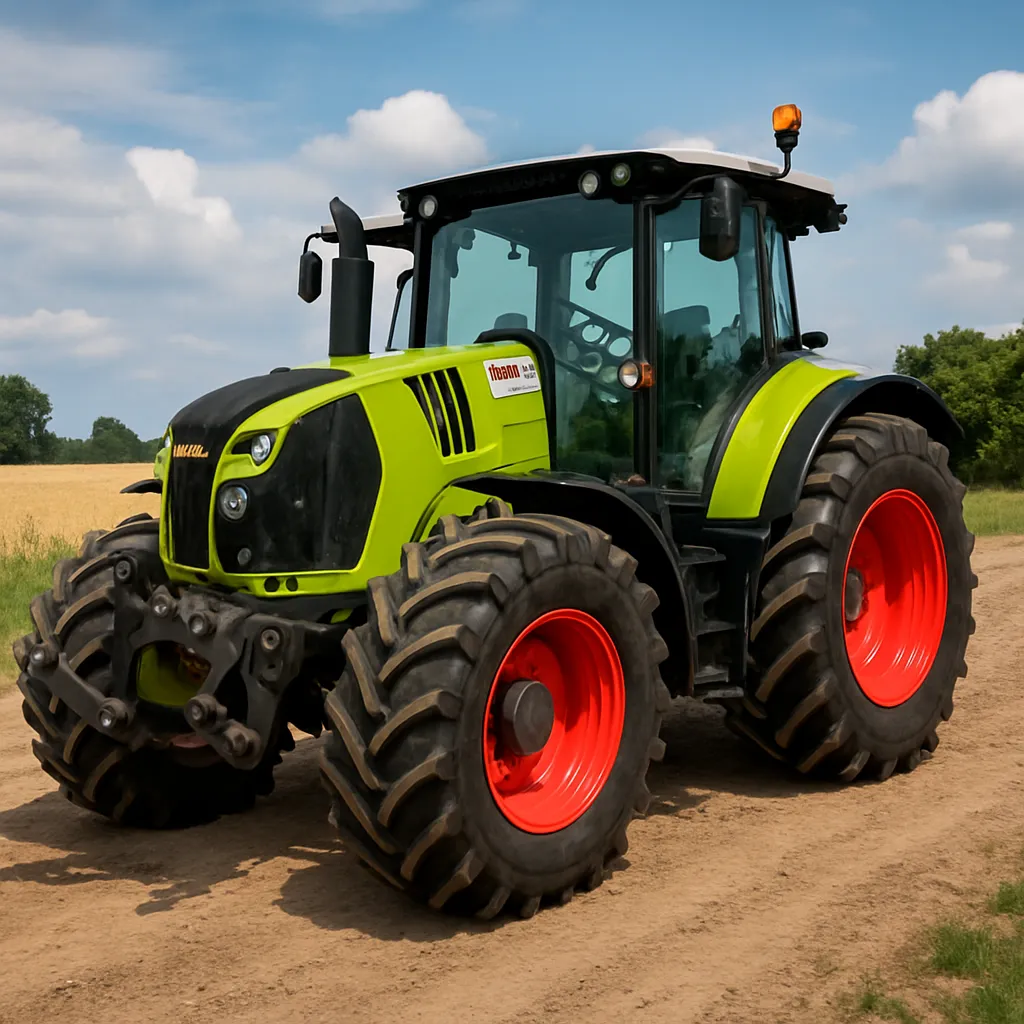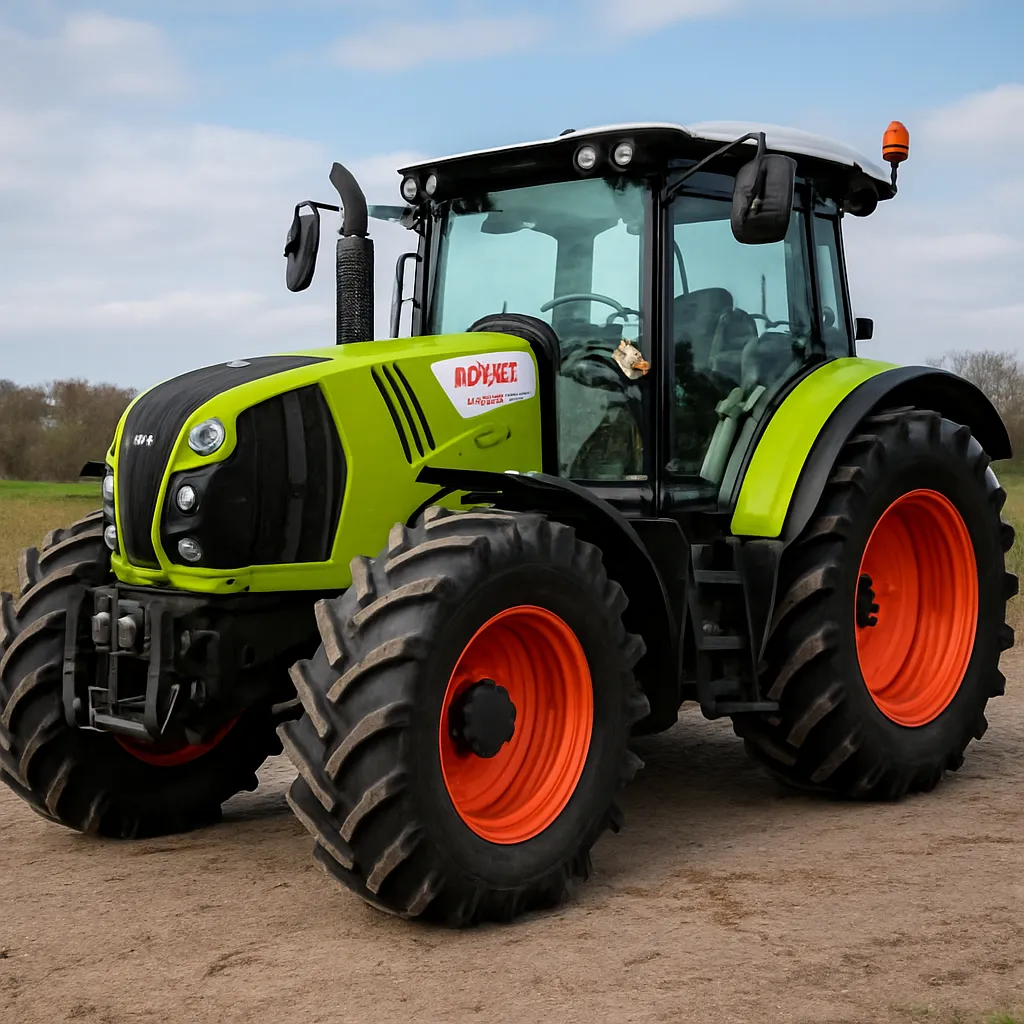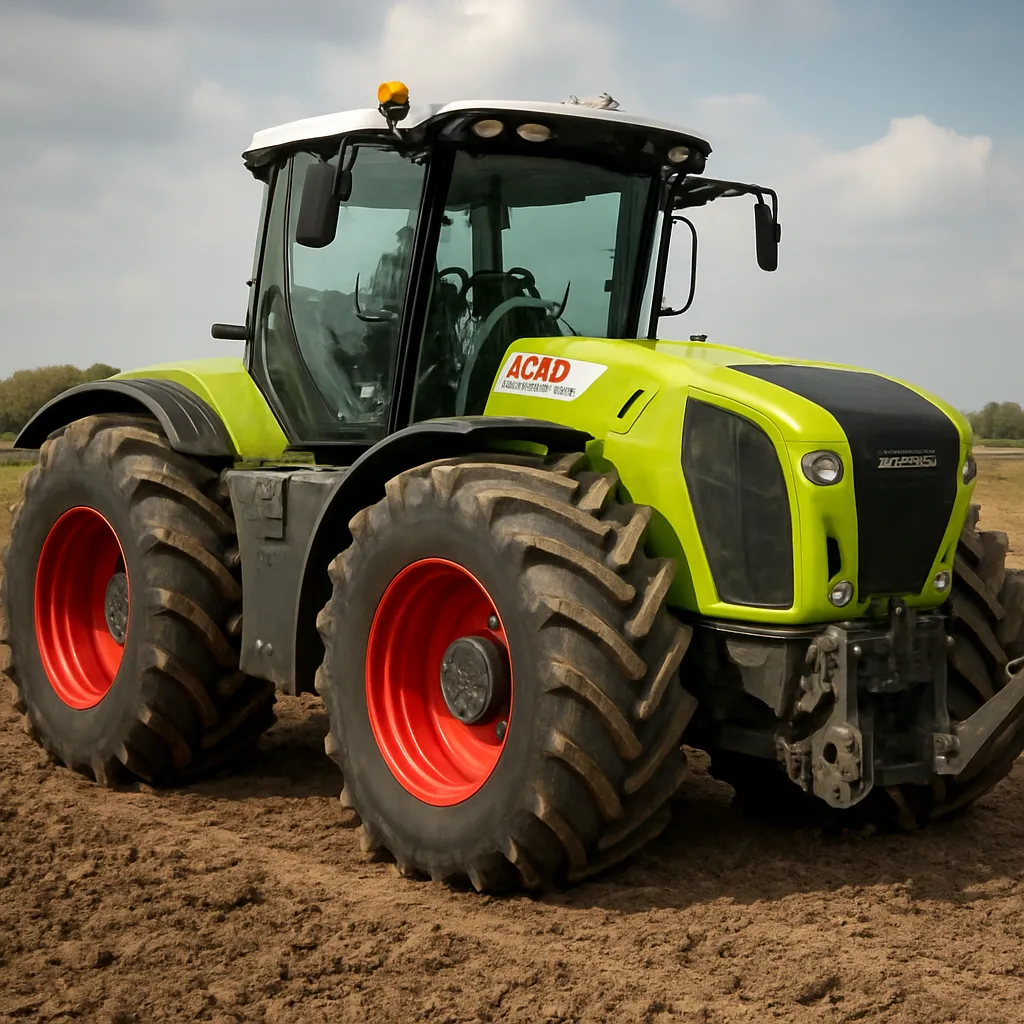
The Claas Xerion 3300 Trac VC stands out as a purpose-built heavy-duty agricultural machine designed to handle the widest range of high-power field tasks. Combining bold engineering solutions, modular attachments and a focus on operator comfort, this tractor is intended for large-scale farms, contractors and specialist operations such as soil cultivation, tanker work and forestry support. In the text below you will find a detailed overview of design features, typical applications, technical characteristics (including commonly cited figures), operational advantages, maintenance considerations and real-world use cases.
Design philosophy and core features
The Claas Xerion family was developed to address the needs of high-horsepower, high-traction applications while preserving maneuverability and implement compatibility. The Claas Xerion 3300 Trac VC embodies that approach: an agricultural tractor with a central cab, robust drivetrain and a layout optimized for both drawn and mounted implements.
- Xerion 3300 identity: Positioned in the middle of the Xerion range, balancing high power with manageable weight and operating costs.
- Articulated chassis and pendulum axle: Allows even weight distribution across all four large wheels, improving traction and flotation in variable soil conditions.
- Cab orientation flexibility: The “Trac VC” configuration emphasizes operator visibility and ergonomics; some Xerion variants offer a rotating cab or enhanced visibility package to effectively operate rear-mounted implements for extended periods.
- High hydraulic and PTO capacity: Designed to power large implements such as heavy cultivators, seed drills, high-flow sprayers and slurry tankers.
- Modular attachment points and optional front linkage: Facilitates front-mounted implements, weights and auxiliary equipment to tune traction and balance for specific tasks.
Technical specifications and performance figures
Technical data for the Xerion 3300 Trac VC varies with model year and optional equipment. Below are commonly reported specifications and operating parameters that describe the typical machine configuration. Where exact factory values differ between years or markets, ranges are given.
- Engine: High-displacement diesel engine from a major supplier (often in the 6–13 liter class depending on generation) designed for heavy-duty torque delivery and long operating hours.
- Horsepower: Rated power commonly around 330 hp (approx. 240–250 kW) depending on rating standard; peak power and electronic management can provide additional short-term output for demanding tasks.
- Torque: Substantial low-end torque to pull large implements; typical peak torque figures are commonly in the range of 1,200–1,800 Nm, depending on engine tuning and turbocharging.
- Transmission: Stepless or continuously variable-style driveline in many Xerion Trac VC variants, permitting fine-ground speed control from near-zero crawl to road speeds (often up to 40–50 km/h with appropriate gearing and approvals).
- Operating weight: Depending on configuration, ballast and implements, typical service weights often lie between 12,000 and 15,000 kg.
- Fuel capacity: Large tanks to support extended fieldwork—typical capacities in the 600–1,000 liter range depending on options.
- Hydraulics and PTO: High-flow hydraulic systems with multiple remote valves (flow rates often in the hundreds of liters per minute) combined with standard and optional PTO outputs to operate heavy machinery.
- Steering and brakes: Articulated steering plus independent wheel braking for tight turning radii, combined with hydraulic or electronically assisted braking systems for safe road travel.
Note: exact specifications depend on production year and specific configuration; consult factory data for precise values used in procurement or compliance activities.
Primary applications and use cases
The Xerion 3300 Trac VC is engineered for demanding applications where continuous power, traction and implement compatibility are critical. Typical applications include:
- Deep tillage and primary cultivation with heavy mounted or trailed cultivators and ploughs, where high traction and consistent speed control reduce fuel consumption and improve field finish.
- Large seedbed preparation and sowing operations, especially when using wide seed drills or multi-pass systems that require stable draft forces across the implement.
- Slurry and manure spreading with large tankers or injectors—where robust hydraulics and hitch capacities are needed to handle high payloads and heavy distribution equipment.
- Transport and logistics on large farms—on-road transfer at regulated speeds transporting trailers, tankers and heavy implements between fields.
- Specialized activities such as forestry edge work, haulage of biomass and remote support for construction or reclamation projects on agricultural land.
- Contracting operations: The tractor’s versatility makes it attractive to contractors handling a diversity of tasks across multiple client farms.
Operator comfort, ergonomics and cab technology
The operator environment is a key differentiator for high-hour machines. The Xerion Trac VC lineup emphasizes comfort, visibility and control ergonomics to minimize fatigue during long shifts.
- Spacious cab with climate control, adjustable seating and low-noise insulation to keep operators comfortable during long campaigns.
- Advanced control layouts: Joysticks and multifunction controllers consolidate implement and drivetrain commands for intuitive operation.
- Visibility: Large glazing and elevated seating position provide outstanding sightlines to both rear and front implements; rotating cab options (on certain variants) allow the operator to face rear-mounted implements without twisting the body, improving ergonomics and work quality.
- Telematics and monitoring systems: Onboard diagnostics, task documentation and remote monitoring suites help managers track fuel use, hours, GPS-guided applications and service needs.
- Suspension: Cab and seat suspension systems reduce vibration exposure, enhancing control precision and operator health.
Attachments, modularity and versatility
One of the Xerion’s strengths is its ability to adapt to many implements and roles. The tractor acts as a platform rather than a single-purpose machine.
- Compatibility with wide cultivators, wide seed drills and high-capacity slurry injectors.
- Front and rear linkage options, including heavy-duty three-point hitches and drawbar attachments for large trailed units.
- High-flow hydraulic outputs with programmable control to match complex implement requirements such as section control, variable rate fertilizer application and folding mechanisms on wide implements.
- Optional counterweights and ballast packages to tune ground pressure for specific tasks and protect soil structure with large-diameter tyres or dual wheels.
Performance, fuel efficiency and operating economics
Performance metrics for machines like the Xerion 3300 are influenced by implement type, soil conditions and operator technique. The following summarizes what to expect and how to optimize economics:
- Specific fuel consumption: Modern powerplants and electronic engine management reduce fuel burn per hectare compared with older tractors in the same power class. Benchmarked field consumption often varies widely (from low single digits to double-digit liters per hectare) depending on the task; careful matching of gear, engine speed and implement depth is essential for economy.
- Workrate: High horsepower combined with wide implement attachments increases area coverage per hour, reducing labour and machine hours per hectare and improving cost-efficiency for large farms.
- Resale and lifecycle value: Robust construction and flexible role capability help maintain resale value, particularly if the machine is well-documented and maintained.
- Maintenance intervals and parts availability: Predictable service intervals, accessible service points and widespread dealer networks reduce downtime and total cost of ownership.
Maintenance, serviceability and lifecycle management
Long-term reliability requires a proactive maintenance approach. Key recommendations for owners and fleet managers:
- Adhere to factory-recommended service intervals for oil, filters and driveline inspections—heavy-duty tractors often need more frequent checks when used for prolonged high-load tasks.
- Monitor hydraulic oil condition and implement quick visual inspections of hoses, connectors and couplings before every shift; hydraulic failures can lead to expensive repairs and operational downtime.
- Use telematics and onboard diagnostics to schedule preventive maintenance based on actual use (hours, loads and operating modes) rather than calendar time alone.
- Keep a small inventory of critical consumables (filters, belts, common sensors) to minimize waiting time for routine repairs in peak seasons.
- Invest in operator training: correct coupling, hitching and ballast techniques reduce wear and tear and prevent damage to implements and PTO systems.
Safety, compliance and operator training
Operating a high-power machine requires robust safety systems and well-trained operators. Xerion-class tractors typically include:
- Rollover and falling object protection integrated into cab design, plus visibility aids such as cameras for wide implement operations.
- Speed-limiting and roadworthy features for legal on-road transport, including lighting packages, mirror systems and braking configurations consistent with regional transport regulations.
- Operator training programs to ensure safe hitching and operation of both tractors and implements—emphasizing PTO safety, hydraulic hazards and safe loading practices.
Environmental considerations and emissions
Large agricultural tractors are under increasing scrutiny for emissions and soil impact. The Xerion 3300 Trac VC aligns with modern requirements by offering:
- Engines configured to meet current emissions standards (e.g., Stage IV / Tier 4 Final in many markets) using selective catalytic reduction (SCR) and particulate control technologies.
- Design and ballast options that help manage ground pressure, reducing soil compaction when combined with correct tyre selection and controlled implement depths.
- Potential for integration with precision farming tools (GPS-controlled sectioning, variable rate application) to cut chemical and fertilizer use and reduce environmental footprint.
Comparisons and market position
Compared with other high-horsepower articulated or four-wheel-drive tractors, the Xerion 3300 Trac VC differentiates itself through a combination of:
- Exceptional implement compatibility and hydraulic capacity for continuous heavy duty fieldwork.
- Operator-focused cab solutions and machine modularity that suit contractors and large-farm operations.
- Balance between raw power and maneuverability offered by its articulated design, often providing smaller turning radii than comparably powered tractors with longer wheelbases.
Real-world examples and use case summaries
Examples of how operators use the Xerion 3300 Trac VC:
- Large arable farms—deploying the tractor with a 9–12 meter cultivator in the spring for primary tillage, then switching to a wide seed drill for sowing operations, dramatically reducing field pass counts.
- Contractors—using the Xerion for slurry application in spring and autumn, where the powerful hydraulics and high drawbar capacities enable the handling of large tankers and injection systems efficiently.
- Biomass and harvesting support—hauling large trailers from field to storage and servicing combines or other large machines during peak seasons.
Final remarks and procurement considerations
When considering a machine such as the Xerion 3300 Trac VC, buyers should evaluate:
- Match of implement compatibility to the operator’s core tasks: The highest value comes when the tractor is regularly used with large implements whose widths or weights require the Xerion’s unique capabilities.
- Total cost of ownership: Factor in fuel, maintenance, operator training and potential productivity gains from higher workrates and lower pass counts.
- Dealer support and telematics: Access to quick service, calibrated precision farming integration and parts availability will influence uptime and lifecycle costs.
Overall, the Claas Xerion 3300 Trac VC is a powerful and versatile platform built for demanding agricultural tasks. With a focus on operator comfort, adaptable configurations and heavy-duty capability, it is well-suited to large-scale farming and contracting operations that require sustained power, high hydraulic output and broad implement compatibility. For exact, model-year-specific figures (engine displacement, exact torque numbers, factory-approved weights and tank capacities), consult Claas technical documentation or an authorized dealer to ensure full compliance with local regulations and to match the machine precisely to intended tasks.