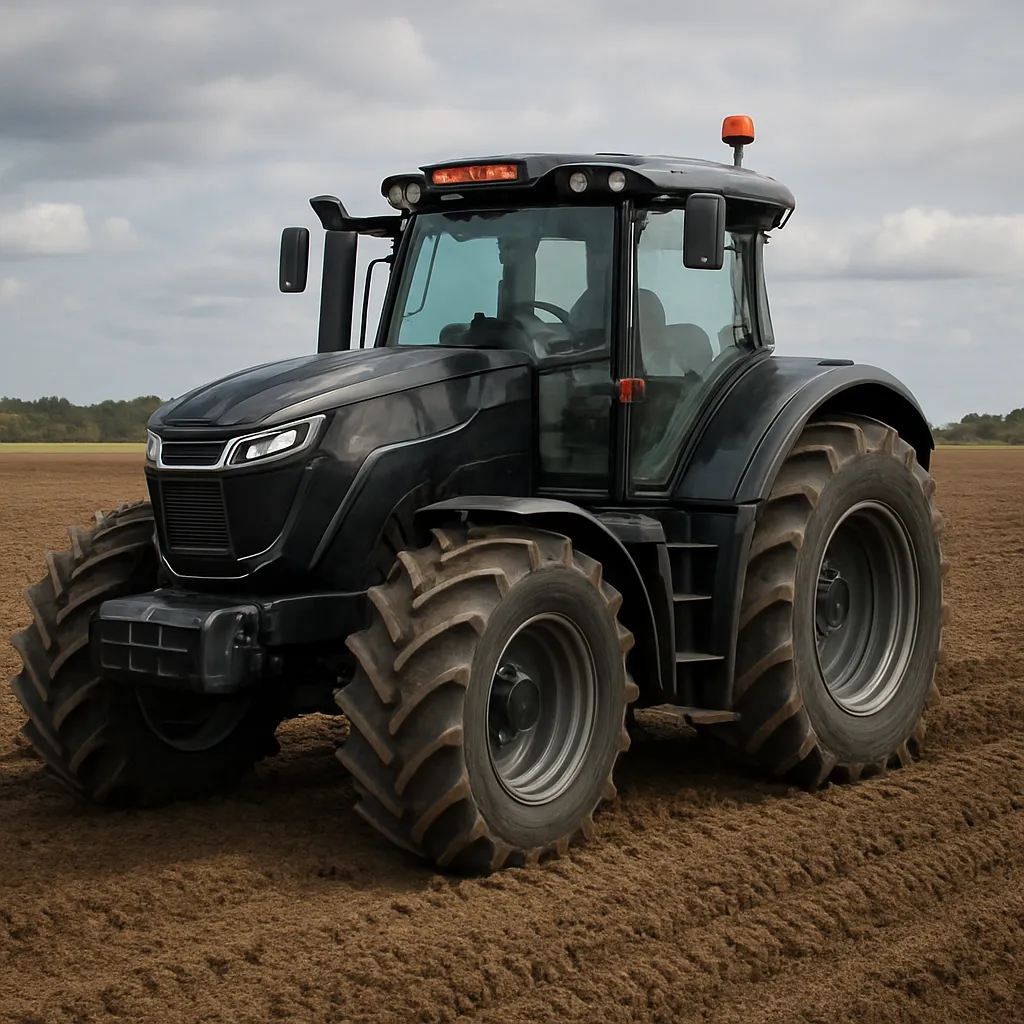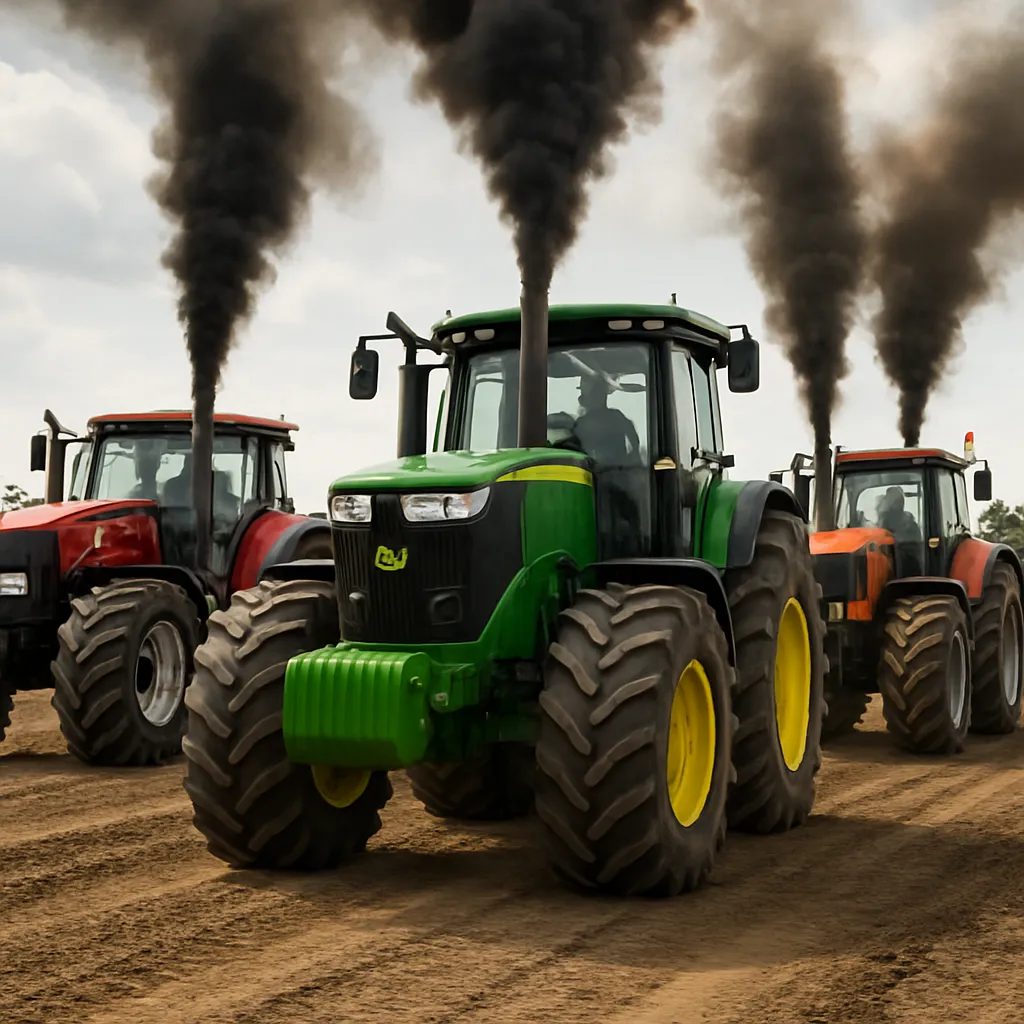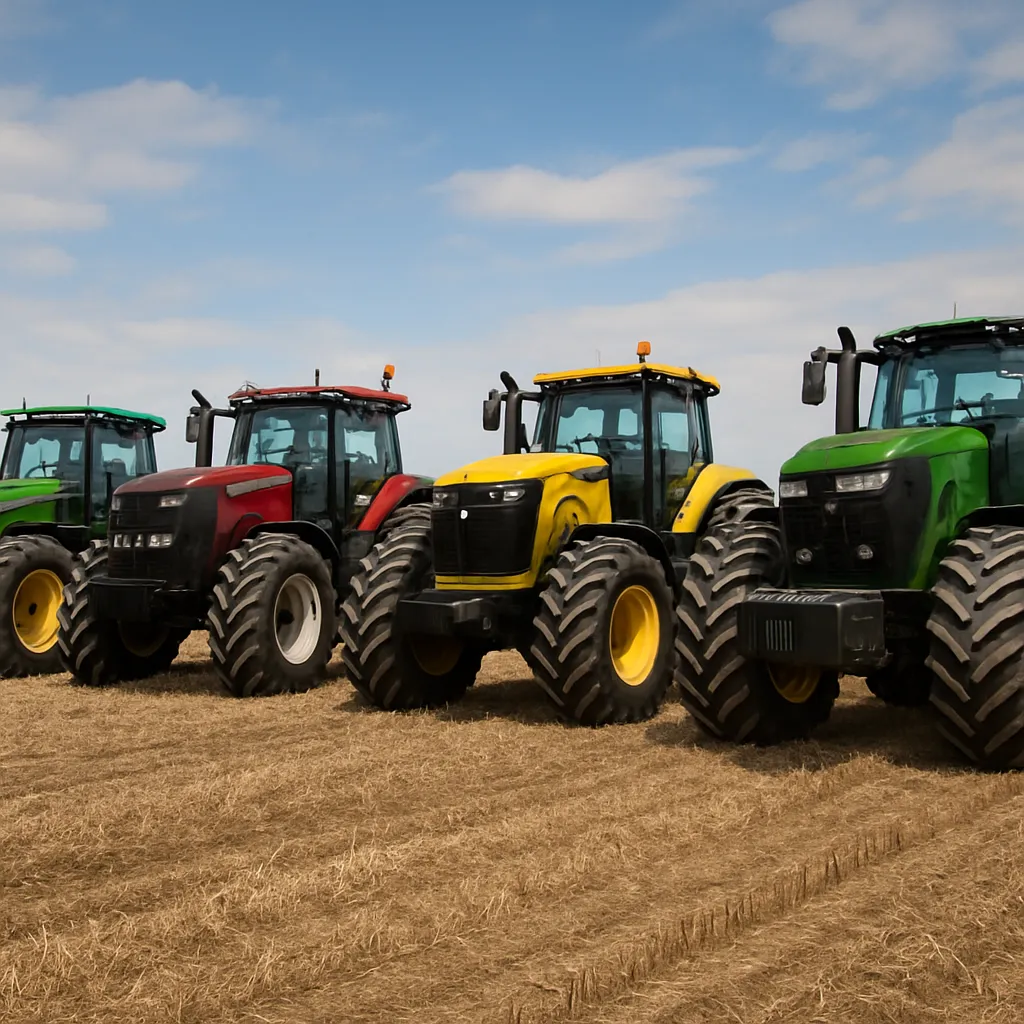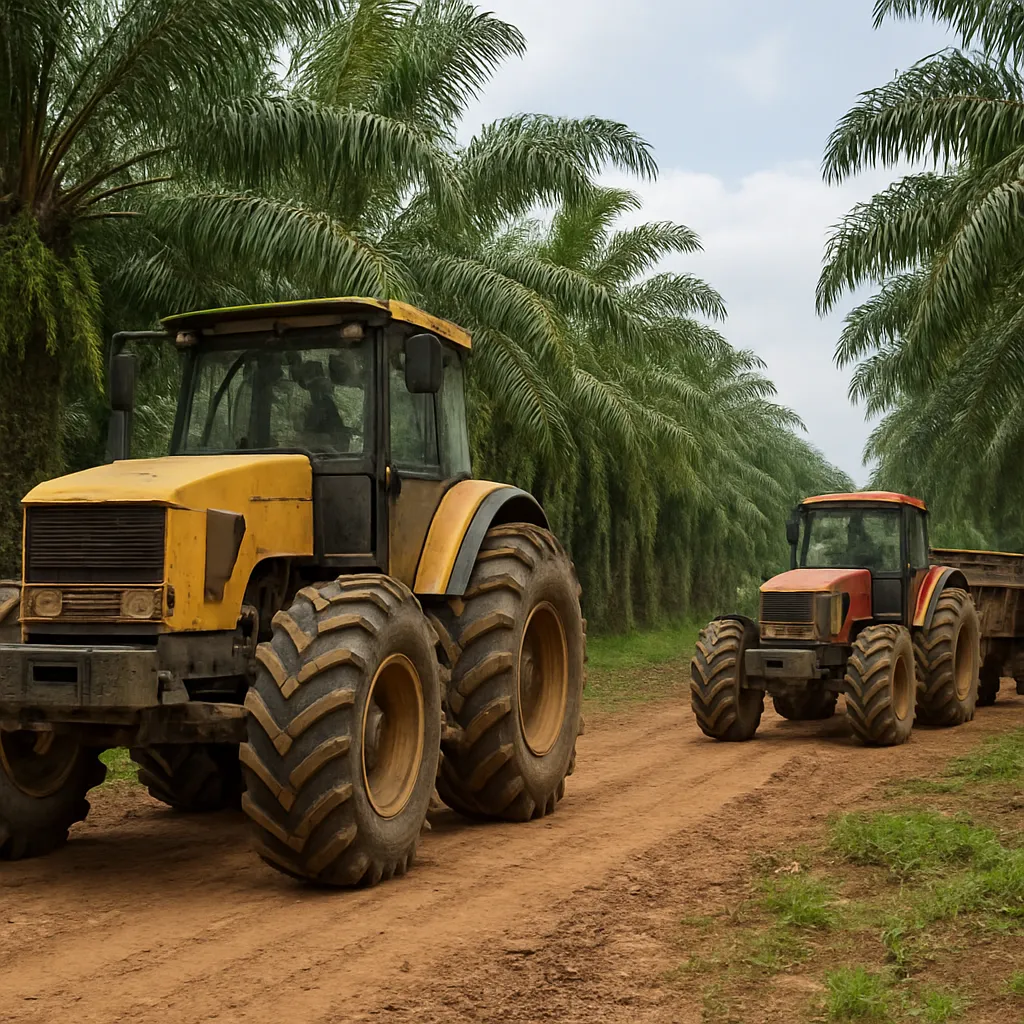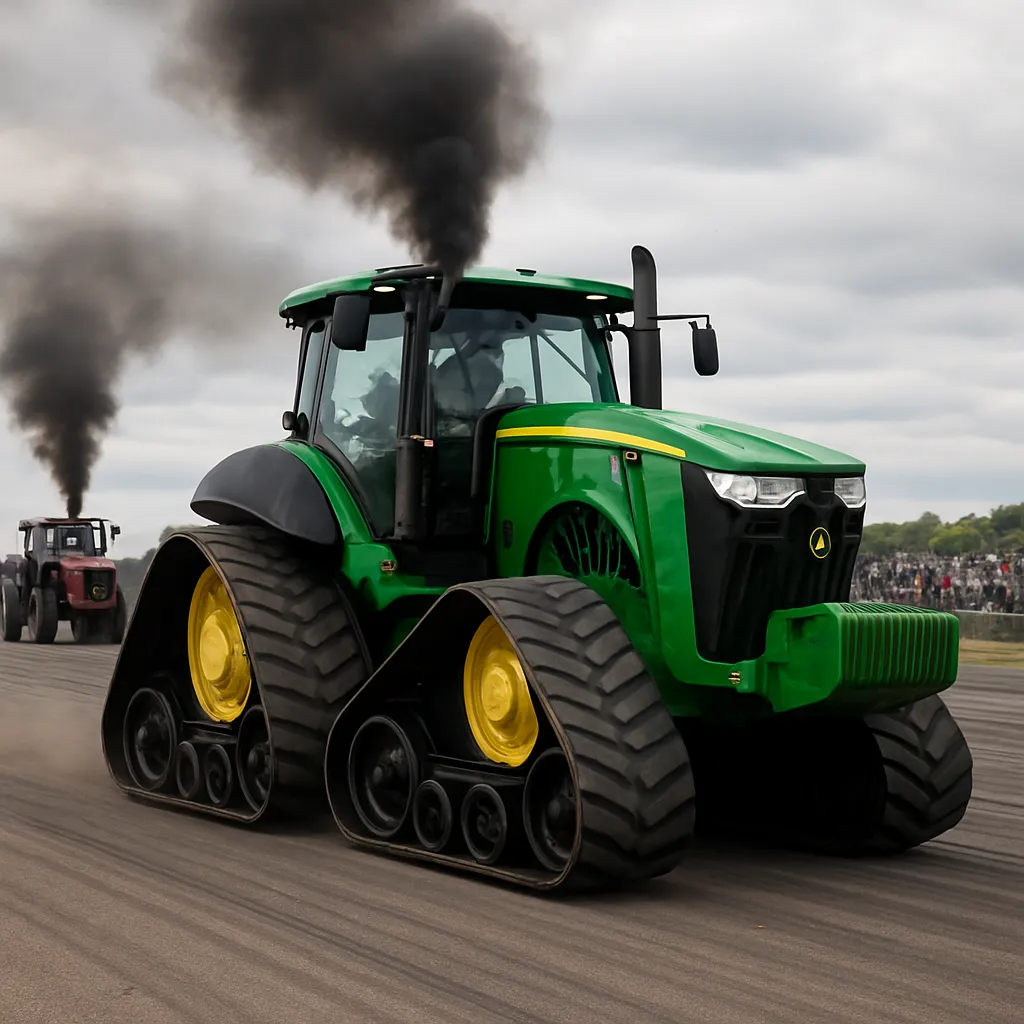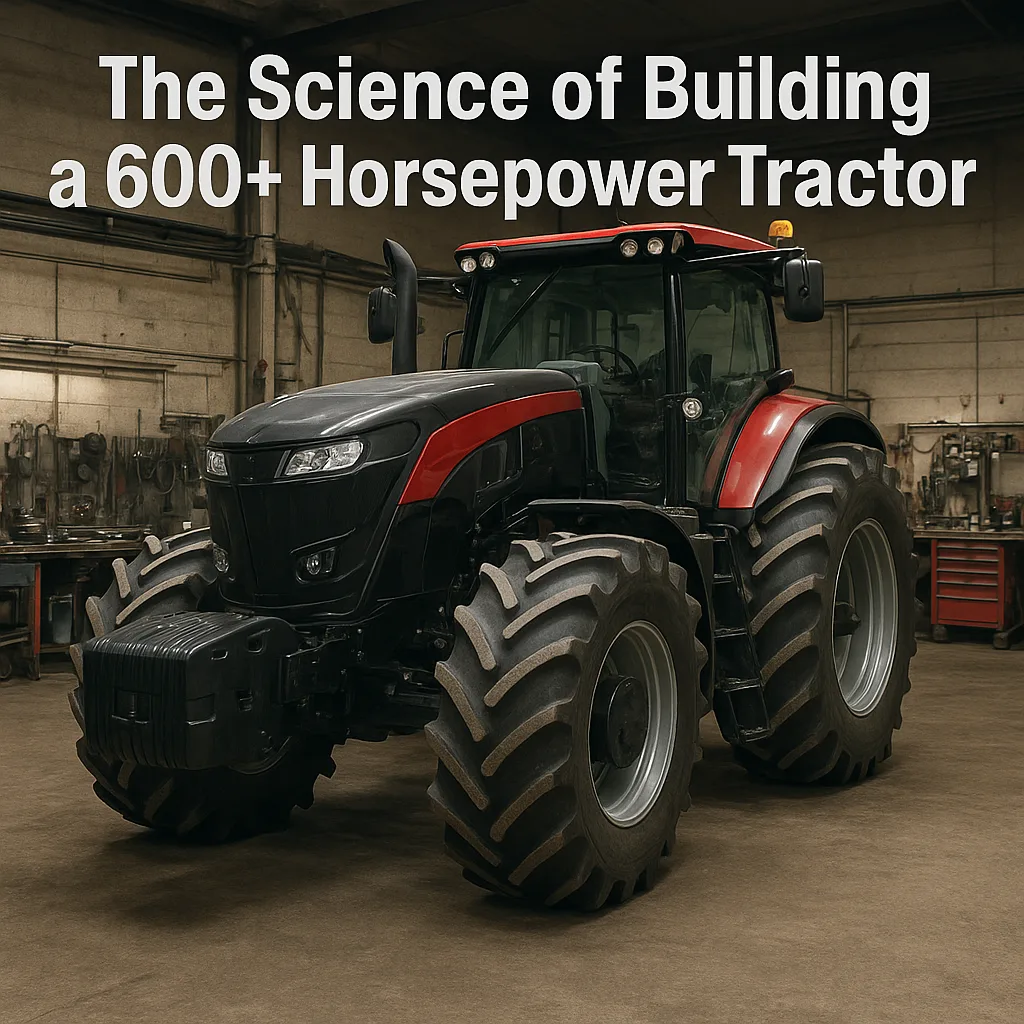
Building a 600+ horsepower tractor requires a seamless integration of **power**, advanced **technology**, and meticulous **design**. This article delves into the world of the biggest tractors on the market, exploring the engineering marvels that enable such colossal machines to revolutionize modern agriculture. From the engine block to the control console, each component plays a vital role in achieving unprecedented levels of **efficiency** and **reliability**.
Engineering the Heart: High-Horsepower Engines
The core of any mega-tractor is its engine. Delivering over 600 hp demands exceptional **durability** and robust materials to withstand relentless workloads. Leading manufacturers employ advanced **turbocharging** systems, multi-stage intercooling, and precision fuel injection to maximize **torque** while minimizing emissions. A typical engine block is cast from high-grade iron alloys, reinforced with special coatings to resist corrosion and wear under extreme temperatures.
- Variable Geometry Turbochargers (VGT) for instant boost response
- Common-Rail Fuel Injection delivering up to 2,000 bar pressure
- Exhaust Gas Recirculation (EGR) and Diesel Particulate Filters (DPF) for compliance with Tier 4 standards
- Advanced cooling loops with separate circuits for coolant and transmission fluid
These systems ensure a steady flow of power even in challenging conditions, whether pulling deep-ripping plows or hauling oversized implements. Engineers perform rigorous bench tests, simulating thousands of continuous hours at peak loads to certify **reliability** before field deployment.
Optimizing the Drivetrain: Transmission and Traction
A high-output engine demands an equally capable transmission. Modern tractors often feature continuously variable transmissions (CVT) or multi-speed powershift units with up to 24 forward and 8 reverse gears. CVTs allow farmers to select the exact forward speed, maintaining the engine at its most **efficient** rpm.
Powershift vs. CVT
- Powershift: Offers discrete gear ratios, high torque handling, and mechanical simplicity
- CVT: Provides seamless acceleration, fuel economy gains, and operator comfort
Beyond gearboxes, the final drive and differential locks are engineered to distribute torque evenly, preventing wheel slip. Advanced traction control systems monitor wheel speed and adjust power distribution in real-time, optimizing field performance.
Chassis, Tires, and Tracks: Foundations of Stability
Supporting a 20-ton-plus tractor requires a fortified chassis, heavy-duty axles, and specialized traction solutions. Many mega-tractors now offer both wheel and track configurations, allowing operators to choose based on soil type and field conditions.
- Radial flotation tires with deep lugs for minimal soil compaction
- Quad-track systems that spread weight over a larger footprint
- Adjustable track gauge for varying crop row widths
- Centralized tire inflation systems to optimize ground contact pressure
The combination of a rigid frame and adaptive traction keeps massive implements stable at high speeds, improving planting accuracy and reducing fuel consumption. Special attention is given to the geometry of drawbars and three-point hitches to handle substantial **payloads** without fatigue.
Hydraulics and Control Systems: Precision at Scale
Hydraulic systems on these tractors can deliver over 350 liters per minute at pressures exceeding 300 bar. This hydraulic muscle drives everything from multi-section sprayers to air-seeder carts with pinpoint **precision**.
Electronic Integration
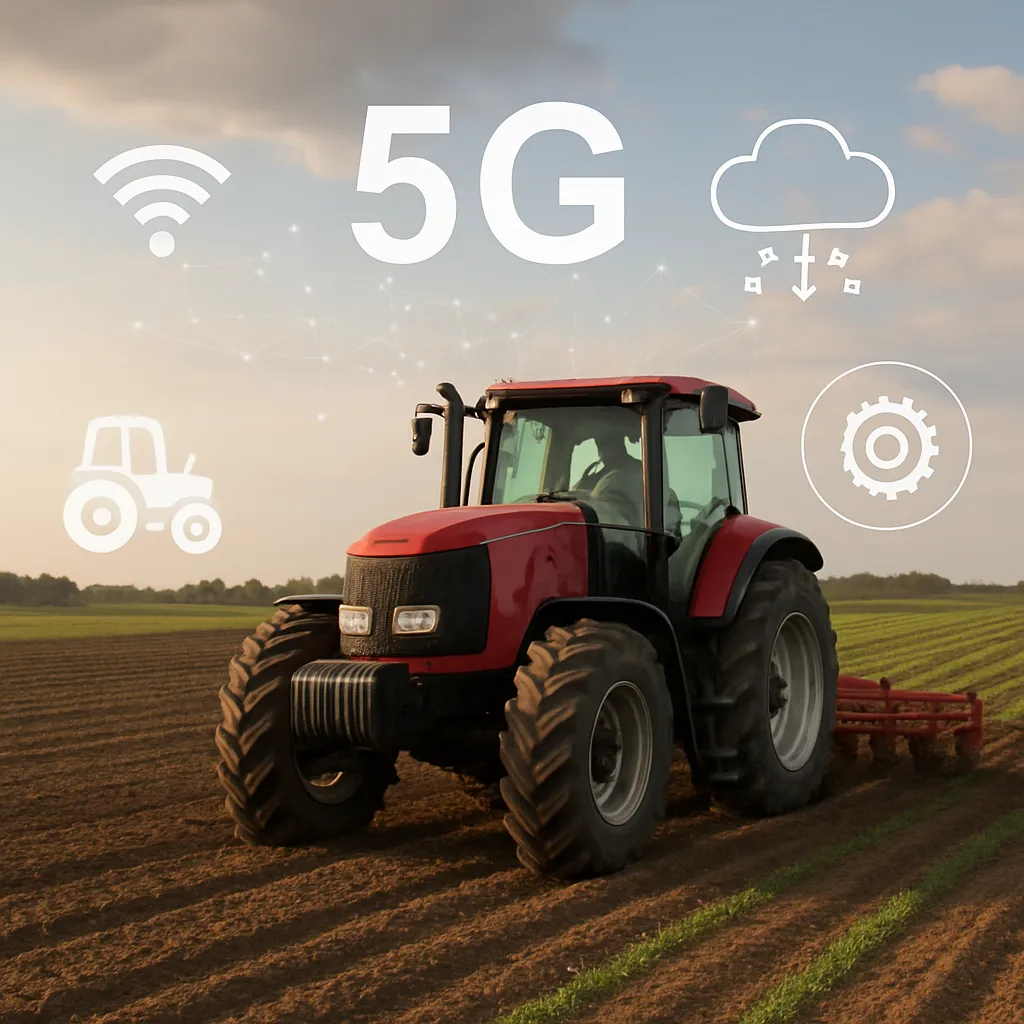
State-of-the-art tractors are networked through CAN bus or ISOBUS protocols, allowing the engine, transmission, hydraulics, and GPS guidance to operate as a unified system. Operators use full-color touchscreen terminals to:
- Set implement parameters
- Monitor real-time fuel consumption and engine health
- Engage automated steering and section control
- Download prescription maps for variable-rate applications
Such integration reduces operator fatigue and enhances consistency across vast acreage, leveraging automation to maintain peak **efficiency**.
Applications and Practical Performance
600+ hp tractors excel in demanding tasks that once required multiple smaller units. Common applications include:
- Deep tillage and subsoiling to break hardpan layers
- High-speed seedbed preparation over thousands of hectares
- Transporting heavy grain carts and bulk spreaders
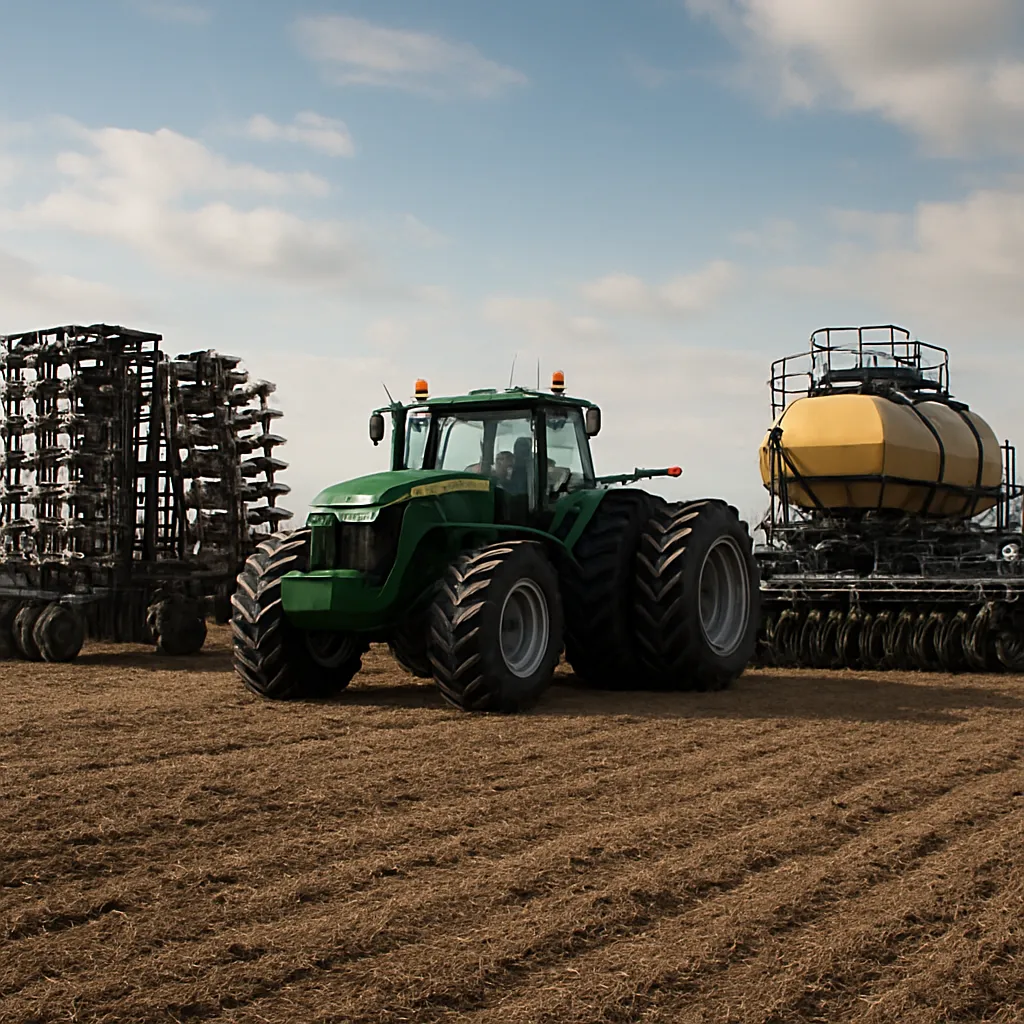
- Operating large air drills and planters with up to 15-meter booms
Farmers report that a single mega-tractor can replace two or three conventional units, lowering overall fuel usage and maintenance costs. The enhanced **operator comfort**—featuring air suspension seats, climate control, and noise reduction enclosures—further boosts long-day productivity.
Leading Manufacturers and Models
Major brands compete fiercely in the high-horsepower segment. Notable models include:
- Brand A Model X: 625 hp, CVT, quad-tracks
- Brand B Titan: 680 hp, 24×8 powershift, advanced telematics
- Brand C UltraMax: 700+ hp prototype featuring hydrogen-diesel hybrid power
Each manufacturer invests heavily in R&D, pushing the limits of **efficiency**, emissions reduction, and operator safety. Field demonstrations and customer feedback loops accelerate improvements, ensuring that every new release outperforms its predecessor.
Future Trends: The Next Generation of Mega-Tractors
Looking ahead, the biggest tractors are set to become even smarter and greener. Emerging trends include:
- Hybrid and electric powertrains to reduce lifecycle emissions
- AI-driven adaptive control systems that learn field characteristics
- Swarm robotics, coordinating multiple autonomous units from a central hub
- Biometric safety features ensuring operator alertness
As agricultural demands grow, the marriage of **innovation** and raw **power** will define the next wave of mega-tractors. These engineering behemoths will continue to lead the charge, turning acres of data into tangible productivity gains and reshaping the future of farming.