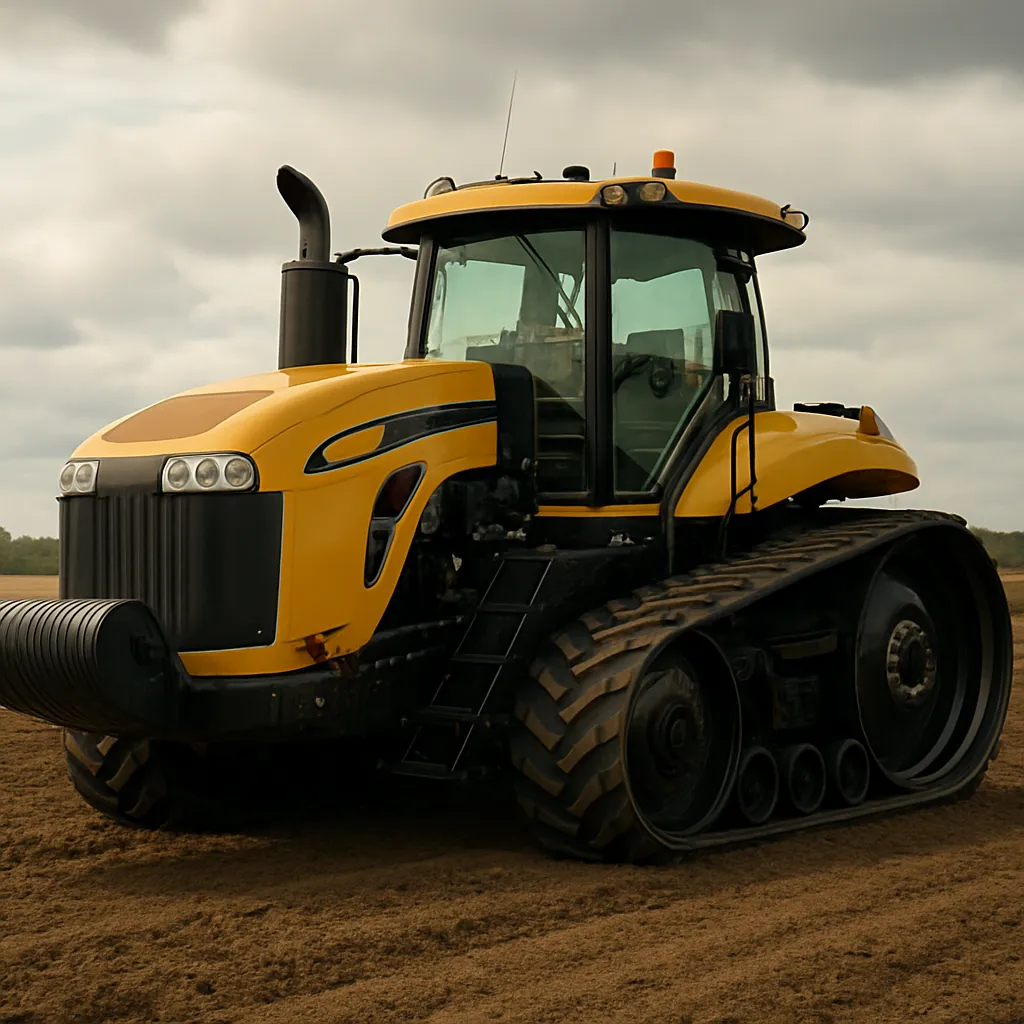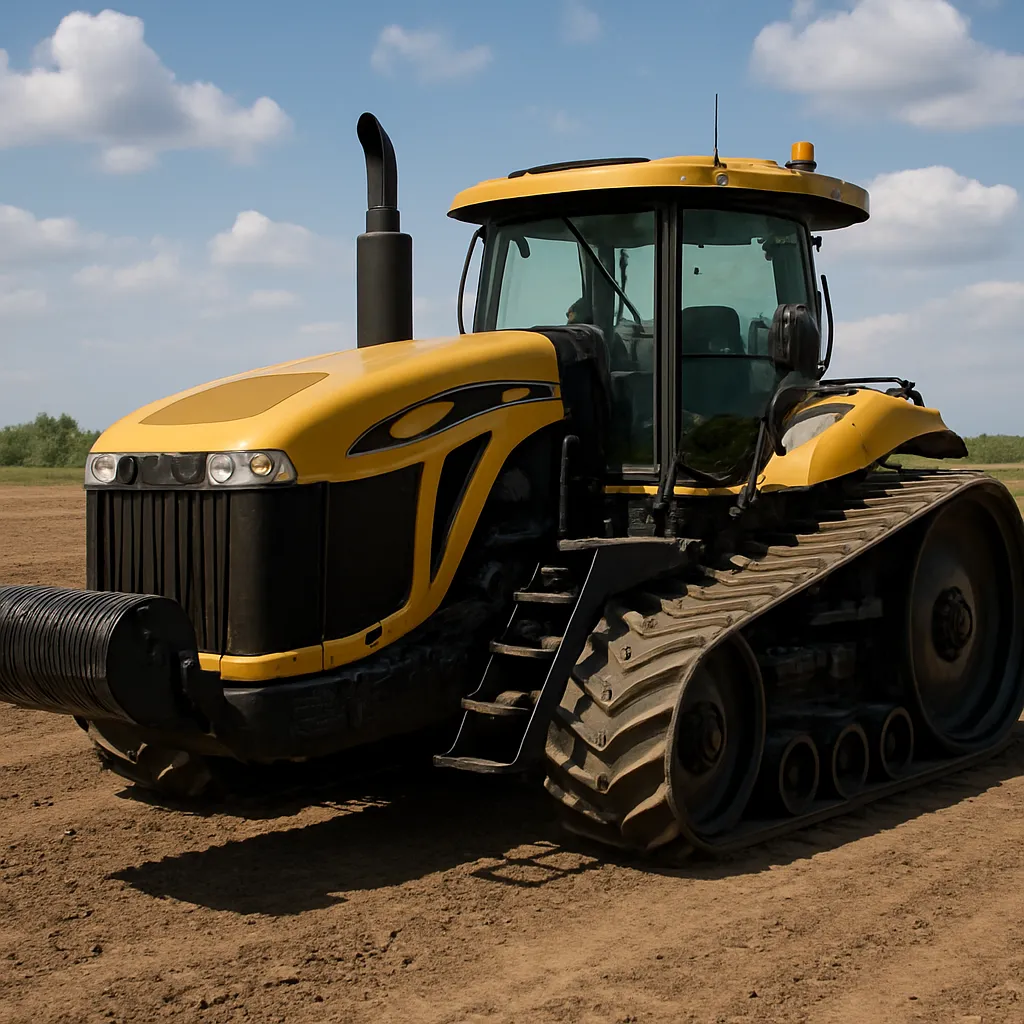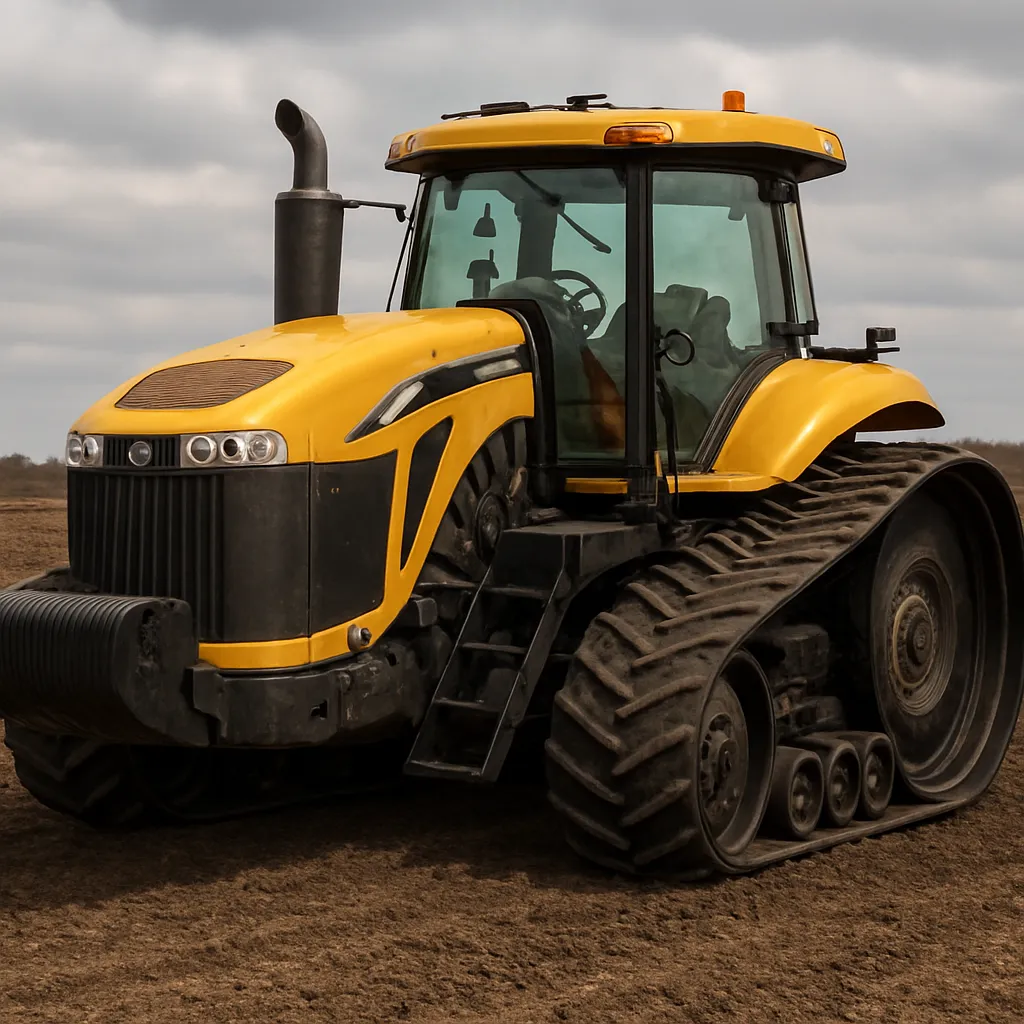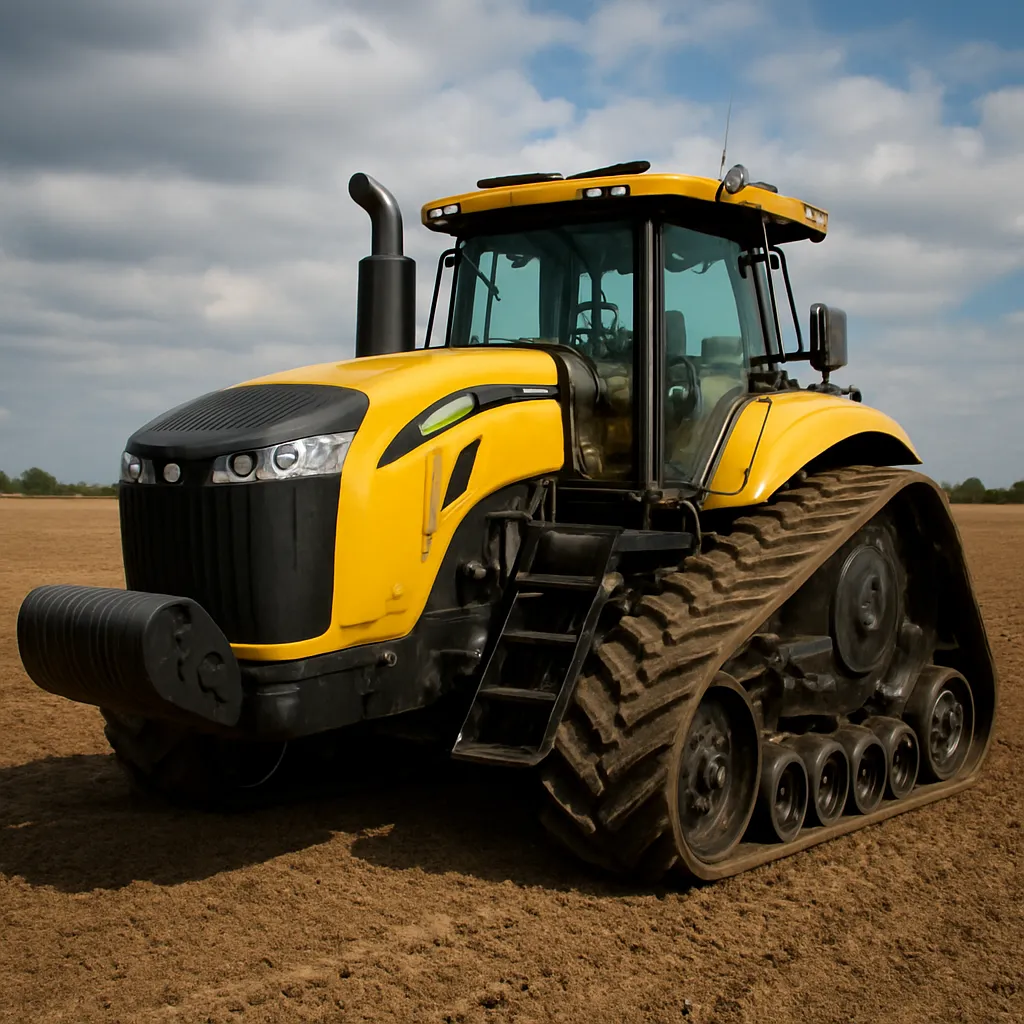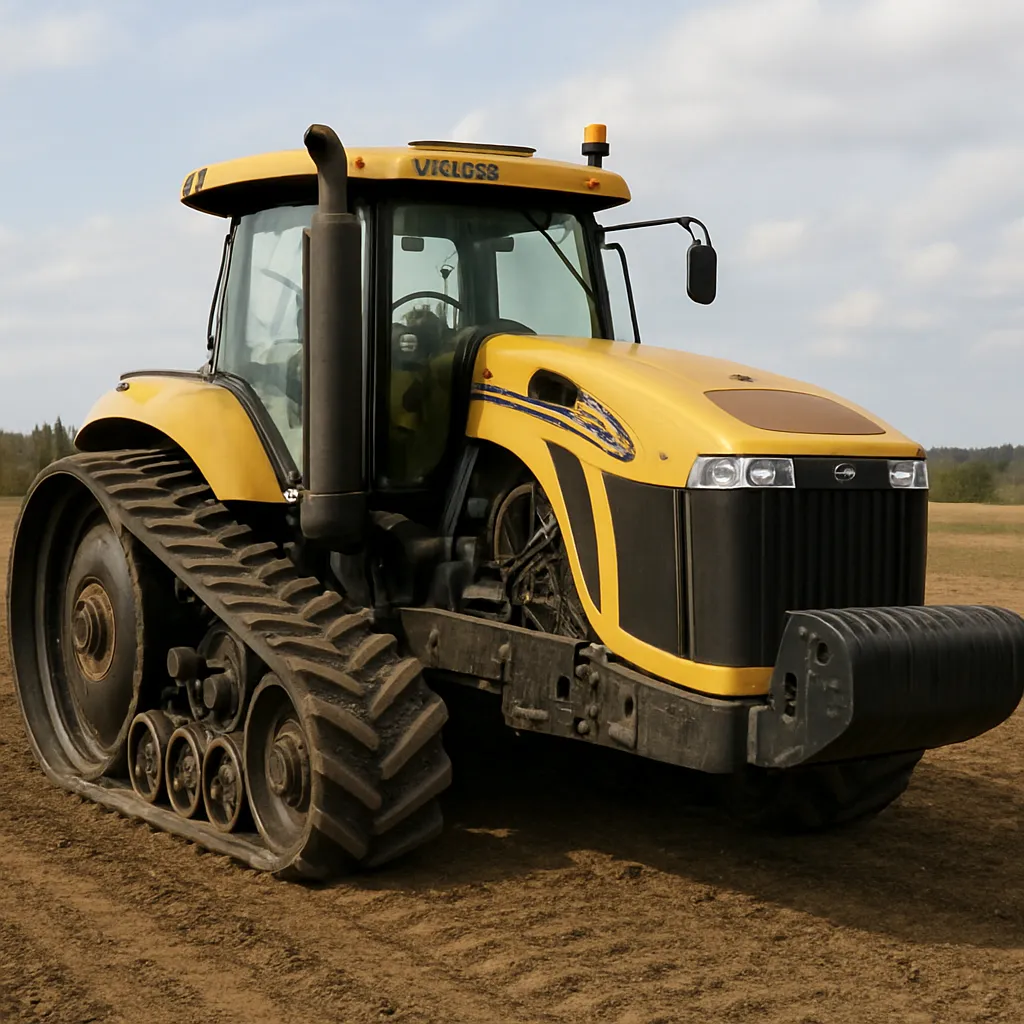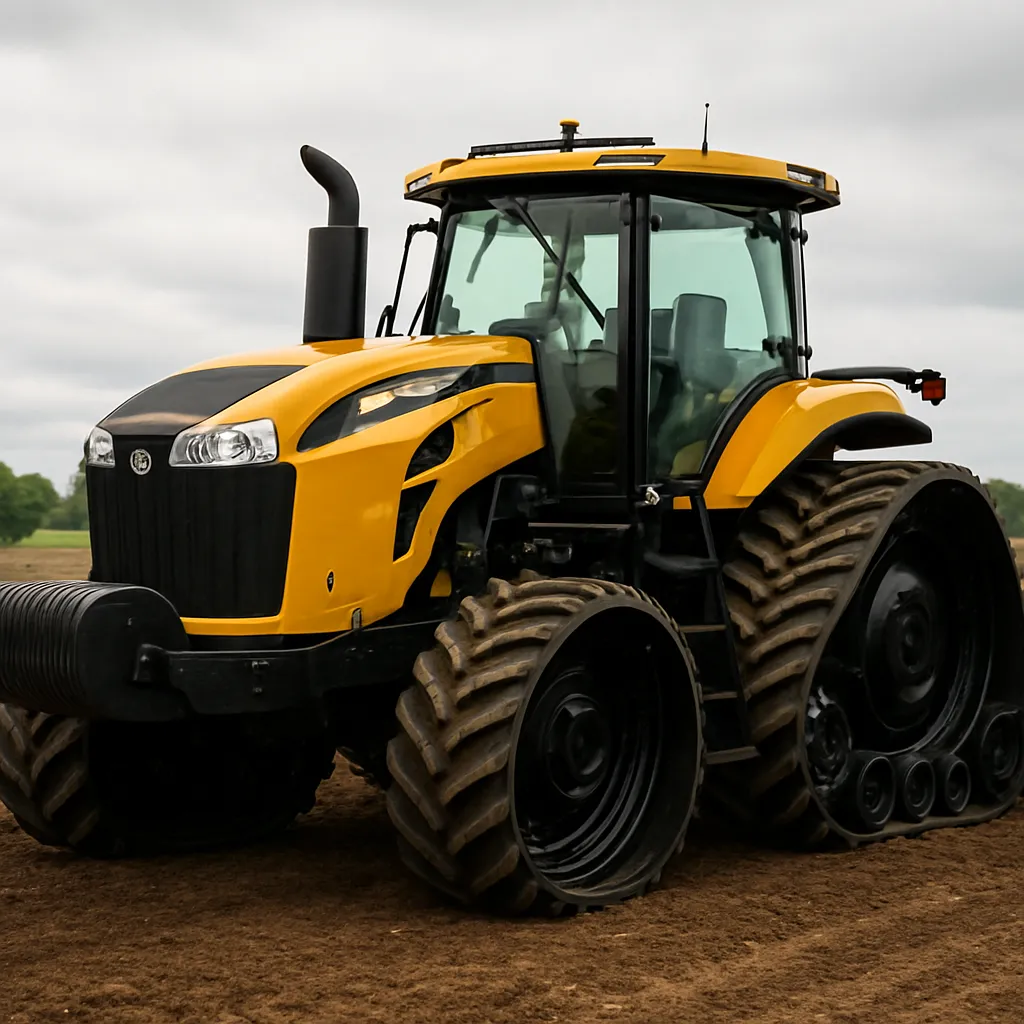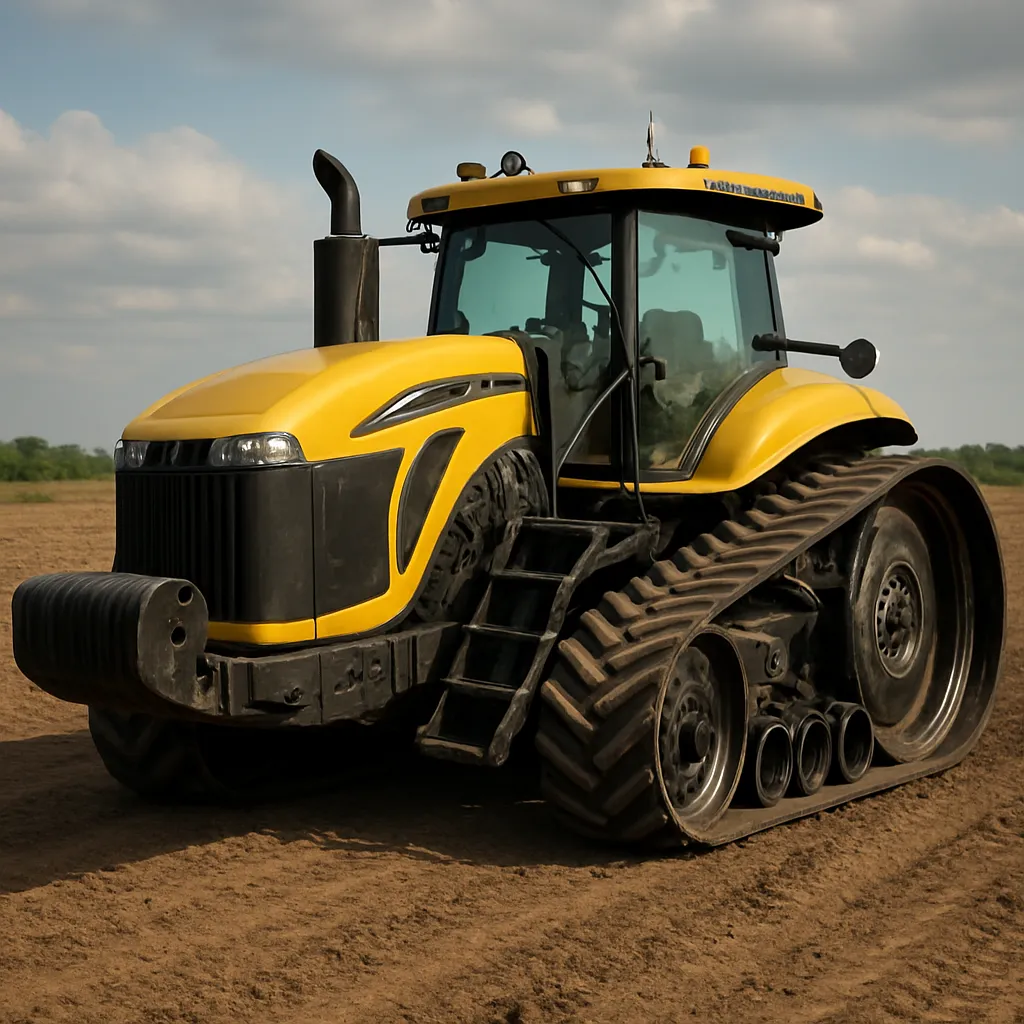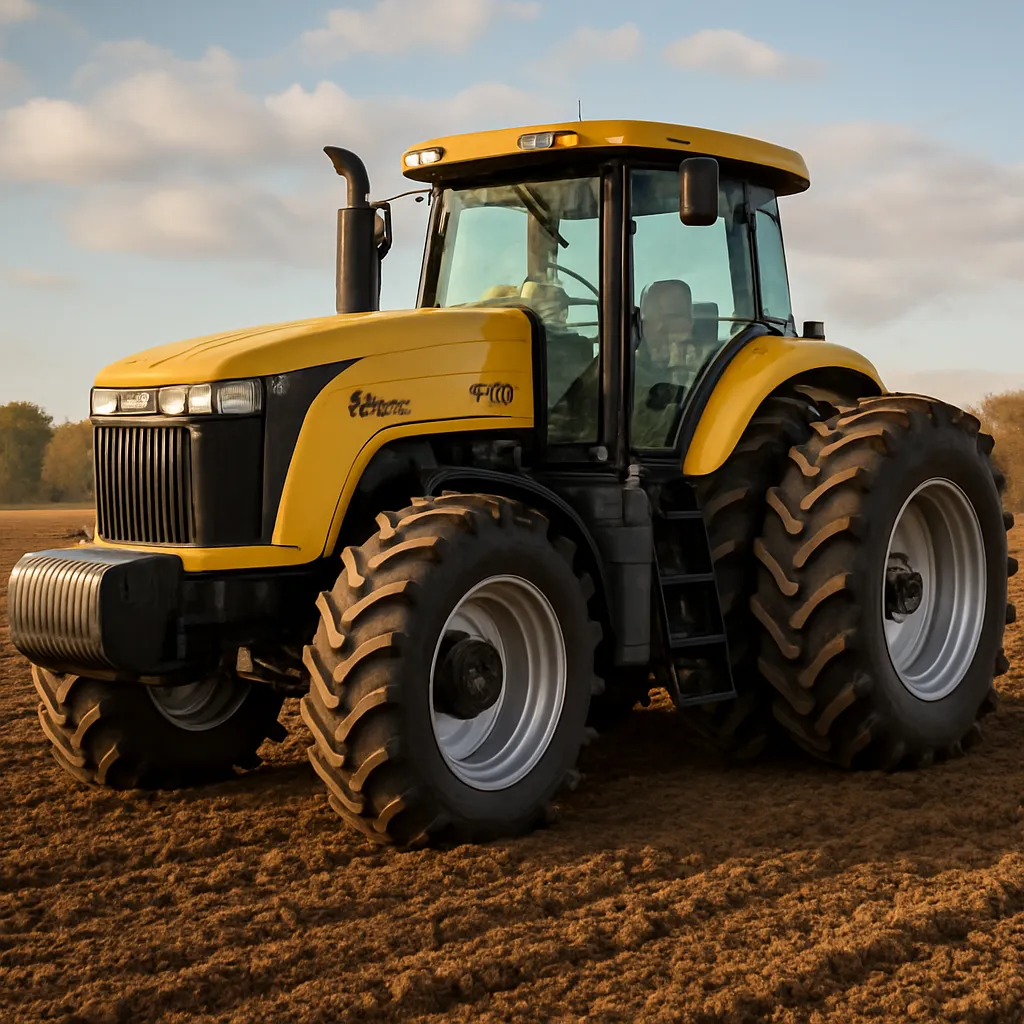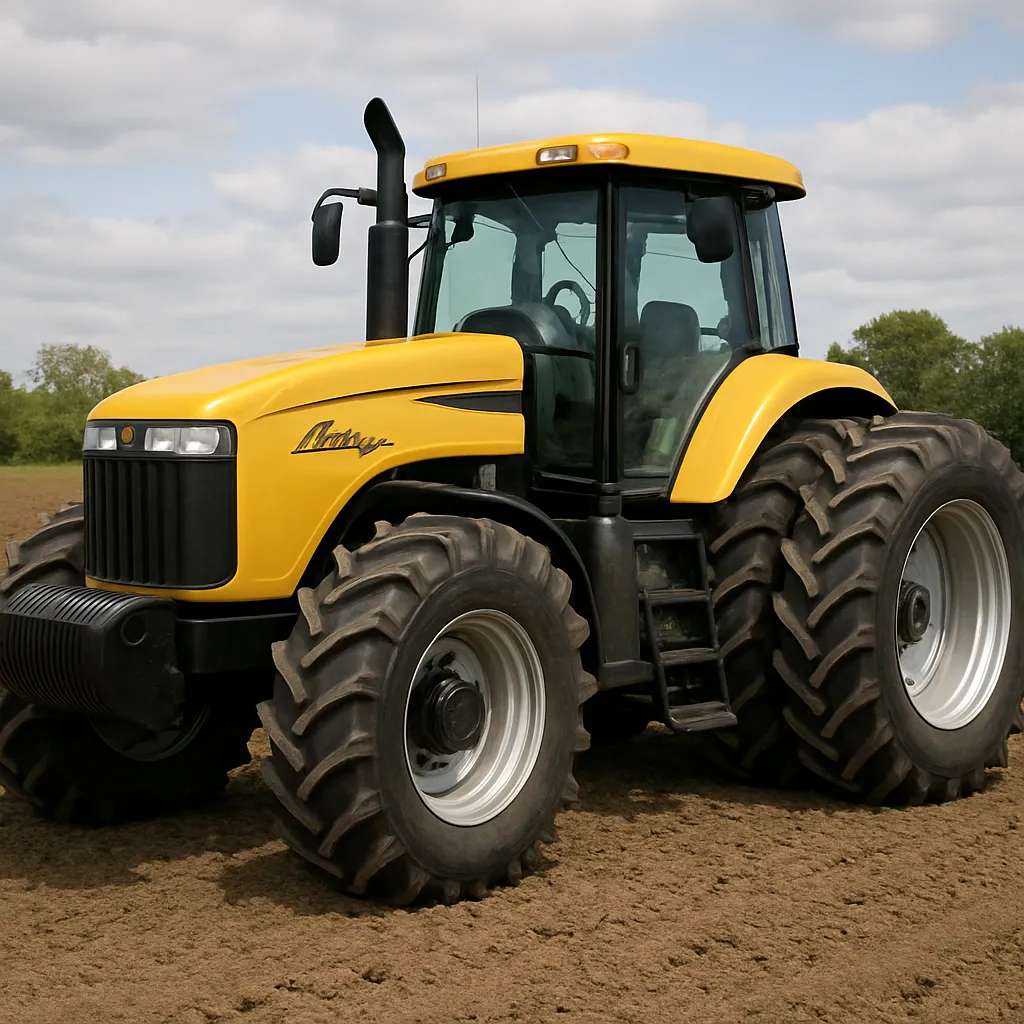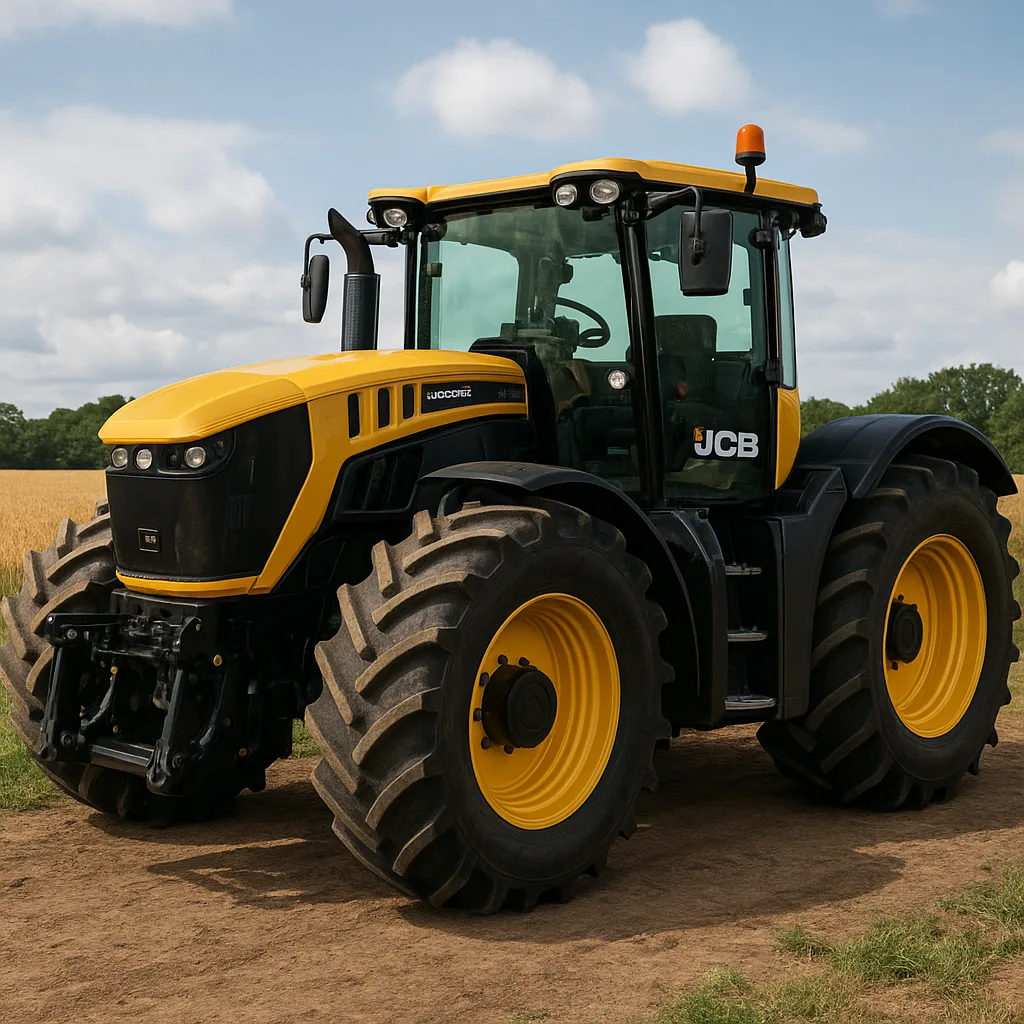
The JCB Fastrac 4160 is part of JCB’s long-running Fastrac family, a line of high-speed, multi-purpose agricultural tractors designed to combine field capability with comfortable, road-friendly performance. Known for its distinctive full-axle suspension and emphasis on fast, efficient transport between jobs, the Fastrac series has been marketed toward farmers and contractors who need a machine capable of both heavy towing and precise fieldwork. This article explores the design, applications, technical characteristics, operational advantages, and market context of the JCB Fastrac 4160, offering practical information for prospective buyers, operators, and agricultural enthusiasts.
Design philosophy and core features
From the outset, the Fastrac line aimed to bridge the gap between conventional tractors and road-going vehicles. The 4160 model embodies that approach by prioritizing a balance between agricultural capability and on-road performance. Key design priorities include comfortable long-distance travel, stable high-speed towing, and adaptable hydraulics and linkage systems to handle a wide variety of implements.
Chassis and suspension
The Fastrac series is best known for its full-axle, coil-sprung suspension system that cushions both the front and rear axles. On the 4160 this translates to a smoother ride across rough fields and on roadways, reducing operator fatigue and enhancing implement stability. The suspension also improves traction by maintaining more consistent ground contact under variable terrain. The combination of chassis rigidity and independent axle movement makes the 4160 well-suited to mixed-use operations where travel distances between fields, yards and work sites are significant.
One of the most notable attributes is the tractor’s suspension-driven stability at higher road speeds, which sets it apart from many conventional tractors that either have limited speeds or compromise on ride comfort.
Engine and powertrain
JCB has equipped Fastrac models with engines and transmissions appropriate for both fieldwork and road travel. The 4160 nomenclature typically indicates a machine in the 160-horsepower class — roughly equivalent to about 119 kW — although exact outputs can vary depending on market specification, emissions package and optional tuning. The engine is usually a turbocharged diesel with an emphasis on torque at low to mid rpm ranges, which benefits pulling power and PTO-driven tasks.
- Approximate rated power: around 160 horsepower (consult specific model year data for exact rating)
- Engine type: turbocharged diesel, designed for torque and durability
- Fuel system: direct injection common-rail on more recent versions for improved fuel economy and emissions control
The powertrain is configured to deliver usable power through the PTO and through robust drawbar performance. Transmission options across the Fastrac family have included powershift gearboxes, dual-clutch systems and, on later models, continuously variable transmissions (CVT/IVT) in some configurations. For the 4160, available transmissions commonly provide a wide spread of speeds for both precision tillage and high-speed road work.
Hydraulics, hitching and PTO
Hydraulic capacity and linkage capability are important for multifunctional machines. The 4160 offers an adaptable hydraulic system capable of supporting modern implements.
- Hydraulic flow: generous for its class, suitable for multi-valve implement control
- Rear linkage lift capacity: typically strong enough for heavy-mounted implements and trailers (often several thousand kilograms; exact figures vary by spec)
- PTO options: standard 540/1000 rpm selections, and in some markets PTO speeds tailored to implement needs
The emphasis on dependable hydraulics and robust PTO makes the 4160 a practical choice for a range of agricultural tasks and for contractors who need to swap between implements quickly.
Applications and typical uses
The JCB Fastrac 4160 is a versatile machine. Its design allows it to perform many roles that on some farms would require multiple specialist machines. Below are common applications where the 4160 excels.
Field operations
In the field, the 4160 handles tillage, cultivation, sowing and light to medium tractor-mounted or trailed operations. The engine torque curve and available PTO power make it suitable for powering seed drills, cultivators, and sprayers. The relatively comfortable cab and suspension system help operators maintain precision and consistency during long shifts, especially during busy planting and harvesting periods.
Transport and haulage
One of the Fastrac line’s biggest selling points is its road speed and stability. The 4160 is often used for farm-to-farm or field-to-yard transport of equipment and produce. Able to sustain significantly higher cruising speeds than many traditional tractors, it reduces transit times and can improve logistical efficiency, particularly on large farms or where fields are spread out.
- High-speed transport reduces repositioning time between jobs
- Improved driver comfort reduces fatigue on long runs
Contracting and mixed-use operations
Contractors benefit from a machine that can both travel quickly between customers and perform a broad range of tasks when on site. The 4160’s hydraulic capabilities and lifting power allow it to run a variety of contractor implements, from slurry tankers to mounted seeders. In mixed-use farms that combine crop production, livestock and contracting, the 4160’s flexibility can be especially valuable.
Specialist roles: forestry, municipal and airport work
With appropriate attachments (grapple, front-mounted flail, snowplough) the Fastrac 4160 can be deployed for municipal maintenance, roadside management and some types of forestry tasks. Its speed and comfort are advantageous for municipal rounds or airport ground operations where frequent repositioning and good ride quality are required.
Performance, efficiency and operator experience
Performance evaluation of the 4160 focuses on practical, real-world measures: fuel efficiency under load, PTO availability and torque, drawbar performance and ride comfort. The Fastrac’s distinct strengths are its road-oriented design and operator ergonomics.
Fuel efficiency and economy
Fuel consumption is variable depending on load, field conditions, and transmission choice. Typical diesel consumption in everyday agricultural tasks for a tractor of this class might range widely, and real-world figures depend on how intensively the engine is used. However, the presence of modern injection systems and engine management helps the 4160 maintain reasonable specific fuel consumption compared with older designs.
Speed and maneuverability
Top road speeds for Fastrac models often exceed those of conventional tractors; on some configurations machines can be specified to travel up to 40–65 km/h depending on local rules and transmission options. This ability to travel at higher legal road speeds improves operational logistics and enables quick movement between distant job sites. Maneuverability is aided by a tight turning circle for a full-frame tractor and responsive steering, making the 4160 practical for yard work as well as road transit.
Cab comfort and controls
JCB places a premium on operator comfort in the Fastrac range. The cab typically features good visibility, ergonomic control layout, air conditioning, and adjustable seating. The smooth ride from suspension reduces vibration transmitted to the cab, which improves productivity over extended work periods. Practical touches — such as easily accessible service points, clear instrumentation and comfortable seating — are intended to reduce operator fatigue and increase uptime.
Overall, the Fastrac 4160 is built to boost day-to-day productivity by making transit time shorter and on-site operations more comfortable and controllable.
Maintenance, reliability and common considerations
Like any modern agricultural machine, the 4160 needs regular maintenance to remain reliable. Key points for owners and fleet managers to consider encompass scheduled servicing, attention to the suspension and brakes, cooling system upkeep, and hydraulic system health.
- Service intervals: adhere to manufacturer guidance on oil, filter and hydraulic changes
- Suspension checks: coil springs, shock absorbers and mounting points should be inspected regularly for wear
- Transmission care: monitor transmission fluid levels and change at recommended intervals to avoid costly repairs
- Cooling system: ensure radiator and intercooler cleanliness for optimal engine operation
Some operators note that front and rear suspension systems require occasional attention due to the stresses of mixed road and field use, so proactive inspection is prudent to prevent downtime. Parts availability for JCB is generally good in primary markets, and authorized dealers provide diagnostics and warranty support where applicable, which supports long-term ownership.
Market context, variants and statistical notes
Specific production dates, sales volumes and regional configurations of the Fastrac 4160 vary by market and model year. JCB has historically offered the Fastrac range in multiple variants distinguished by cab options, transmission types, engine emissions packages and accessory packages for different tasks.
General points to consider:
- The model number (4160) typically correlates to the power class (approximately 160 hp) though exact output may differ between model years.
- Speed capability is one of the notable differentiators compared with other tractors in the same class — Fastracs are designed for higher legal road speeds, improving operational flexibility.
- Relative resale value has often been supported by the Fastrac’s dual-purpose nature; machines that serve both road transport and field tasks can retain broader appeal in the used market.
While exact production totals for a single variant such as the 4160 are not typically published in public JCB consolidated figures, the Fastrac family has been a significant part of JCB’s agricultural lineup and has enjoyed steady adoption in regions where fast, road-capable tractors match farm logistics.
Advantages and limitations
It helps to weigh practical pros and cons when considering the 4160 for purchase or operation.
Advantages
- Versatility — suitable for both fieldwork and high-speed transport
- Comfort — suspended axles and ergonomic cab reduce operator fatigue
- Speed — higher road speeds reduce non-productive transit time
- PTO and hydraulic capability — supports a wide range of implements
- Reliability — solid build and dealer support in main markets
Limitations
- Complex suspension and driveline components may require specialized maintenance
- Higher initial purchase price compared with a simple conventional tractor of similar engine output
- In tight, confined operations the Fastrac’s longer wheelbase may be less advantageous than compact tractors
Buying considerations and tips
If you are evaluating a JCB Fastrac 4160 (new or used), consider the following:
- Match the transmission and PTO configuration to your primary tasks — high-speed CVT options favor transport-heavy operations, while a conventional powershift may suffice for primarily field-focused work.
- Check suspension components and look for signs of wear or past heavy road use, which can affect long-term condition.
- Inspect hydraulic flow rates and linkage functionality to ensure compatibility with your implements.
- Confirm local dealer support for parts and warranty — strong after-sales service improves uptime and ownership experience.
For fleet buyers, standardizing on a cab and control layout across machines can streamline training and maintenance.
Summary
The JCB Fastrac 4160 represents a strong choice for operations that require both agricultural capability and efficient road transit. With a focus on operator comfort, stable high-speed behavior thanks to full suspension, and flexible hydraulic and PTO systems, the 4160 is well-placed for large mixed farms, contractors, and municipal users. While maintenance for its advanced suspension and drivetrain should be factored into ownership costs, the productivity gains from reduced transit time and enhanced operator comfort often justify the investment. In short, the 4160 is a practical embodiment of JCB’s philosophy to blur the line between conventional tractors and fast, capable transport machines — enhancing farm logistics without sacrificing field power or implement compatibility.