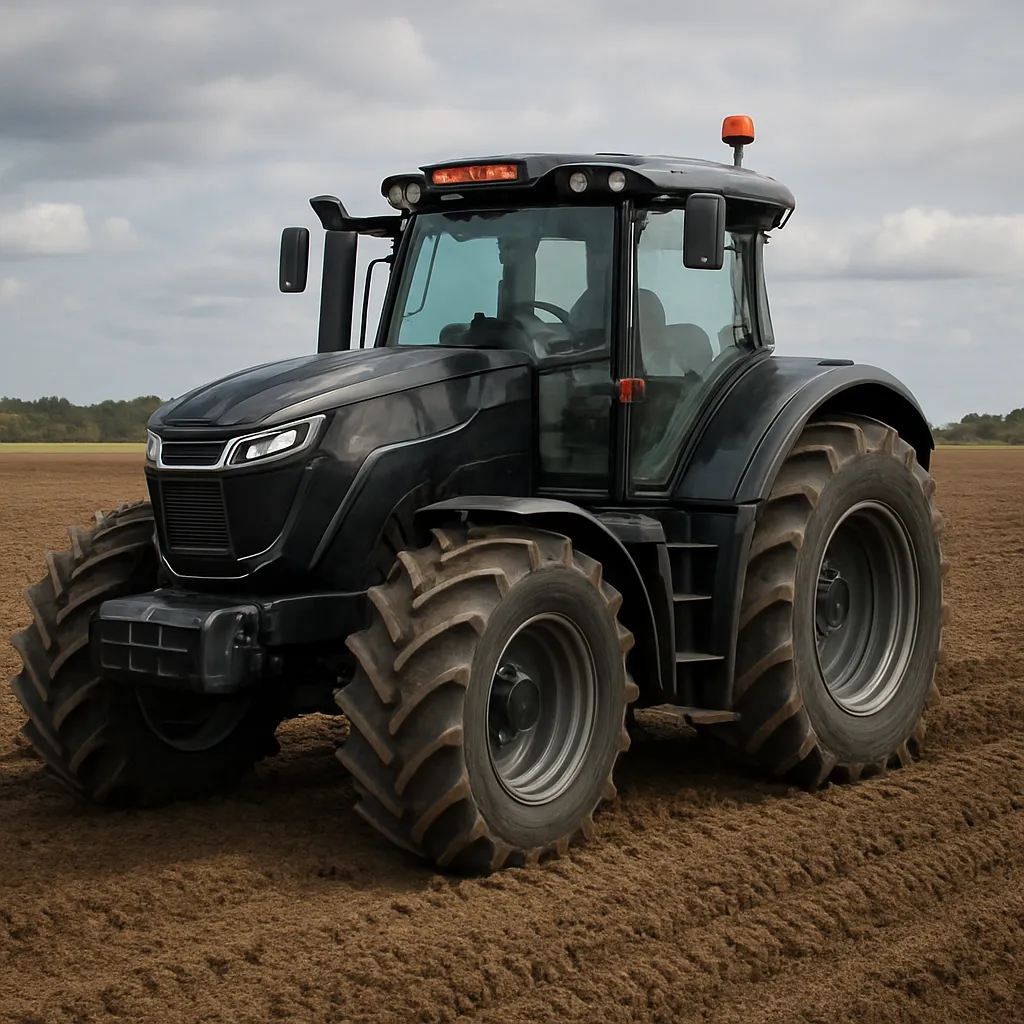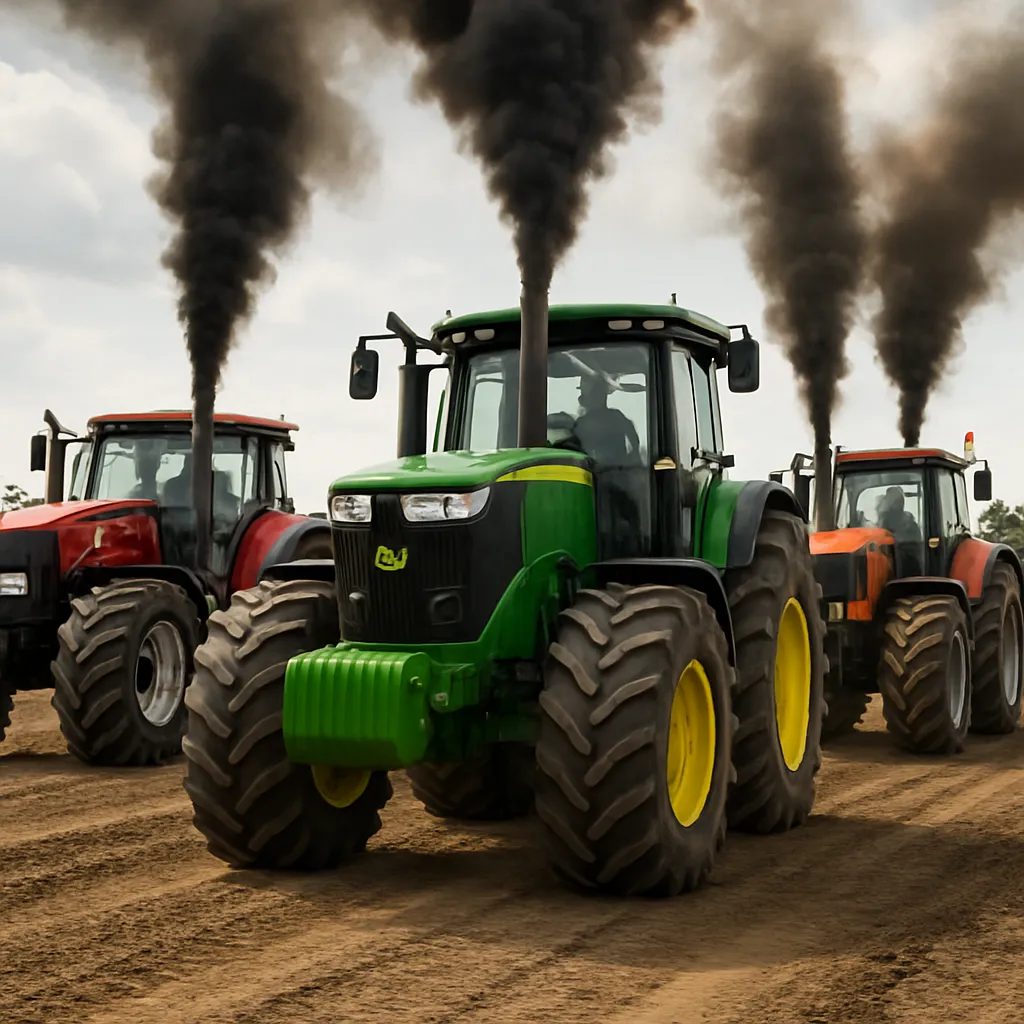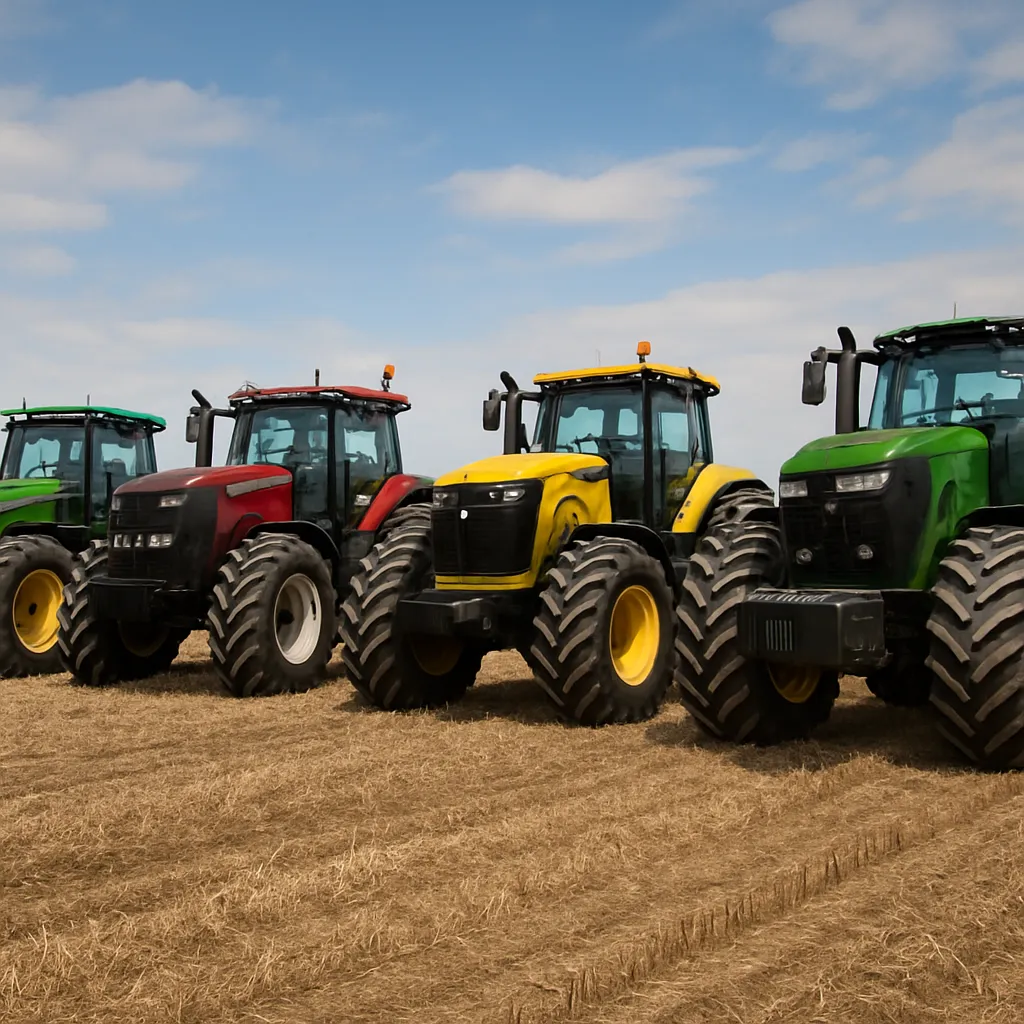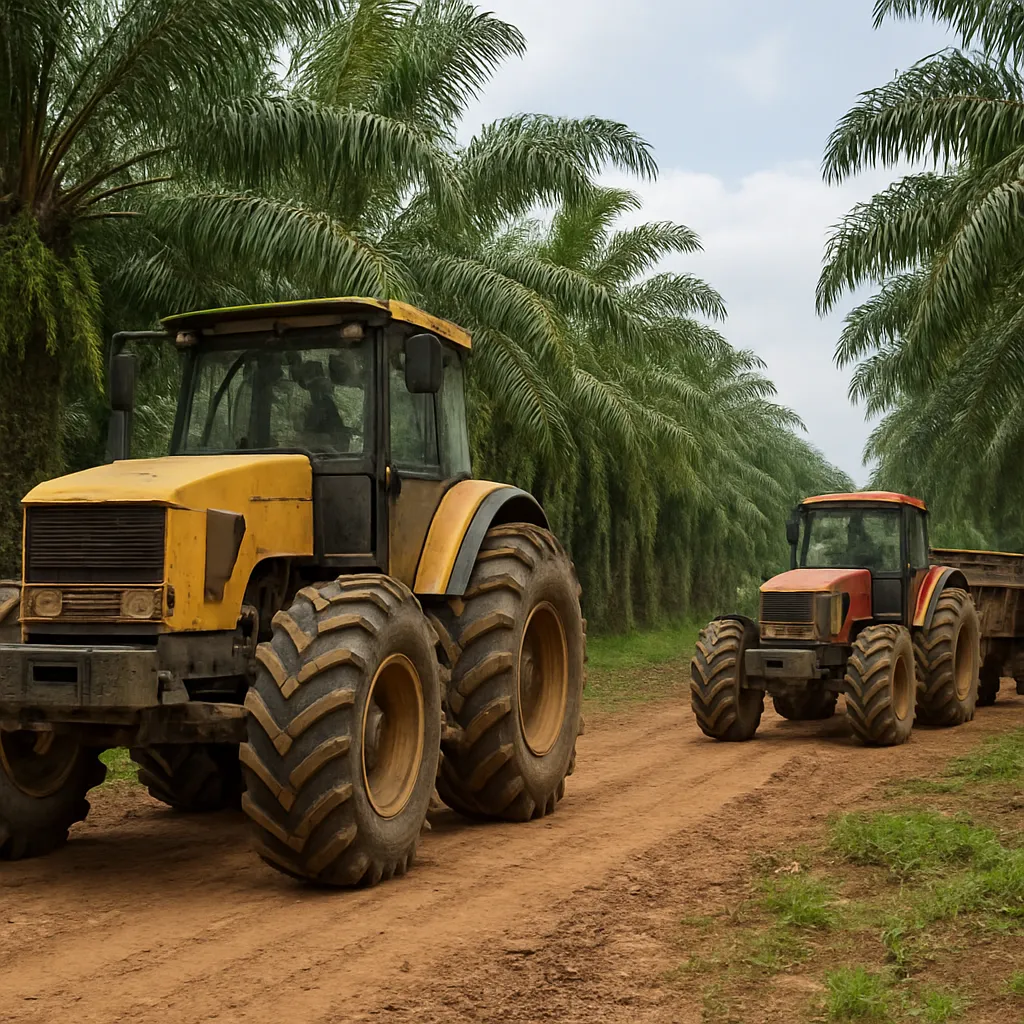
In the realm of modern agriculture, gigantic tractors symbolize the pinnacle of mechanized power and efficiency. When working expansive fields or towing colossal implements, these machines rely on specialized tires engineered to withstand extreme loads and challenging terrain. Selecting the ideal tire is not just about compatibility; it’s about enhancing traction, reducing soil compaction, and maximizing operational uptime. This article delves into the world of the largest farm tractors, examines the pivotal role of tires in their performance, explores cutting-edge tire technologies, and offers practical guidance on choosing and maintaining tires for optimal results.
Understanding the World’s Biggest Tractors
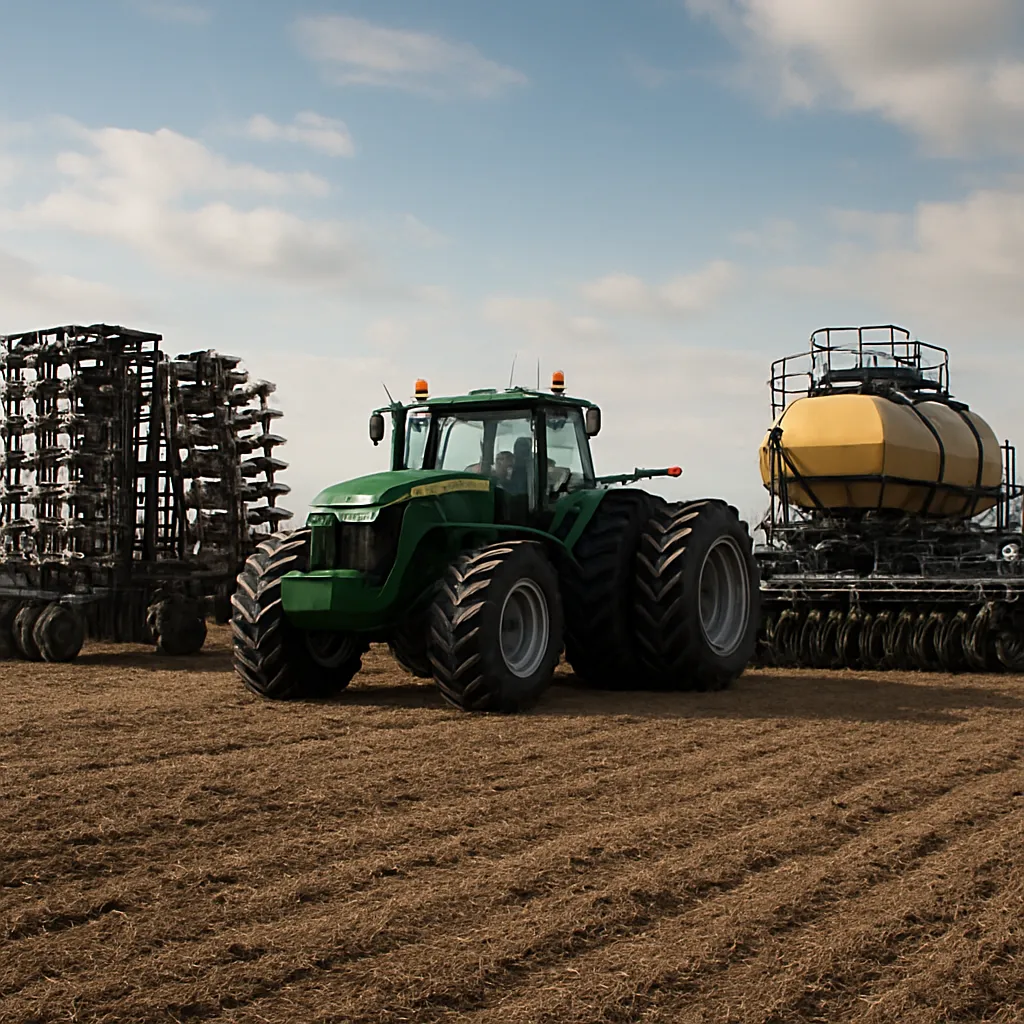
Farmers aiming to boost productivity often invest in some of the most powerful tractors ever built. Machines such as the Big Bud 747, Case IH Steiger Quadtrac 620, and Fendt 1150 Vario stand out for their sheer scale and horsepower outputs exceeding 600 HP. These giants boast advanced features like four-track drive systems, adjustable chassis heights, and fully integrated precision farming technology. However, without the right tire solutions, even the most sophisticated engine and transmission combos cannot deliver their full potential.
The Big Bud 747, often cited as the world’s largest tractor, tips the scales at over 100,000 pounds when fully loaded. To support this weight and maintain field integrity, tires must offer exceptional load-bearing capacity and uniform weight distribution. Similarly, the Case IH Quadtrac series uses four independent tracks to spread weight evenly, but each track’s rubber compound and tread pattern remain critical factors in achieving consistent traction across various soil conditions.
The Crucial Role of Tires in Farm Equipment Performance
Tires are the unsung heroes of any tractor operation. Their design influences daily fuel consumption, ground disturbance, and even the lifespan of mechanical components. Here are key performance areas directly affected by tire selection:
- Traction: Grip on wet or loose soil ensures smooth starts and precise implement control.
- Flotation: Wider footprints reduce compaction by distributing weight over more surface area.
- Durability: Reinforced sidewalls resist punctures from stubble, rocks, and debris.
- Efficiency: Optimized tread patterns minimize rolling resistance, cutting down fuel usage.
- Stability: Balanced radial constructions help maintain ride comfort and machine handling at highway speeds.
Neglecting tire considerations can lead to increased soil compaction, which diminishes crop yields over time. Excessive wheel slip, caused by poorly matched tread patterns, not only reduces field efficiency but also accelerates wear on drivetrain components.
Key Tire Technologies for Giant Tractors
Advancements in tire engineering have revolutionized how large tractors interact with the ground. Below are some of the most impactful technologies available today:
Variable Flexion (VF) and IF Technologies
VF (Variable Flexion) and IF (Improved Flexion) tires allow for lower inflation pressures without compromising load capacity. Lower pressure translates to a larger contact patch, better traction, and reduced soil compaction. VF tires can carry up to 40% more load at the same pressure compared to standard tires, while IF tires support approximately 20% more.
Radial vs. Bias-Ply Constructions
Radial tires feature steel belts oriented at 90 degrees to the direction of travel, delivering a more flexible sidewall and stable footprint. This results in improved ride comfort at road speeds and a more consistent tread-to-ground contact. In contrast, bias-ply tires employ crisscrossed nylon layers, offering greater sidewall rigidity that can be beneficial in applications requiring extreme puncture resistance.
Self-Cleaning Tread Patterns
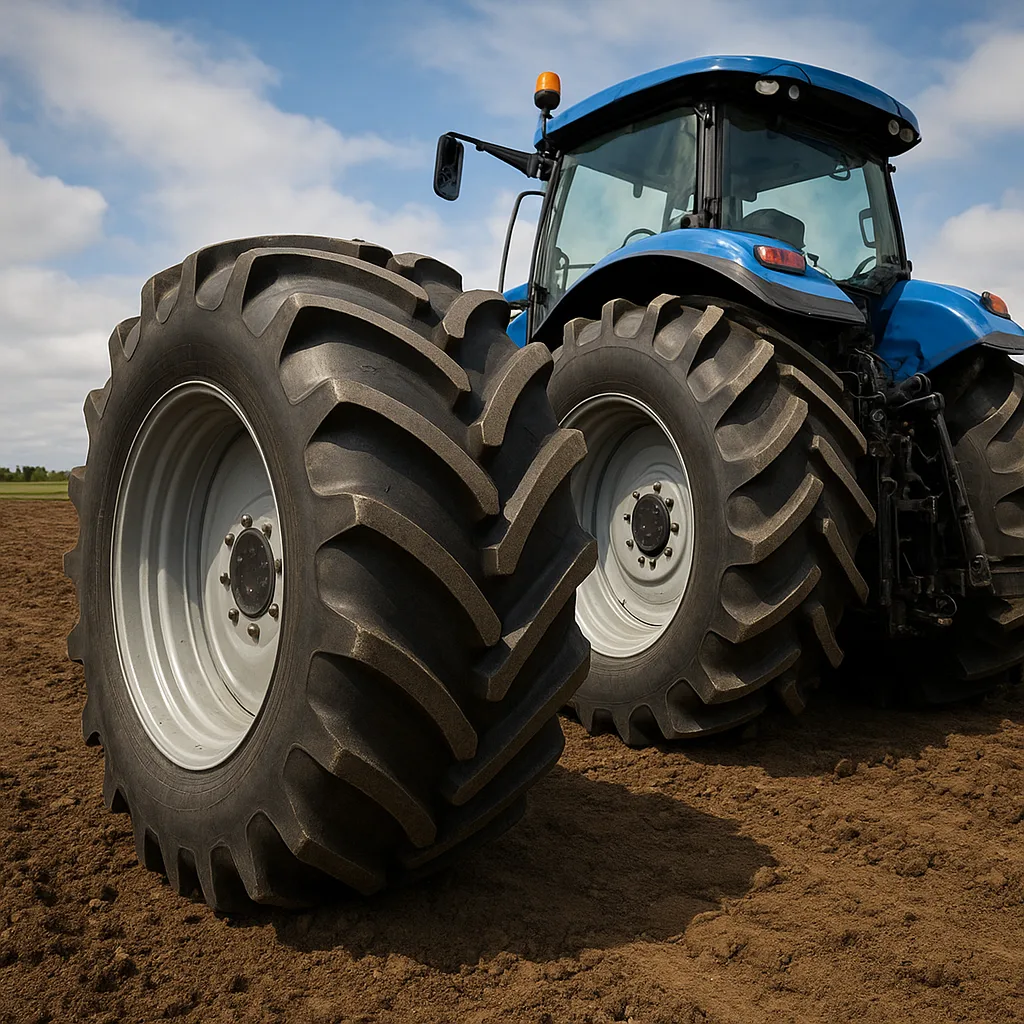
Modern agricultural treads focus on self-cleaning capabilities, enabling mud and crop residue to shed quickly between lugs. This design reduces the risk of slippage in wet or clay-heavy soils. Deep, angled lugs also facilitate forward momentum, ensuring that debris is expelled from the tread as the tire rotates.
Reinforced Sidewalls and Bead Technology
Tires for monster tractors often incorporate extra layers of rubber and high-tensile steel in the sidewalls. This reinforcement enhances resistance to cuts and abrasions. Bead design is equally critical; advanced bead fillers maintain rigidity under load changes, ensuring stable mounting and reducing the chance of bead unseating under lateral stresses.
Selecting the Right Tires: Factors to Consider
Choosing the proper tires for massive agricultural machines requires evaluating several interconnected factors:
- Soil Type: Sandy soils demand tires with wider footprints and less aggressive lugs, while clay soils benefit from deeper, self-cleaning tread patterns.
- Field Terrain: Rolling hills or uneven fields may necessitate bias-ply tires for enhanced sidewall support, whereas flat expanses suit radials for fuel savings.
- Load Requirements: Calculate overall machine weight plus implement loads. Refer to manufacturer load tables to match tire pressure with load-bearing capacity.
- Climate Conditions: In extremely hot regions, select tires rated for higher temperature resilience to prevent rapid wear or heat buildup.
- Customer Budget: High-tech tires often carry premium price tags. Balance upfront investment against long-term gains in efficiency and reduced downtime.
Performing a field trial or consulting with a tire specialist can identify the most effective solution for specific operational needs. Many manufacturers offer demonstration tires and performance guarantees to validate claims under real-world conditions.
Maintenance and Best Practices
Proper tire upkeep is vital in extending service life and preventing unexpected failures. Employ the following practices to keep massive agricultural tires in top condition:
- Regularly check and adjust inflation pressure, especially when switching between field and transport modes. Incorrect pressures can accelerate tread wear and compromise soil health.
- Rotate tires periodically to ensure even wear patterns across axles. This practice helps maintain balanced traction.
- Inspect for cuts, punctures, and sidewall damage after each field operation. Early detection prevents minor issues from becoming major breakdowns.
- Store unused tires indoors, shielded from UV light. Prolonged exposure to sunlight can degrade rubber compounds and weaken durability.
- Maintain accurate records of tire service intervals, repairs, and replacements. Data-driven maintenance supports budget planning and equipment management.
Advanced telematics systems can monitor tire pressure and temperature in real time, alerting operators to potential issues before they escalate into costly downtime.
Future Trends in Agricultural Tire Design
The agricultural tire industry continues to innovate, with emerging trends focusing on sustainability and smarter farm operations. Key developments include:
- Biodegradable rubber compounds derived from plant-based sources, aiming to reduce environmental impact post-disposal.
- Adaptive inflation systems that automatically adjust pressure based on load and field conditions, optimizing the contact patch on the fly.
- Integrated sensor networks embedded within tire structures to monitor parameters such as residual tread depth, load distribution, and temperature.
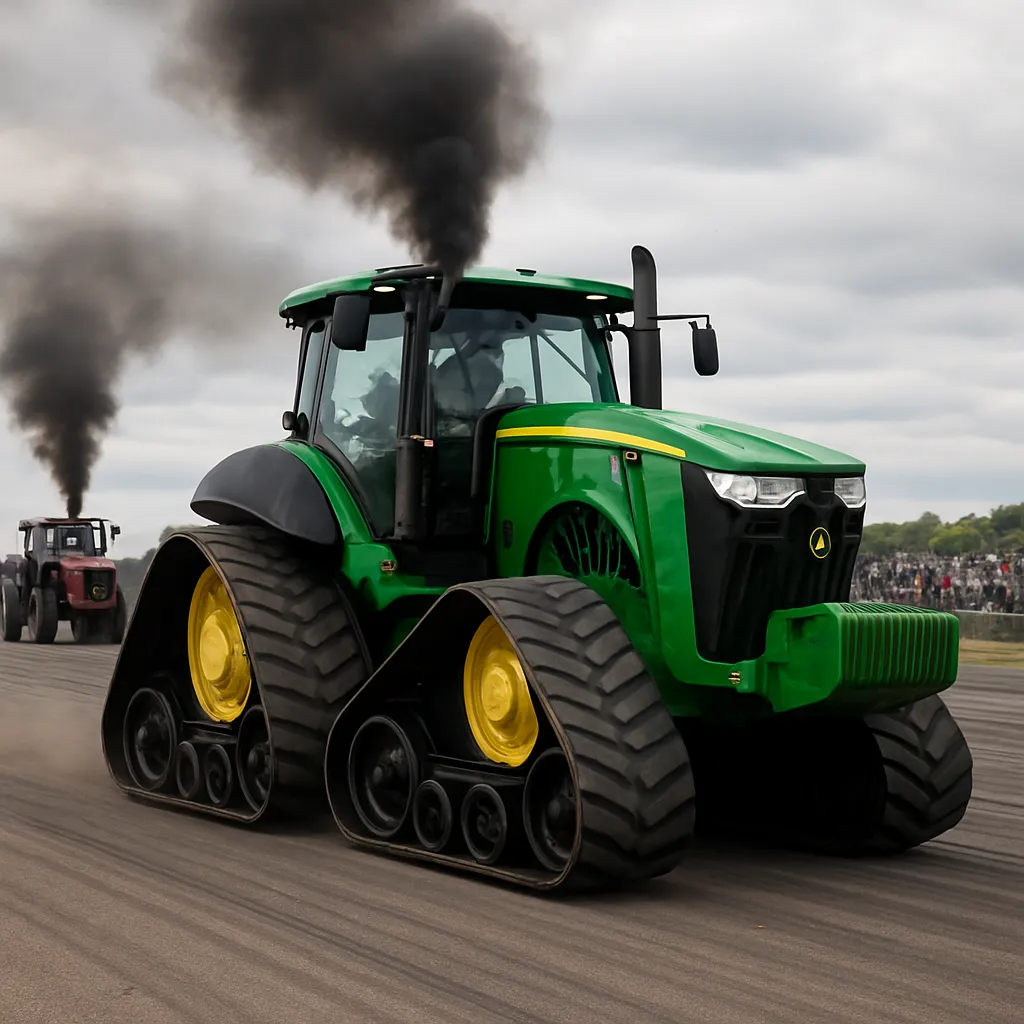
- Hybrid track-tire solutions combining steel tracks with pneumatic tires for unparalleled flotation and maneuverability in ultra-large tractors.
As precision agriculture advances, tires will play an increasingly dynamic role, adapting in real time to ever-changing soil and weather conditions. These innovations promise to unlock new levels of productivity while safeguarding soil health and farm profitability.