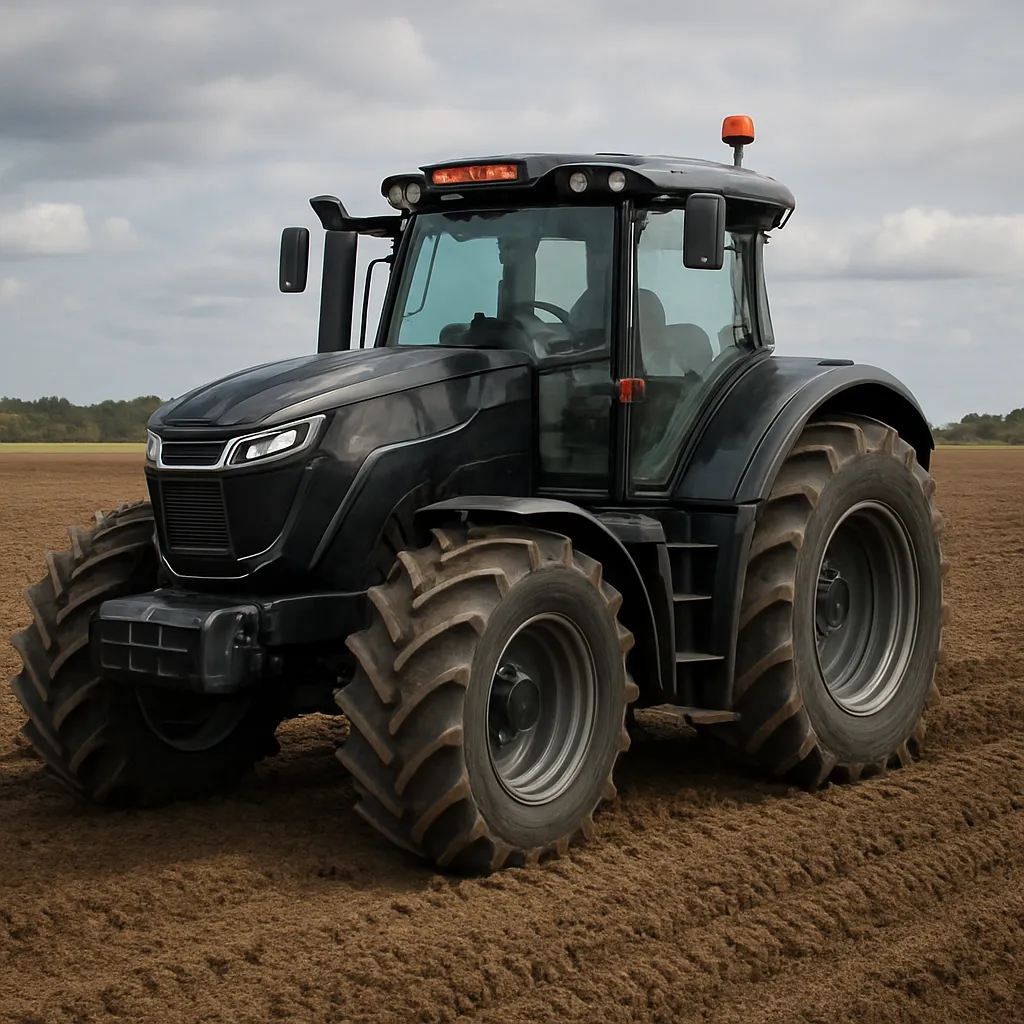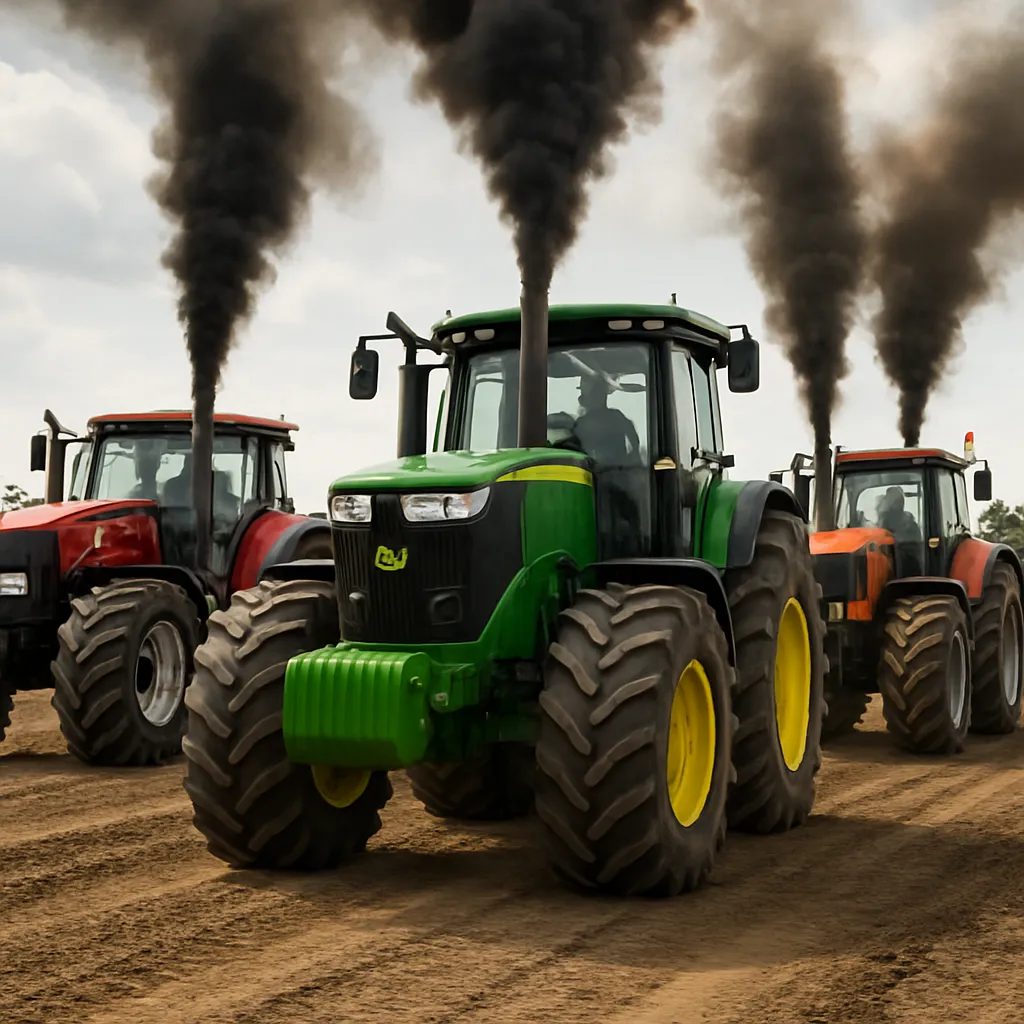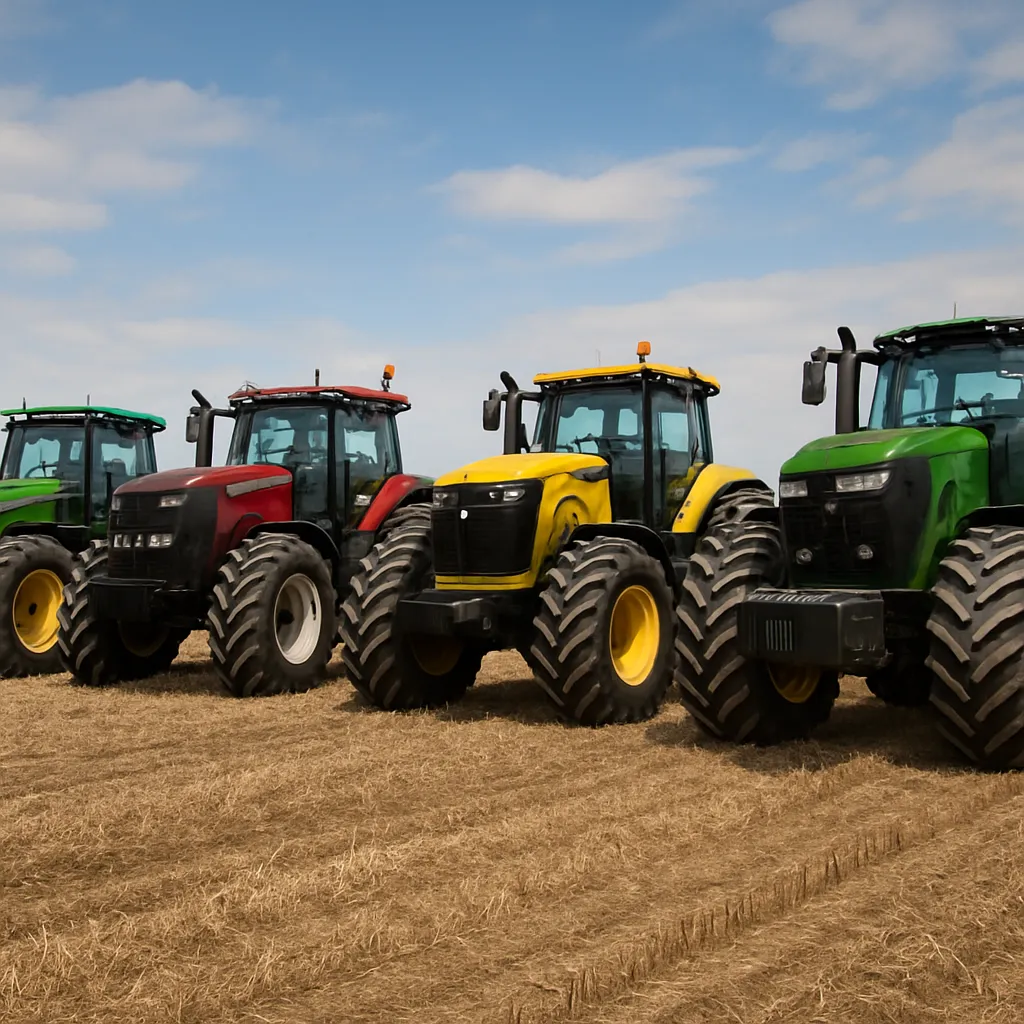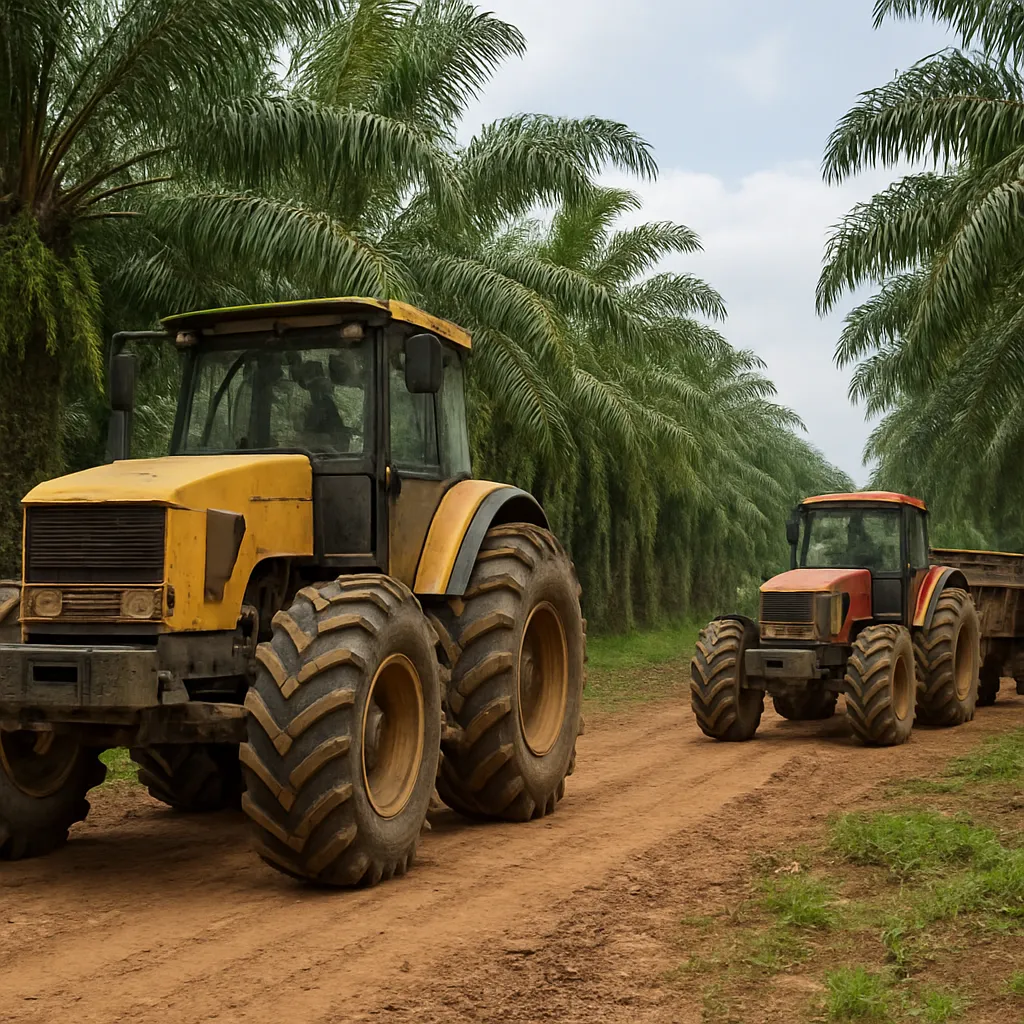
Agricultural progress has been intimately tied to the development of ever-larger, more capable machinery. The evolution of the world’s biggest tractors reflects a quest for greater efficiency, enhanced productivity, and reliable performance across vast fields. By examining key breakthroughs—from raw power milestones to cutting-edge electronics—one gains insight into how these mechanical giants have reshaped modern heavy farming.
The Rise of Colossal Workhorses
From early steam-powered traction engines to today’s multi-thousand-horsepower behemoths, the trajectory of tractor size and capability is remarkable. In the early 20th century, farmers relied on compact machines offering minimal traction and brute force. Within decades, manufacturers responded to expanding row widths and deeper tillage demands by scaling up engine displacement and chassis strength.
Early Giants and Steam Power
Steam tractors of the late 1800s, often weighing over 10 tons, pioneered large-scale soil preparation. Their massive boilers delivered steady power, but operators contended with heavy maintenance, limited mobility, and high fuel consumption. Despite drawbacks, these engines set the stage for horsepower wars that followed.
Transition to Diesel Colossus
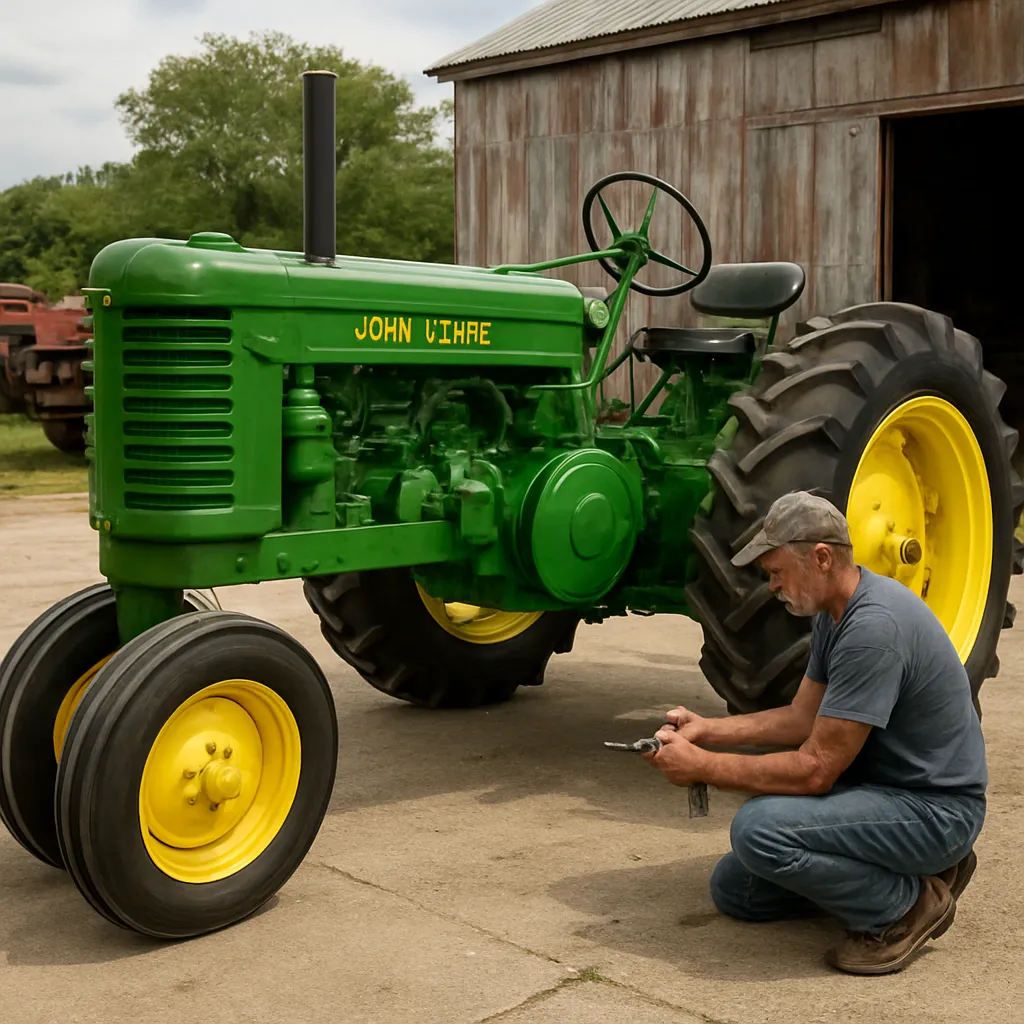
The advent of diesel power in the 1930s introduced compact, high-output torque units that outperformed steam predecessors on both economy and reliability. Brands like Fordson and International Harvester scaled up their offerings to exceed 100 HP, gradually breaking toward 200 HP models by mid-century. With improved transmissions and reinforced frames, tractors like the Massey Ferguson 175 established benchmarks in durability and pulling capacity.
- Massey Ferguson 175 – 180 HP, four-wheel drive upgrades
- John Deere 8630 – 225 HP, advanced power shift
- Case IH Puma 240 – 240 HP, modular frame design
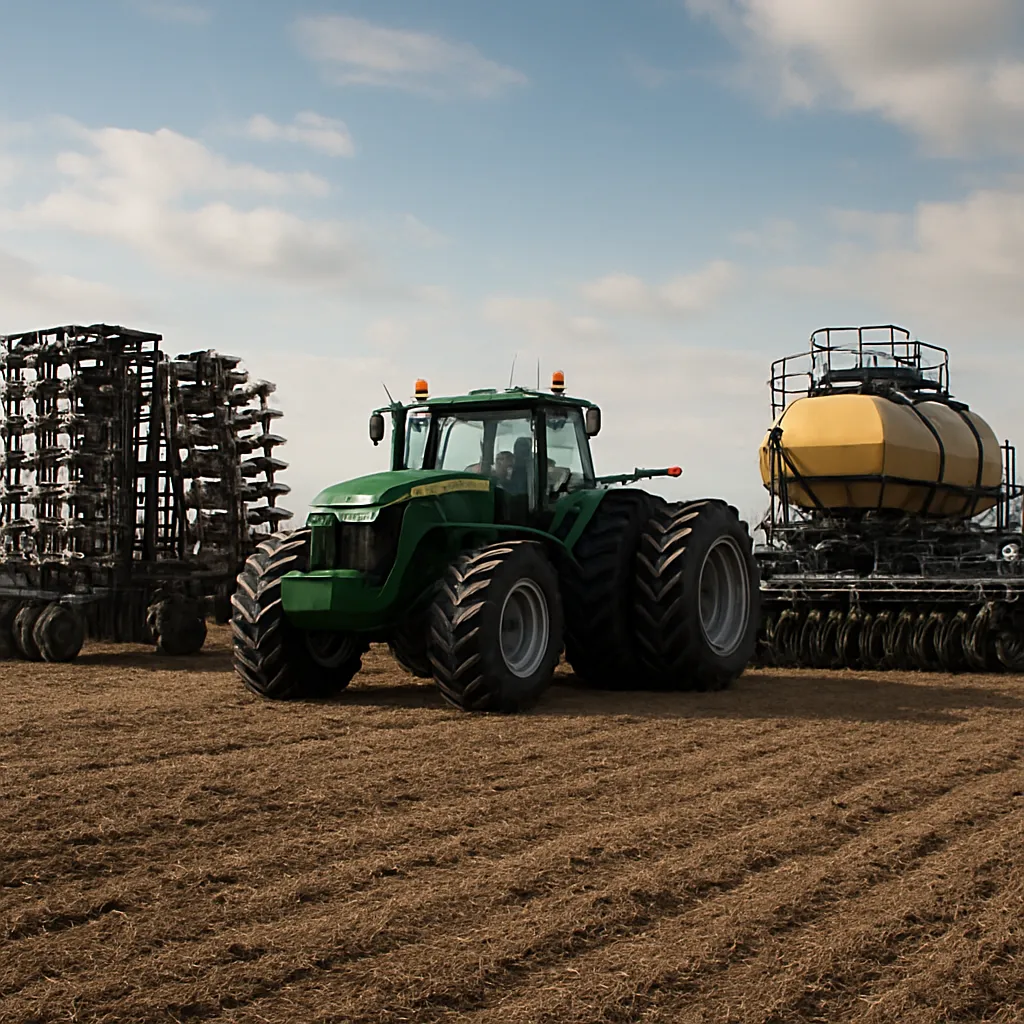
These breakthroughs led to the “500 HP era,” dominated by specialized manufacturers collaborating with fields like sugarcane and rice cultivation, where machinery had to operate in rugged, waterlogged conditions. Today’s top contenders exceed 600 HP, reshaping field boundaries with unprecedented speed.
Powertrain Breakthroughs and Efficiency Gains
Increasing engine output alone wouldn’t suffice without parallel innovations in transmission, hydraulics, and traction. Recent decades have seen major leaps in drivetrain technology, delivering smoother drives and minimized power losses.
Advanced Transmissions and Continuously Variable Drives
Traditional gearboxes, once limited by discrete gear steps, gave way to continuously variable transmissions (CVTs). These systems allow operators to select any speed within a broad range, optimizing engine load for minimal fuel use. The synergy of CVT with smart electronics yields up to 20% improvements in efficiency, particularly under fluctuating field loads.
Hydraulics and Power Management
Modern tractors employ closed-center load-sensing (CCLS) hydraulics to deliver oil pressure precisely where needed. By integrating electronic valves and pressure sensors, hydraulics now adapt instantly to implement demands—whether operating heavy plows, planters, or sprayers. This ensures consistent performance while preserving fuel and extending component lifespan.
- Variable-flow pumps to reduce parasitic losses
- Electronic manifold control for rapid pressure response
- Heat recovery systems that convert waste energy
Throughout this era, manufacturers have incorporated algorithm-driven power management consoles, monitoring engine metrics in real time. Operators can store field profiles, adjust load targets, and switch between power ratings with a single command—transforming each tractor into a versatile multi-purpose platform.
Advanced Control Systems and Automation
Beyond brute strength, modern tractors stand out for their integrated guidance and autonomy. GPS-driven auto-steer and implement control have revolutionized how fields are managed, allowing near-perfect overlap avoidance and optimizing every pass.
Precision Guidance
Satellite-based guidance systems now achieve sub-inch repeatability. By linking tractors to base stations, farmers ensure implements follow ideal paths, reducing soil compaction and maximizing yield. Such precision reduces input costs—seeds, fertilizers, and chemicals—while safeguarding crop health.
Sensor Networks and Telematics
Embedded sensors measure soil moisture, temperature, and compaction in real time. Data streams feed into on-board computers and remote dashboards, enabling proactive decisions. When a sensor detects excessive load, the system can automatically reduce width, adjust depth, or alter speed—enhancing machine longevity and field uniformity.
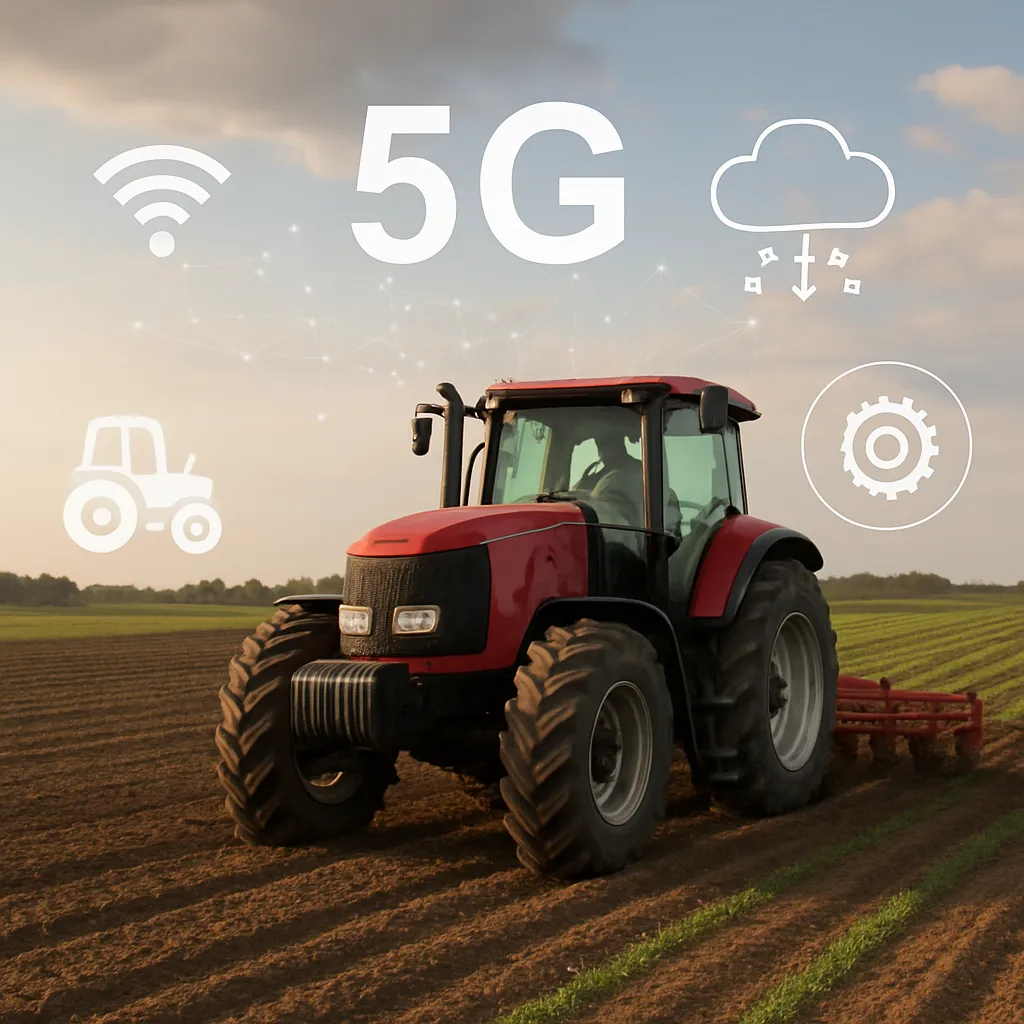
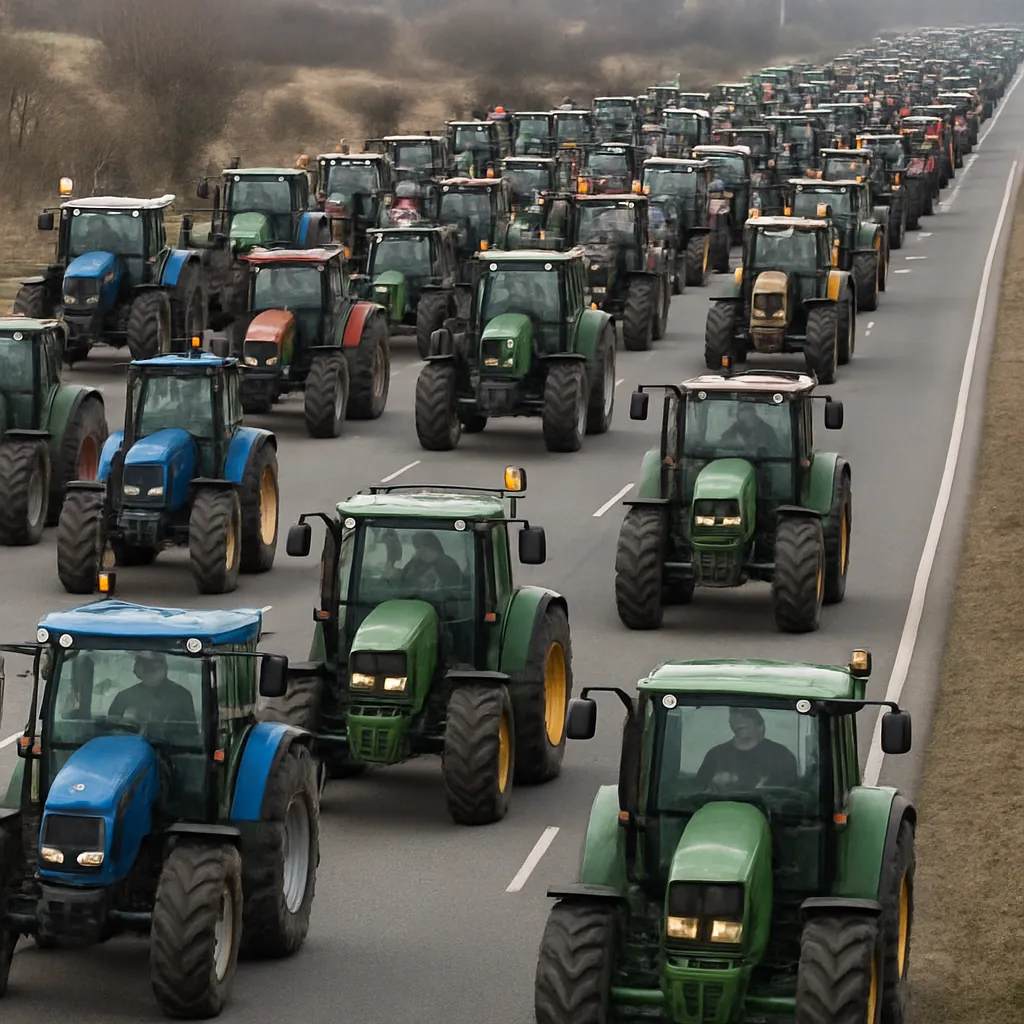
Telematics platforms connect fleets of over-100 HP tractors across multiple sites, offering centralized fleet management. Coaches can track idle times, schedule maintenance alerts, and benchmark performance metrics across machines. Such connectivity fosters better equipment utilization, lowering downtime costs and elevating overall farm productivity.
Sustainable Practices and Environmental Impact
As global agriculture faces climate challenges, tractor design pivots toward durability and reduced emissions. Diesel particulate filters (DPF), selective catalytic reduction (SCR), and advanced exhaust gas recirculation (EGR) systems now comply with stringent Tier 4 and Stage V standards. By capturing harmful particulates and converting NOx emissions, these solutions maintain raw power while shrinking environmental footprints.
Alternative Fuels and Electrification
Several manufacturers are exploring biofuel-compatible engines, capable of running on straight vegetable oil (SVO) or biodiesel blends. Early trials demonstrate that, with minor fuel-system adjustments, existing diesel platforms can deliver full-rated power without harming seals or injectors.
Looking further ahead, hybrid-electric and fully electric tractors are in testing phases. Although battery weight currently limits run times and field size, modular pack designs promise rapid swap systems, enabling continuous operation with on-farm charging stations. The integration of electric motors supports zero-emission tasks—ideal for greenhouse work or sensitive ecosystems.
- Battery-assisted lift systems to reduce hydraulic demand
- Solar panels on roof-mounted canopies for auxiliary power
- Regenerative braking during deceleration to recover energy
Soil Health and Reduced Compaction
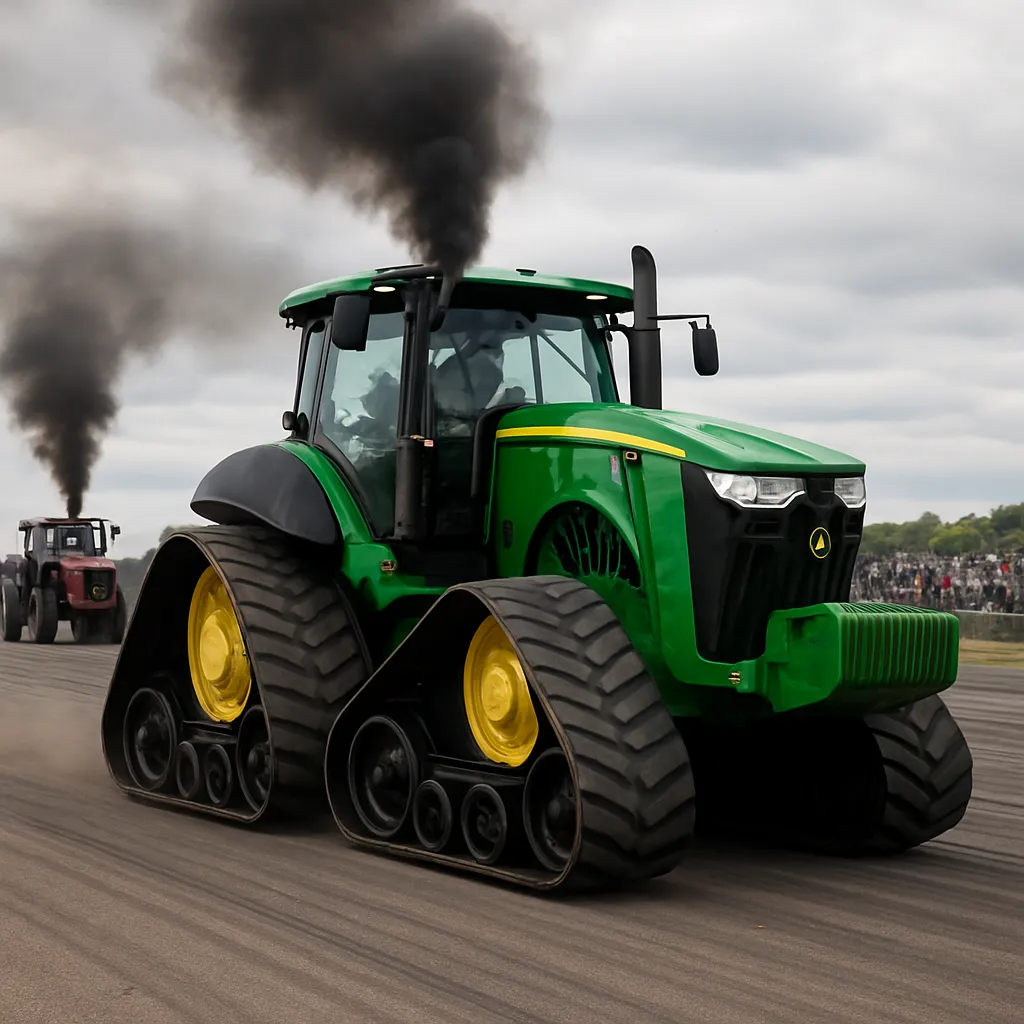
Massive tires and low-pressure flotation tracks alleviate compaction by spreading weight across broader footprints. Active suspension systems dynamically adjust tire pressure in seconds, responding to load changes and terrain variances. Less compaction preserves soil structure, enhancing water infiltration and root development—critical factors for sustainable yield improvements.
Moreover, the emergence of controlled-traffic farming (CTF) designs means tractors consistently follow fixed lanes, confining compaction to small areas and leaving the majority of the field undisturbed. Coupled with precision application methods, the result is healthier soil, reduced runoff, and long-term resilience against erosion.
The story of the biggest tractors is thus not merely a tale of increasing horsepower or axle load, but a testament to human ingenuity. Through innovations in hydraulics, autonomy, and sustainable engineering, these mechanical giants will continue to shape global food production and environmental stewardship for generations to come.