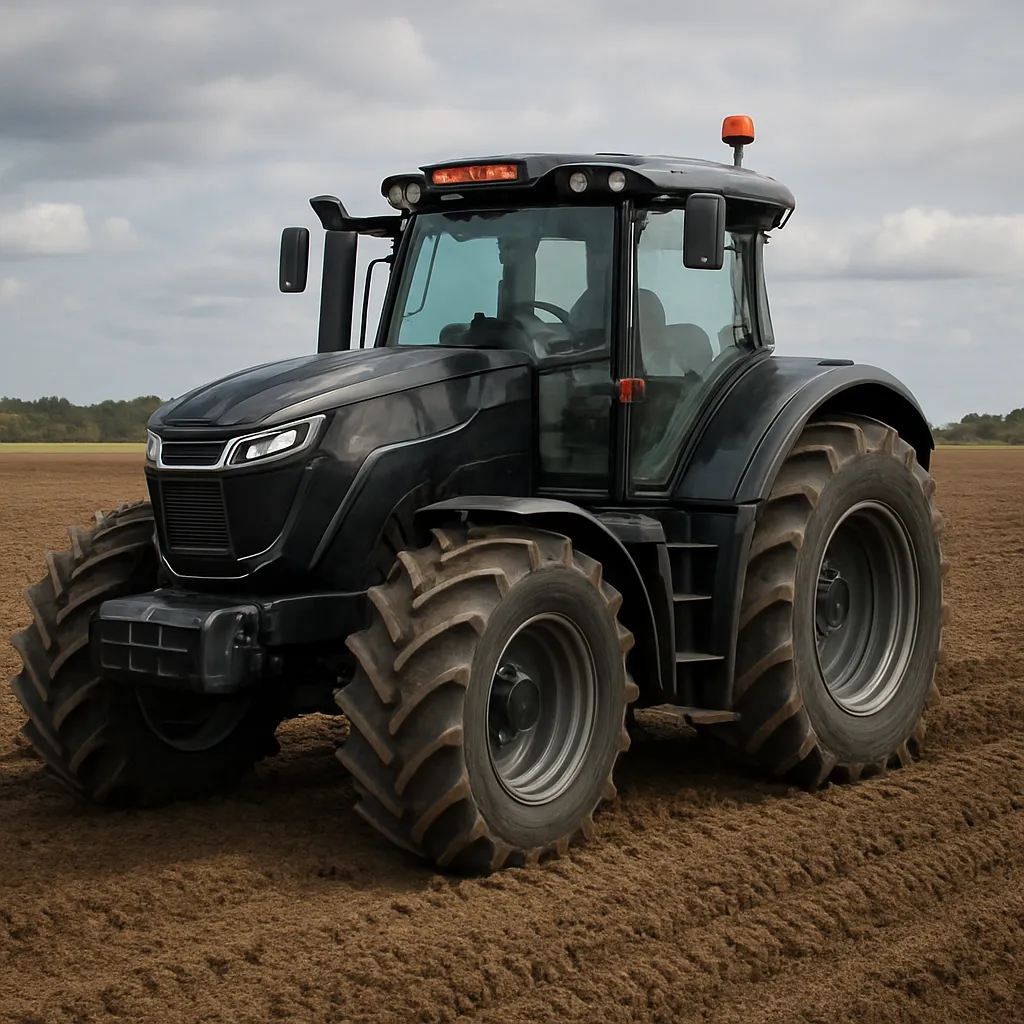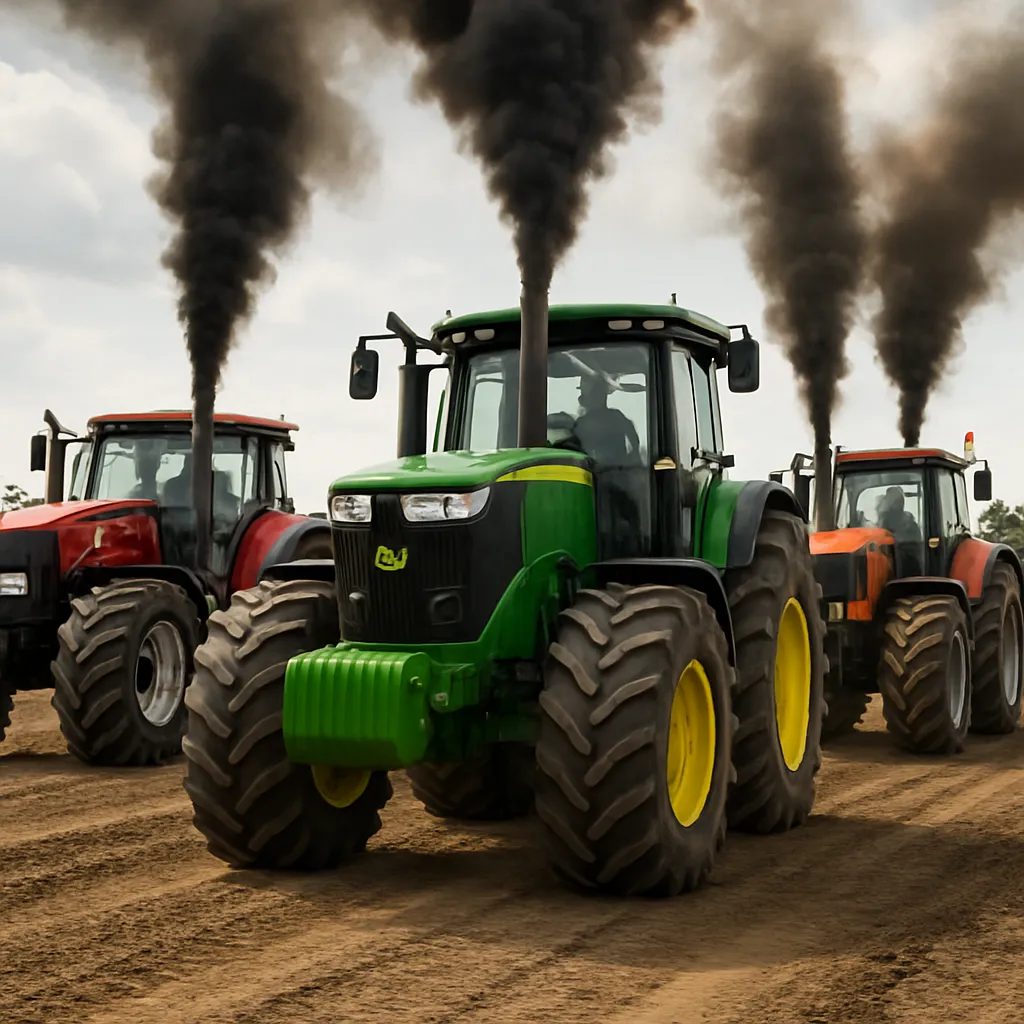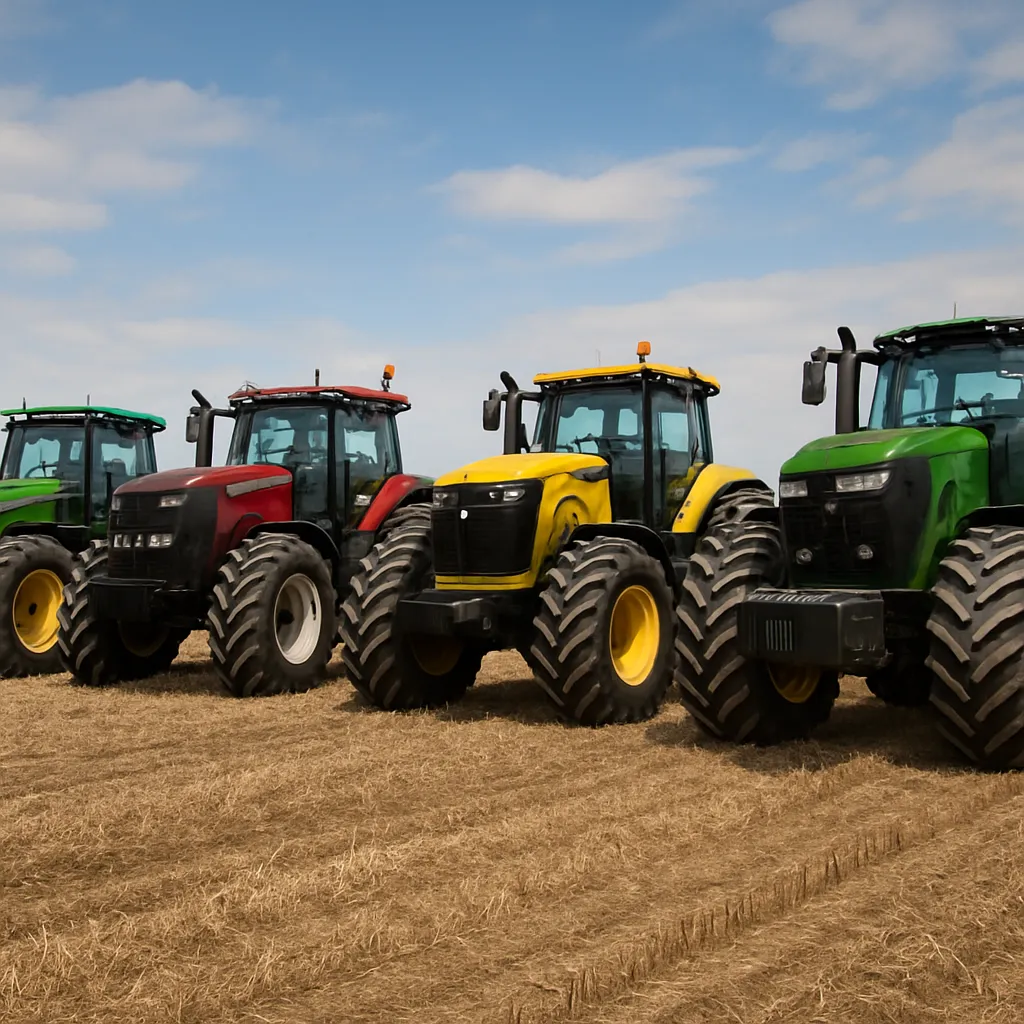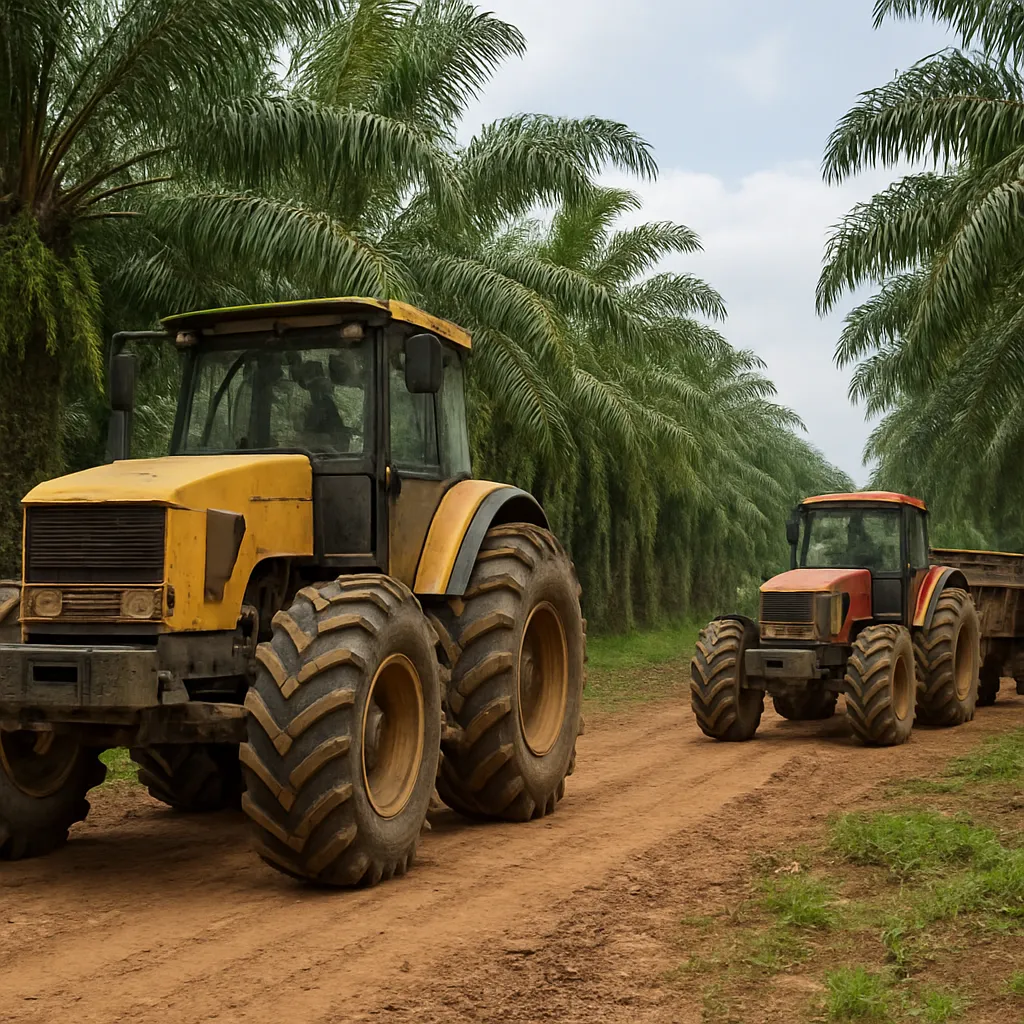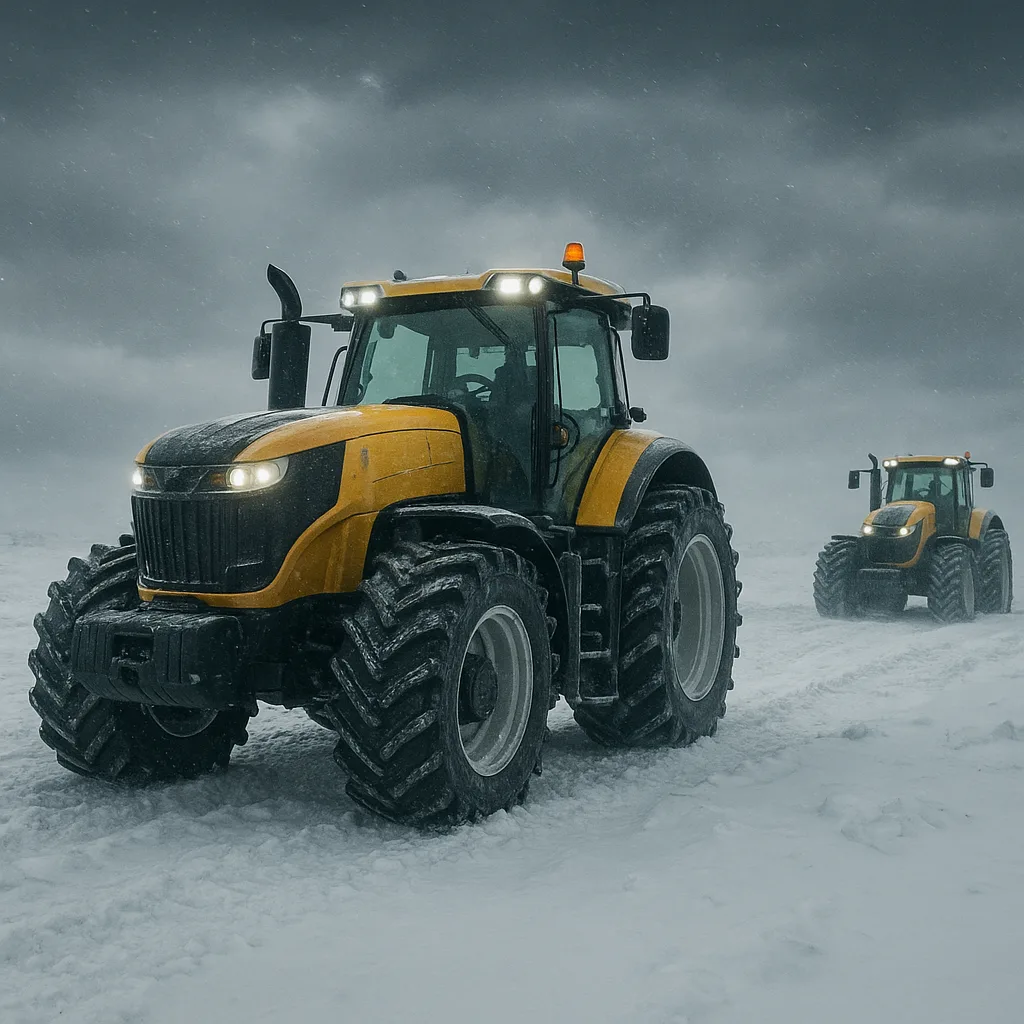
The world of agriculture has witnessed a remarkable transformation with the rise of mega tractors built to endure the most unforgiving environments. These **powerhouses** of modern farming combine cutting-edge **technology** with robust engineering to deliver unprecedented **horsepower** and **torque**, ensuring that vast fields can be plowed, seeded, and harvested with speed and precision. From icy tundras to sun-scorched deserts, these colossal machines redefine what it means to cultivate the land under extreme conditions.
Evolution of Mega Tractors
The journey to today’s giants began decades ago when conventional tractors struggled with soft soils and inclines. Early innovators started stacking larger engines into reinforced chassis, focusing primarily on **engine** upgrades. As demands for higher output grew, so did the tractors’ dimensions. Manufacturers introduced dual- and even quad-wheel setups to boost **traction**, leading to remarkable leaps in ground coverage per hour.
From Prototype to Production
Initial prototypes featured modified truck cores and excessive weight, which often led to soil compaction. By the late 20th century, design philosophies shifted toward balancing mass and footprint. Advanced suspensions and adjustable tire pressures helped these machines maintain **stability** without destroying delicate farmland ecosystems. As a result, yields improved in regions previously considered unsuitable for large-scale cultivation.
Key Milestones
- Introduction of turbocharged diesel engines, pushing **horsepower** beyond 500 HP.
- Development of variable transmission systems enhancing **efficiency** across multiple speeds.
- Implementation of precision GPS and auto-steering, reducing human error in straight-line passes.
- Launch of ultra-wide multi-wheel designs in response to soft, marshy terrain challenges.
Key Features for Harsh Environments
Mega tractors destined for extreme climates demand more than raw power. Designers focus on components and systems that resist corrosion, freezing, or overheating, depending on the operational zone. From heavy-duty insulation to advanced cooling loops, these tractors maintain peak performance in environments where ordinary machines would fail.
Engine and Powertrain Upgrades
Cold regions require **durability** against sub-zero temperatures. Engine blocks are often built from specialized **materials** that prevent cracking, while fuel lines use heating elements to avoid gelled diesel. In contrast, desert models boast enhanced radiators and reinforced air filters to cope with sandstorms and intense heat. Modern powertrains incorporate modular designs, allowing rapid replacement of worn parts in remote locales.
Traction and Stability Systems
- Central Tire-Inflation Systems (CTIS) adjust tire **pressure** on the fly for optimal grip.
- Active weight distribution transfers load between axles, boosting **traction** on loose substrates.
- Adaptive suspension ensures **comfort** for operators over uneven terrain and reduces component stress.
- Four-wheel steering configurations deliver tighter turns, crucial in narrow mountain valleys or rocky outcrops.
These systems work in harmony to tackle slopes, banks, and soft soils, turning obstacles into mere challenges to overcome. Engineers continue exploring self-leveling cabins and advanced telematics to predict maintenance needs and avoid costly downtime in far-flung fields.
Top Models and Case Studies
Across the globe, agricultural enterprises deploy an array of mega tractors tailored to local conditions. The following case studies highlight a selection of pioneering designs that showcase the breadth of applications.
Arctic Tier Tractor
Designed for polar research stations and northern farming co-ops, this model boasts a 14-liter turbo diesel engine producing 820 HP. Its ultra-low temperature package includes reinforced hoses, a dual-battery start system, and an enclosed cab with heated glass panels. Operators report consistent starts at -40°C, making it invaluable for spring tillage once the frost settles.
Sahara High-Temp Harvester
Operating daily under temperatures exceeding 50°C, this mega tractor features a triple-loop radiator and dust-cleaning cyclone prefilter. Despite the harsh heat, its advanced coolant management keeps core components within safe thresholds. The sealed cab sports UV-resistant coatings and a dedicated air-conditioning compressor, ensuring operator **comfort** throughout long harvesting shifts.
Amazon Delta Workhorse
In the muddy floodplains of the Amazon Basin, the delta tractor offers unparalleled flotation. Outfitted with eight wide-track wheels, each independently suspended, it floats over swampy ground rather than sinking. Its hybrid electric-assist system reduces fuel consumption by 30%, cutting carbon emissions and minimizing soil disturbance in this sensitive ecosystem.
Collaborative Research and Development
- OEMs partner with universities for simulation labs that replicate extreme temperature cycles.
- Field trials involve real-world farms spanning salt flats, volcanic ash terrains, and monsoon-prone deltas.
- Data-driven feedback loops refine component lifecycle forecasts, improving overall **reliability**.
Each case underscores a commitment to pushing boundaries while safeguarding soils and ecosystems. Manufacturers aim to refine their designs by integrating autonomous navigation and predictive diagnostics, ushering in a new era of precision agriculture even in the world’s most challenging corners.