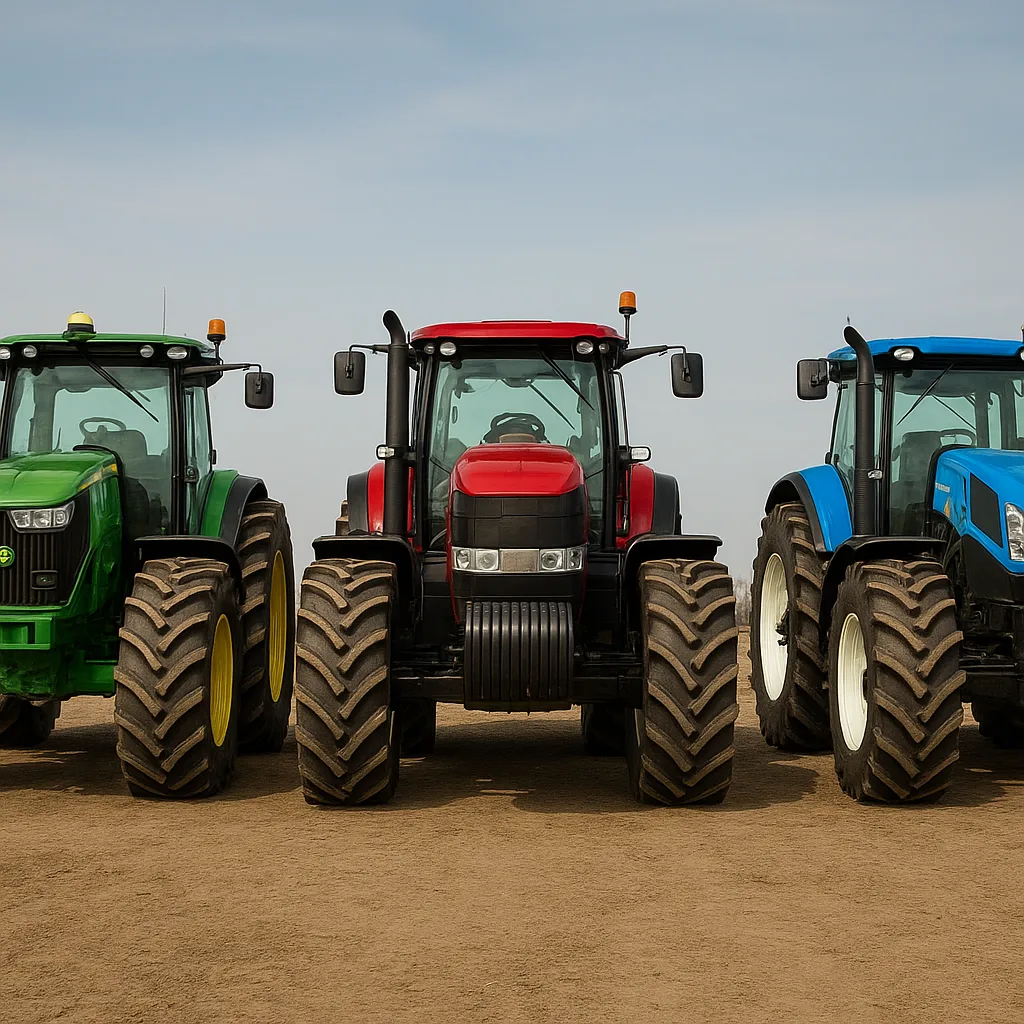
The quest for ever more powerful and efficient tractors has driven agricultural engineering to astonishing heights. As farms scale up and demands for productivity soar, manufacturers are locked in a race to produce the biggest machines, capable of pulling enormous implements and transforming acres of land with minimal passes. This article takes an in-depth look at the giants of the field, comparing their engine specifications, horsepower ratings, and the cutting-edge technology that sets them apart.
Overview of the World’s Largest Tractors
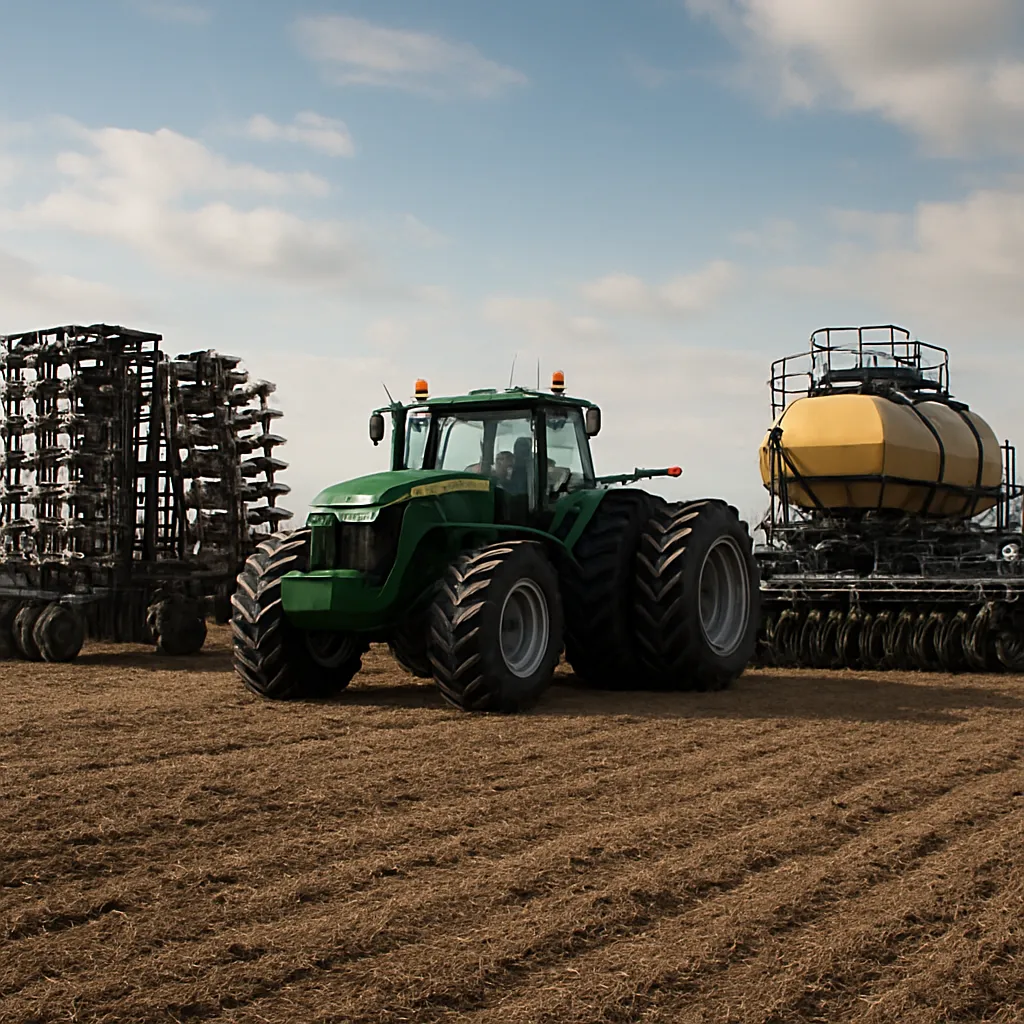
When it comes to sheer size and performance, a handful of tractors stand out. Often exceeding 500 to 700 engine horsepower, these behemoths are more akin to industrial machines than traditional farm vehicles. They are employed for tasks such as deep plowing, subsoiling, heavy seeding, and primary tillage on large tracts of land. Key features that define this category include robust transmission systems, advanced hydraulics, and operator comfort cabins designed for long hours in the field.
- Horsepower outputs exceeding 600 hp
- Engine displacements greater than 15 liters
- Weight often above 20 metric tons
- Tracks or dual-wheel configurations for enhanced traction
- Precision guidance systems for efficiency
Top Contenders in the Market
Several models dominate the discussion when evaluating the biggest tractors by engine power. Here are some leading examples:
Big Bud 747
Often cited as the largest farm tractor ever built, the Big Bud 747 boasts:
- Engine: 16-cylinder, General Motors diesel
- Horsepower: approximately 1100 hp
- Weight: around 49,000 kg
- Application: large-scale tillage and deep ripping
This custom-built giant from the late 1970s remains an icon due to its unmatched output and historic significance. Despite its age, the Big Bud continues to draw crowds at agricultural shows.
Fendt 1167 Vario
Representing modern German engineering, the Fendt 1167 Vario offers:
- Engine: 16.1 L AGCO Power
- Horsepower: up to 673 hp
- Transmission: Vario continuously variable
- Features: integrated telematics, auto guidance
With an emphasis on innovation and operator comfort, the Fendt 1167 sets benchmarks in precision farming.
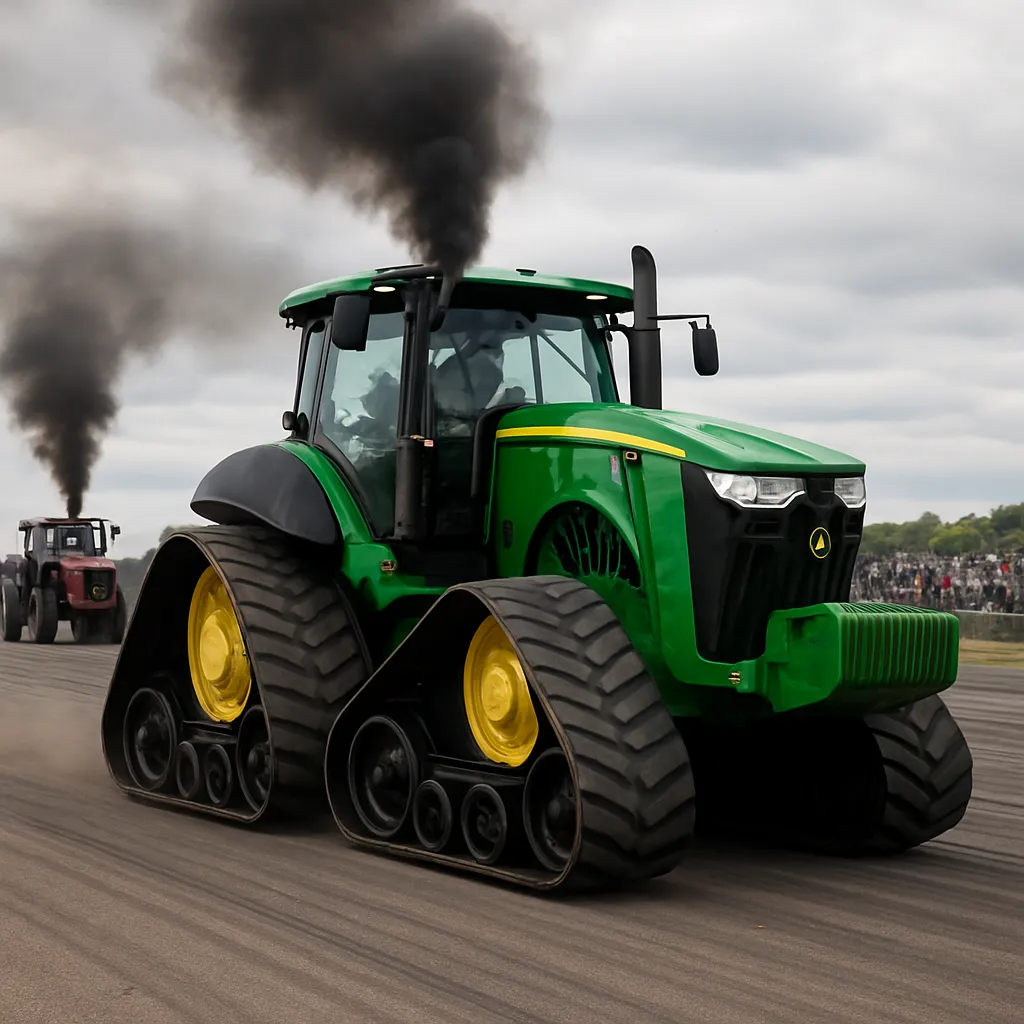
John Deere 9RX Series
The 9RX series combines enormous power with advanced electronic controls:
- Engine: PowerTech PSS 13.6 L
- Horsepower: up to 620 hp
- Chassis: four-track undercarriage for superior traction
- Technology: JDLink telematics, Active Command Steering
Designed to minimize soil compaction and maximize traction, the 9RX excels in wet or soft ground conditions.
Case IH Steiger 620
Case IH’s flagship model in the Steiger lineup delivers:
- Engine: FPT Cursor 13
- Horsepower: 620 hp
- Transmission: full powershift with 18 forward/6 reverse gears
- Features: Advanced Farming Systems, operator seat animation
The Steiger 620 is prized for its durability and robust build, tailored for North American row-crop operations.
New Holland T9 Series
The New Holland T9 tractors are engineered with:
- Engine: Cursor 15 FPT 15 L
- Horsepower: up to 682 hp
- Tracks: Quadtrac system for reduced soil disturbance
- Cab: IntelliView touchscreen, auto guidance
The unique Quadtrac undercarriage grants exceptional flotation and stability, boosting traction in challenging terrain.
Technological Innovations Shaping Mega Tractors
Beyond raw power, the latest big tractors incorporate a suite of technologies aimed at refining productivity and sustainability. Key advancements include:
- Precision Guidance Systems: Satellite-based auto-steering with sub-inch accuracy
- Telematics & Data Analytics: Real-time monitoring of fuel use, engine health, and field efficiency
- Variable Rate Technology: Automated adjustment of seeding, fertilization, and chemical application
- Adaptive Suspension: Cab and chassis systems that reduce vibrations and improve operator comfort
- Engine Management: Emission controls meeting Tier 4 Final standards without sacrificing power
These innovations reduce overlap, conserve resources, and deliver measurable gains in yield per hectare.
Key Considerations for Prospective Buyers
Selecting the right tractor requires analyzing operational needs, terrain, and budget constraints. Important factors include:
- Field Size and Topography: Larger fields justify high-horsepower machines, while hilly land may benefit from track systems
- Implement Compatibility: Ensuring hitch capacity and hydraulic flow meet implement demands
- Fuel Economy: Balancing impressive torque with efficient engine mapping to control operating costs
- Service and Support: Dealer network availability for maintenance, parts, and software updates
- Resale Value: Brand reputation and model longevity contribute to asset depreciation rates
A well-informed purchase strategy maximizes return on investment, minimizes downtime, and secures long-term performance.
Maintenance and Lifecycle Management
High-horsepower tractors demand stringent upkeep to remain in peak condition. Best practices include:
- Regular Oil and Filter Changes: Protect engine components under extreme loads
- Hydraulic System Inspections: Prevent leaks and maintain precise implement control
- Track or Tire Monitoring: Ensure proper tension and tread wear patterns
- Software Updates: Keep guidance and engine management systems current
- Operator Training: Equip teams with skills to leverage advanced features safely
Proactive maintenance extends the lifespan of these capital-intensive machines and safeguards productivity throughout the planting and harvest seasons.