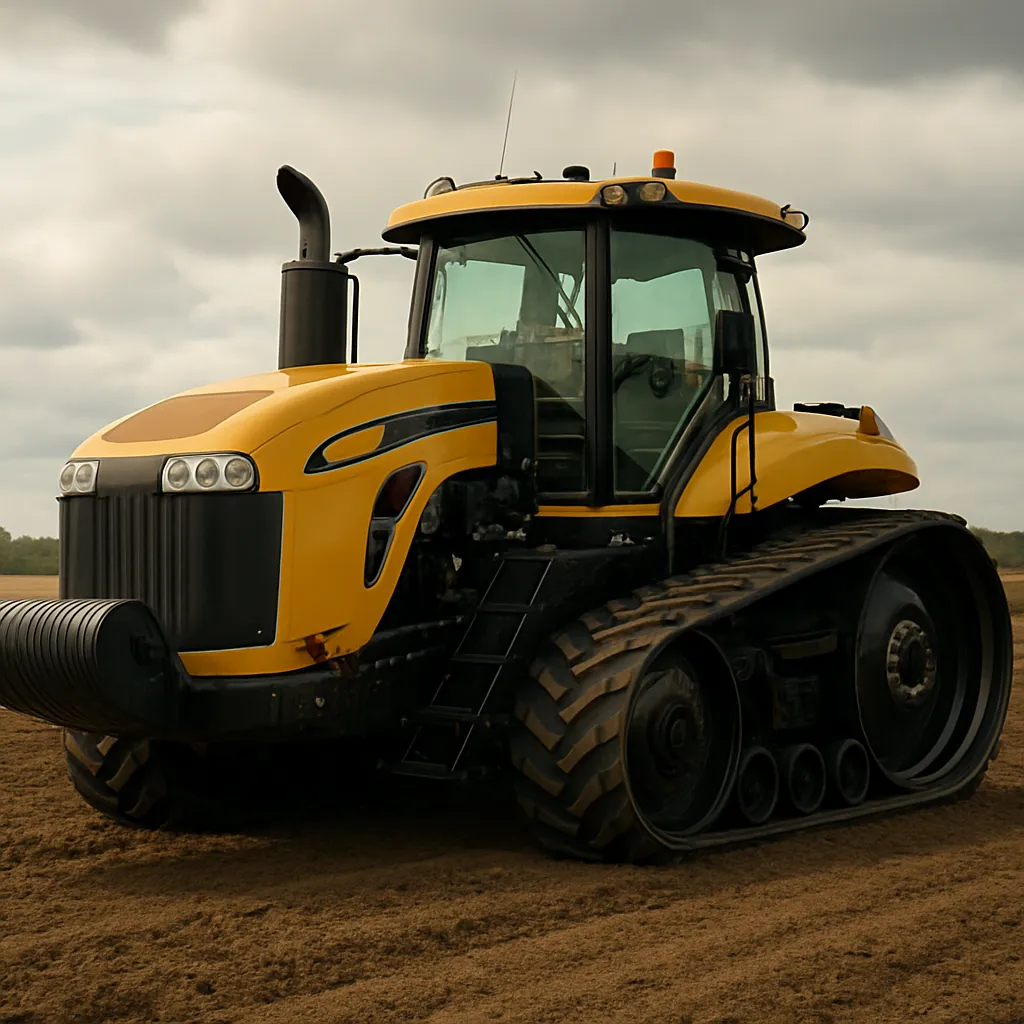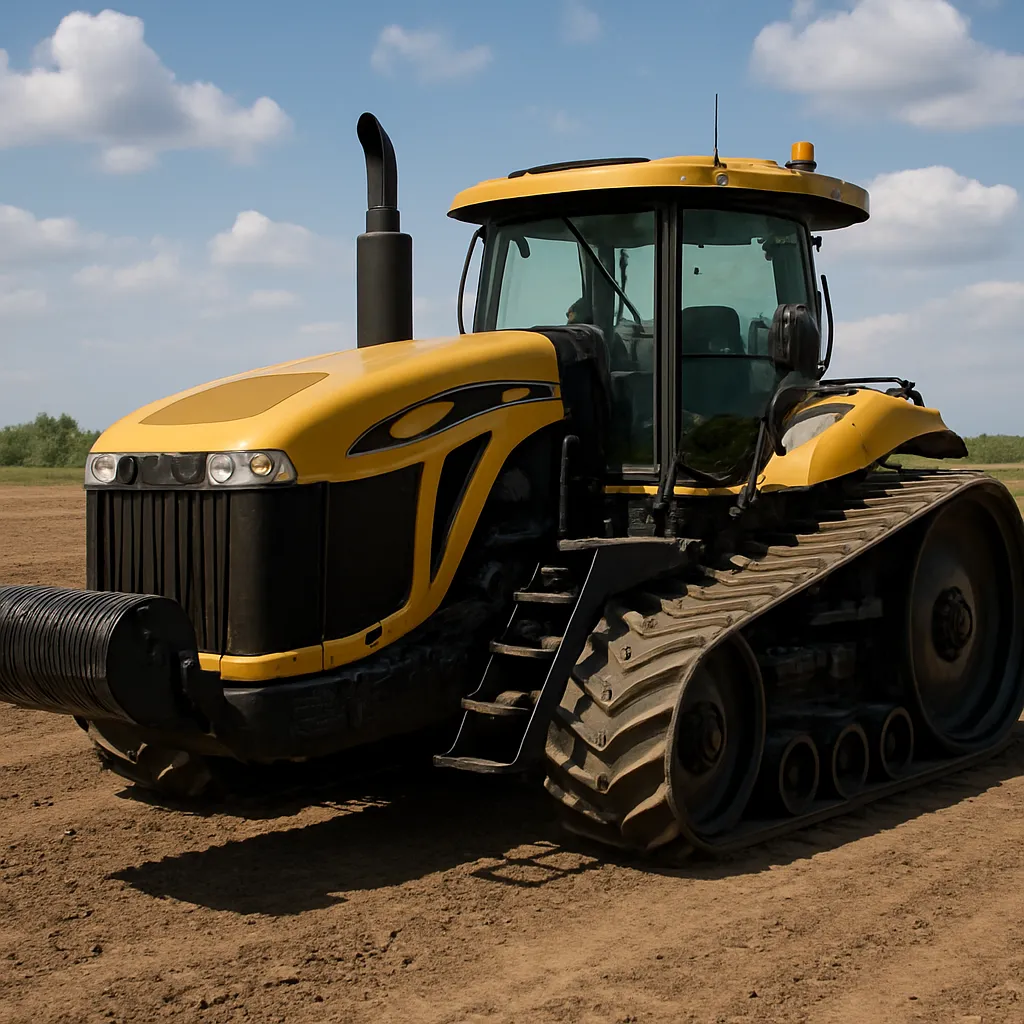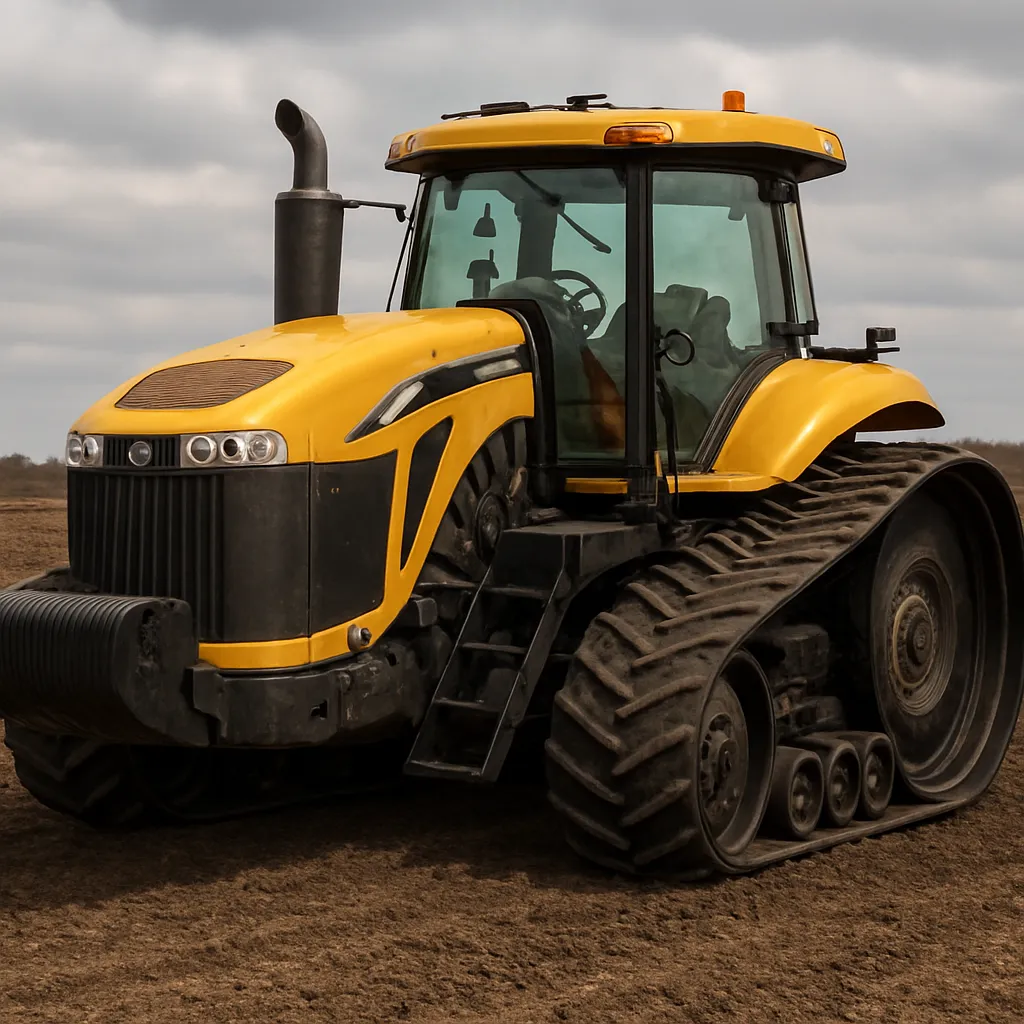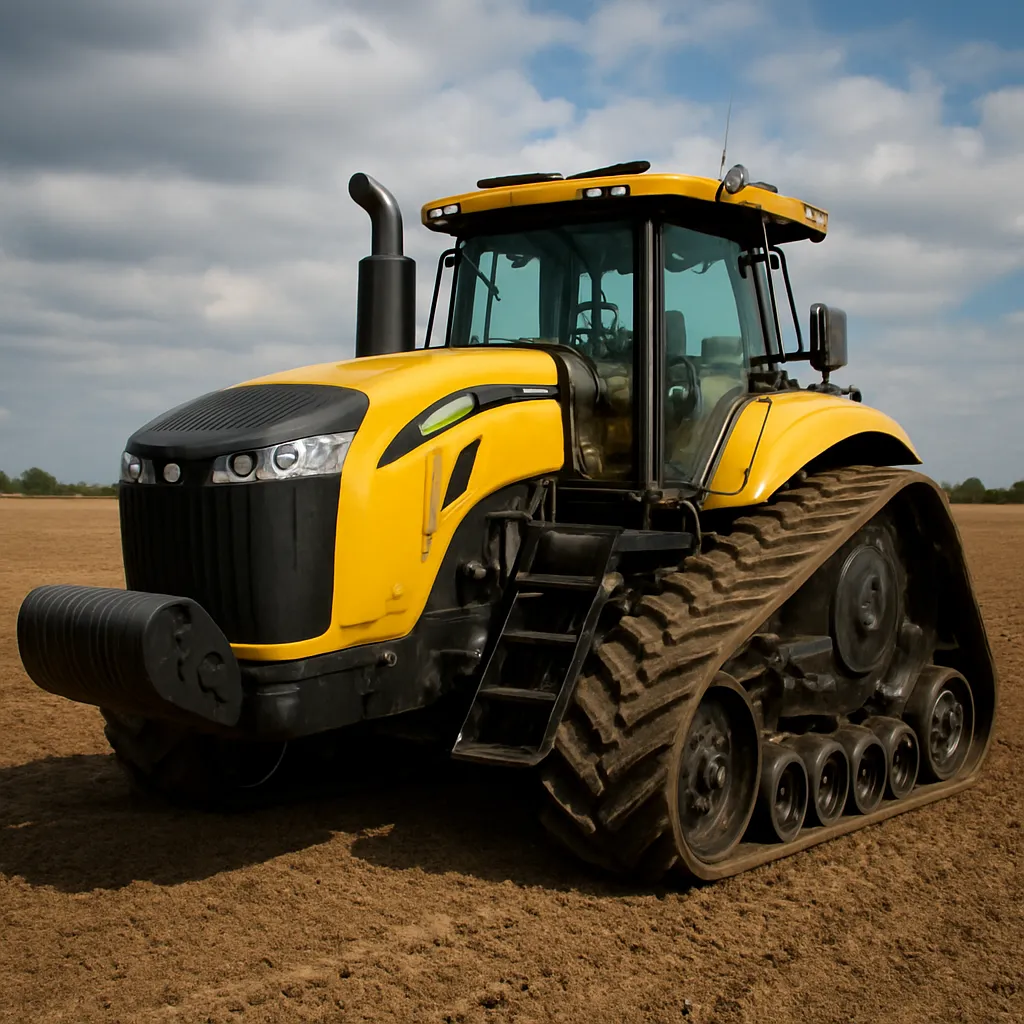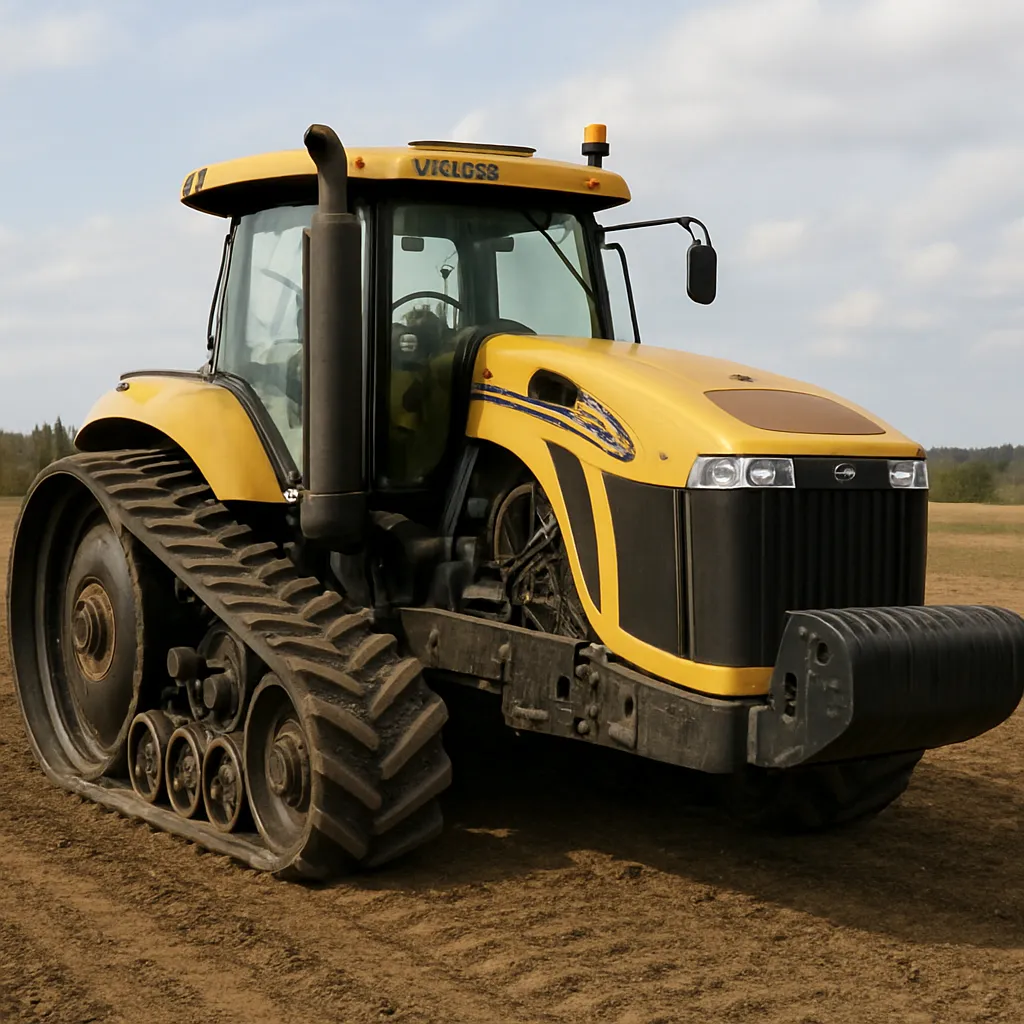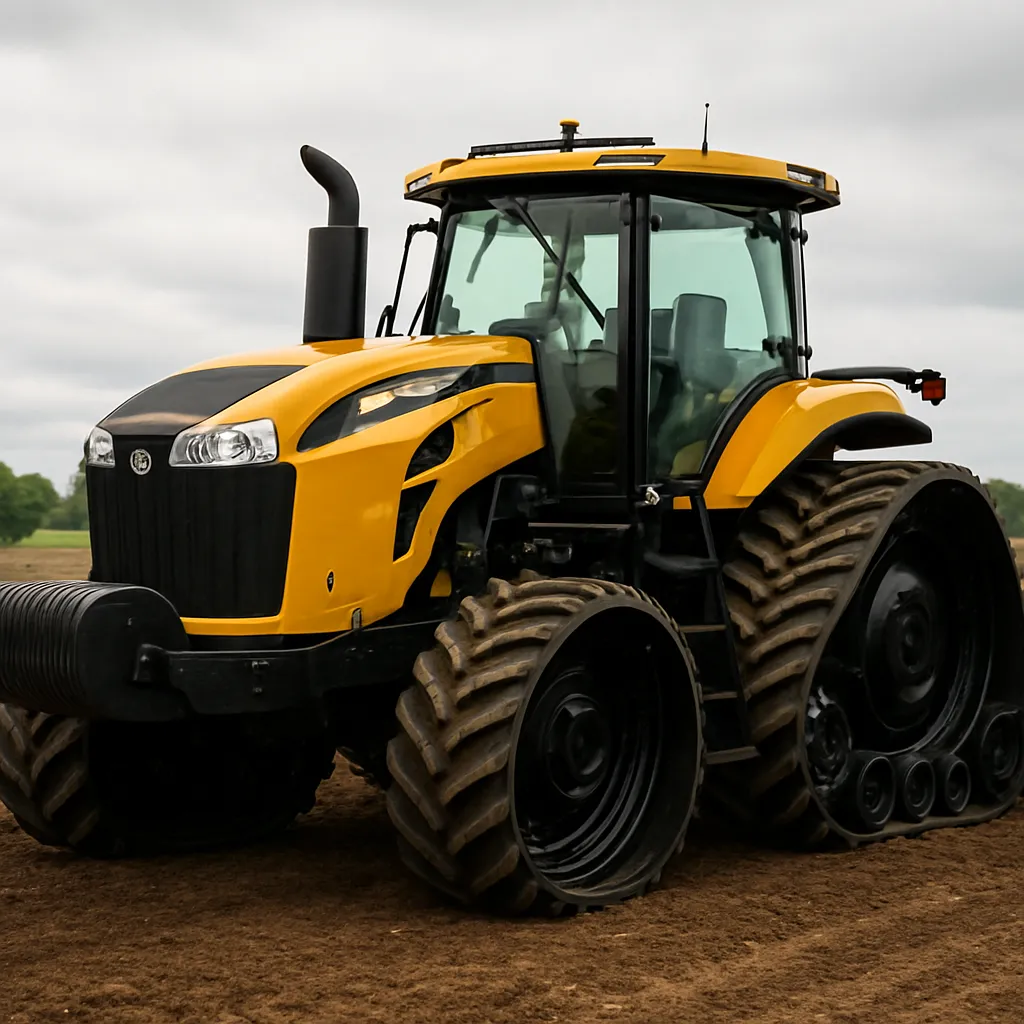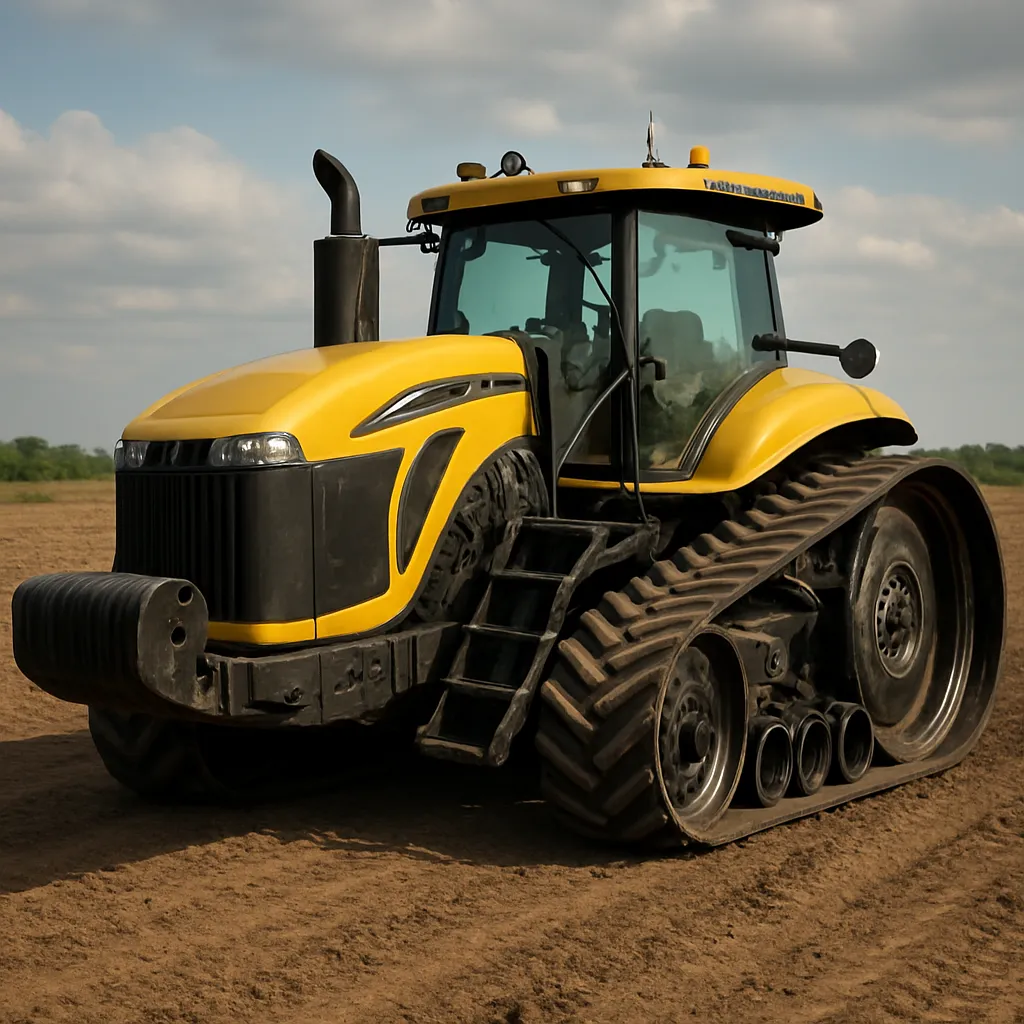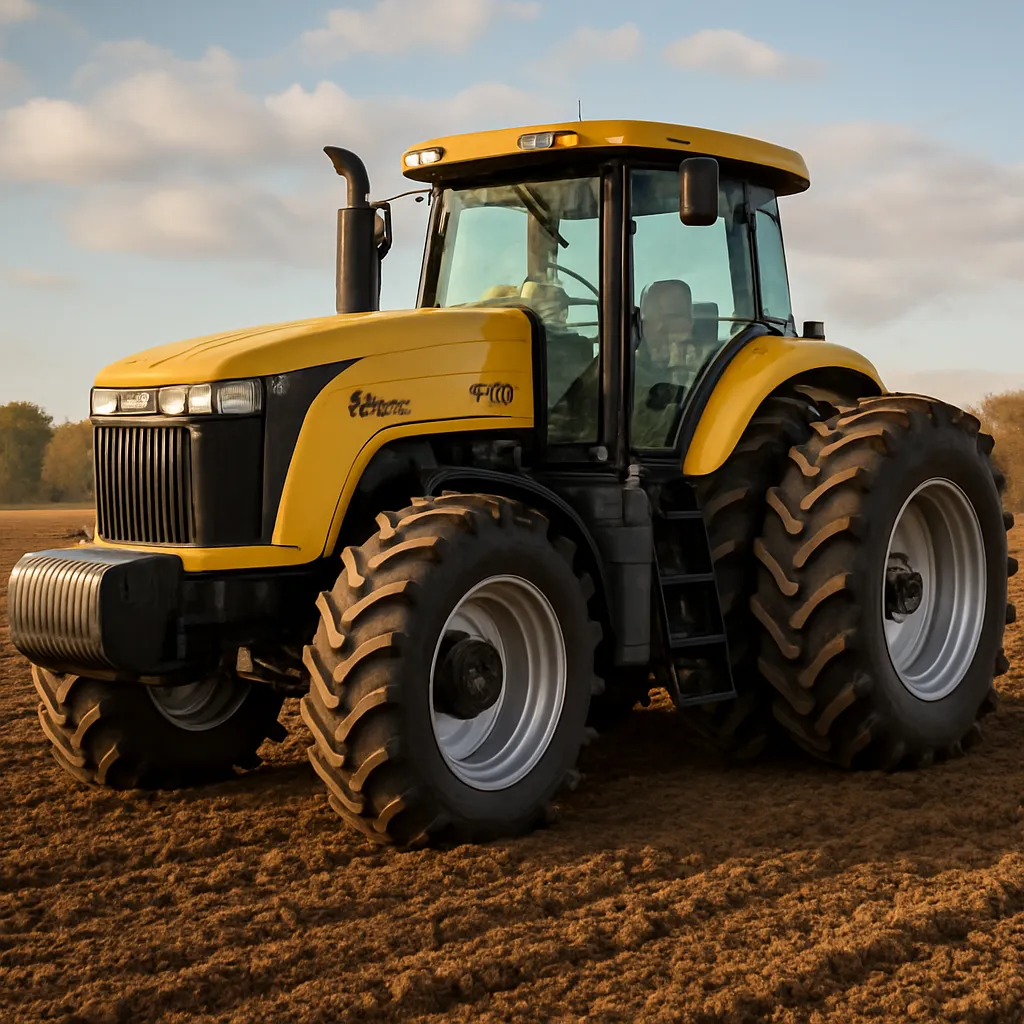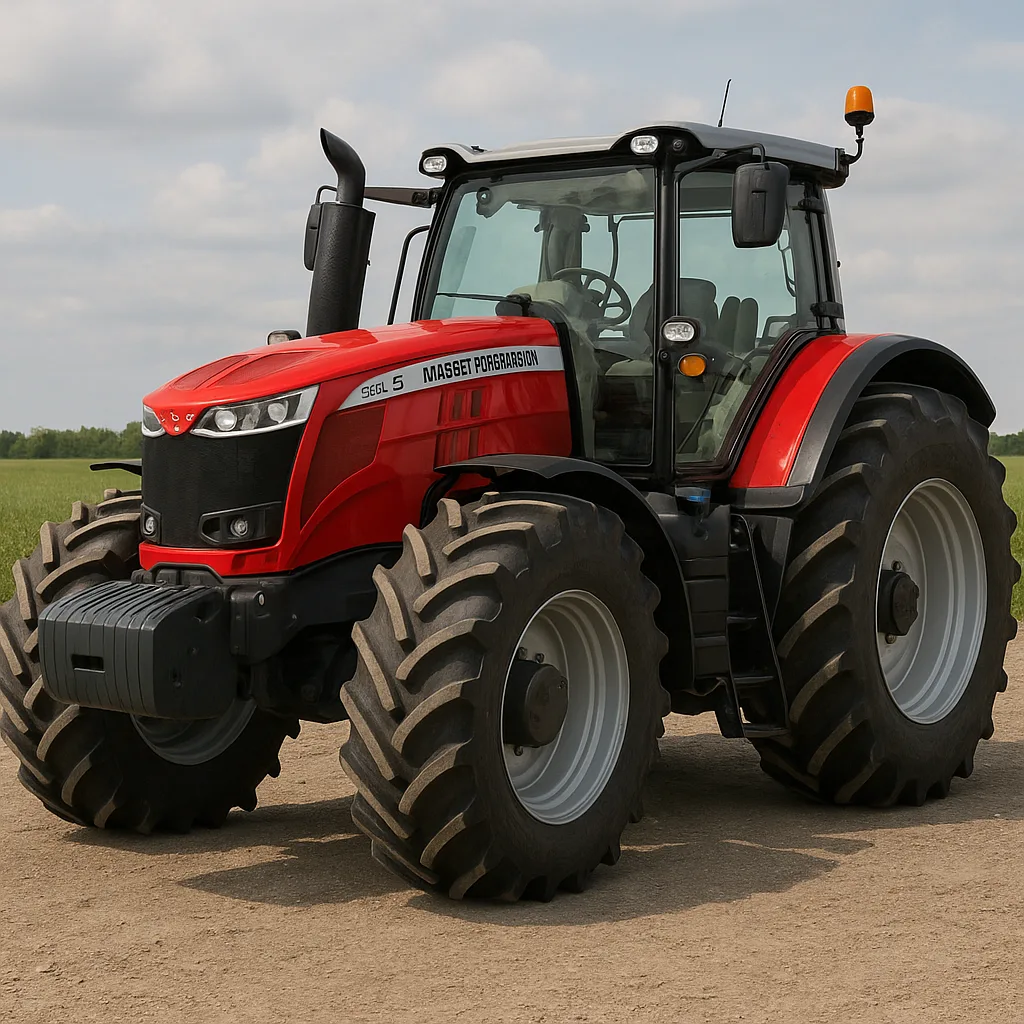
The Massey Ferguson 8737 S is a high-horsepower agricultural tractor designed for modern mixed and arable farming, contractor work and large-scale estate operations. Combining robust mechanical engineering with operator comfort and advanced electronics, the 8737 S belongs to Massey Ferguson’s 8700 S series — machines aimed at delivering high power, flexible hydraulics and efficient fuel consumption for heavy-duty tasks. This article explores the tractor’s design, typical applications, technical characteristics, operator features, maintenance considerations and market role, providing practical context and approximate numeric information where available.
Overview and design philosophy
The 8737 S represents Massey Ferguson’s approach to balancing raw capability with ease of use. Built for demanding fieldwork — including deep tillage, heavy seeding, large fertilizer spreading and high-efficiency transport tasks — the machine emphasizes a combination of reliability, modularity and operator ergonomics. The 8700 S family was created to meet the needs of farms and contractors who require sustained power outputs and contemporary control systems while retaining straightforward serviceability.
Chassis, layout and driveline
At the heart of the 8737 S is a robust frame and heavy-duty axle arrangement designed to cope with high drawbar loads and heavy mounted implements. The tractor is commonly offered with a continuously variable transmission (CVT) or advanced step-less transmission, providing smooth acceleration, efficient working speeds and precise ground speed control — features particularly valuable for tasks like controlled-traffic farming and specialist seeding operations. A selectable top speed (often 40–60 km/h depending on specification and local regulations) aids in rapid field-to-yard transfers, improving daily work rates.
Design priorities
- High continuous power for long working hours under load
- Operator comfort to reduce fatigue during extended tasks
- Adaptable hydraulic and PTO configurations for varied implements
- Serviceability and parts accessibility to minimize downtime
Applications and practical roles on the farm
The 8737 S is a multi-role tractor, suited to a wide range of agricultural operations. Its design supports both front- and rear-mounted implements and it is commonly used by large-scale farmers and contractors where a single machine must perform many jobs effectively. Key application categories include:
- Tillage: Heavy ploughing, subsoiling and power-harrow operations where steady torque and consistent drawbar pull are needed.
- Seeding and planting: Large seed drill and air seeder work that benefits from accurate ground-speed control.
- Spraying and spreading: High-capacity fertilizer spreaders and sprayers where hydraulic output and stability at speed are important.
- Transport: Trailers and heavy loads on-road between fields, taking advantage of higher top speeds and robust braking systems.
- Specialist implements: Large balers, forage harvesters (as tractor power source in some arrangements), and front-loader work with heavy buckets or pallet forks.
Because of its customizable options for hydraulics, PTOs and three-point hitch controls, the 8737 S is particularly valuable to contractors who must adapt rapidly between tasks with minimum downtime. The machine’s power band and torque characteristics also make it suitable for precision-controlled operations such as banded fertiliser application and controlled depth drilling.
Technical specifications and performance
Manufacturers release multiple configurations of the 8700 S series, and the 8737 S falls into the higher-power bracket of the range. Exact specifications depend on market, emissions regulation, optional equipment and production year, but the following figures are representative of the class and typical factory configurations.
Powertrain and engine (representative figures)
- Engine manufacturer: typically an AGCO Power or other OEM diesel unit (common across the brand), designed for agricultural duty cycles.
- Approximate engine capacity: range commonly between 6.6 to 7.4 litres for comparable models, tuned for high torque at low rpm.
- Approximate rated power: around 370 horsepower for the 8737 S designation (model numbers traditionally reflect nominal power class), with torque management and boost available under load.
- Emission standard: compliant with the relevant Stage V / Tier 4 Final or earlier standards depending on year and market, including after-treatment systems where required.
Transmission and drive systems
- Transmission type: variable step-less transmission (CVT) or advanced hydro-mechanical transmissions in some specs, offering smooth control and fine speed selection.
- Drive modes: 4WD with differential locks, selectable front-axle features and optional suspension for improved ride and traction.
- Top speed: configurable, typically up to 40–60 km/h depending on gearbox and country rules — higher speed options aid road transport efficiency.
Hydraulics, PTO and lifting
- Hydraulic flow: high-capacity systems in the range of approx. 160–220 litres/min (open-centre or load-sensing systems depending on options) to power modern high-demand implements.
- PTO options: standard 540/1000 rpm PTO selections, often with an economy mode to reduce engine speed for lower implement power requirements and save fuel.
- Rear linkage: strong three-point hitch with high lift capacity to handle large mounted equipment and to ensure stability with heavy tools.
Weights, fuel and capacities
- Operating weight: dependent on configuration and ballast, but typical operative weights for this class can be in the several-tonne range — often between 9,000 and 12,000 kg, depending on options and front attachments.
- Fuel tank capacity: often in the hundreds of litres to allow for prolonged operation without refuelling — common capacities range from around 400 L to over 600 L depending on spec.
- Tyre options: from agricultural flotation tyres to heavy-duty transport tyres, selectable to match soil type and transport needs.
Note: the figures above are indicative and vary by year and region. For precise specifications, consult the factory data sheet for the particular machine and serial range.
Operator comfort, controls and technology
Massey Ferguson has focused attention on operator experience in recent generations, and the 8737 S reflects this with ergonomic cab design, intuitive controls and integrated technology. Key human-factors features include:
- Comfortable cab with climate control, low-noise insulation and adjustable seating to reduce operator fatigue during long shifts.
- Ergonomic joystick and armrest controls for transmission, hydraulics and linkage adjustments, enabling one-hand operation of multiple functions.
- Advanced dashboard and display units, often including touchscreen displays with customizable screens for telemetry, mapping and implement control.
- ISOBUS compatibility to interface with modern implements and guidance systems for precision farming tasks.
Precision farming and connectivity
The 8737 S is frequently equipped with precision guidance options — GPS-based auto-steer, section control for planters and sprayers, and variable-rate application systems. These features increase the tractor’s effectiveness by reducing overlap, saving inputs and standardizing operational quality across large areas. Built-in telemetry and remote diagnostics are commonly available, allowing fleet managers to monitor fuel use, operating hours and location in near real-time.
Maintenance, operating costs and lifecycle considerations
Running a high-power tractor such as the 8737 S involves both capital and ongoing costs. Proper maintenance and informed operation will maximize uptime and long-term value. Important points include:
- Service intervals: regular oil and filter changes, hydraulic fluid and air filter replacements, and scheduled inspections of driveline components are essential.
- Fuel efficiency: while designed for high power, real-world fuel consumption depends on task, implement load and operator choices. Modern engines with torque-rich characteristics at low rpm often offer better litre-per-hectare performance compared to older high-revving units.
- Resale value: well-serviced units with documented maintenance tend to retain value — factors such as total operating hours, condition of hydraulics and cab equipment influence the used price.
- Parts and servicing network: access to OEM parts and certified dealers affects downtime. Massey Ferguson’s global dealer network generally provides good parts availability, but remote regions may experience delays.
Economic efficiency also stems from the tractor’s ability to complete jobs faster and with fewer passes. Time savings, combined with precision-application technology, can reduce input costs and make bigger tractors cost-effective on larger farms or for contractors.
Safety features and regulations
For tractors in this class, safety is a blend of structural design, operator aids and compliance with statutory requirements. Typical safety-related features include:
- ROPS and cab structures designed to protect the operator in rollover events.
- Advanced braking systems suitable for high-mass transport on roads, often including ABS and trailer brake integration.
- Visibility aids: wide glass areas, heated mirrors, optional cameras and LED lighting packages for night work.
- Interlocks and software safeguards to prevent improper PTO engagement or unsafe hitch conditions.
Market position, competitors and buyer considerations
The Massey Ferguson 8737 S competes in a marketplace of tractors from major agricultural manufacturers offering models in the 300–400 hp range. Considerations for buyers include:
- Brand and dealer support: Massey Ferguson is a well-established brand with broad dealer networks in many regions; buyers should evaluate local dealer responsiveness and parts availability.
- Purpose and utilization: A tractor of this capability is most cost-effective when used intensively — contractors, large arable farms and mixed enterprises with significant acreage will see the most benefit.
- Optional equipment: Buyers must compare hydraulic flow rates, hitch lift capacity, cab options, guidance systems and transmission choices to align the machine with intended tasks.
- Operating environment: Soil type, average field size and transport distances influence tyre choice and final spec (e.g., suspension, ballast and speed options).
Key competitors
Comparable tractors from other manufacturers include high-power models from brands such as John Deere, New Holland, Case IH and Fendt — each with its own approach to transmission technology, cab layout and after-sales ecosystems. Buyers often weigh service networks, total cost of ownership and personal experiences with brand reliability.
Environmental impact and sustainability aspects
Modern agricultural machinery must reconcile productive capacity with environmental stewardship. The 8737 S and machines in its class adopt technologies to reduce emissions and improve efficiency:
- Engines meeting current emissions standards (e.g., Tier 4 Final / Stage V where applicable) through selective catalytic reduction, diesel particulate filters and advanced injection management.
- Fuel-saving measures: torque-focused engines, efficient transmissions and implement-matching strategies to reduce unnecessary fuel burn.
- Reduced soil compaction strategies: wider tyres, dual-wheel and flotation options, and controlled-traffic farming compatibility help minimize soil damage.
- Telematics and precision farming: by applying fertiliser and crop protection products more precisely, the tractor can contribute to lower input use and reduced environmental impact per hectare.
Real-world performance and typical statistics
Actual performance metrics vary with usage, but some typical operational statistics and observations from machines in this class include:
- Average fuel consumption during full-load fieldwork: commonly in the range of 20–40 L/hour depending on task intensity, engine tuning and implement load. Lighter transport or low-load tasks may show lower figures.
- Daily field capacity: dependent on implement width and field conditions, but when paired with large-seeding or cultivation implements, a tractor like the 8737 S can cover several hundred hectares per week under favorable conditions.
- Uptime expectations: with regular maintenance and quality servicing, modern high-horsepower tractors often deliver several thousand operational hours before major overhauls — typical service lives can exceed 10,000 hours when well maintained.
- Depreciation trends: high-power tractors depreciate initially after purchase but retain reasonable second-hand values when options like guidance systems and telemetry are included, and when overall hours are moderate.
These figures are indicative and should be verified for the specific machine and local operating environment. Operators often track fuel per hectare and implement wear to fine-tune machine selection and management strategies.
Practical tips for owners and operators
To maximize the value of a Massey Ferguson 8737 S, consider the following practical recommendations:
- Choose hydraulic and PTO configurations that match the implements you use most frequently — oversized hydraulic capacity can be costly, whereas undersized systems will limit productivity.
- Invest in precision guidance and ISOBUS integration where repeatability and input savings matter — these systems pay back through reduced overlap and improved plan quality.
- Monitor tyre pressure and ballast carefully to minimize compaction while ensuring traction — modern tyre pressure management or flotation tyres can improve both yield and ride comfort.
- Keep a thorough service log and use OEM-approved fluids and parts for critical components to preserve resale value and reliability.
Summary
The Massey Ferguson 8737 S is a versatile, high-capacity tractor built to serve large-scale agricultural operations and contractors who demand sustained power, flexible hydraulics and integrated technology. With an emphasis on operator comfort, adaptable implement support and precision-farming readiness, the model is designed to deliver high daily work rates and long-term serviceability. While exact specifications vary by market and configuration, the tractor typically sits in the 300–400 hp class, with robust hydraulic capacity and advanced transmission options that make it suitable for a wide range of heavy tasks. For buyers, aligning specification choices with the most common daily tasks and ensuring strong dealer support are key to realizing the tractor’s full economic potential.
Note: Technical figures in this article are representative and may vary with year, market and optional equipment. Consult the official Massey Ferguson documentation or local dealer for precise data on a specific serial number or build specification.