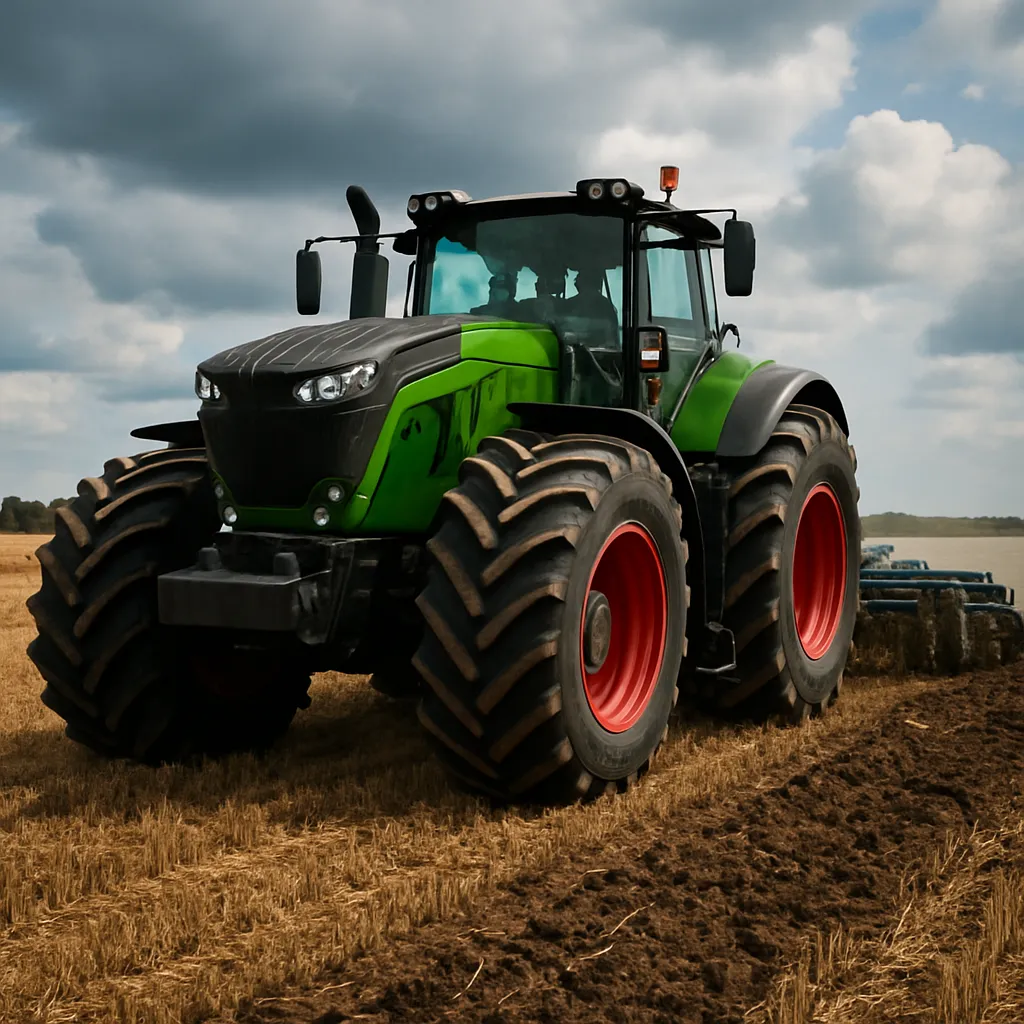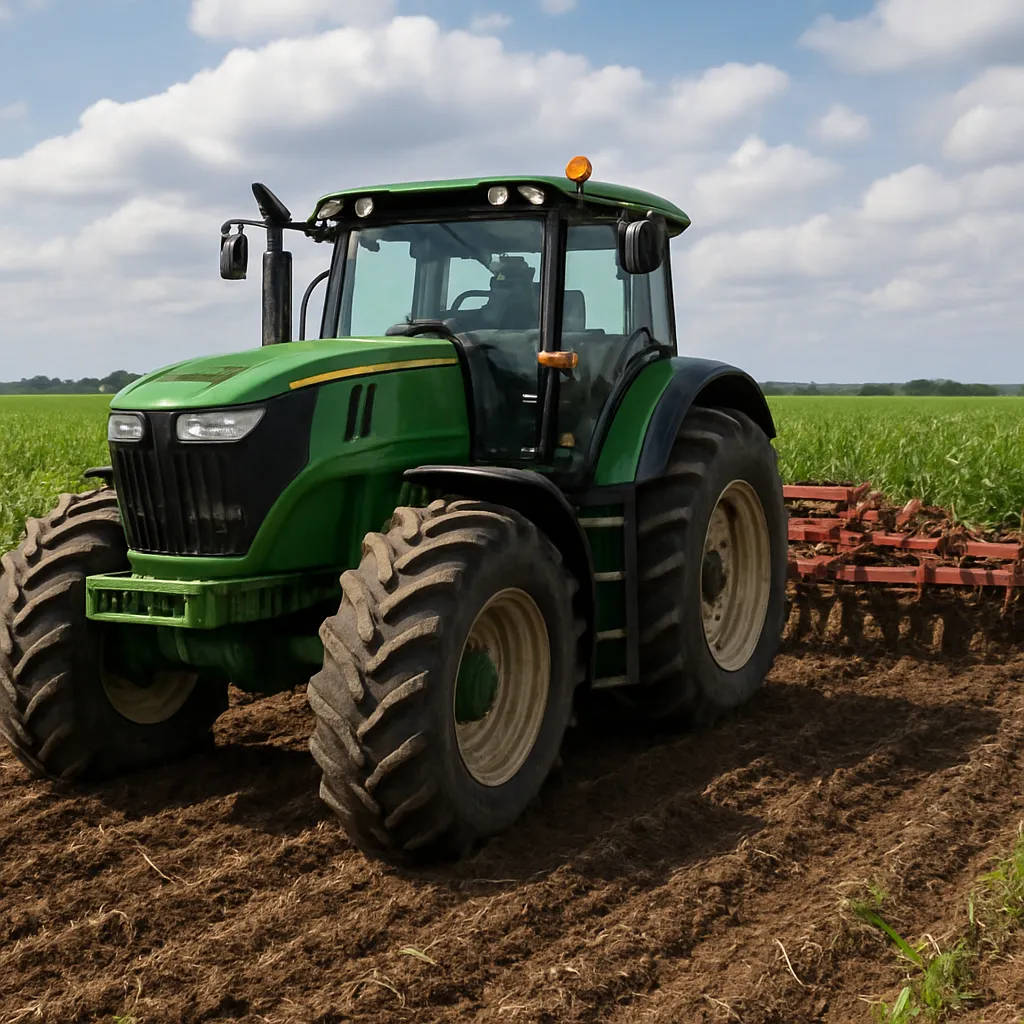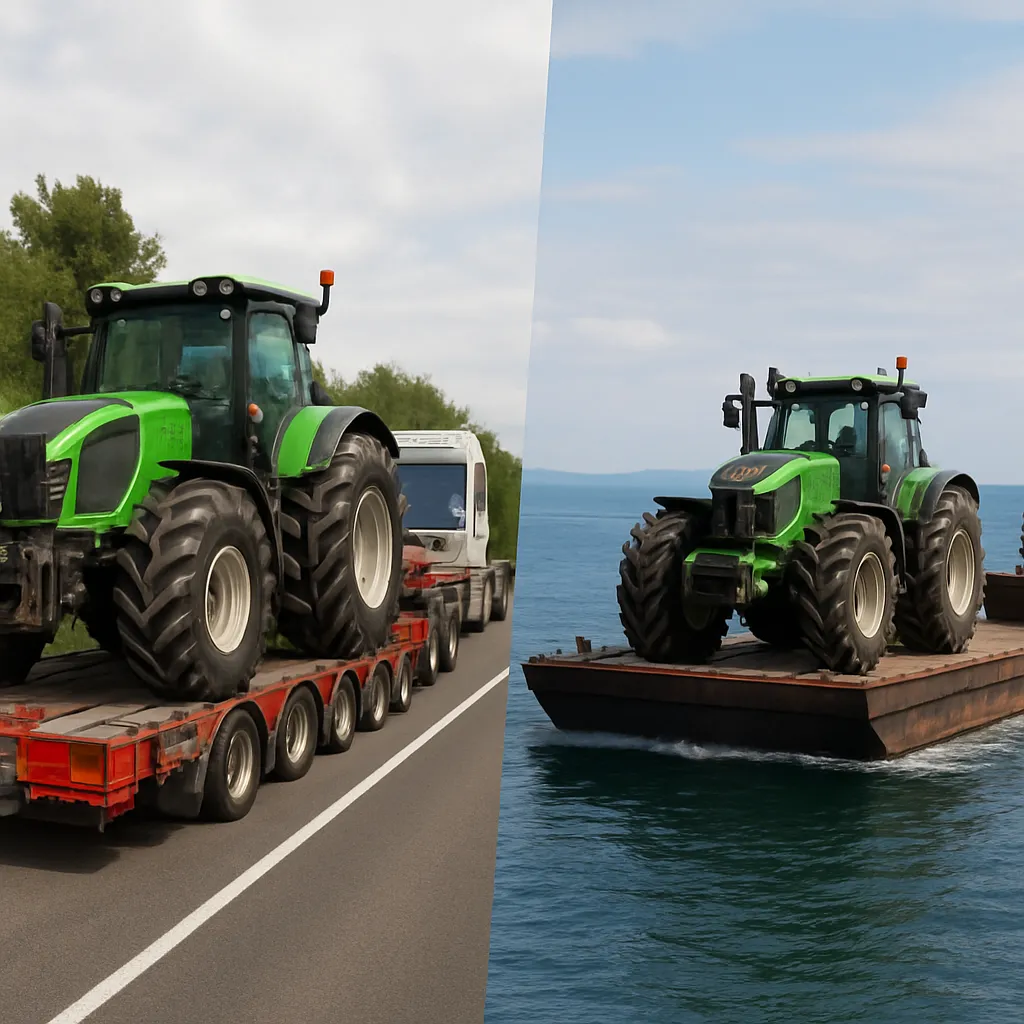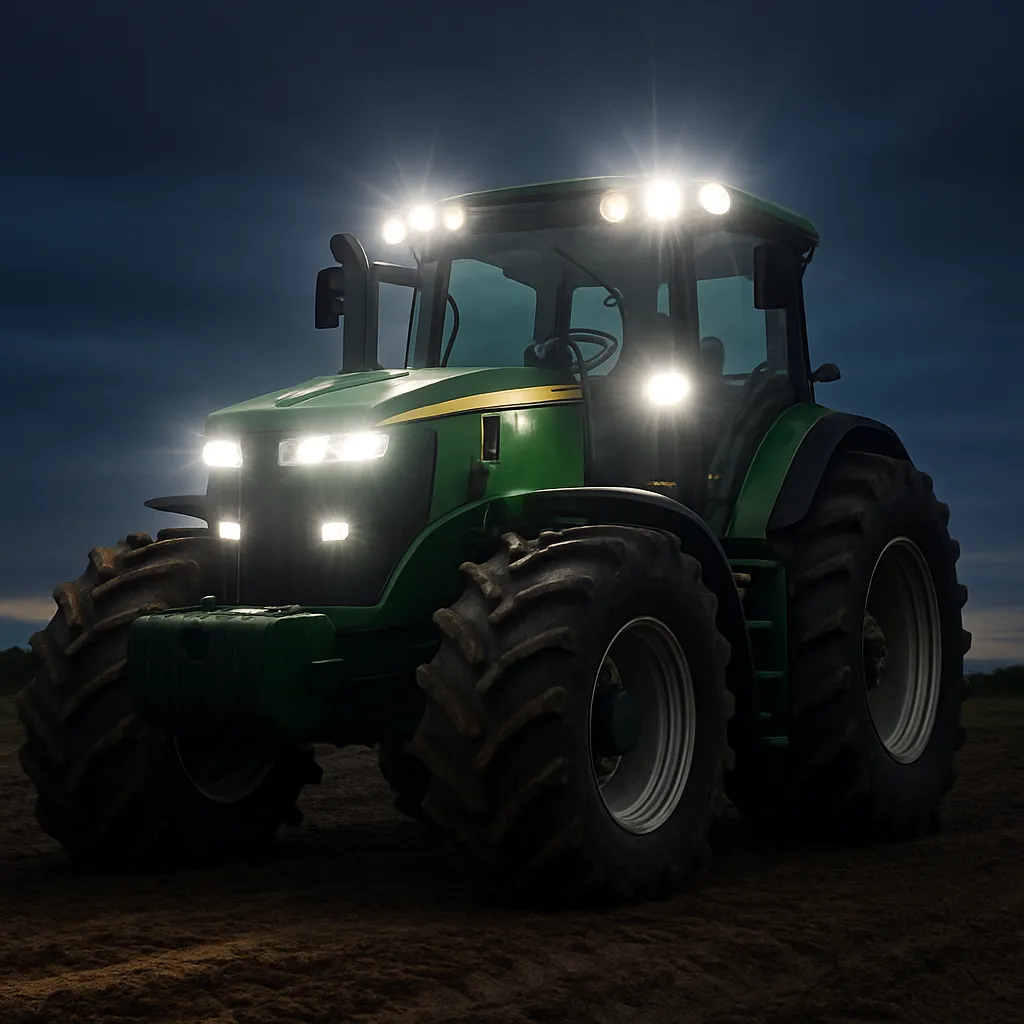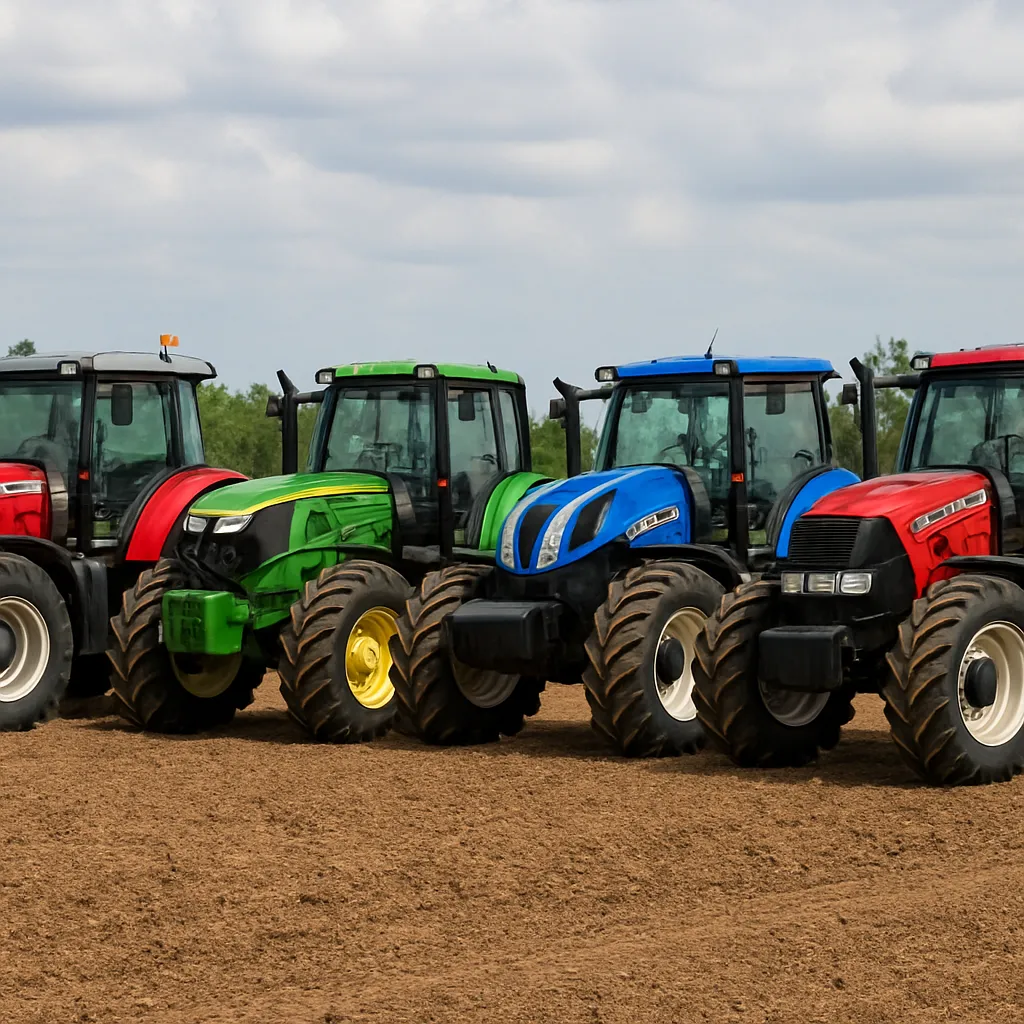
The quest for agricultural dominance has led engineers to push the boundaries of power and innovation in modern tractors. Massive machines roam fields worldwide, delivering unprecedented performance thanks to breakthroughs in engine design, advanced systems, and materials science. This article explores the evolution of the world’s biggest tractors, the cutting-edge technology behind their high-torque engines, and the key features that set these giants apart in the realm of heavy-duty farming.
Historical Progression of Farm Giants
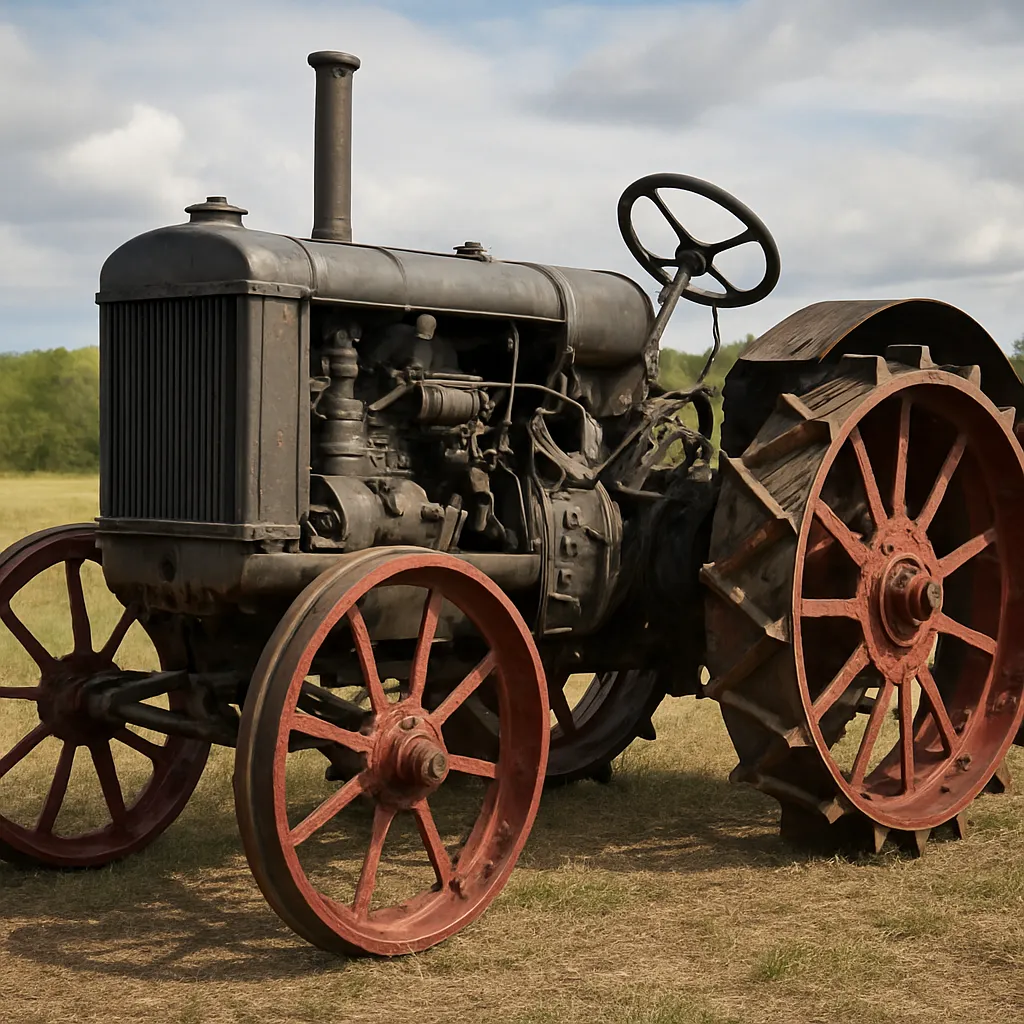
Early plowing machines relied on animal power, then gradually gave way to steam engines. By the mid-20th century, internal combustion engines began to revolutionize farming. Today’s largest tractors bear little resemblance to their ancestors, exhibiting mind-boggling levels of horsepower and unmatched stability.
From Steam to Diesel Dominance
- 19th-century steam traction engines – pioneers of mechanized plowing
- Introduction of gasoline-powered tractors – lighter but limited in raw strength
- Transition to diesel engines in the 1930s, offering greater torque and fuel economy
Key Milestones in Tractor Scaling
- 1950s: 100-150 HP models cement mainstream adoption
- 1980s: Emergence of 300+ HP four-wheel-drive machines
- 2000s: Breakthroughs in turbocharging and precision farming elevate output beyond 500 HP
Engine Technology Behind High-Torque Performance
High-torque tractor engines must deliver consistent force at low RPMs, enabling heavy implements to break soil, drag plows, or haul substantial loads. Engineers optimize several factors to maximize performance:
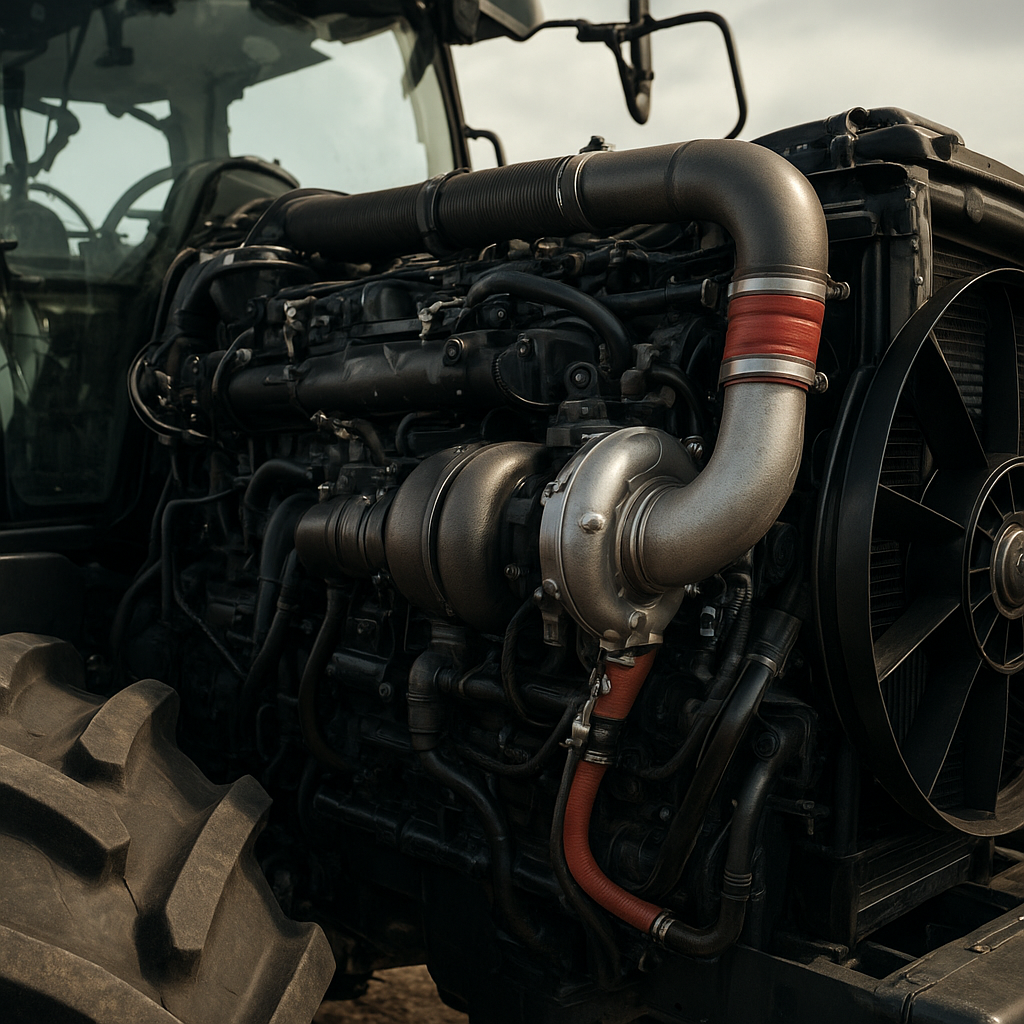
- Turbocharging and intercooling – boost power density by forcing more air into the combustion chamber
- Common rail fuel injection – precise spray patterns enhance combustion and reduce emissions
- Advanced computer controls – manage timing, pressure, and flow for peak efficiency
- Reinforced engine blocks and crankshafts – withstand extreme stresses under load
Transmission Systems and Gear Ratios
Modern tractors use multi-range, power-shift or continuously variable transmission setups to match engine output with ground speed. Lower gears maximize pulling force for heavy draft work, while higher gears optimize field coverage and transport tasks.
Cooling and Lubrication Innovations
- High-capacity radiators with variable-speed fans – maintain optimal thermal balance under prolonged heavy load
- Dual-circuit lubrication – separate channels for engine and hydraulic oil, extending component life
Defining Features of the World’s Largest Tractors
When farm operators seek the biggest of the big, several models lead the pack owing to their staggering statistics and robust designs. Key attributes include:
- Massive displacement engines exceeding 15 liters
- Traction-optimized four-track or quad-wheel drive platforms
- Integrated GPS and electronic control units for precision seeding and nutrient application
- Cab comfort systems rated for long shifts: climate control, suspension seats, panoramic visibility
Notable Tractor Titans
- Brand A Model Alpha – 600 HP, twin-turbo diesel, 24-speed power shift, weighing nearly 20 tons
- Brand B Behemoth – 750 HP, eight-track configuration, steering axles for tighter turns, advanced telematics
- Brand C Colossus – 650 HP, four-wheel steer, auto-guidance, hydraulic output surpassing 500 L/min
Implement Compatibility and Hitch Systems
Heavy-duty tractors employ Category 4 and 5 hitches, featuring high-capacity drawbars, hydraulics up to 220 bar, and electronic control for real-time implement feedback. This synergy allows seamless operation of colossal plows, harrows, and planters.
Emerging Trends and Future Developments
Agricultural demands continue to rise, prompting further innovation in tractor technology. Engineers and researchers focus on:
- Alternative powertrains – exploring hybrid and fully electric solutions for reduced emissions
- Autonomous operation – unmanned tractors guided by AI for 24/7 productivity
- Enhanced connectivity – cloud-based data analytics optimizing field-to-field performance
- Lightweight ultra-high-strength materials – boosting power-to-weight ratios while maintaining durability
Precision Farming Integration
By combining variable-rate seeding, real-time soil sensing, and drone surveillance, today’s tractor becomes the nucleus of a data-driven ecosystem. Fertilizer application and irrigation can be modulated on the go to maximize yield and conserve resources.
Challenges on the Horizon
- Balancing increased complexity with reliable field uptime
- Ensuring serviceability of advanced electronic and sensor arrays in remote locations
- Managing costs for small to mid-sized operations seeking access to high-end machinery