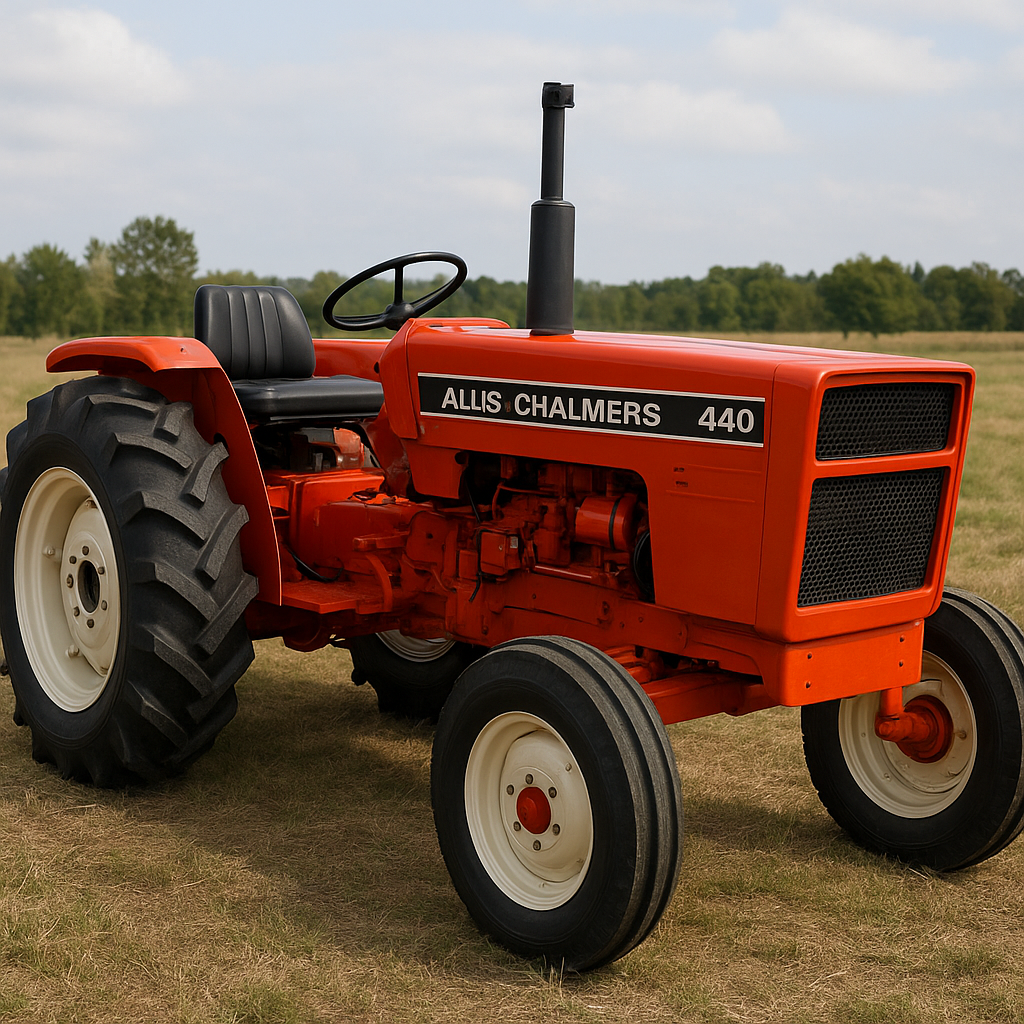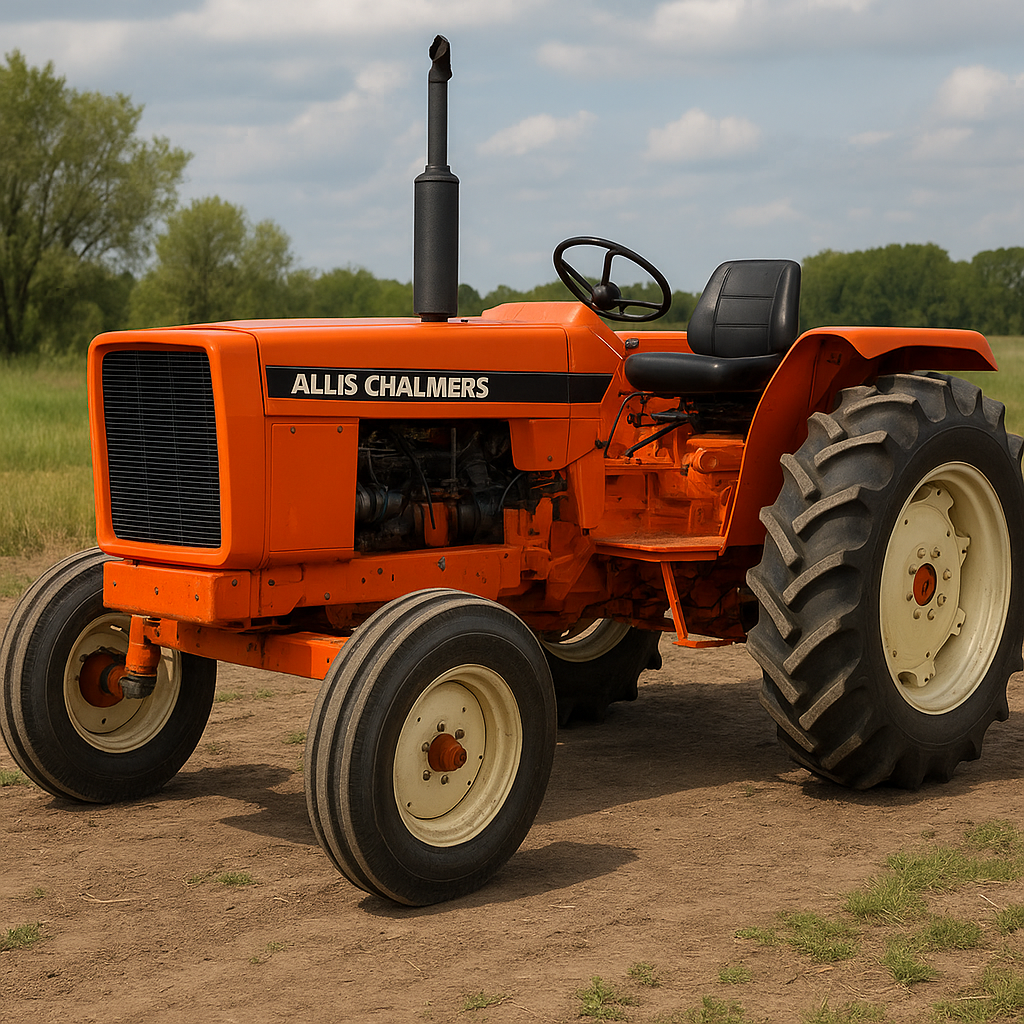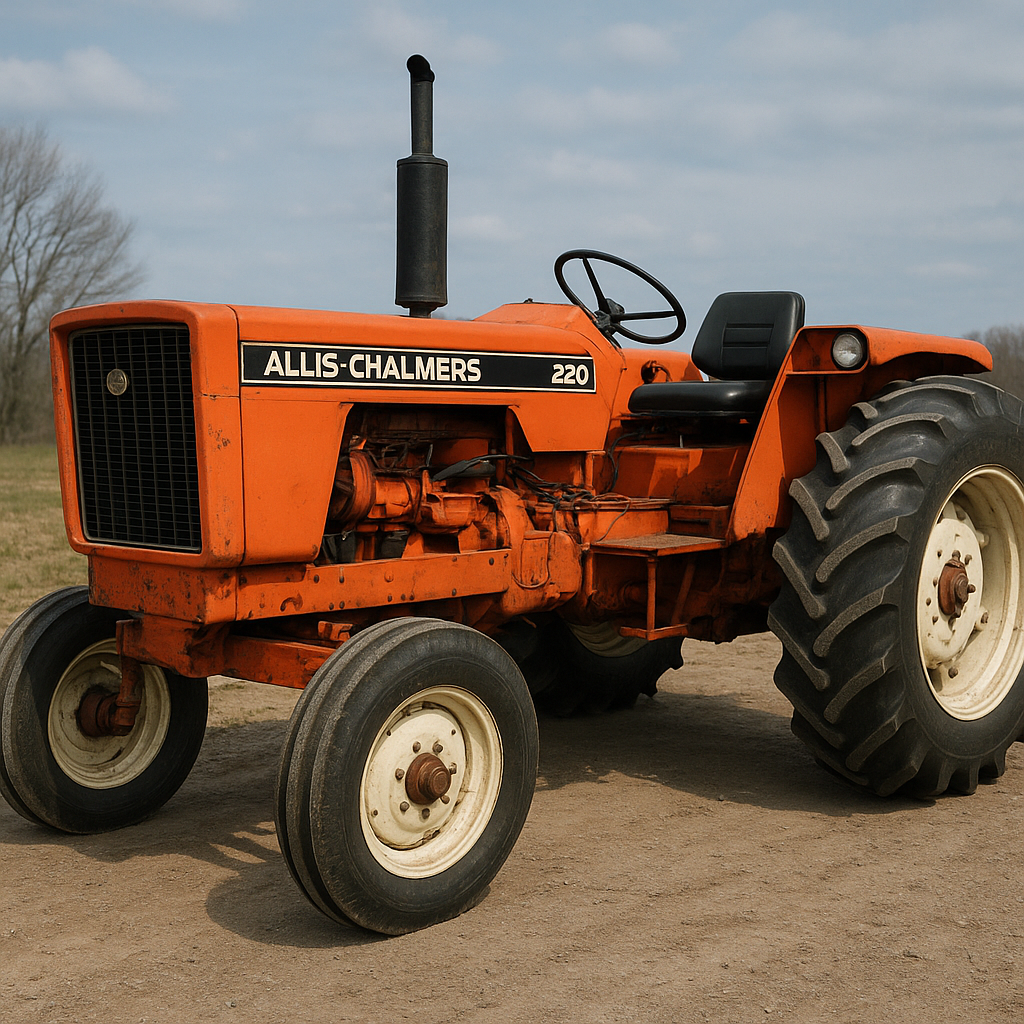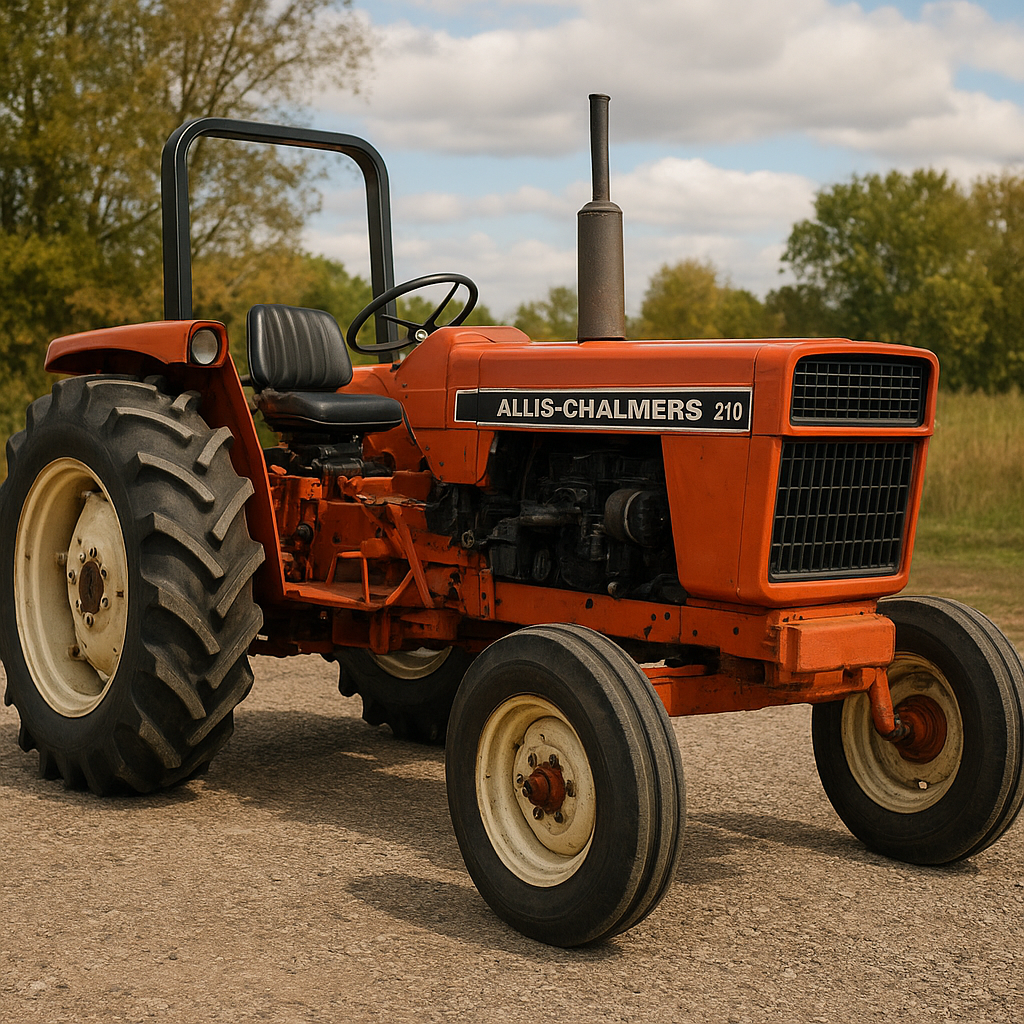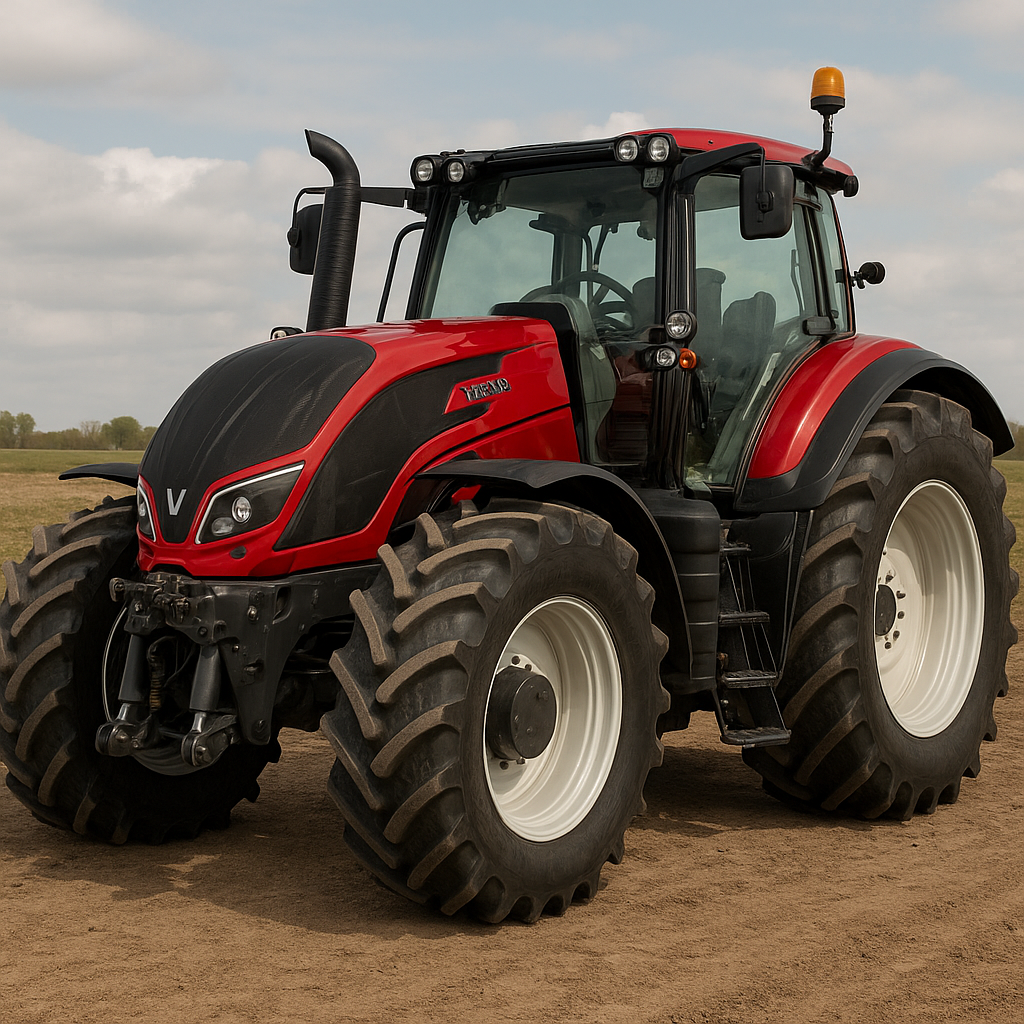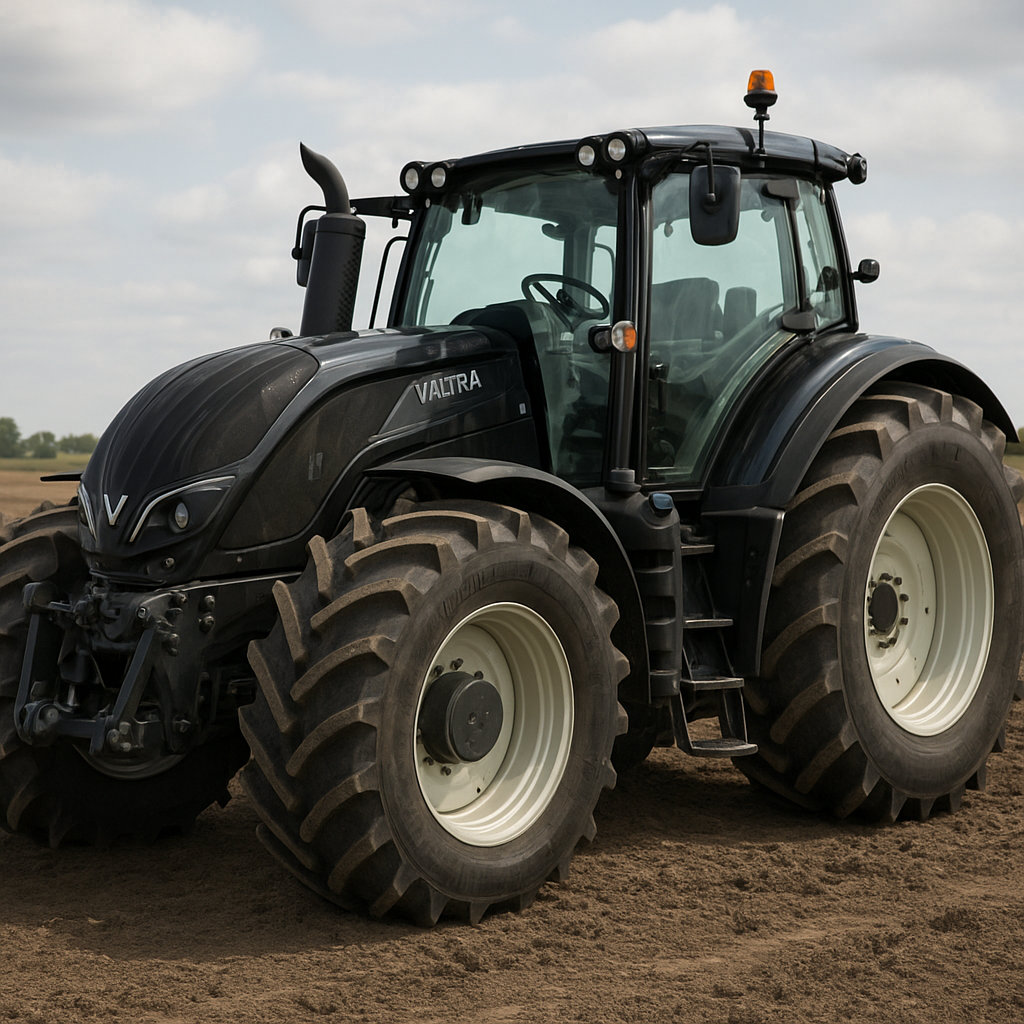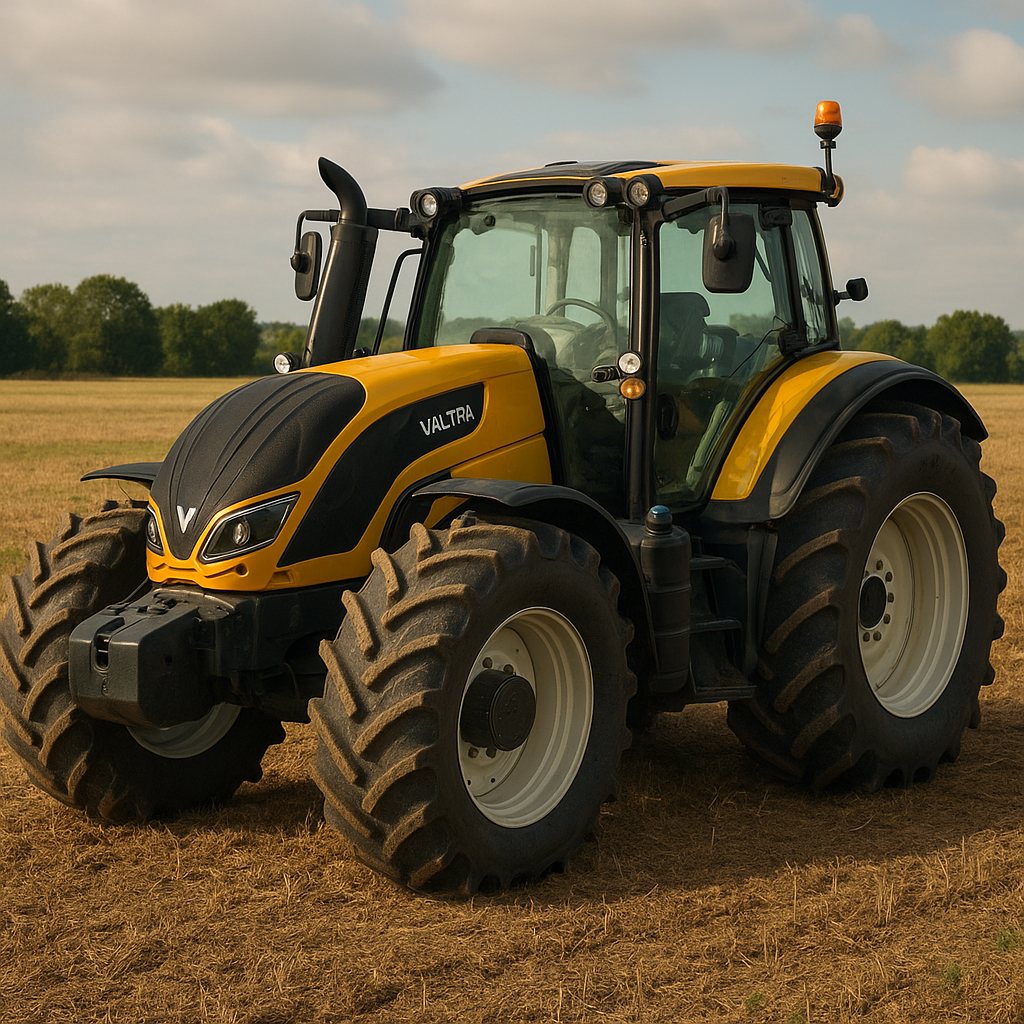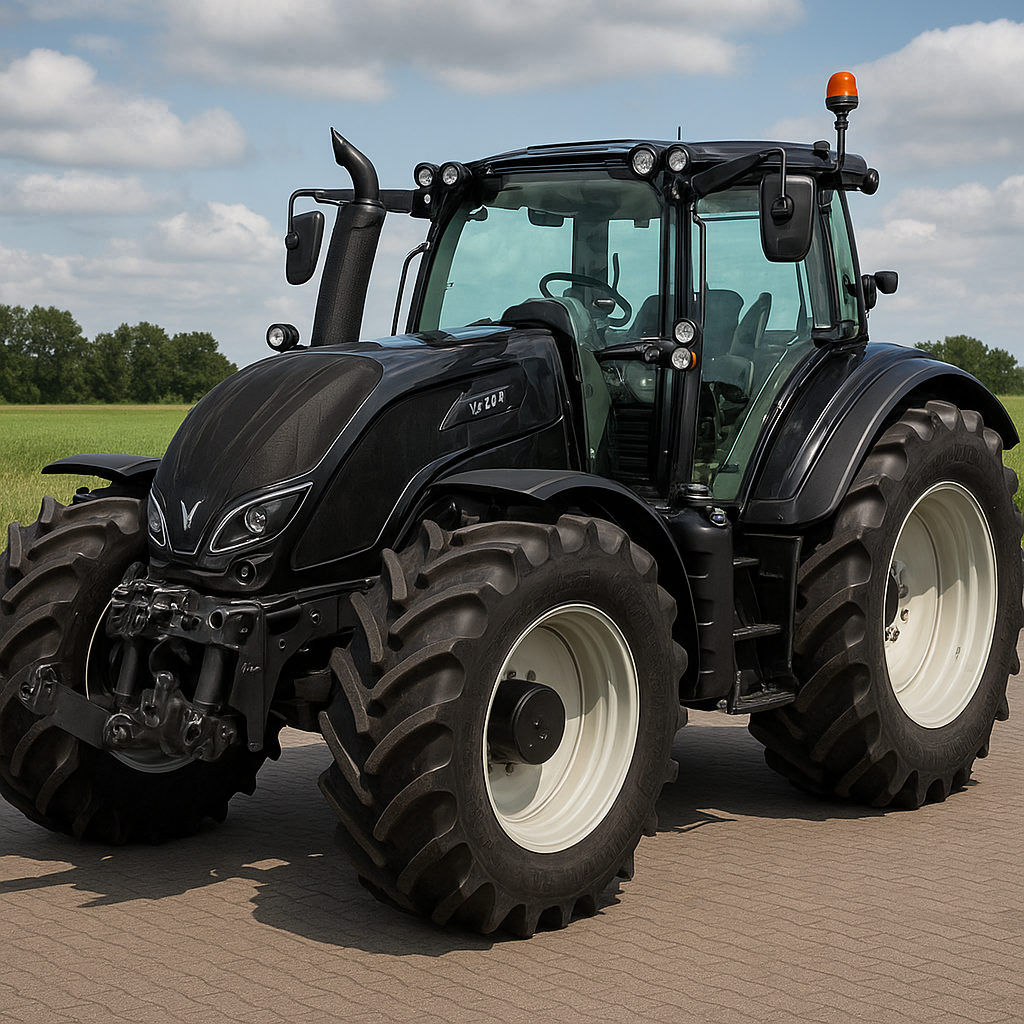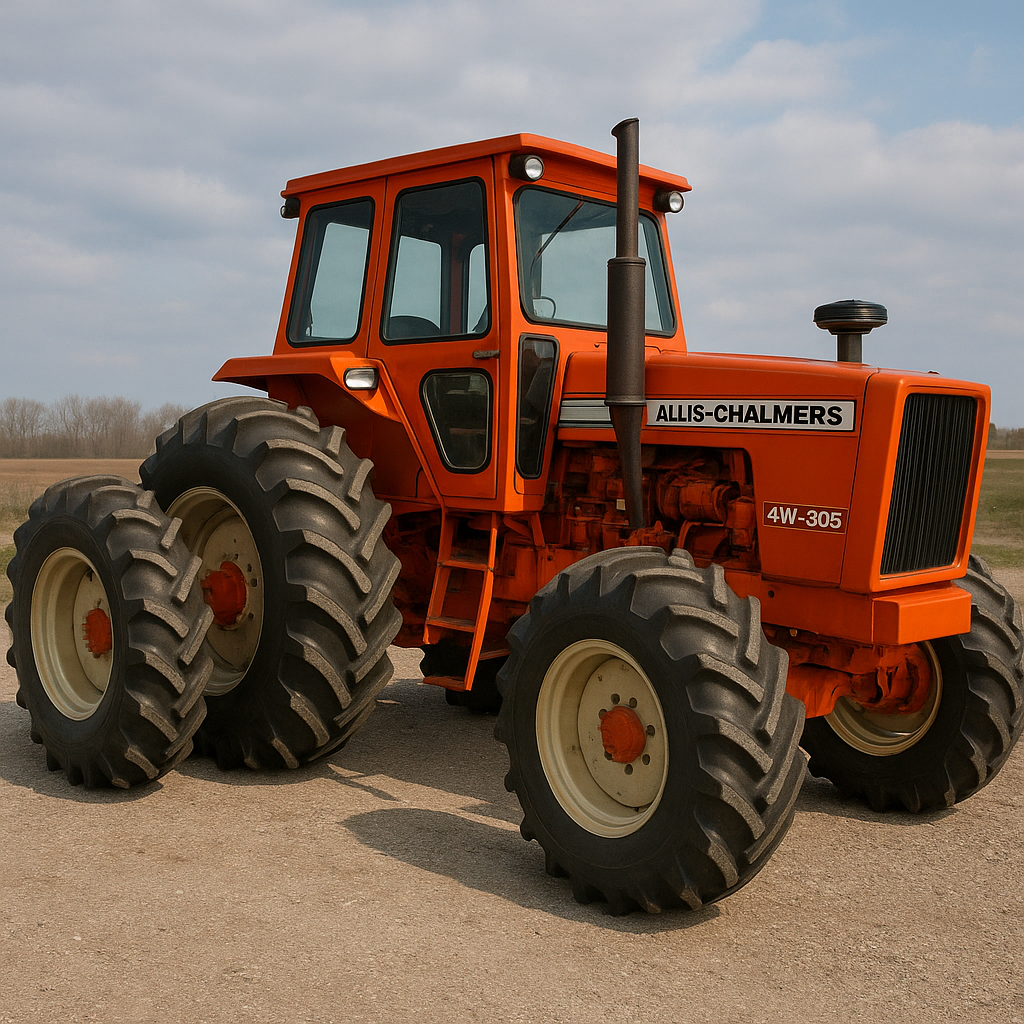
The Allis-Chalmers 4W-305 is remembered by farmers, contractors and collectors as a robust, no-nonsense mid-sized agricultural tractor built to handle a wide variety of field and utility tasks. In this article we explore its historical context, technical characteristics, real-world applications and practical considerations for owners and restorers. The emphasis is on practical information: what this machine does well, how it is built, and what to expect in terms of maintenance, performance and value. Throughout the text you will find highlighted terms that point to the most important concepts and priorities for anyone interested in the 4W-305.
History and context
The Allis-Chalmers name evokes nearly a century of American farm machinery development. Although the company produced many well-known models, the 4W-305 represents a category of machines that combined medium power with durability and simple serviceability. Introduced as part of Allis-Chalmers’ response to growing demand for dependable 4-wheel-drive and utility tractors, the 4W-305 was aimed at diversified farms needing a versatile machine for tillage, planting, transport and mid-range implement work.
During the period when this tractor was in production, manufacturers were shifting toward more powerful diesel engines, improved hydraulics and stronger transmissions. The 4W-305 sits historically between small two-wheel-drive row-crop tractors and the larger, high-horsepower machines used for heavy tillage and large-scale grain farms. In that niche it found many adopters: family farms, mixed livestock operations, orchard and vineyard contractors and municipal fleets.
Design and technical features
The 4W-305 was engineered with practicality in mind. Emphasis was placed on a solid chassis, reliable driveline components and user-friendly service points. Below are the key aspects of its design and what they mean in daily operation.
Engine and performance
Powering the 4W-305 is a medium-displacement diesel engine designed for steady torque delivery rather than peak power. This configuration favors tasks such as plowing, pulling implements and powering PTO-driven equipment where continuous torque matters. Typical characteristics for tractors of this class include:
- Moderate rated horsepower suited to mid-sized implements.
- Focus on low-end torque for draft work and reliable lugging ability.
- Simple turbocharging or naturally aspirated options in some variants to balance fuel use and power.
Reported or typical figures for tractors in this category are a rated engine output in the range of about 60–100 HP, with PTO ratings proportionally lower. Exact numbers vary by configuration, production year and optional equipment. Fuel consumption and economy depend heavily on workload, but users commonly report moderate diesel usage under typical farm tasks—higher under sustained heavy draft loads, lower for transport and light utility work.
Transmission and driveline
The transmission choices available on tractors like the 4W-305 are designed to suit both fieldwork and transport. A strong, serviceable gearbox with multiple ranges and synchronized gears or powershift options makes the tractor versatile. Important aspects include:
- Robust gearing for low-speed, high-traction work.
- Range options for road transport—higher gears for improved travel speed.
- Reliable final drives and axles suitable for sustained 4WD use.
A characteristic strength of this model lineup is an emphasis on a straightforward transmission layout that technicians can maintain in the field, reducing downtime during busy seasons.
Hydraulics, PTO and attachments
Hydraulic systems on the 4W-305 were sized to operate typical mid-sized implements: plows, seeders, loaders and rear-mounted mowers. A continuous-duty hydraulic pump and simple, easy-to-service valves help ensure consistent implement performance. The rear PTO is a key interface for many users; it provides the mechanical power necessary to drive balers, mowers, rotary tillers and other PTO-driven machines.
- PTO speed(s) usually conform to industry standards for the era (e.g., 540 RPM, and sometimes 1000 RPM on optional units).
- Hydraulic lift capacity is designed around commonly used implements; it provides a balanced lift and control without the complexity of high-end, electronic systems.
These functional choices underline the model’s aim: capable power delivery with a premium on dependability and ease of repair.
Chassis, weight and mobility
The 4W-305 generally features a rugged frame and 4-wheel-drive capability—hence the “4W” designation—giving it added traction in soft or uneven ground compared with 2WD counterparts. The extra traction expands the tractor’s usable window in wet seasons and improves performance on heavier soils. Typical features include:
- Solid front and rear axles suited for frequent engage/disengage of 4WD.
- Ground clearance and tire options that suit row-crop work or general utility tasks.
- Overall weight balanced to provide traction without excessive compaction for medium soils.
Applications and real-world uses
The 4W-305 is fundamentally a do-it-all machine. Its design makes it suitable for a variety of farm, municipal and contractor operations. The following list highlights common and effective applications for this class of tractor.
- Tillage and soil preparation: Primary plowing, disking and cultivating on medium-acreage farms where heavy high-horsepower machines would be excessive or inefficient.
- Seeding and planting: Pulling seeders and planters across a range of soil types with consistent draft power.
- Baler and hay work: PTO-driven balers and mowers for haymaking operations on mixed livestock farms.
- Loader and material handling: When fitted with a front loader, the tractor becomes a general-purpose handler for feed, manure, gravel and bales.
- Orchard and specialty crops: With attention to tire choice and ballast, the tractor can be adapted to row-spaced orchards and vineyards where maneuverability is needed.
- Municipal and utility roles: Street maintenance, mowing, light construction and winter work (plows and spreaders) in town fleets.
- Forestry and land management: Clearing brush, powering small wood chippers and hauling logs on small tracts.
Because it can be fitted with many common implements—plows, cultivators, seeders, mowers, loaders and backhoes—the machine serves well as the primary tractor on many mid-sized operations. The presence of selectable 4WD improves performance in marginal traction conditions, making the tractor reliable in variable weather.
Maintenance, reliability and long-term ownership
One reason machines like the 4W-305 have a long service life is their mechanical simplicity and heavy-duty components. These characteristics make them attractive to owners who prefer to perform a great deal of their own service work.
Routine maintenance points
- Engine oil and filter changes at manufacturer-recommended intervals; diesel engines favor consistent oil care for longevity.
- Regular hydraulic fluid and filter maintenance to ensure lift and implement responsiveness.
- Transmission and final drive oil checks—heat and contamination are common wear accelerants if overlooked.
- Cooling system service: radiator cleaning, coolant testing and thermostat checks to avoid overheating, especially under heavy loads.
- Drive-line and axle inspections for wear, seals and lubricant condition; 4WD systems often need attention at the axle and differential level.
Owners most value the 4W-305 for its straightforward mechanical layout: parts are often accessible, and many components can be repaired without specialized electronic equipment. That being said, age-related issues are common—worn seals, brittle hoses, tired hydraulics and carburetion or injection system wear require careful attention during restoration or purchase.
Common problems and troubleshooting
Typical age-related problems to watch for include:
- Hydraulic leaks and diminished lift capacity caused by seals and pump wear.
- Fuel system wear—injectors, pumps or lines—leading to rough running and lower efficiency.
- Transmission or clutch slippage resulting from worn friction materials or improper adjustments.
- Electrical issues such as starter or alternator wear and corroded connectors.
With conscientious upkeep, many examples remain fully serviceable for thousands of hours. Practical owners often keep a small stock of common spare parts—filters, belts, hoses, seals and a set of bearings—to minimize downtime during busy seasons.
Restoration, parts availability and collector interest
Tractors like the 4W-305 occupy a middle ground between everyday workhorse and collectible machine. For many enthusiasts the appeal lies in restoring a tractor to dependable, functional condition rather than achieving concours-level show polish.
Parts and interchangeability
Parts availability depends on the specific component and the market. Common consumables—filters, gaskets, bearings and hydraulic hoses—are generally obtainable through agricultural parts suppliers. More model-specific items (instrument panels, body panels, certain gearbox components) may be scarcer and could require sourcing from salvage tractors or specialty suppliers. In many regions the widespread use of similar driveline and engine components across models increases the likelihood of finding compatible parts.
Restoration tips
- Document the tractor before disassembly: photographs and notes help in reassembly and maintain authenticity.
- Prioritize mechanical restoration for safe and reliable operation—brakes, steering, drivetrain and hydraulics—before cosmetic work.
- When repainting, choose durable tractor-grade paints and consider professional sandblasting for stubborn corrosion areas.
- Inspect and, where practical, overhaul major components that would be expensive to address later (head gaskets, injectors, bearings).
Collector interest varies by region. In areas with a strong heritage of Allis-Chalmers ownership, well-restored examples may command premiums from hobby farmers and collectors who prize mechanical authenticity and operational capability.
Performance statistics and typical figures
While exact official specifications for every configuration of the 4W-305 are not universally documented here, experienced users and preserved records for comparable tractors allow the compilation of typical figures for this class. These should be treated as representative rather than definitive for every serial number or option package:
- Rated engine power: approximately 60–100 HP (depending on tuning and year).
- PTO power: commonly in the range of 50–85 HP in working conditions.
- Operating weight: typically between 3,000 and 5,500 kg, depending on ballast and attachments.
- Top road speed: commonly 25–40 km/h in higher transmission ranges.
- Fuel consumption: highly variable—typical averages under mixed field conditions might range from 6 to 12 liters/hour; lower in light transport, higher under sustained heavy draft.
- Lifting capacity (3-point hitch): sized for mid-range implements; many units handle several thousand pounds at hitch points depending on hydraulic options.
These numbers reflect a balance of capability and economy typical for mid-sized agricultural tractors of the period. Buyers and restorers should verify specifics by serial number and factory data plates whenever possible.
Use-case scenarios and selection guidance
Choosing a 4W-305 (or similar mid-sized 4WD tractor) should be guided by the user’s primary tasks. Consider these scenarios:
Small-to-medium mixed farm
If your operation includes both field crops and livestock, the 4W-305 offers the flexibility to seed, cultivate, mow, bale and handle a loader. Its moderate horsepower is often ideal for implements sized to the farm rather than oversized industrial equipment.
Contractor or municipal use
Contractors who perform landscaping, road maintenance or orchard work value the versatility and 4WD traction. Municipal fleets benefit from the machine’s ability to operate implements year-round: mowing, salting, blade work and light hauling.
Collector and hobby farmer
For a hobbyist who wants a tractor that can actually work without modern electronic complexity, the 4W-305 is attractive. Its mechanical simplicity makes it accessible to do-it-yourself restoration and maintenance. A restored example will be useful on small acreage and for display at shows.
Buying advice and value considerations
When evaluating an available tractor, give attention to the following:
- Hours-meter and service records: verify maintenance history where possible.
- Hydraulic and transmission behavior: leaks, spongy controls or slipping indicate service needs.
- Engine health: smoke, excessive oil consumption or compression issues are significant repair indicators.
- Rust and frame integrity: structural issues can be costly to repair.
- Availability of spare parts in your region and the cost of shipping larger components, if necessary.
Fair market values for a functional, working example widely vary by condition and region. A well-maintained working tractor may be valued in the low-to-mid market range for used mid-sized tractors; a fully restored, show-quality unit will command premium interest among enthusiasts. Approximate price ranges (highly variable): basic project machines might be found in the low thousands of dollars, while restored, fully operational machines can reach two to three times that amount depending on demand and local market conditions.
Conclusion
The Allis-Chalmers 4W-305 occupies an important practical niche: a dependable, mid-sized, 4-wheel-drive tractor capable of a wide variety of farm and utility tasks. Its main attractions are durability, mechanical simplicity, and the balance between power and economy—qualities that keep many examples in service decades after manufacture. For owners and prospective buyers, the key considerations are condition, maintenance history and parts availability. For enthusiasts, the tractor offers a rewarding restoration and ownership experience because it is fundamentally designed to be repaired, kept running and used as a working piece of agricultural heritage.