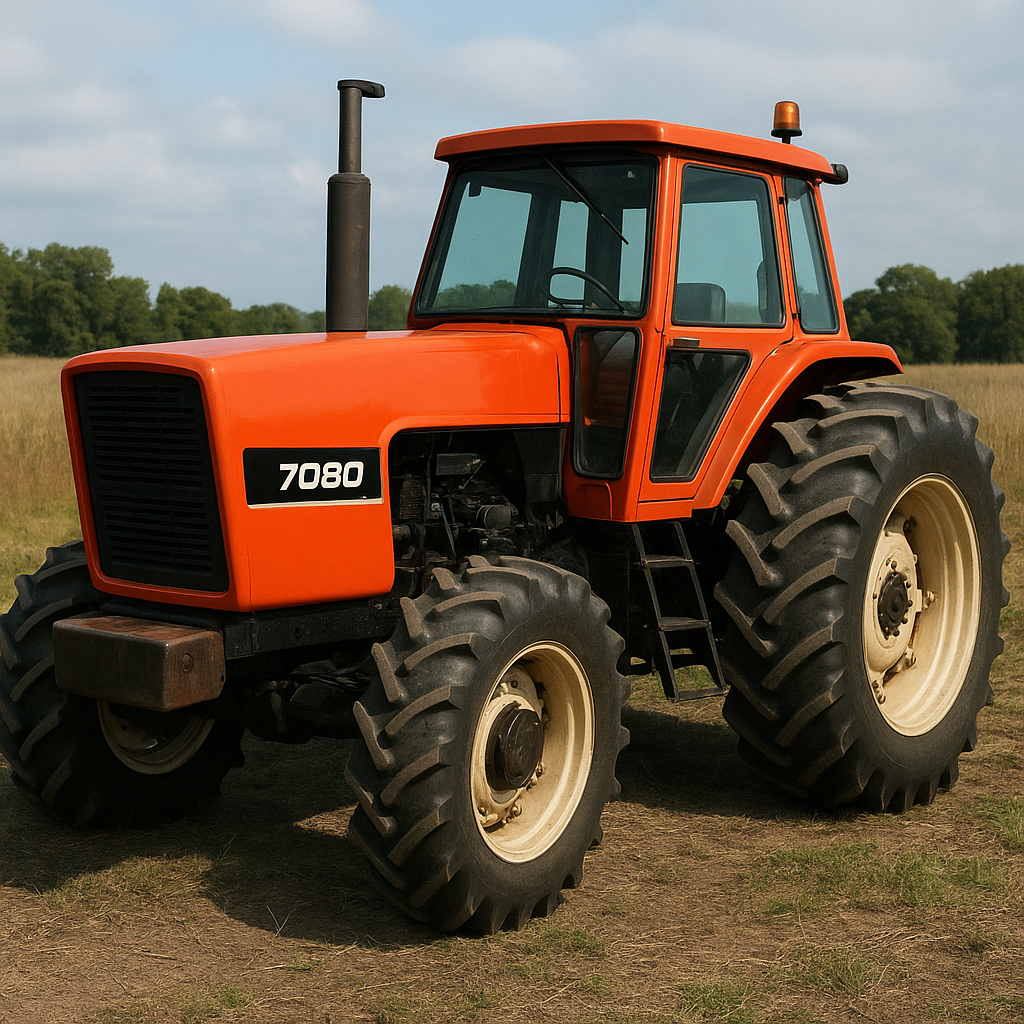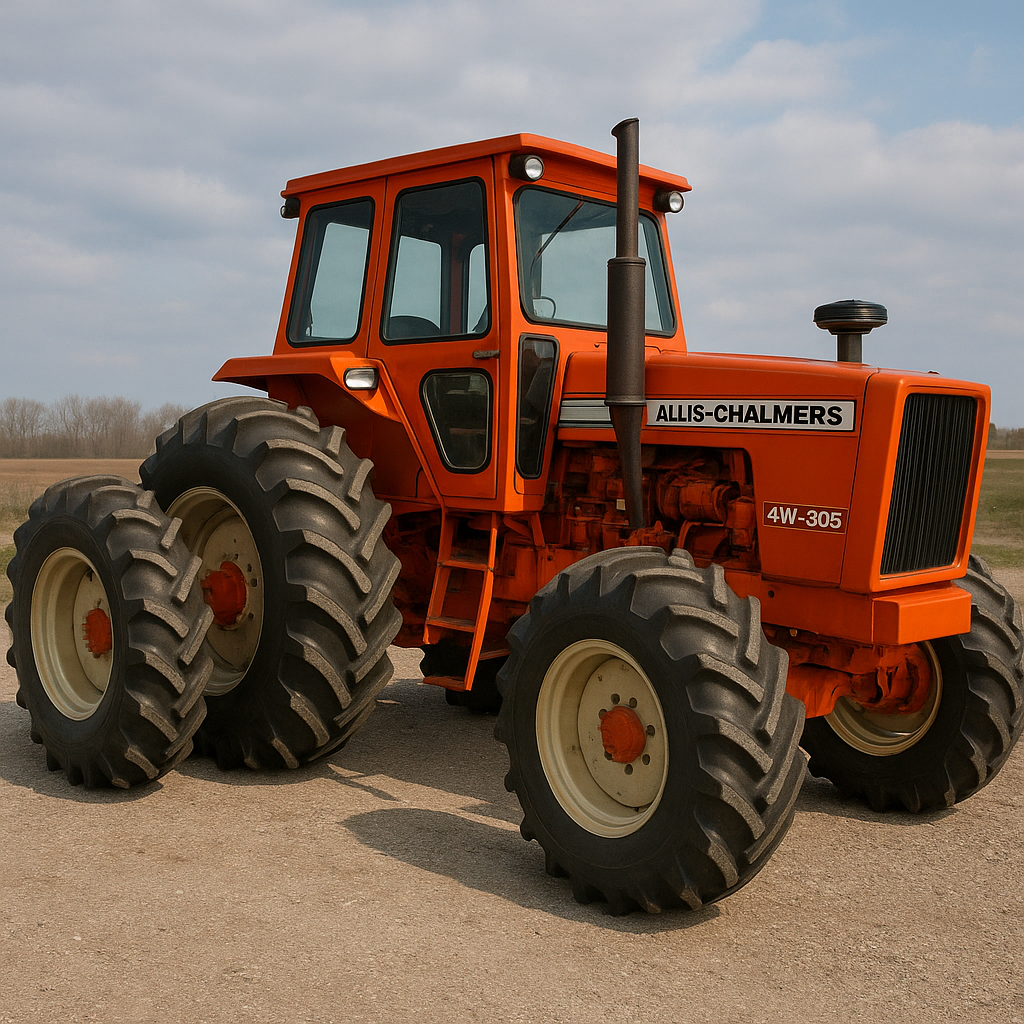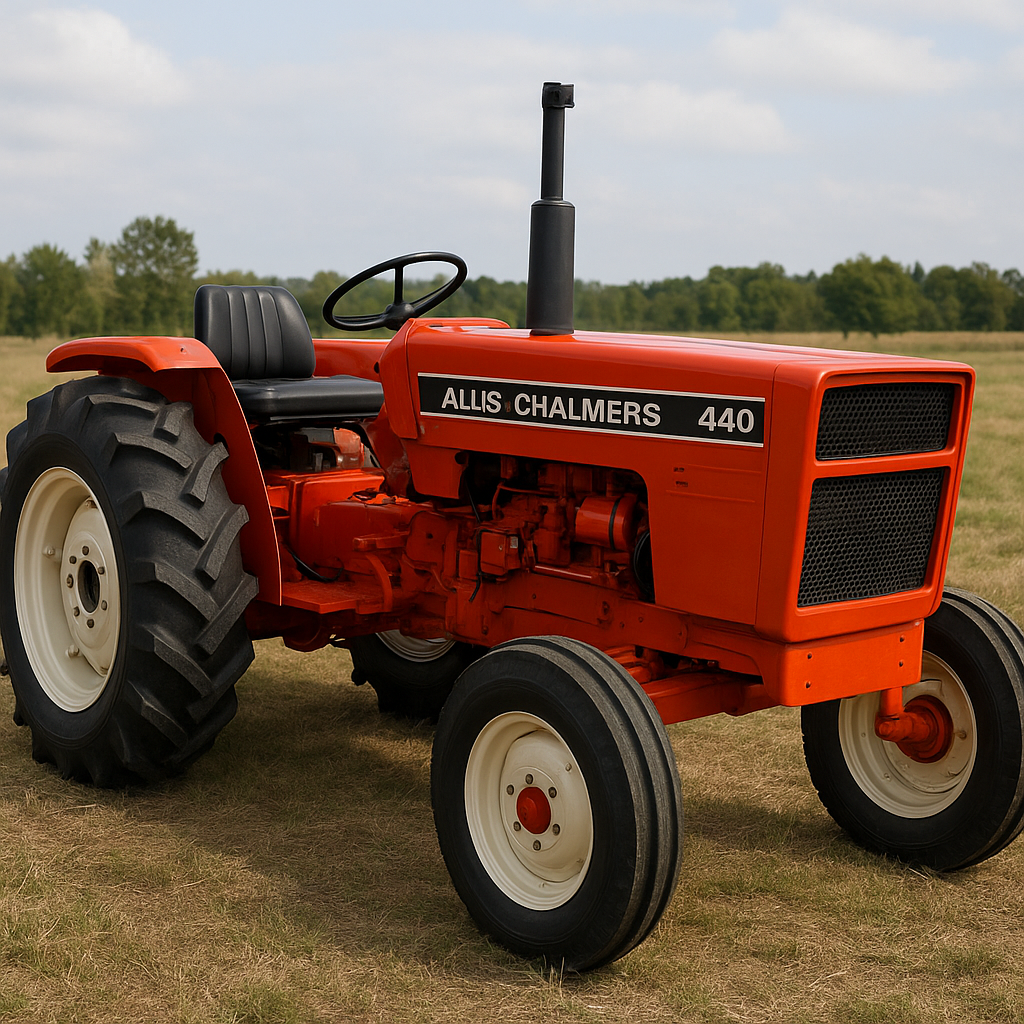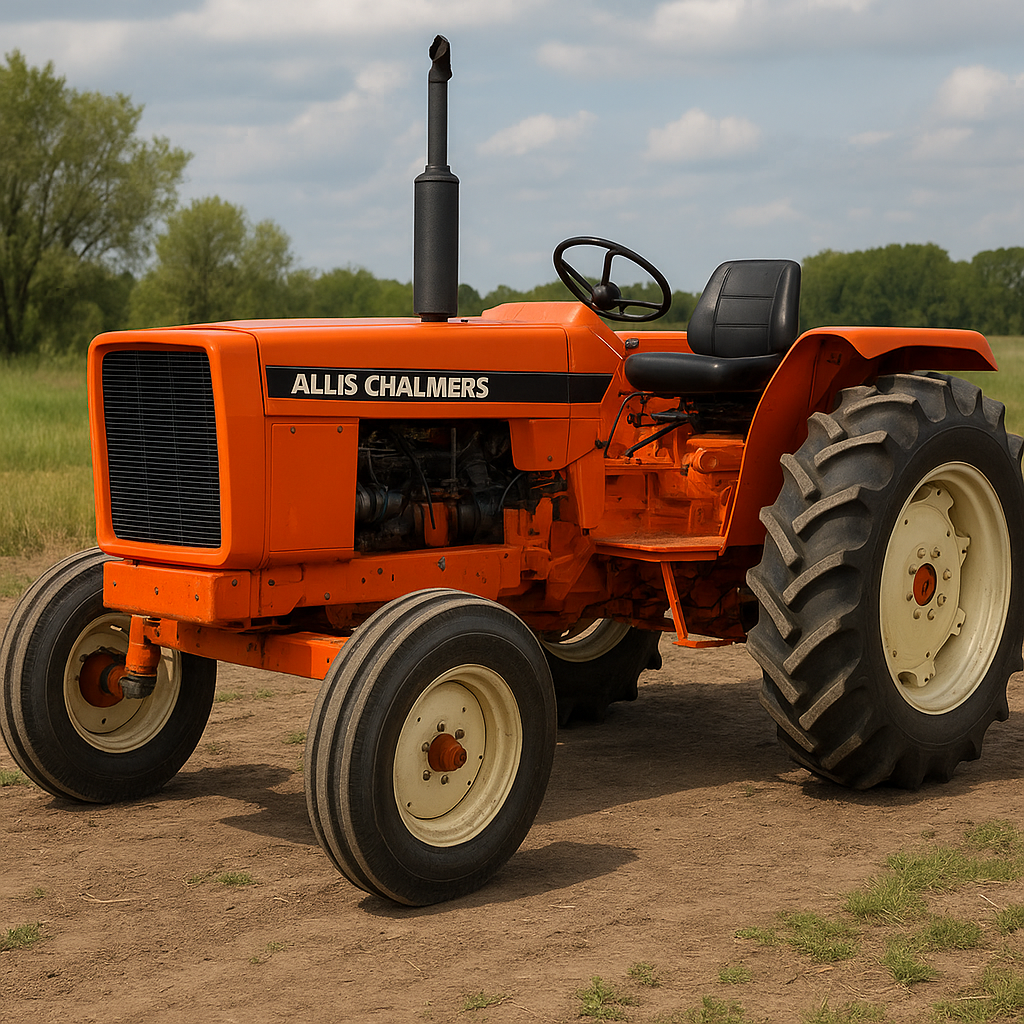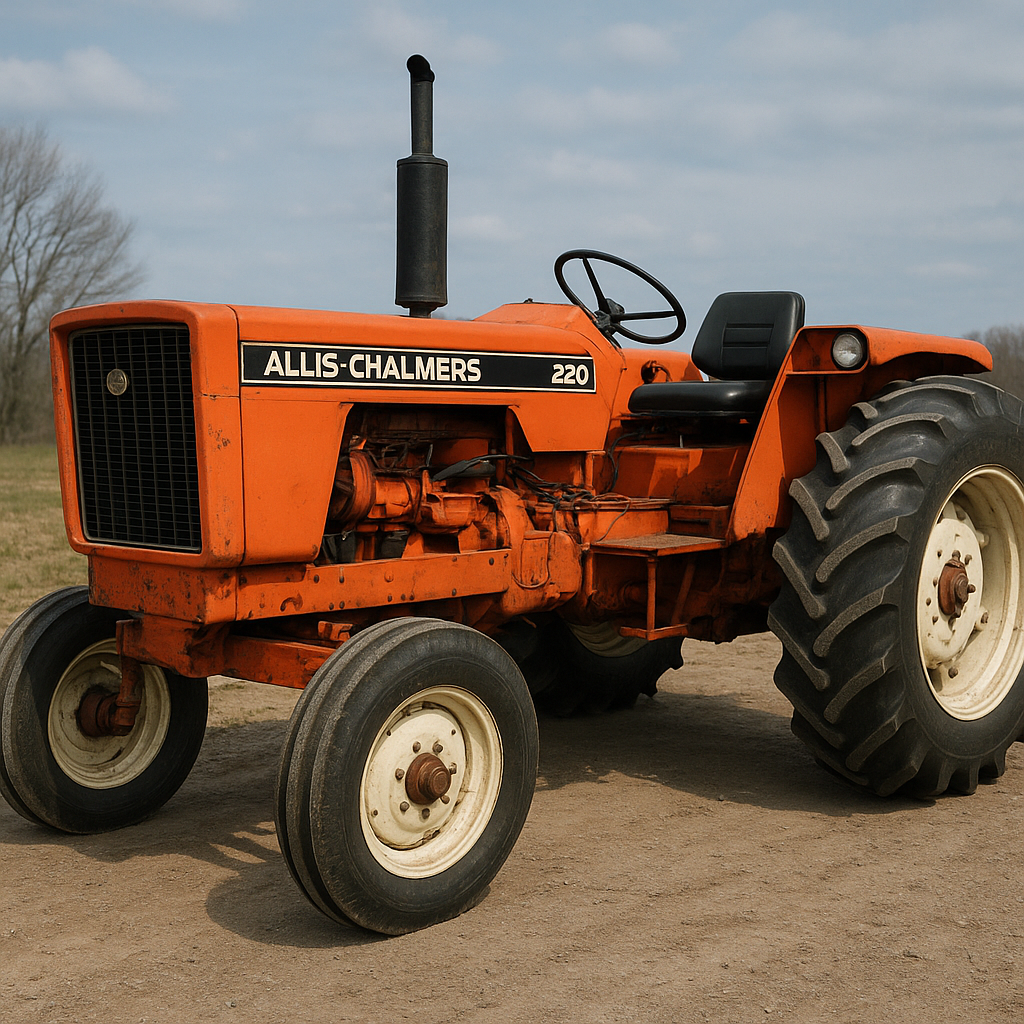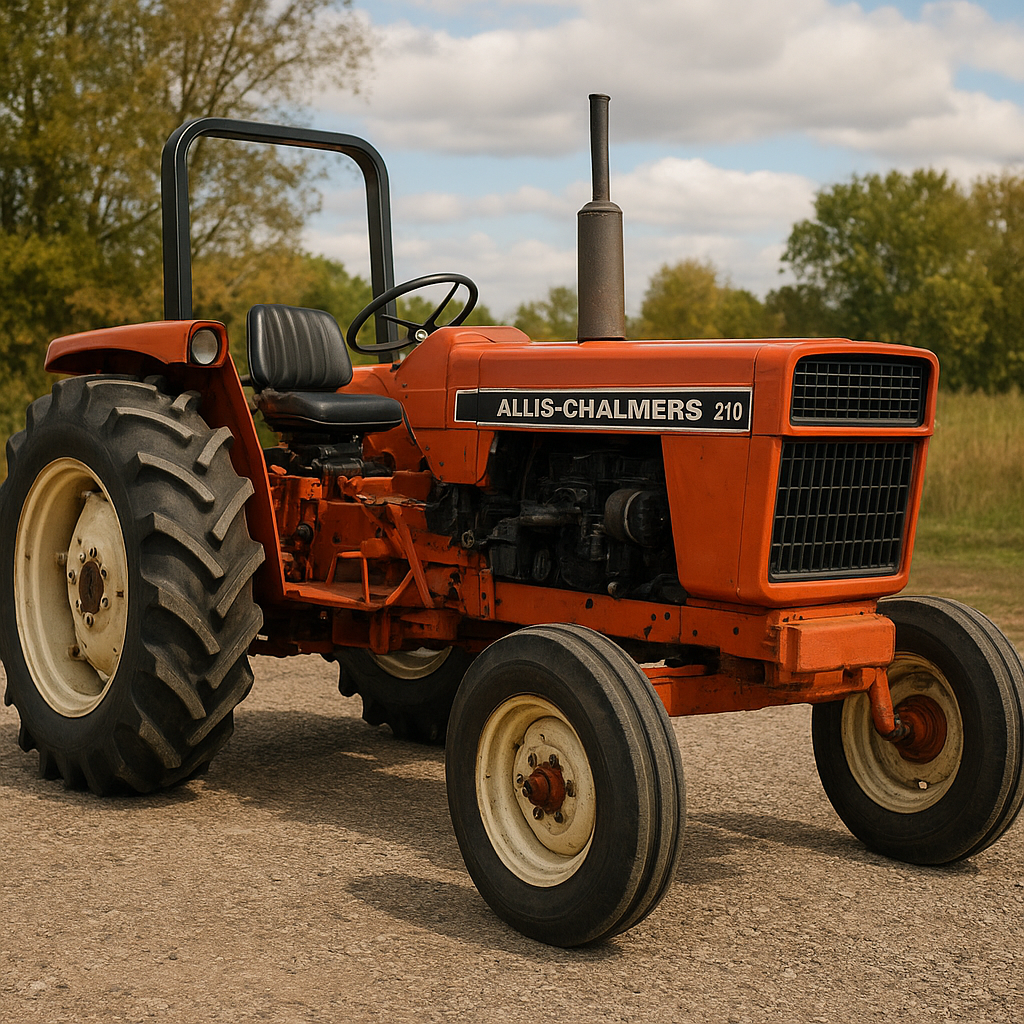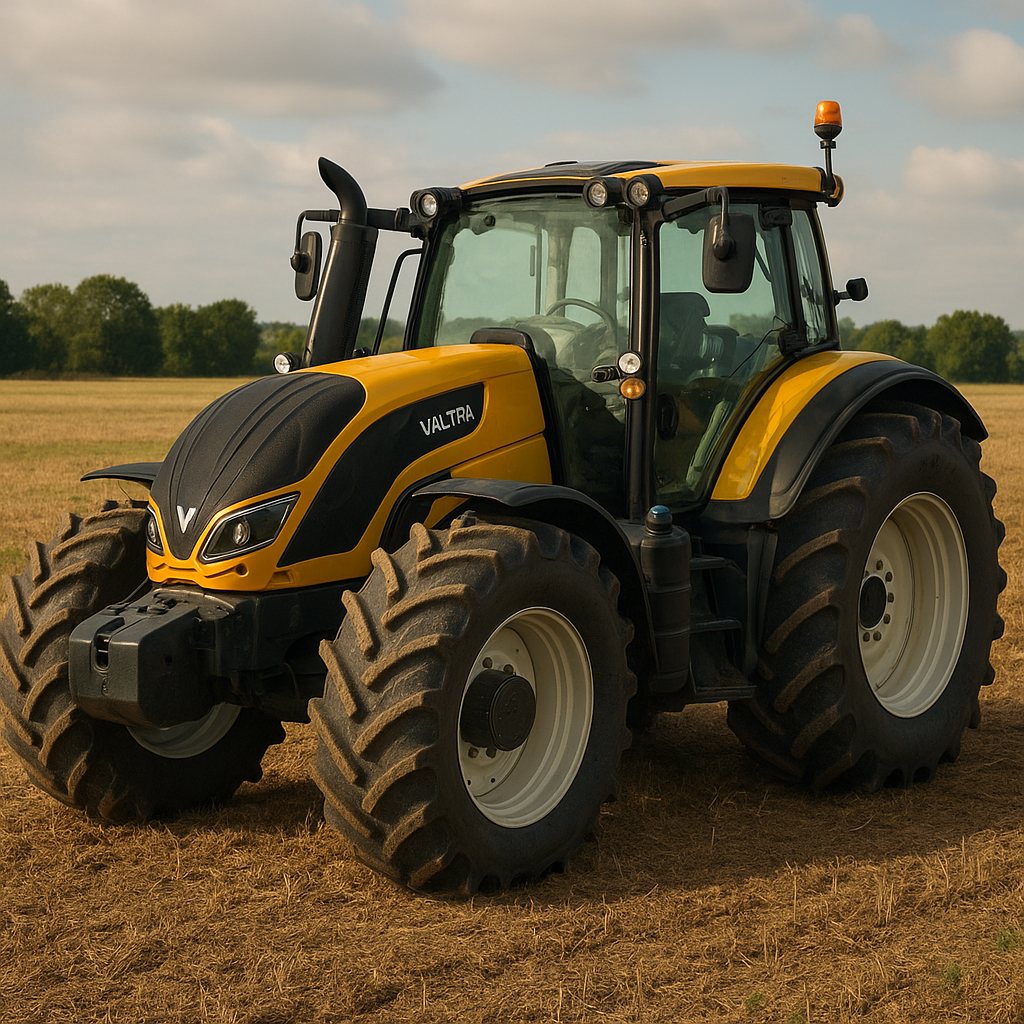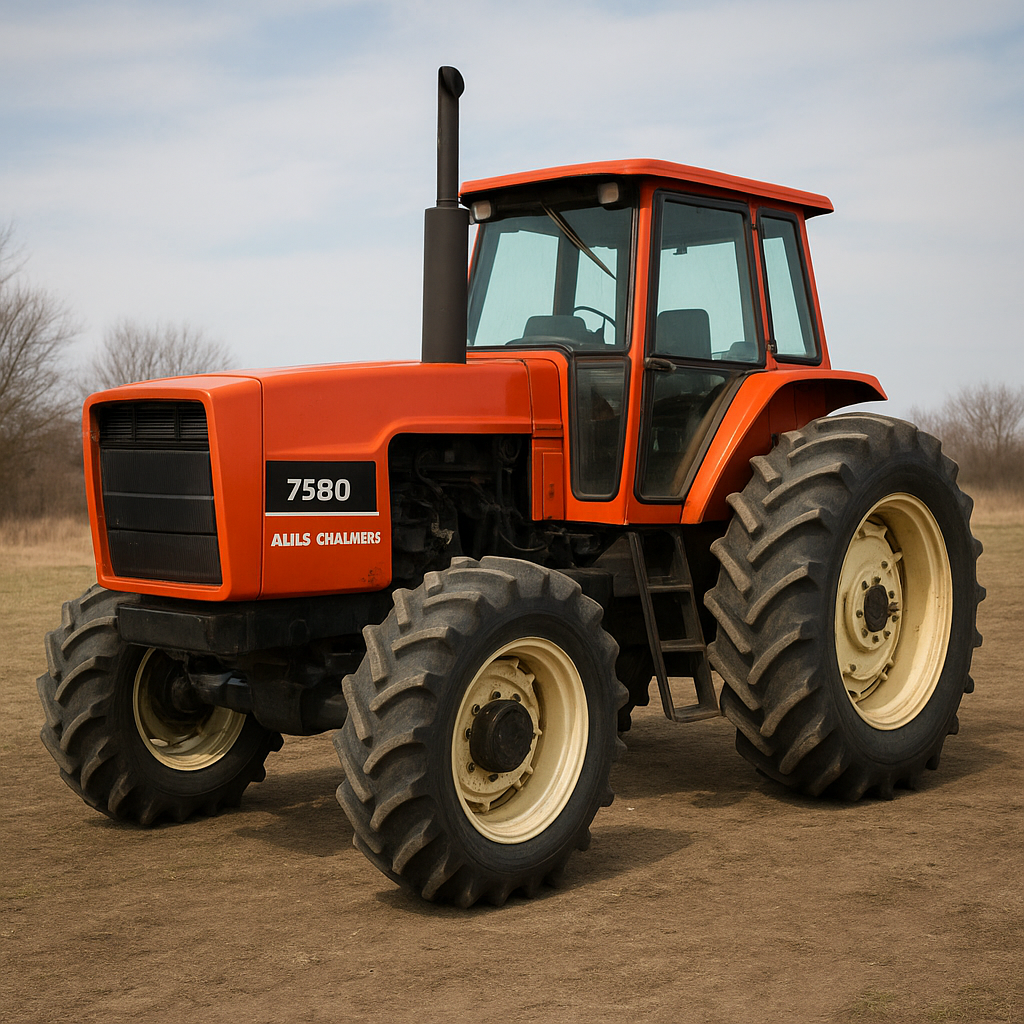
The Allis-Chalmers 7580 occupies a place in the collective memory of farmers, collectors and machinery enthusiasts as part of the broader heritage of Allis-Chalmers tractors. Whether encountered on a working farm, at a vintage equipment show, or in a restoration shop, the machine represents a blend of rugged utility and straightforward mechanical design that defined mid- to late-20th-century agricultural power. This article examines the 7580’s place in the Allis-Chalmers lineage, its likely technical characteristics and typical applications, and practical information on maintenance, restoration and market trends for machines of this class.
History and Manufacturer Background
The name Allis-Chalmers is synonymous with industrial and agricultural equipment spanning much of the 20th century. The company produced a wide range of tractors and implements, and over decades built a reputation for robust, purpose-built machines. While detailed, model-specific documentation for the 7580 can be limited in some public sources, it is best understood within the context of Allis-Chalmers’ approach to tractor design: practical, serviceable and designed to meet the needs of row-crop, mixed-farm and general utility users.
The Allis-Chalmers line evolved through many series and design philosophies, from small vegetable-farm tractors to high-horsepower field machines. The 7580—by nomenclature—suggests a model placed in the higher end of the numbering scale, indicating a tractor intended for more demanding fieldwork, larger implements and extended daily use. As with many models, adaptations and options likely varied by market and production year, including choices of tires, front axles, lighting and accessory packages.
Design and Technical Characteristics
The following characteristics summarize what owners and restorers typically expect from a tractor in the 7580’s class. Because original factory brochures and serial-specific records may be scarce, these items are presented as a carefully considered synthesis of period conventions and common Allis-Chalmers engineering practice rather than as absolute factory specifications.
Powertrain and Engine
- Engine: Tractors in the higher-numbered Allis-Chalmers range commonly used medium- to large-displacement diesel engines designed for continuous field work. Expect a naturally aspirated or turbocharged inline diesel with robust low-end torque suitable for pulling large implements.
- Horsepower: For tractors comparable to the 7580, engine horsepower typically falls into a range roughly between 120 and 220 hp at the crank, depending on specific tuning, aspiration (turbocharged vs. naturally aspirated) and whether rating is drawbar or PTO. Exact numbers should be verified via serial-specific documentation.
- Cooling systems tended to be conventional liquid-cooled with emphasis on ease of service: accessible radiators, replaceable hoses, and user-serviceable thermostats and water pumps.
Transmission and Drivetrain
- Transmission: Options may have included synchronized gearboxes, partial powershifts or full powershift transmissions depending on year and options. These transmissions provided a balance between simplicity and on-the-go shifting capability.
- PTO: A tractor intended for heavy implements would commonly be fitted with a rear PTO (540 RPM and often 1000 RPM as an optional or standard feature), enabling operation of rotary mowers, balers, and other PTO-driven implements.
- Four-wheel drive may have been available either as standard or optional on larger models, improving traction for tillage, seeding and heavy draft tasks.
Hydraulics and Implements
- Hydraulics: Closed-center or open-center hydraulic systems provided the flow needed for three-point hitch operation, loader service and auxiliary remote valves. Typical flow rates for tractors in this class could range from modest (20–30 L/min) to higher-flow variants (40+ L/min) with optional pumps.
- Three-point hitches were Category II or III depending on power class, allowing connection to most medium- and large-size implements.
Chassis, Tires and Ergonomics
- Robust frames and heavy axles designed for agricultural stresses. Wheel configurations included narrow-front for row-crop work and wide-front or fixed front for stability with heavier loads.
- Tire sizes were variable and matched to application—row-crop, flotation and industrial tires being common options.
- Cab and operator stations on Allis-Chalmers models ranged from open-platform basic cabs to enclosed cabs with heating and basic HVAC in later variants. Ergonomics focused on durability and serviceability rather than luxury.
Applications and Typical Use Cases
The Allis-Chalmers 7580 would be appropriate for a wide variety of farm and industrial tasks where reliable mid-to-high horsepower and strong draft capability are required. Common uses include:
- Primary tillage: pulling plows, cultivators, and discs on medium- to large-acreage farms.
- Seedbed preparation and planting: powering air seeders, planters and drills that require steady PTO and hydraulic support.
- Hay and forage operations: running balers, mowers and large forage harvest equipment.
- Transport and utility: pulling low-load semi-trailers, performing loader work and general materials handling when fitted with front-end loaders.
- Specialized row-crop work: with appropriate front-end and rear-wheel spacing and narrower front ends, these tractors are adaptable to row-crop cultivation.
Beyond agriculture, tractors in this power and robustness class are also used in municipal tasks, construction yards and forestry tasks when fitted with the right protective features; the simple and serviceable design makes them attractive for multi-use operations.
Maintenance, Common Issues and Restoration
Owners and mechanics who work with Allis-Chalmers tractors consistently praise their serviceability, but like any vintage machine a 7580 will require careful maintenance and occasional refurbishment. Below are practical considerations:
Routine Maintenance
- Regular oil and filter changes for engine, transmission and hydraulics. Diesel engines in continuous-duty tasks often benefit from more frequent oil checks under heavy load or dusty conditions.
- Cooling system upkeep: radiator cleaning, thermostat checks, and hose inspections to prevent overheating.
- Fuel system attention: drain water separators, clean or replace fuel filters, and check injectors for proper spray patterns—especially important if biodiesel or modern fuel blends are used.
- Tire and wheel maintenance: maintaining correct tire pressure and checking for sidewall or tread damage, especially when using heavy implements.
Common Wear Points
- Hydraulic seals and hoses—aging rubber components are prone to leaks after decades of service.
- Clutch and transmission wear—especially for tractors used extensively with heavy implements and transport duties.
- Electrical system corrosion—battery terminals, wiring harnesses and switchgear can degrade over time.
Restoration Tips
- Document and photograph the tractor before disassembly to preserve original configurations and routing of wiring and hoses.
- Sourcing parts: communities of collectors, vintage-parts suppliers and online auctions are often indispensable. Some parts may need to be machined or adapted from similar models.
- When repainting and refurbishing, prioritize functional restoration (brakes, hydraulics, fuel systems) before aesthetic work unless the machine is strictly for show.
Market, Collectability and Statistical Notes
Exact production numbers and detailed statistics for the Allis-Chalmers 7580 may not be widely published in online sources. Models with limited documentation still command attention among collectors and working-farm buyers for several reasons: reliability, parts commonality with other Allis-Chalmers models, and the relative simplicity of mechanical systems compared with modern electronics-laden tractors.
- Market value: Prices vary widely depending on condition, options (such as four-wheel drive, cab versus open station), and local demand. A well-maintained and operational unit could be valued significantly higher than a non-running candidate for restoration. Vintage terminus and rarity drive collector premiums.
- Parts availability: Many consumable parts (filters, belts, hoses) remain available through aftermarket suppliers. Hard-to-find sheet-metal and specific OEM components can be sourced via salvage yards, specialty suppliers, or by fabricating replacements.
- Use statistics: Fuel consumption, uptime and effective drawbar power depend heavily on configuration and field conditions. A machine of this class used for continuous tillage could burn between 10 and 25 liters per hour under load, depending on horsepower and type of work. Such figures should be treated as general guides rather than precise specifications.
Operational Best Practices and Safety
To get the most life and performance from a vintage tractor like the 7580, operators should follow well-established best practices:
- Pre-start walkaround: inspect for leaks, tire condition, loose fasteners and visible damage.
- Follow recommended service intervals for oil, filters and greasing points. Many older tractors rely on frequent lubrication of chassis points to maintain long-term reliability.
- Ensure PTO shields and ROPS (rollover protective structures) are in place. If the tractor lacks modern ROPS, consider retrofitting to improve operator safety—such upgrades greatly reduce the risk of fatal accidents in tip-over events.
- Train operators on the unique features and quirks of vintage tractors—hydraulic response, clutch engagement and braking behavior differ from modern machines.
Practical Considerations for Buyers and Collectors
When evaluating a 7580 for purchase, restoration or daily farm work, consider these points:
- Documentation: a tractor with original service manuals, parts lists and serial-number records is easier to maintain and more valuable.
- Inspection: confirm serial numbers and compare with manufacturer data if available; perform compression and leak-down tests on the engine; inspect the transmission and check for unusual noises or difficulty in shifting.
- Purpose-driven acquisition: select a machine whose condition matches intended use—daily farm work requires different readiness levels than occasional hobby use or static display.
- Community resources: join Allis-Chalmers owner clubs, forums and social media groups. These communities are invaluable for troubleshooting, parts leads and historical knowledge specific to particular serial ranges or sub-model variants.
Notable Anecdotes and Legacy
Allis-Chalmers tractors have left an imprint on agricultural history through their adaptability and the practical engineering ethos behind them. Machines like the 7580—whether used for decades on a family farm or lovingly restored by an enthusiast—symbolize a period when agricultural mechanization matured into robust, service-oriented designs. Owners frequently recall the satisfaction of straightforward repairs: replaceable parts, visible mechanical systems, and a mechanical simplicity that modern tractors sometimes lack.
The brand’s legacy also lives on in the parts and skills carried by farmers, mechanics and small repair shops across many regions. Even where corporate names have changed, the mechanical DNA of these tractors continues to power fields, shows and restorations.
Where to Verify Specific Technical Data
- Manufacturer brochures and dealer catalogs from the era—often held in agricultural libraries, museums or private collections.
- Owner and restoration forums—collectors often digitize or transcribe rare manuals and specification sheets.
- Local agricultural museums and tractor clubs—staff and members can frequently provide model-specific insights and may have access to original spec sheets.
- Serial-number lookup with service centers or specialist vintage tractor restoration shops for exact build data and options installed at the factory.
Summary
The Allis-Chalmers 7580 stands as an example of the durable, serviceable tractors that made mid-20th-century and late-20th-century farming possible. While precise factory statistics may require serial-specific verification, the practical characteristics—robust engine design, serviceable transmission, dependable hydraulics, and adaptable PTO and hitch systems—mark it as a valuable tool for both working farms and collectors. Attention to proper maintenance, safety upgrades such as ROPS, and involvement with the Allis-Chalmers community will maximize the usefulness and preservation of these machines for years to come.