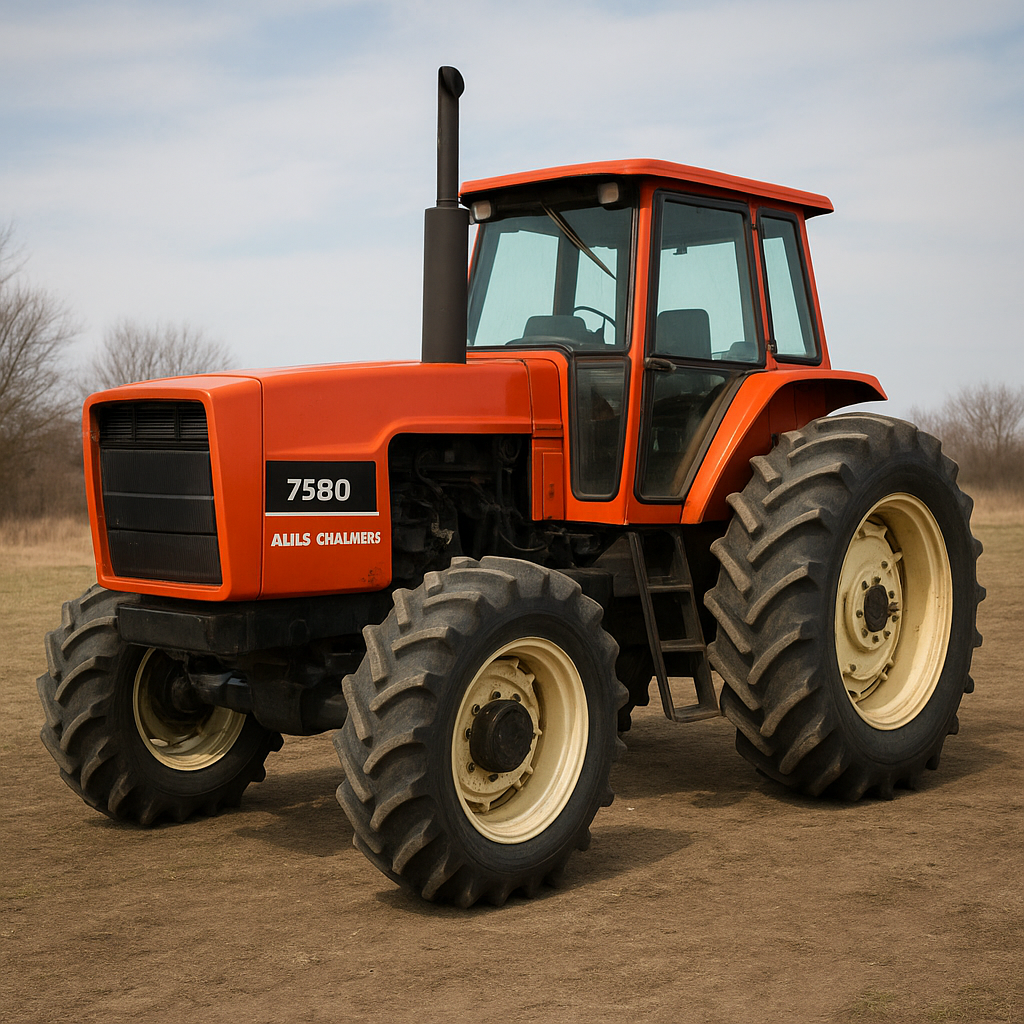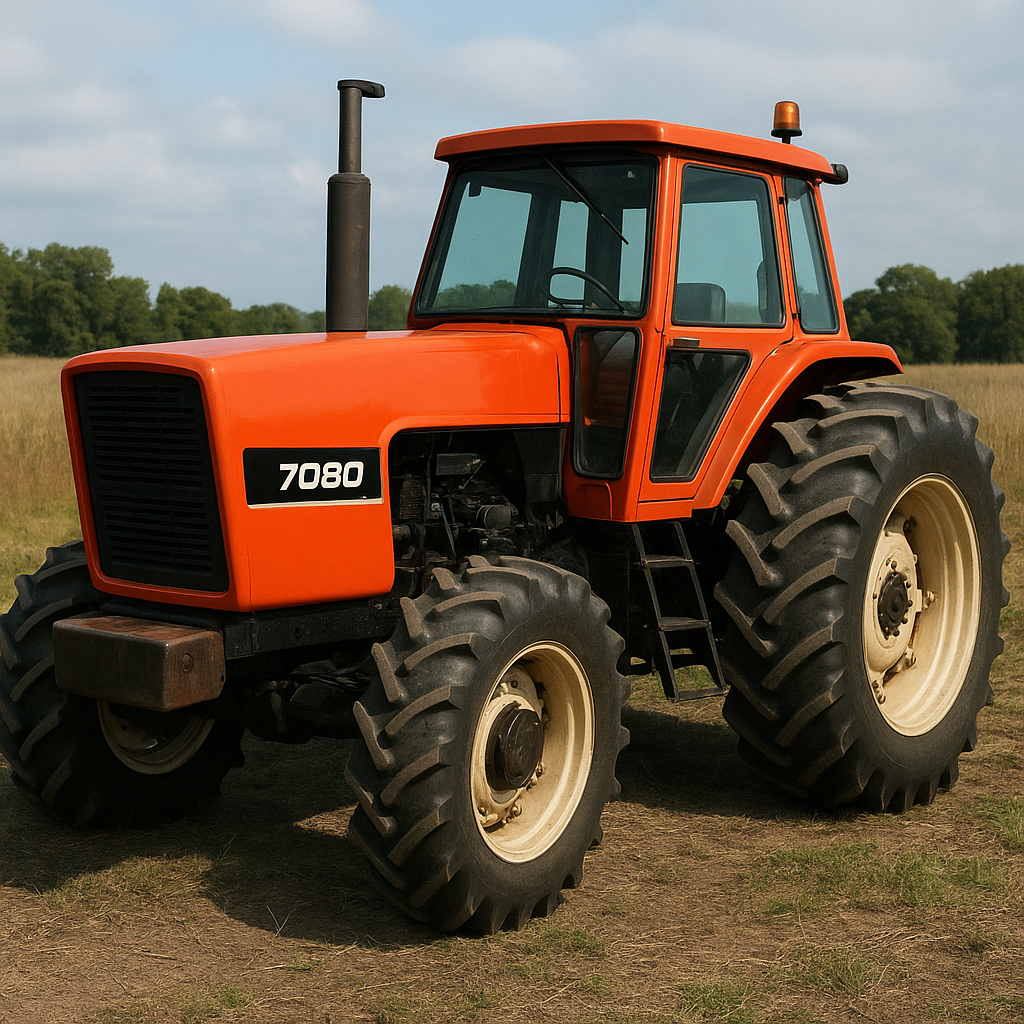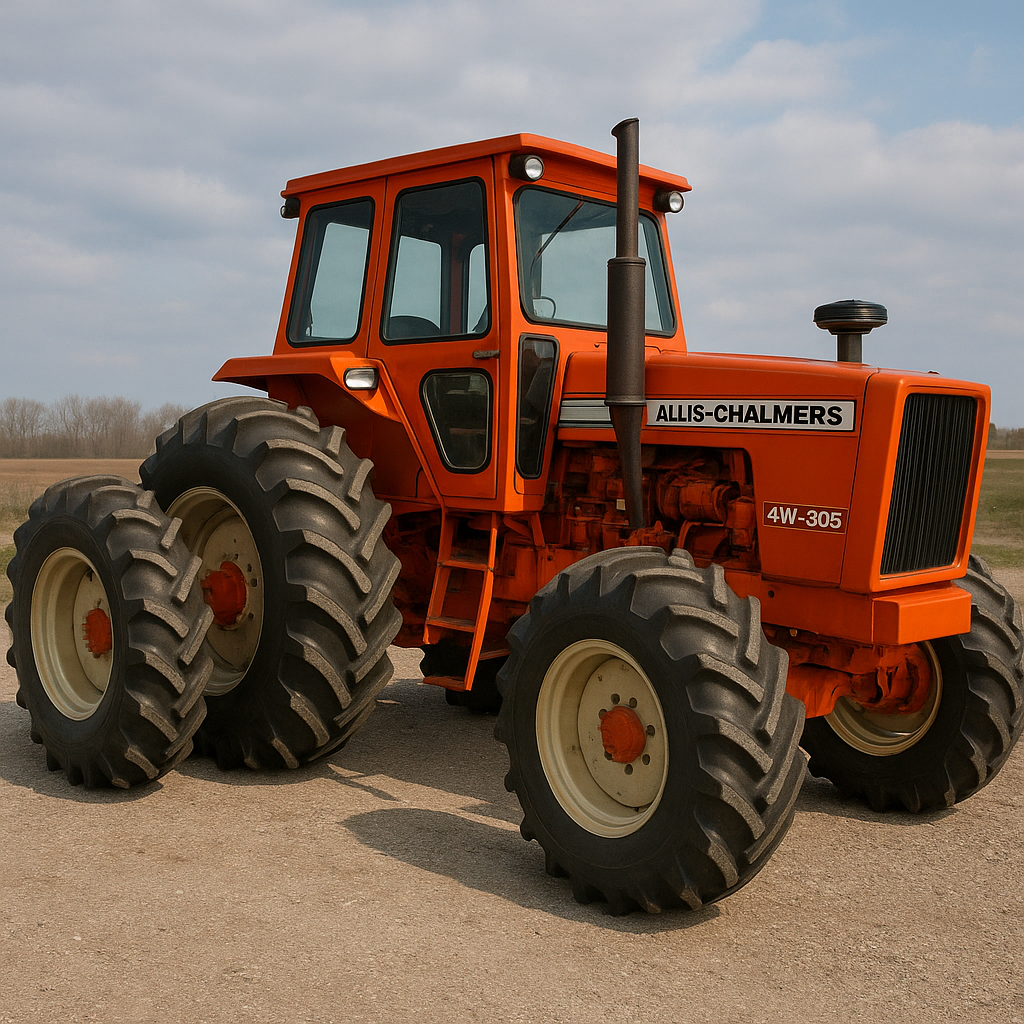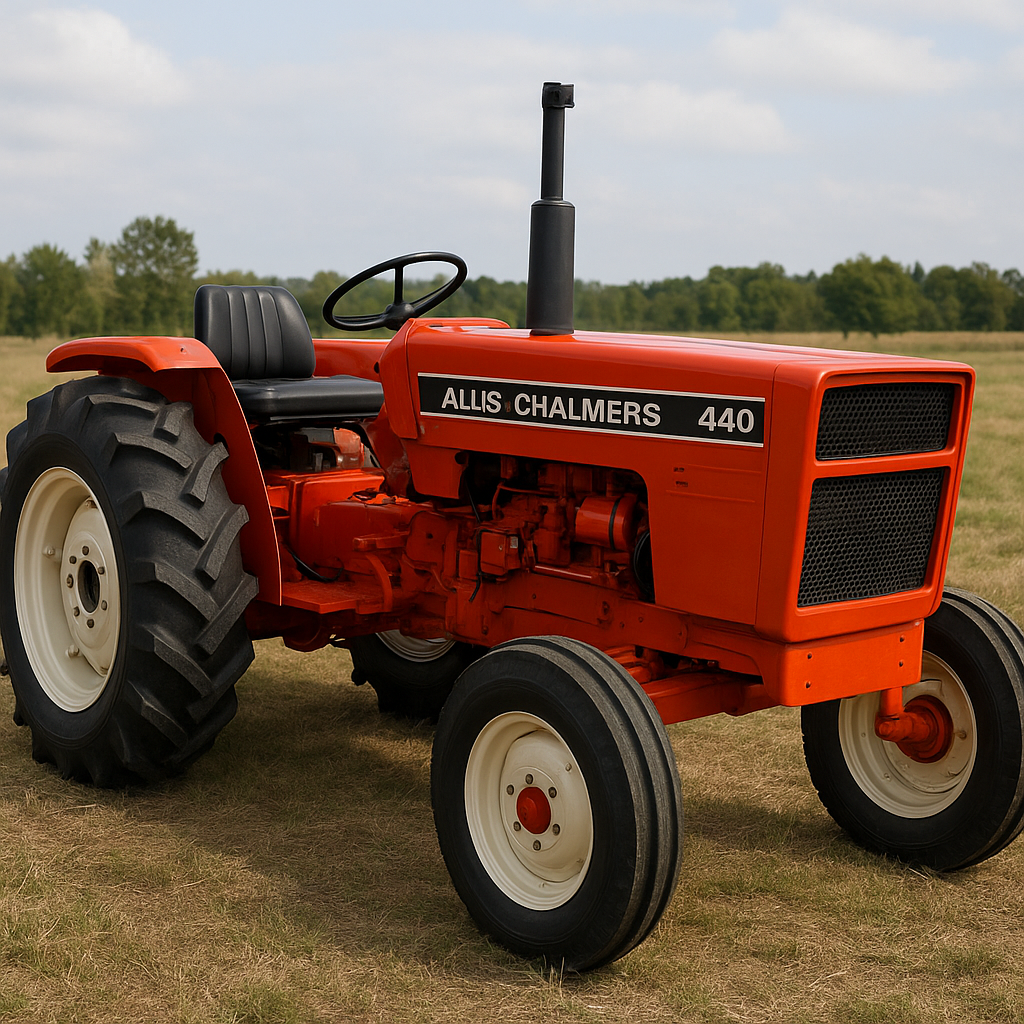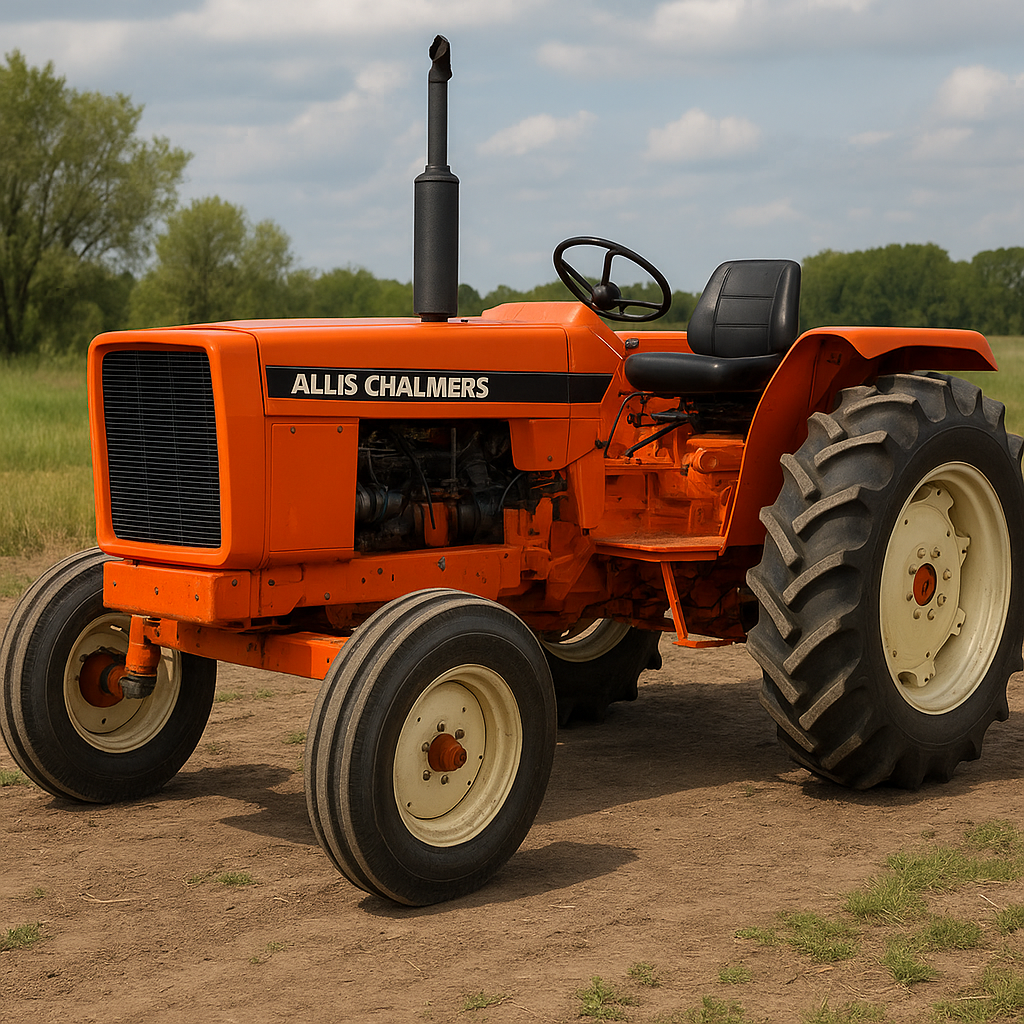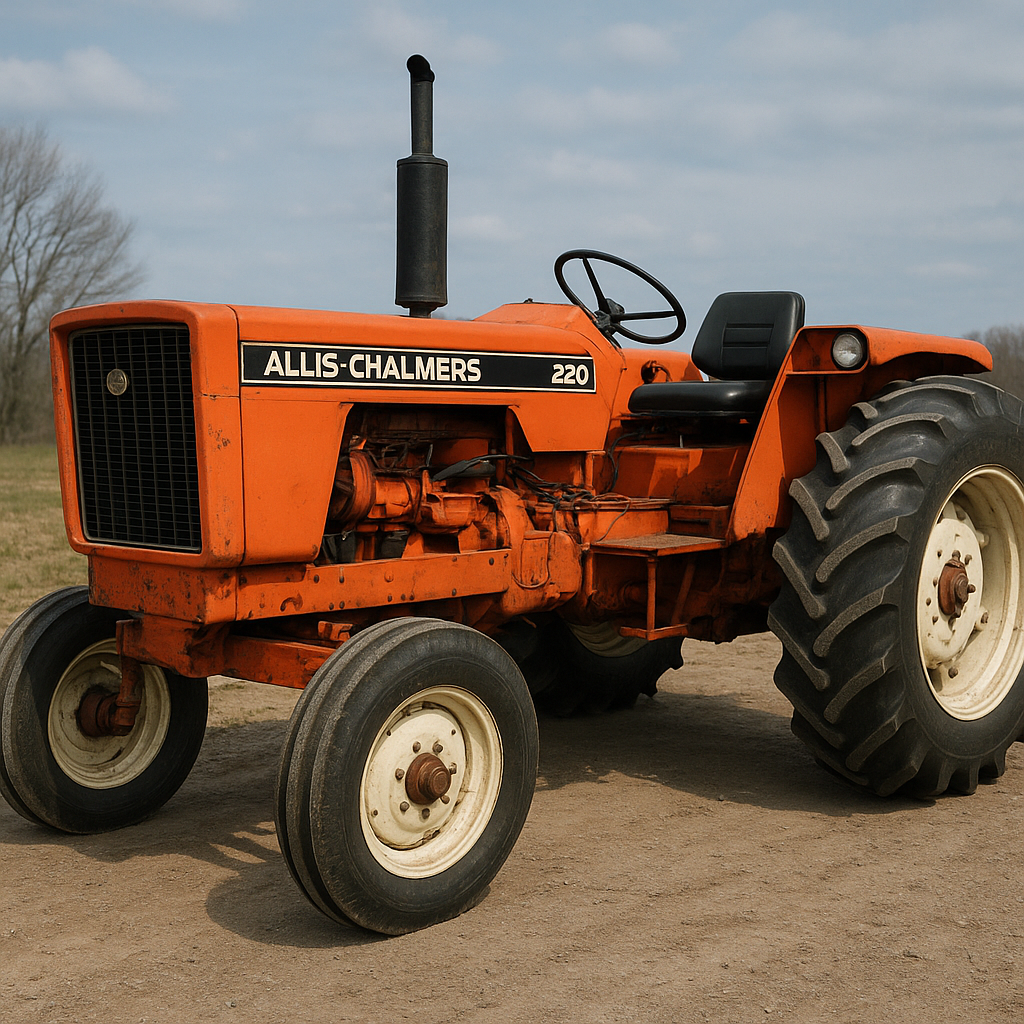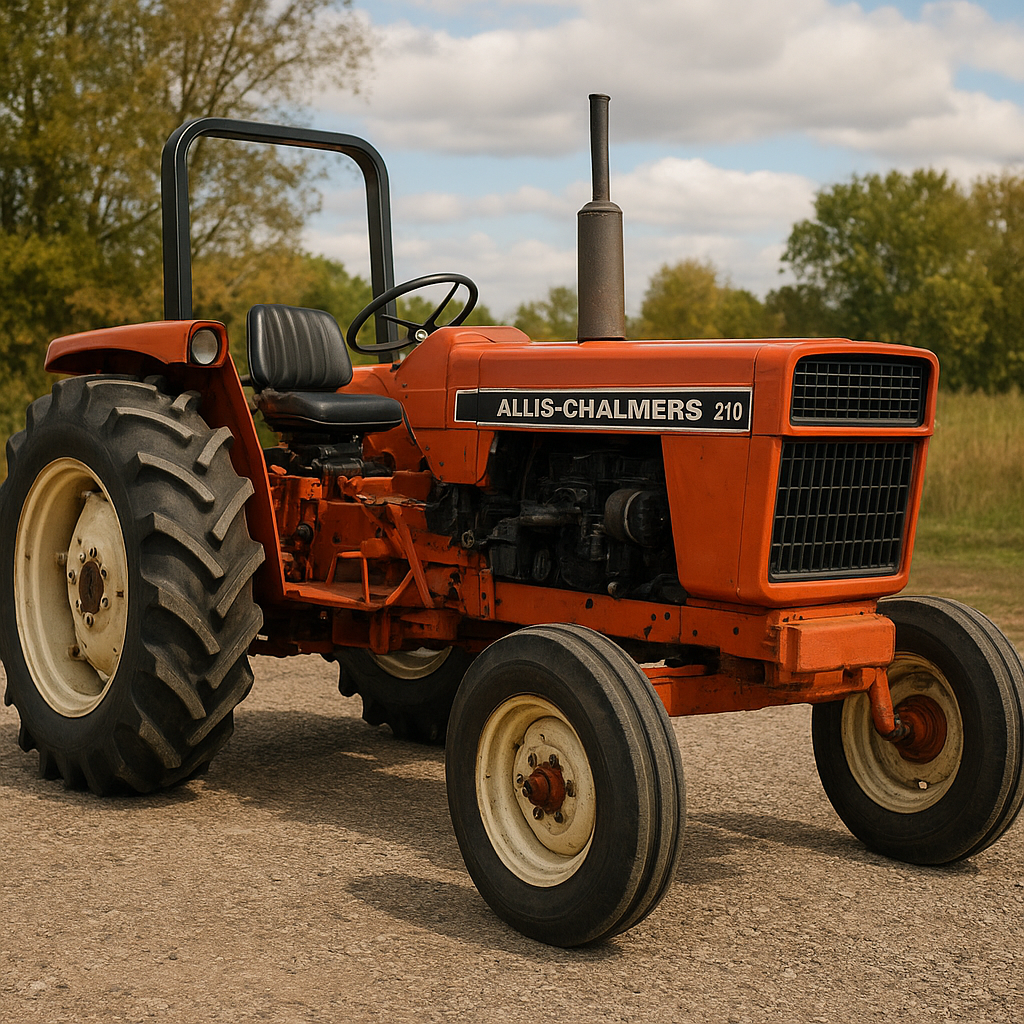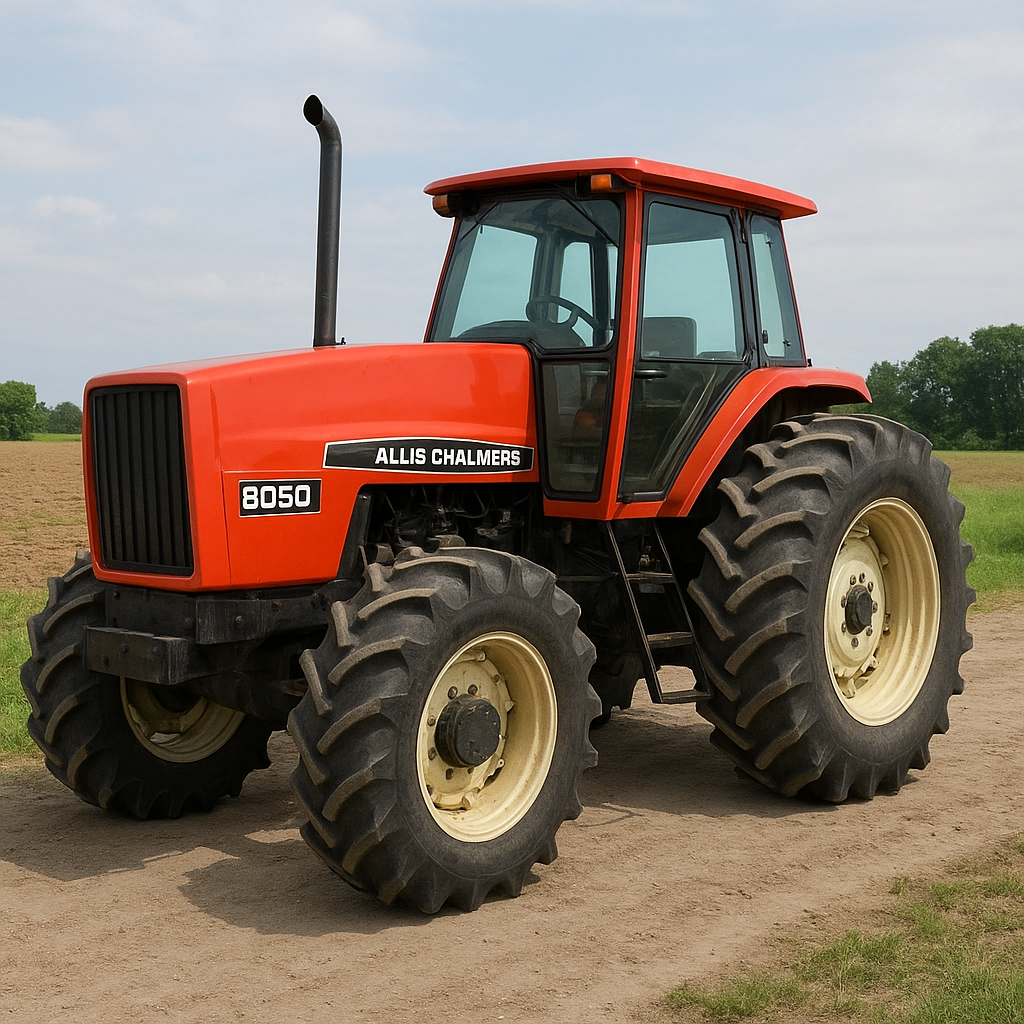
The Allis-Chalmers 8050 is a notable example of mid- to late-20th-century agricultural machinery that served farmers and contractors with a combination of durability and straightforward engineering. In this article you will find an overview of its background, typical applications, mechanical features, maintenance and restoration tips, and context in the broader world of farming equipment. The goal is to provide useful information both for people who work with tractors daily and for enthusiasts interested in collecting or restoring classic machinery.
History and development
The Allis-Chalmers company, known for its long tradition in manufacturing agricultural and industrial equipment, produced a wide range of tractors over the decades. The model commonly referred to as the Allis-Chalmers 8050 was developed to meet the needs of medium- to large-scale farms that required reliable power for a variety of tasks. Although Allis-Chalmers released many model families with similar numeric names, the 8050 stood out for its balance between mechanical simplicity and capability.
Design philosophies that influenced the 8050 emphasized ease of service, a robust powertrain, and versatility of attachments. The priorities of the time included making tractors that could be used for multiple seasons of fieldwork, from primary tillage and planting to haying and transporting materials. Allis-Chalmers aimed to provide a machine that was competitive in both performance and cost of ownership.
Position in the market
The 8050 was typically marketed toward operators who needed a dependable workhorse without the complexity and cost of larger, high-horsepower models. It often competed with contemporaneous offerings from other major manufacturers, positioned as a solid choice for row-crop, mixed-use, and small livestock operations. Features that made it attractive included straightforward controls, durable components, and a wide availability of aftermarket parts and attachments.
Technical characteristics and variants
Exact specifications for the 8050 vary depending on year, configuration, and optional equipment. In general terms, the model offered a mid-range power output, a conventional mechanical drivetrain, and standard agricultural features that allowed it to perform a broad set of chores. Below are the typical areas of technical interest for this tractor.
Engine and powertrain
- Engine: The 8050 used a diesel engine tuned for torque and fuel efficiency. These engines were designed to deliver steady pulling power across a range of engine speeds rather than extreme peak horsepower.
- Cooling and simplicity: Cooling systems were straightforward and service-friendly, which helped farms in remote areas maintain long periods of operation without sophisticated workshop facilities.
- Transmission: Manual transmissions with multiple gears and often a range selector provided flexibility for fieldwork and road travel. Some configurations offered power shift or partial powershift features in later iterations or as dealer-installed upgrades.
Hydraulics, hitch and PTO
- Hydraulics: The hydraulic system was built to run a three-point hitch and auxiliary implements. It typically offered sufficient flow for loaders, planters, and basic hay equipment.
- Three-point hitch: A Category II-style three-point hitch (or the equivalent at the time) enabled most common mounted and semi-mounted implements to be used effectively.
- PTO: Power take-off options allowed rotary mowers, balers, and PTO-driven implements to be powered directly from the engine. PTO speeds were standardized to match common implements.
Chassis, weight and dimensions
The 8050 was built on a stout frame designed for stability during heavy draft work and loader operations. Tire choices and ballast were important considerations for owners depending on whether the tractor was used primarily for fieldwork, transport, or yard duties. Wheelbase and overall height could vary with special configurations (e.g., orchard or narrow-row versions).
Variants and options
- Row-crop versions with adjustable axles and crop clearance.
- Utility configurations optimized for loader work and material handling.
- Orchard or vineyard trims featuring lower profiles, protective shielding, and specialized tires.
- Cab and canopy options offering different levels of operator comfort and protection from the elements.
Applications and typical uses
The Allis-Chalmers 8050 found its home on a variety of farms and in small contracting operations thanks to its adaptability. Below are the most common applications where this tractor was used effectively.
Field tillage and planting
Equipped with the right hitch, ballast and tires, the 8050 could handle primary tillage tools like plows and disc harrows as well as secondary tillage equipment. Its torque characteristics made it well-suited for pulling medium-sized implements during seedbed preparation and planting seasons.
Hay and forage operations
The tractor was commonly used for mowing, raking, tedding, and hauling bales. Good PTO performance and hydraulic control allowed it to run mowers, rakes, and balers efficiently. For small-to-medium hay producers the 8050 provided a cost-effective platform for a full hay system.
Loader and material handling
With a front loader, the 8050 functioned as a general-purpose material handler on farms: moving feed, bedding, manure, and other supplies. Loader attachments increased the tractor’s utility for yard work, barn chores, and light site prep.
Transport and utility tasks
The combination of engine responsiveness and gearing options made the 8050 suitable for short-distance hauling, light road travel between fields, and pulling wagons or trailers. Utility models were often used for snow clearing and maintenance duties on farms and estates.
Operation, maintenance and serviceability
One of the enduring advantages of many Allis-Chalmers tractors, including the 8050, is their reputation for approachable maintenance. Operators who prioritized uptime and low lifecycle cost appreciated the accessible service points and relatively simple mechanical systems.
Routine maintenance
- Oil and filter changes: Regular oil changes for engine, transmission (if separate), and hydraulic system prolong component life.
- Cooling system upkeep: Periodic inspection and flushing of the radiator and coolant system prevents overheating during peak workloads.
- Hydraulic system checks: Monitoring fluid levels and replacing filters helps sustain lift capacity and implement control.
- Tire and ballast inspection: Appropriate tire pressure and ballast adjustments improve traction and reduce slippage.
Common wear items
As with most tractors of its era, common points of wear include the clutch assembly, brake bands or discs, seals in the hydraulic cylinders, and PTO driveline components. Because replacement parts are still available through aftermarket suppliers and salvage channels, owners can often repair these issues without sourcing expensive OEM parts.
Serviceability highlights
Design features that made the 8050 service-friendly include straightforward access to filters and belts, conventional electrical systems, and a lack of complex electronics found on later-generation tractors. This simplicity is attractive for do-it-yourself mechanics and small repair shops alike.
Restoration, collecting and aftermarket support
The Allis-Chalmers brand has a passionate collector community. The 8050, depending on rarity and condition, can be a desirable project for restoration enthusiasts. The tractor’s mechanical simplicity makes it a good candidate for a full frame-up restoration or a functional refurbishment for farm use.
Parts availability
Aftermarket suppliers and parts houses maintain inventories of common service parts such as filters, gaskets, seals, and wear components. Salvage yards and owner groups are also important sources of more obscure parts. When planning restorations, collectors often combine new parts with serviced original components to maintain authenticity while ensuring reliability.
Value and market trends
Market values for classic tractors vary by condition, region, and demand. Tractors in fully restored condition, or those with rare options, command higher prices. Functional, well-maintained examples usually retain good utility value for small farms and hobbyists. The nostalgia for the Allis-Chalmers orange paint and historic branding often increases interest among collectors.
Safety, ergonomics and operator considerations
Although the 8050 was built long before many modern active safety features became standard, it includes basic ergonomics and safety elements of its time: clear control layout, visibility from the operator station, and provisions for rollover protection in later or retrofitted models. Owners often upgrade older tractors with modern lighting, seat belts, and ROPS (rollover protective structures) when these features are not original equipment.
Upgrades commonly performed
- Installing an ROPS and a modern seat with seatbelt for improved operator safety.
- Adding modern LED lighting for extended working hours and road visibility.
- Fitting pressure-lubricated universal joints and upgraded PTO shields for reduced maintenance and improved safety.
Environmental and fuel considerations
Tractors like the Allis-Chalmers 8050 were designed for diesel fuel systems that prioritized durability and fuel economy. While they do not meet modern emission standards, many owners operate them judiciously, reserving older tractors for tasks where newer equipment is unnecessary. Proper maintenance—tuned injectors, clean air intakes, and efficient combustion—reduces fuel consumption and emissions relative to poorly maintained machines.
Practical buying guide
For prospective buyers interested in an Allis-Chalmers 8050, there are several practical points to consider during inspection and negotiation.
What to inspect
- Engine compression and leak-down tests where possible to assess condition.
- Condition of the hydraulics and presence of leaks around cylinders and valves.
- Transmission engagement and clutch behavior under load.
- Tire condition and signs of frame or structural damage.
- Service history and any records of major repairs or rebuilds.
Red flags
Watch for signs of extensive frame welding or poorly performed repairs, persistent overheating, heavy smoke on startup (indicating oil or injector issues), and seized implement linkages. These issues can significantly increase total ownership costs.
Legacy and cultural significance
The Allis-Chalmers 8050 represents a period when agriculture favored machines that were mechanically intuitive and easy to maintain on family farms. The brand’s distinctive orange livery and the model’s reputation for workmanlike reliability have given it a lasting place among classic tractors. Many community events, plowing matches and shows still feature Allis-Chalmers machines, demonstrating the company’s ongoing cultural footprint in rural communities.
For owners and enthusiasts who appreciate a hands-on approach to machinery, the 8050 remains a symbol of an era when mechanical skill and practicality were paramount. Its adaptability across a range of tasks made it a trusted partner on the farm for decades.
Summary and final notes
The Allis-Chalmers 8050 is a versatile, serviceable tractor that filled the needs of many farms seeking a balance of power, reliability and simplicity. Key attributes include a torque-focused diesel engine, practical hydraulic and PTO systems, and a chassis that supported a wide array of implements. For anyone evaluating an 8050 today—whether to use, restore, or collect—attention to maintenance history and thorough inspection will pay dividends. The machine continues to be a meaningful part of agricultural history and remains useful where straightforward, dependable performance is required.
Key terms to remember: Allis-Chalmers 8050, tractor, engine, transmission, hydraulics, PTO, three-point hitch, maintenance, restoration, versatility.