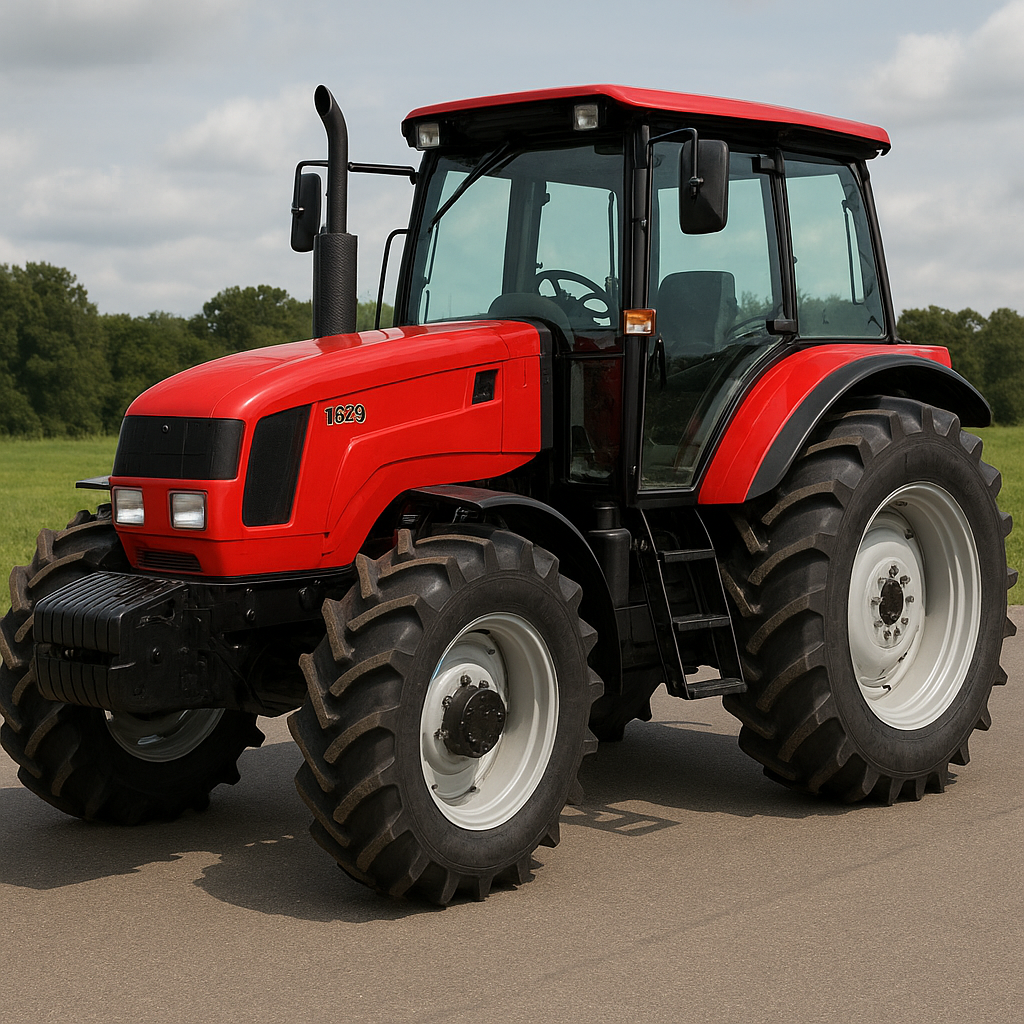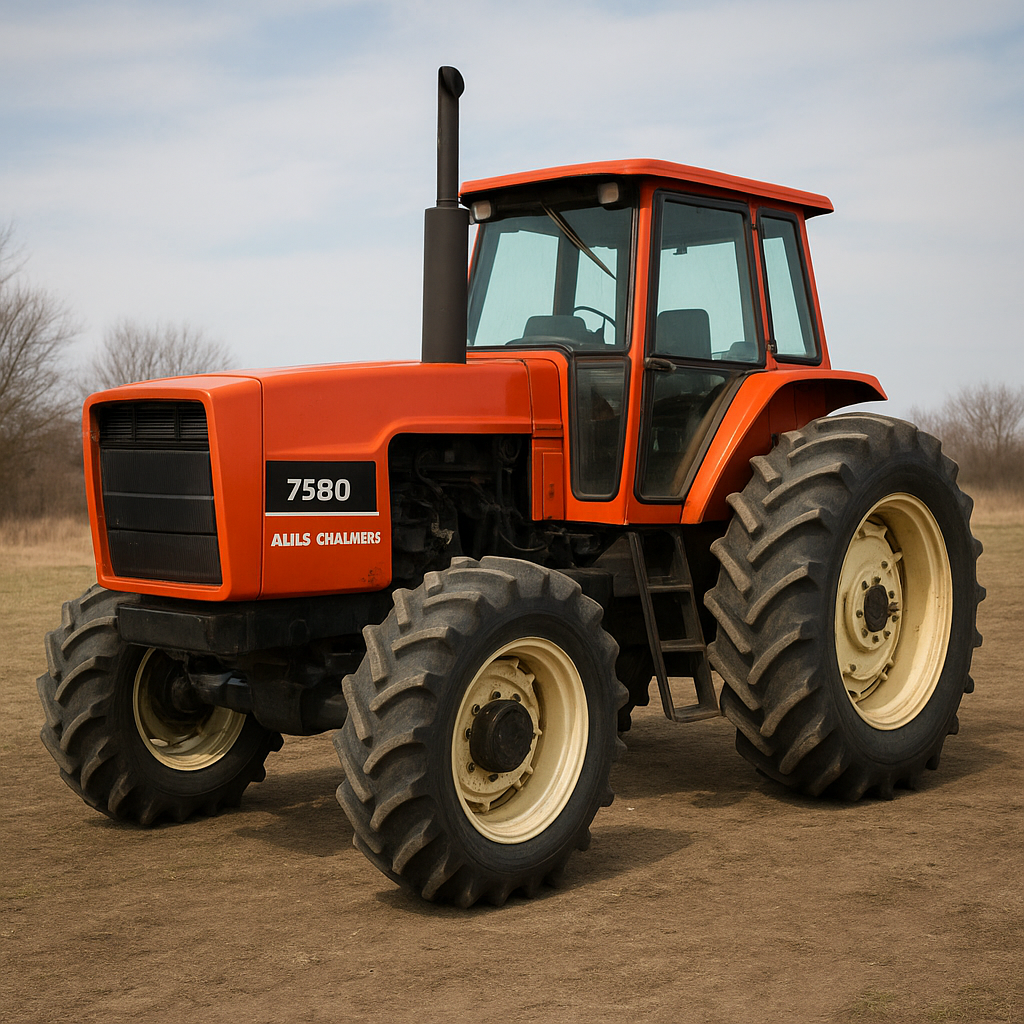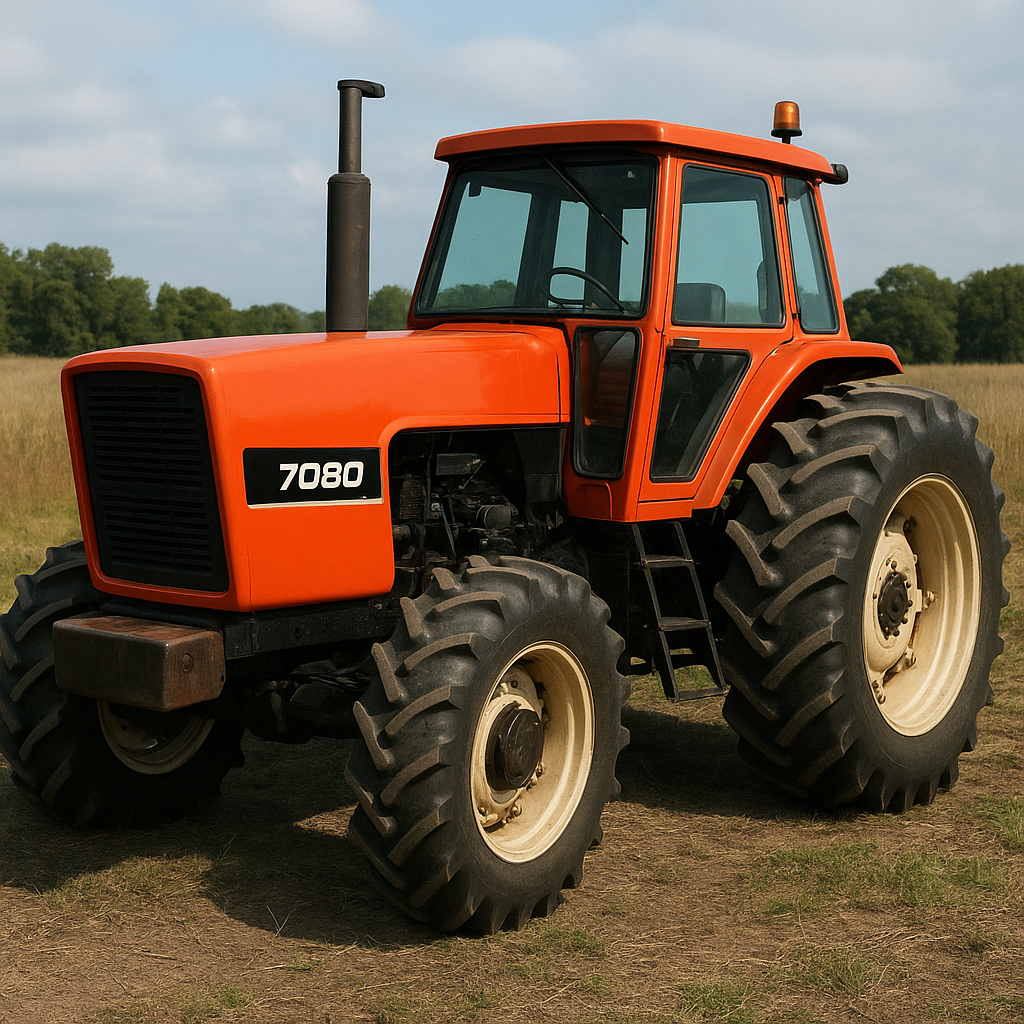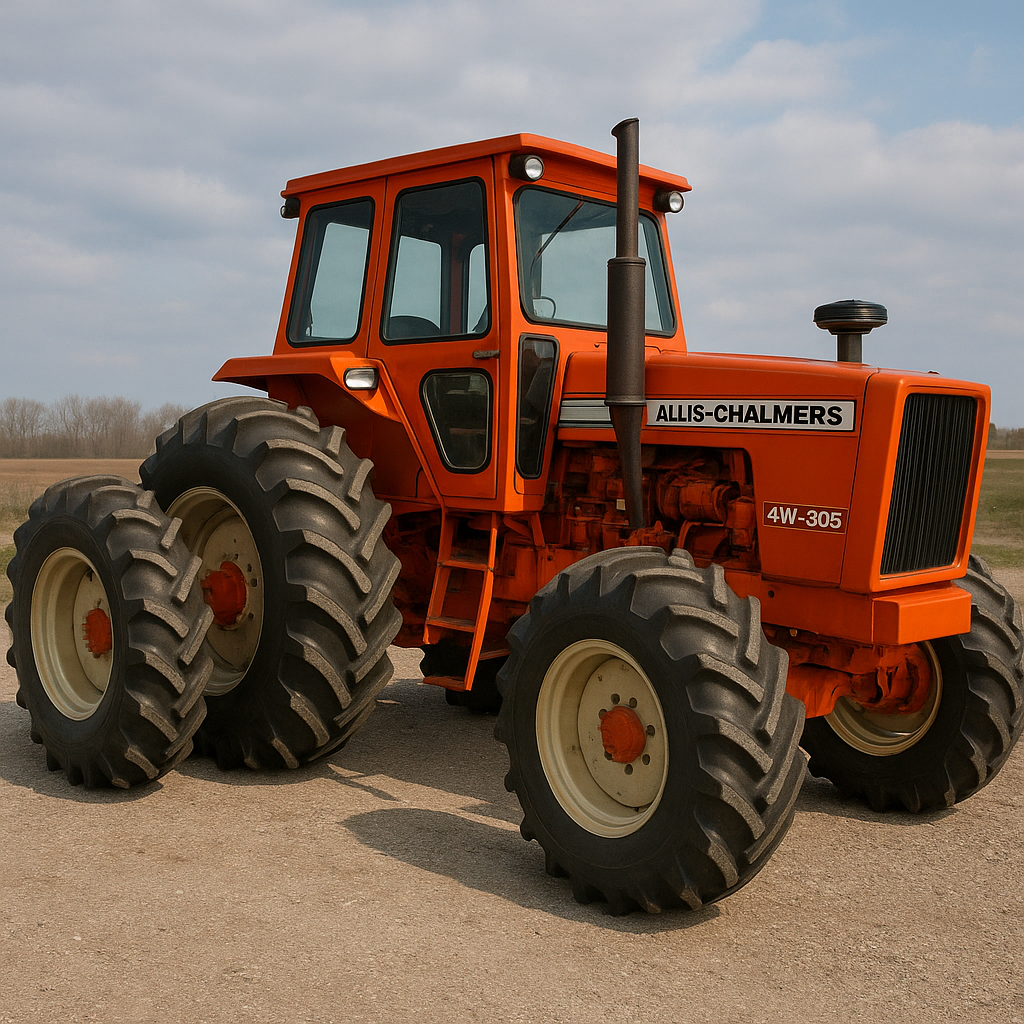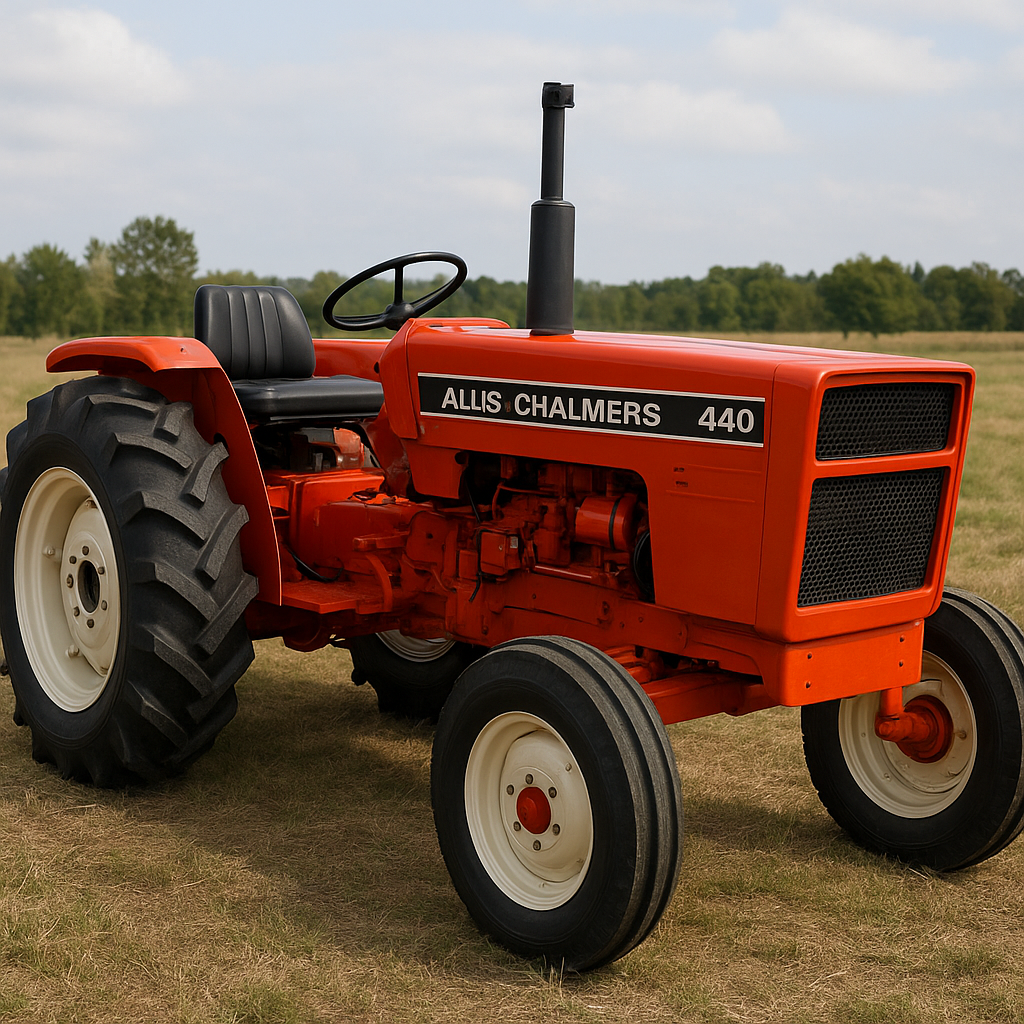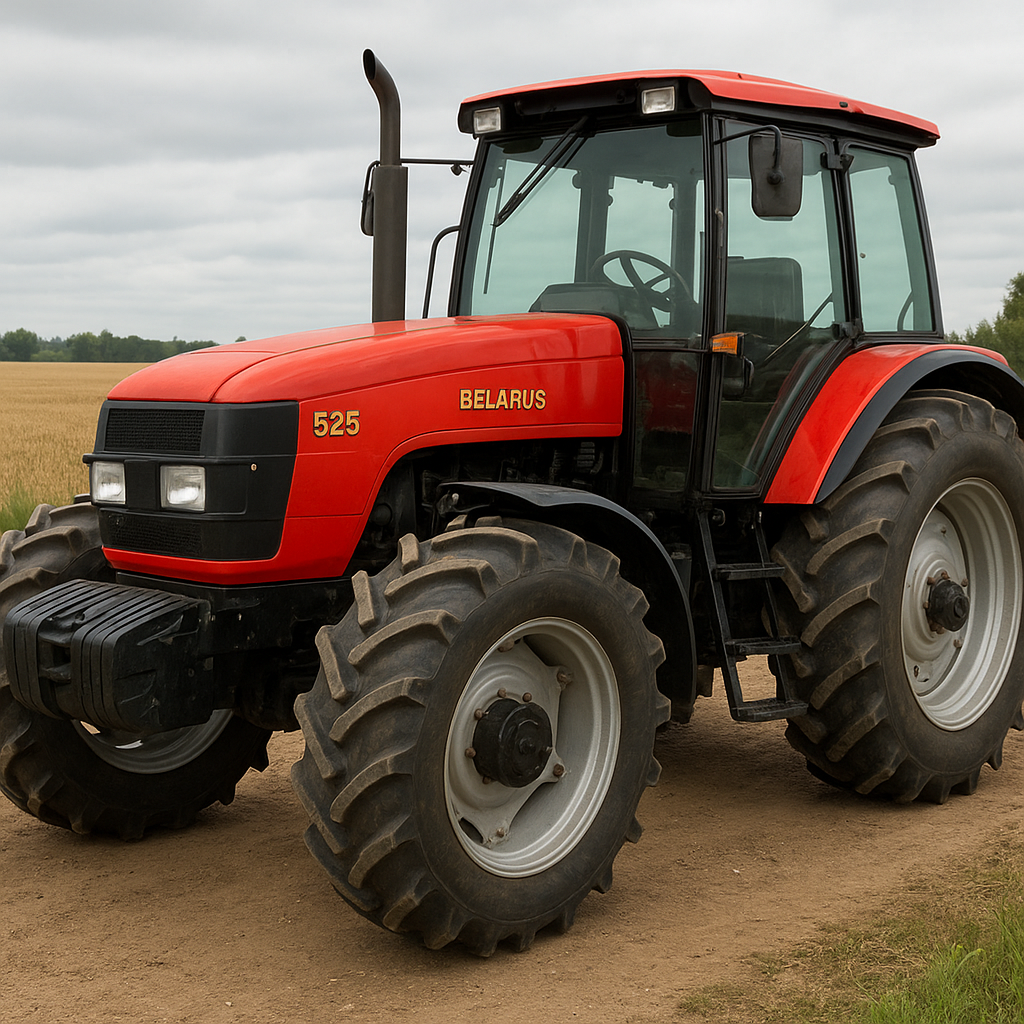
The Belarus 1525 is a member of the long-standing line of tractors produced by the Minsk Tractor Works (MTZ). Known for its robust construction and practical design, this model is aimed at demanding tasks in agriculture, forestry, transport, and municipal services. In this article we examine the design features, typical technical specifications, real-world applications, operational strengths and limitations, and aspects related to maintenance, economics and market presence of the Belarus 1525. The goal is to provide a comprehensive view useful for fleet managers, independent farmers, contractors, and anyone interested in modern utility tractors.
Design and technical characteristics
The Belarus 1525 is designed to combine simplicity and durability. Built with a focus on long service life under heavy use, it borrows engineering approaches that have been refined across decades of MTZ production. The tractor’s architecture emphasizes straightforward mechanical systems that are easy to service in the field as well as modular components that allow for a variety of configurations.
Powertrain and engine
The heart of the tractor is a robust diesel engine designed for continuous operation. The power output of this class is positioned to handle both pulling and power-take-off tasks. Typical characteristics include turbocharging and an emphasis on torque at low rpm to assist in heavy draft work. The engine cooling system and air intake are engineered to tolerate dusty and hot environments frequently encountered in agricultural settings.
Key drivetrain attributes commonly associated with this tractor include a multi-speed gearbox that offers a broad range of working speeds, and a synchronized shuttle or power-shuttle option for efficient forward/reverse maneuvers. This transmission design enhances on-field productivity for tasks such as loader work and frequent direction changes.
Transmission, PTO and hydraulics
For field implements the tractor provides a front and rear PTO setup, with selectable speeds suitable for a wide array of implements. Hydraulic systems on the tractor are intended to deliver stable lift capacity and responsive control for mounted and trailed implements. The hydraulic pumps typically supply enough flow to operate complex three-point linkage systems and auxiliary circuits for front loaders or other hydraulic attachments.
Chassis, axles and driveline
To ensure traction and stability, the Belarus 1525 normally features a robust chassis and heavy-duty axles, often with the option of mechanical or limited-slip differentials and a four-wheel drive system. A reinforced frame allows the tractor to handle front loaders and heavy rear-mounted implements without excessive chassis flex. Tire and rim options can be customized for specific soils and transport requirements.
Operator environment
Operator comfort and safety are important aspects of modern tractor design. The tractor commonly provides either an open station or an enclosed cab as an option, with ergonomically arranged controls, good visibility, and heating/air conditioning in many configurations. The cab options improve operator comfort during long shifts and harsh weather conditions, and can be equipped with rollover protective structures (ROPS) where applicable.
Typical technical data (representative)
Exact specs can vary by market and production year. Below are representative values often attributed to tractors in this class and to variants of the 1525 family:
- Engine: inline turbocharged diesel, 4-cylinder (some variants 6-cylinder in higher-power versions)
- Engine displacement: typically between 4.5 and 6.5 liters (varies by engine type)
- Rated power: approximately 130–160 horsepower at the crank (depending on exact model and emissions tuning)
- Transmission: 16/8, 18/6 or 24/12 speed transmissions with synchronized shuttle options
- PTO: rear PTO with selectable speeds (540/1000 rpm), optional front PTO
- Hydraulic lift capacity: commonly in the 3,000–6,000 kg range depending on linkage and pump option
- Fuel tank capacity: typically 120–200 liters, giving extended operating range for long field days
- Drive: selectable two-wheel / four-wheel drive with differential locks
- Weight: often around 5,000–7,500 kg depending on configuration and attachments
These figures are intended as representative targets for the class. Because MTZ has produced numerous variants and market-specific versions, prospective buyers should consult factory data sheets for precise numbers for a given serial number and production year.
Applications and practical uses
The Belarus 1525 is a multipurpose tractor with a broad field of applications. Its design enables it to perform reliably across different sectors, which makes it an attractive option for mid-size to larger farms and contractors. Some of the principal application areas are detailed below.
Agriculture
In crop production the tractor is used for tillage, seeding, fertilizer application, spraying, and transport. Its torque characteristics and PTO capability make it suitable for operating heavy seed drills, cultivators, and large planters. For livestock farms it serves as the prime mover for feed mixers, manure spreaders, and bale handling equipment when equipped with a loader and appropriate attachments.
Hay and forage operations
Forhaymaking—mowing, raking, tedding, baling—the tractor’s hydraulic flow and PTO options enable use of modern balers and forage harvesters. Reliability during the critical haymaking window is a major advantage and a reason many contractors and mixed farms select tractors from this class.
Contracting and municipal use
Contractors value the tractor for soil preparation, land reclamation, road grading, and transport tasks. Municipal applications include snow removal, street sweeping, and mowing large public areas. When fitted with a front loader and attachments, the Belarus 1525 becomes a versatile unit for winter maintenance and general municipal work.
Forestry and specialized tasks
With protective options and specialized implements like winches and grapples, the tractor can be used in forestry tasks for hauling, skid work, and log handling on smaller-scale operations. Protective screens and reinforced components enhance durability in abrasive and woody environments.
Operational advantages, strengths and limitations
Owners report several clear strengths for tractors of this lineage: straightforward mechanical systems that are easy to repair, good low-end torque for draft work, and a competitive price/performance balance. Below is a closer look at the operational aspects that influence productivity and lifecycle costs.
Strengths
- Durability and simple mechanical design that facilitate field repairs and long service life.
- Good torque curve that supports heavy implements and low-speed operations.
- Versatility through numerous factory and aftermarket attachments (loaders, mowers, spreaders).
- Relatively low acquisition cost compared with some Western European or North American brands, improving return on investment for many buyers.
- Availability of spare parts in many markets where MTZ has an established presence, which reduces downtime.
Limitations and considerations
There are trade-offs compared to premium-tier brands: ergonomics and refinement can be less advanced, electronics and automation options are often limited, and some users prefer more fuel-efficient modern engines with advanced emissions control. Noise, vibration, and ride comfort can be inferior to newer premium models. Warranty and dealer support quality vary by country and local importer organization.
Maintenance, serviceability and longevity
Maintenance practices strongly influence the long-term economics of any tractor. The Belarus 1525, with its mechanically straightforward layout, rewards consistent and preventative servicing. Below are recommended practices and considerations for maximizing uptime and lifespan.
Routine maintenance checklist
- Engine oil and filter changes according to operating hours and conditions—more frequent in dusty environments.
- Fuel system maintenance including filter replacement and water separation checks.
- Air filter inspection and replacement; heavy dust conditions require more frequent attention.
- Hydraulic fluid and filter service to preserve lift responsiveness and prevent contamination damage.
- Transmission and final drive oil checks; monitoring for leaks and unusual noises.
- PTO and linkage lubrication and inspection to prevent wear and ensure secure implement attachment.
- Tire pressure and condition monitoring for traction and fuel economy.
- Cooling system checks—radiator cleaning and coolant condition—to prevent overheating during sustained heavy loads.
Common repair and upgrade paths
Operators commonly invest in the following upgrades or repairs to extend capability and comfort:
- Upgrading to a climate-controlled cab for year-round work comfort.
- Installing front loaders with quick-attach systems for material handling versatility.
- Reinforcing rims and axles for heavy-duty loader or transport duties.
- Adding modern GPS guidance and section control systems for precision farming—these can be integrated with available control points.
Economics, availability and market presence
The Belarus tractor line occupies a significant niche in many global markets, particularly where value and durability are prioritized. MTZ exports tractors to many countries in Eastern Europe, Asia, Africa, and South America, and the brand has a well-established reputation in several emerging markets.
Acquisition costs and operating economics
Acquisition cost for this class of tractor tends to be lower than comparable Western European or North American models. When assessing total cost of ownership, buyers should weigh fuel consumption, maintenance intervals, parts availability, and resale value. For many buyers, the initial lower capital cost plus robust mechanical simplicity yields favorable lifecycle economics, especially where skilled labor for repairs is available locally.
Resale and parts availability
Spare parts availability is an important factor. In regions with strong MTZ dealer networks, parts and service are relatively accessible, reducing downtime. Resale values vary widely by region and condition, but well-maintained units from this line are often in demand by second-hand buyers who value mechanical reliability.
Safety and regulatory considerations
Safety features should be evaluated by buyers depending on local regulations and site-specific requirements. Modern variants often provide ROPS, improved lighting packages for road transport, and seat belts. Emissions standards may affect available engine options in regulated markets, and some models may be equipped with emissions control systems to comply with local rules.
Operator training and safe operation
Safe operation involves not only machine features but operator training. Proper hitching practices, correct use of the PTO and hydraulics, and loader operation training are all essential to prevent accidents. Regular safety inspections—checking brakes, steering response, lighting and PTO shields—reduce the risk of incidents during both field and road work.
Final remarks and perspective
The Belarus 1525 represents the pragmatic approach of the MTZ lineage: durable, versatile, and designed for heavy-duty use in demanding environments. Its strengths lie in mechanical simplicity, torque delivery for draft operations, and a pricing profile that makes it accessible to a wide range of operators. While it may not match the refinement, advanced electronics, or fuel-optimized engines of some Western brands, the 1525’s mix of durability and serviceability keeps it relevant for farms, contractors, and public service operators who require dependable machinery with straightforward maintenance.
For any potential buyer or fleet manager, the best next steps are a careful review of the exact specifications for a particular production year and variant, consideration of local dealer support, and an honest assessment of the kinds of implements and operational conditions the tractor will face. When matched appropriately to tasks and maintained diligently, the Belarus 1525 can be a cost-effective and long-lived workhorse.
Belarus 1525 • MTZ • diesel • horsepower • PTO • hydraulics • four-wheel drive • cab • fuel efficiency • reliability