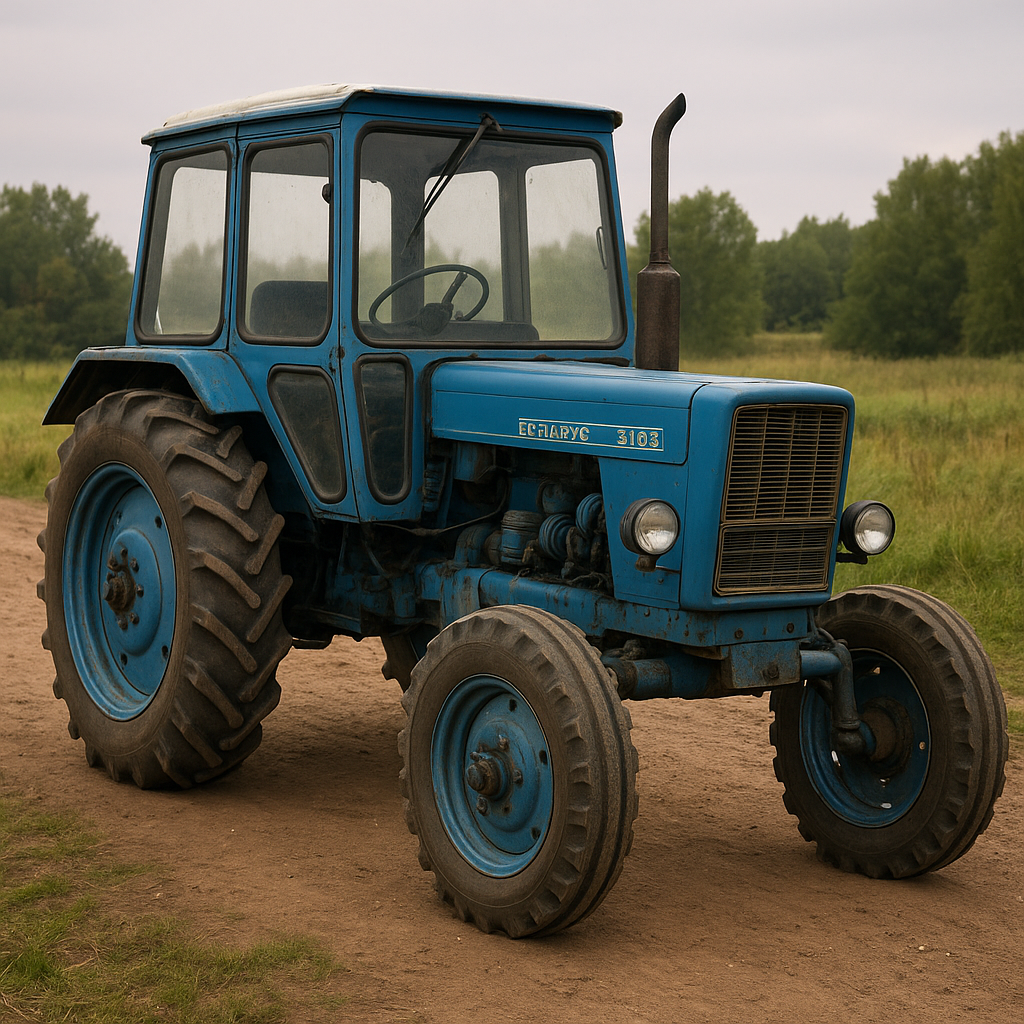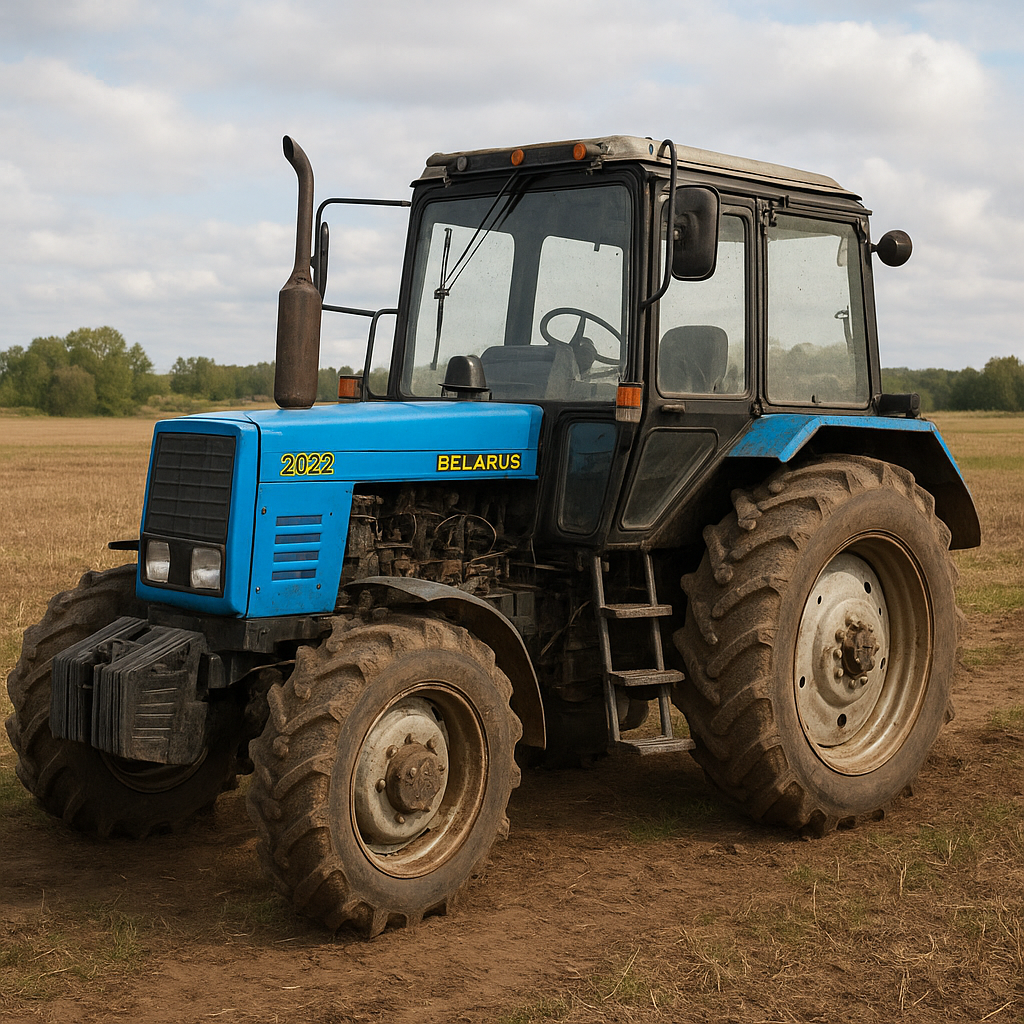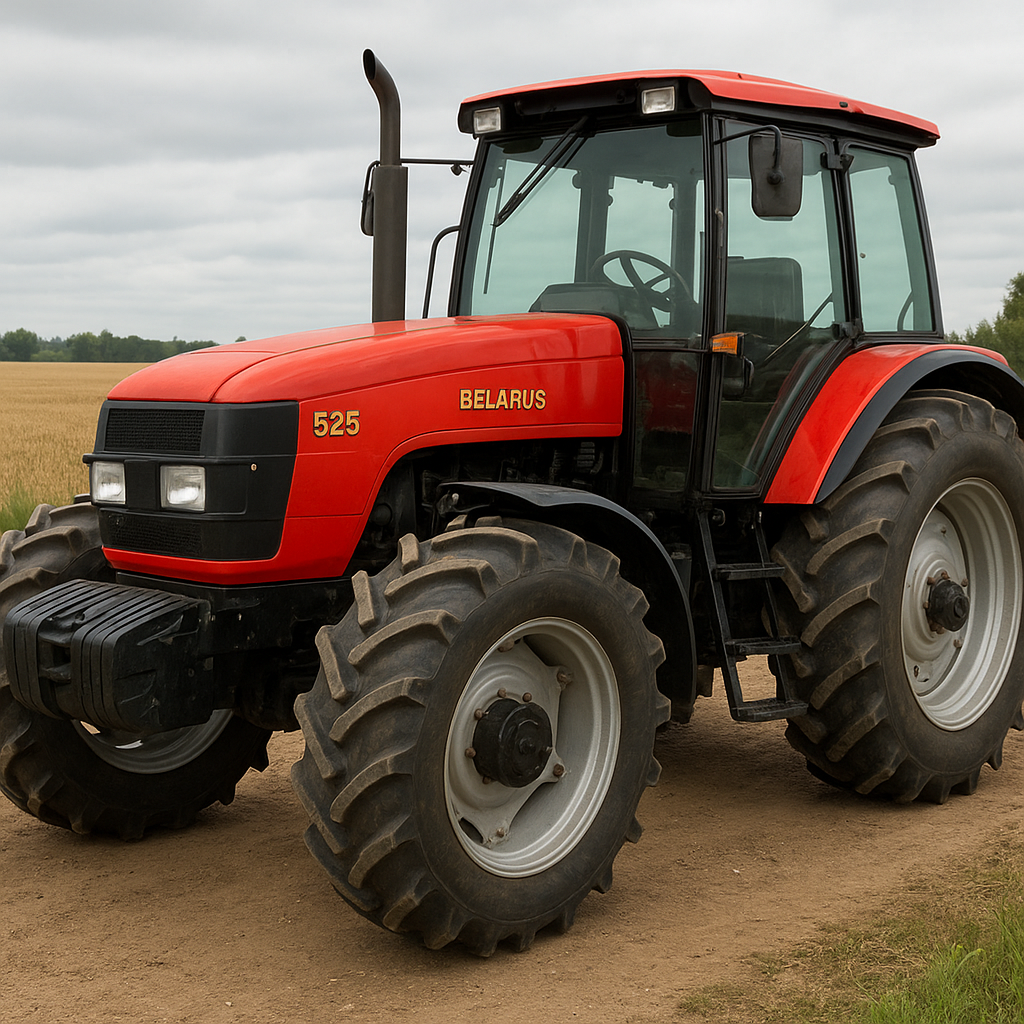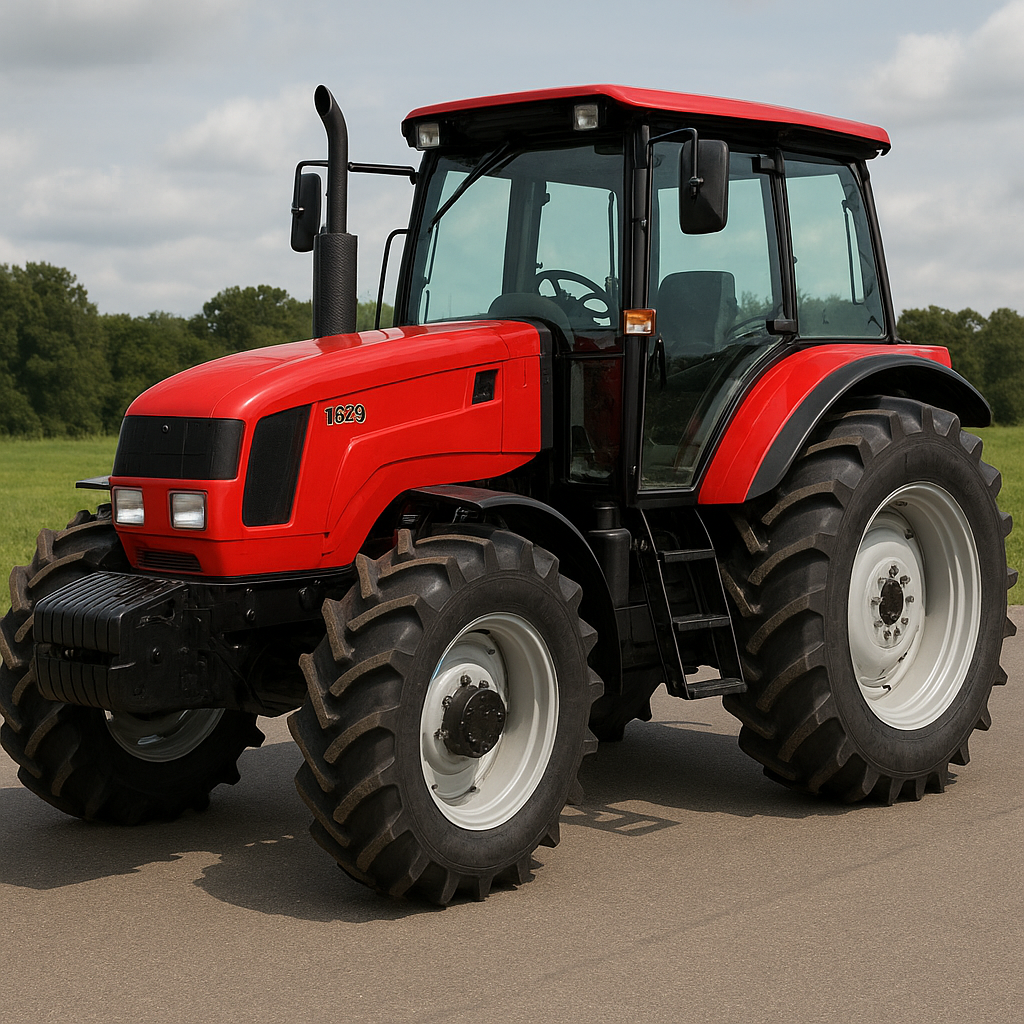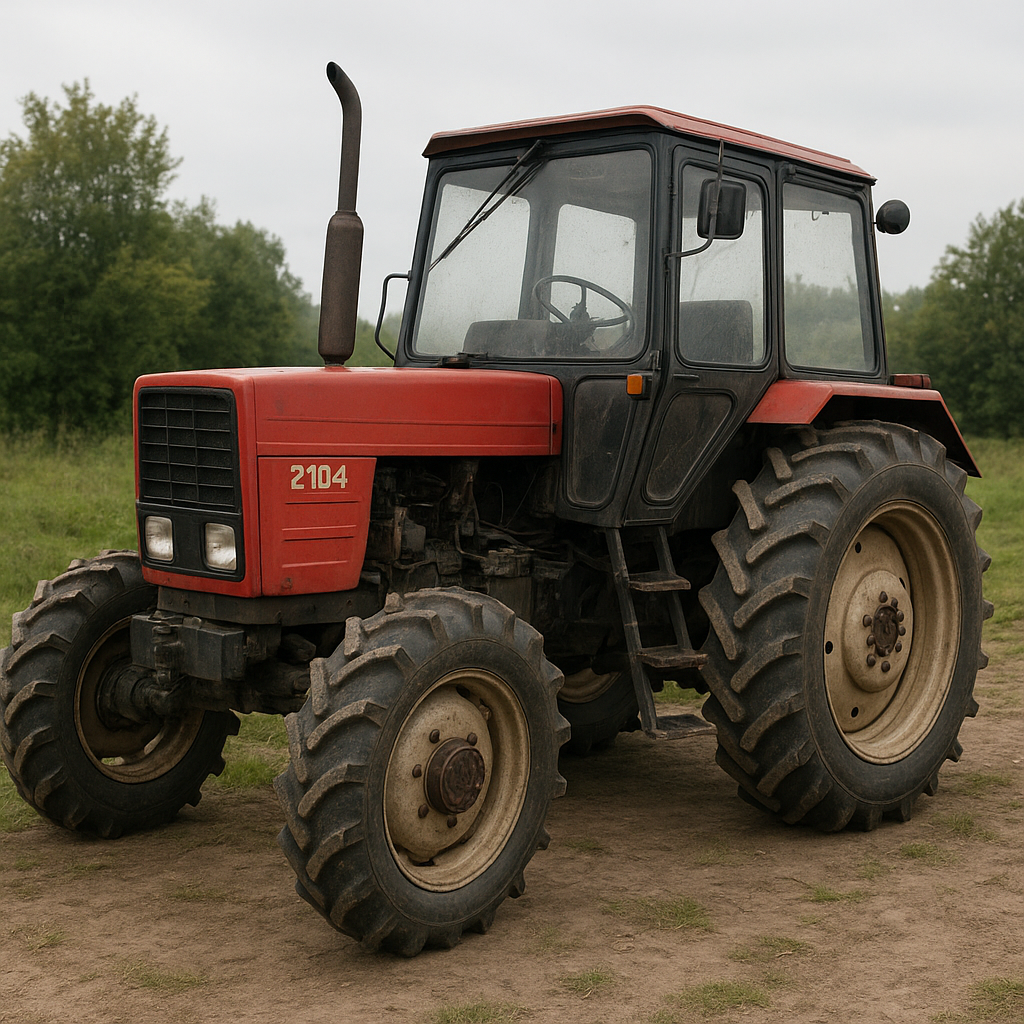
The Belarus 2104 is part of the long-standing family of tractors produced by Minsk Tractor Works (MTZ), a manufacturer with deep roots in Eastern European agricultural machinery. Designed to bridge the gap between small utility tractors and full-sized farm tractors, the Belarus 2104 combines practical design, straightforward mechanics and adaptability for a wide range of tasks. In this article you will find an overview of its origins, technical characteristics, typical applications, maintenance considerations and market presence, together with practical advice for operators and fleet managers. Throughout the text several important terms are emphasized to highlight the model’s most useful attributes.
Background and Historical Context
The Belarus line of tractors, produced by MTZ (Minsk Tractor Works), has been a staple in agriculture across Eastern Europe, Central Asia and many export markets for decades. The development philosophy behind models like the Belarus 2104 centers on robust construction, ease of repair and versatility. These tractors were designed to be serviceable in the field, with a component layout that allows technicians and owners to perform many routine tasks without specialized equipment.
Belarus models have earned a reputation for mechanical simplicity and ruggedness. The Belarus 2104 continues that tradition by offering an uncomplicated platform that can be fitted with a range of implements and accessories. While more advanced manufacturers emphasize electronics and highly automated systems, the Belarus 2104 appeals to users who value plain, proven technology where mechanical access and repairability are priorities.
Design Philosophy and Key Features
The Belarus 2104 follows a pragmatic design ethos: reliable sub-systems, modular components and a chassis built to withstand heavy daily use. The tractor is suitable for farms, municipal services and light industrial tasks, due to its balance between power and maneuverability. Below are some of the model’s core aspects and attributes:
- Engine: The 2104 is commonly equipped with a diesel engine engineered for torque and longevity rather than peak output. The engine is designed to run on standard diesel fuels found in rural areas and to tolerate variable fuel quality better than many modern, high-precision engines.
- PTO (Power Take-Off): A standard PTO arrangement enables the use of rotary mowers, balers, tillers and other driven implements. Typical configurations include 540 rpm PTO, with some configurations offering dual-speed options to match different equipment.
- Hydraulics: The hydraulic system is built to support three-point linkage implements and front-end loaders. It provides predictable lifting and control performance for plows, seeders and trailer tipping functions.
- Transmission: The transmission prioritizes reliability and ease of maintenance. Gearbox options usually offer multiple forward and reverse speeds to operate efficiently at field and road speeds.
- Cab and Operator Comfort: Depending on market and year, the 2104 may be offered with either an open operator station or an enclosed cab. Cabs are basic but functional, focusing on visibility and protection from weather rather than on advanced climate control or infotainment.
These design decisions make the Belarus 2104 especially attractive to users who need a durable machine that is easy to service in rural conditions, and where parts availability and cost-effectiveness are important criteria.
Technical Characteristics (Typical and Approximate)
Exact specifications for the Belarus 2104 can differ according to production year, market, and optional equipment. The values below summarize typical ranges and characteristics commonly associated with tractors of this class and model family. Where precise factory data is not consistent between sources, the ranges reflect real-world observed configurations.
- Engine type: turbocharged or naturally aspirated diesel designed for continuous torque delivery and durability.
- Power range: typically in the mid-range category — suitable for small to medium farms. Approximate power output commonly found in similarly purposed Belarus models is around 90–110 hp (67–82 kW), though exact numbers depend on the specific engine fitment.
- Displacement: medium-displacement diesel engines commonly used in this class (approximate ranges between 4.0 and 6.0 liters in similar MTZ offerings).
- Transmission: multiple-speed mechanical gearbox with several forward and reverse gears; some variants offer synchronized shifting and creeper gear options for low-speed tasks.
- Drive configuration: available in two-wheel drive (2WD) or four-wheel drive (4WD) layouts; 4WD is preferred for traction-critical operations.
- PTO: standard 540 rpm, with some configurations offering 540/1000 dual-speed for a wider implement compatibility.
- Hydraulic capacity: designed to support medium-duty implements; pump flow rates typically in the range of 40–60 L/min for tractors of comparable specification.
- Lifting capacity: rear three-point lift commonly rated in the range of 2,000–3,500 kg, depending on exact linkage and hydraulic options.
- Weight: operating weight often falls between 3,000 and 4,500 kg, depending on configuration, ballast and attachments.
- Top speed: road speeds commonly reach approximately 30–40 km/h in higher gear ratios, useful for transfer between work sites.
Note: These figures are representative and intended to give a practical sense of capability. For precise values for a particular unit, check the factory plate, operator’s manual or official MTZ documentation for that model year and configuration.
Typical Applications and Fields of Use
The Belarus 2104 is built to be versatile. It fills roles across agriculture, municipal services and light construction, making it a common choice for operations that require one machine to perform many tasks. The most frequent applications are:
- Agricultural fieldwork: plowing, harrowing, seedbed preparation, sowing and towing trailers. The tractor’s torque characteristics and hydraulic lift capacity make it well suited for medium-sized implements.
- Hay and forage operations: PTO-driven mowers, rakes and balers can be powered reliably. The simplicity of the drive systems facilitates repairs during peak harvest seasons.
- Loader work: when equipped with a front-end loader, the 2104 can handle material loading, manure handling, and light earthmoving duties.
- Municipal and utility tasks: snow clearance, street cleaning, road maintenance attachments and small-scale landscaping tasks are common roles for this class.
- Forestry and orchard use: narrow- or specialty-tyre options and protective packages (if fitted) allow use in orchards, vineyards and light forestry work where maneuverability and robust low-speed torque are required.
- Industrial and yard duties: towing, lifting and power supply tasks in small industrial settings or large estates.
Its adaptability comes from a combination of a solid PTO, dependable hydraulics and a modular attachment ecosystem that allows owners to configure the machine for seasonal and multi-role usage.
Maintenance, Serviceability and Common Repairs
One of the Belarus 2104’s strongest points is its serviceability. The tractor has been engineered so that common service items are accessible, minimizing downtime and reducing the need for specialized diagnostic tools. Key maintenance considerations include:
- Routine service intervals: Regular oil and filter changes for engine, transmission and hydraulics. Periodic inspection of belts, hoses and cooling system to prevent overheating under heavy loads.
- Fuel and air filtration: Diesel fuel quality can vary; therefore, maintaining clean fuel and efficient air intake is essential to prolong engine life and maintain performance.
- Hydraulic system checks: Monitor fluid level, filter condition and hoses for leaks. Implementing scheduled hydraulic maintenance prevents loss of lifting capacity and ensures smooth implement operation.
- Transmission and clutch maintenance: Clutch adjustment and gearbox inspections are straightforward and can often be done in local workshops experienced with mechanical tractors.
- Parts and aftermarket support: Spare parts for Belarus tractors are widely available in many regions due to long production runs and global export networks. The simple mechanical design reduces parts complexity and costs.
Common repairs tend to be mechanical in nature: clutch resurfacing, injector maintenance, hydraulic pump rebuilds and electrical system repairs (starter, alternator, wiring). Because many service items are user-accessible, operators with mechanical skill can perform preventive tasks themselves, lowering total ownership costs.
Operating Economics and Fuel Considerations
Economics plays a central role when choosing a tractor. The Belarus 2104 is positioned as a cost-effective option — its initial purchase price, ease of repair and parts availability often translate into a competitive cost of ownership. Important economic factors include:
- Fuel efficiency: Diesel engines in this class are tuned more for durability than for ultra-high efficiency. Real-world fuel consumption depends on load, PTO usage, topography and driving style; operators can expect moderate fuel use typical of medium-duty tractors. Proper maintenance improves fuel economy over the machine’s life.
- Depreciation and resale: Belarus models generally hold value in markets where simplicity and durability are prized. Resale prices depend on condition, hours of operation and accessory configuration.
- Parts cost: Replacement parts and service tend to be less expensive than for highly electronic, brand-new tractors, particularly in regions with established Belarus dealer networks.
- Versatility payoff: The ability to perform multiple seasonal tasks with one machine reduces the need to purchase specialized equipment, which can significantly improve return on investment for small and medium-sized farms.
Safety and Operator Considerations
While the Belarus 2104 is not a high-tech machine, safe operation remains essential. Key safety and operator comfort considerations include:
- Familiarity with PTO safety: Ensure shields are in place and never operate PTO-driven implements without proper guarding.
- Rollover protection: If operating in hilly terrain, ensure that ROPS (Rollover Protective Structure) and seatbelt are fitted and used to minimize risk.
- Visibility and lighting: For early-morning or late-evening work, verify that lighting packages are functioning and positioned for maximum visibility.
- Ergonomics: While cab options vary, routine checks on seat condition, control layout and vibration damping can improve operator fatigue over long workdays.
Market Presence and Global Reach
Belarus tractors, including models like the 2104, have a solid export history. MTZ has supplied machines to Eastern European, Central Asian, African and Latin American markets. Their reputation rests on durability and the ability to perform in environments where advanced dealer networks and premium fuel are not always available. The aftermarket ecosystem of parts and local workshops makes Belarus tractors a practical choice in many regions.
Used-unit availability is generally healthy in secondary markets. Fleet buyers and contract operators often choose Belarus models for their predictable lifecycle costs and straightforward rebuildability. In many countries, small dealerships and independent mechanics provide the primary support for these tractors, reinforcing the advantage of simple mechanical designs.
Practical Tips for Prospective Buyers and Owners
If you are considering a Belarus 2104 for purchase — new or used — here are practical suggestions to help evaluate the machine and maintain its value:
- Inspect service records: Look for consistent maintenance and timely repairs. A well-kept oil change history and evidence of regular hydraulic servicing are indicators of long-term reliability.
- Check for corrosion and structural damage: Pay attention to the frame, PTO shaft condition and loader mounts.
- Test-drive under load: Evaluate hydraulic responsiveness, clutch engagement and gearbox shifting while operating typical implements for your tasks.
- Verify attachment compatibility: Confirm existing implements (mowers, balers, loaders) match PTO and linkage specifications.
- Evaluate parts availability: Contact local suppliers to confirm lead times and costs for common spare parts in your region.
Interesting Facts and Final Remarks
The Belarus 2104 represents the continuation of a practical, user-focused tractor tradition. Its strengths lie in simplicity, adaptability and robustness — qualities that make it especially popular with farmers, contractors and municipal services that need dependable equipment without the overhead of complex electronics. Whether used for plowing fields at dawn, clearing snow from roads or moving materials at a construction site, the 2104 is engineered to be a hardworking, serviceable and economical partner.
For many operators, the true value of this tractor is not found in a single specification, but in its track record of getting jobs done day after day with minimal fuss. If your priorities include straightforward repairability, broad implement compatibility and resilient mechanical systems, the Belarus 2104 is worth considering as part of a practical, cost-effective fleet strategy.