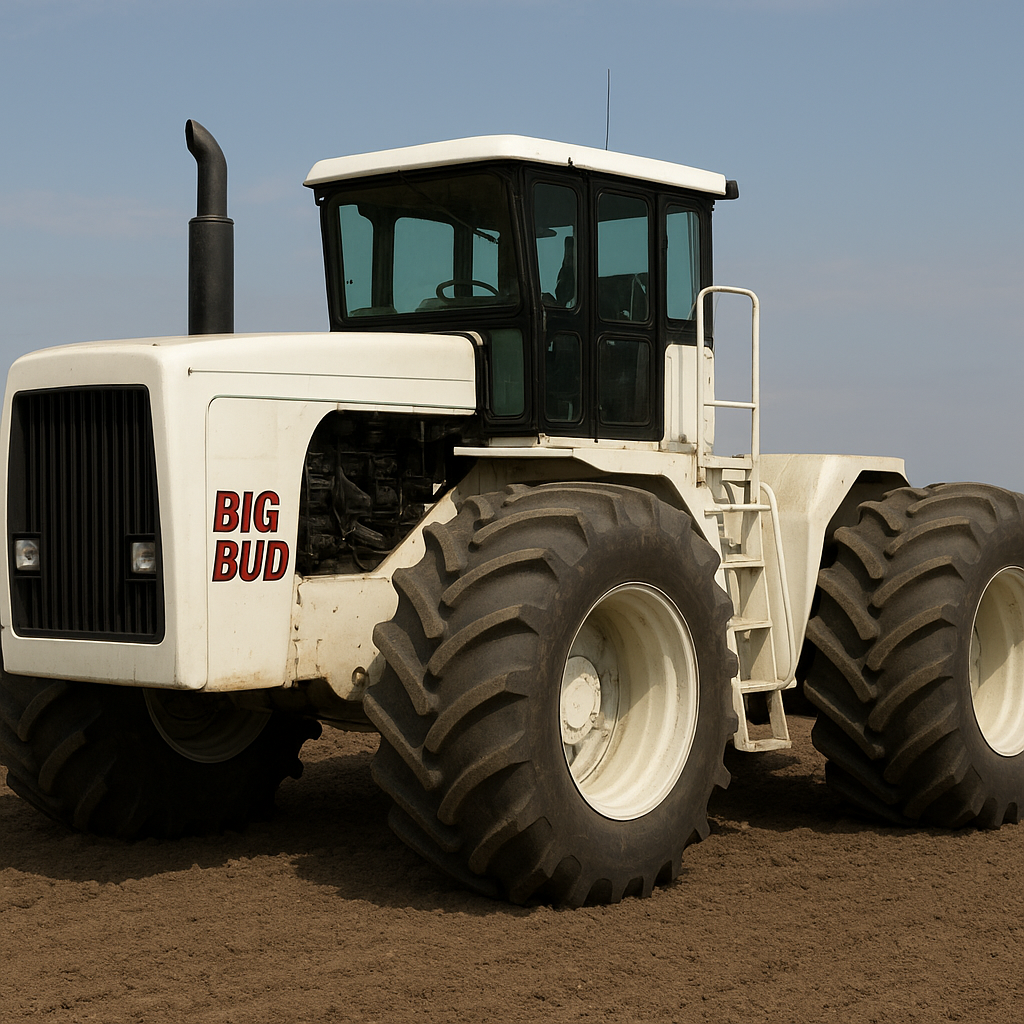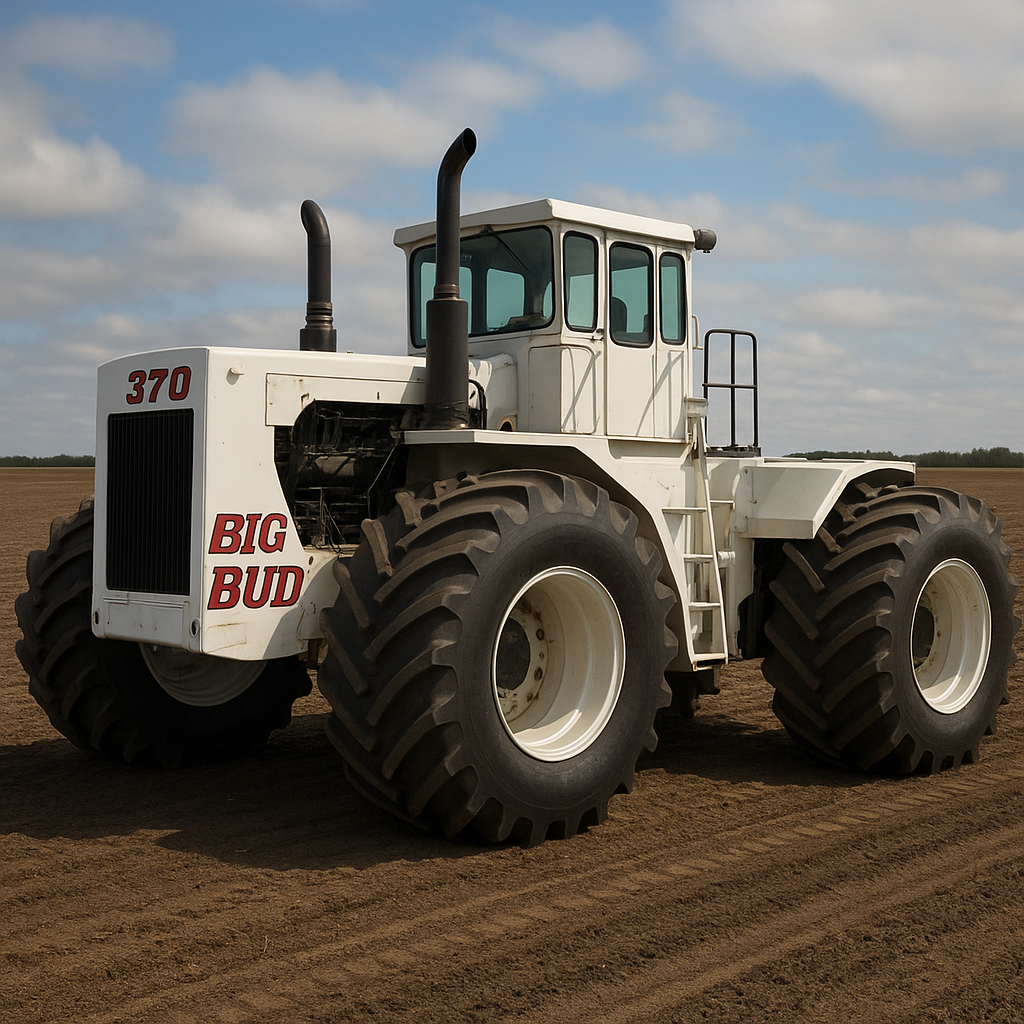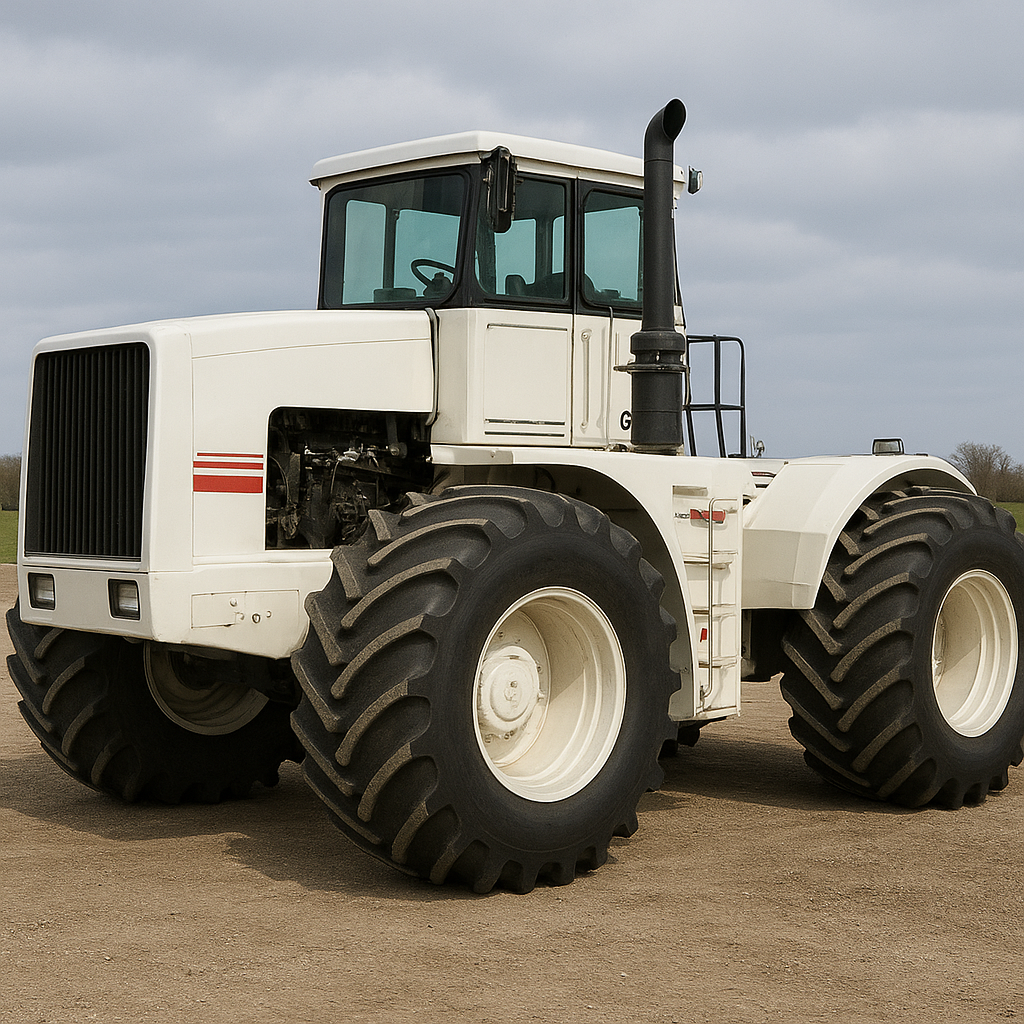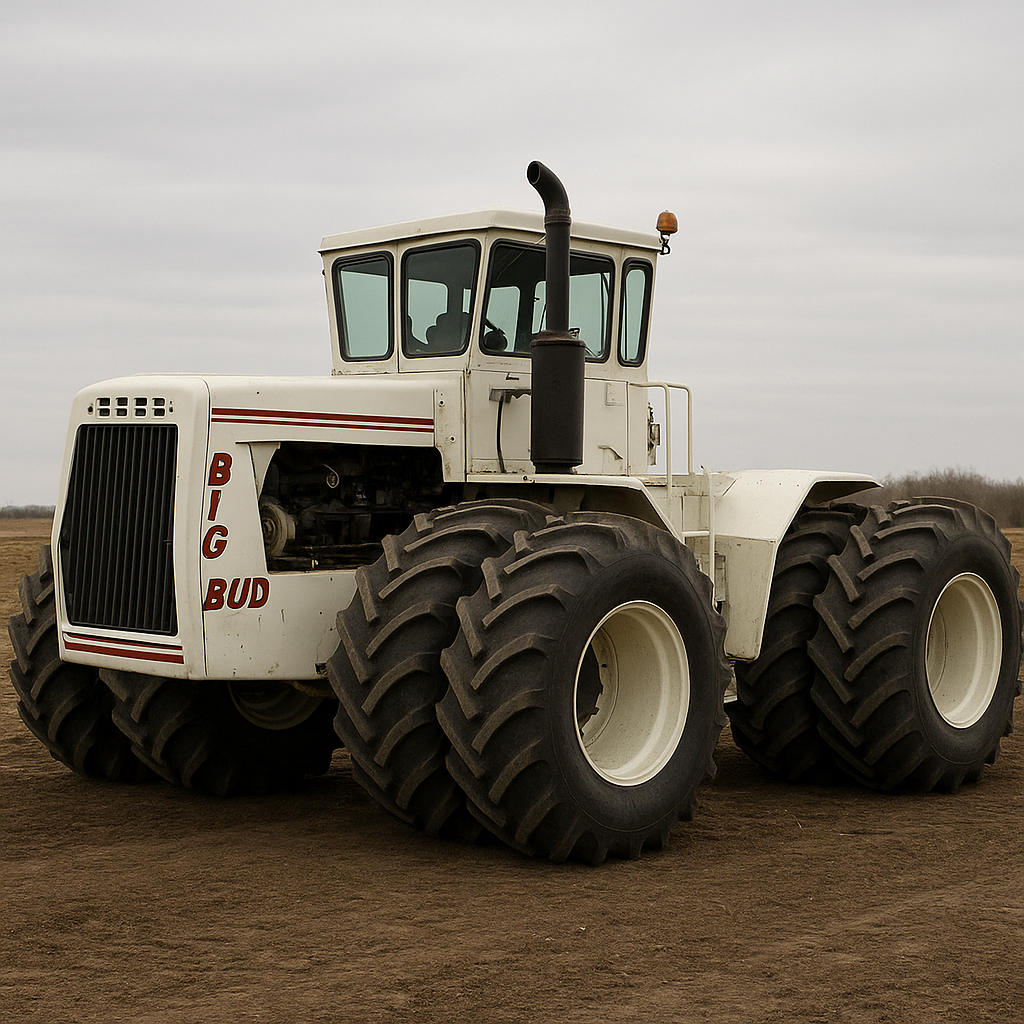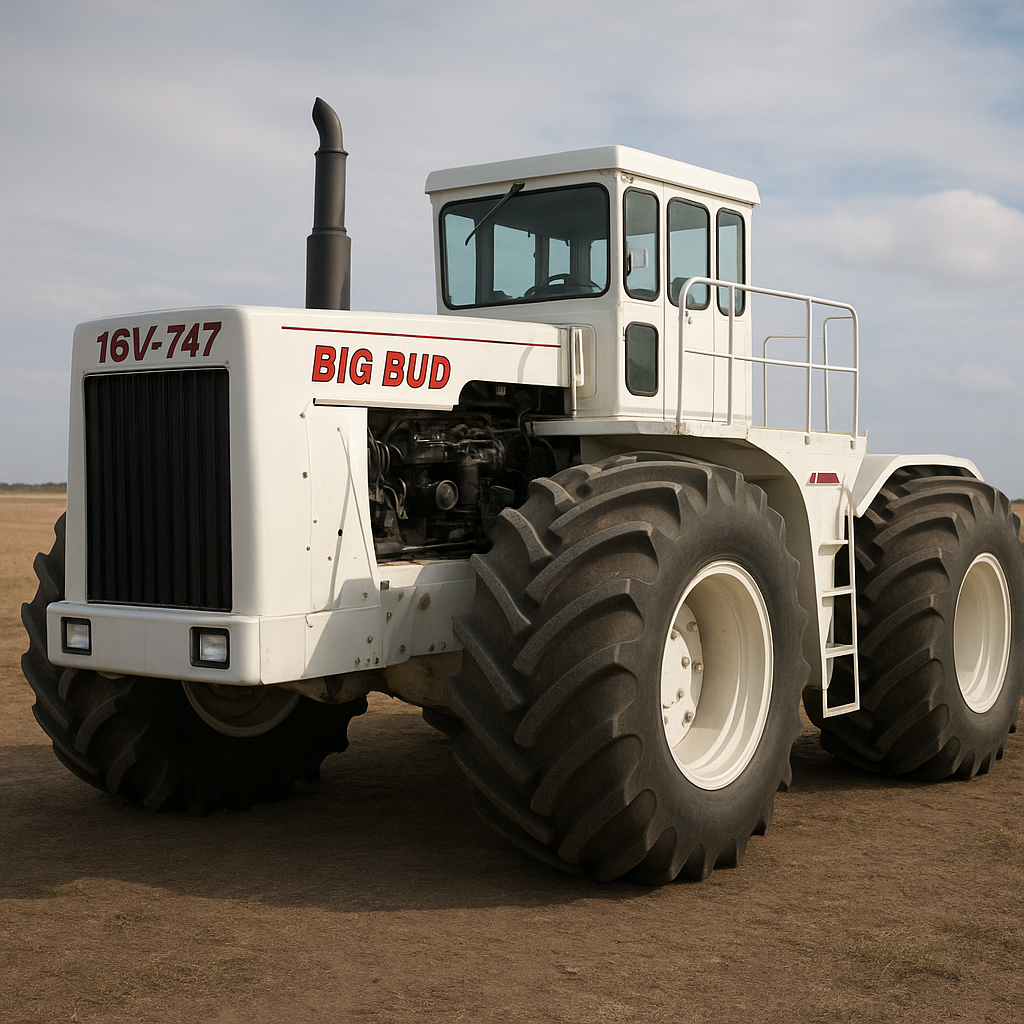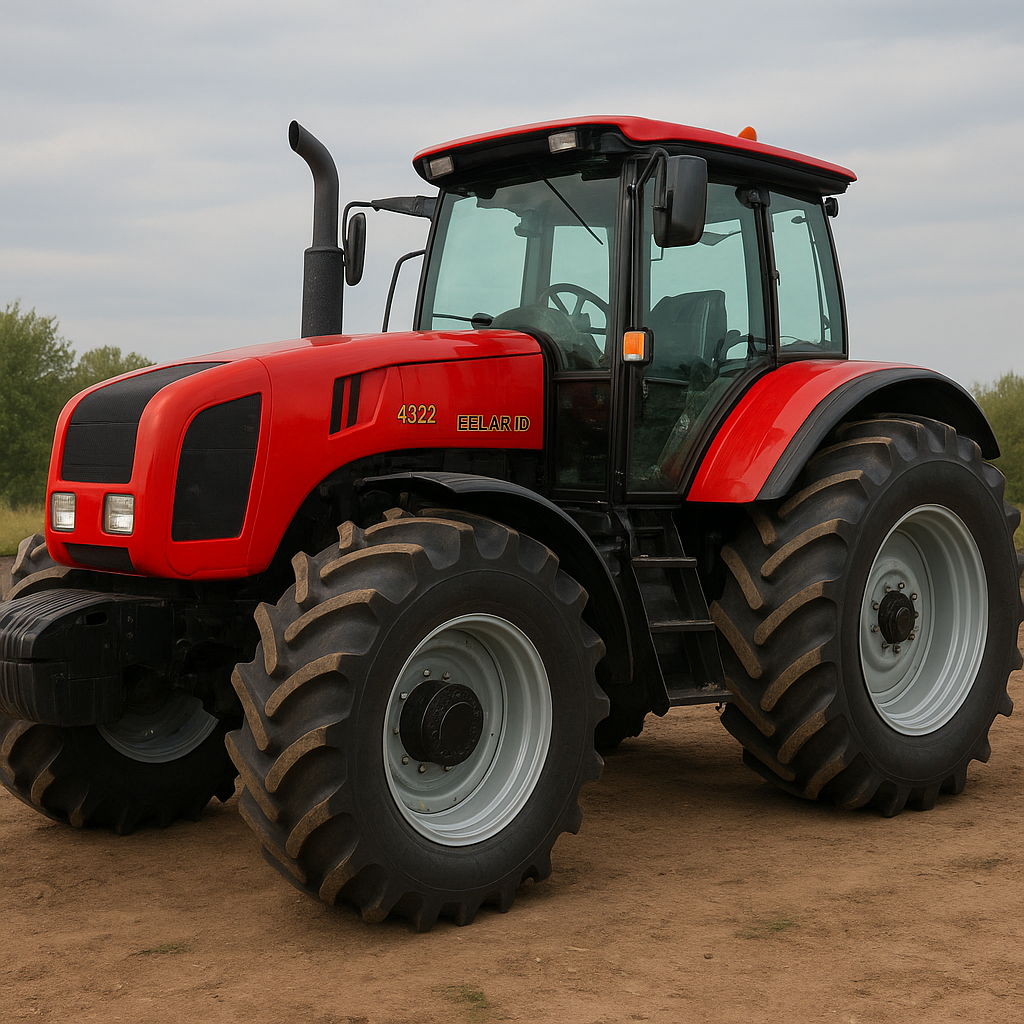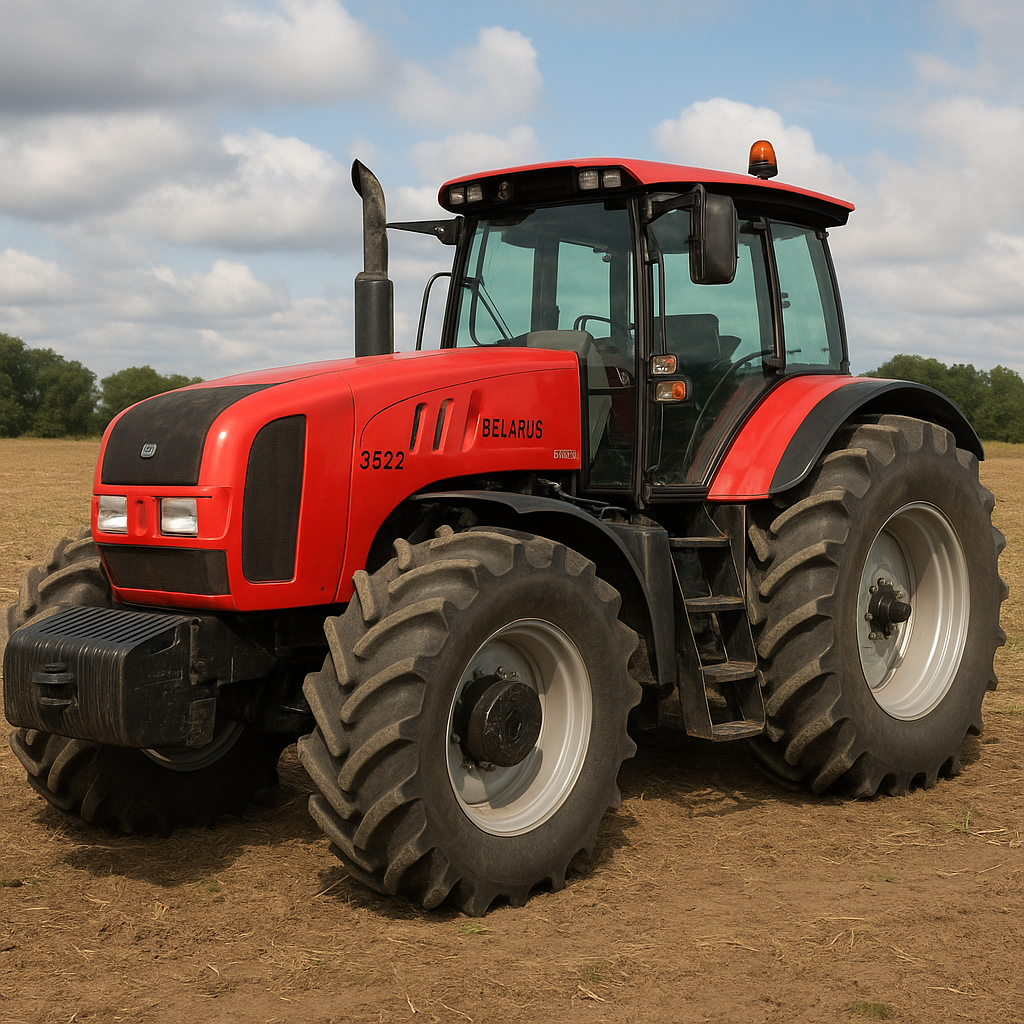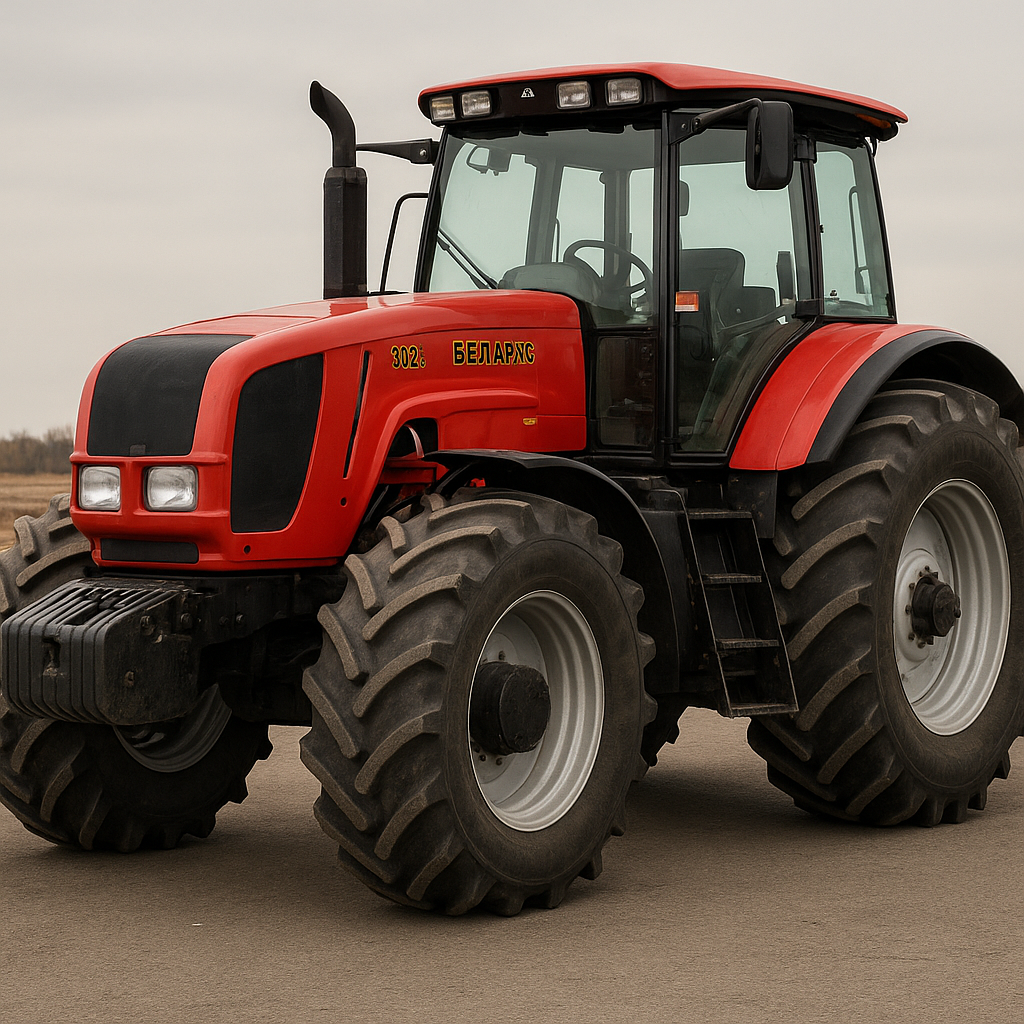
The Big Bud 500 stands as a notable example of high-capacity agricultural machinery designed to meet the needs of large-scale farming operations. Combining robust engineering, simplified serviceability and an emphasis on pulling power rather than road speed, this tractor model has been used where productivity, soil management and long working hours are the norm. The following article explores the origins, technical characteristics, common applications, operational considerations and broader significance of the Big Bud 500 in modern agriculture.
Design and Development
The Big Bud family of machines emerged from a desire to build tractors capable of handling extremely large implements and long hours in the field. The Big Bud 500 was conceived as a heavy-duty, high-torque machine optimized for deep tillage, large planters and heavy cultivations. Its design philosophy prioritized raw pulling capacity, low ground pressure per unit power and the capacity to tow multi-row implements across continental-scale farms.
Engineering principles
- High tractive effort: Emphasis on gear ratios, final drives and weight distribution to maximize drawbar pull rather than top speed.
- Durability: Over-engineered components in critical areas (axles, transmission, driveline) to tolerate continuous, high-load service cycles.
- Serviceability: Accessible service points and modular systems for faster maintenance in field conditions.
- Operator comfort: Larger cabs and improved controls to reduce operator fatigue during long shifts.
The tractor typically used heavy, multi-speed transmissions with strong braking systems and large tires to both transfer torque to the ground and limit soil compaction. Cooling systems were also rated generously to cope with extended high-load operation in hot climates.
Historical context
Large tractors like the Big Bud 500 were a response to post-war trends toward consolidation and mechanization in agriculture. As farms grew in size, demand increased for machines that could pull wider implements and complete fieldwork more quickly. The Big Bud series became associated with extremely large farms and contractors who required continuous operation and the ability to manage large acreage in limited weather windows. While smaller tractors are more versatile on mixed farms, machines in the Big Bud category are purpose-built for scale.
Technical Specifications and Performance
Exact specifications for a Big Bud 500 can vary by year, configuration and aftermarket modifications. Many machines were customized for the specific needs of their owners, so figures below are typical ranges and design priorities rather than a single factory sheet. The following information is organized to help understand what defines the class and what operators can expect in the field.
Powertrain and horsepower
- Engine: Large-displacement diesel engines, often inline or V-type multi-cylinder designs appropriate to produce sustained torque at low rpm.
- Horsepower: The Big Bud 500 is commonly associated with approximately 500 horsepower at the drawbar/pto rating in its nominal configuration. Actual installed engines and tuning could yield higher peak outputs.
- Torque characteristics: High peak torque at low engine speeds to maximize tractive effort without excessive wheel slip.
Transmission and drivetrain
- Transmission: Multi-range mechanical or power shift transmissions that provide close gear spacing for matching engine torque to soil load and to maintain traction.
- Final drives: Heavy-duty planetary or reduction-final assemblies to handle high torque.
- 4WD and traction: Many units used full-time four-wheel drive or multiple drive axles to spread power and reduce ground pressure while increasing traction.
Dimensions, weight and ground pressure
- Weight: Gross weights usually in the range of several tonnes—typical examples of machines in this class can weigh anywhere from 10 to 25 metric tons depending on ballast and implements.
- Ground pressure: Designed to maintain workable ground pressure to protect soil structure while transferring power; wider tires or duals are common.
- Wheelbase and overall size: Large wheelbase for stability under heavy drawbar loads and long frames to support wide three-point linkage and drawbar assemblies.
Fuel consumption and efficiency
Heavy tractors consume substantial fuel when working at high load. Fuel consumption depends on load, soil conditions and implement size. Operators measure fuel efficiency by hectares per litre or litres per hour; a 500-hp class machine under heavy tillage can use tens of litres per hour. Modern tuning and electronic engine management improve specific fuel consumption versus older mechanical systems.
Performance metrics
- Drawbar pull: Emphasized as a key performance metric, indicating a tractor’s practical capability pushing implements across the field.
- Field capacity: With the correct implement, a Big Bud 500 can complete many hectares per hour, depending on pass width and soil conditions, making it valuable for large-acreage operations.
- Reliability metrics: Mean time between repairs (MTBR) and maintenance intervals are critical for high-utilization operations; component robustness often offsets higher maintenance complexity.
Applications in Agriculture
The primary use cases for the Big Bud 500 follow from its design: high-power, high-traction operations at scale. It is best suited to large farms, contractors and agricultural enterprises where wide implements and long hours reduce the need for many smaller tractors.
Tillage and soil preparation
- Primary tillage: Pulling large ploughs and disk harrows to depths and widths that small tractors cannot manage efficiently.
- Strip-till and conservation tillage: When equipped with appropriate implements, heavy tractors prepare seedbeds across wide swaths without multiple passes, aiding soil moisture retention and timely planting.
- Subsoiling: Machines of this class can host deep ripping and subsoiling implements that break compaction layers over wide spans.
Planting and seeding
Large planters require power to pull and maintain consistent speed across the seeding window. The Big Bud 500 can tow multi-row planters designed for high-throughput planting operations, minimizing the time-sensitive window between optimal planting dates.
Land reclamation and specialty operations
- Reclaiming land from fallow or sod: The high torque enables turning virgin ground or reclaiming marginal fields.
- Custom contracting: Contractors equipped with a Big Bud can undertake large-scale jobs such as deep tillage, overseeding, or specialty soil work for clients across regions.
- Non-agricultural roles: In some cases, these tractors are used in large landscaping projects, forestry site preparation and other heavy-duty tasks requiring tractive power.
Operation, Maintenance and Practical Considerations
Operating and maintaining a machine like the Big Bud 500 requires planning, infrastructure and technical knowledge. These machines are effective where economies of scale justify the purchase and upkeep.
Operator skill and safety
- Skill level: Handling large implements and managing wheel slip, ballast and gear selection requires experienced operators familiar with heavy-tractor dynamics.
- Safety: Higher mass means longer stopping distances and greater momentum; proper braking systems, lighting and operator training are essential.
Maintenance routines
- Regular inspection of driveline components, axles and tires to prevent catastrophic failures under high load.
- Frequent oil changes, filter replacements and cooling-system checks due to extended high-load operation.
- Hydraulic-system maintenance to preserve implement control and prevent expensive component wear.
Transport and logistics
Moving a Big Bud 500 between fields or farms often requires specialized trailers or permits depending on local road regulations. Some owners keep multiple tractors or auxiliary equipment on remote worksites to avoid frequent long-distance moves.
Economic and Environmental Considerations
Investing in a machine in this class can change farm economics significantly. There are trade-offs between capital costs, operating expenses and productivity gains.
Cost-benefit analysis
- Capital cost: High purchase price compared to smaller tractors; best justified when large-scale operations or contractor rates offset investment.
- Operating costs: Fuel, tires and maintenance are substantial but amortized across large hectares when used intensively.
- Return on investment: Measured by reduced pass counts, faster turnaround in planting windows and less reliance on multiple smaller tractors.
Soil and environmental impacts
Large tractors exert significant pressure on the soil, but when properly configured with wide tires and ballast, they can sometimes reduce total soil compaction compared to multiple passes with smaller machines. Conservation-minded operators focus on:
- Optimizing tire size and pressure to limit ground pressure.
- Reducing passes by using wider implements, thereby preserving soil structure.
- Balancing horsepower use with fuel efficiency and emissions considerations.
Variants, Modifications and Notable Examples
Because the Big Bud 500 and similar tractors were often customized, many examples have unique configurations. Owners and contractors frequently upgrade engines, transmissions or electronics to match specific tasks.
Common modifications
- Engine tuning for improved torque curves or fuel economy.
- Aftermarket cooling upgrades for hot-climate operations.
- Installation of GPS guidance and precision agriculture systems to maximize field efficiency.
- Tire and track conversions to better distribute weight and reduce soil compaction.
Collector and exhibition use
Certain models have become collector items or exhibition pieces, showcased at agricultural shows to celebrate engineering achievements and agricultural heritage. Restored units often display original livery and componentry while some are modernized with current electronics for demonstration purposes.
Statistics, Availability and Market Notes
Detailed production numbers for specific models like the Big Bud 500 are not always publicly documented because many machines were built in small batches or customized to customer orders. Market availability tends to be limited and depends on second-hand machinery markets, auction sales and specialized dealers.
Estimated figures and market indicators
- Production: Small-series or custom-production models; national-level production figures for specific Big Bud variants are often scarce in public records.
- Resale: High initial cost can lead to relatively stable resale values in regions where large-scale farming persists; buyers seek well-documented maintenance histories.
- Utilization: Typical daily use during peak seasons can range from 8 to 16 hours depending on field schedules and crop demands.
Because machines of this size are frequently refitted, comparing “apples to apples” across listings can be difficult. Interested buyers should request service histories, previous load profiles and verify major assemblies such as engines and transmissions have documented maintenance.
Conclusion and Future Directions
The Big Bud 500 typifies a class of tractors designed for scale — large horsepower, significant drawbar capability and extended operational durability. Its value lies in enabling rapid completion of large tasks, reducing the need for multiple smaller tractors and supporting specialized contractors. As precision agriculture advances, many of these large machines are being integrated with GPS guidance, telematics and engine-management systems to improve efficiency and reduce environmental impact.
For farms and contractors operating at scale, the trade-offs—higher capital and operating costs versus reduced field time and higher single-pass efficiency—often justify such machines. The future for tractors in this class will likely blend raw mechanical robustness with smarter controls, better fuel efficiency and adaptive systems designed to match power output to soil conditions in real time.