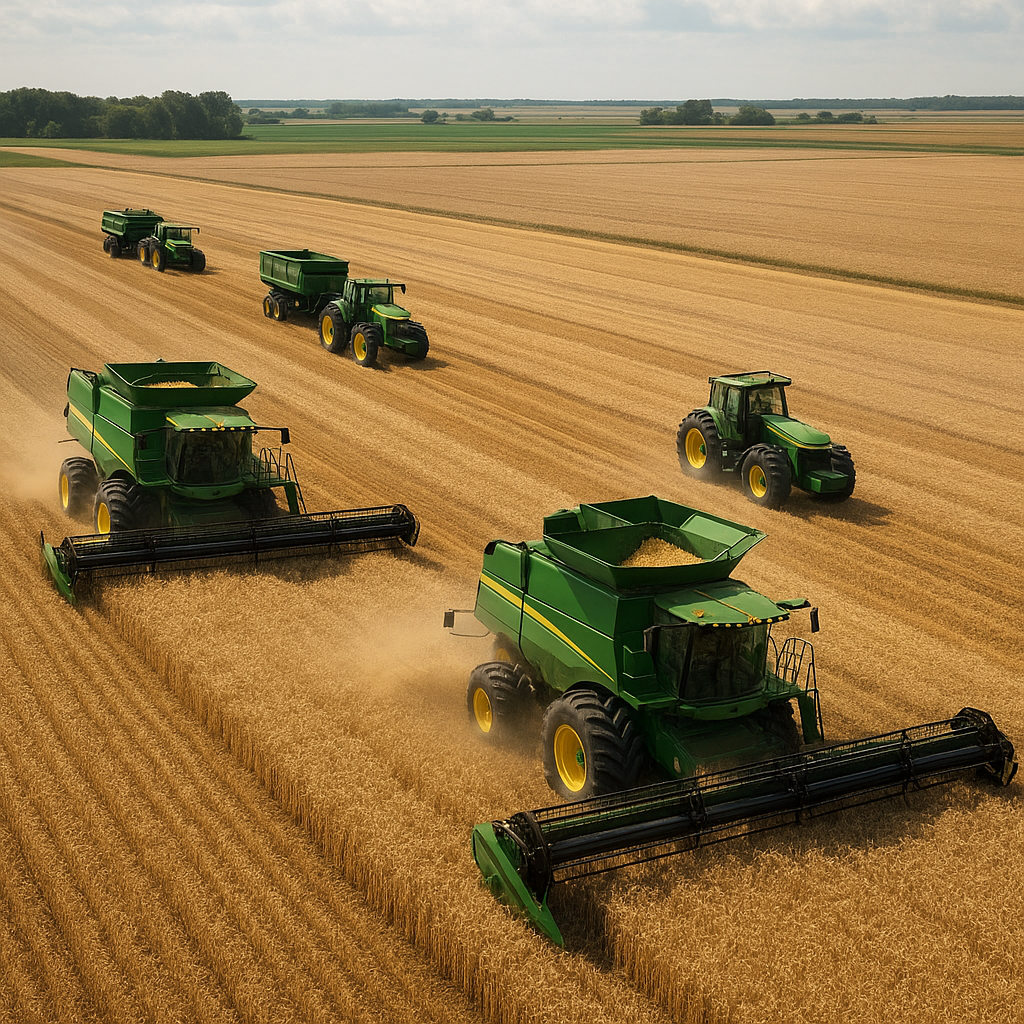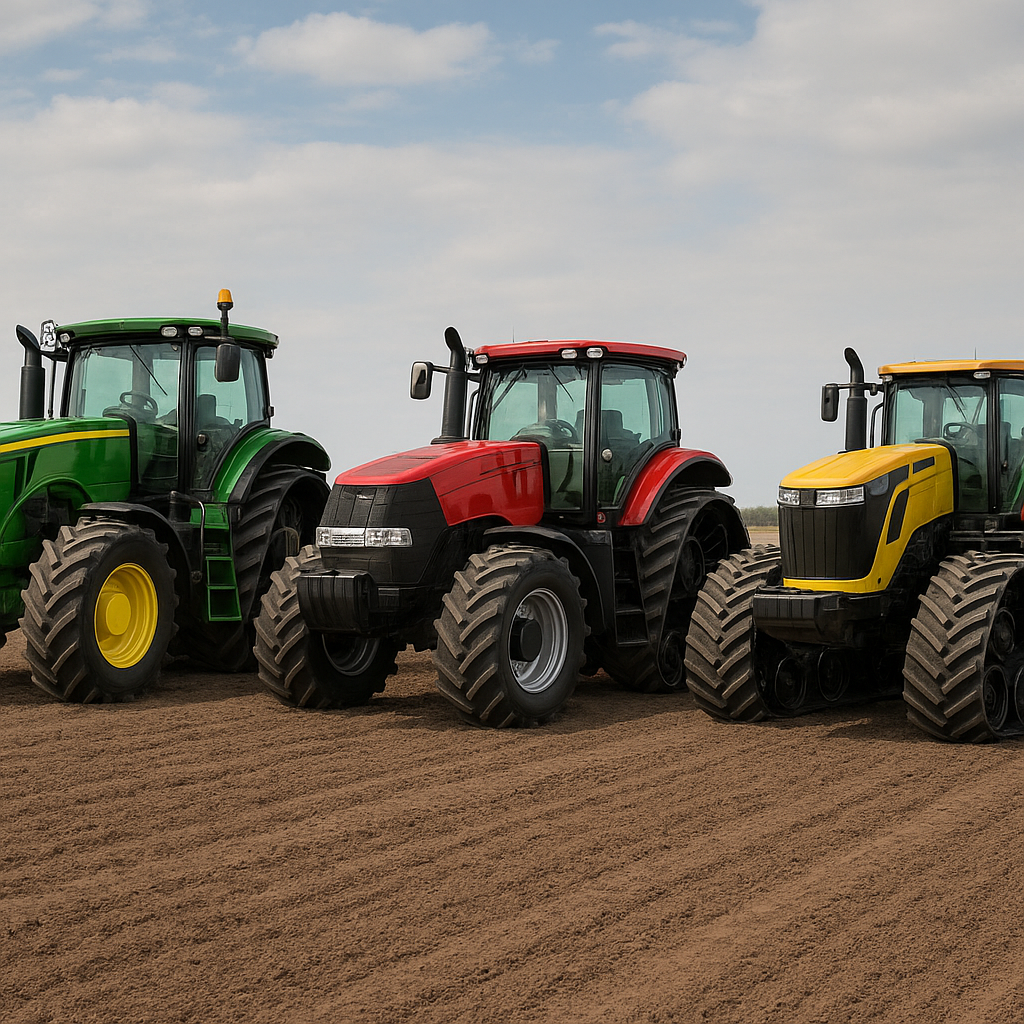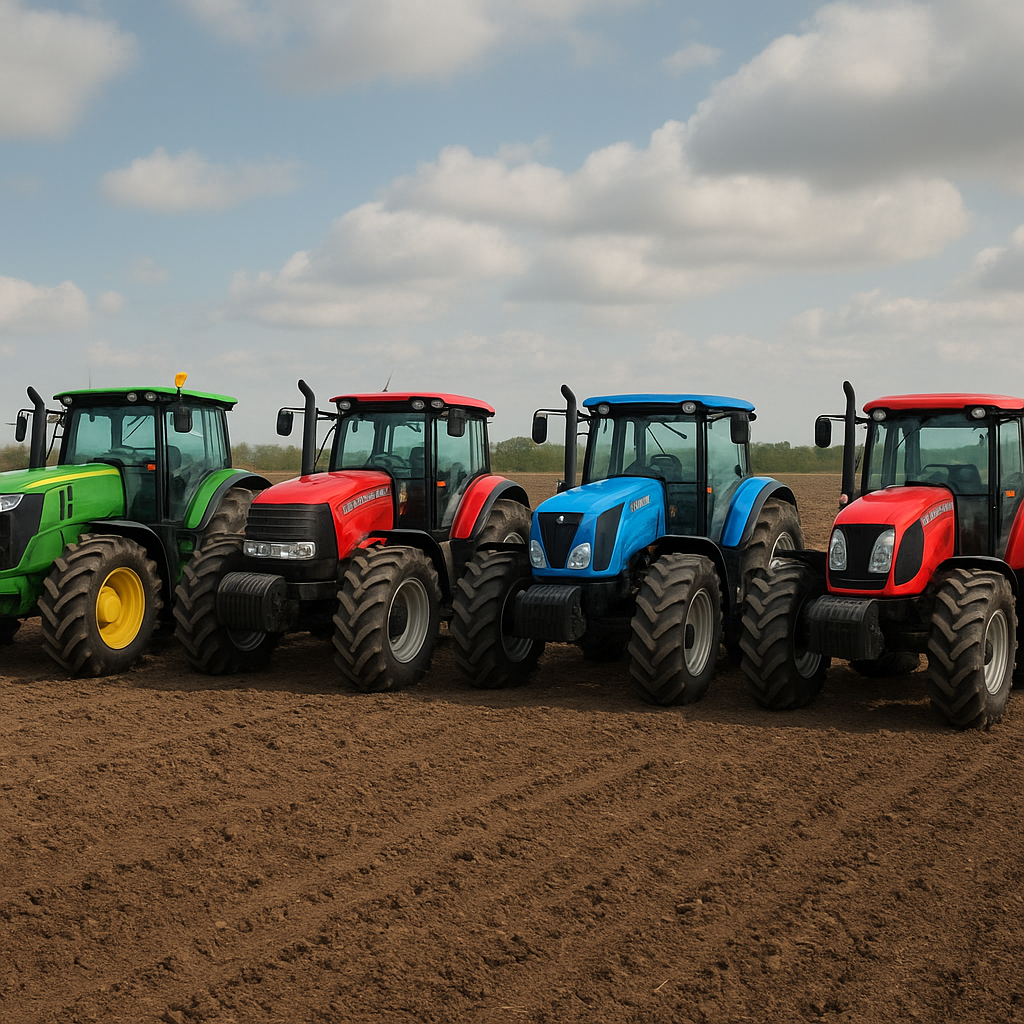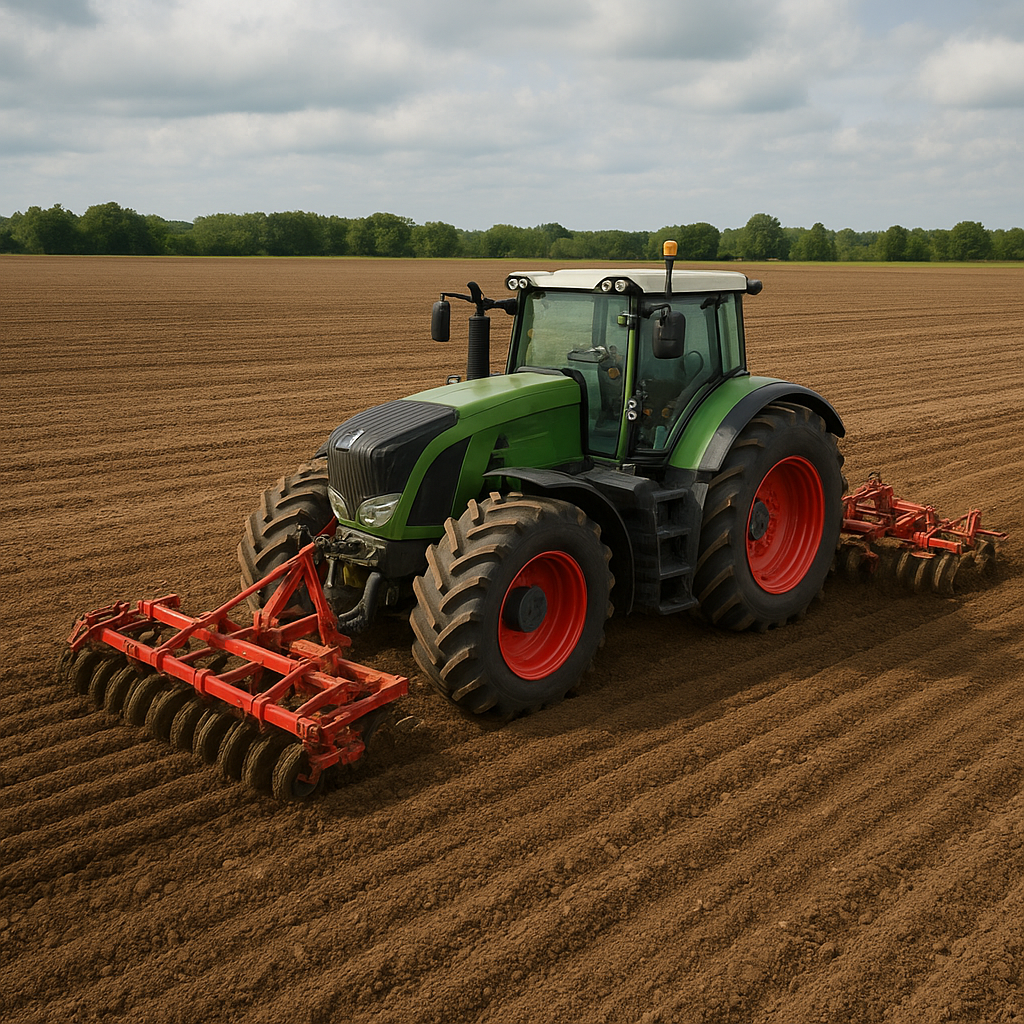
Farmers across the United States have always pursued greater power and resilience to cultivate vast tracts of land efficiently. The rise of colossal agricultural machines reflects advances in engineering, breakthroughs in design, and the relentless drive to boost productivity. This exploration delves into the largest tractors ever deployed on American soil, uncovering their history, mechanical marvels, and the lasting influence they wield over modern farming.
Evolution of Massive Tractors Across Decades
The story of large-scale farm machinery began in the early 20th century, as small, steel-wheeled tractors replaced teams of horses. Innovations in diesel technology and hydraulics revolutionized horsepower output and traction. By mid-century, manufacturers like Ford, Allis-Chalmers, and John Deere competed fiercely to deliver machines capable of handling tougher soils and wider implements. Key milestones include:
- Allis-Chalmers Model G (1940s): A compact design known for its front-mounted cultivator system, paving the way for specialized equipment attachments.
- Ford TW-30 (1950s): One of the first tractors to combine a three-point hitch with high torque, setting new standards for implement control.
- International Harvester TG-4 (1960s): A behemoth delivering over 80 horsepower, used extensively for deep plowing on the Great Plains.
As farms consolidated post-World War II, the demand for larger machines grew. By the 1970s, caterpillar tracks and articulated frames became prominent features, enabling machines to carry heavier loads without soil compaction. This era prepared the agricultural sector for the arrival of truly monumental tractors.
Engineering Marvels and Unrivaled Specifications
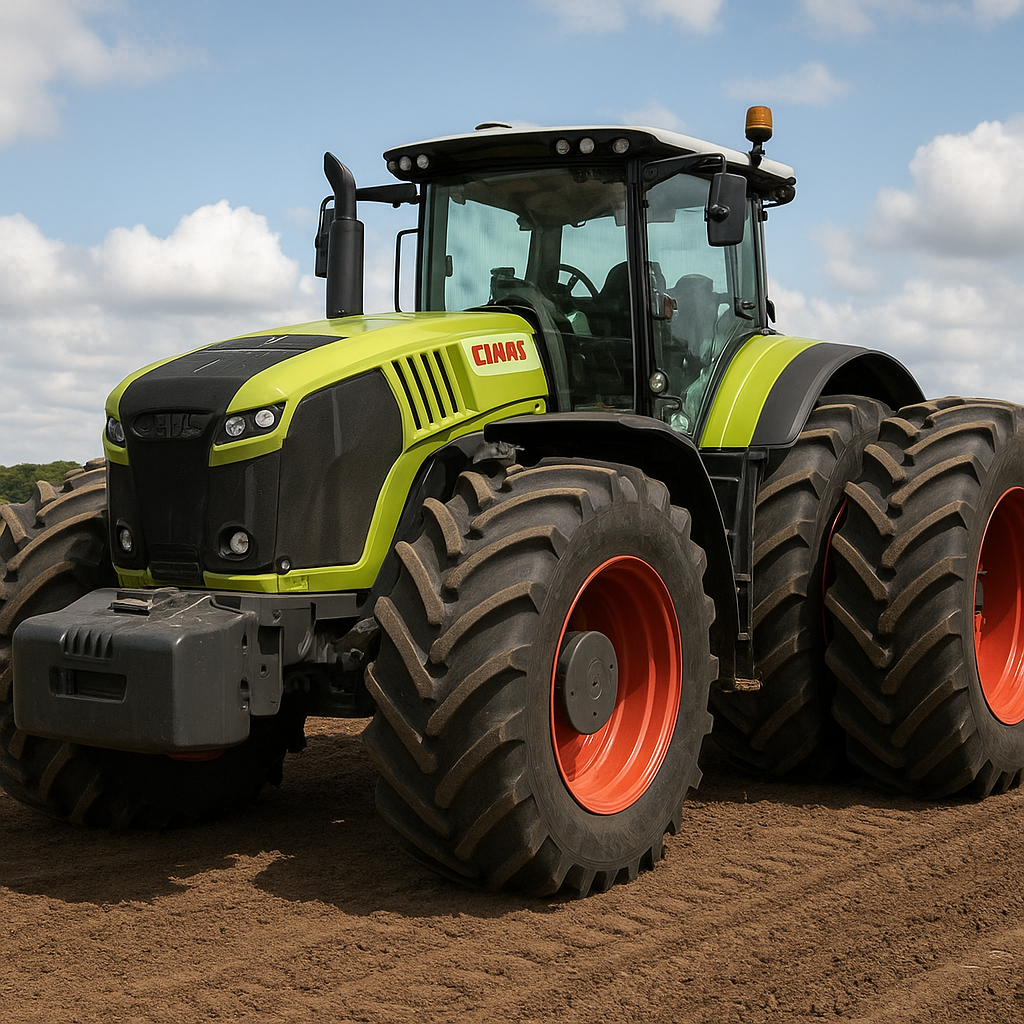
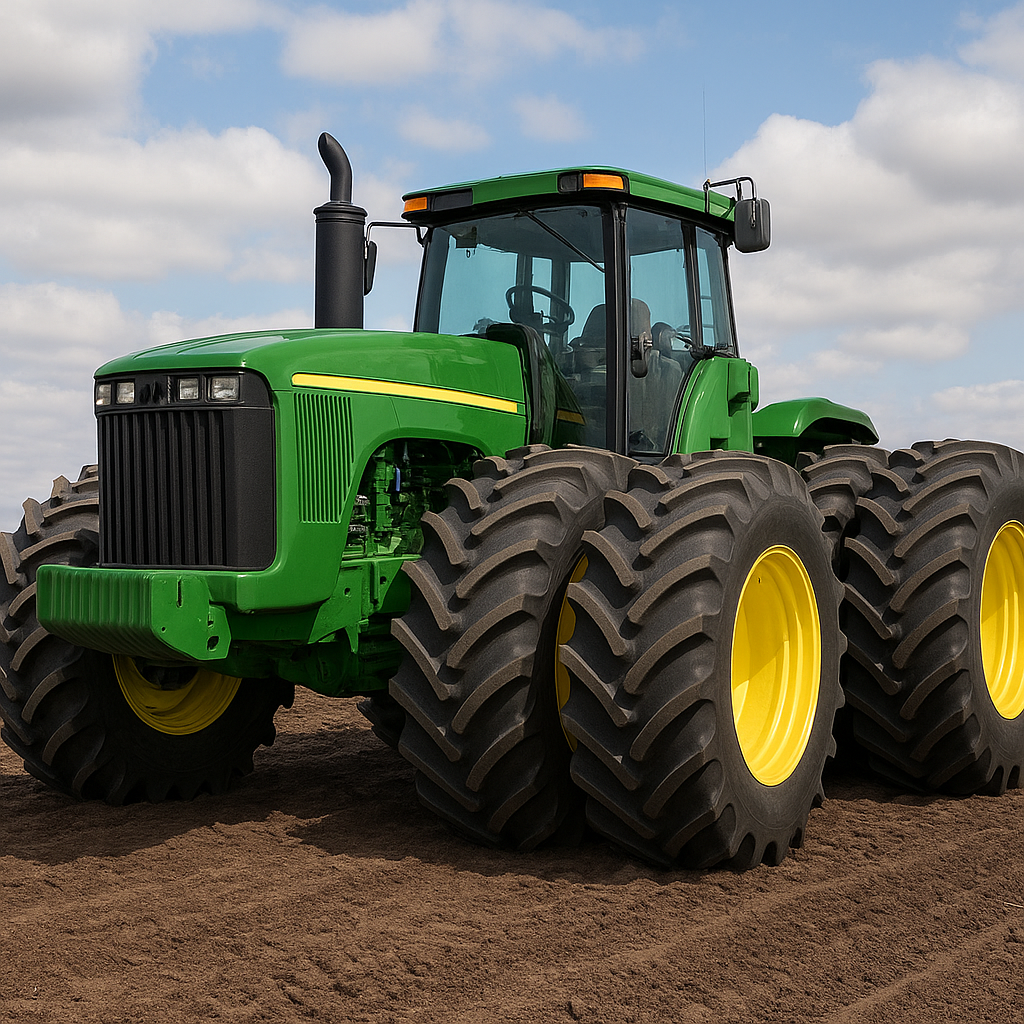
When discussing the biggest tractors ever used in the USA, one name towers above all: the Big Bud 16V-747. Built in 1977, this custom tractor produced a staggering 1,115 horsepower from its V-16 diesel engine. With its eight massive wheels and an articulated chassis, the Big Bud could pull a tandem disc harrow more than 100 feet wide, achieving an unmatched field capacity.
- Engine: 16-cylinder Detroit Diesel V16 producing 1,115 HP
- Weight: Approximately 100,000 pounds
- Traction: Quad-tire configuration enabling work on soft and uneven terrain
- Speed: Up to 25 mph, remarkable for its size
Other noteworthy giants include:
- Case IH Quadtrac 620 – Boasting 620 HP and a revolutionary four-track system for superior efficiency and reduced soil disturbance.
- John Deere 9630T – Featuring over 435 HP and dual tracks to deliver exceptional pull force with minimal ground compaction.
- Fendt 1151 Vario – A European design adopted by large American operations, offering 509 HP and stepless transmission for continuous power delivery.
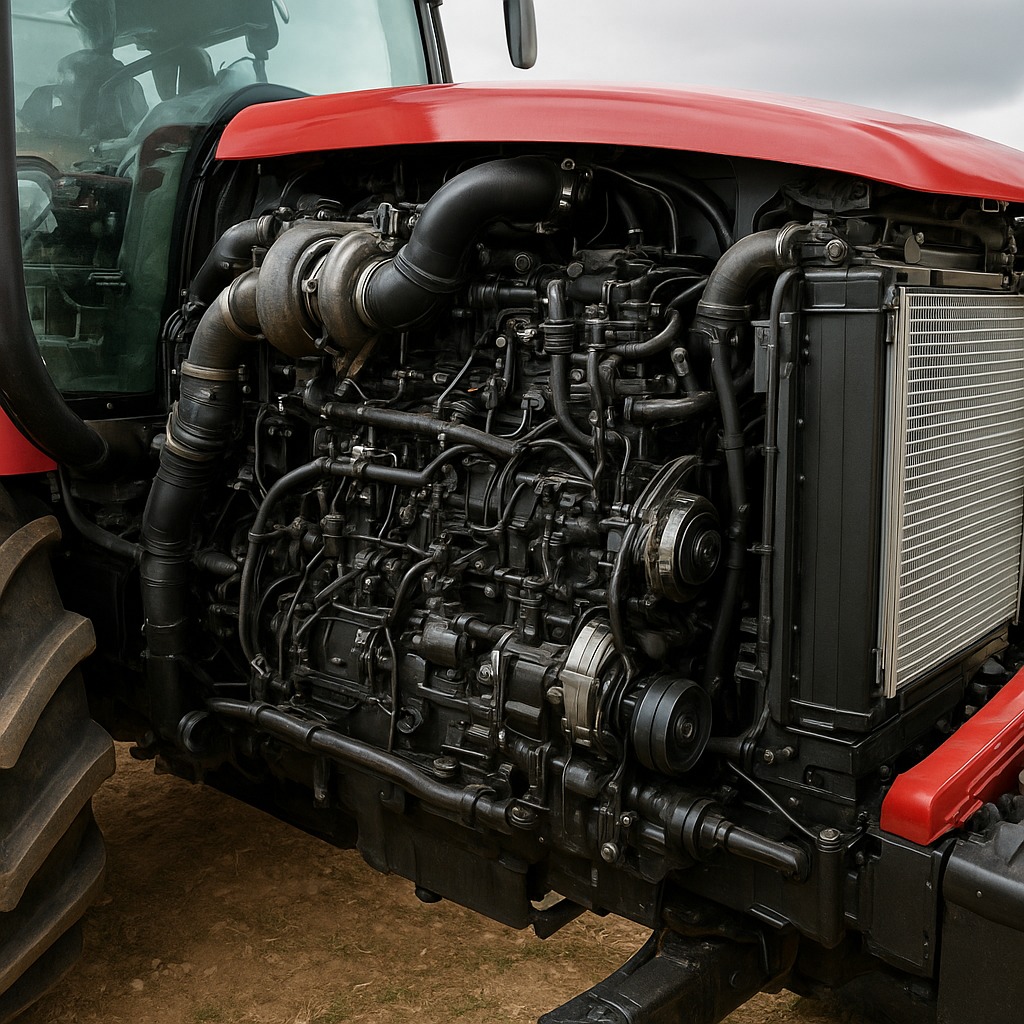
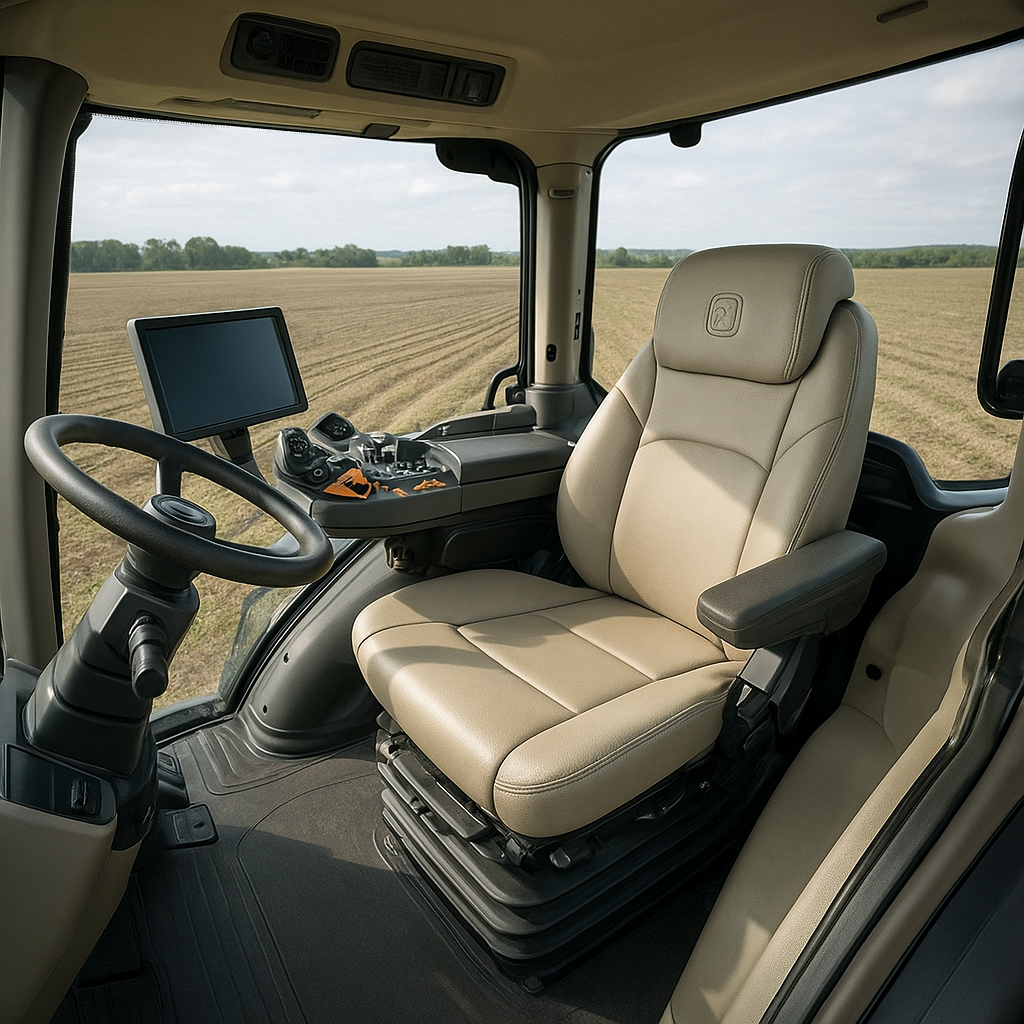
Beyond raw strength, modern giants integrate advanced hydraulics, GPS guidance, and precision farming systems. This marriage of brute power and digital innovation has transformed massive tractors into automated workhorses, optimizing planting patterns, fuel consumption, and maintenance schedules.
Impact on Modern Agriculture and Sustainability
The introduction of mega-tractors reshaped large-scale agriculture in several key ways:
- Operational Scale: Farmers can now cover more acres in less time, enabling rapid planting and harvesting windows critical for maximizing yields.
- Resource Management: Precision controls reduce seed overlap and fertilizer over-application, promoting environmental sustainability.
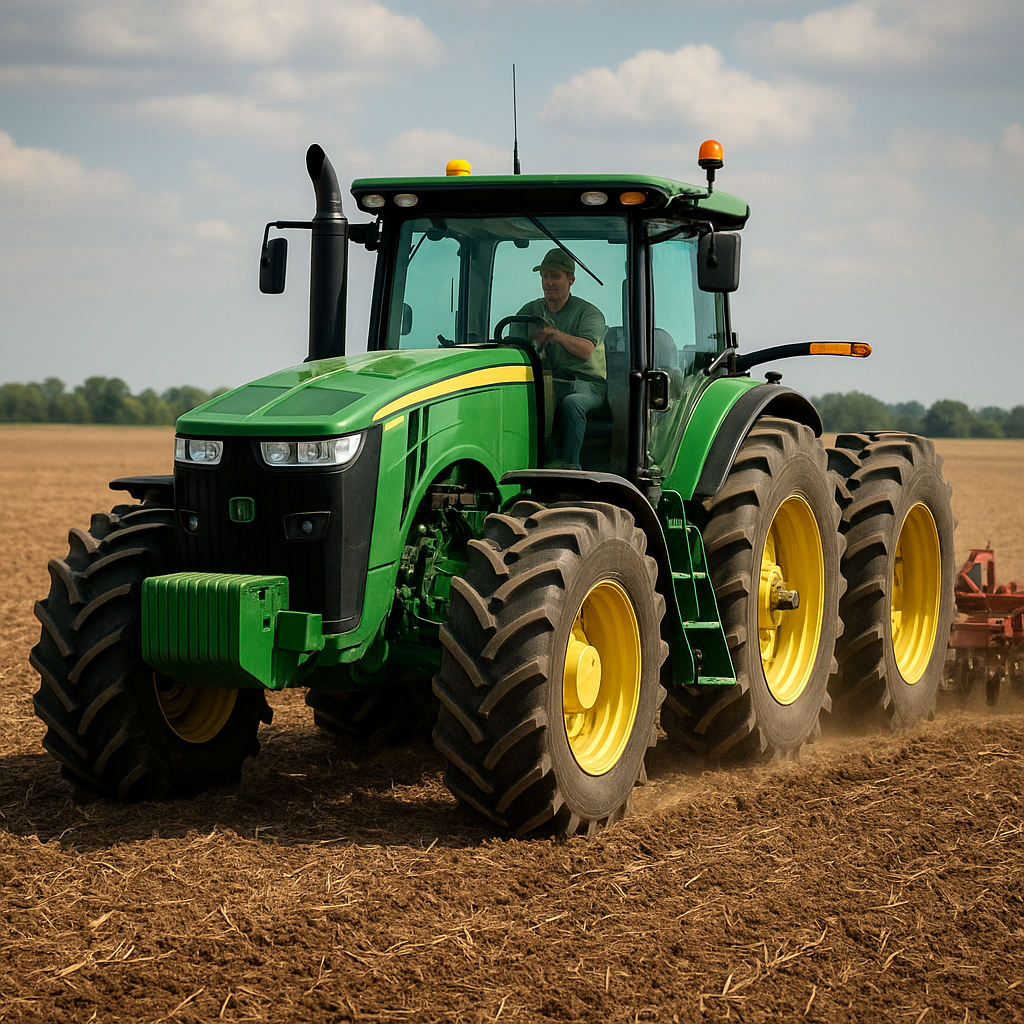
- Labor Dynamics: With high levels of automation, a single operator can manage tasks that once required multiple individuals and horses.
- Soil Conservation: Track systems and tire designs help distribute weight, mitigating compaction and preserving soil health.
However, these powerful machines bring challenges. Their weight and size can damage field entrances, roads, and smaller plots. The high initial investment and ongoing maintenance costs also limit accessibility to large-scale operations, intensifying the trend toward farm consolidation.
Technological Challenges and Future Trends
While today’s giants dominate acreage, engineers still face hurdles in balancing power with minimal environmental footprint. Current research and development focus on:
- Alternative fuels: Trials with biodiesel, hydrogen, and electric drivetrains seek to cut greenhouse gas emissions.
- Autonomous operation: Fully self-driving tractors promise around-the-clock work, boosting productivity and reducing human error.
- Modularity: Designs that allow quick attachment swaps to transition between seeding, spraying, and harvesting tasks seamlessly.
- Telematics integration: Real-time monitoring of engine health, fuel consumption, and field conditions to preempt breakdowns and optimize performance.
These innovations suggest future tractors will not only grow in size but also become smarter and greener. The next generation of operators may rely on remote control centers, managing fleets of autonomous giants across thousands of acres.
Economic and Social Implications
The prevalence of colossal tractors influences rural economies and community structures. High capital requirements reinforce the dominance of agribusinesses, driving smaller farms to specialize or exit the market. Conversely, service providers offering custom harvesting and fieldwork rent out large machines to smaller producers, democratizing access to cutting-edge equipment.
- Job creation in repair and telematics support services
- Investment in rural infrastructure to handle oversized loads
- Educational demands for operators skilled in electronics and data analysis
- Collaborative farming models pooling resources for equipment sharing
As equipment costs soar, cooperative strategies and equipment-sharing platforms become vital. These arrangements ensure that even mid-sized farms can harness the benefits of high autonomy and robust power without shouldering the entire financial burden alone.