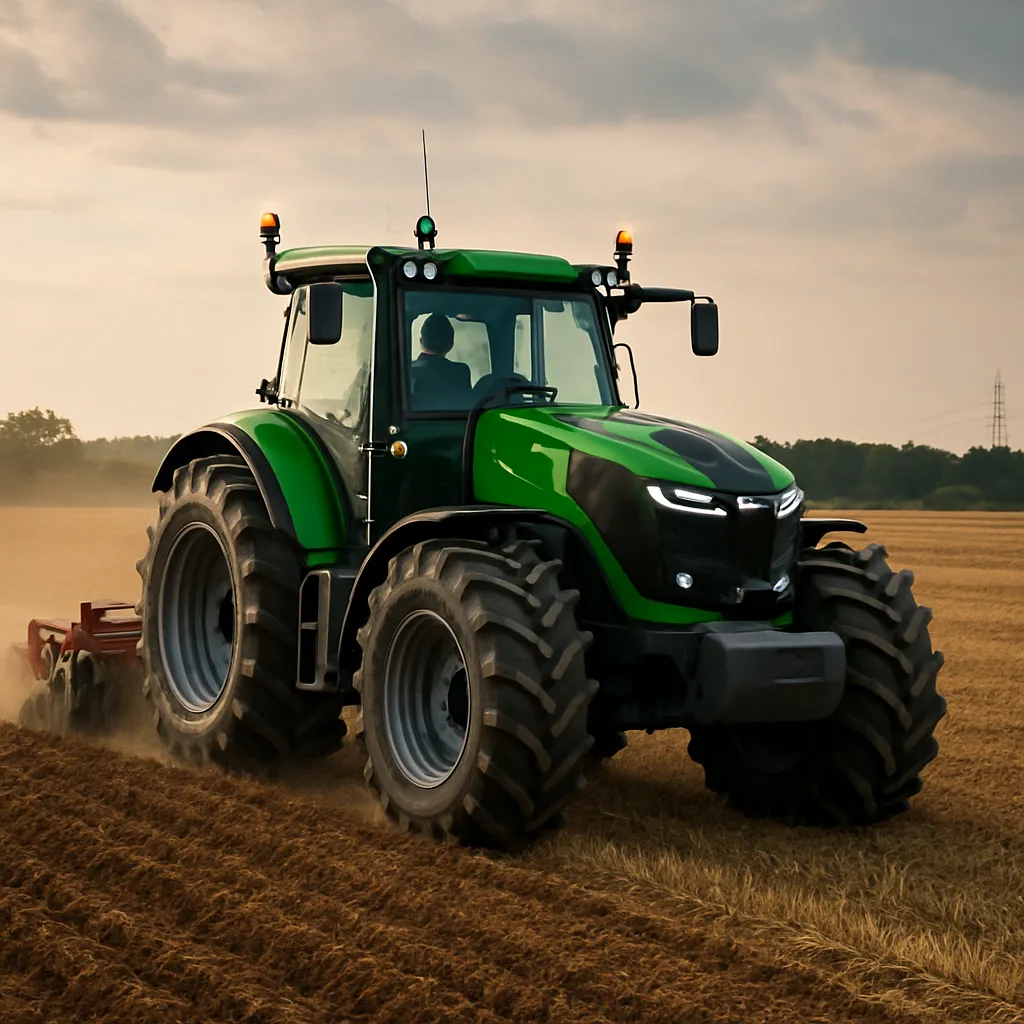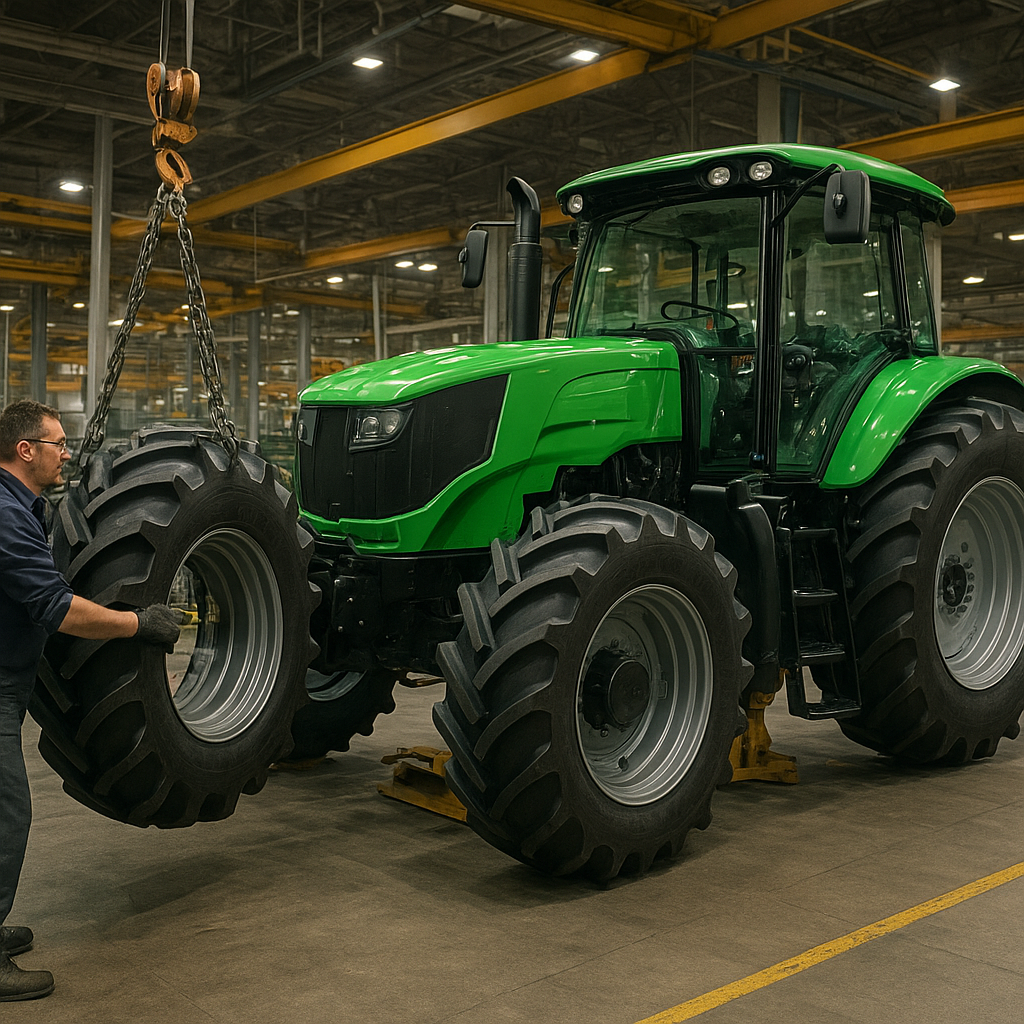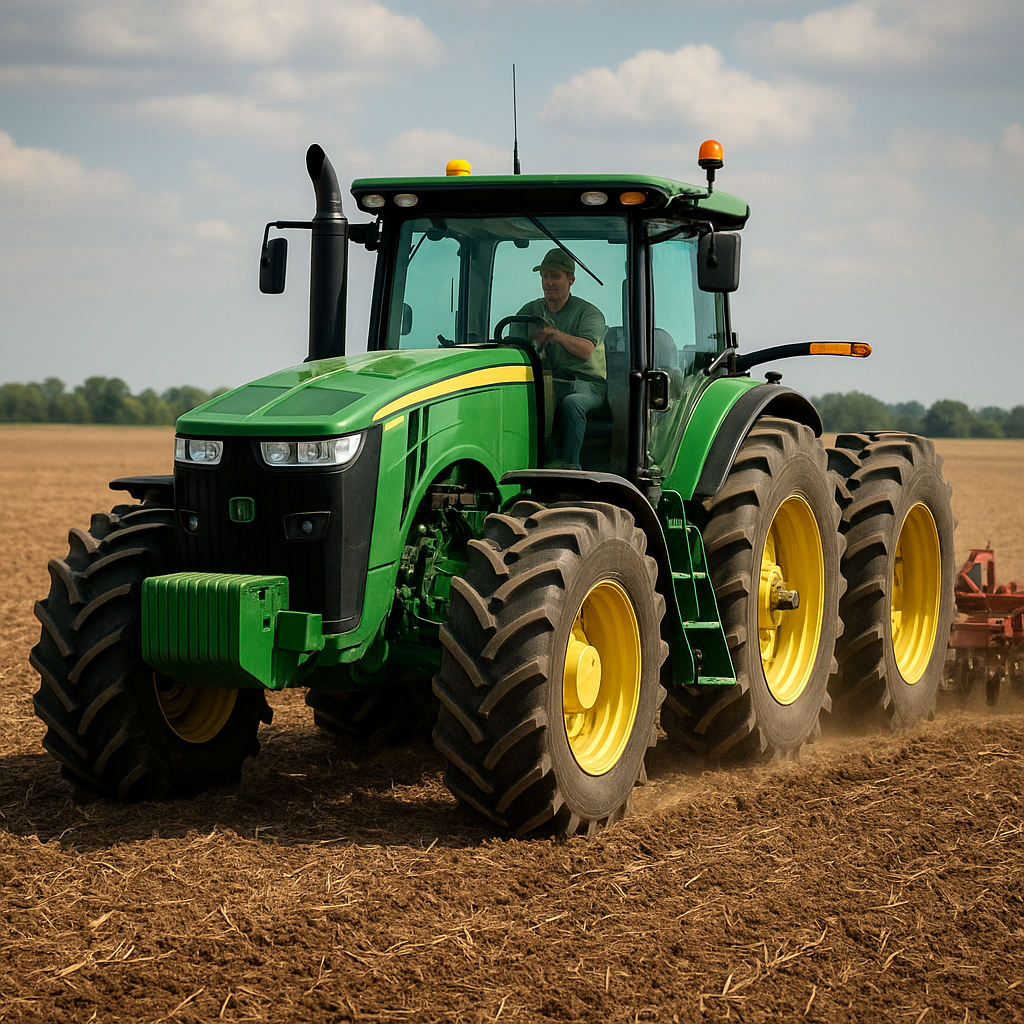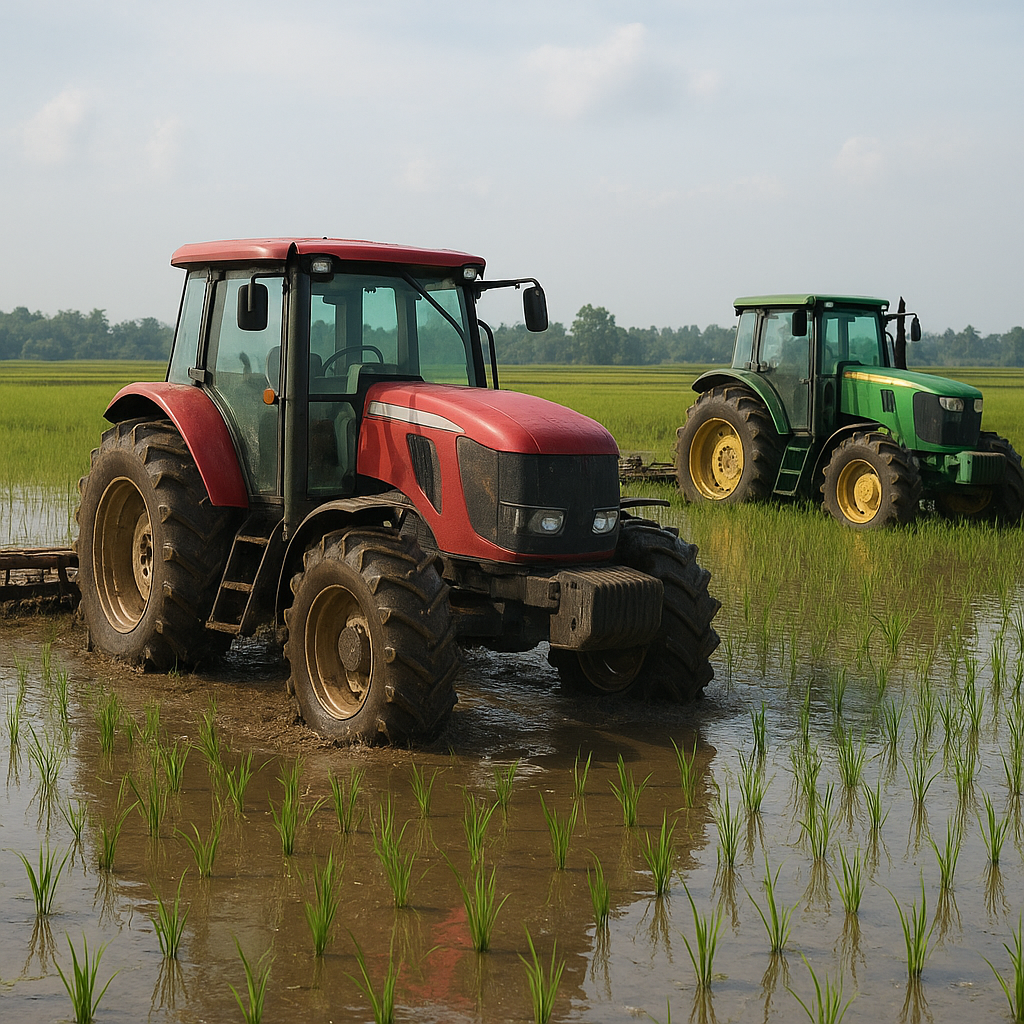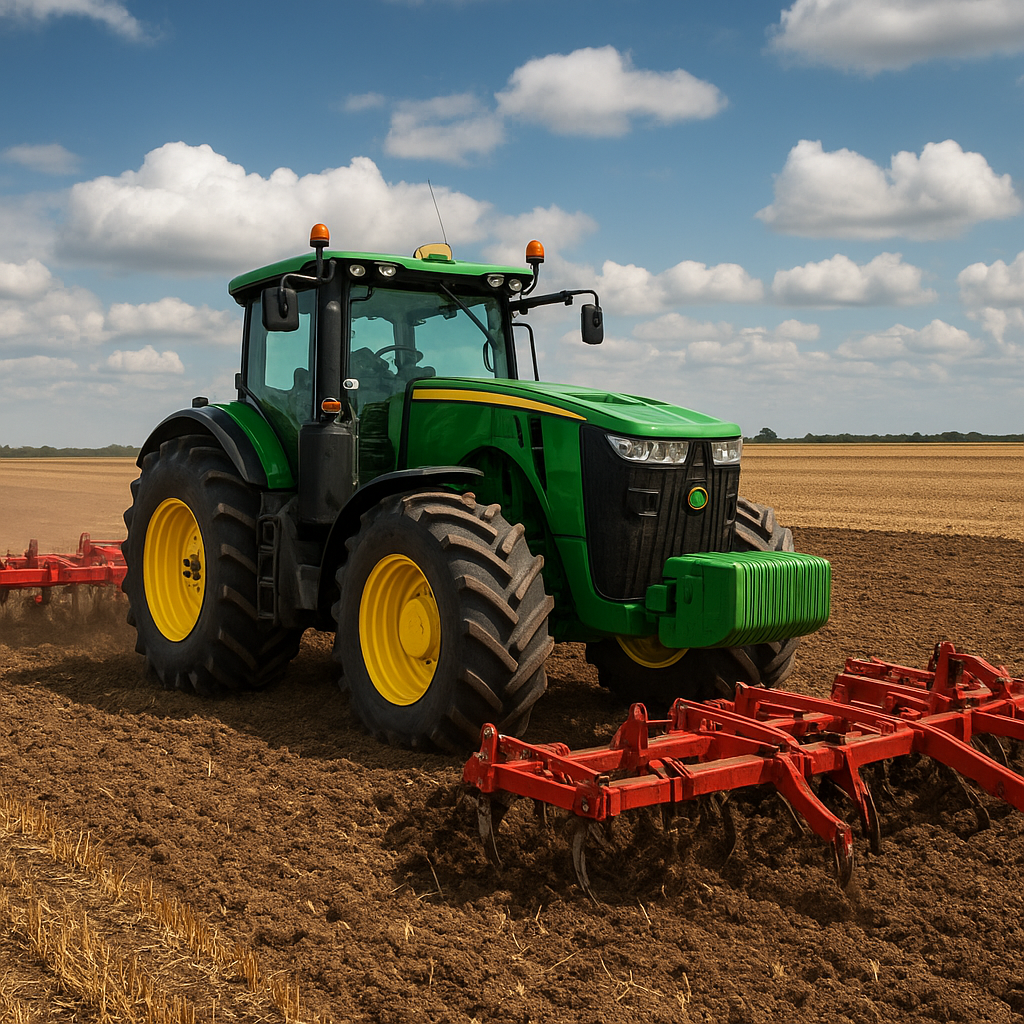
Farmers and contractors around the world constantly seek machines capable of handling the heaviest soil preparation tasks. The industry’s drive for increased horsepower, superior traction, advanced hydraulics, integrated GPS guidance, optimized fuel efficiency, improved soil health, cutting-edge engine technology, robust transmission, precise deep cultivation, and versatile tillage tools has led to the development of the biggest tractors ever built. These giants not only deliver raw force but also incorporate sophisticated electronics and precision farming systems to maximize productivity and sustainability.
Evolution of High-Power Tractors
Tractor design has evolved significantly since the early 20th century, when steam-powered crawlers and small gasoline engines dominated the fields. As farms expanded in scale, demands for machines that could pull larger implements through tougher soils increased. By the 1960s, diesel engines became the standard, and horsepower ratings climbed steadily. The late 20th and early 21st centuries introduced innovations such as turbocharging, electronic fuel injection, and continuously variable transmissions (CVTs), which collectively enhanced efficiency and operator comfort.
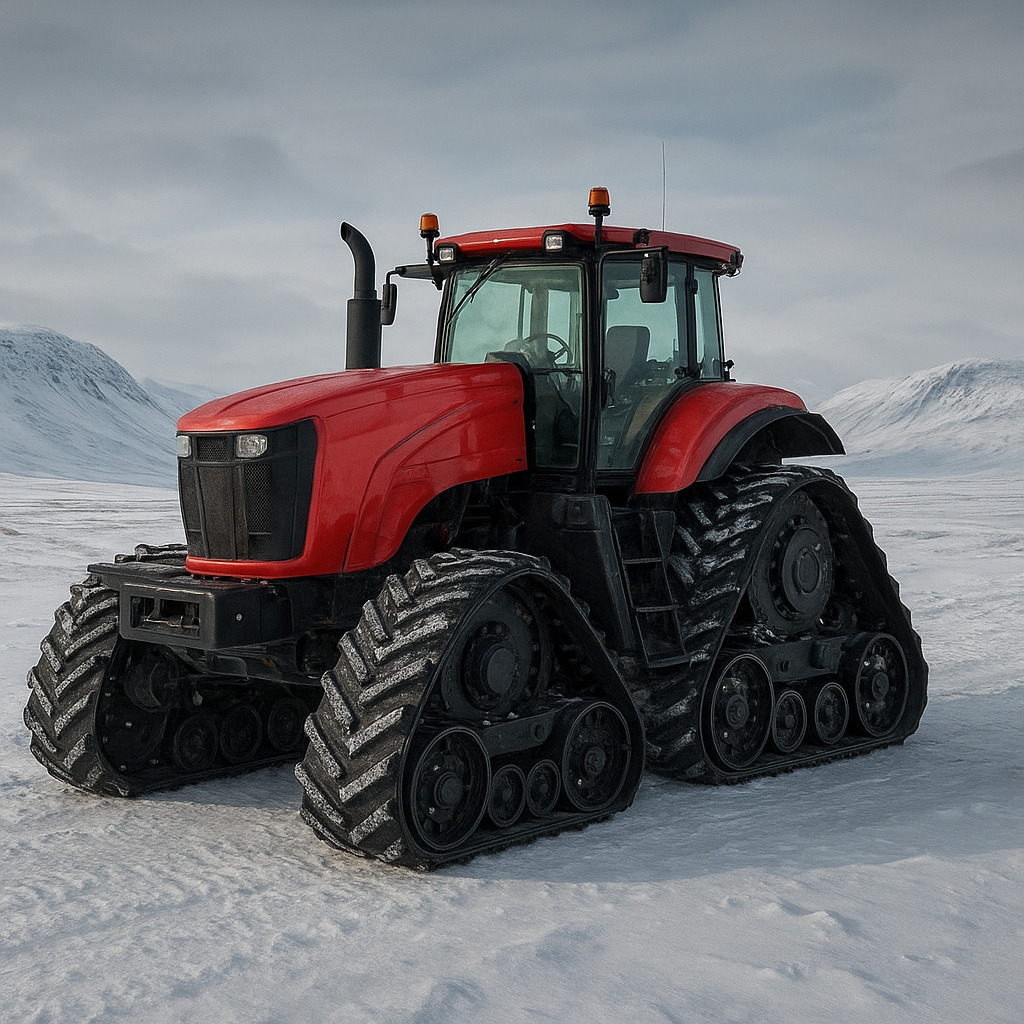
The transition from wheeled to track machines marked another milestone. Multi-track tractors—often carrying four separate track units—offer reduced ground pressure, improved flotation, and better traction in wet or loose soils. These advantages allow for deeper ripping and broader passes, cutting field preparation times dramatically. Meanwhile, autonomous prototypes and remote monitoring systems hint at a future where manual operation may become optional for repetitive tillage tasks.
Design and Technological Features
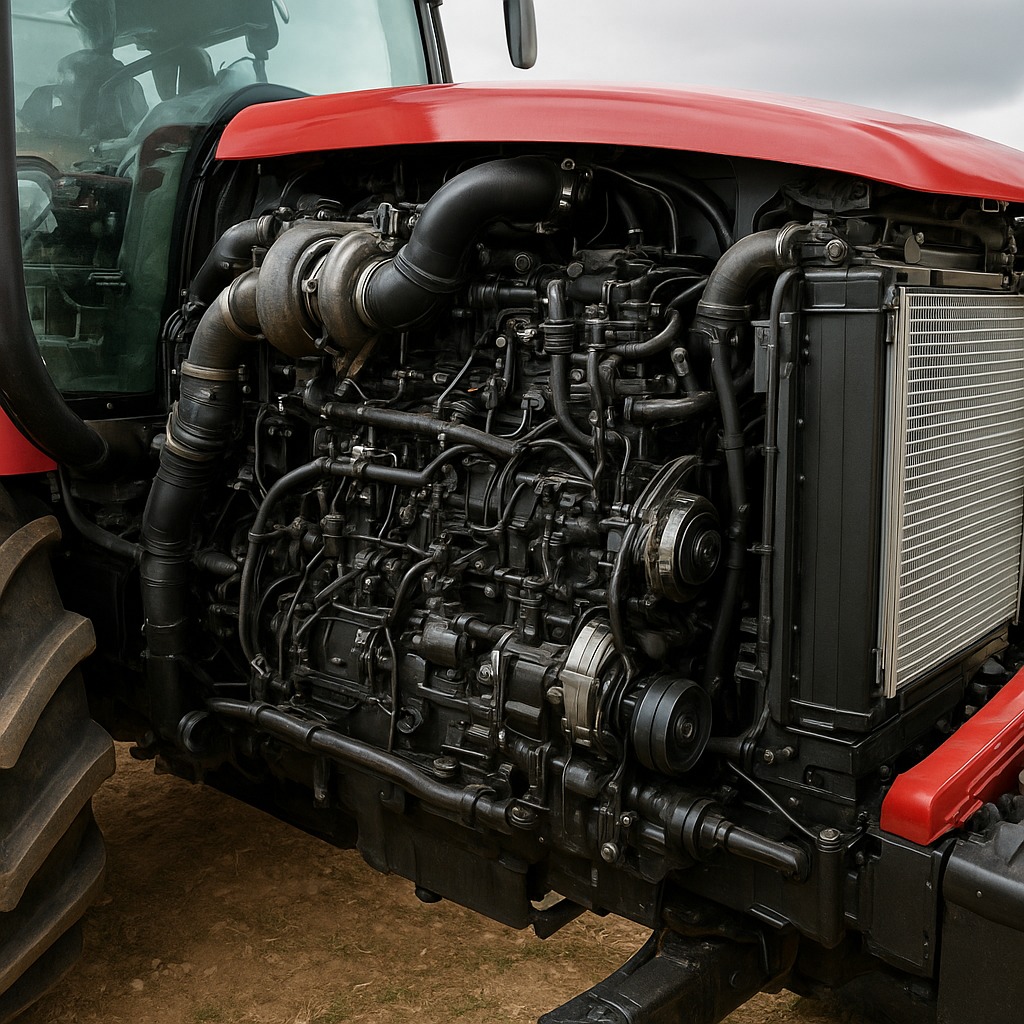
- Engine Capacity: Many flagship models exceed 600–700 hp, with cooling systems engineered to handle continuous heavy loads.
- Transmission Systems: CVT or power shift gearboxes deliver seamless power delivery and fine speed control from 0.2 km/h to 50 km/h.
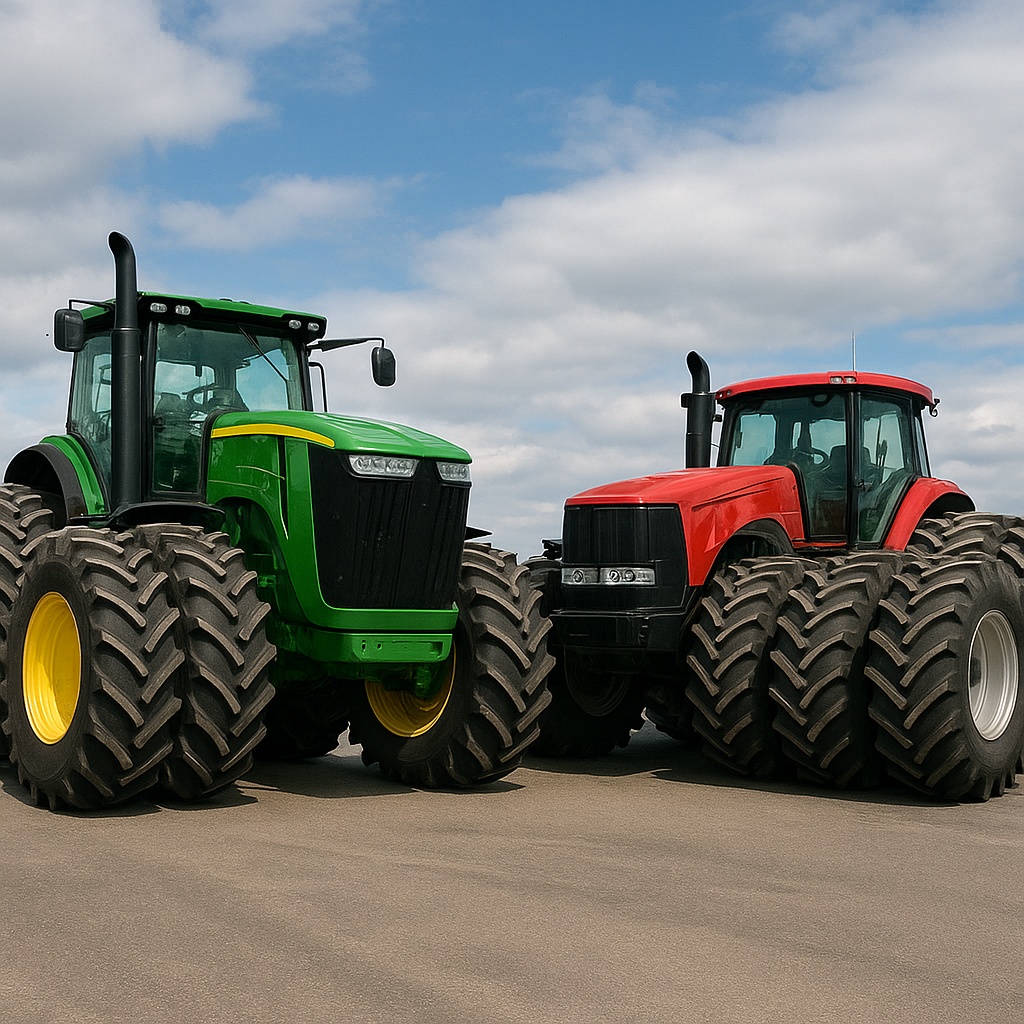
- Track vs. Wheel Configurations: Tracks enhance traction and reduce compaction, while heavy-duty wide tires offer easier road transport and lower maintenance costs.
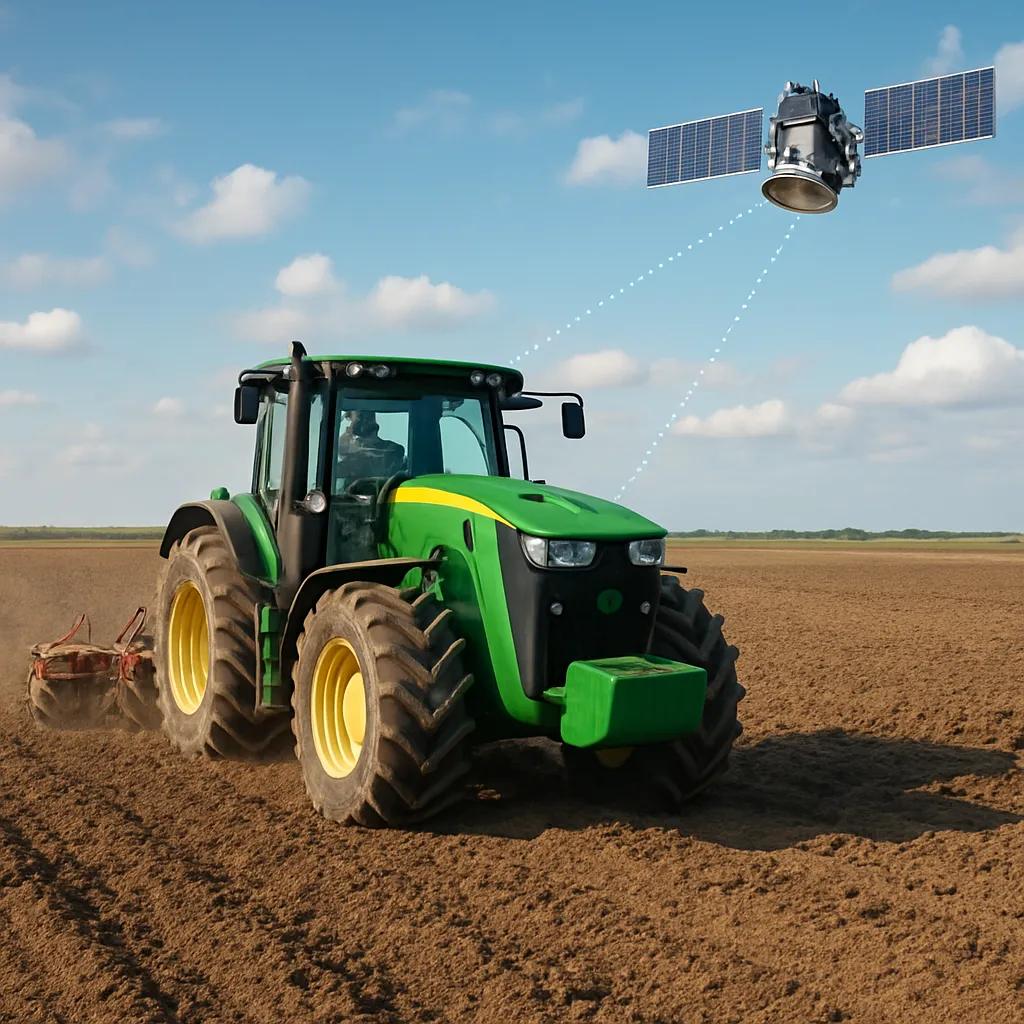
- Precision Farming: Auto-steer, variable-rate application, yield mapping, and telematics allow operators to optimize field passes and reduce overlap.
- Hydraulic Flow: High-flow hydraulic pumps support large plows, subsoilers, air seeders, and deep ripper implements, often exceeding 400 l/min.
- Cab Comfort: Air-ride suspension seats, climate control, noise reduction, and 360° camera packages minimize fatigue during long tillage runs.
- Connectivity: Onboard diagnostics, remote firmware updates, and fleet management software keep machines operational and reduce downtime.
This combination of mechanical muscle and digital control defines the modern tractor, ensuring each pass through the field is both powerful and precise.
Leading Models on the Market
John Deere 9RX Series
The 9RX lineup features four tracks, delivering exceptional flotation and a sealed final drive for increased reliability. Models range from 470 to 620 hp, equipped with integrated StarFire™ receivers for sub-inch accuracy. A 3-point hitch capacity of up to 15,000 kg allows for deep chisel plows and heavy subsoilers.
Case IH Quadtrac Series
Renowned for its unique four-track design and differential steering, the Quadtrac offers smooth turns with minimal slip. Power ranges from 517 to over 700 hp. Active suspension systems on each track ensure consistent ground contact, optimizing traction even on undulating terrain.
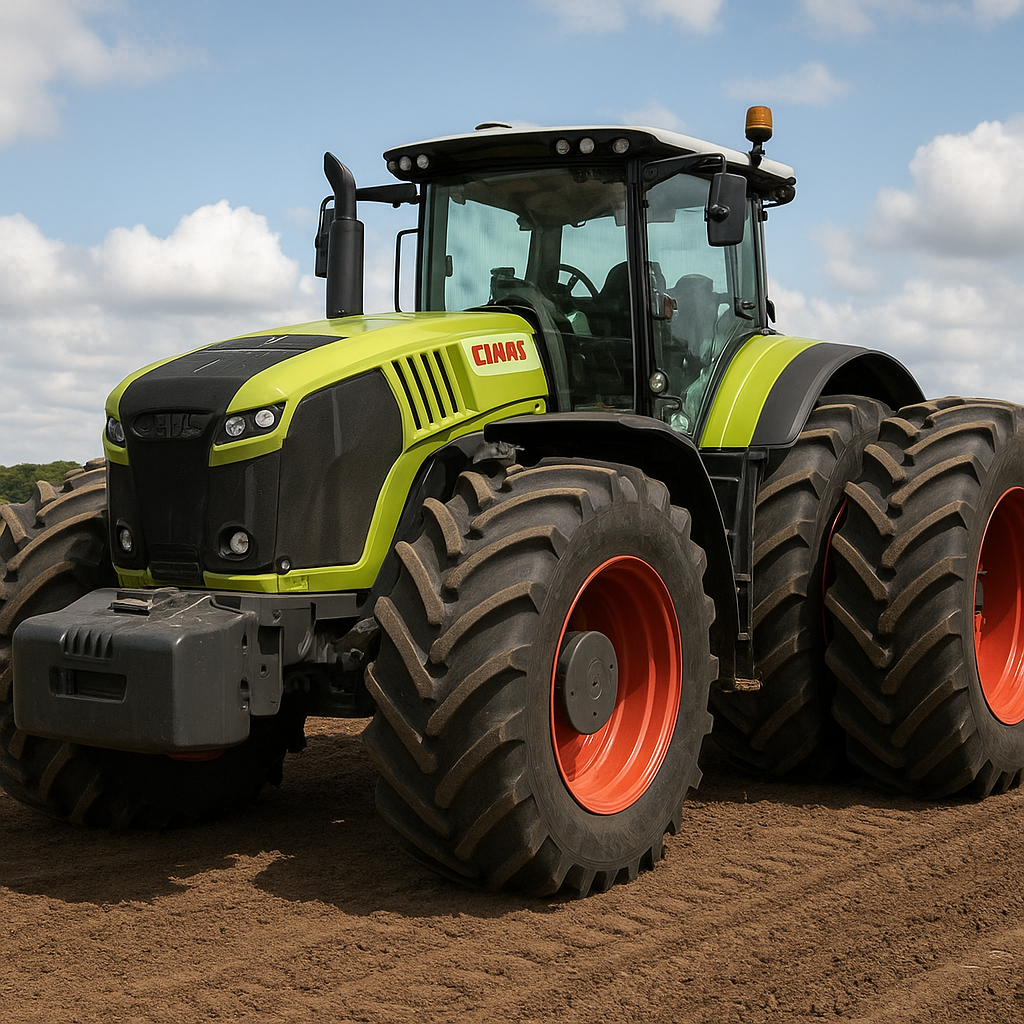
CLAAS Xerion Trac VC
The Xerion’s rotating cab and stepless transmission make it a versatile workhorse. With outputs up to 550 hp and front-mounted implements enabled by a 4-point hitch, it can combine multiple operations in a single pass. Its front-rear weight distribution enhances deep-tillage performance.
Big Bud 16V-747
Often called the “world’s largest tractor,” Big Bud’s 900 hp engine and four-axle design set records. Originally built in the late 1970s, this custom machine still undertakes ultra-large deep ripping tasks in North America, proving that sheer scale can remain relevant when fields demand maximum penetration.
Applications in Deep Cultivation and Tillage
Deep cultivation techniques such as subsoiling, ridge tillage, and vertical tillage are crucial for breaking compaction layers, improving water infiltration, and encouraging root development. The biggest tractors enable:
- Subsoiling at depths beyond 50 cm (20 inches) to shatter hardpans.
- Wide-winged chisels and ripper assemblies covering 12–20 meters per pass.
- Controlled traffic farming, where guided tractor paths preserve soil structure and reduce compaction zones.
- Cover crop incorporation and residue management with high-capacity rotors or disc harrows.
By combining heavy draft force with precision controls, these machines maintain consistent working depth, adjust on the fly to soil variability, and monitor draft load to optimize implement settings.
Challenges and Future Directions
Operating the biggest tractors brings unique challenges. High fuel consumption and component wear demand diligent maintenance schedules and robust parts supply chains. Soil conservationists warn that over-use of heavy equipment can degrade soil structure if not managed properly. Solutions include:
- Developing lighter track materials and smarter weight distribution systems.
- Implementing advanced sensor arrays to monitor soil compaction in real time.
- Integrating hybrid or electric drivetrains to reduce greenhouse gas emissions.
- Enhancing autonomy for spot-checking, implement guidance, and obstacle avoidance.
As global food demand grows, the tractor industry will continue pushing boundaries, balancing increased production capacity with sustainable practices. The convergence of mechanical engineering and digital agriculture promises a new generation of giants designed not only for brute force but for intelligent, eco-friendly tillage solutions.