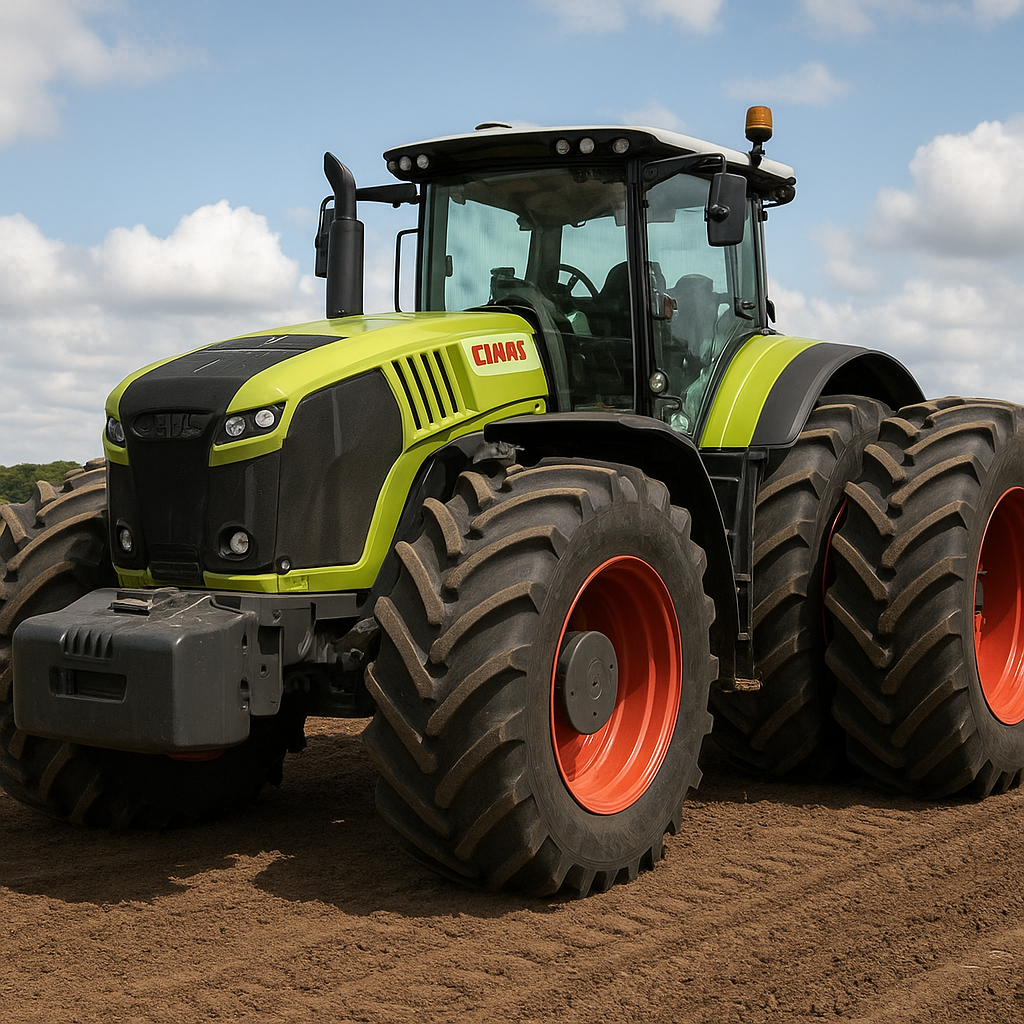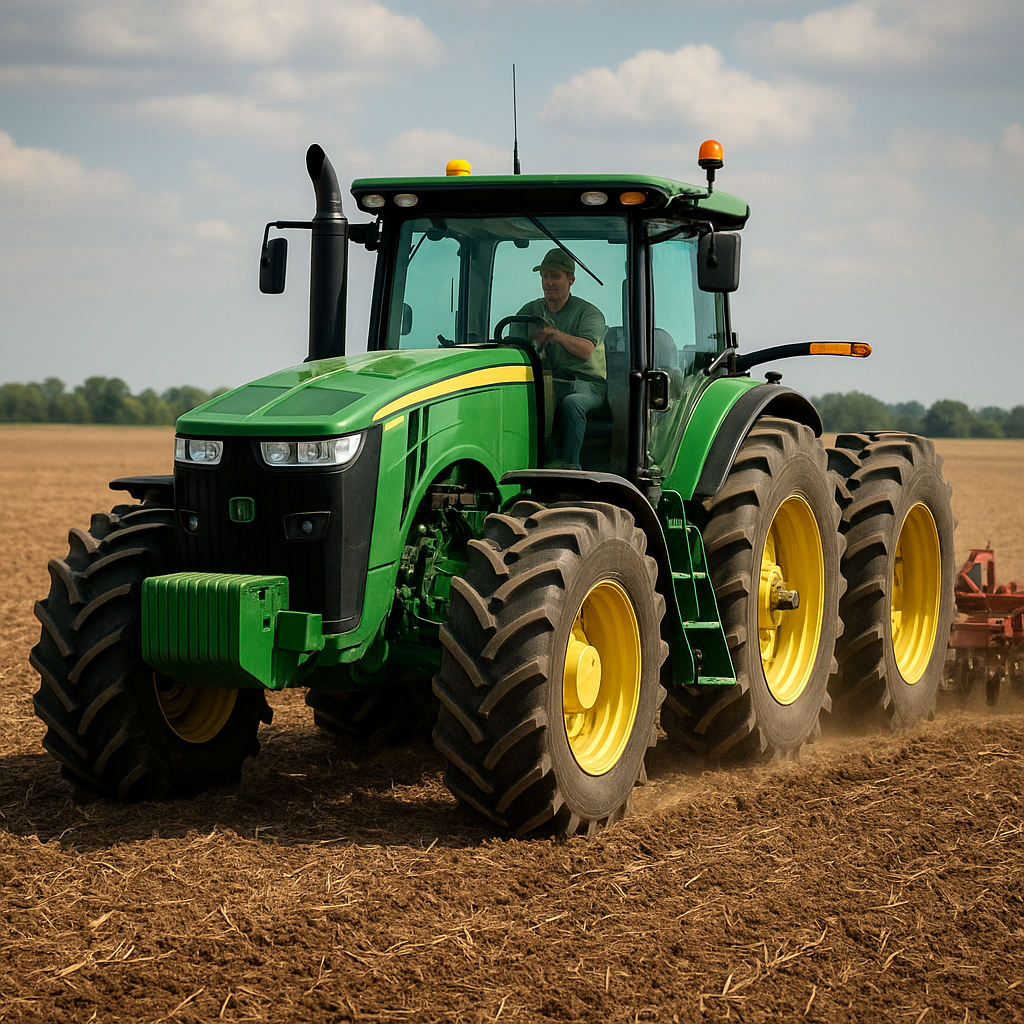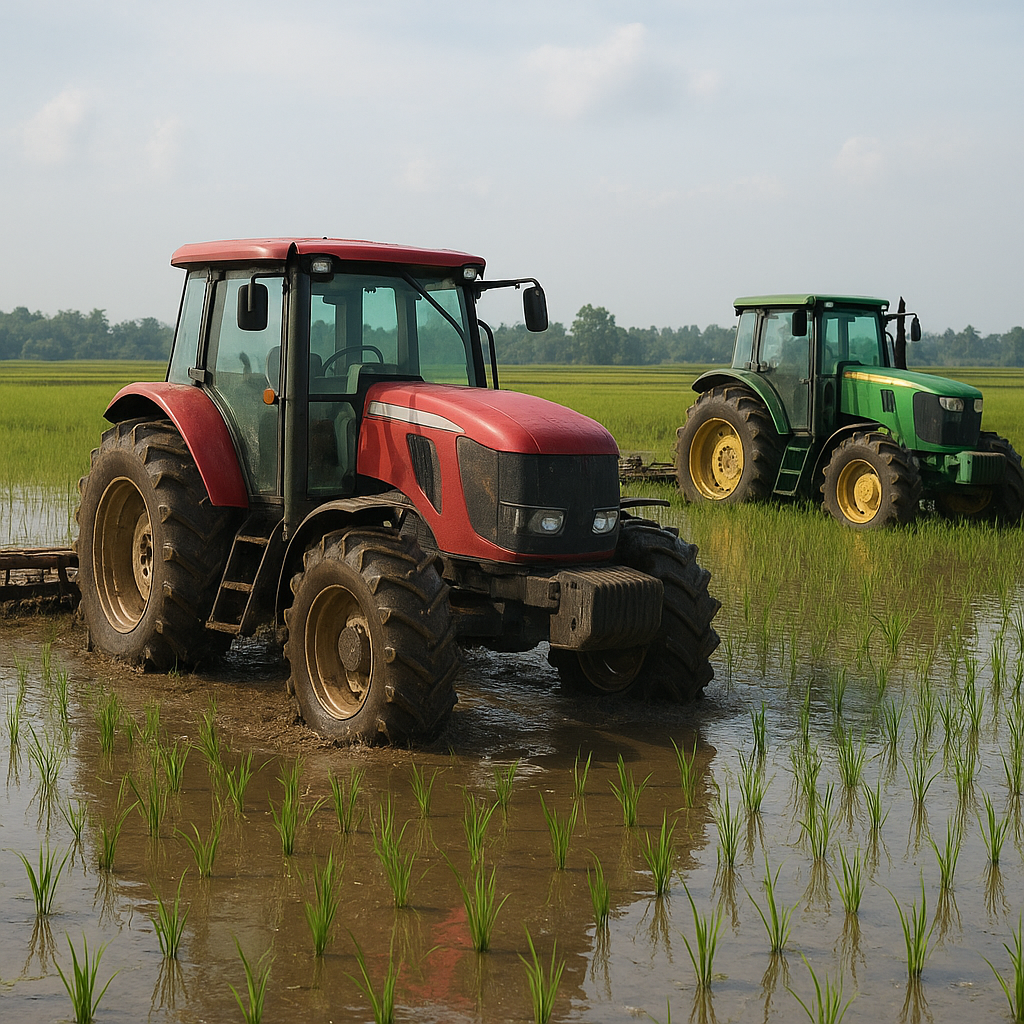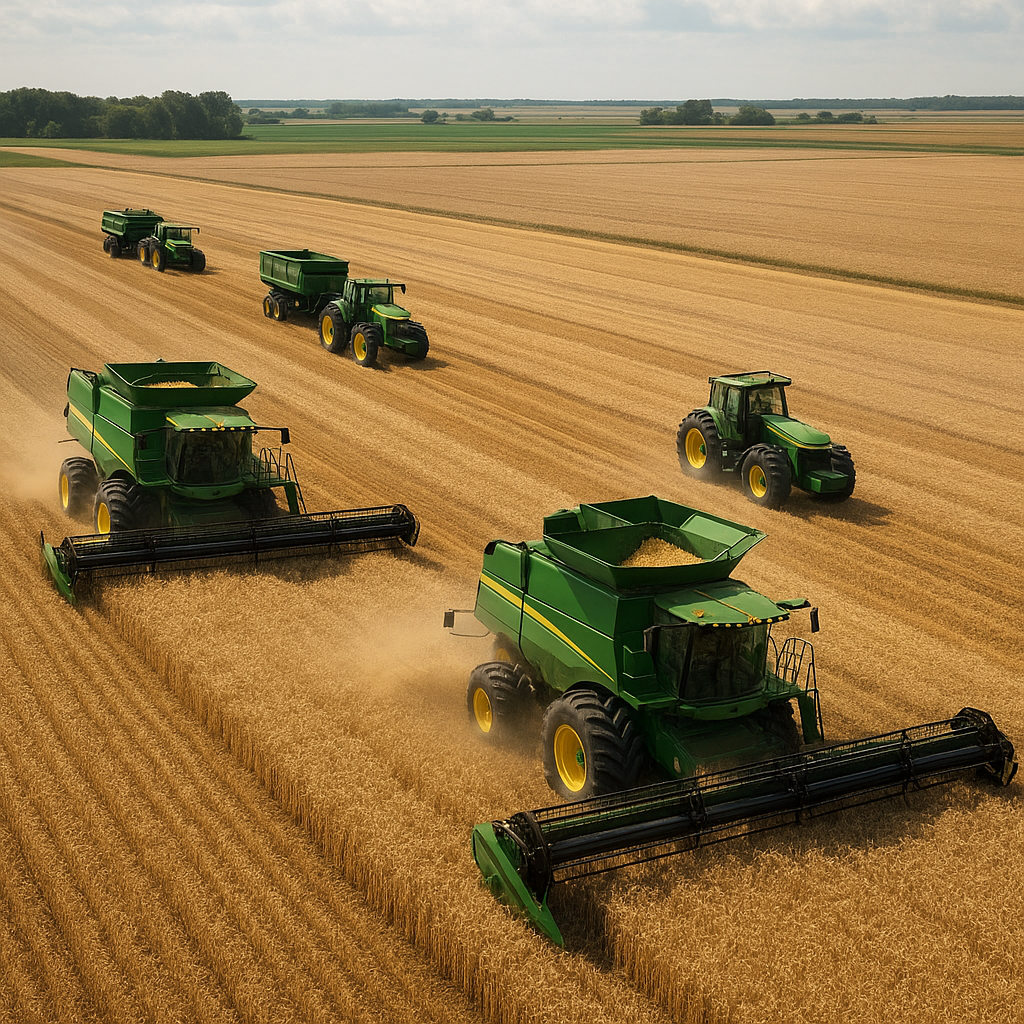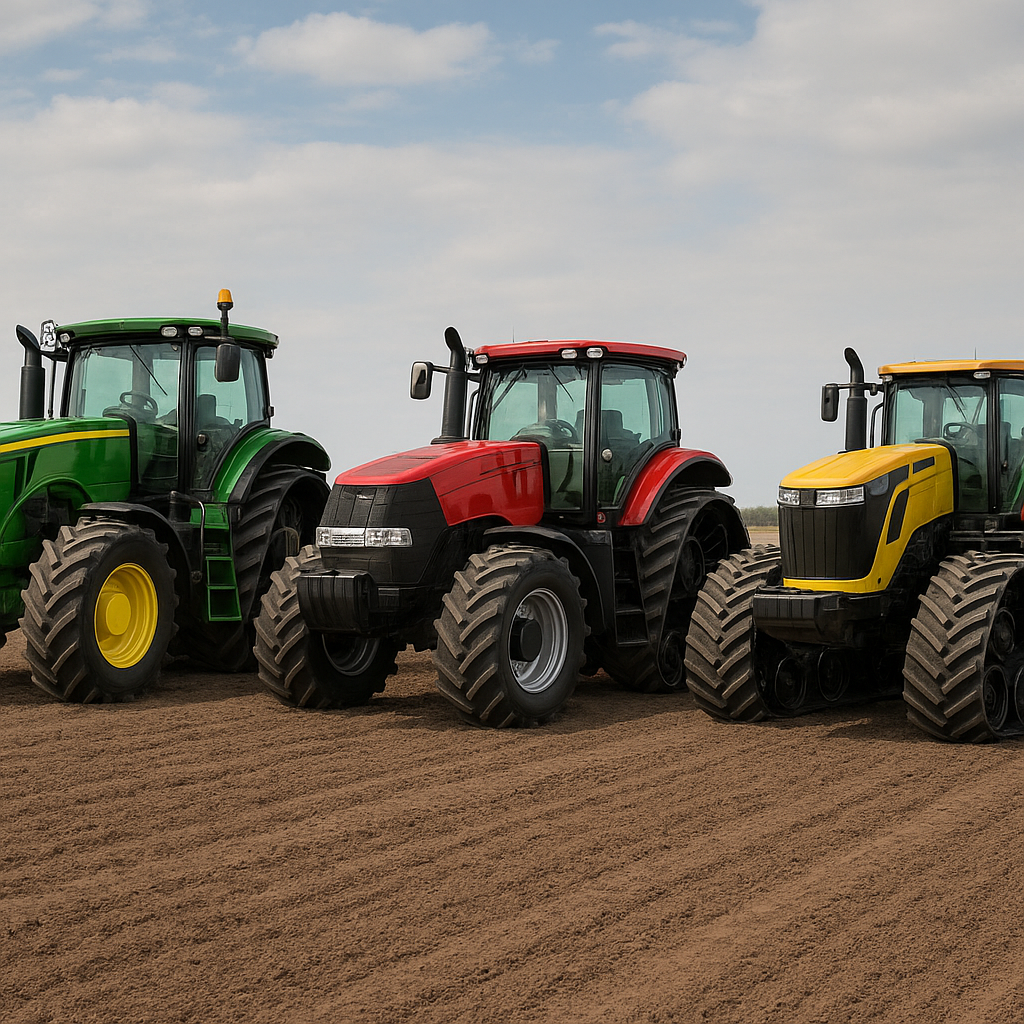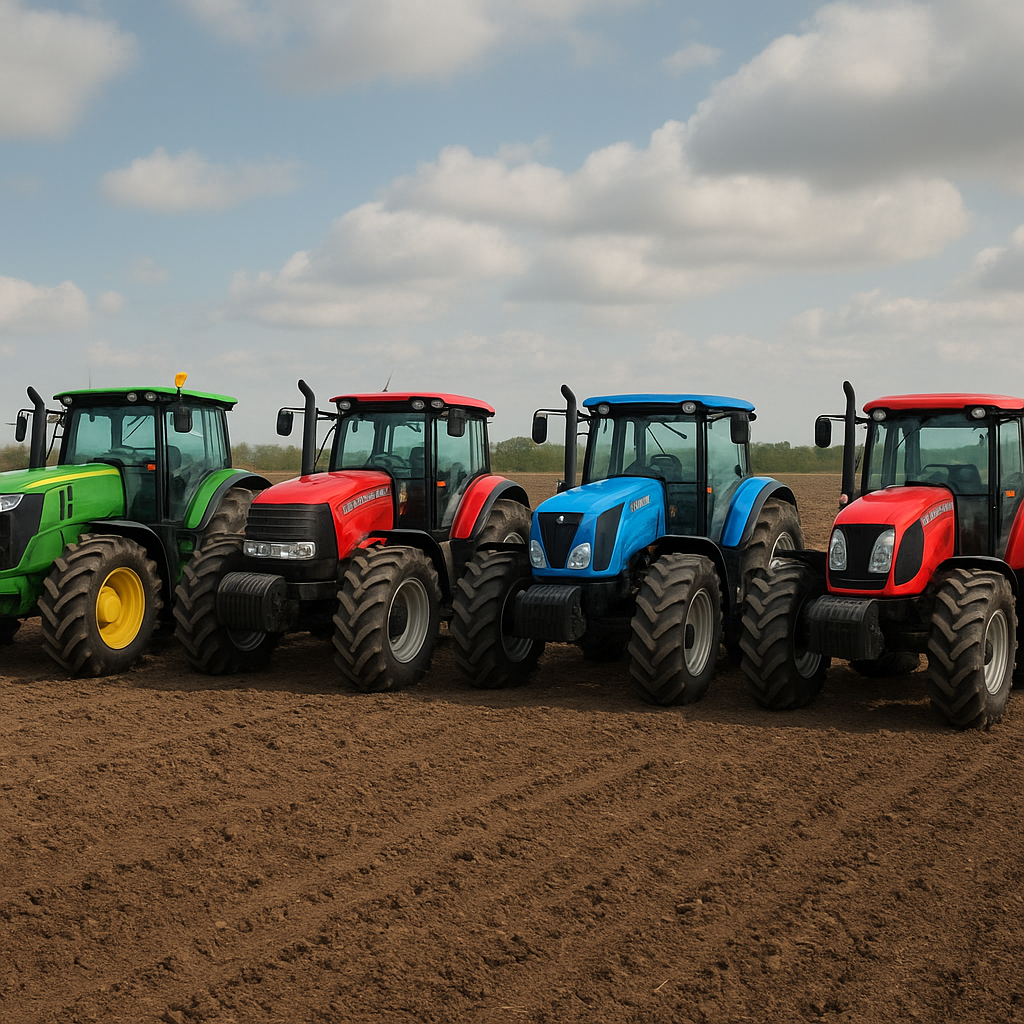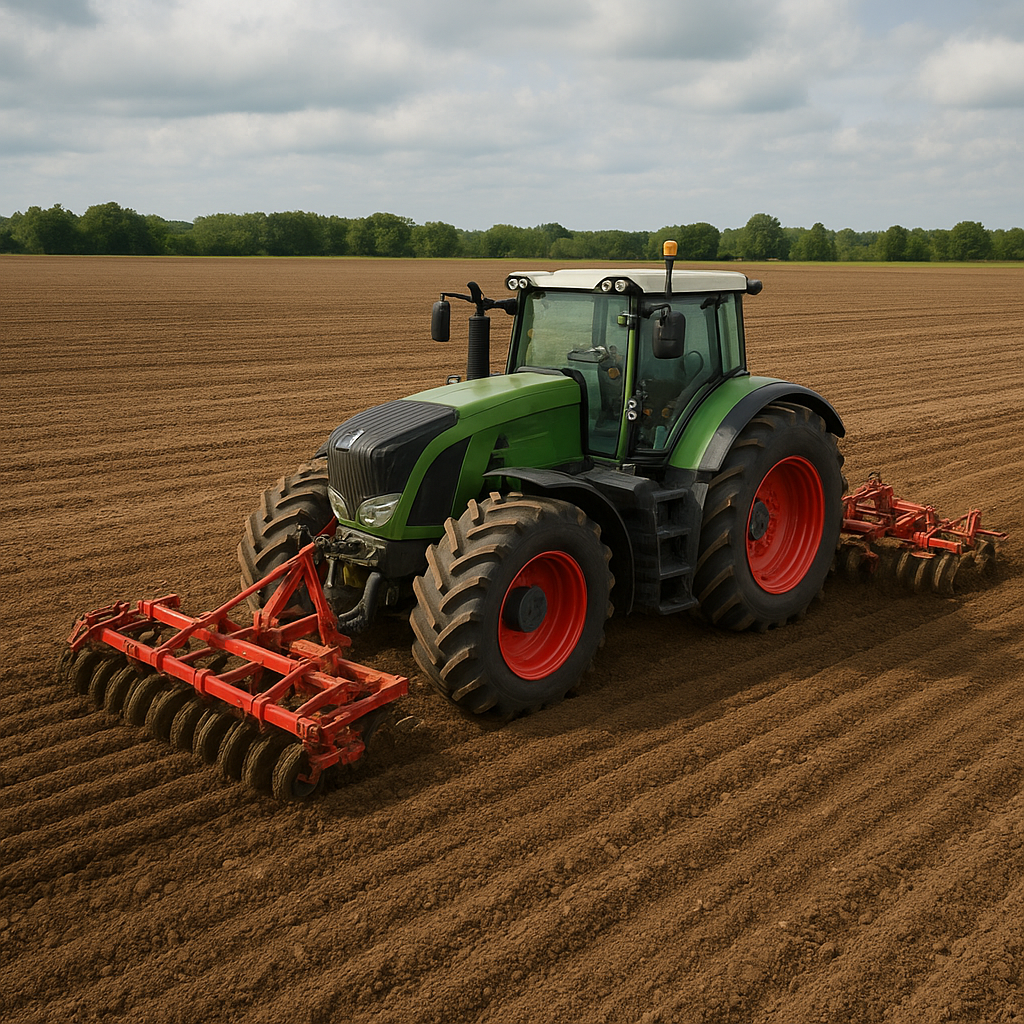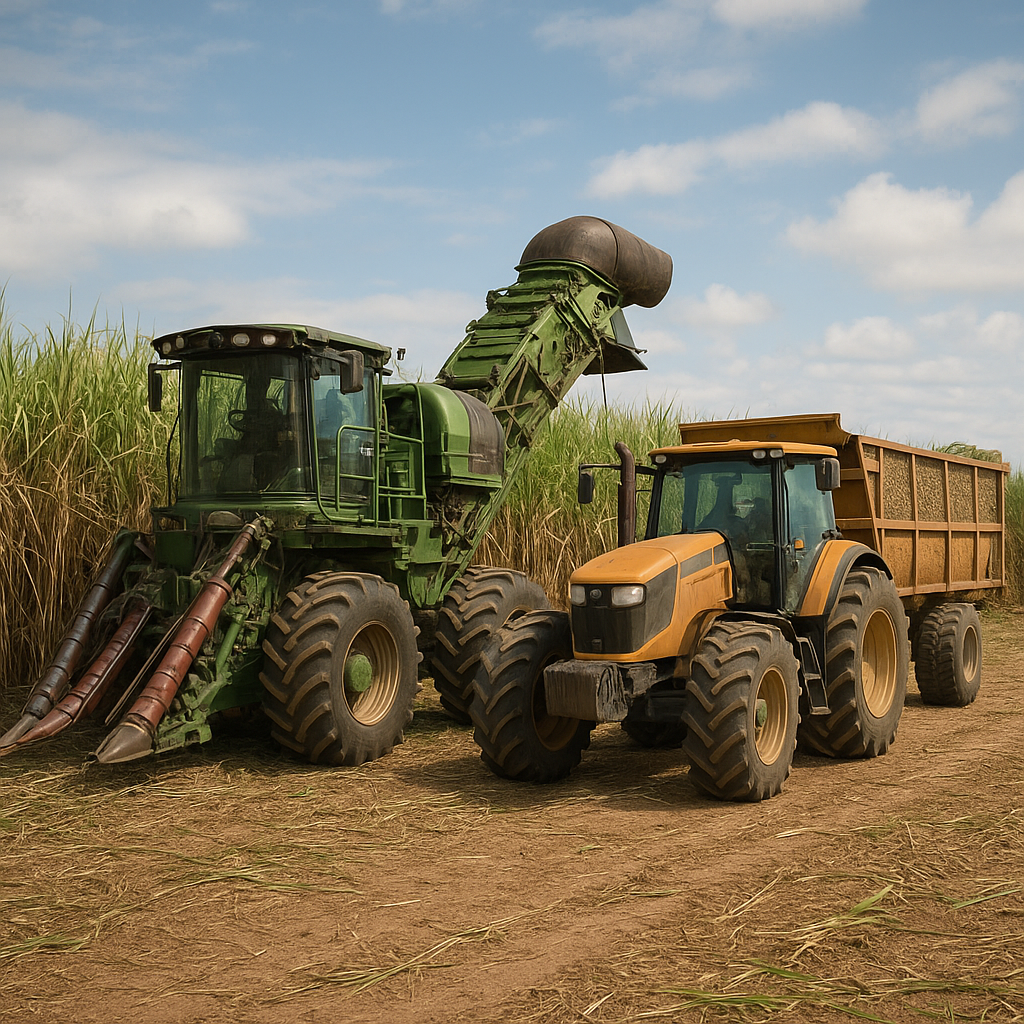
The cultivation of sugarcane demands immense mechanical support, and modern farmers rely on colossal tractors tailored for the unique needs of this robust crop. These machines deliver the horsepower, durability, and specialized features required to traverse muddy fields, tow heavy loads, and optimize yield. Examining the world’s largest tractors used in sugarcane production reveals a blend of raw power, cutting-edge technology, and strategic design that elevates farming efficiency to unprecedented levels.
Tractor Power and Performance
When tackling sugarcane fields, farmers prioritize efficiency and reliability above all. The challenging terrain, dense stalks, and extended working hours demand tractors with exceptional traction and fuel capacity. Key factors that define tractor performance include:
- Engine Output: High-displacement diesel engines ranging from 400 to over 700 horsepower provide the grunt to pull heavy harvester attachments and transport trailers.
- Transmission Systems: Advanced powershift or continuously variable transmissions (CVT) enable smooth gear changes and optimal power distribution, reducing operator fatigue and mechanical wear.
- Weight Distribution: Large rear and front ballast attachments ensure proper weight balance, maximizing grip and minimizing soil compaction.
- Tire and Track Options: While some producers prefer giant dual wheels, others utilize rubber tracks for enhanced flotation in wet fields, significantly improving traction and reducing slippage.
Engine Technologies
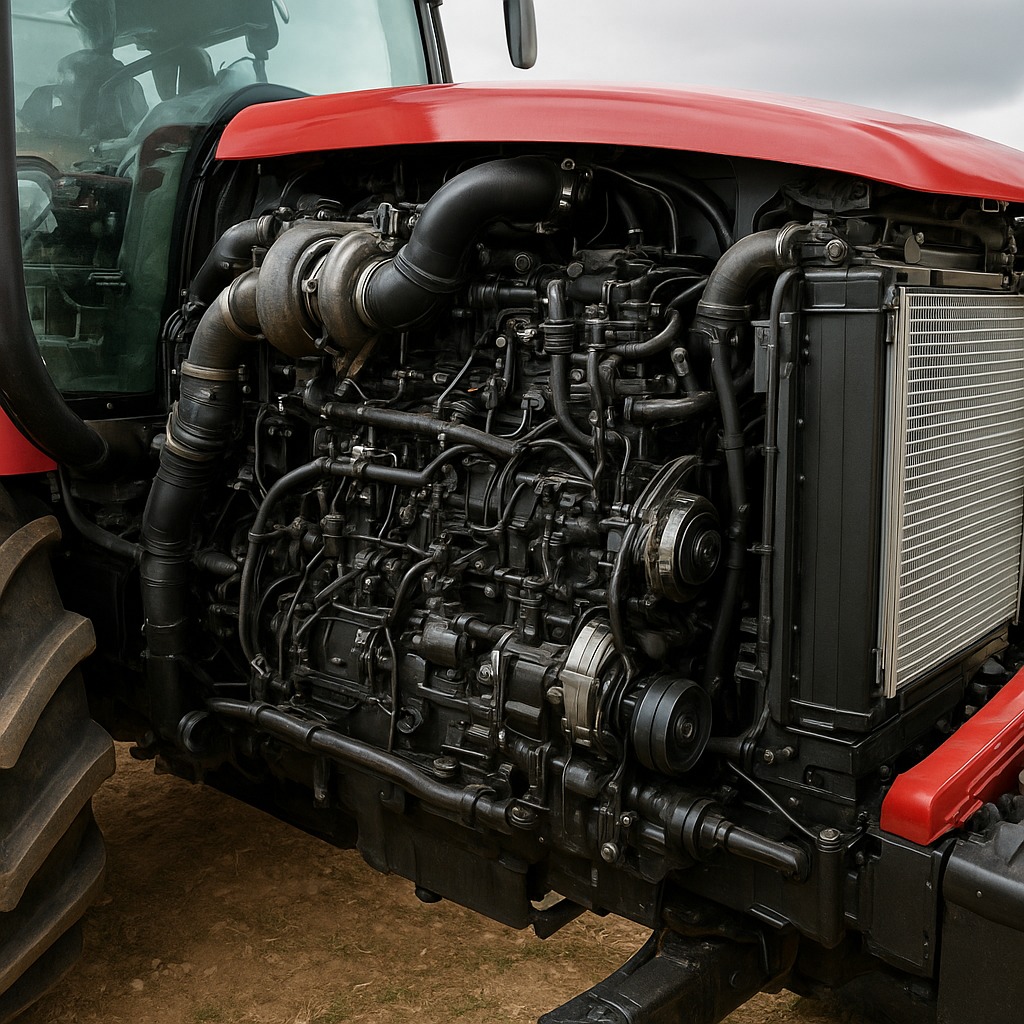
Modern tractor engines integrate turbocharging and aftercooling to enhance combustion efficiency. High-pressure fuel injection systems, combined with electronic engine management, fine-tune performance under varying loads. Manufacturers have also adopted selective catalytic reduction (SCR) and diesel particulate filters to meet stringent emission standards without sacrificing power.
Operator Comfort and Safety
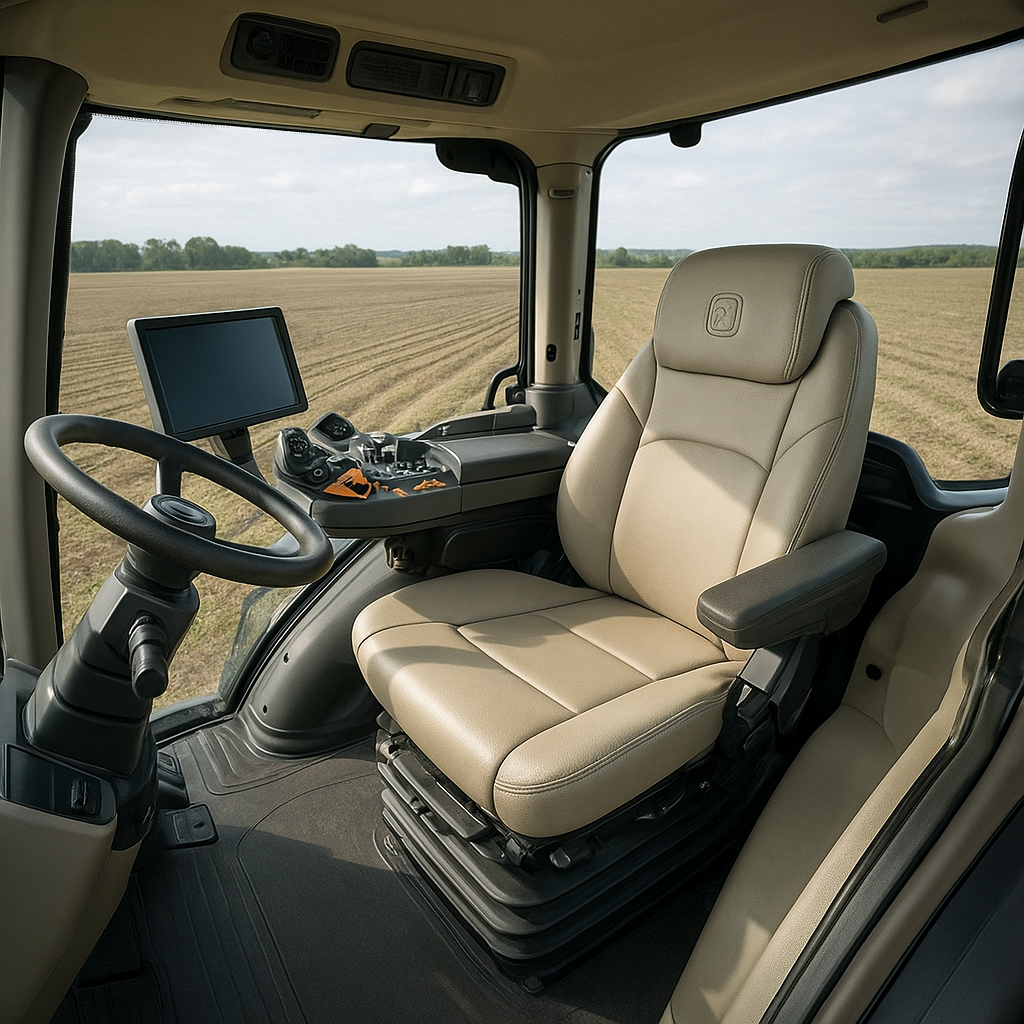
Large tractors boast spacious, climate-controlled cabs that reduce operator fatigue during marathon workdays. Features often include:
- Ergonomic seating and multi-function control arms
- Advanced suspension systems to absorb field jolts
- Panoramic visibility aided by LED work lights and rearview cameras
- Integrated telematics for real-time diagnostics and remote monitoring
Innovative Models Driving the Industry
Several tractor models have gained prominence for their ability to transform sugarcane farming. These refer to flagship series from leading manufacturers:
Model A: UltraMax 780
The UltraMax 780 exemplifies brute force, delivering 780 hp from a 13.6-liter engine. It features a reinforced chassis and an optional dual-track system, making it ideal for soft or uneven terrain. Key features include:
- Auto-guidance with sub-inch accuracy for precise row navigation
- Load-sensing hydraulics to power heavy harvesting attachments
- Fuel tanks exceeding 1,000 liters for extended field operations
Model B: SugarPro 650
Designed specifically for sugarcane plantations, the SugarPro 650 offers 650 hp coupled with an 8-speed CVT. Its modular front weight system allows customization based on soil conditions. Notable attributes:
- Integrated biomass shredders for pre-harvest field cleanup
- Active steering hydraulics that adjust torque distribution
- Onboard grain loss monitoring to minimize waste during loading
Model C: TerraForce 720
Blending power and agility, the TerraForce 720 features a precision guidance package and telematics suite. Operators can oversee multiple machines through a cloud-based platform, enhancing coordination across large estates. Highlights include:
- Variable geometry turbochargers for seamless low-end responsiveness
- All-wheel braking systems for improved control on slopes
- Customizable implement presets stored in the operator profile
Technological Advancements in Sugarcane Tractors
The evolution of sugarcane tractors extends beyond horsepower. Innovative automation and data-driven tools have revolutionized field management:
Telematics and IoT Integration
Real-time data on fuel consumption, operating hours, and GPS location allow agronomists to analyze performance metrics and schedule predictive maintenance. Low-latency connections ensure that farmers receive notifications about potential mechanical issues long before a breakdown occurs.
Precision Farming Applications
By employing satellite-based guidance systems, tractors can accurately follow predefined paths, reducing overlap and minimizing soil compaction. Variable-rate technology (VRT) enables on-the-go adjustment of fertilizer and herbicide applications, conserving resources while maximizing crop health.
Autonomous and Remote-Controlled Operations
Although fully autonomous sugarcane tractors remain in development, remote-control kits and semi-autonomous modes are already in use. These features allow tractors to operate in hazardous conditions or continue work overnight under human supervision from a remote location, thereby boosting productivity.
Environmental and Economic Impact
Deploying the world’s biggest tractors in sugarcane cultivation has significant implications for both the environment and farm profitability:
Sustainability Benefits
- Reduced Soil Disturbance: Advanced tire and track systems distribute weight more evenly, preserving soil structure and reducing erosion.
- Lower Emissions per Acre: High-efficiency engines and precision application tools decrease fuel consumption and cut down greenhouse gas output.
- Optimized Input Use: VRT and automated spraying technologies prevent over-application of fertilizers and chemicals, protecting surrounding ecosystems.
Economic Considerations
While the initial investment for a high-horsepower tractor can exceed several hundred thousand dollars, the long-term returns often justify the cost:
- Increased Acreage Coverage: Larger tractors can complete fieldwork faster, supporting timely planting and harvesting.
- Lower Labor Costs: Automation and remote operation reduce the need for large labor crews during peak seasons.
- Enhanced Crop Yields: Precision planting and input management directly translate into higher tonnage per hectare and improved sugar recovery rates.
Future Trends in Sugarcane Tractor Design
As research and development continue, upcoming trends will shape the next generation of sugarcane machinery:
- Hybrid and Electric Propulsion: Integrating battery systems and electric drivetrains to further cut emissions and operating expenses.
- Machine-to-Machine (M2M) Coordination: Fleets of tractors and harvesters communicating in real time, optimizing harvest logistics and reducing idle time.
- Enhanced AI Analytics: Predictive models using data from soil sensors, weather stations, and tractor telematics to recommend optimal planting and harvesting schedules.
- Modular Attachments: Quick-change implement systems enabling a single tractor to switch between seeding, fertilizing, and cutting roles within minutes.