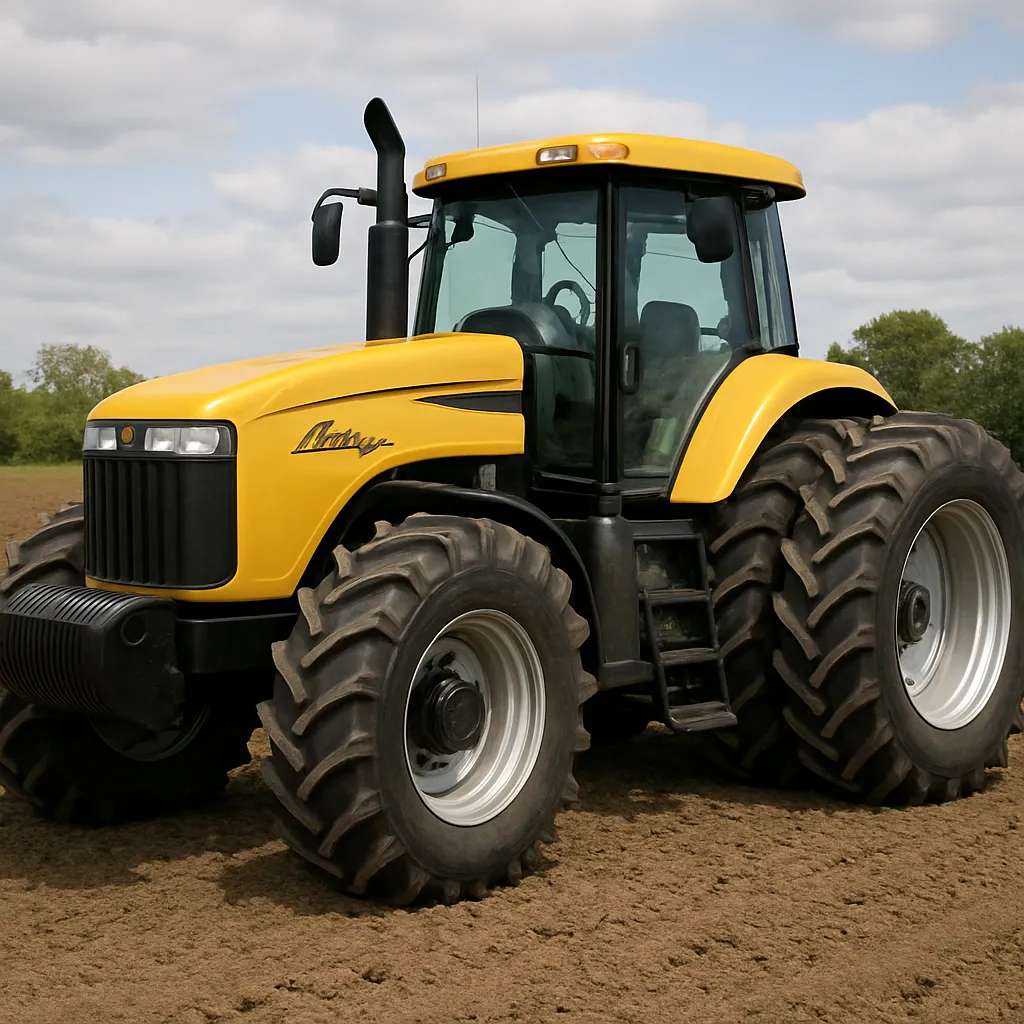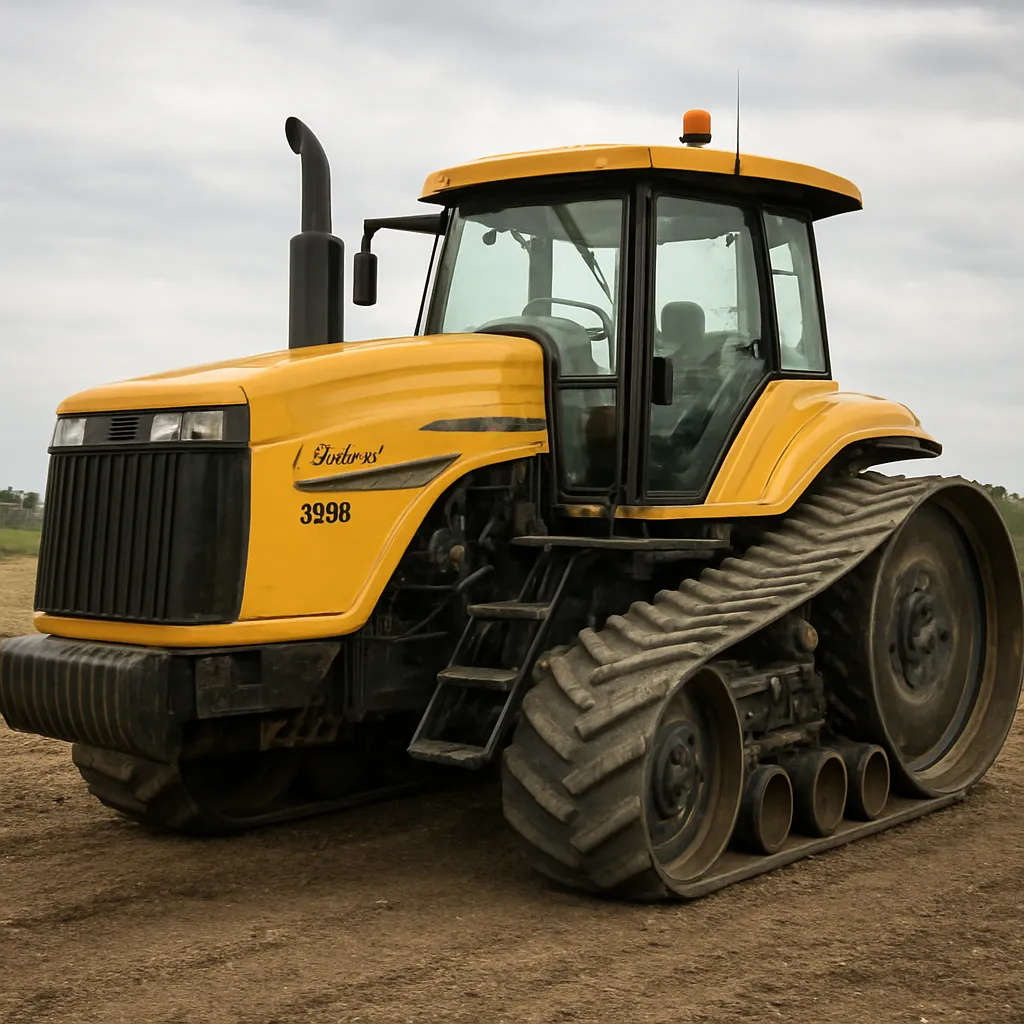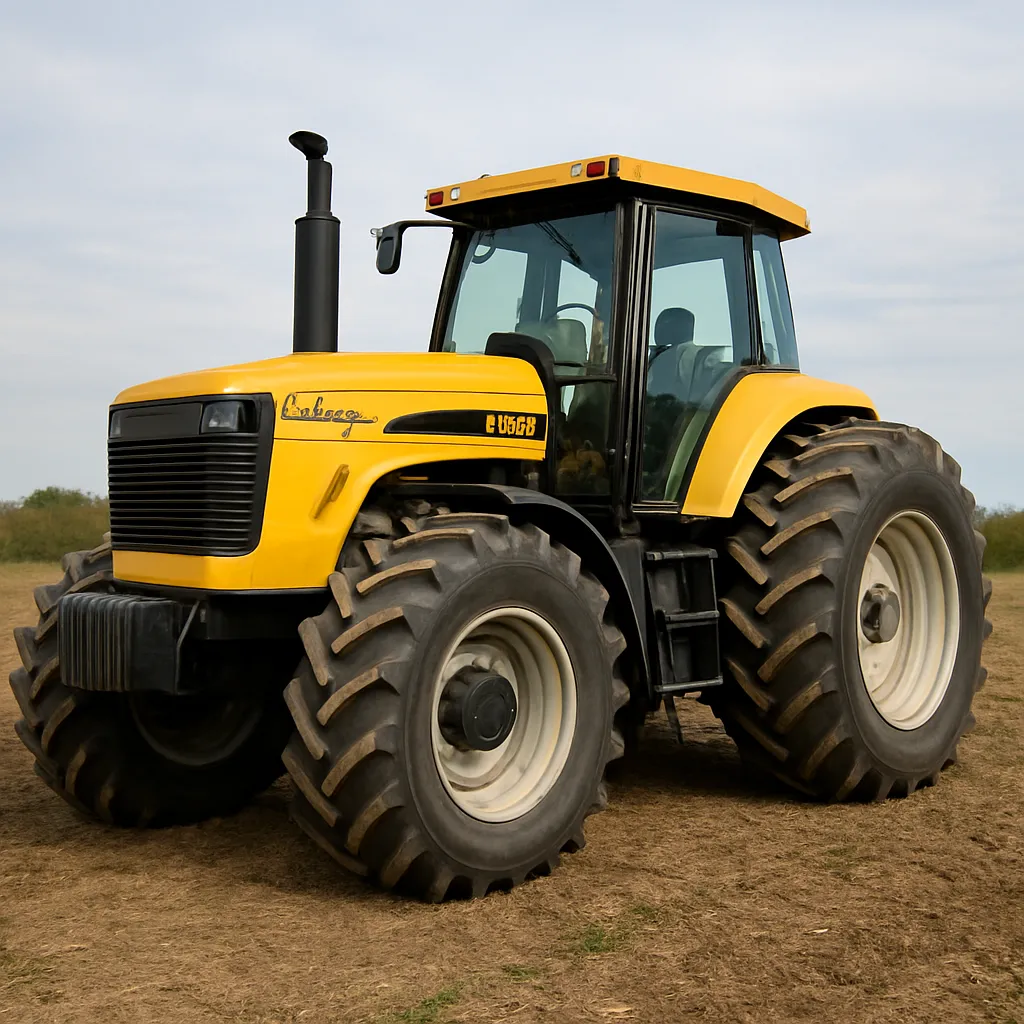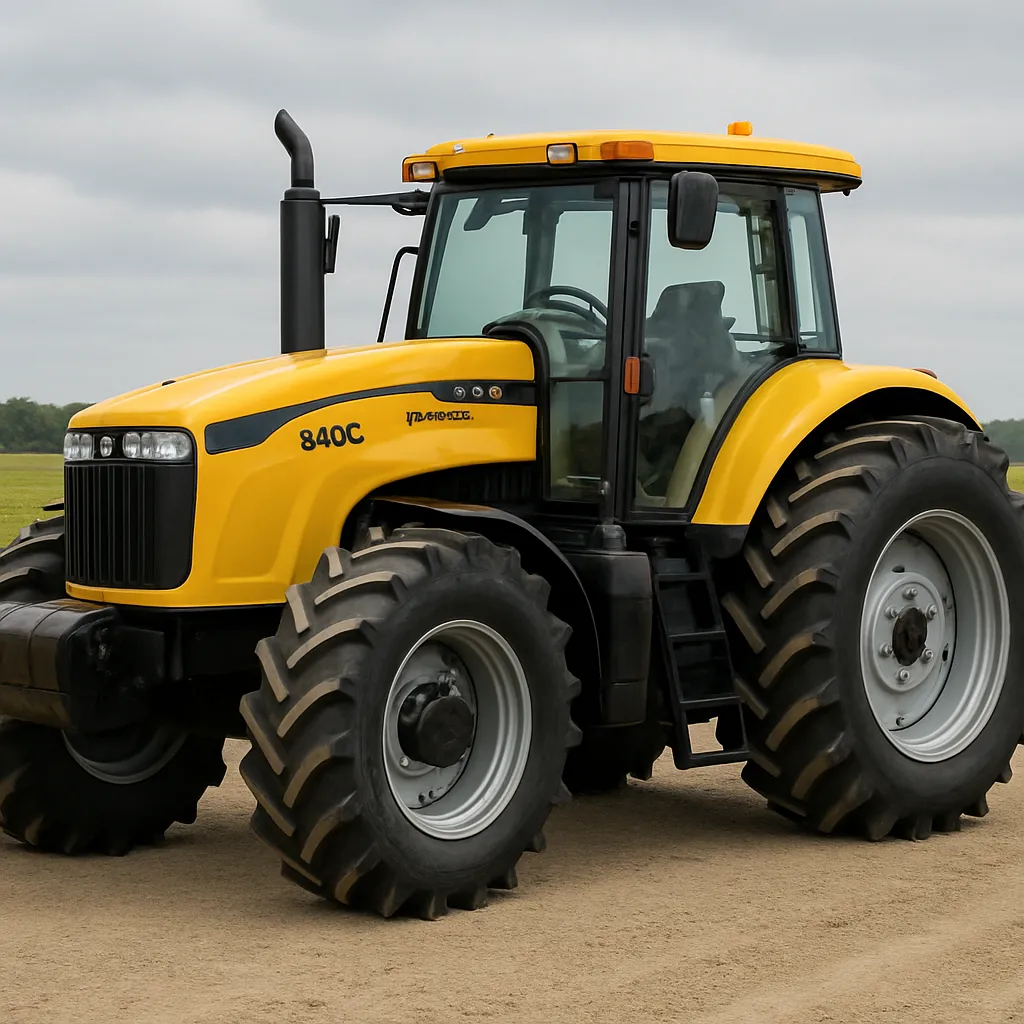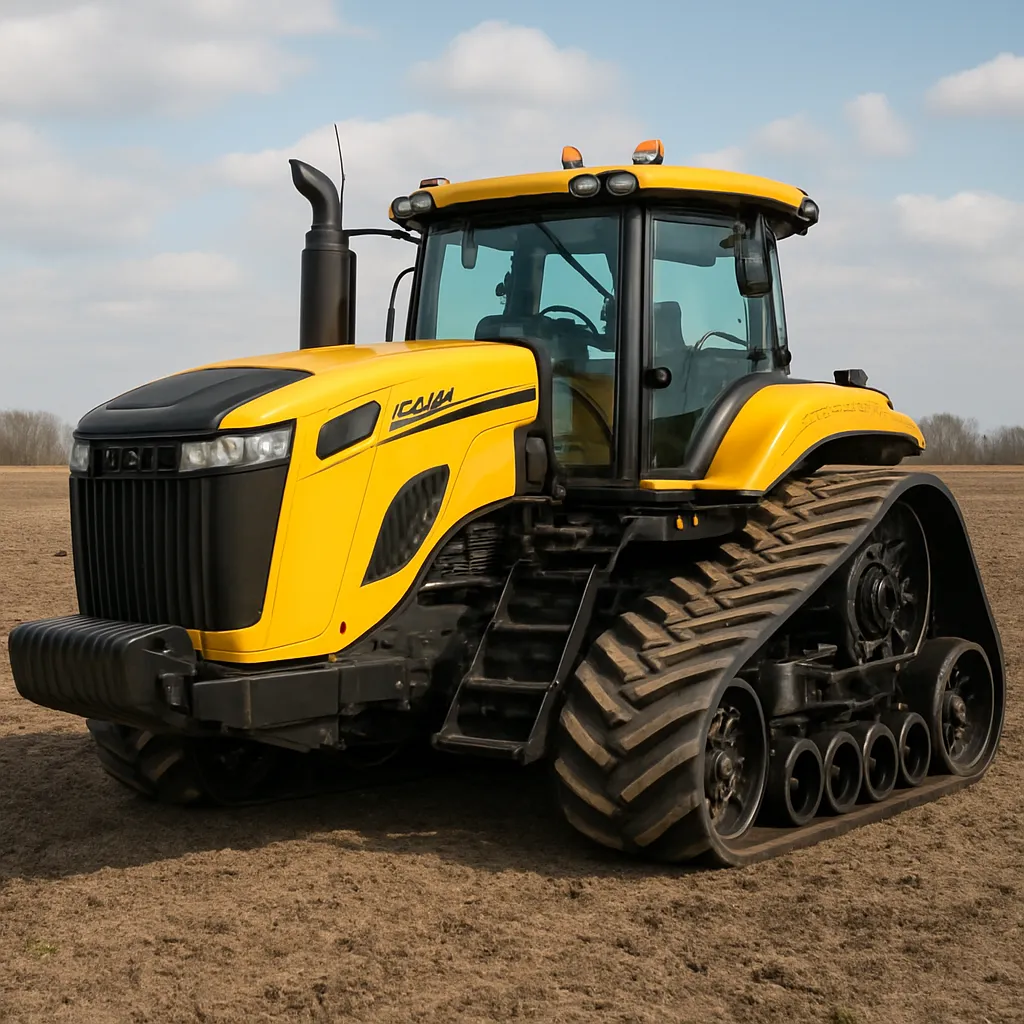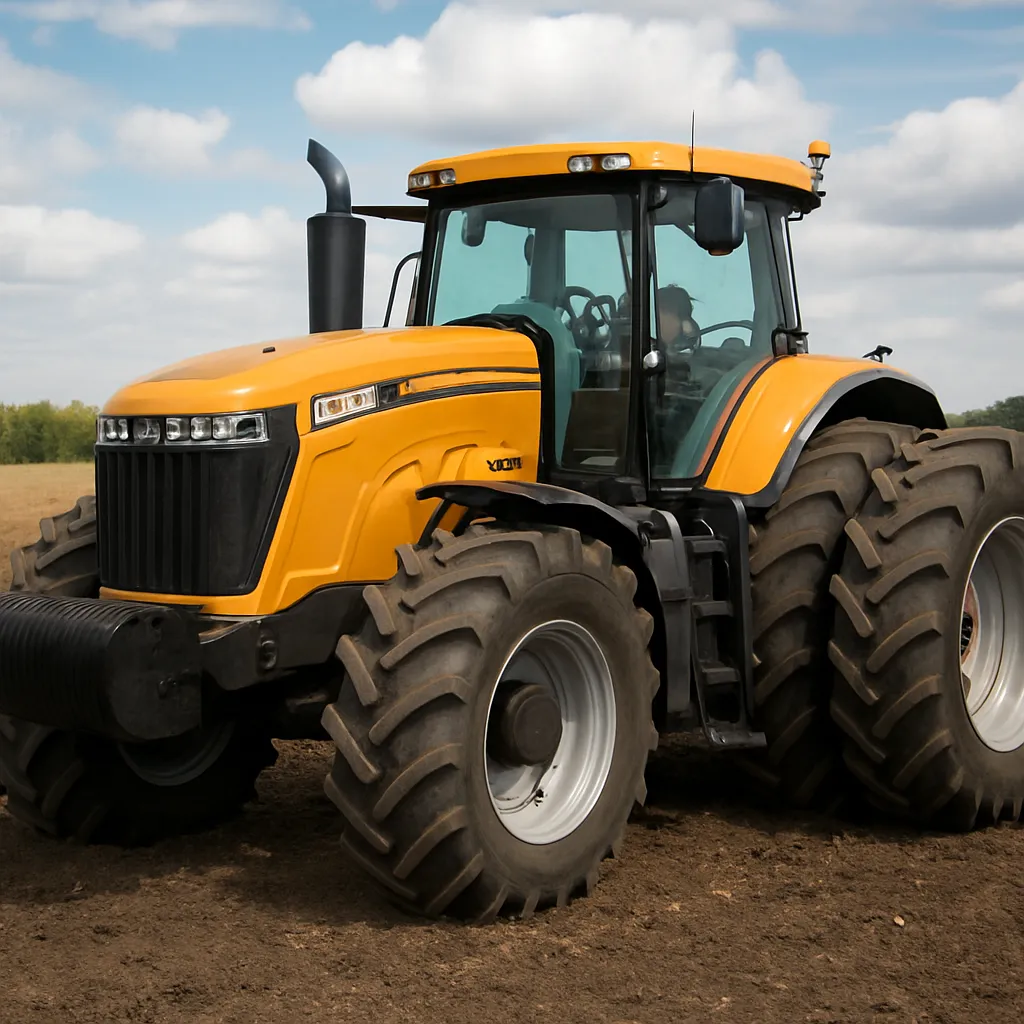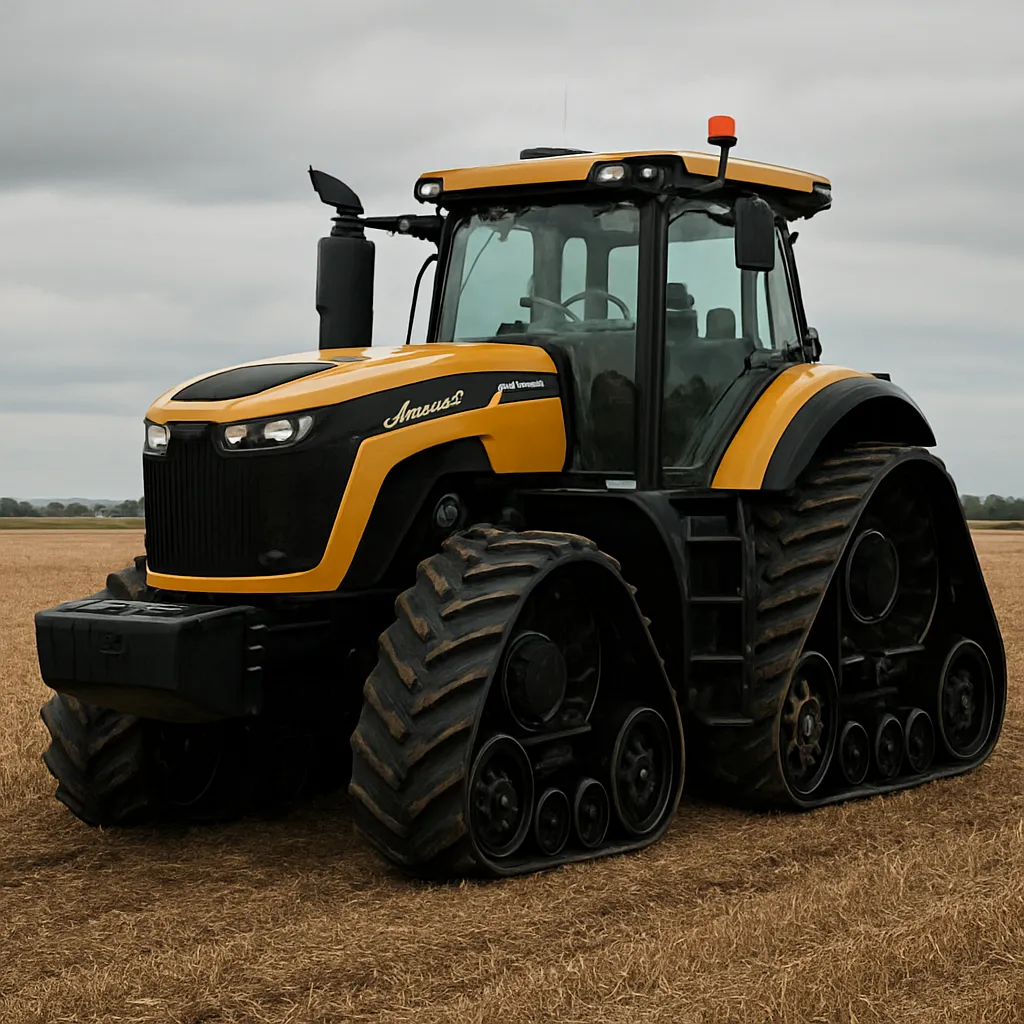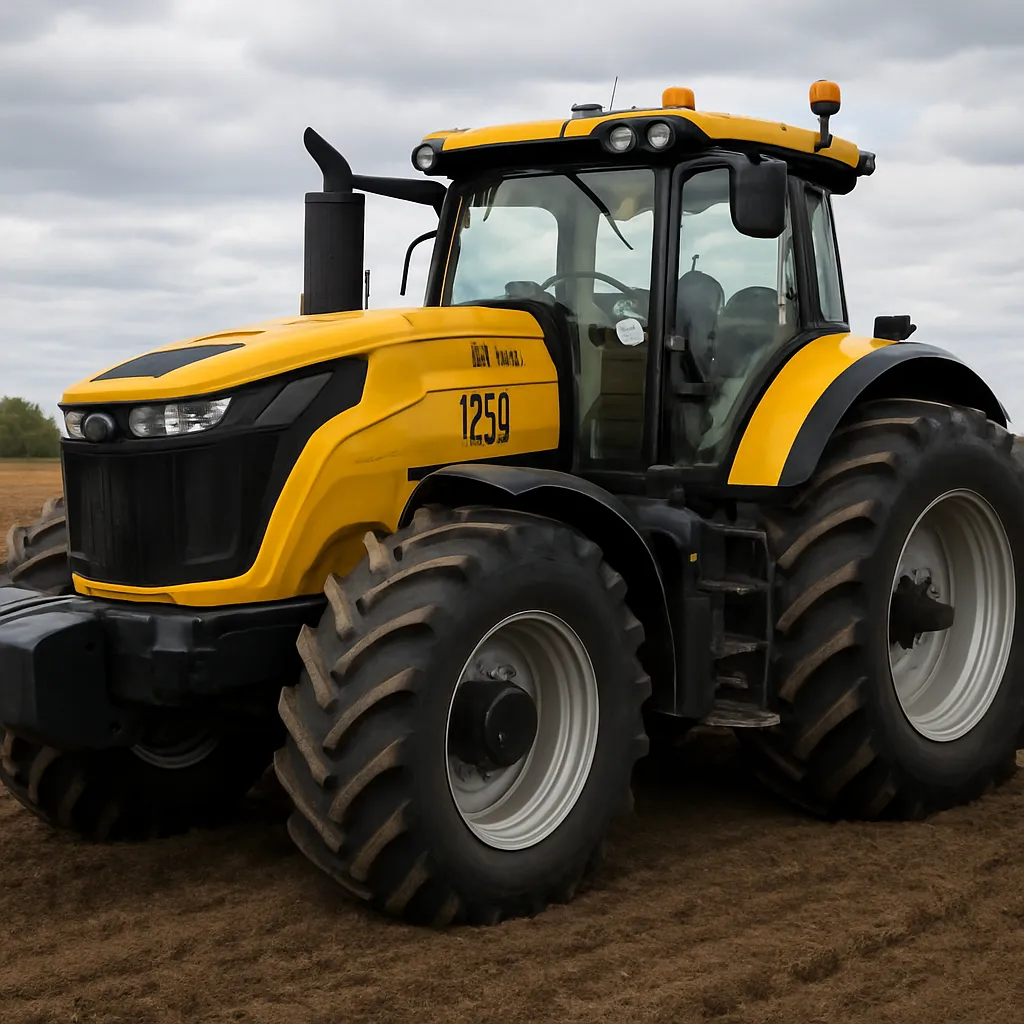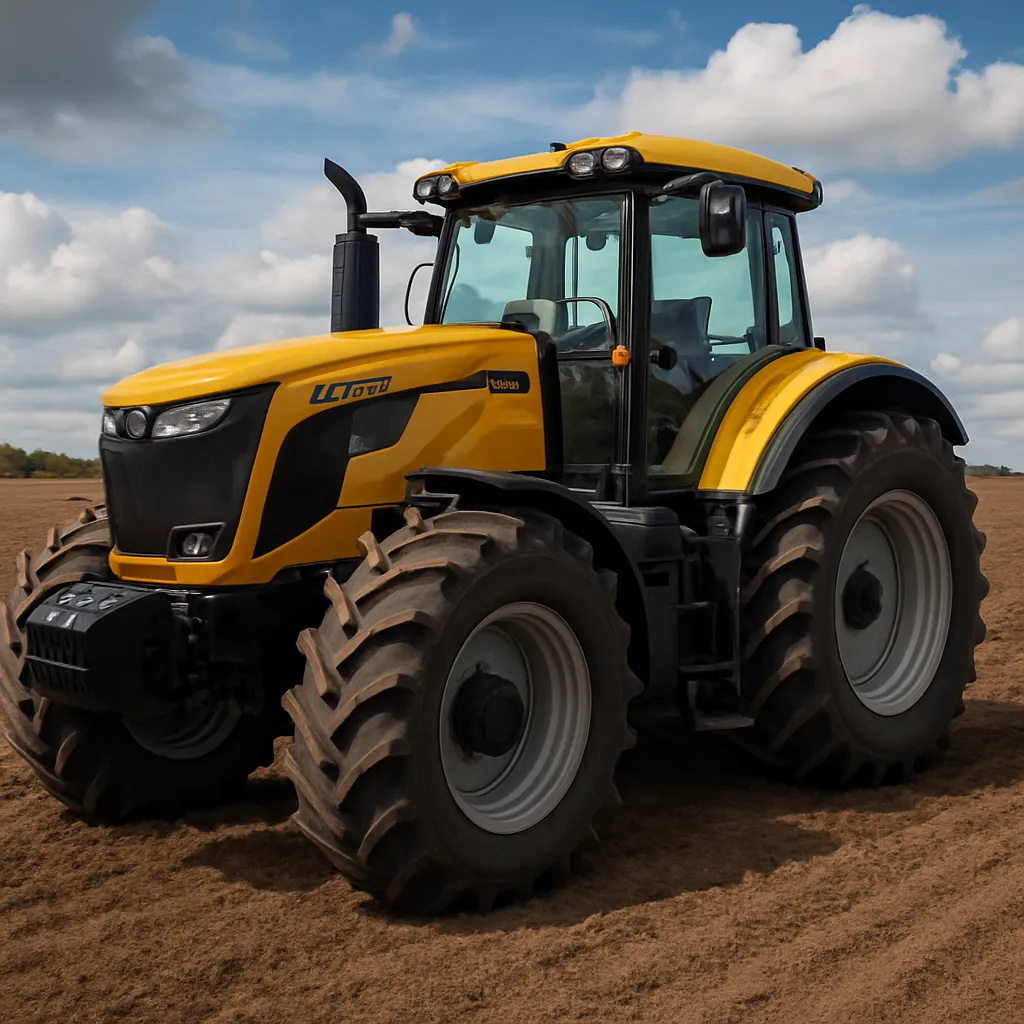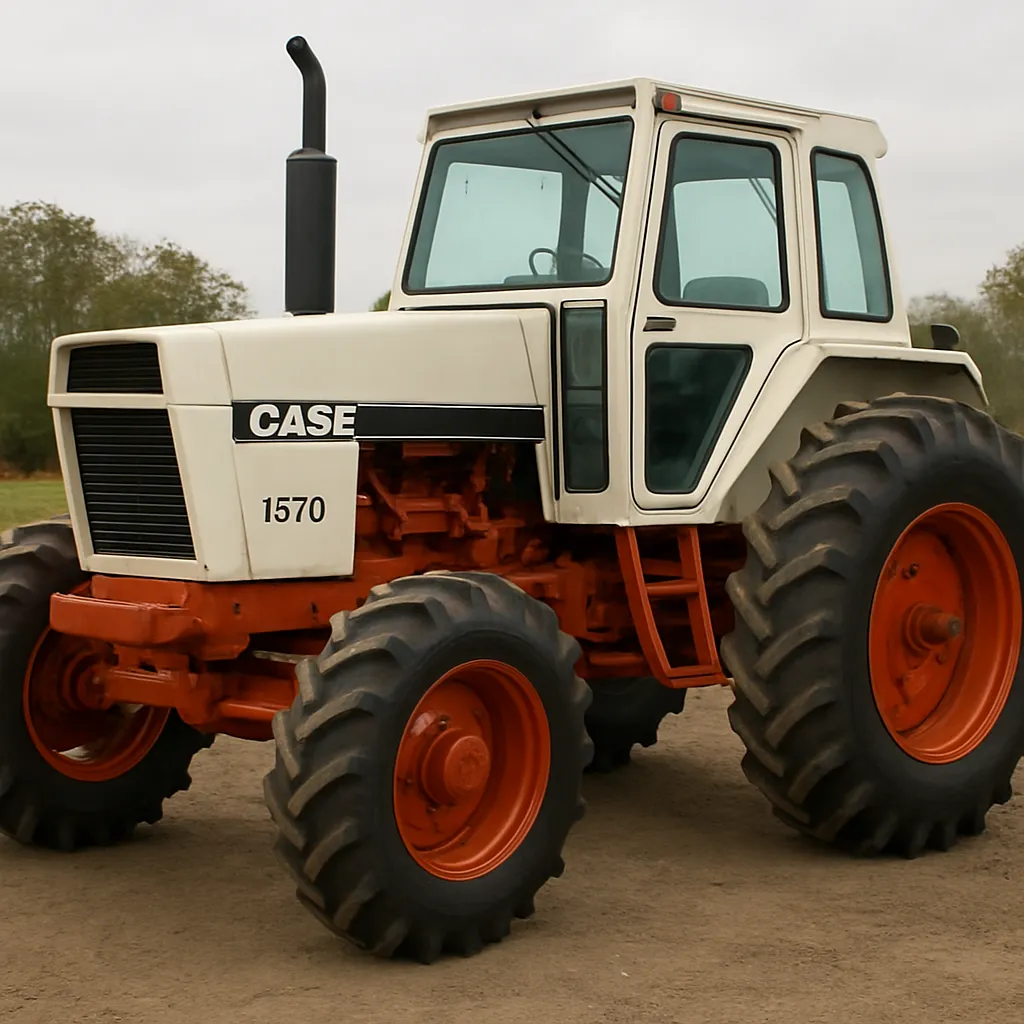
The Case 1570 tractor occupies a distinct place among mid-sized agricultural machines, combining practical design, adaptable performance and a reputation for dependable service on small and medium farms. In this article we will explore the machine’s technical characteristics, common applications, maintenance tips, historical and market context, and a look at why many operators still value this model today. Where precise specifications differ by year and configuration, general ranges and commonly reported figures are provided to give a clear picture of what to expect from this versatile tractor.
Design and technical overview
The Case 1570 is typically classed as a mid-power, general-purpose agricultural tractor intended to serve a wide variety of tasks on diversified farms and light commercial operations. Its design philosophy emphasizes a balance between power, simplicity and serviceability. While detailed specifications can vary depending on the production year and local equipment options, several recurring features define the model.
Engine and performance
- Engine type: Most versions come with a robust, naturally aspirated or turbocharged diesel engine designed for longevity and consistent torque delivery.
- Power output: Published and reported values for similar mid-sized Case models place rated engine power commonly in the 75–120 hp range, depending on configuration and market variant.
- PTO capability: The tractor typically offers a rear PTO with selectable speeds, commonly 540 and sometimes 1000 rpm, giving flexibility for a wide array of implements.
- Fuel system and economy: A direct (or indirect) injection diesel system suited to agricultural duty cycles; fuel capacity usually sufficient for a full working day in medium-intensity use.
Transmission and driveline
- Transmission options: Depending on the specific production run, the 1570 was offered with synchronized gearboxes or multi-range transmissions; some operators might find optional powershift or hydrostatic variants in later or specialized builds.
- Four-wheel drive: Many units are available in both 2WD and 4WD versions. The 4WD variants significantly improve traction for heavy draft work and wet soils.
- Hydraulics and linkage: A dependable open-center hydraulic system with adequate flow for common implements, plus a Category II three-point hitch is typical, enabling easy attachment of ploughs, seeders and mowers.
Cab and operator ergonomics
Operator comfort was a focus for later variants: a functional cab with good visibility, ergonomically placed controls and basic climate control solutions. The simplicity of the control layout makes it popular among operators who prefer straightforward, mechanical systems over heavily electronic machines.
Primary applications and attachments
One of the strengths of the Case 1570 is its versatility. The tractor’s design suits a broad range of agricultural and utility tasks, making it a practical choice for farmers and contractors who need a single machine that can do many jobs.
Common agricultural tasks
- Ploughing and primary tillage: With a sturdy drawbar and adequate horsepower, the 1570 can handle small-to-medium ploughing tasks, especially on lighter soils.
- Secondary tillage and seedbed preparation: The tractor pairs well with discs, cultivators and power harrows.
- Planting and seeding: Proper PTO and hydraulic control allow operation of planters and seed drills.
- Hay and forage work: Mower conditioners, tedders, rakes and balers are well within the typical operational envelope.
- Load and material handling: Fitted with a front loader, the 1570 can serve for manure handling, bale moving and general yard work.
Specialty and off-farm uses
- Orchard and vineyard work: Narrow variants and low-profile options may be adapted for operations in constrained rows.
- Municipal and utility tasks: Roadside mowing, snow clearing and light earthmoving with appropriate implements.
- Contracting: Smaller contractors value its economy and ease of maintenance for short-term hire work.
Maintenance, reliability and common issues
Part of the Case 1570’s enduring appeal is the relative ease of maintenance and the availability of parts in many regions. Proper upkeep extends service life and helps maintain resale value.
Routine service schedule
- Daily/weekly: Check engine oil, coolant level, hydraulic oil level, air cleaner condition and tyre pressures. Clean debris from radiators and grille.
- Every 250 hours: Change engine oil and oil filter (intervals depend on usage and oil type), inspect fuel filters, test battery and charging system.
- Every 500–1,000 hours: Replace hydraulic filters, check valve clearances (if applicable), inspect clutch adjustment and gearbox oil.
- Major services: Full engine tune, transmission service and hydraulic overhaul as indicated by hours and performance.
Common wear items and failure modes
- Hydraulic leaks: Seals and hoses degrade over years; proactive replacement prevents contamination and loss of hydraulic responsiveness.
- Clutch wear: Heavy loader or frequent shuttle use accelerates clutch wear. Proper operation and adjustment prolong clutch life.
- Fuel system: Filters and injectors may require servicing, especially in older diesel engines where fuel quality varies.
- Electrical components: Wiring, alternator and starter issues can arise in aging tractors; keeping connectors clean and corrosion-free is important.
Practical ownership considerations
Anyone considering a Case 1570—whether as a first tractor purchase or as an addition to an existing fleet—should weigh acquisition cost, intended use, local parts availability and resale prospects.
Fuel and operating costs
Fuel consumption varies with load and duties. As a mid-range agricultural tractor, expected diesel consumption under mixed field and transport work generally falls into an economical band compared to larger modern machines. Matching implement sizes to the tractor’s rated PTO and drawbar capabilities maximizes fuel efficiency and reduces mechanical stress.
Parts and aftermarket support
- Manufacturer parts: Where available, official Case (or Case IH) parts ensure original-fit replacements.
- Aftermarket and remanufactured parts: Widely used for cost control—especially for hydraulic components, filters and electrical parts.
- Specialist workshops: Skilled diesel mechanics, particularly those familiar with legacy agricultural engines, are valuable for major repairs.
Resale and residual value
The resale value of a Case 1570 depends on hours, documented maintenance, regional demand and implement package. Well-maintained examples holding an extensive service history typically command higher prices. Older units with low hours and good condition can be attractive to hobby farmers and collectors.
Market presence and historical context
The Case 1570 sits within a long lineage of Case and Case IH tractors known for practical engineering and a focus on working farms rather than excessive complexity. Over the decades, Case models have competed strongly in the mid-sized tractor class, offering alternatives to machines from John Deere, New Holland and other manufacturers.
Popularity and geographical distribution
- Regional appeal: Popular in regions with medium-scale mixed farming—Europe, North America and parts of South America—where versatility and simplicity are prized.
- Used market: Frequently appears in used-tractor listings; buyers often seek units with loader packages or a recent engine-overhaul history.
- Collector interest: Older, well-preserved models attract enthusiasts who appreciate the mechanical simplicity and historic value.
Statistical and comparative notes
Exact production numbers for a specific Case 1570 variant can be difficult to pin down in open sources without consulting manufacturer archives. However, in comparative terms:
- Horsepower: As noted, mid-tier Case tractors of this general family typically rated between 75 and 120 hp, which placed them in the competitive middle of the market.
- Operating weight and size: Comparable models usually weigh between 3,000 and 6,000 kg depending on configuration (2WD vs 4WD, cab vs open station, added ballast).
- PTO and hydraulic flow: Standard PTO speeds and hydraulic capacities made the tractor a match for common implements without expensive upgrades.
Practical tips for prospective buyers and users
Whether buying used or operating a current model, several practical strategies help ensure satisfaction and long service life:
Inspection checklist before purchase
- Service history: Request documented intervals and receipts for major work—engine overhauls, hydraulic rebuilds, transmission services.
- Hours and operational wear: Engine hours give a baseline but examine actual wear: seals, hoses, tyre condition and frame integrity.
- Hydraulics and PTO: Test under load if possible; look for sluggish operation or leaky seals.
- Engine condition: Listen for unusual noises, check for smoke at startup and under load, and test cold-start behavior.
Upgrades and useful accessories
- Front loader kit: Widely regarded as one of the most flexible upgrades for farm use.
- Rear weights and ballast: Improve traction and stability for heavy draft tasks.
- Modern implements: Blade-based snow plows, pallet forks, bale handlers and precision seeders can refresh the utility of an older tractor.
Why Case 1570 remains relevant
The continued interest in the Case 1570 stems from several core qualities: robust mechanical design, a flexible performance envelope, and the ability to serve diverse roles without excessive operating costs. For many operators, especially in regions where reliability and repairability are paramount, the model represents a sound compromise between capability and simplicity.
Its adaptability to various implements, relative ease of maintenance, and reasonable running costs keep it practical for small to medium-sized farming operations, municipal work and light contracting. For users who prefer machines with accessible mechanical systems, fewer electronics and straightforward service intervals, the Case 1570 offers a compelling package.
Final operational considerations
When planning to integrate a Case 1570 into a working fleet, consider matching the following to your operation for optimal results:
- Implement sizing: Align tool width and draft requirements to the tractor’s rated power and drawbar capacity.
- Operator training: Proper use of the clutch, PTO engagement and hydraulic controls preserves components and improves safety.
- Maintenance planning: Budget for scheduled services and a small stock of common wear parts—filters, belts, hoses and seals—to minimize downtime.
The Case 1570 remains a practical choice where proven mechanical principles and broad utility are valued. Its legacy is not just historical: in fields, yards and small commercial fleets it still delivers the dependable performance that many operators expect from a hardworking tractor.