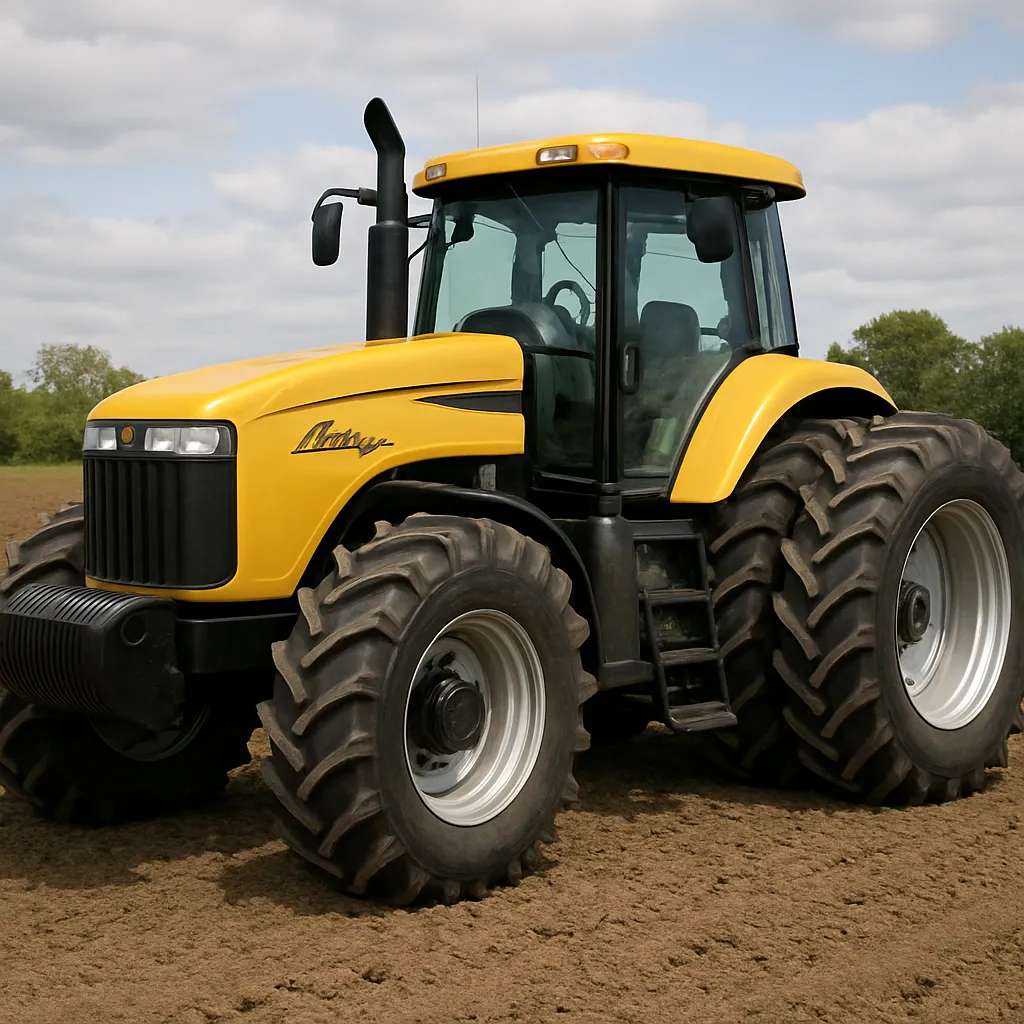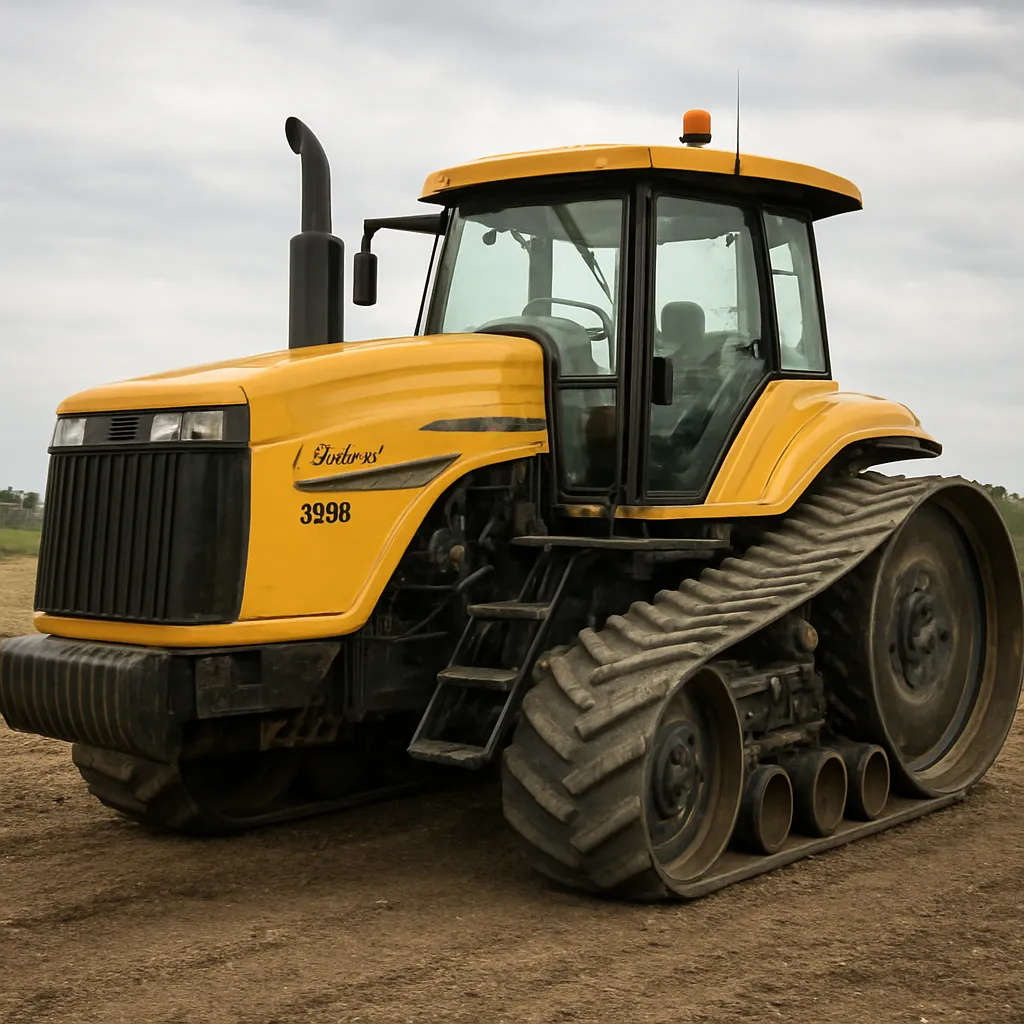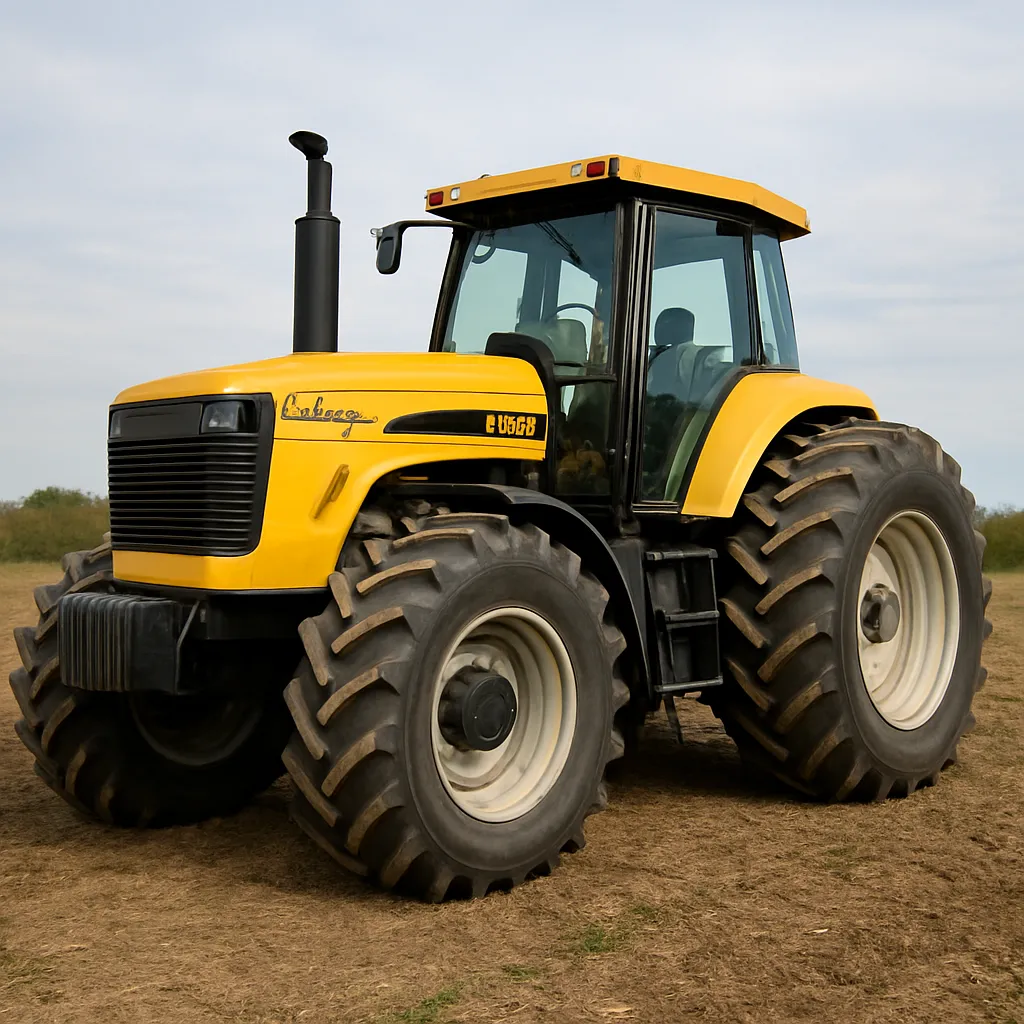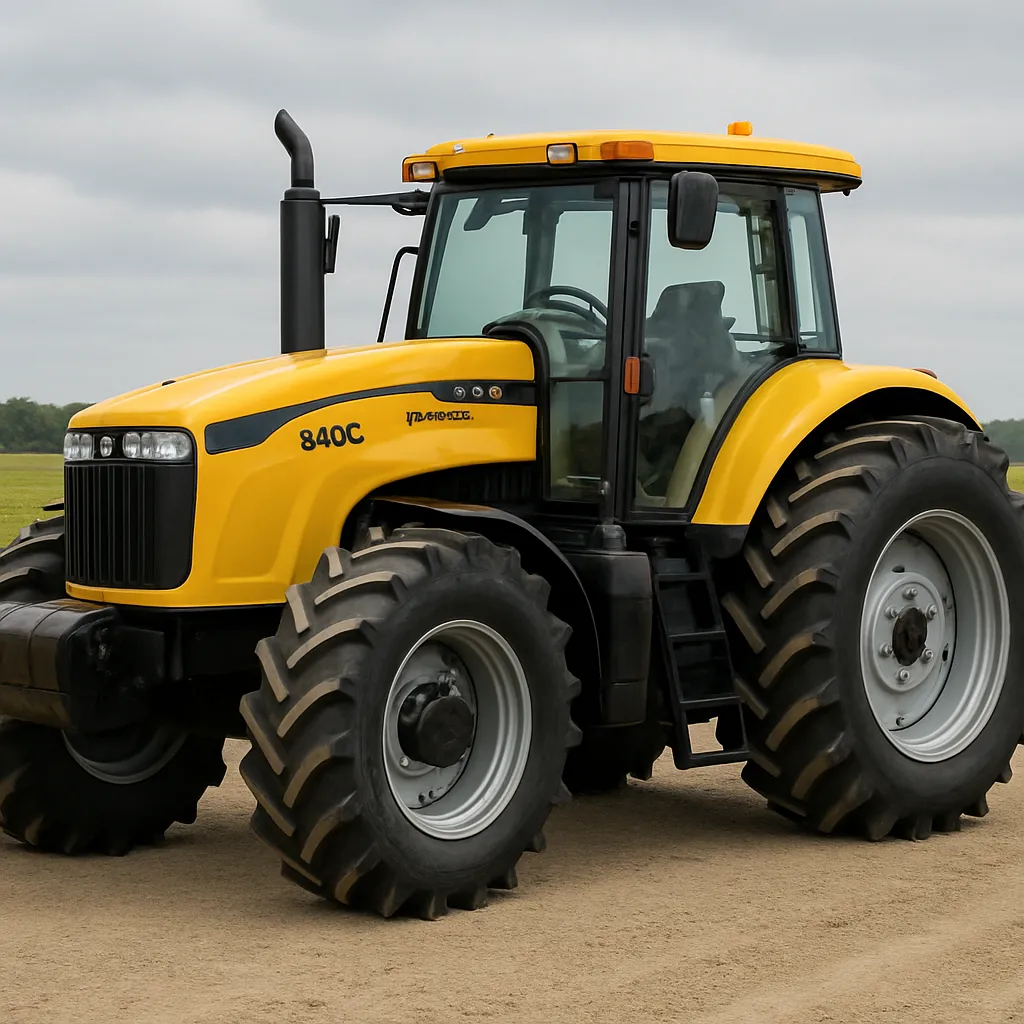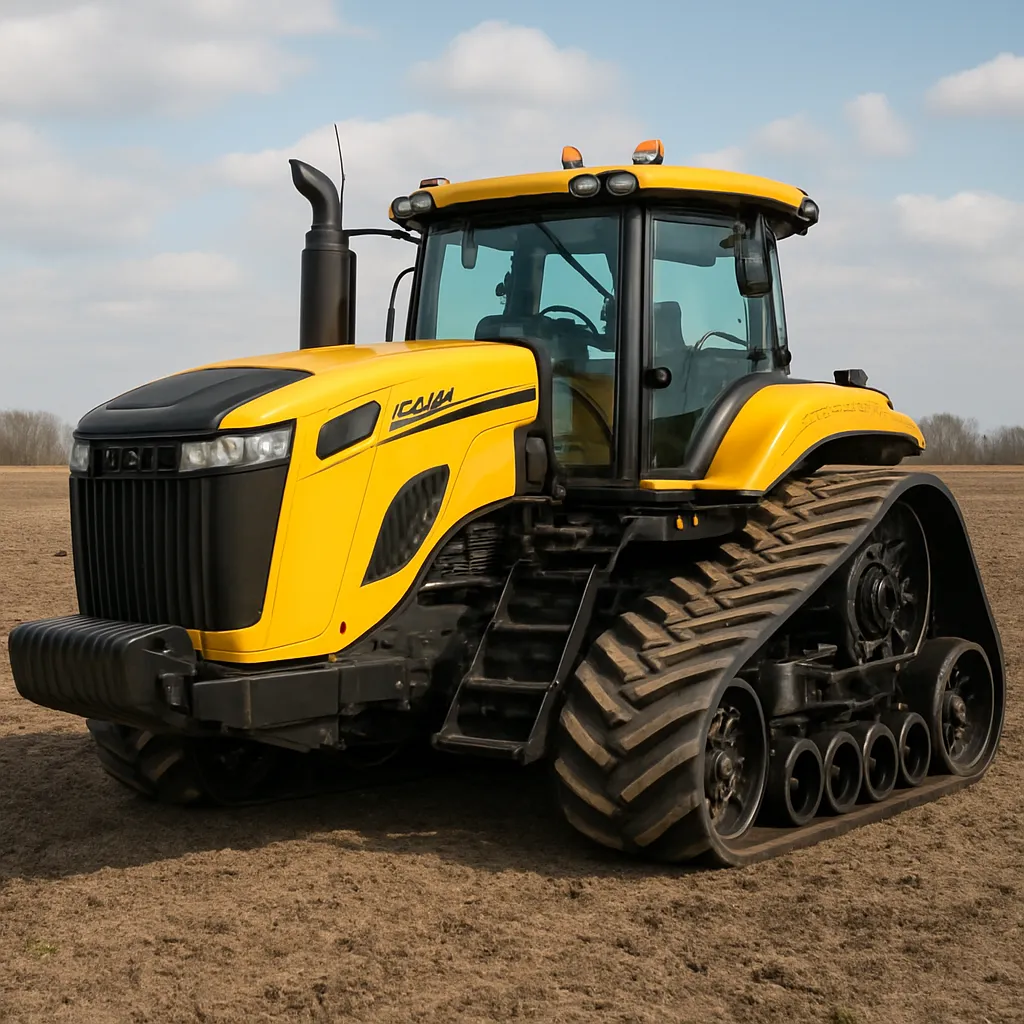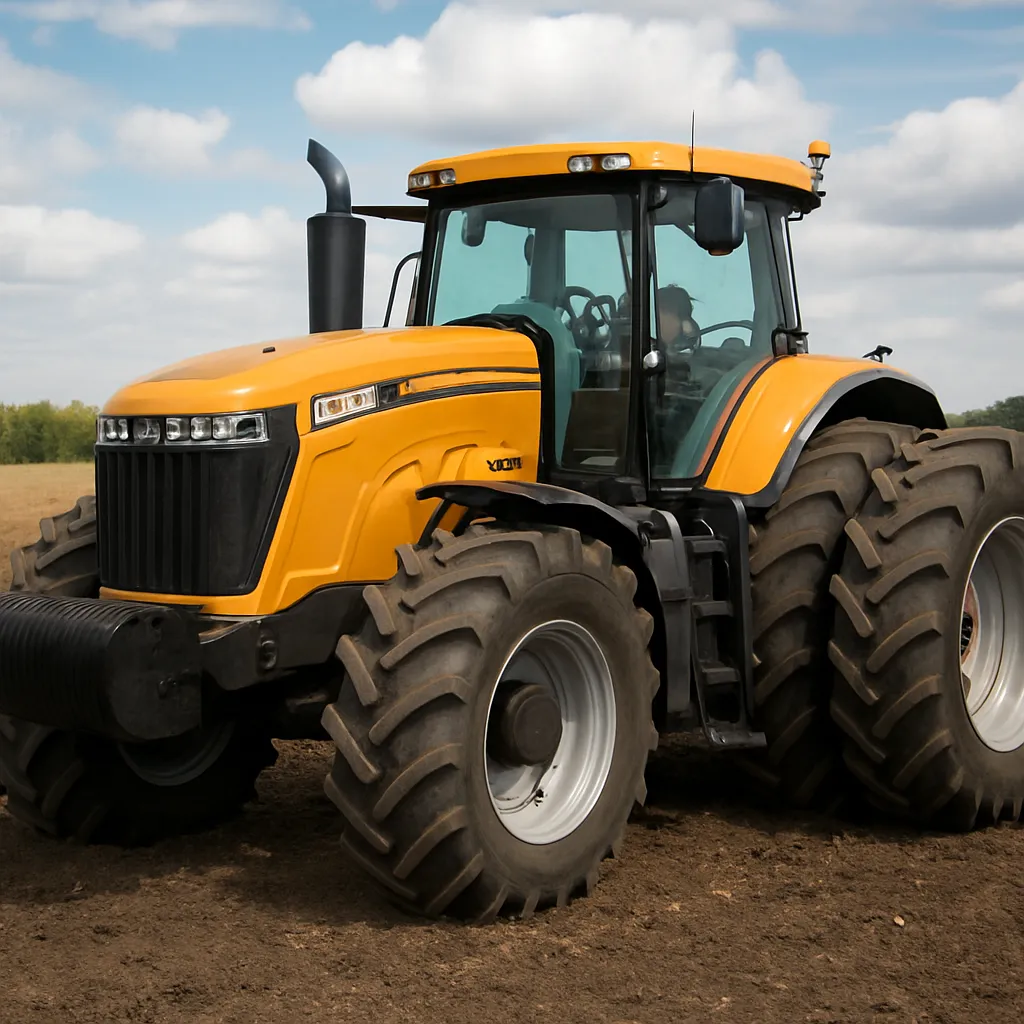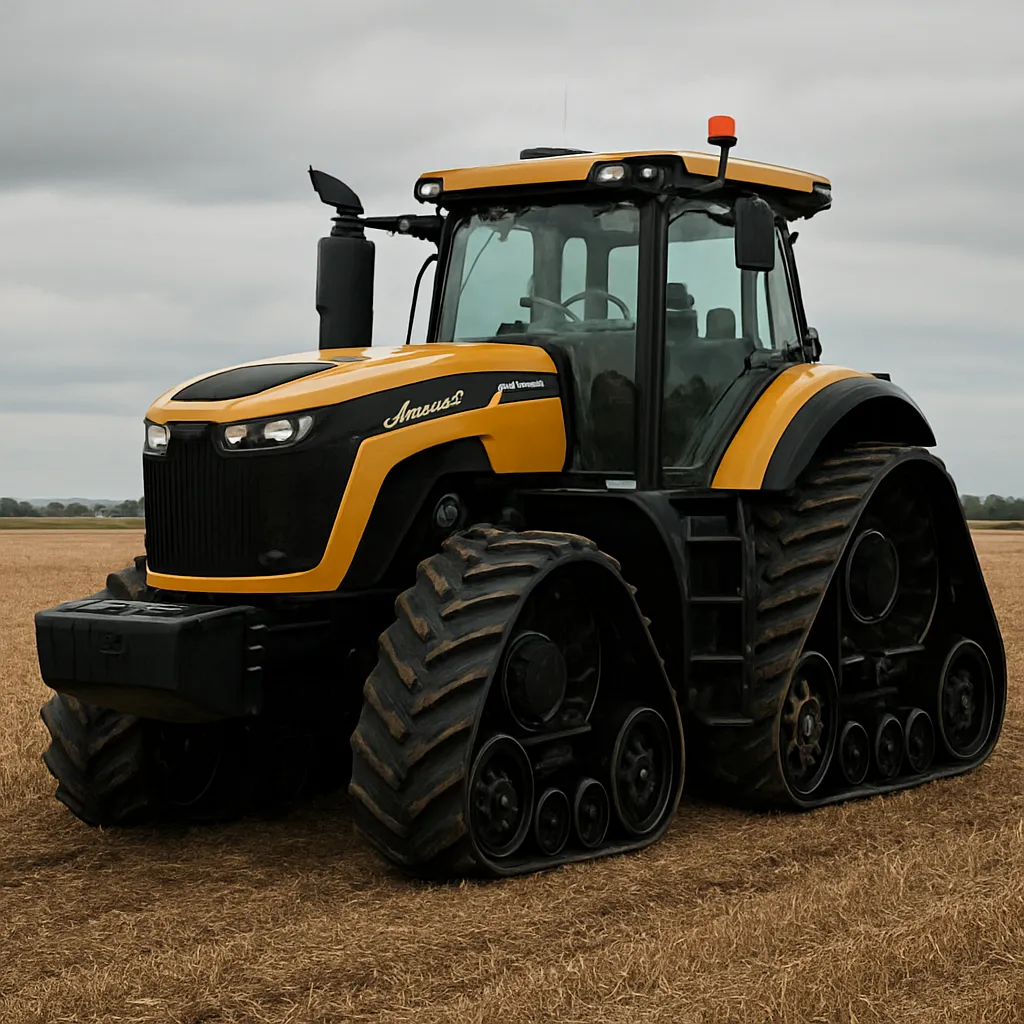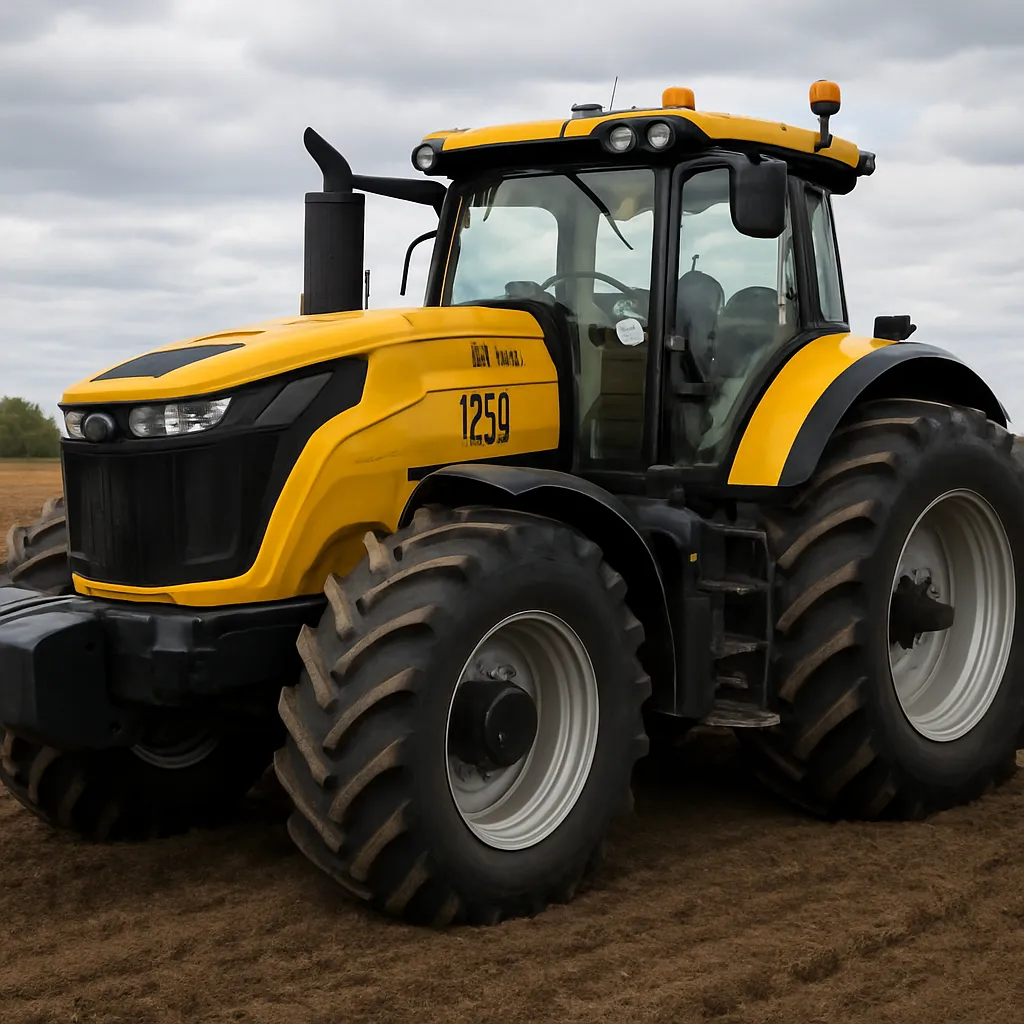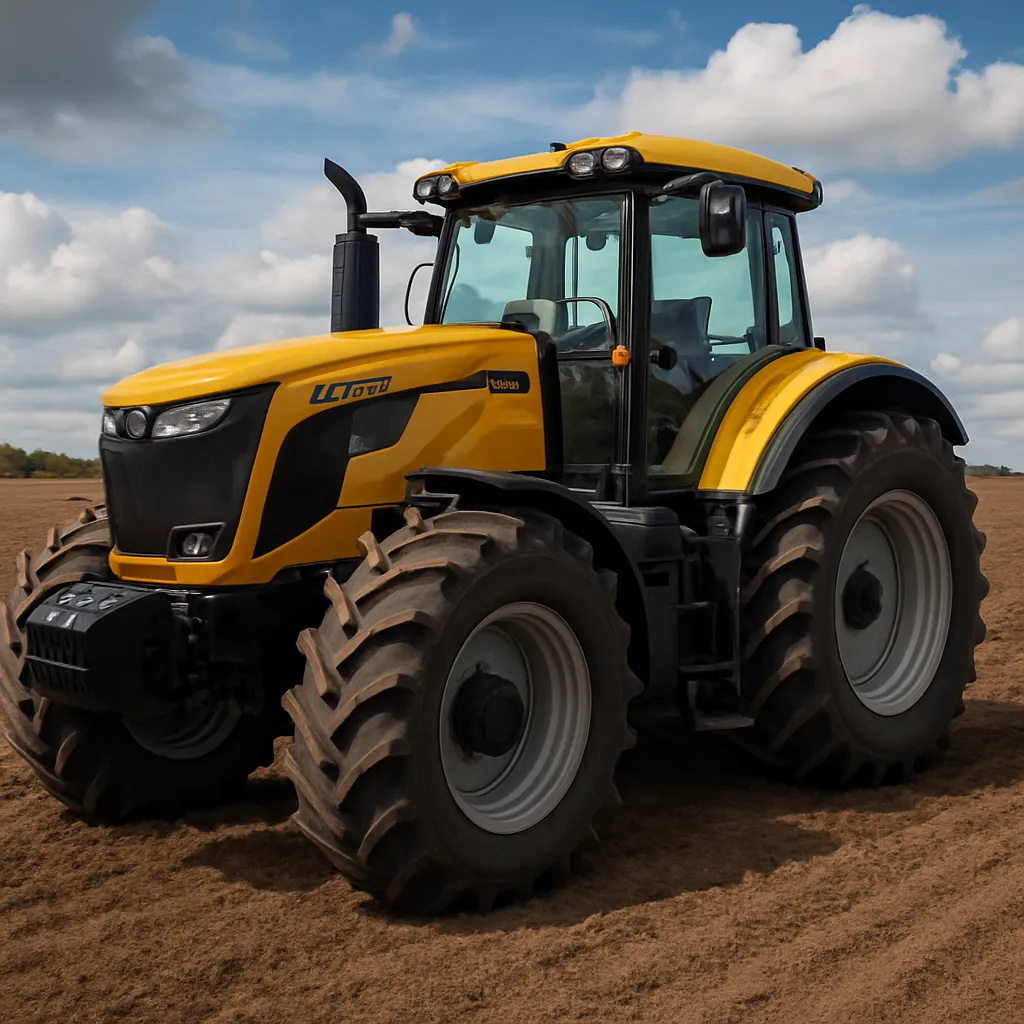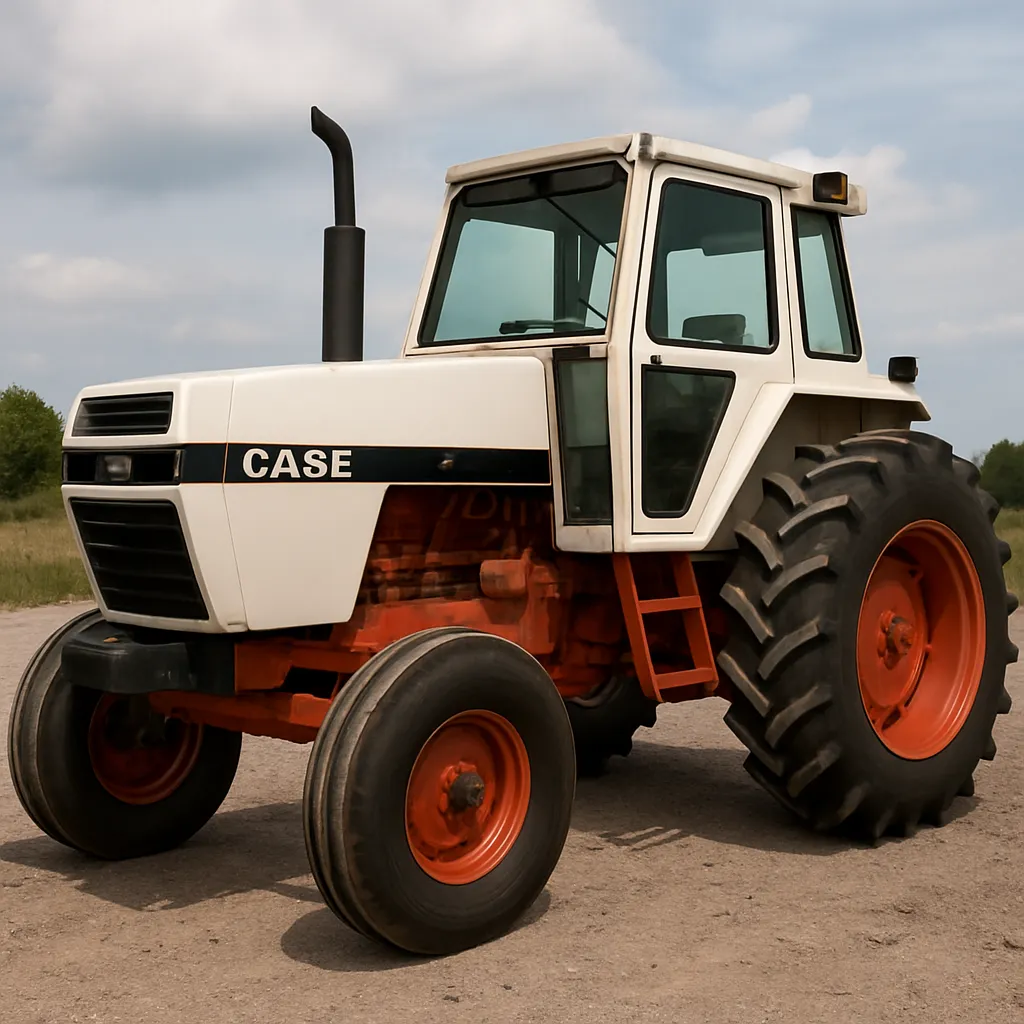
The Case 2090 is a versatile agricultural tractor that has earned recognition among farmers, contractors and smallholdings for its balance of power, durability and adaptability. Designed to perform reliably across a wide range of tasks, this model is often valued for its straightforward mechanics, comfortable operator station and compatibility with many implements. Below you will find a detailed exploration of the Case 2090: its origins and context, typical technical characteristics, practical applications, maintenance and ownership considerations, and advice for prospective buyers and operators.
Background and development
The Case marque has a long history in agricultural machinery, and the Case 2090 occupies a place as a practical utility tractor aimed at mixed farms, contractors and municipal users. While the exact production details and year-to-year specification changes can vary by market and serial batch, the 2090 was engineered to deliver a dependable mid-range performance suitable for both field and yard work.
Case 2090 was developed in response to demand for machines that combine adequate pulling power with manageable size and operating costs. The design philosophy emphasizes easy maintenance, robust construction and the ability to use a wide range of implements without extensive modification. In many markets the model replaced or supplemented earlier medium-utility tractors, targeting users who need a machine more capable than a compact tractor but without the complexity and expense of large row-crop or speciality tractors.
Technical characteristics and performance
Engine and drivetrain
The Case 2090 typically features a diesel engine tuned for reliability and torque rather than outright top speed. Typical figures cited for tractors in this class put engine output in the range of approximately 80–100 horsepower, which is adequate for ploughing, seeding and loader duties on small to medium farms. The engine is usually naturally aspirated or modestly turbocharged depending on configuration, with an emphasis on a broad torque curve to make low-speed cultivation and PTO work efficient.
Transmissions offered on tractors like the 2090 often include synchronized gearboxes or semi-powershift options, giving operators a selection of gears suited to transport and field speeds. Typical drivetrain features include:
- 4WD availability for traction-intensive tasks
- Multiple forward and reverse gears to match ground speed and implement requirements
- Dedicated PTO speeds (commonly 540 rpm and sometimes 1000 rpm) for implement compatibility
Hydraulics, PTO and lifting capacity
Hydraulic systems on the Case 2090 class normally provide medium flow rates sufficient for modern three-point hitches, loaders and rear-mounted implements. Typical hydraulic flow might be in the neighborhood of 40–60 liters per minute on many tractors of this size, with options for additional remote valves to operate multiple hydraulic cylinders or sophisticated attachments.
Lifting capacity at the rear hitch commonly ranges from around 2,000 to 3,000 kilograms (2–3 tonnes), enabling the use of heavy ploughs, large seed drills and roll balers. The front sometimes features an optional loader attachment with its own rated lift capacity enough for pallet work, manure handling and light earthmoving.
Dimensions, weights and fuel
Machines in this category tend to be compact enough to operate in tighter spaces than larger tractors but substantial enough to provide stable ballast for traction. Typical dry weight figures can fall between 3,000 and 4,500 kg depending on configuration and options. Fuel tank capacity is often sized to allow a full day of mixed fieldwork — commonly in the range of 80–150 liters.
Operator comfort and safety
Operator ergonomics are a notable consideration. The Case 2090 usually offers a roomy platform or cab, comfortable seating, clear instrument clusters and controls laid out for repeatable, low-fatigue operation. Safety features include roll-over protective structures (ROPS) on open-station models, safe access steps, lighting packages for night work and emergency shutoffs for the PTO and hydraulics.
Primary applications and typical use cases
The Case 2090 is often chosen for its versatility. Common applications include:
- Arable farming: ploughing, harrowing, seeding and cultivating medium-sized fields
- Baling and forage: powering mowers, tedders, rakes and balers via the PTO
- Loader work: material handling, feeding livestock, moving silage and general yard tasks
- Transport and haulage: short-distance transport of trailers and equipment around the farm or between fields
- Municipal and contract work: mowing roadside verges, snow clearing with front-mounted blades, and light road maintenance
Because of its balanced power and moderate weight, the model is also a common choice where soil compaction is a concern: operators can select tires and ballast to minimize surface impact compared to heavier tractors.
Advantages and notable features
The Case 2090 has several strengths that make it attractive in its segment:
- Reliability — Simple, well-proven mechanical systems make the tractor easy to service and keep in regular operation.
- Versatility — A wide range of compatible implements and optional features allows one machine to perform many roles.
- Cost-effectiveness — Lower purchase and running costs than larger specialty tractors, with good fuel economy for its class.
- Ease of maintenance — Readily accessible service points and straightforward mechanical systems suit owner-operators and small workshops.
- Operator comfort — Practical cab or platform ergonomics reduce fatigue during long working days.
Limitations and considerations
No machine is perfect for all tasks. Potential limitations to keep in mind when evaluating a Case 2090 or similar tractor include:
- It is not designed for high-horsepower inter-row or very large implements found on large commercial farms.
- Hydraulic flow and pump capacity, while adequate for many tasks, can be a limiting factor if you plan to run multiple high-demand hydraulic implements at once.
- Cab insulation and climate comfort may be basic on some older or entry-level configurations compared with modern premium tractors.
- Depending on local emissions rules and the tractor’s build year, retrofit or compliance measures might be required to meet current regulatory standards.
Maintenance, service life and operating costs
Routine maintenance is one of the strongest factors determining total cost of ownership for a Case 2090. Key maintenance actions and expectations include:
- Regular oil and filter changes for the engine, gearbox and hydraulics at manufacturer-specified intervals.
- Periodic inspections of the cooling system, fuel system and air intake components, especially if operating in dusty conditions.
- Monitor PTO and clutch wear; tractors used heavily with PTO-driven implements may require more frequent clutch service.
- Tire and ballast management to reduce soil compaction and wear on the drivetrain.
With attentive care, many agricultural tractors in this class can remain productive for 10–20+ years; total service life depends on hours of operation, maintenance quality and whether the tractor is used in harsh environments. Fuel consumption will vary by load and operation mode, but a mid-range utility tractor often achieves competitive fuel economy compared to larger machines when performing equivalent tasks.
Modernisation, retrofits and aftermarket options
Owners often invest in upgrades and retrofits to extend the usefulness of tractors like the Case 2090. Popular options include:
- Front loaders and quick-attach loader frames for expanding material-handling capability.
- GPS guidance and auto-steer retrofits to improve field accuracy and reduce operator fatigue during long seeding or spraying tasks.
- Improved lighting packages and auxiliary electrics for contractors and construction work.
- Cab comfort upgrades such as better seats, heating/air conditioning retrofits, and sound insulation.
- Emission control measures or engine tuning when local regulations change.
Aftermarket parts and service networks are an important consideration. The ease of sourcing filters, belts, hydraulic components and electrical parts plays a major role in minimizing downtime and repair costs.
Buying, resale and market considerations
When looking to purchase a Case 2090, either new (if available in current markets) or used, weigh the following factors:
- Service history and documented maintenance are often more important than cosmetic condition.
- Hours on the engine and PTO are key indicators of remaining life—lower hours generally translate to longer useful life but also consider whether the tractor was properly maintained.
- Check for signs of hydraulic leaks, transmission slippage, smoke on start-up and excessive play in steering components.
- Availability of spare parts in your region and local dealer support can greatly affect ownership satisfaction.
Resale values for tractors like the Case 2090 depend on regional demand, age, condition and configuration. Well-maintained examples hold value better—especially when fitted with desirable options like a cab, front loader or upgraded hydraulics.
Practical tips for operators
- Perform a daily pre-start check: fluid levels, tyre pressures, visual inspection for leaks or damage, and secure hitching points.
- Match implements to the tractor’s rated capacity—overloading can cause premature wear and safety hazards.
- Use appropriate ballast and tyres to balance traction and minimise soil compaction for fieldwork.
- Follow manufacturer-specified maintenance intervals and use recommended lubricants and filters where possible.
- When storing the tractor for extended periods, clean external components, top up fluids and protect electrical connectors to prevent corrosion.
Environmental and regulatory aspects
As emissions regulations evolve, older tractor models may require attention to meet new standards. Strategies include regular engine tuning, use of low-sulfur fuels and, where applicable, retrofits such as particulate filters or selective catalytic reduction (SCR) systems if compatible with the engine. Efficient operation—matching engine speed to load and avoiding unnecessary idling—reduces fuel use and emissions.
Final appraisal
The Case 2090 stands out as a practical, adaptable tractor for operators who need dependable mid-range performance without the complexity of larger, more specialised machines. Its best qualities are versatility, relatively low operating costs and ease of maintenance. While exact specifications vary by configuration and year, the model typically offers a solid balance of horsepower, hydraulic capacity and PTO functionality for a wide array of farm and municipal tasks.
When considering a purchase, prioritize documented maintenance history, inspect condition and confirm the availability of parts and service in your area. With proper care and sensible use, a Case 2090 can be a long-lived asset, delivering reliable service across many seasons and a diverse set of tasks.