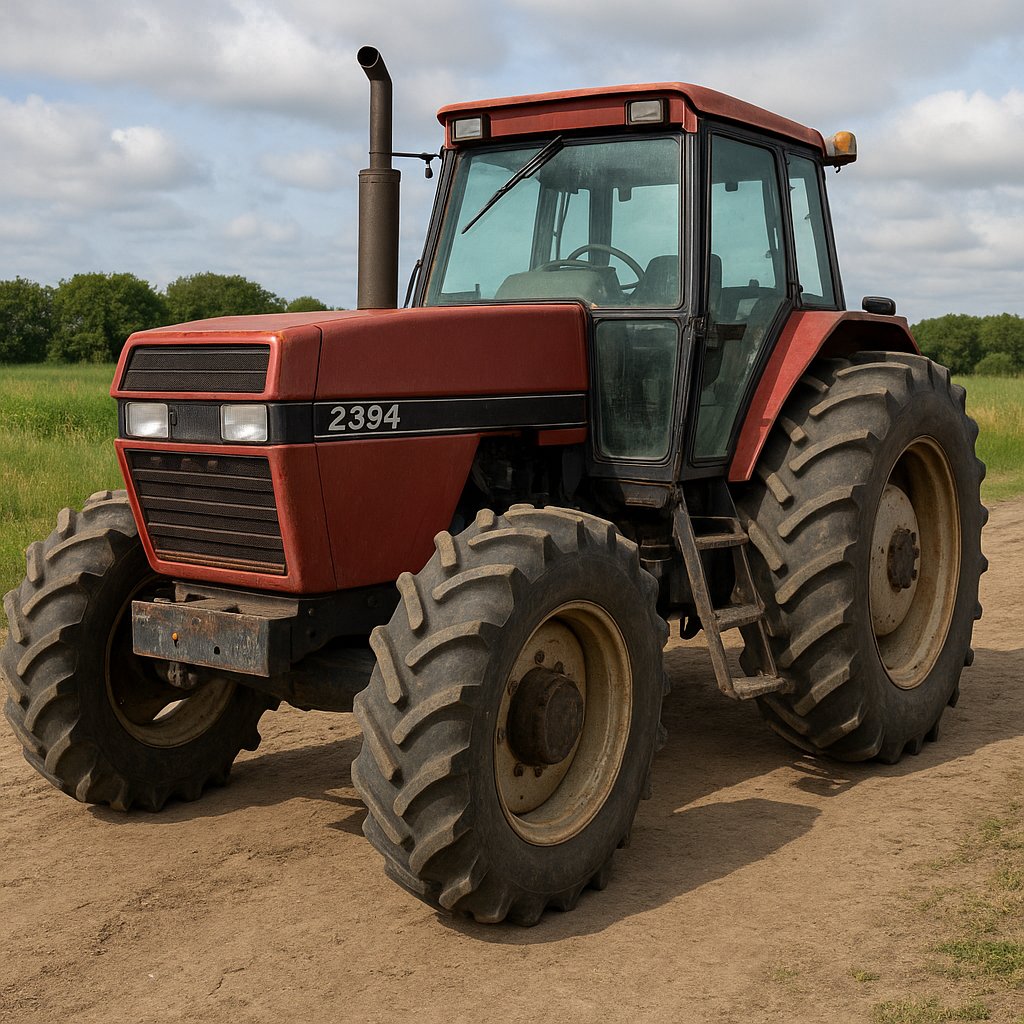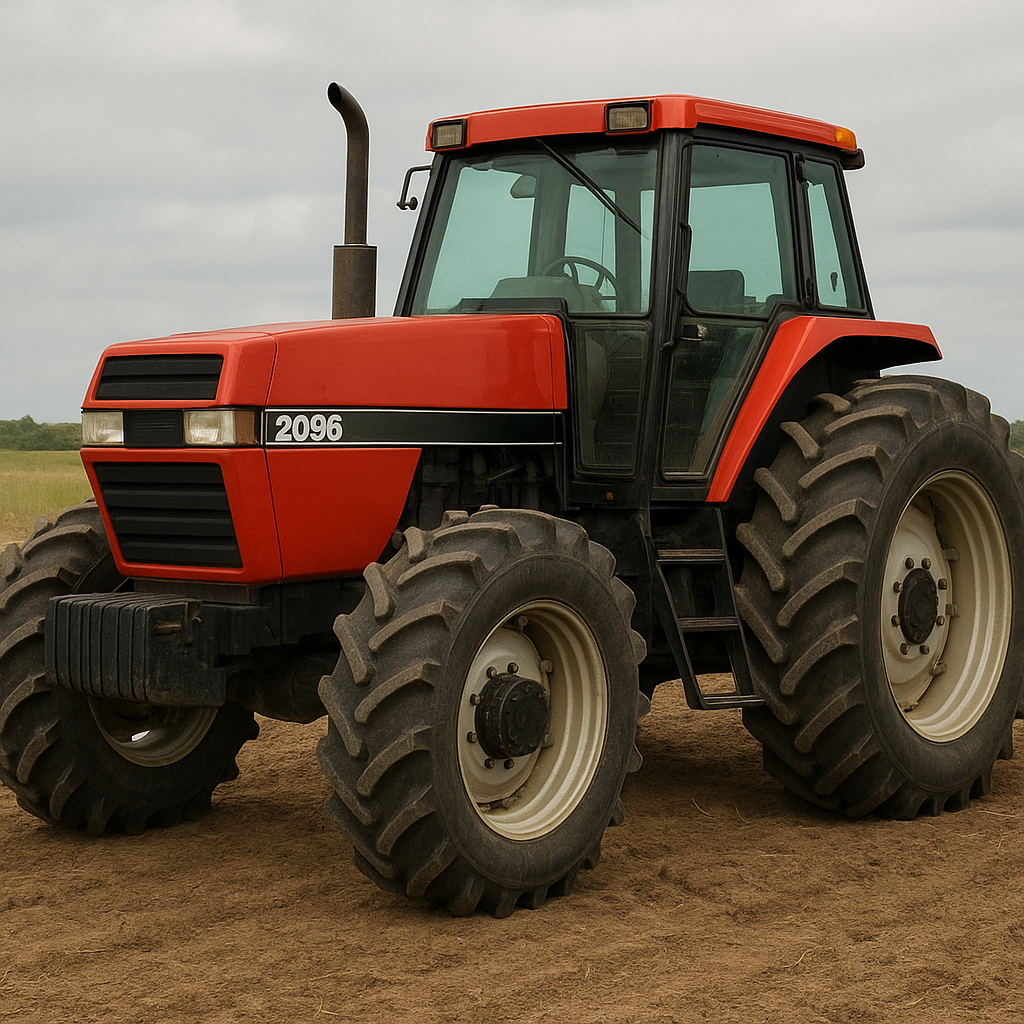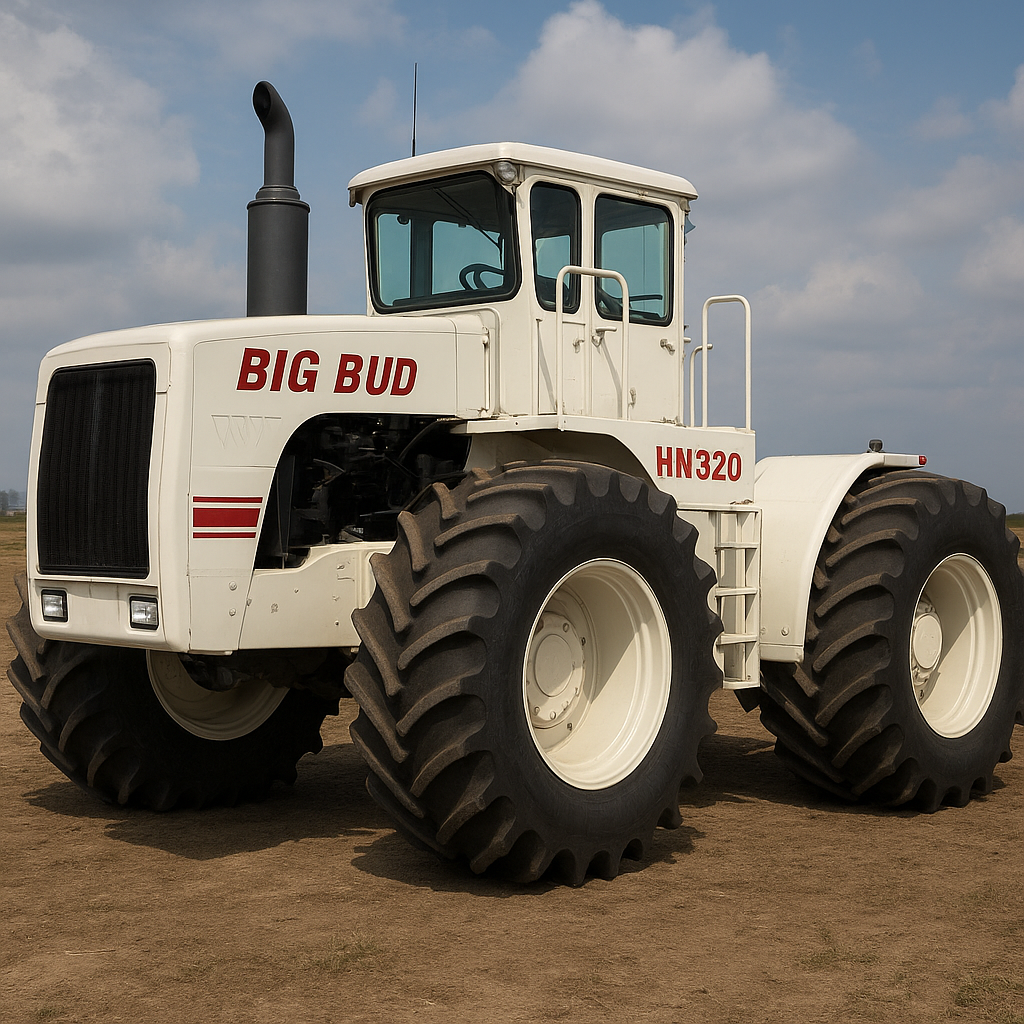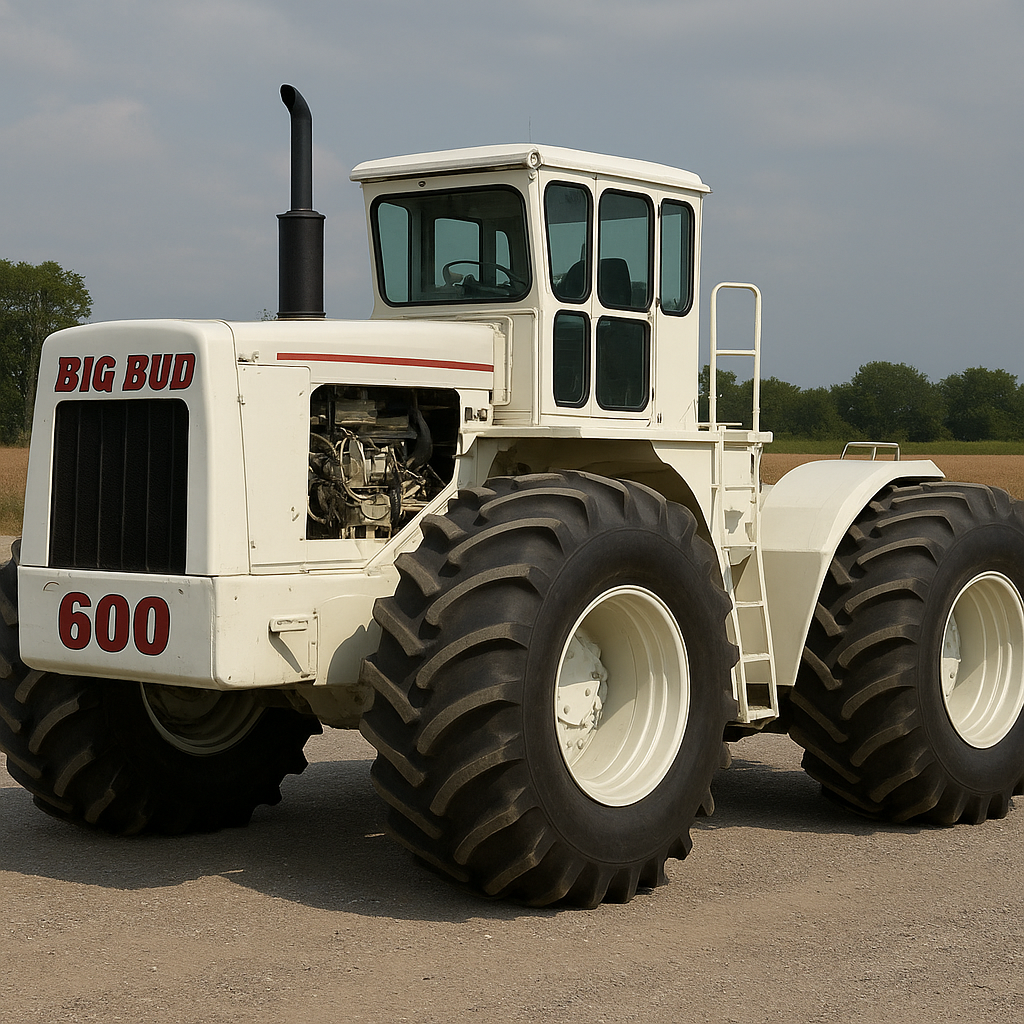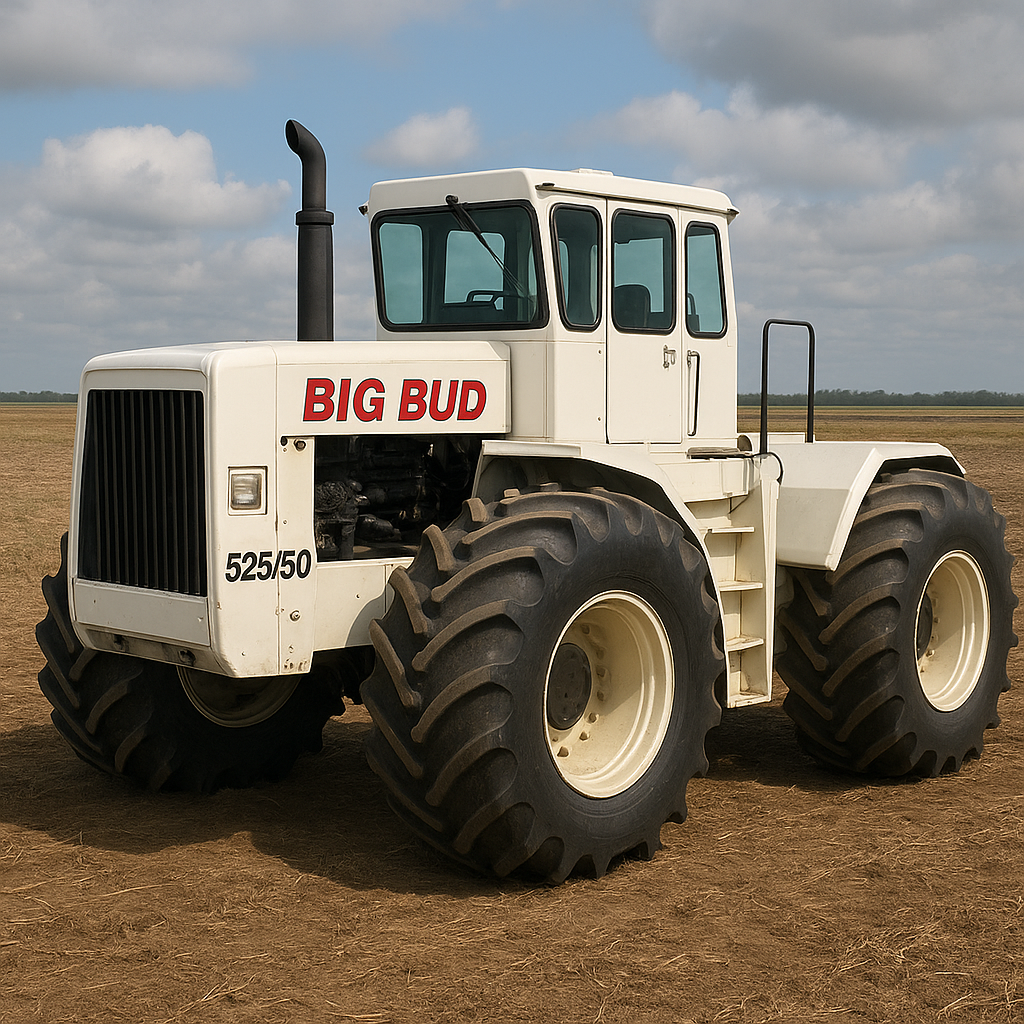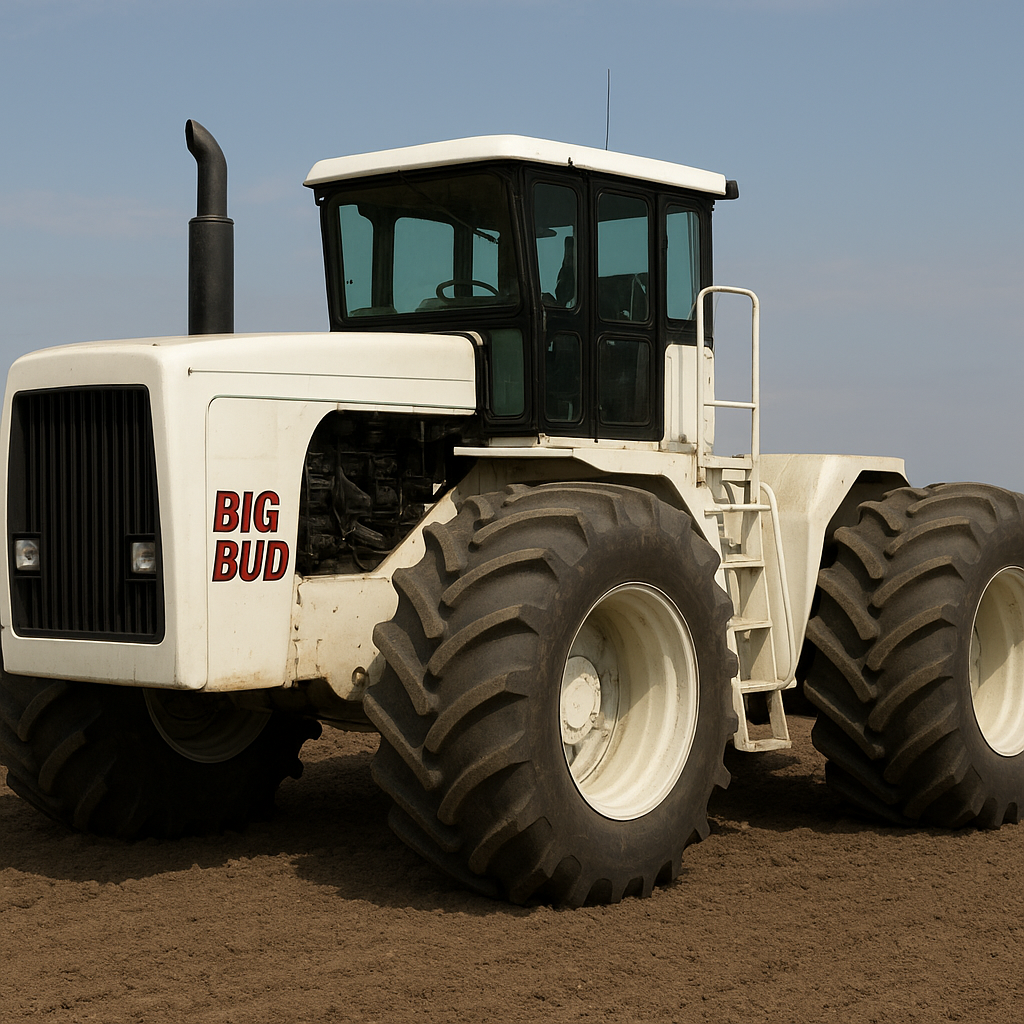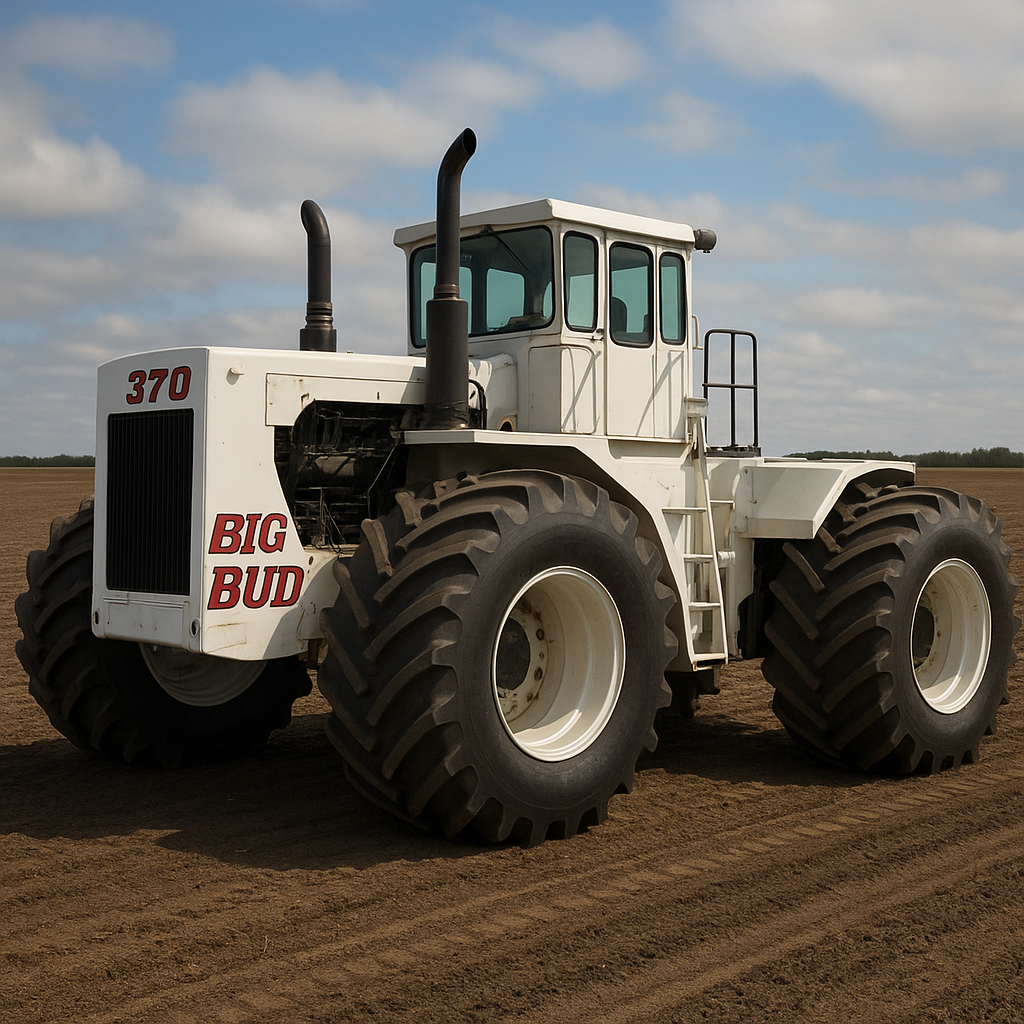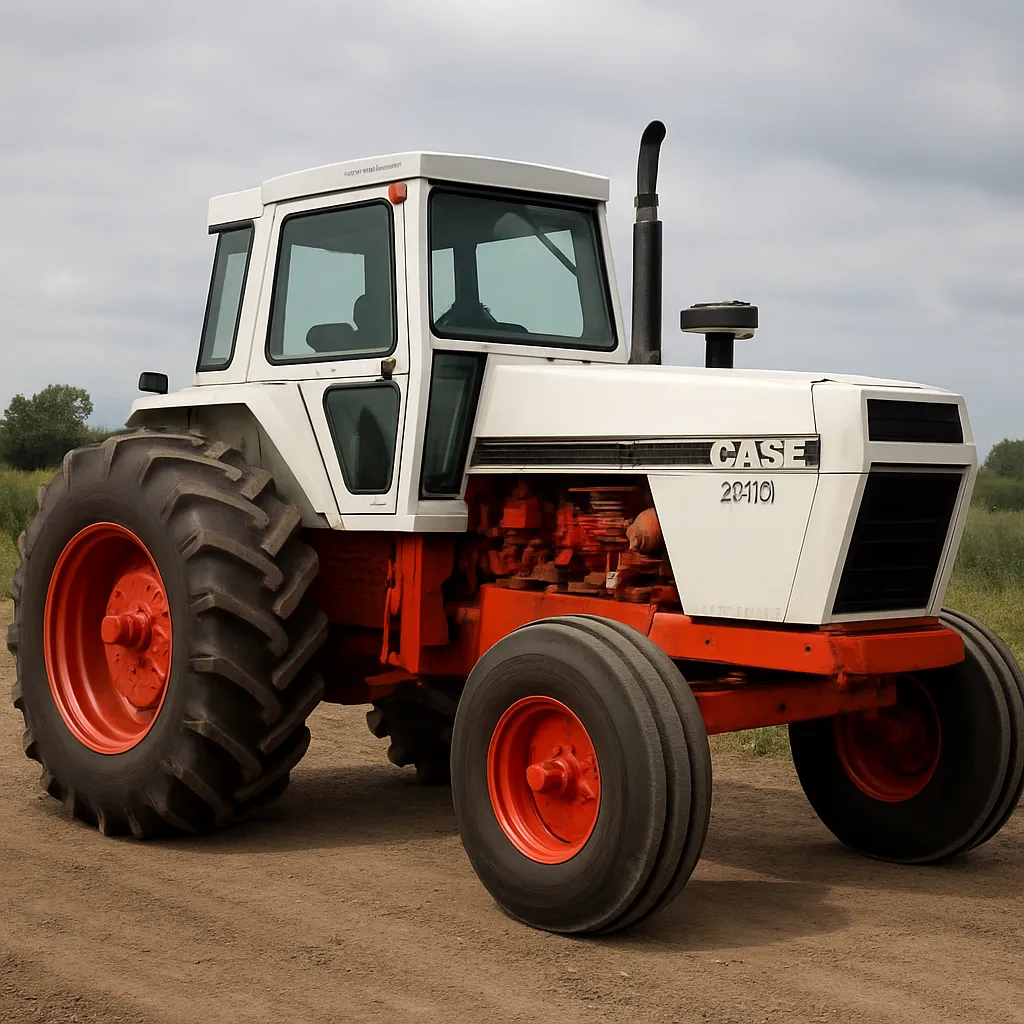
The Case 2470 Traction King is a well-regarded model in the lineage of medium-duty agricultural machines produced under the Case name. Built for a balance of power, reliability and adaptability, this tractor has served a wide range of users from small family farms to contractors needing a dependable workhorse. In this article you will find an overview of its history, technical characteristics, typical applications, maintenance advice, market position and practical guidance for prospective buyers or restorers. The goal is to present a useful, realistic picture of the machine commonly referred to as the Traction King and highlight the features that make the Case 2470 stand out in its class.
Overview and historical background
The Case name has a long tradition in agricultural machinery, and models like the Case 2470 emerged to meet the needs of farmers during an era when versatility and mechanical simplicity were prized. Although production dates, factory options and regional variants can differ, tractors of the 2470 family were typically marketed as a mid-range solution: more powerful than light-duty models but smaller and more maneuverable than the large row-crop or industrial tractors. The nickname Traction King reflects the model’s reputation for good field traction, robust drivetrains and the ability to handle a variety of ground-engaging tasks.
Historically, tractors in this segment were built to be serviceable in the field, with straightforward mechanical systems and widely available parts. That philosophy helped the Case 2470 gain a long service life on many farms and explains why many examples are still in use or preserved by enthusiasts. Regional differences in equipment — such as cab configurations, front axle options and hydraulics — mean that any discussion of the model must account for variety, but the core strengths remain consistent: practical power delivery, reliable mechanical components and long-term durability.
Design and technical characteristics
Engine and powertrain
The Case 2470 was designed around a reliable diesel powerplant optimized for agricultural duty cycles. Diesel engines offered steadier low-end torque and better fuel efficiency for fieldwork, which is why they became the industry standard for tractors. Typical features you will find on machines in this class include mechanical fuel injection, robust cooling systems, and simple-to-service filters and belts, all intended to minimize downtime during the busy seasons.
- Engine layout: inline configuration common, tuned for low-end torque rather than high-RPM power.
- Fuel: diesel, with emphasis on fuel-efficient operation under load.
- Ignition and starting: strong cranking systems suited to heavy compression engines and cold starts.
Transmission and driveline
Transmissions for the Case 2470 typically prioritize durability and ease of use. Whether equipped with a basic synchronized gearbox, power shift or a range-split transmission, the idea was to provide enough gear choices to match field speeds, transport needs and PTO-driven implement requirements. Many owners appreciate the simplicity, since the fewer the electronics and complicated hydraulic controls, the easier repairs tend to be on older tractors.
- Gearbox: multiple forward and reverse ratios to suit both field work and road transport.
- Drive options: both two-wheel and four-wheel drive configurations were common, contributing to the model’s nickname as a traction performer.
- Final drives: planetary or reduction gearboxes designed for longevity under load.
Hydraulics, PTO and implement compatibility
One of the strong points of the Case 2470 was practical implement compatibility. The hydraulic system generally provided sufficient capacity for standard three-point hitch operations and for running common implements like plows, cultivators, seed drills and loaders. A live PTO allowed operators to use powered implements independently of the movement of the tractor, a major convenience for balers, mowers and other PTO-driven machines.
- PTO: standardized PTO speeds and live engagement for safe implement operation.
- Hydraulics: open-centre or simple closed-centre systems depending on configuration, adequate for medium-lift three-point hitch tasks.
- Hitch category: commonly compatible with Category II implements, enabling a wide range of attachments.
Chassis, cab and ergonomics
Built with a focus on serviceability and operator comfort (within the era’s expectations), the 2470 typically featured practical controls, accessible service points and options for a basic shelter or a full cab depending on buyer preferences. Visibility and straightforward instrument clusters made the tractor easy to operate for long hours, while the robust frame handled loader and rear-mounted implements without excessive flex.
- Cab options: open station, roll-over protective structures (ROPS) and enclosed cabs where regulations and customer preference demanded.
- Tire and ballast options: adaptable to soil conditions and traction needs.
- Service access: panels and components positioned to make routine maintenance tasks simpler.
Typical applications and use cases
The strength of a model like the Case 2470 lies in its versatility. It is designed to be a generalist that performs reliably across many tasks rather than a specialist built for a single purpose. Common applications include:
- Primary cultivation: plowing, harrowing and seedbed preparation with medium-intensity implements.
- Hay and forage work: mowing, tedding, raking and baling when fitted with the correct PTO-driven implements.
- Transport and general farm tasks: hauling trailers, feed distribution and field-to-barn transport at moderate road speeds.
- Loader work: front-end loader operations for material handling, stacking bales and light excavation.
- Horticulture and orchard use: when a narrower track or special tires are fitted, the tractor can be adapted for orchard tasks and vineyard work.
- Municipal and contractor roles: snow clearing, mowing public lands and other light contracting duties.
Because of the model’s balanced power and accessible service parts, many mixed farms found the Case 2470 ideal for seasonal shifts — from spring planting through summer haying and fall harvest cleanup, then winter maintenance and snow removal.
Operation, maintenance and common issues
Routine maintenance recommendations
Keeping a machine like the Case 2470 in top condition requires regular attention to several systems. Due to its mechanical simplicity relative to modern tractors, many owners find they can perform a great deal of preventive maintenance themselves.
- Engine oil and filter changes according to operating hours and load intensity.
- Fuel system maintenance: clean or replace fuel filters and, where present, water separators.
- Air filtration: replace elements regularly, especially when operating in dusty field conditions.
- Hydraulic fluid and filter maintenance to avoid pump wear and maintain lift capacity.
- Tire pressure and wheel torque checks to ensure safe traction and reduce uneven wear.
Common wear points and troubleshooting
As with any tractor of its age, certain components tend to require more attention:
- Hydraulic seals and hoses — aging rubber parts can leak or fail and are relatively inexpensive to replace.
- Clutch wear in tractors used heavily for loader and frequent engagement tasks.
- Electrical systems — starter motors, alternators and wiring may need refurbishment or replacement as units age.
- Fuel system contamination — water and debris in tanks can cause injector or pump problems, so keeping tanks clean is essential.
Because many parts are shared with other models of the same era and because aftermarket suppliers and salvage yards often stock spares, component replacement tends to be straightforward. The overall durability of the chassis and core mechanicals is one reason these tractors still appear in active service or as restored examples.
Market, collectability and modification
On the used market, the Case 2470 is generally seen as a practical purchase rather than a high-end collectible — though well-maintained, low-hour examples do attract buyers who appreciate both function and nostalgia. Values depend on hours, condition, presence of a cab or loader, and whether a buyer seeks an original patrol-ready workhorse or a restoration project.
Common modifications and upgrades
- Front loaders — turning the tractor into a multi-purpose handler for material and lifting tasks.
- Cab retrofits and heating/air upgrades for improved operator comfort.
- Modern lighting and electrical upgrades for safe road transport and night work.
- Hydraulic improvements — adding remote valves or a higher-capacity pump for specialized implements.
Collectors value original paint, decals and intact serial plates, while working farmers often prioritize mechanical soundness and updated components that reduce downtime. When considering a purchase, think about the intended role: restoration and display will emphasize originality, whereas continued field service favors practical upgrades.
Comparisons with contemporaries and alternatives
The Case 2470 is most often compared with mid-range models from brands such as Ford, Massey Ferguson, John Deere and International Harvester of the same period. Buyers tend to weigh factors like service network, parts availability, fuel economy, ease of repair and comfort features.
- Against smaller tractors: the 2470 usually offers superior traction and lifting capacity for medium implements.
- Against larger tractors: it is more maneuverable and economical but lacks the heavy drawbar capacity and hydraulic flow of larger models.
- Against contemporary rivals: the decision often comes down to local parts support and operator familiarity; mechanical simplicity is a big advantage.
Buying advice and practical checklist
For a prospective buyer, an informed inspection can prevent surprises. Consider the following checklist when evaluating a Case 2470:
- Engine health: check for smoke under load, compression condition if possible, and evidence of oil leaks.
- Transmission and clutch: test engagement under load and listen for unusual noises in the gearbox.
- Hydraulics and PTO: verify lift capacity, check for leaks and test PTO engagement under load.
- Frame and axles: look for structural repairs, welds or severe rust, particularly around axle mounts and loader subframes.
- Service history and hours: logs or seller knowledge of maintenance schedules can be invaluable.
- Attachments and accessories: determine what is included — loaders, extra wheels, implements — and their condition.
When possible, have a qualified mechanic perform a pre-purchase inspection, especially if the tractor will be used for demanding tasks. A sound chassis with a rebuilt engine or new filters and belts can represent very good value in the used market.
Final observations
The Case 2470 Traction King occupies a useful niche as a dependable, adaptable medium-duty tractor that continues to earn respect for its practical design and long service life. Its combination of straightforward mechanics, broad implement compatibility and reputation for steady traction make it suitable for a wide variety of agricultural and light industrial tasks. Whether sought by a working farmer needing a reliable machine or a restorer attracted to a classic, the model delivers a blend of performance and maintainability that has kept it relevant long after initial production.