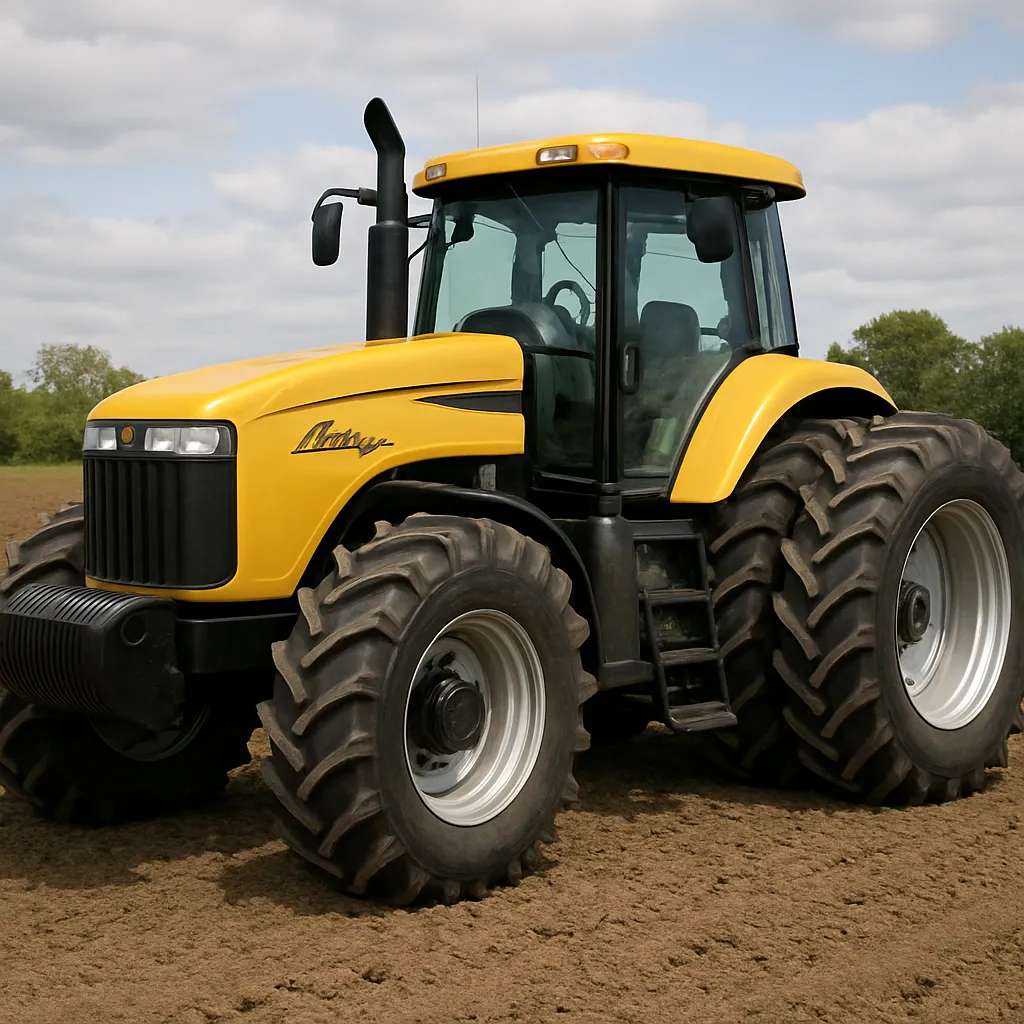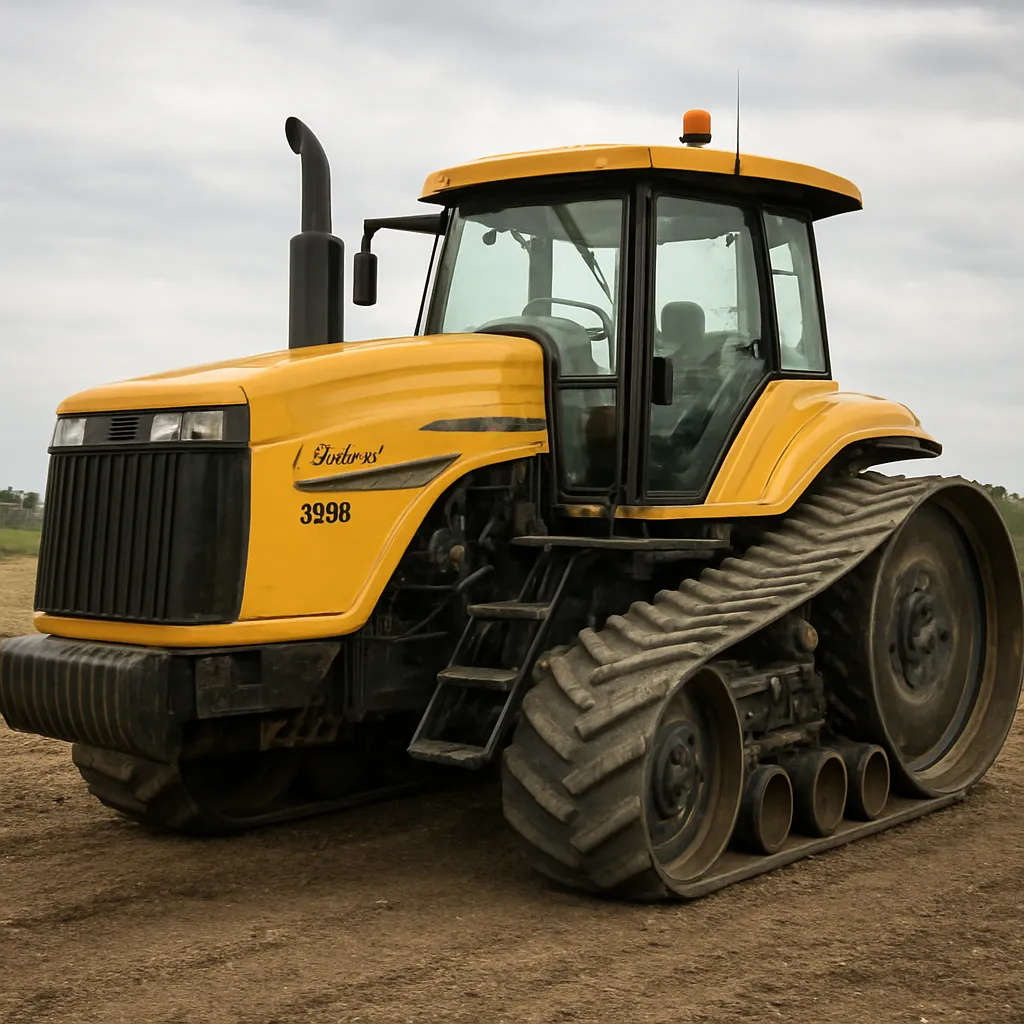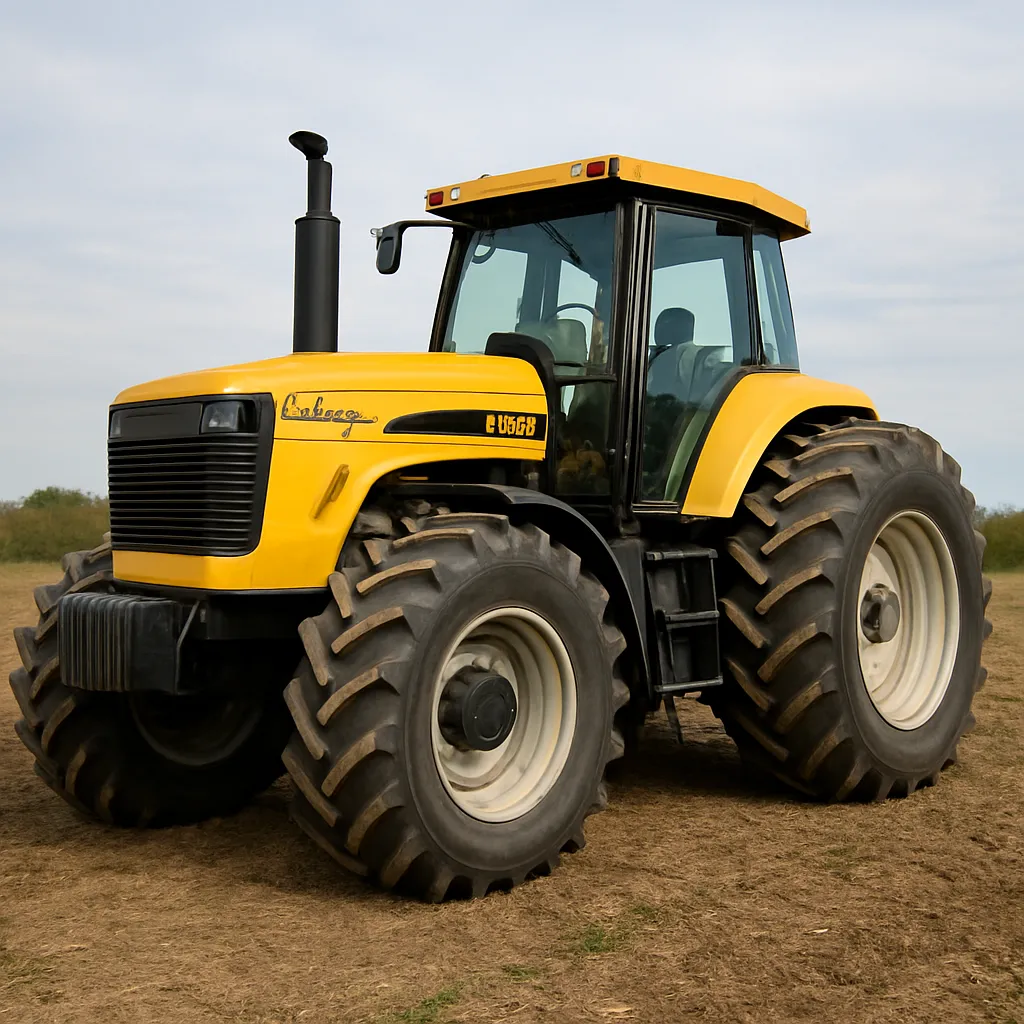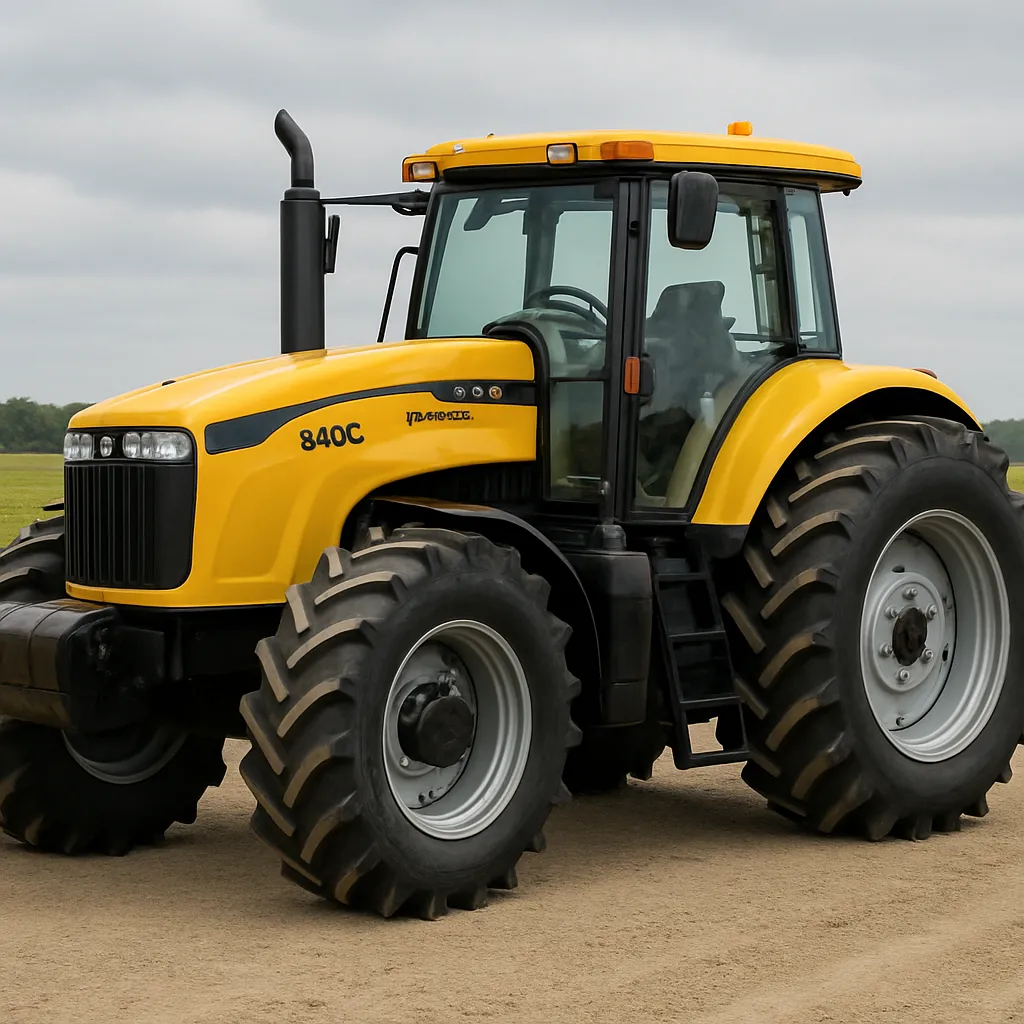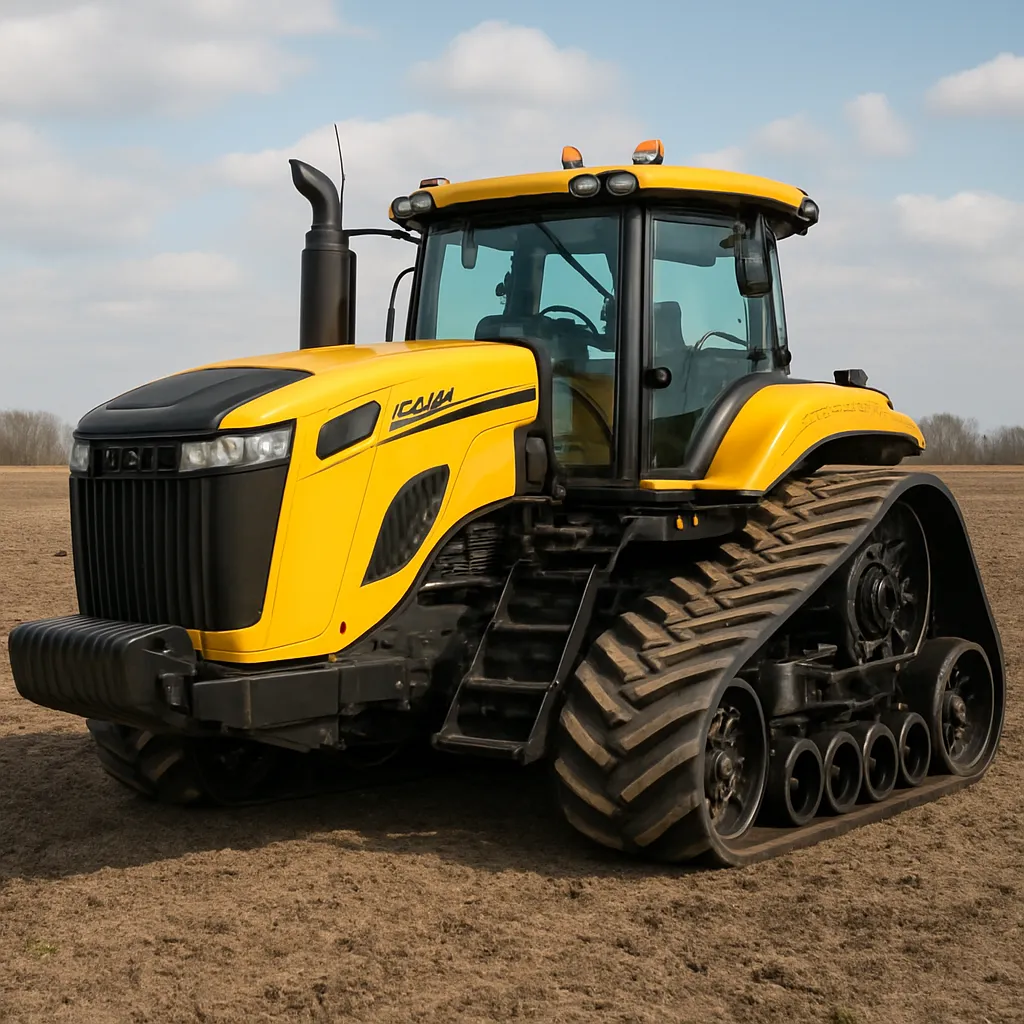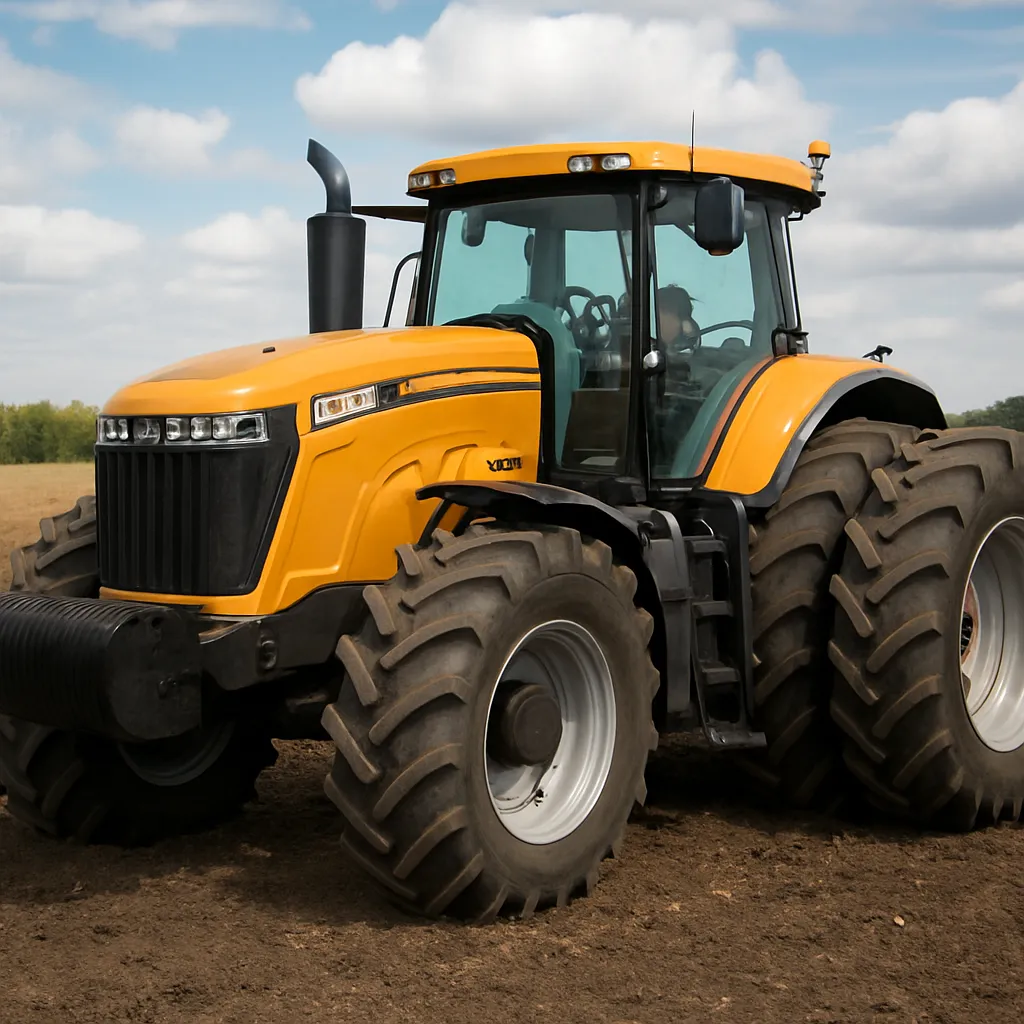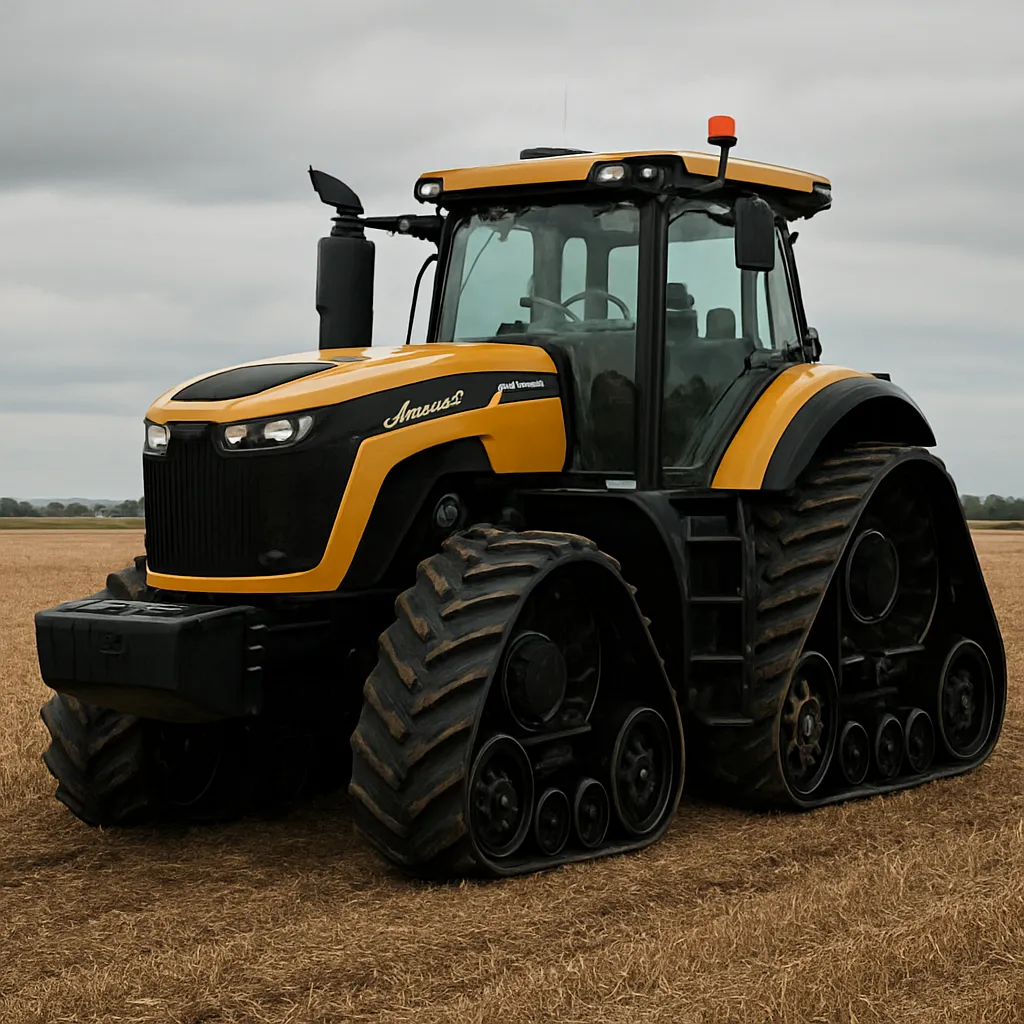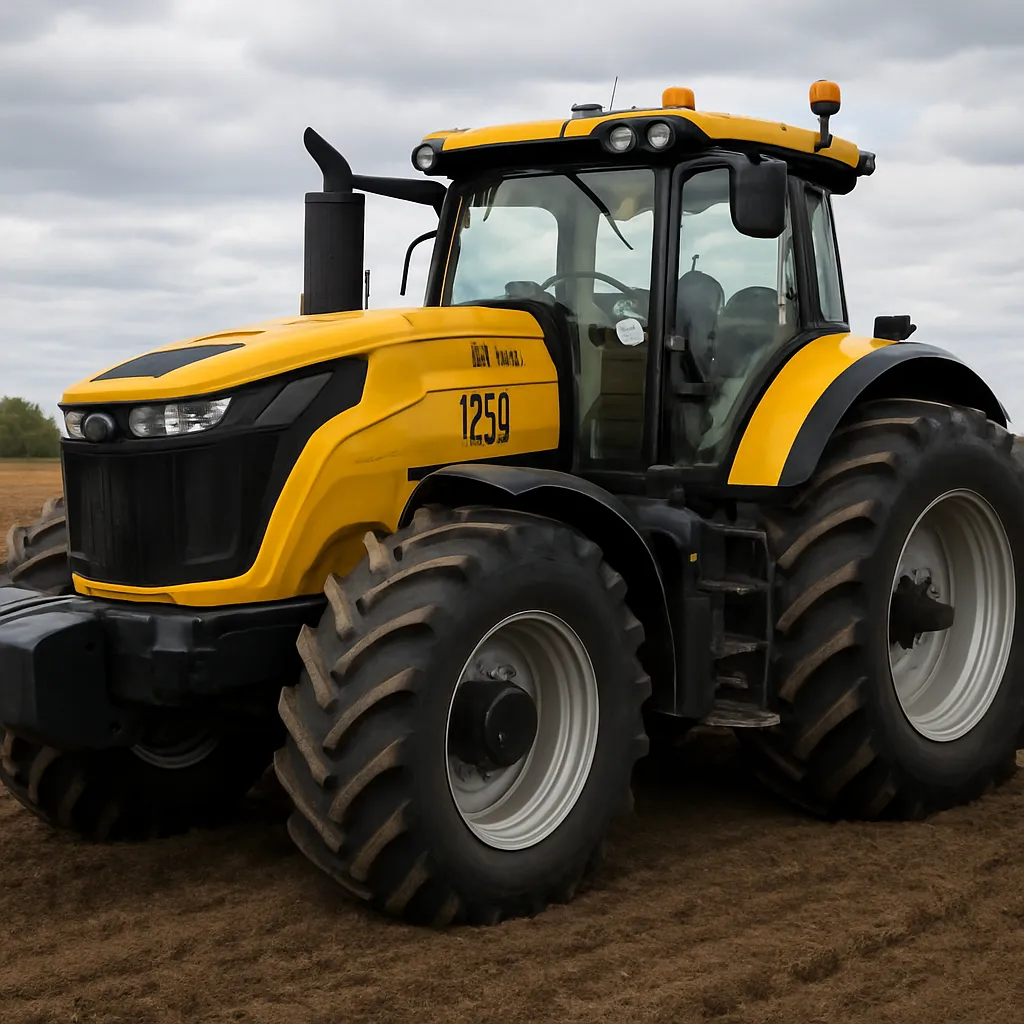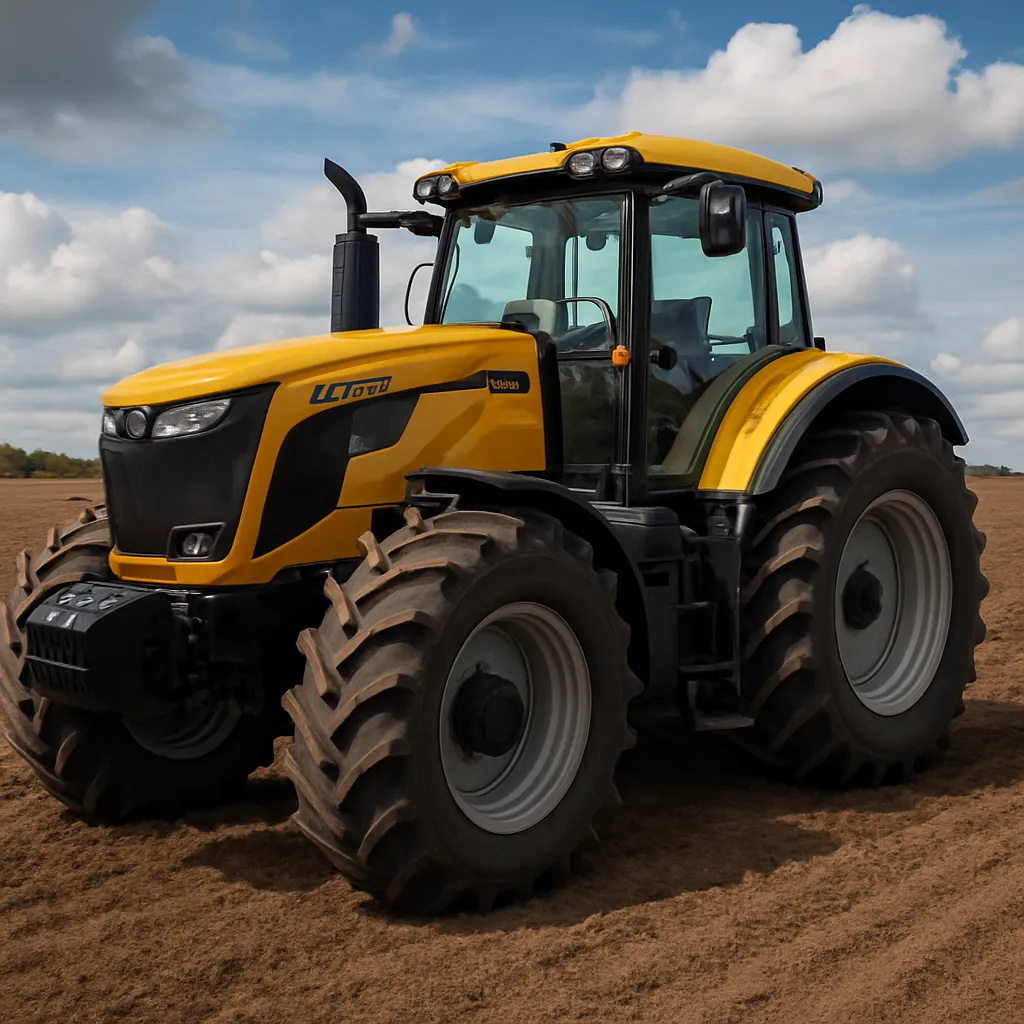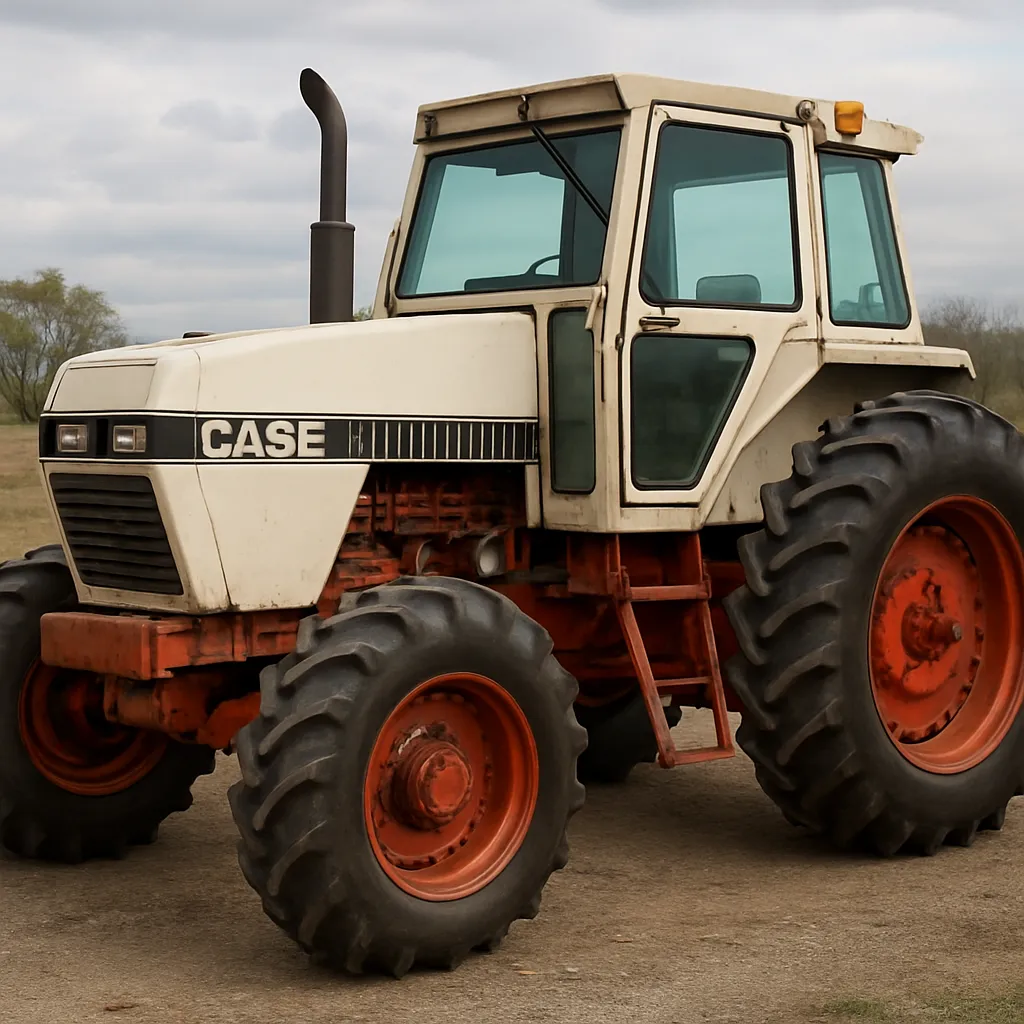
The Case 2590 is a practical and widely recognized agricultural machine that has earned a place in the fleets of many farmers, contractors and land managers. While specific configurations and model years vary, the 2590 nameplate generally refers to a utility/row-crop class tractor known for balanced performance, straightforward mechanical design and adaptability to a variety of tasks. This article explores the machine’s background, technical characteristics, typical applications, care and maintenance, and its place in today’s market.
History and design philosophy
The lineage behind the Case 2590 traces back to a long tradition of practical farm tractors produced under the Case and later Case IH brands. Designers prioritized a combination of durability and accessibility—machines that could perform a wide range of duties while being easy to service in the field. The result was a tractor that appealed to smaller and mid-sized farms as well as contractors who needed a dependable workhorse.
From the outset, the intent behind the 2590-class tractors was to deliver a machine with good torque, simple transmission options and robust hydraulics so it could pull implements, run PTO-driven equipment and handle loader work. The styling emphasized function over flash, with a driver-oriented layout and controls that were familiar to operators coming from other utility tractors.
Technical characteristics and performance
Technical specifications for the Case 2590 vary by year, market and specific configuration (two-wheel drive vs. four-wheel drive, cab vs. open station, and transmission choices). Generally, tractors in this category are sized for farms that require a blend of field power and maneuverability.
- Engine and power: These tractors are typically fitted with diesel engines delivering in the range of approximately horsepower from the mid-70s to around 100 hp, depending on the model year and tuning. The engines were designed for steady torque delivery rather than high-revving output, emphasizing pull and load-carrying capability.
- PTO and driveline: A standard driveline setup includes rear PTO (commonly 540 rpm) with optional 1000 rpm on certain configurations. PTO availability makes the machine useful for rotary cutters, balers, mowers and other PTO-driven implements.
- Transmission: Options often include a synchromesh gearbox with multiple forward and reverse gears or an optional power shift on higher-end variants. The transmission choices allowed operators to match speed ranges to tasks—transport, tillage or planting—with relative ease.
- Hydraulics and lift capacity: Hydraulic systems were sized to operate 3-point implements and front loaders. Hitch lift capacity commonly suited medium-sized implements, offering the lift and control required for plows, planters and rear-mounted spreaders.
- Weight and stability: The machine’s weight provided a balance between traction and soil compaction, offering enough ballast to pull implements without being overly heavy for lighter soils.
While these are broad characteristics rather than precise model-by-model numbers, they indicate why the Case 2590 class of tractors became popular: a practical balance of engine strength, driveline flexibility and hydraulic capability for everyday farm work.
Applications and typical uses
The versatility of the Case 2590 has made it a common sight in many agricultural settings. Typical applications include:
- Field cultivation: Tillage, harrowing and stubble management are everyday tasks for which the tractor’s torque and rear hitch capacity are well-suited.
- Seeding and planting: When paired with seeders or planters sized to the tractor’s power band, the 2590 works well for small- to mid-scale planting operations.
- Hay and forage: With appropriate PTO-driven implements, the tractor handles mowing, raking and baling duties. The combination of consistent PTO and adequate hydraulic control is valuable for forage operations.
- Loader work and material handling: Many units are fitted with front loaders, turning them into multi-purpose machines for moving silage, manure, feed and general materials.
- Transport and utility tasks: On mixed farms and estates, the 2590 performs mowing, towing trailers, snow clearing with front-mounted blades and other seasonal tasks.
- Contracting and municipal work: Contractors and local authorities often use these tractors for grounds maintenance, road verge mowing and small-scale infrastructure tasks due to their adaptability.
Operators value the model for its ability to switch between tasks quickly, making it an economical option for farms where a single tractor must cover multiple roles.
Maintenance, reliability and operator tips
One of the strong points of the Case 2590-class tractors is the relative simplicity of maintenance compared with modern, electronics-heavy machines. A straightforward mechanical layout means that routine servicing and common repairs can often be done on-site with standard workshop tools.
- Preventive maintenance: Regular oil and filter changes, fuel system servicing, and attention to cooling systems are essential to keep diesel engines running reliably. Addressing hydraulic fluid and filter intervals preserves hitch responsiveness and loader function.
- Tire and ballast management: Proper tire pressure and ballast adjustment ensure traction without excessive soil compaction. This is especially important for tillage and row-crop work.
- Electrical system care: While simpler than newer models, the CASE 2590 electrical components (starter, alternator, lights) still benefit from corrosion checks and secure connections to avoid downtime.
- Common wear items: Clutches, brakes, and PTO couplings are normal wear items—inspecting them during seasonal maintenance minimizes the risk of in-field failures.
Owners often report that keeping a small stock of common spares—filters, belts, hoses and a basic gasket set—greatly reduces repair time. Because many parts are shared among a range of Case and Case IH models, parts availability is typically reasonable on the used machine market.
Fuel efficiency and operating costs
Actual fuel consumption depends on engine size, load, field conditions and operator technique. As a general statement, tractors in the 75–100 hp class used by medium-size farms often average fuel consumption in the range of several liters per hour under field load—higher during heavy draft operations and lower during light PTO or transport work.
Operating cost considerations include fuel, tires, routine maintenance, and depreciation. Owners aiming to optimize efficiency focus on correct implement sizing, minimizing short, high-rev transport runs, and maintaining proper engine tune and hydraulic settings.
Safety features and operator comfort
Safety and ergonomics in Case 2590-class tractors were developed to meet the expectations of their time. Standard safety elements include ROPS (roll-over protective structure), seat belts, and clear placement of controls within easy reach of the operator. Cab versions add weather protection, heating and sometimes basic heating/air systems for greater operator comfort during long days.
Visibility, straightforward instrument layouts and durable seating help reduce operator fatigue. For loader-equipped units, visibility over the hood and loader arms is an important design consideration to enable precise material handling.
Market presence, resale and collectibility
On the second-hand market, Case 2590 tractors appeal to buyers seeking a cost-effective machine that provides practical utility without the premium of modern, feature-rich tractors. Prices vary widely depending on hours, condition, attachments and whether the tractor has a cab or ROPS-only configuration.
Key factors influencing resale value include:
- Hours and service history: Lower hours and documented maintenance increase value.
- Regional demand: Areas with many small- to mid-sized farms typically have stronger demand for this class of tractor.
- Attachment set: A tractor sold with a loader, mower and backhoe will command a higher price than a base unit.
From a collectibility perspective, some enthusiasts maintain well-preserved units as part of heritage collections, particularly if the tractor played a notable role in a region’s agricultural history. However, most 2590 machines are valued primarily for their functional usefulness rather than as collector’s items.
Comparisons with modern tractors
Compared to modern tractors, the Case 2590 is simpler and easier to maintain but lacks many of the electronic aids and comfort features found on current models—such as GPS-assisted steering, telematics, and advanced emissions controls. For farmers who prioritize low-cost ownership and simplicity, the older design is advantageous. For operators focused on precision agriculture, efficiency gains and regulatory compliance, modern tractors provide capabilities that older tractors cannot match.
Despite the gap in technology, a well-maintained Case 2590 can still be very productive—especially when used in the right context: mixed farms, small-acreage operations and settings where work simplicity and robustness are more important than advanced electronics.
Environmental and regulatory considerations
Older diesel engines typically lack the emissions treatment systems (DOC, DPF, SCR) that are standard on contemporary tractors. This affects emissions profiles and may influence operation in regions with strict environmental regulations. Owners should be aware of local regulations concerning emissions and possible restrictions on older equipment, particularly in urban or sensitive areas.
Retrofitting possibilities exist for some machines—upgrading filters or modifying fuel systems for cleaner operation—but such changes require professional assessment to ensure compliance and maintain engine reliability.
Practical buying guide and what to inspect
For prospective buyers, a thorough inspection and test run are essential. Key checks include:
- Engine: Start-up behavior, oil pressure, smoke on start and during load, and leak checks.
- Transmission and clutch: Smooth gear changes, absence of slippage, and brake effectiveness.
- Hydraulics: Lift responsiveness, absence of leaks, and steady pressure under load.
- PTO: Smooth engagement and correct rpm under load.
- Frame and body: Structural integrity, especially around loader mounts and hitch points.
- Tires and axles: Tread condition and straight steering under load.
Requesting maintenance records and verifying the machine’s history (hours, major repairs, accidents) are important steps. If the tractor has been used heavily for loader or backhoe work, inspect for signs of stress and frame fatigue around attachment points.
Final thoughts on legacy and usefulness
The Case 2590 represents a pragmatic chapter in agricultural machinery: machines designed for broad usefulness, mechanical accessibility and reliable day-in, day-out operation. For many users, the model’s greatest strengths are its straightforwardness and the balance of power and maneuverability that allow it to cover a wide range of tasks without the complexity or cost of larger machines.
Whether used for fieldwork, yard duties, or as a dependable backup tractor, the Case 2590 continues to offer farmers and land managers a combination of reliability, practical capability and reasonable operating costs. With sensible maintenance and correct application, these tractors remain valuable assets on farms and in service operations across many regions.