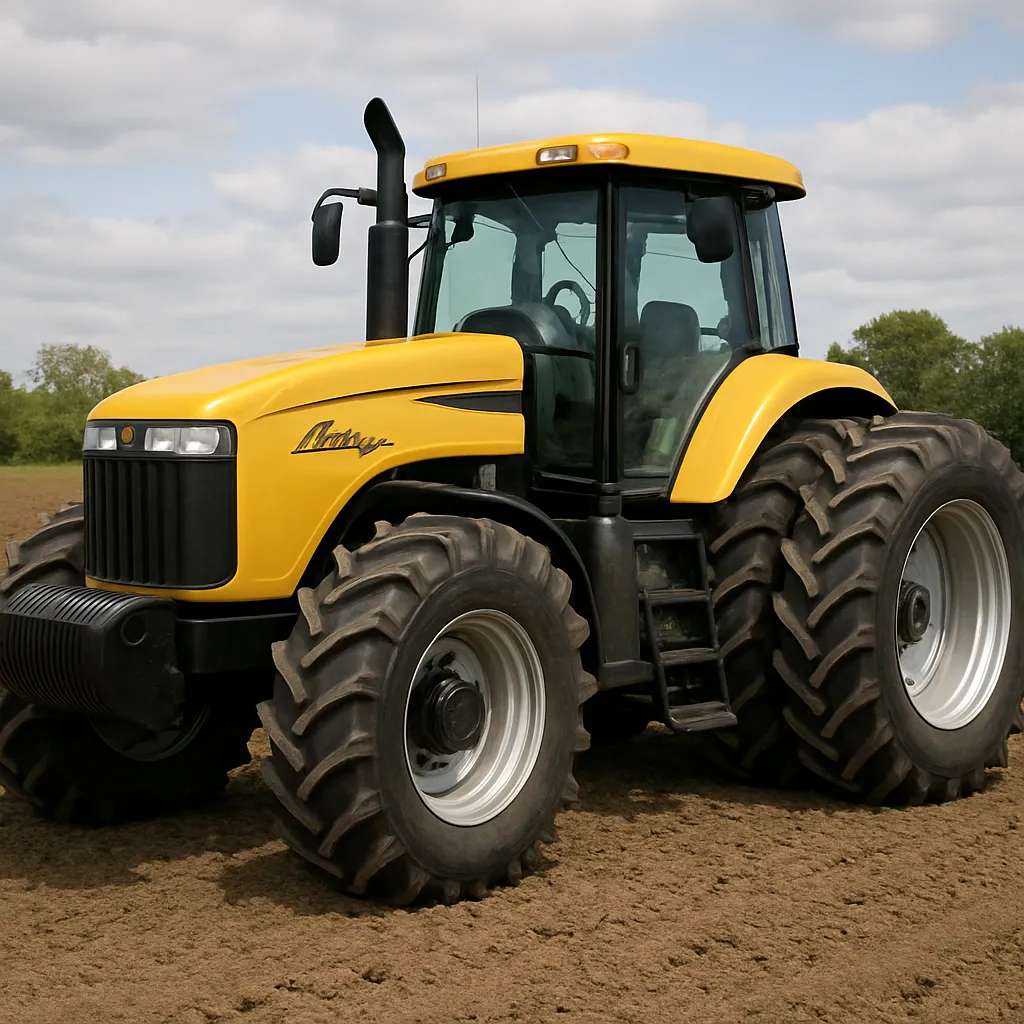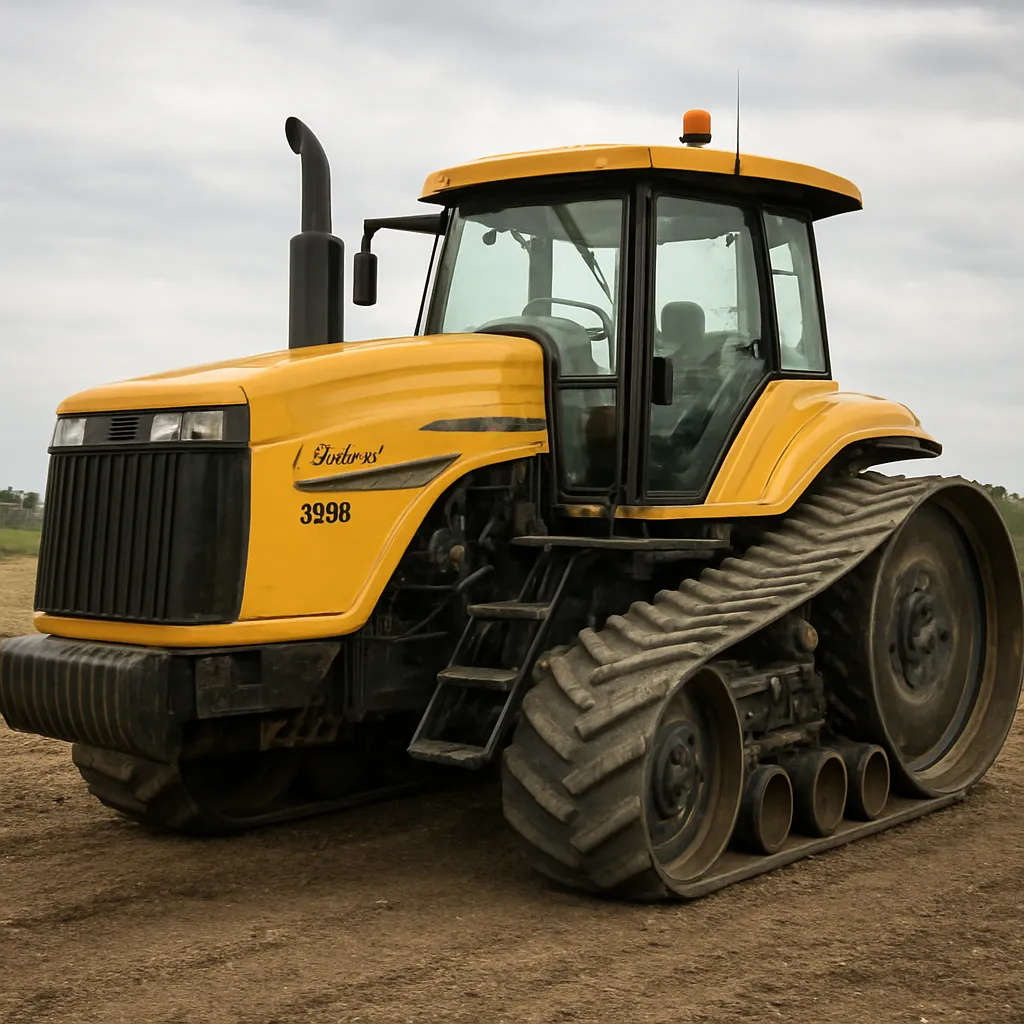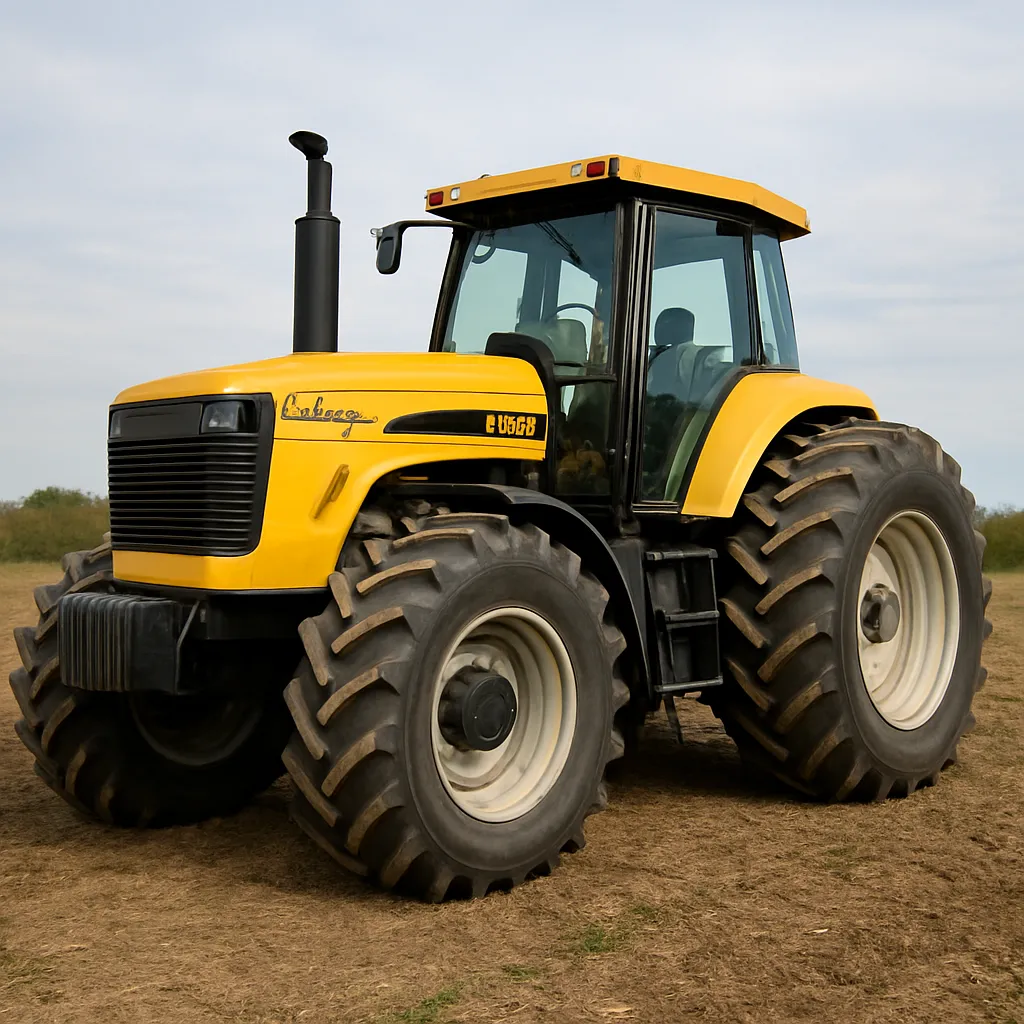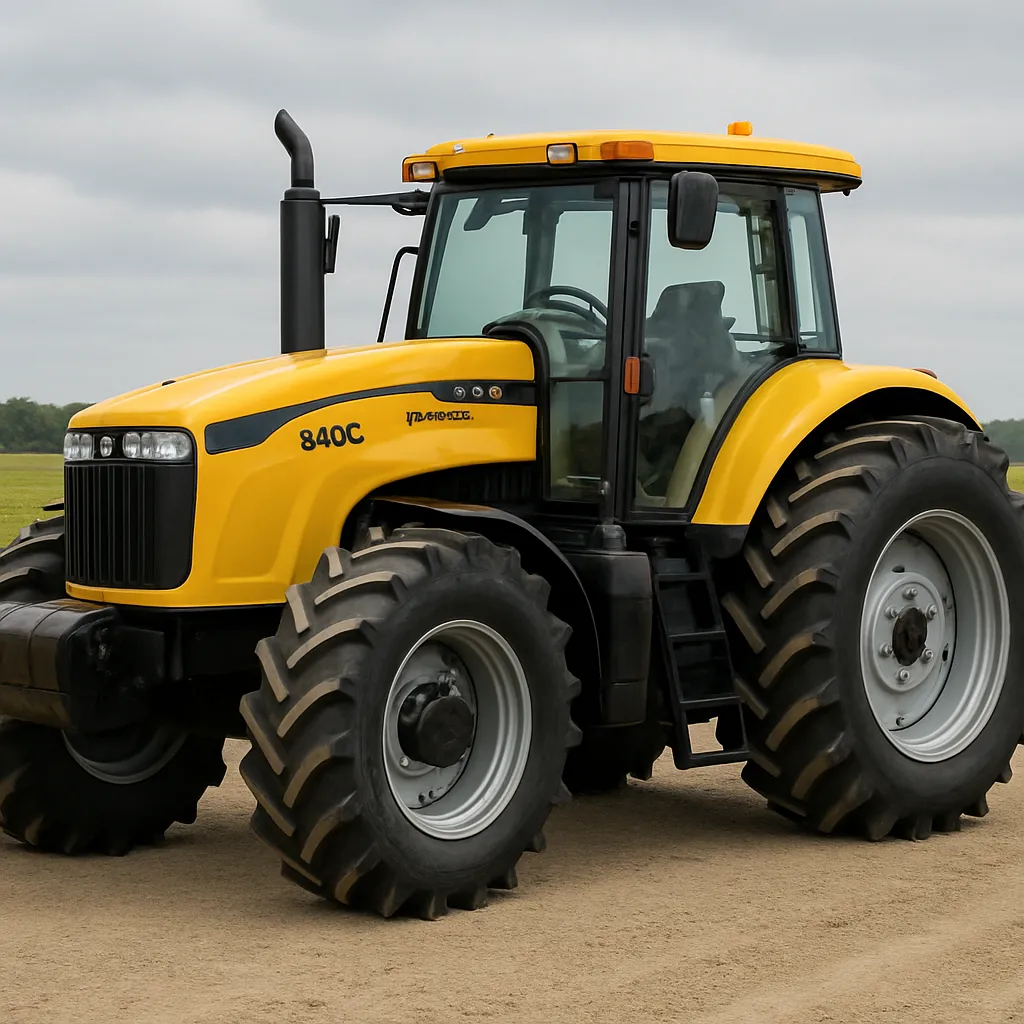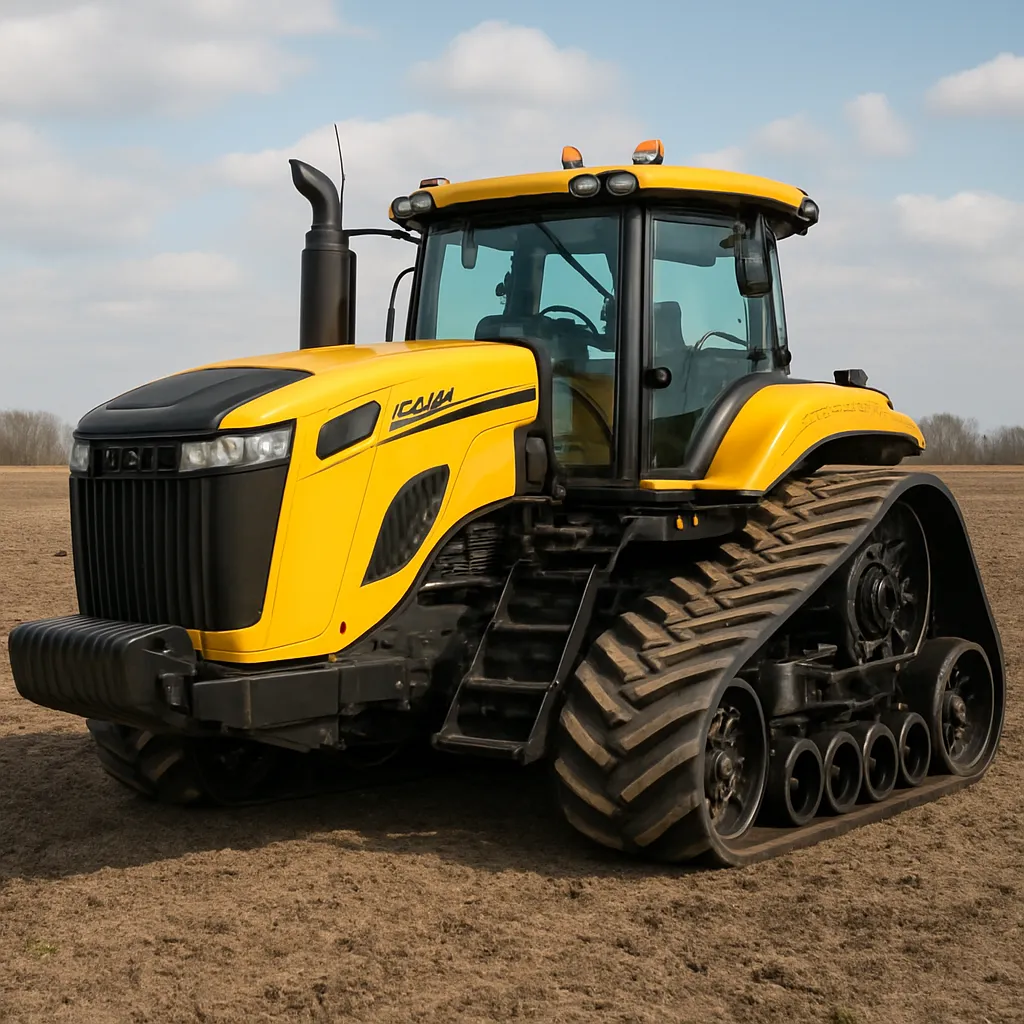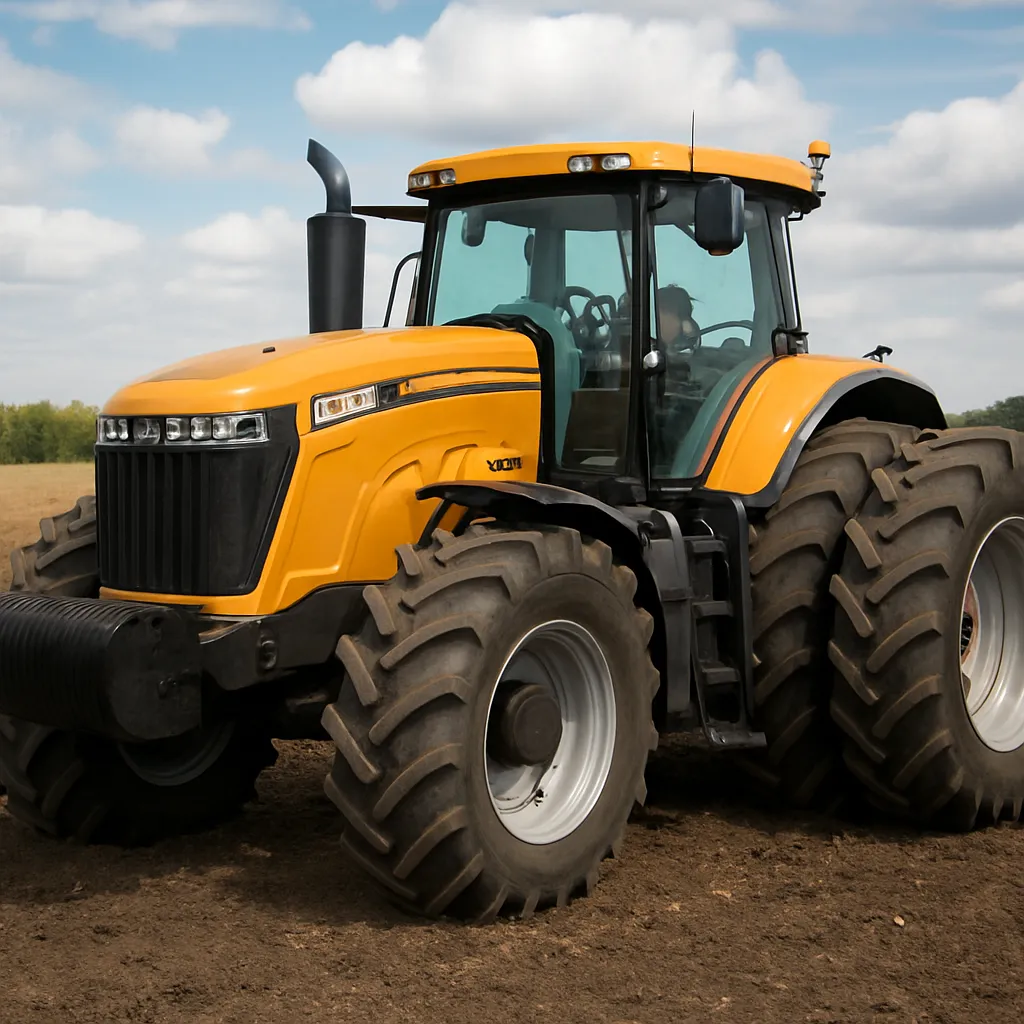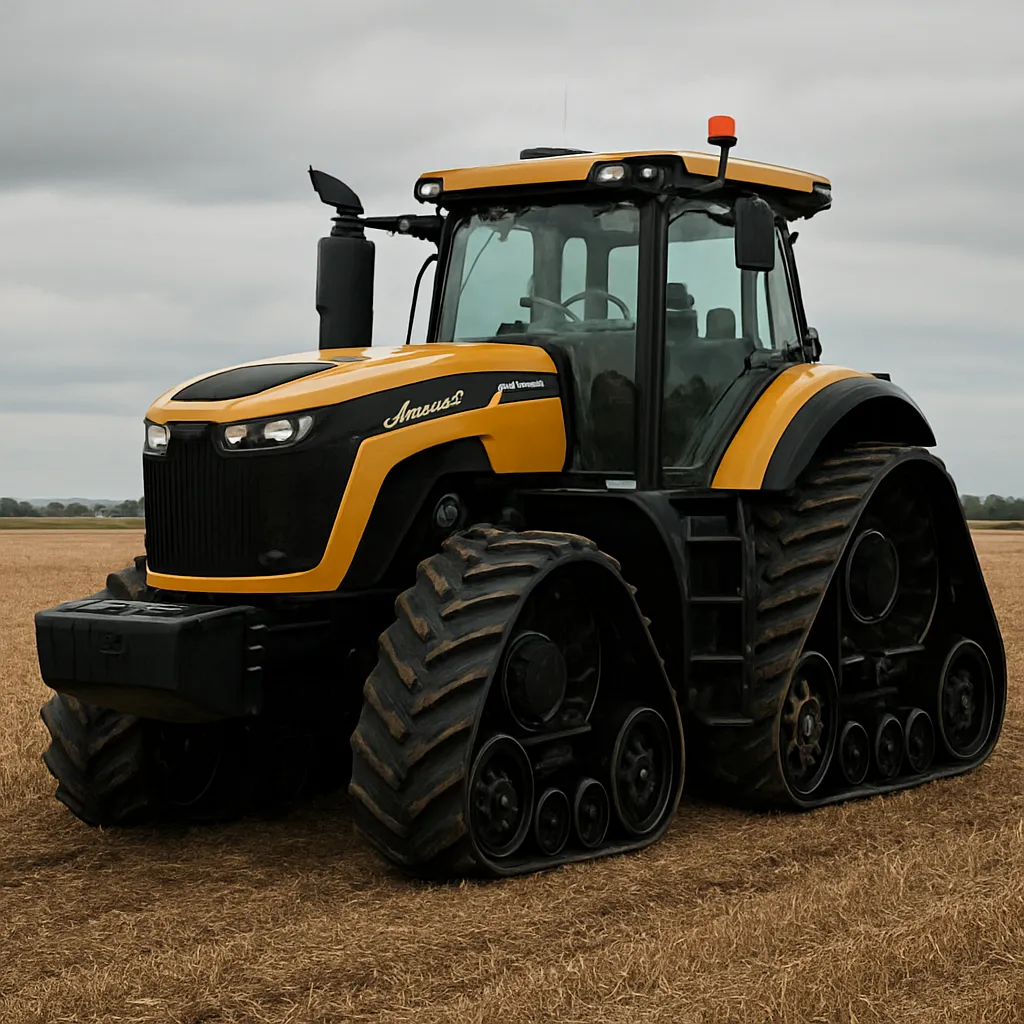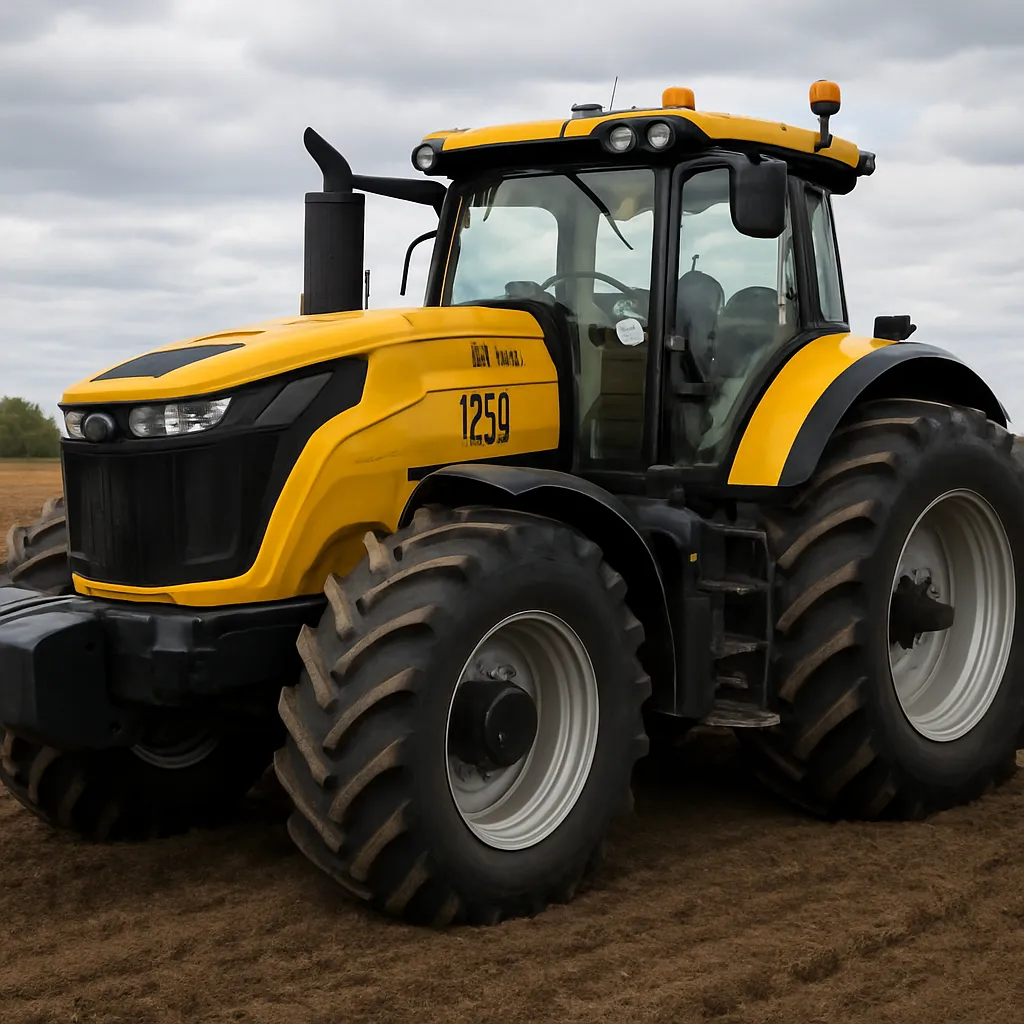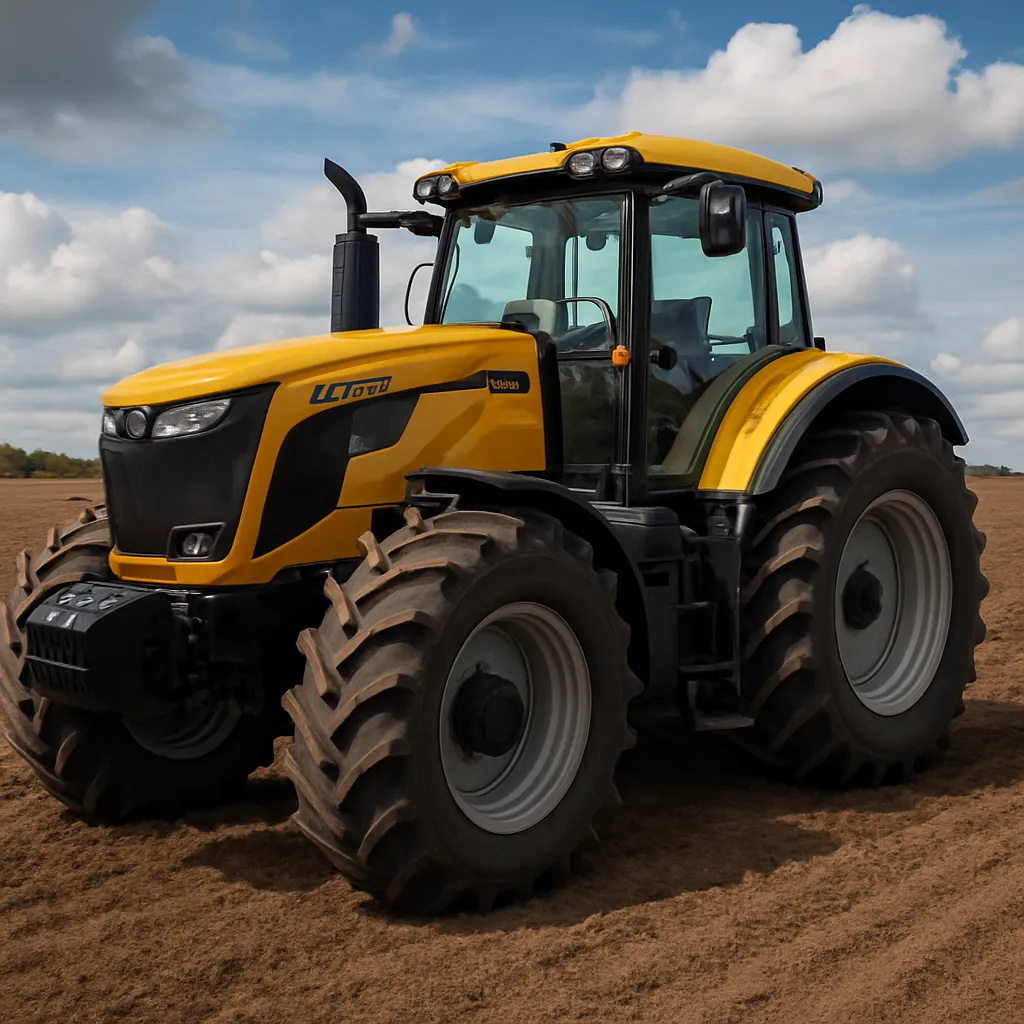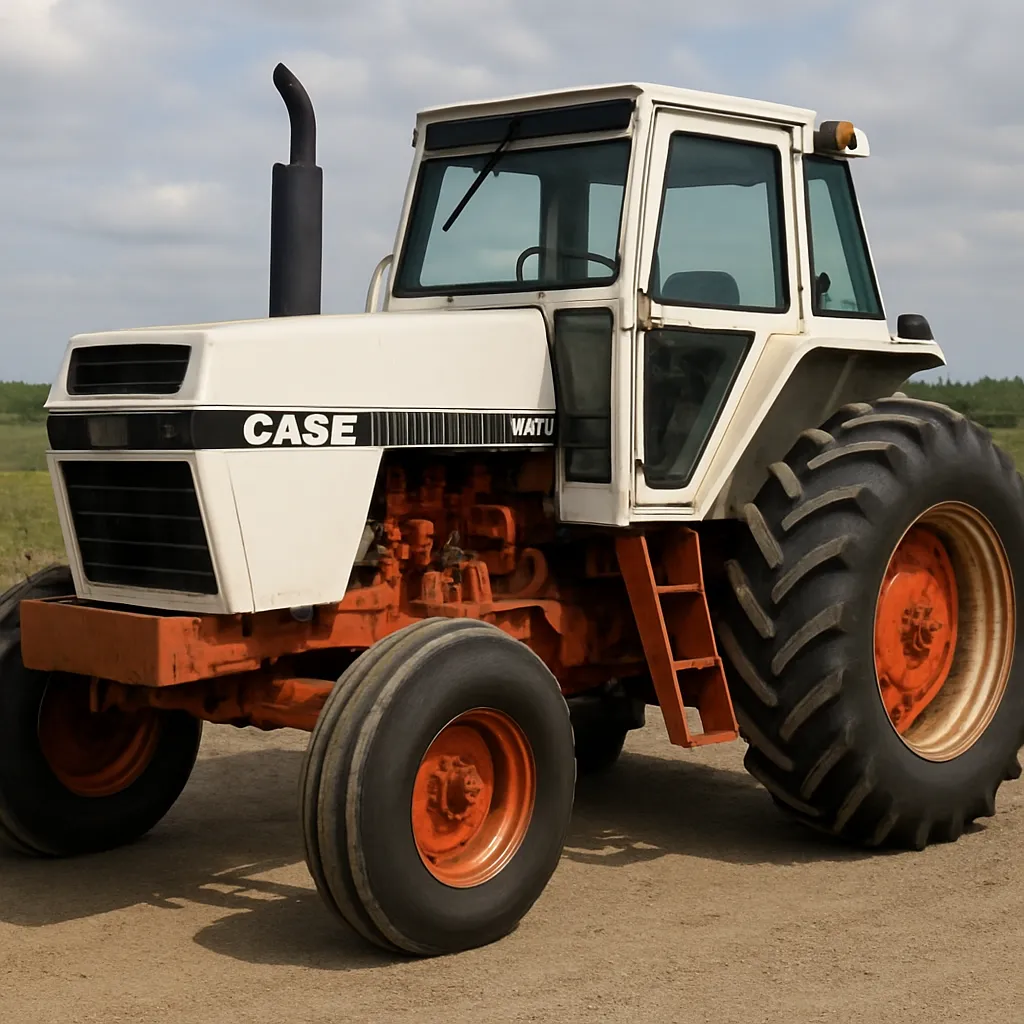
The Case 2670 is a name that evokes the long tradition of practical, work-ready machines from a well-known agricultural and industrial equipment manufacturer. Whether encountered on a family farm, in a contractor’s yard, or as part of a mixed fleet, this model represents a slice of the broader history of utility tractors: designed to perform a wide range of tasks reliably and efficiently. In the absence of universally available factory data for every regional variant, this article presents a comprehensive overview of the Case 2670 tractor, places where it is commonly used, typical technical characteristics you can expect from machines in this class, and practical insights for owners and operators.
Design background and historical context
Case has a long heritage in agricultural machinery, and the model numbering strategy (such as “2670”) often identifies a position within a manufacturer’s size and capability lineup rather than a single global specification. The 2670 name has been applied in various markets to machines intended as versatile, mid-range workhorses. These tractors were generally produced to satisfy a wide spectrum of customers who needed a balance of power, reliability, and adaptability without the complexity or expense of the largest, specialized machines.
The basic philosophy behind tractors like the Case 2670 emphasizes modularity—cab or open-station options, multiple transmission choices, and a range of optional hydraulics and PTO configurations—so that units could be tailored to crop farms, livestock operations, and light contract work. Their design often borrows proven engine and drivetrain components from larger, better-documented Case family lines, keeping maintenance and parts availability reasonable for owners.
Technical characteristics and typical configurations
Detailed factory specifications vary by production year and regional configuration. Publicly available, authoritative specs specific to every Case 2670 variant are limited, but tractors in this class typically share core systems. Below is a consolidated description of the components and systems you are likely to find on a Case 2670-style machine.
Engine and powertrain
Most mid-sized utility tractors feature a turbocharged diesel engine with a focus on torque at lower rpms rather than high-rpm horsepower. The engine architecture is generally robust, with inline-four or six-cylinder layouts depending on the exact variant. Common design priorities include durable injection systems, accessible service points, and reliable cooling systems suited to long hours in dust and heat.
Transmission options historically available on tractors of this size include synchronized mechanical gearboxes, a powershift or semi-powershift unit for easier range changes under load, and in some newer variants, advanced continuously variable transmissions (CVT). The selection affects field productivity and operator comfort: powershift and CVT variants tend to reduce operator fatigue and improve productivity in applications with frequent speed changes.
Hydraulics, PTO and three-point linkage
Hydraulic capacity and the design of the three-point hitch determine the implements the tractor can handle. A typical Case 2670-class tractor will have a hydraulic system capable of running multiple remote valves, a lift capacity sufficient for medium-size implements (seeders, small ploughs, mid-sized mowers), and a standard rear PTO with optional mid-PTO on some variants. This makes the machine useful for both soil preparation and hay or forage operations.
Axles, tires and weights
Front axles are usually either conventional straight axles or optional heavy-duty front-axle drive units for rough ground and better traction. Tire choices range from agricultural lug tires for field traction to turf tires for landscaping and orchard applications. Overall operating weight is engineered to strike a balance—heavy enough to provide traction and stability with front loaders, but light enough to be gentle on soils and easier to transport for contractors.
Cabin and operator controls
Operator comfort became increasingly important over the decades, and many mid-range tractors offer fully enclosed cabs with heating and air conditioning, ergonomic seating, clear sightlines to the three-point hitch, and logically placed controls. Sound insulation and vibration damping increase operator comfort during long shifts. Entry-level or economy trims preserve basic comforts while reducing cost.
Where the Case 2670 is used (applications)
The strength of the 2670-class tractor is its versatility. It is commonly found in the following contexts:
- General arable farming: pulling seed drills, cultivators, and medium-sized ploughs for row-crop and mixed-grain operations.
- Hay and forage production: powering mowers, tedders, rakes and balers through its PTO and providing sufficient rear linkage capacity to tow forage wagons.
- Livestock farm work: moving feed, bedding, and manure-handling tasks when fitted with loader or grapple attachments.
- Light contracting and municipal work: with a front loader or loader-backhoe, the tractor becomes useful for landscaping, small-scale earthworks, and road verge maintenance.
- Vineyards/orchards and specialty crops (where narrow or low-profile variants exist): adapted versions may have narrower track widths or modified cabs for low-height fruit trees.
Implements and attachments commonly used
Common implements that extend the capability of a 2670-class tractor include front loaders, rotary cutters, box blades, tillage equipment, seeders and planters, sprayers, bale processors, and rear-mounted mowers. Quick-attach systems, front loader subframes, and hydraulic remote options make swapping tasks in a single workday practical.
Performance, efficiency and practical statistics
Rather than promising a single set of numbers that may not apply to every machine labeled as 2670, it is useful to consider practical performance indicators and how owners measure productivity.
- Field capacity: productivity depends on implement width, speed and operating hours. A medium-width implement (3–5 m) working at an effective speed of 5–7 km/h might deliver several hectares per hour under favorable conditions.
- Fuel consumption: typical diesel usage for tractors in this class can vary from roughly 6 to 18 liters per hour depending on load, implement and engine size—lighter tillage or transport work uses less fuel, while full-load PTO or heavy draft increases fuel burn.
- Hydraulic flow and lift capacity: adequate for a wide array of implements; manufacturers often list maximum flow in liters per minute for the hydraulic pump and lift capacity at the hitch in kilograms. These figures determine compatibility with loaders and hydraulic motors on attachments.
- Availability and uptime: strong aftermarket networks for parts and service can push fleet availability above 90% in well-supported regions. Routine maintenance intervals (oil and filter changes, hydraulic service checkpoints) are critical to achieving high uptime.
Actual statistical data for production numbers, lifetime hours, or specific fuel curves for the Case 2670 are not consistently available in a centralized public database. Owners and fleets typically build their own usage profiles based on telematics or hour-meter records.
Maintenance, common issues and upgrades
Like any work tractor, the longevity and reliability of a Case 2670 depend on regular maintenance, correct operation, and appropriate upgrades. Here are practical considerations and common maintenance items:
- Routine service: regular engine oil, filter changes, air filter inspection, and fuel filter replacement. Greasing pivot points and checking driveline universal joints keeps wear under control.
- Cooling: ensure radiator and oil cooler fins are clean. Overheating is a common source of downtime, especially in dusty harvest conditions or heavy loader work.
- Hydraulics: monitor hydraulic oil levels, change filters per the service schedule, and watch for leaks at hoses and couplers. Contamination is a frequent cause of hydraulic component failure.
- Transmission: follow manufacturer intervals for oil checks and service; some transmissions require filter replacements and fluid changes at set hour marks. Powershift transmissions may need more attentive cooling and filter maintenance when used extensively under heavy load.
- Electrical system: keep battery terminals clean and ensure charging system health; modern tractors increasingly depend on electronic controllers that can be sensitive to voltage issues.
Common issues reported across many mid-sized tractors include clutch wear on older mechanical transmissions, hydraulic pump wear under continuous heavy loader duty, and localized cab seal or HVAC failures. Many owners address modernization through retrofits—adding LED lighting, upgraded seats, telematic trackers, and even aftermarket GPS/auto-steer systems to increase efficiency.
Market, resale and ownership economics
The resale value of a 2670-class Case tractor is influenced by engine hours, condition, regional demand, attachment inclusion, and service history. Factors that tend to raise value include:
- Comprehensive service records and routine preventive maintenance
- Well-maintained attachments such as loaders and front grapples
- Recent upgrades like tires, cab refurbishments, or installed telematics
- Low hours relative to the machine’s age
Conversely, engines exhibiting oil leaks, units with structural frame damage, or tractors with poor regional parts support will fetch lower prices. For operators, total cost of ownership includes fuel, scheduled maintenance, downtime costs, and the cost of replacement parts—factors that experienced buyers weigh carefully.
Safety, ergonomics and operator considerations
Safe operation is paramount. Typical safety and ergonomic features associated with this class of tractor include rollover protective structures (ROPS) on open-station models, seat belts, clear visibility to front loader attachments, and logical placement of joystick or lever controls for loader and hitch functions. Enclosed cabs provide climate control and reduce operator fatigue, improving safety over long shifts.
Operator training and good maintenance practices significantly reduce the risk of accidents. Simple checks before each shift—tire pressure, hitch pins, PTO shield integrity, and fluid levels—go a long way toward preventing serious field incidents.
Case 2670 in modern fleets and legacy value
As fleets modernize, many older 2670-class tractors remain valuable because of their mechanical simplicity, ease of repair, and compatibility with a broad range of implements. Smaller and mid-sized farms keep them for routine chores while larger operations may use them as backup machines or for specialized tasks. Their modularity means a single core tractor can serve multiple roles across the farm with quick implement changes.
Collectors and small-holding owners sometimes seek particular year or option combinations for historical interest or for the optimal balance of simplicity and comfort. The ongoing availability of aftermarket parts and a healthy community of owners help keep these machines productive long after their initial production runs.
Conclusion
The Case 2670 stands as an example of the reliable, adaptable mid-range tractor that many farms and contractors depend on daily. While specific factory statistics for every model variant are not always publicly centralized, the practical characteristics—robust engine design, flexible transmission options, competent hydraulics, and a standard set of PTO and hitch features—make it suitable for a wide spectrum of tasks. Key considerations for any prospective buyer or current owner are diligent maintenance, compatibility with required implements, and thoughtful choices about upgrades that improve productivity and operator comfort.
Whether used to power a baler in hay season, move loads with a front loader, or haul seed and fertilizer between fields, the 2670-class tractor embodies the versatility and practicality that define many successful agricultural tools. Properly maintained and thoughtfully deployed, it can remain a cornerstone of productive operations for many years.