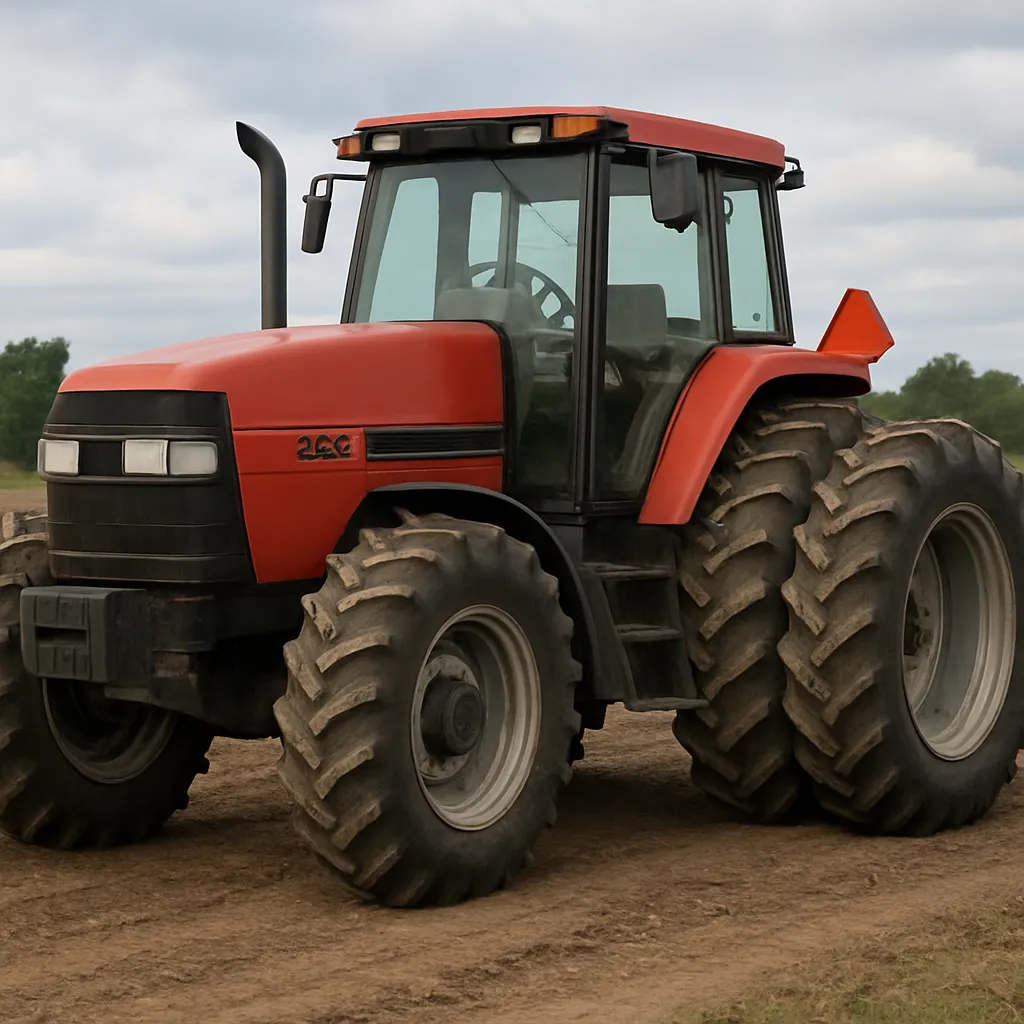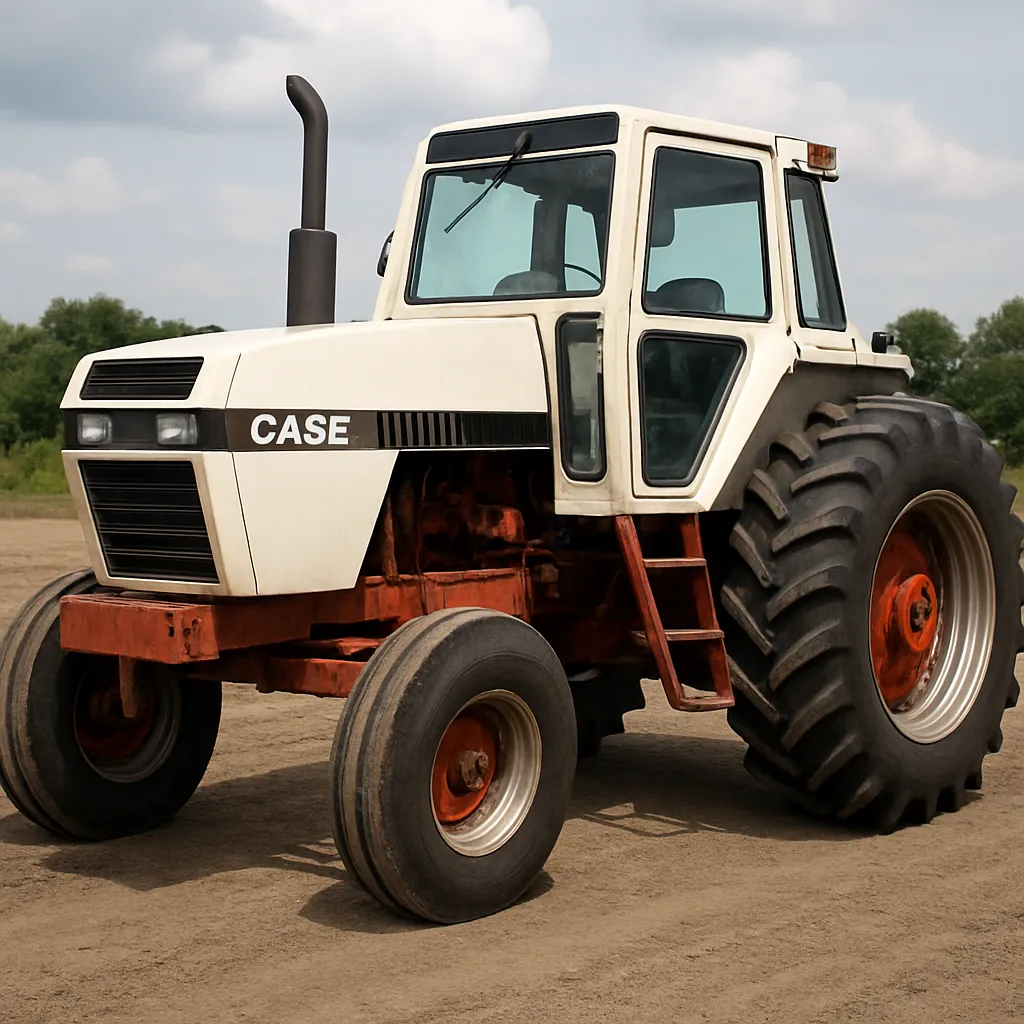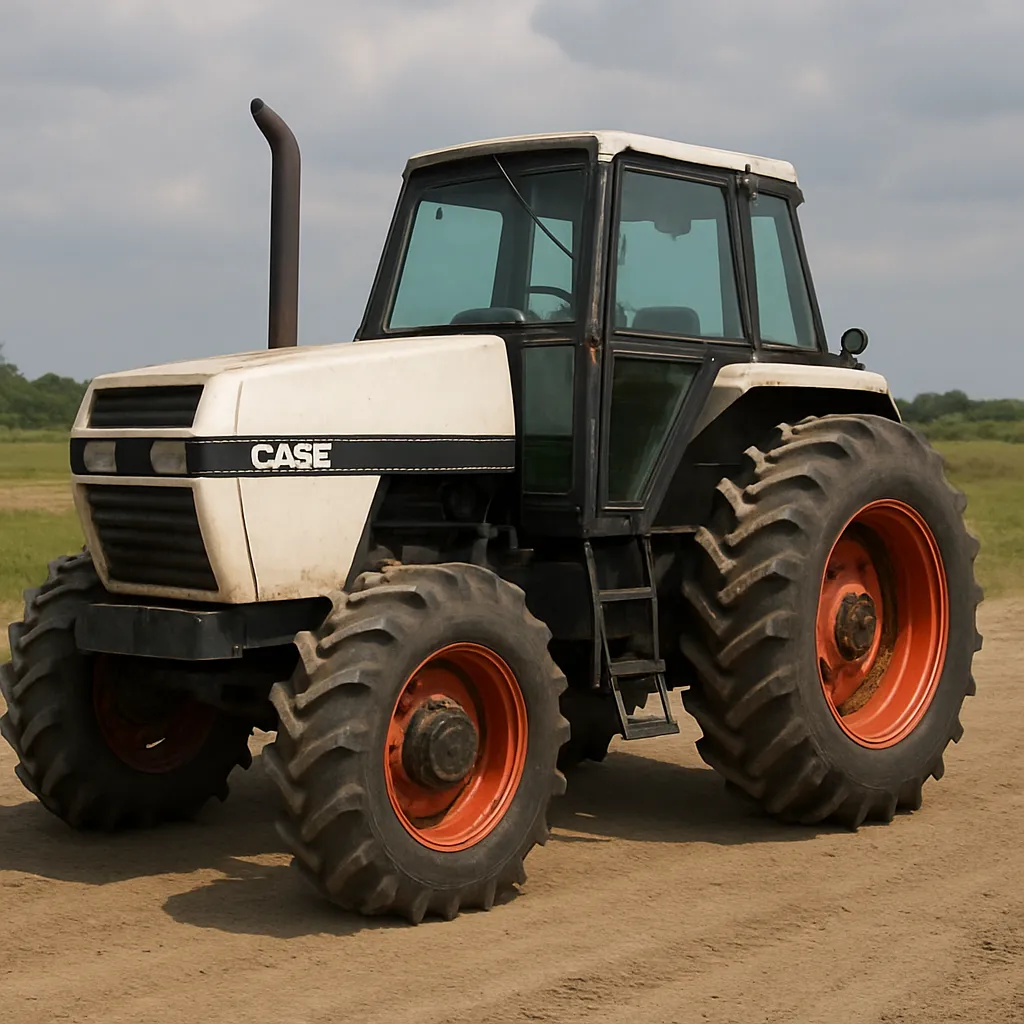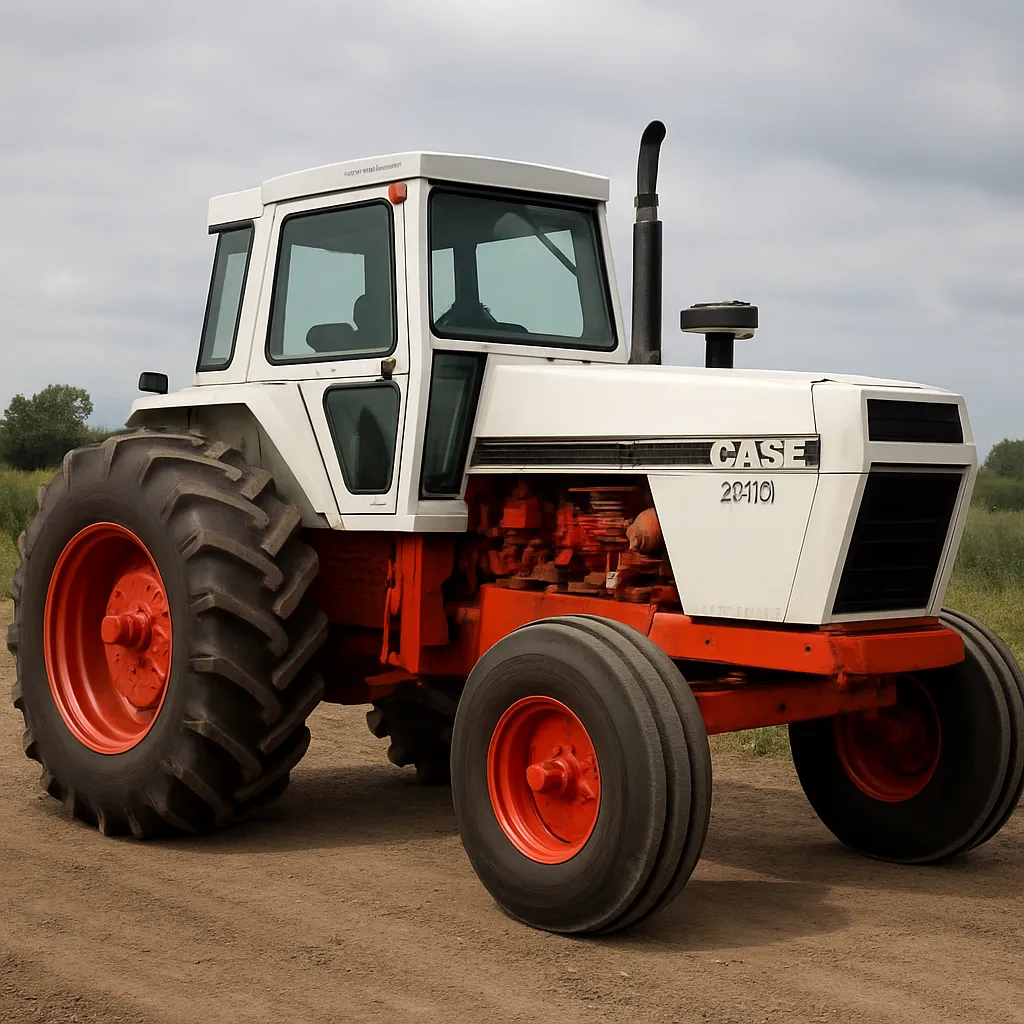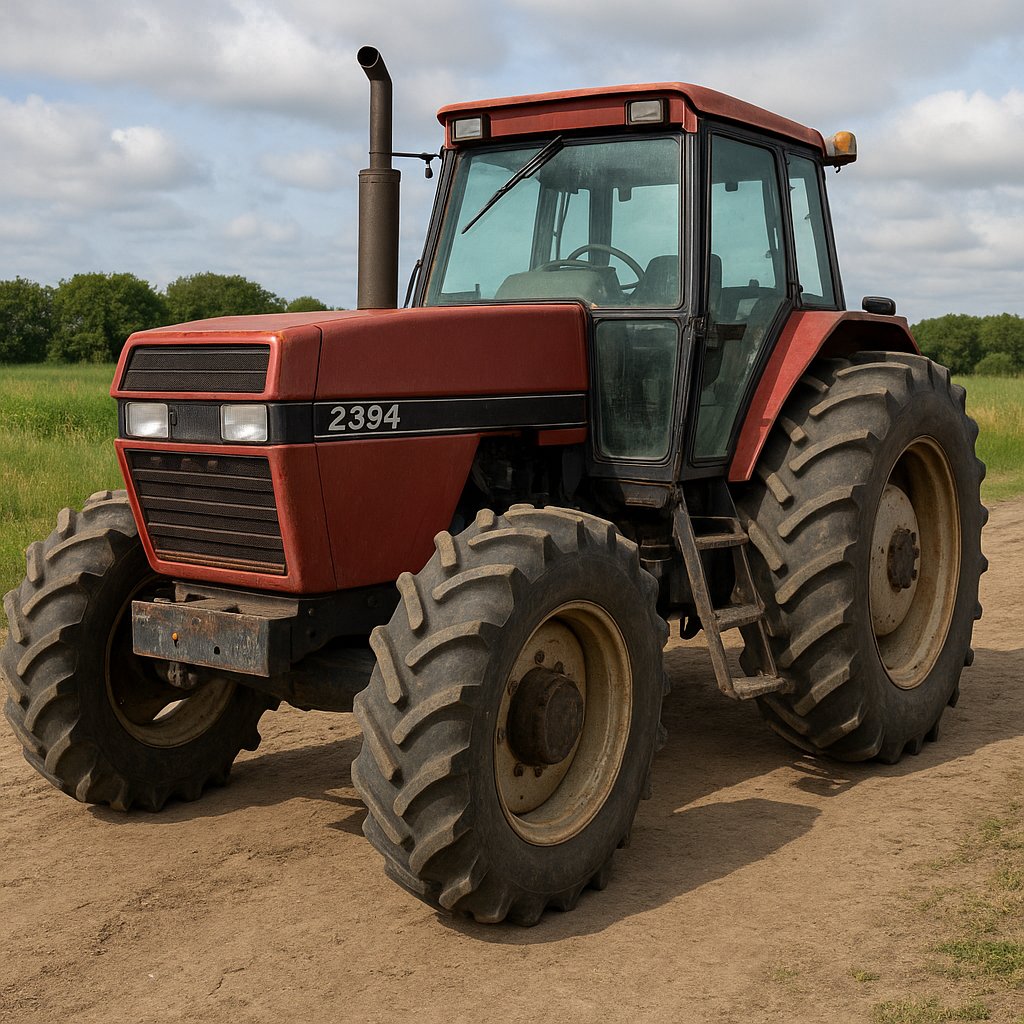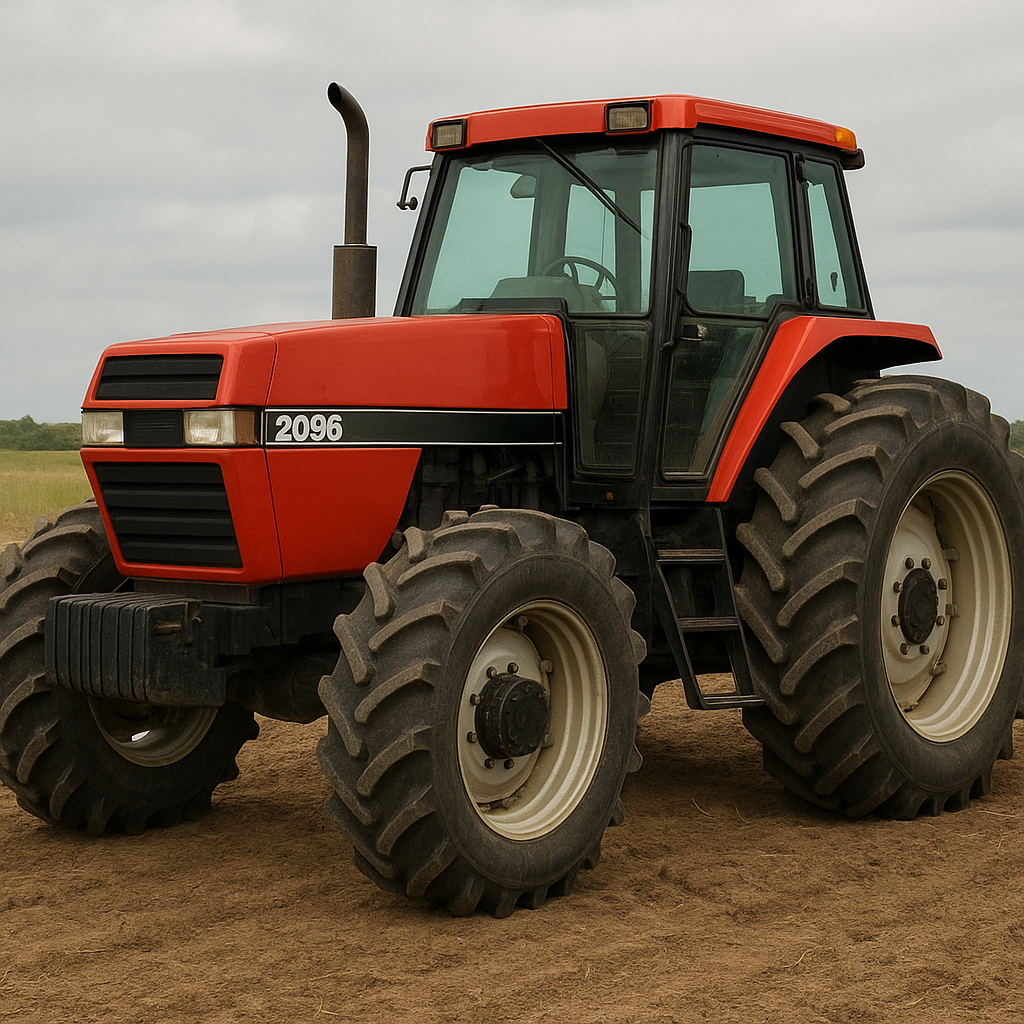
The Case 4490 tractor occupies a niche in the long lineage of utility and row-crop tractors produced under the Case and Case IH family. Designed to serve a range of agricultural, municipal and light industrial roles, this model is valued for its balance of power, durability and adaptability. In the sections that follow you will find an overview of the machine’s design and technical characteristics, practical applications in modern farming and contracting, maintenance and life-cycle considerations, and market context and useful statistics where available. Throughout the article, attention is paid to the features that make the Case 4490 a reliable choice for operators who need a versatile medium-duty workhorse.
Design and technical characteristics
The Case 4490 is typically described as a medium-to-heavy utility tractor intended to fit between smaller compact models and the largest row-crop tractors. Its engineering emphasizes a robust drivetrain, comfortable operator station and practical hydraulic and power take-off systems for a wide range of implements. While exact specifications can vary with year and regional configuration, several technical themes are common across versions of this model.
Engine and powertrain
- The Case 4490 usually features a diesel engine tuned to deliver dependable continuous power, with peak power ratings falling into the medium-output class. This makes it well suited for tasks such as plowing, shredding and loader work.
- Transmission options often include syncro-shuttle or power-shuttle gearboxes with multiple forward and reverse speeds. The goal of these transmissions is to combine low-speed torque for draft work with highway-capable speeds for transport tasks.
- Fuel efficiency and torque delivery are prioritized over short bursts of speed; many units are optimized for sustained load handling at moderate RPM.
Hydraulics, PTO and implements
- A hallmark of the 4490 class is a robust hydraulic system that provides sufficient flow and pressure for modern implements. This typically includes a rear three-point hitch with category II (or equivalent) lift capacity suitable for medium-sized plows, harrows and planters.
- PTO (power take-off) shafts with selectable speeds (commonly 540 and sometimes 1000 RPM) make the unit compatible with a broad range of powered implements such as mowers, balers and grain augers.
- Auxiliary hydraulic circuits for mid-mount or front-mounted equipment and for remote cylinders are often available, improving the tractor’s versatility.
Cab and operator comfort
- Operator comfort is an important consideration for a tractor designed for long shifts. The Case 4490 is frequently equipped with an enclosed cab option that includes climate control, sound insulation and ergonomic controls.
- Visibility, seat comfort and straightforward instrument panels allow operators to work more accurately and with less fatigue. Some versions offer air-suspended seats and mechanical or hydrostatic cab suspension for smoother rides.
Chassis, weight and traction
- Chassis design for this model balances weight for traction with maneuverability. Four-wheel drive versions are common and provide better traction in soft or uneven fields.
- Ballast and tire configurations can be adapted to the specific work: row-crop tires for cultivation, flotation tires for wet conditions or turf tires for municipal use.
Altogether, the Case 4490’s technical layout allows it to serve as a generalist machine for mid-sized farms and contractors who need dependable power and a broad implement palette.
Primary applications and field performance
The Case 4490 is most often used where versatility matters: farms that need a single tractor to handle everything from seeding to baling, contractors who require a reliable loader for material handling, and municipalities or estate managers who demand a robust unit for mowing, snow-clearing and transport. Below are key application areas and what makes the 4490 suitable for them.
Arable and row-crop farming
- For plowing, tillage and seedbed preparation the 4490’s balance of torque and hydraulic lift capacity allows it to pull medium to large implements effectively. Its transmission choices let operators work at slow ground speeds with ample engine load.
- During planting and fertilizing seasons the tractor’s PTO and hydraulics supply consistent power to seeders, planters and sprayers, while its maneuverability helps when working headlands and contours.
Hay and forage operations
- When cutting, raking and baling, the PTO delivers steady RPM to mowers and balers, and the hydraulics manage rake and bale density controls. The 4490 is particularly useful on medium-sized operations where frequent implement changes are required.
Loader, material handling and contracting
- Equipped with a front loader, the 4490 becomes a useful loader-truck replacement for moving feed, aggregate or bedding. Lift capacity and hydraulic cycle times enable efficient bucket work and pallet handling with attachments.
- Contractors appreciate the model’s solidity and ease of maintenance when moving between lots or performing grading and light excavation tasks.
Municipal and year-round service
- With the right attachments—snow blowers, flails and sweepers—the 4490 can handle year-round municipal duties. Rugged cooling and reliable winter starting are important for cold climates.
Field performance is shaped not only by the tractor’s inherent capabilities but by how well it is configured for a given task (tires, ballast, implements, and operator skill). Proper matching of implements to the tractor’s power and hydraulic capacity is essential for optimal productivity and fuel economy.
Maintenance, reliability and common issues
Longevity is a strong selling point for the Case 4490 series when maintained correctly. Diesel tractors of this class are engineered for high cumulative hours of service, but they do have wear items and service needs that owners should monitor.
Routine service items
- Engine oil and filter changes at manufacturer-recommended intervals: this protects bearings and turbo systems and extends engine life.
- Fuel filter replacement and periodic fuel system checks to avoid injector and pump issues, especially where diesel quality varies.
- Hydraulic oil and filter changes to protect pumps, valves and cylinder seals. Contaminated hydraulic oil is a leading cause of premature hydraulic failure.
- Transmission and final drive fluid checks and maintenance to preserve gear life and clutch performance.
Parts with typical wear
- Clutch packs in manual or powershift transmissions, especially when used consistently in heavy draft work.
- Hydraulic seals and hoses that can degrade over time or with abrasive use.
- Cooling system components—radiators, hoses and thermostats—require attention to prevent overheating during high-load operations.
Common operator mistakes to avoid
- Overloading the tractor beyond rated drawbar or hydraulic capacity, which accelerates wear and may cause component failure.
- Neglecting scheduled servicing or using substandard lubricants and filters.
- Poor storage practices that expose the machine to long-term moisture and corrosion, particularly in electronics and wiring harnesses.
With conscientious ownership—regular inspections, timely repairs and correct fluids—the Case 4490 can remain productive for many thousands of hours. Experienced owners often report tractors in this class lasting 10–20+ years in mixed farm use, provided they are not abused and are properly maintained.
Attachments, customization and technological upgrades
One of the 4490’s main strengths is adaptability. Owners often equip the tractor with a variety of attachments and retrofits to expand capability or modernize the machine for contemporary farming methods.
Common attachments
- Front-end loader with quick-attach system for buckets, pallet forks and bale spears.
- Three-point implements: ploughs, cultivators, seeders, mowers and spreaders.
- PTO-driven equipment: rotary mowers, balers, feed mixers and augers.
- Snow and street maintenance tools for municipalwork: plows, blowers and salt spreaders.
Retrofits and modernization
- GPS guidance and auto-steer systems: even older tractors like the 4490 can be retrofitted with precision agriculture hardware to improve planting accuracy and reduce overlap.
- Aftermarket hydraulic kits and power outlets to support specialized attachments or multiple remotes.
- Cab upgrades: improved heating, soundproofing, or modern control layouts to enhance operator comfort.
The ability to customize gives the Case 4490 a long operational life, because owners can adapt the machine for evolving needs rather than replacing the tractor entirely.
Market position, resale value and statistical context
Tractors in the mid-power range, including models like the Case 4490, occupy a significant share of the global used-tractor market. They appeal to farmers who need a single, flexible platform, and to contractors who require reliable, transport-capable machinery. Some high-level market observations:
- Used prices for tractors in this class vary widely based on hours, condition and included attachments. Typical resale ranges (depending on region and condition) can span from several thousand to tens of thousands of US dollars or euros. Machines with low hours, complete service history and desirable attachments command the highest prices.
- Operational costs—fuel, maintenance and parts—are a major part of ownership economics. Operators often compare total cost of ownership over a decade rather than purchase price alone.
- Production figures specific to the 4490 are not always published in detail by manufacturers or may differ by country and year; many tractors in this segment were produced in modest series that made them widely available on the used market.
When evaluating a used Case 4490, buyers should consider:
- Engine hours and maintenance records
- Condition of hydraulics and transmission
- Presence and condition of cab, electronics, and attachment mounts
- Local availability of parts and qualified service
Because this model is often used intensively, a thorough inspection—checking for leaks, worn seals, transmission behavior and engine compression—can reveal potential future costs and give a clearer picture of remaining service life.
Interesting facts and historical notes
The Case brand has a storied history in agricultural machinery, and models designated by numbers often reflect the manufacturer’s internal classification for power and configuration. Some interesting observations about tractors like the 4490:
- Makers of mid-range tractors often designed them to be especially modular. This means the same base chassis could be configured for agriculture, municipal, or industrial uses with different tires, axles and implement kits.
- Owners of long-running fleets value simple, serviceable designs because they minimize downtime and reduce the need for specialty tools.
- As precision agriculture has grown, many older mechanical systems have been successfully integrated with modern electronics—creating hybrids that combine proven mechanical reliability with modern efficiency tools.
The ongoing aftermarket for parts, kits and refurb services for Case tractors contributes to the longevity and sustained popularity of models like the 4490. Collectors and small-scale operators sometimes refurbish these tractors into reliable family-farm workhorses or specialty contractors’ units.
Buying, ownership tips and safety
If you are considering purchasing a Case 4490—new or used—there are several practical tips to ensure safe and economical ownership.
- Request full service history: know what major repairs or upgrades have been performed.
- Check for structural integrity: look for frame cracks, bent axles or repair patches in high-stress areas.
- Validate hydraulics and PTO operation under load to spot slipping clutches or weak pumps.
- Ensure ROPS (roll-over protective structure) or an equivalent protective cab is installed and in good condition.
- Confirm local availability of consumable parts and specialist service for complex repairs.
Safety practices such as using seat belts, maintaining proper tire pressures, securing implements, and following manufacturer load ratings will not only protect operators but also preserve the tractor’s components and resale value.
Conclusion
The Case 4490 represents a pragmatic choice in the mid-powered tractor category: versatile, durable and adaptable to many agricultural and municipal tasks. While exact specifications depend on model year and configuration, the tractor’s broad capabilities in hydraulic power, PTO provision and drivetrain strength make it a reliable option for mixed-use operations. Proper maintenance and careful matching of implements to capacity will maximize productivity, minimize operating costs, and extend service life. Whether used for field work, material handling or year-round property maintenance, the Case 4490 can serve as a central asset on a working farm or small contracting operation.