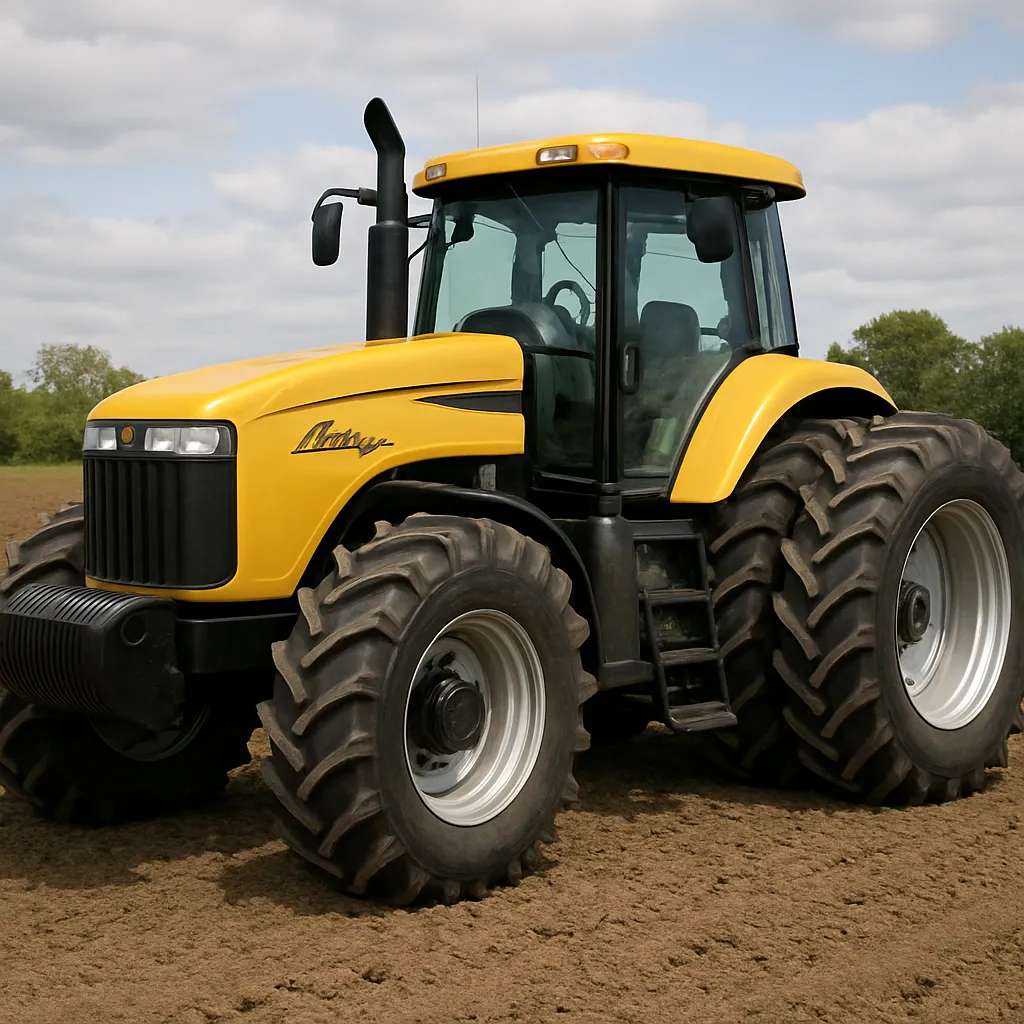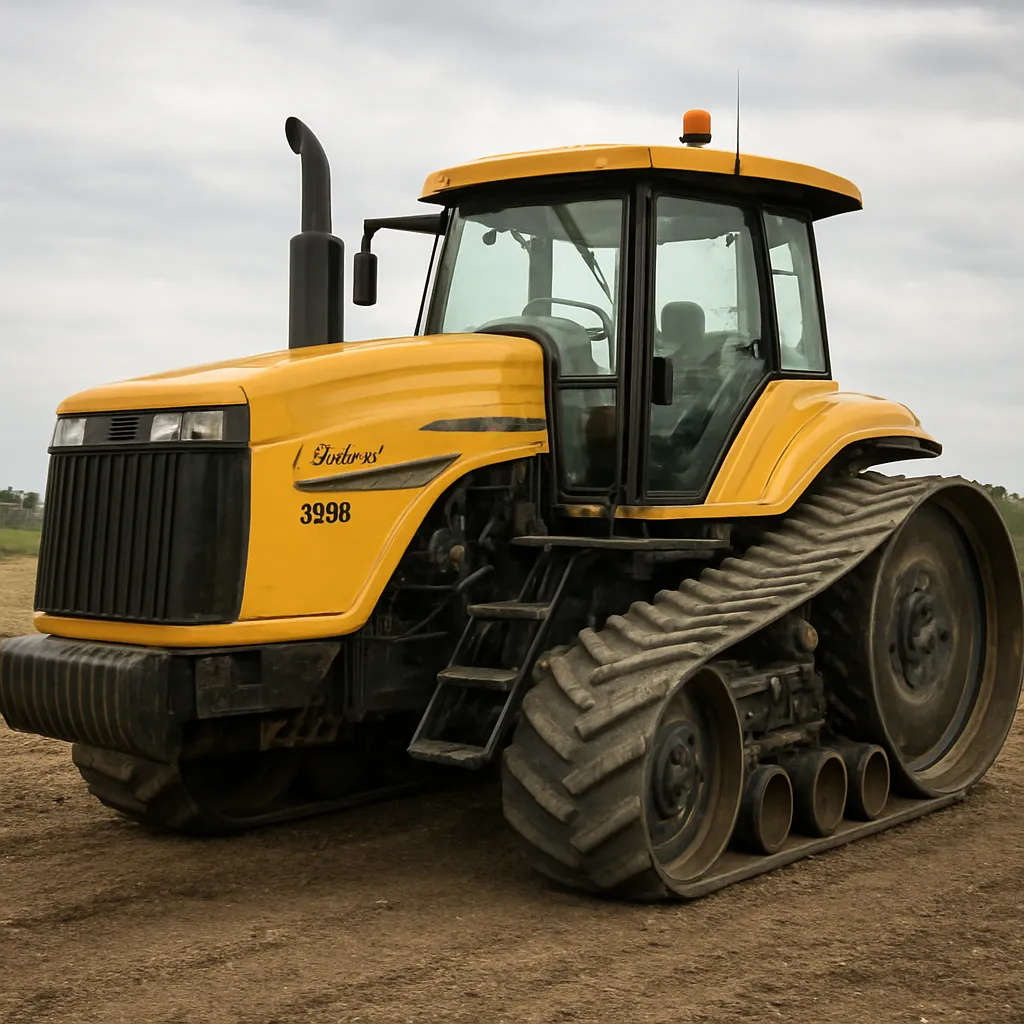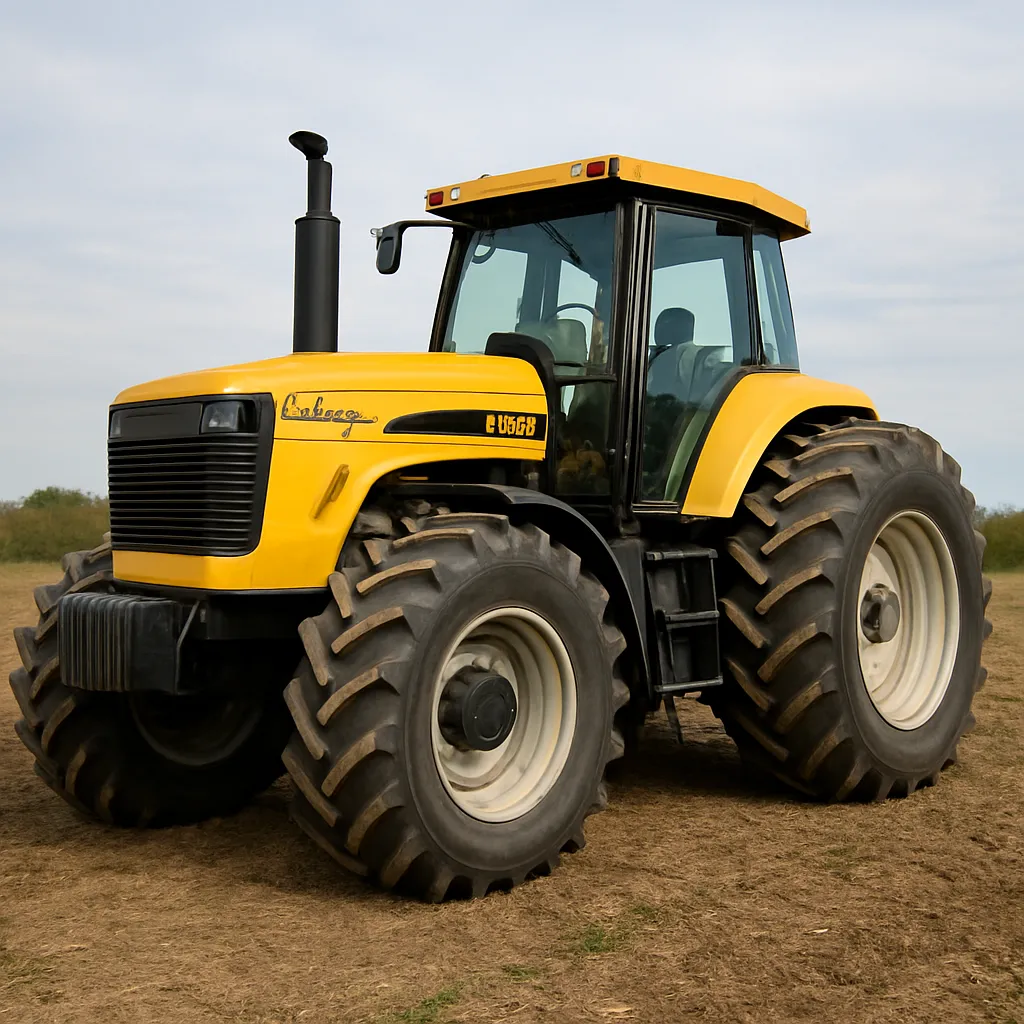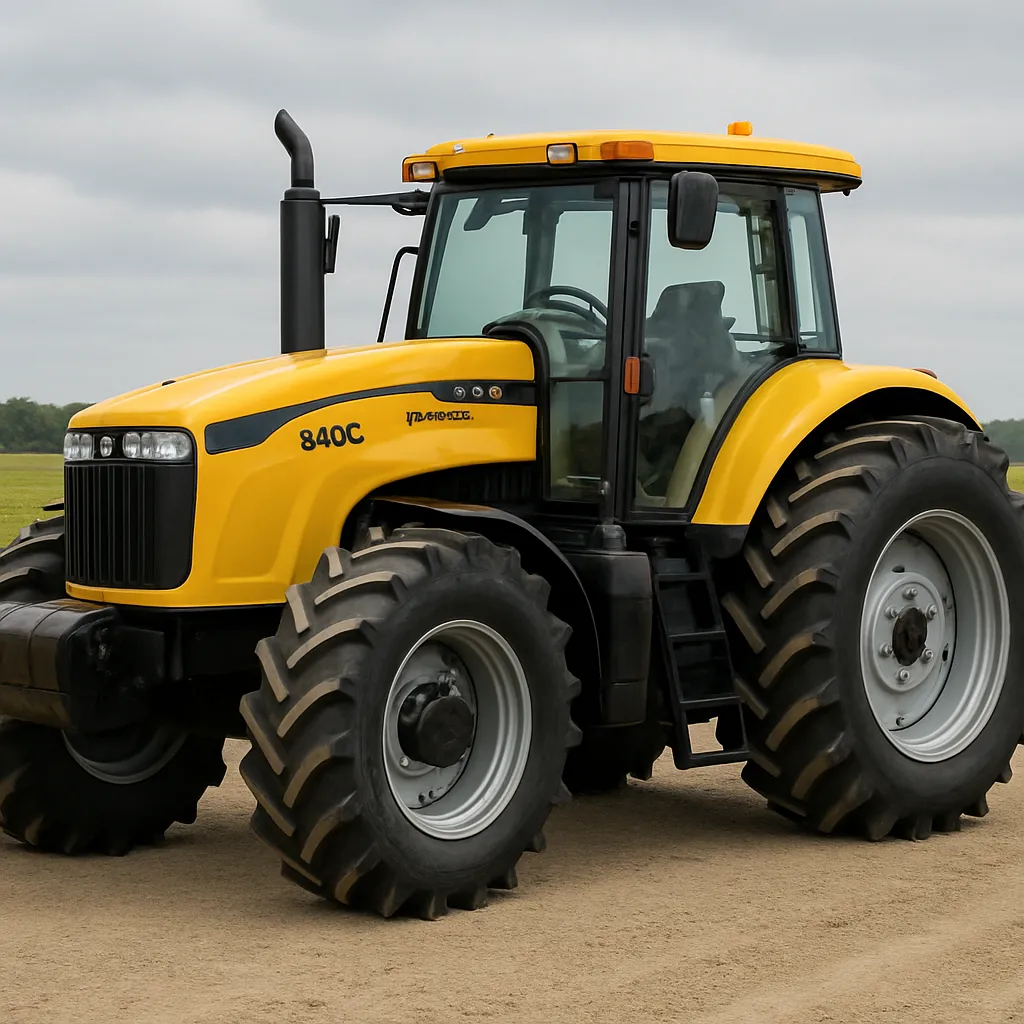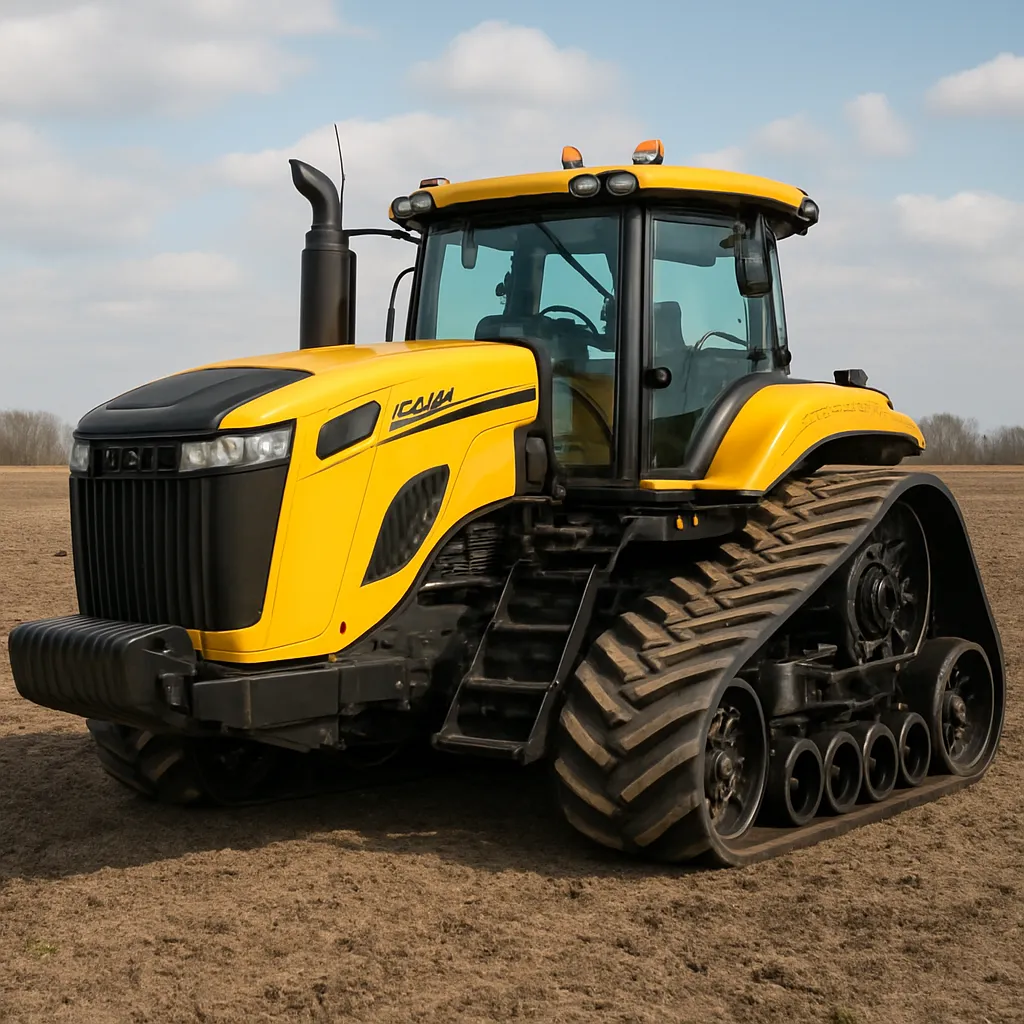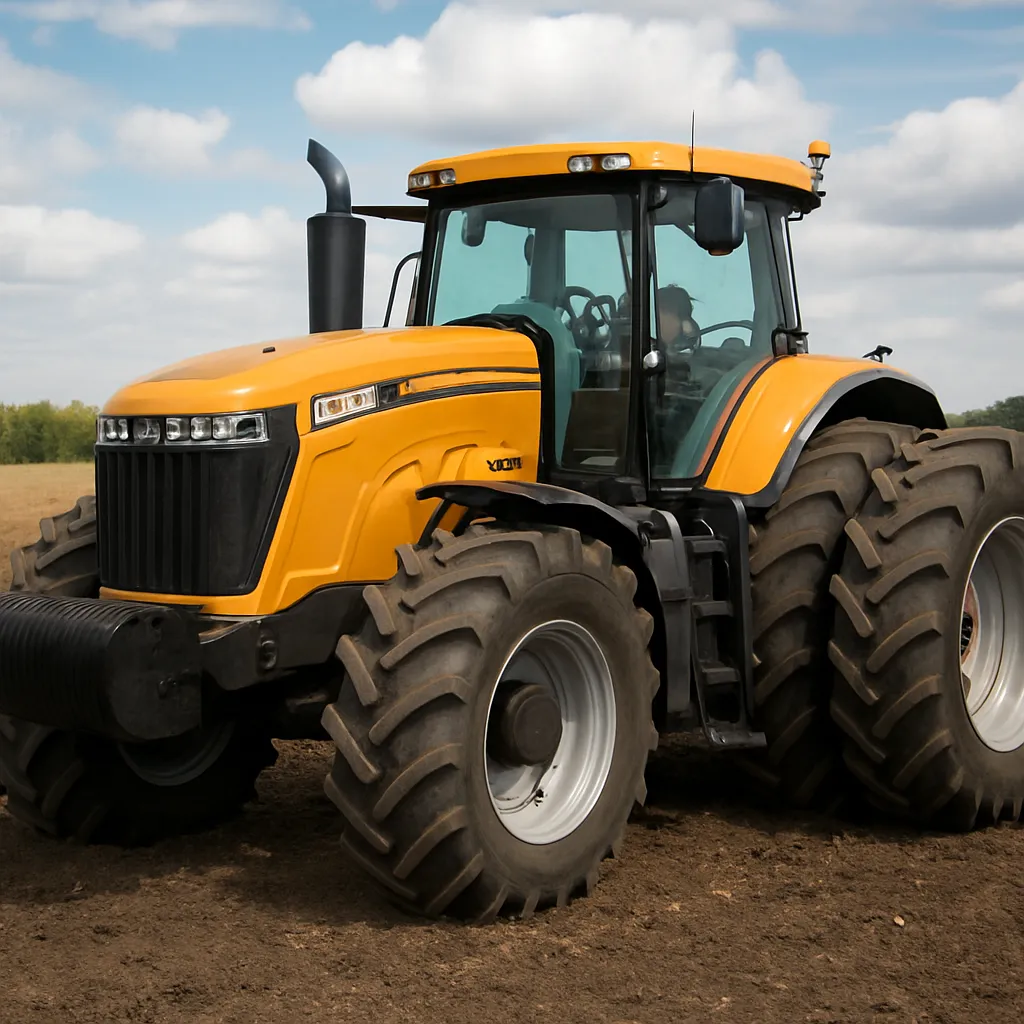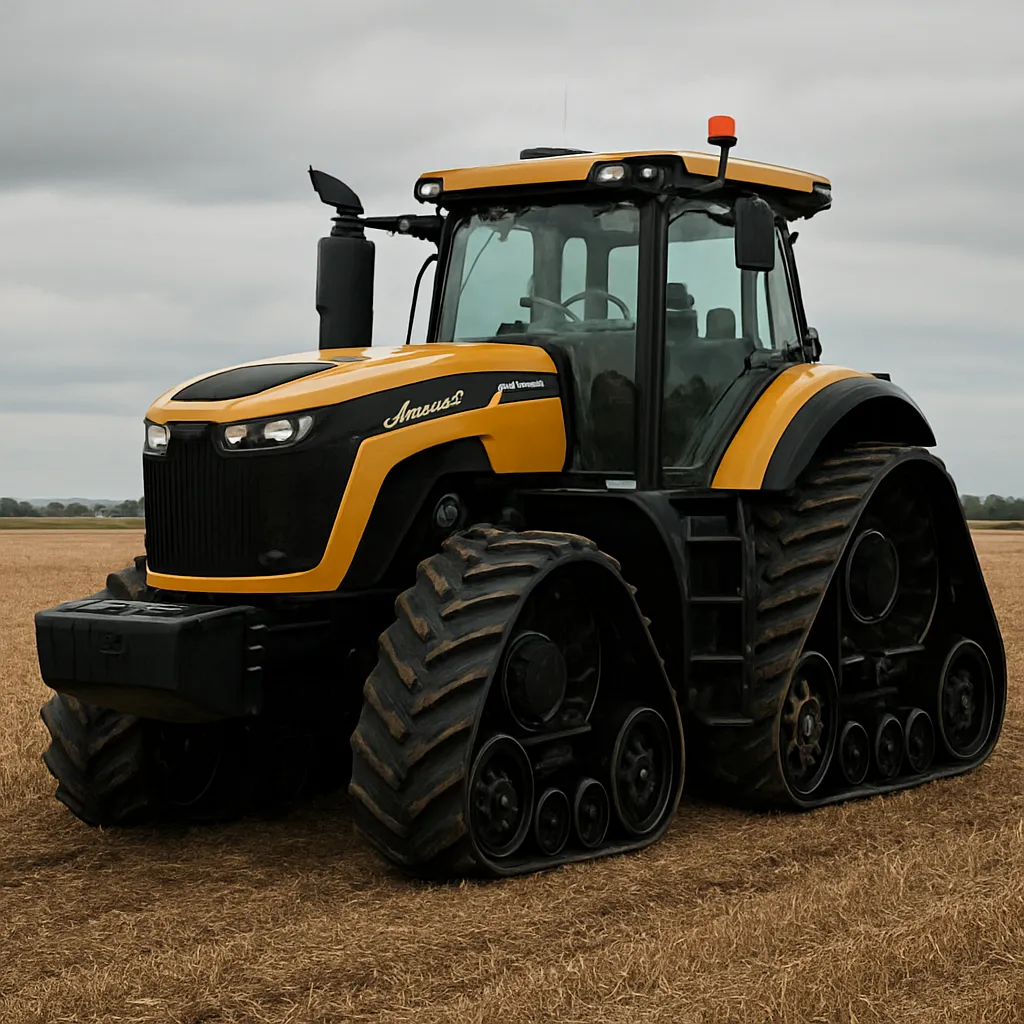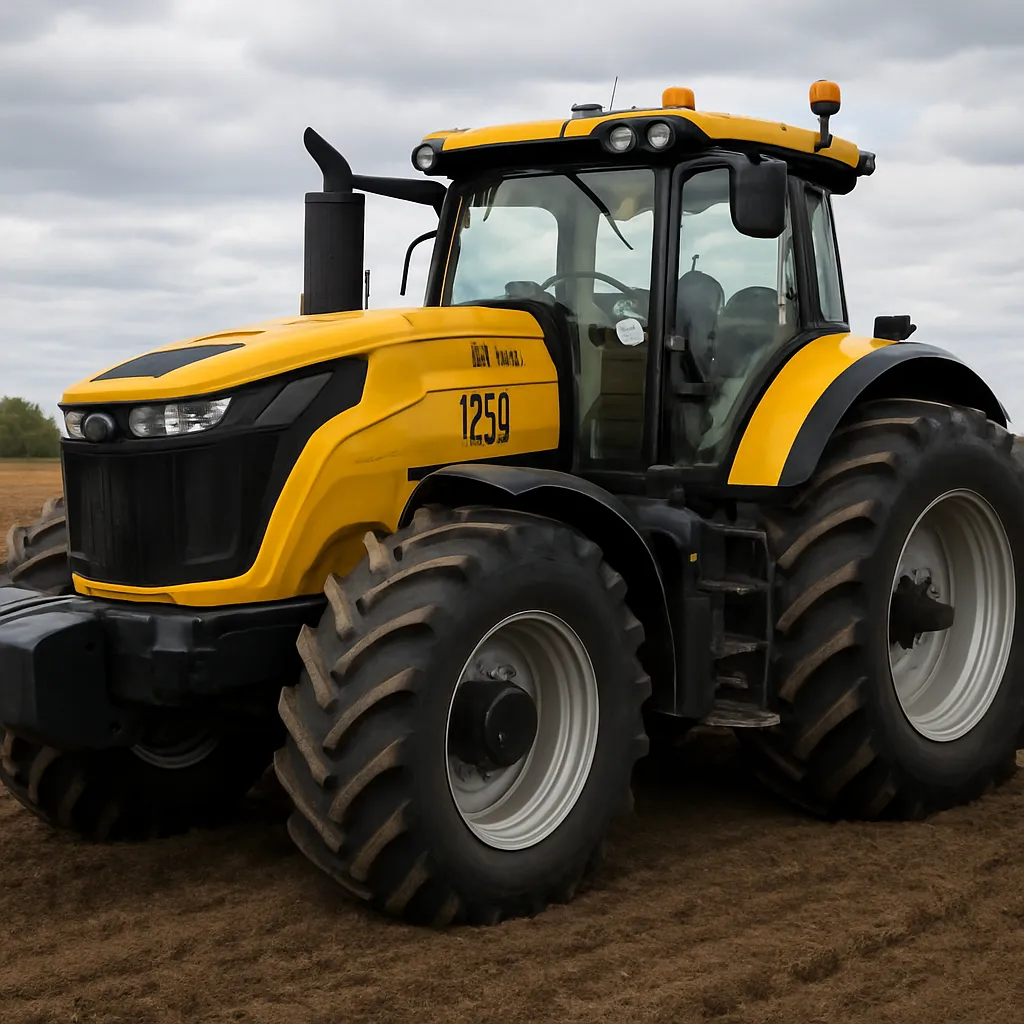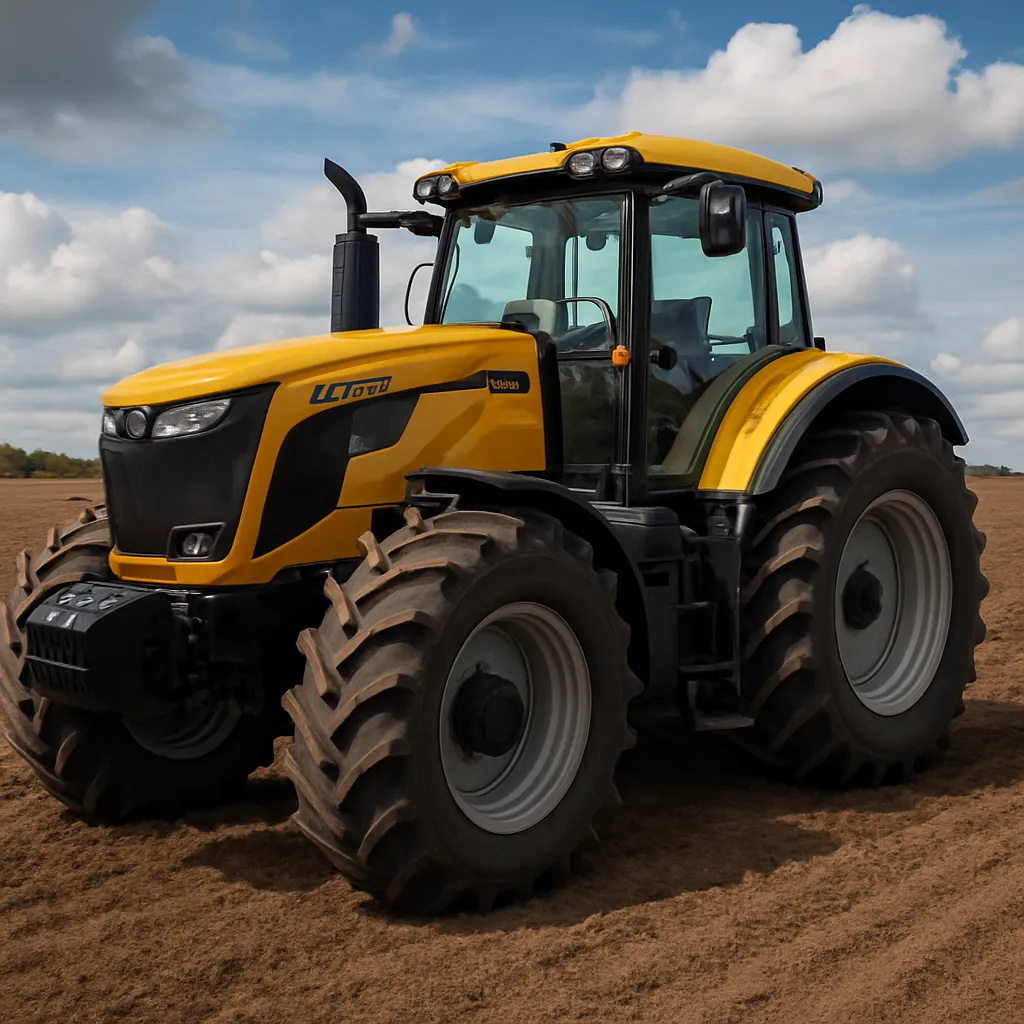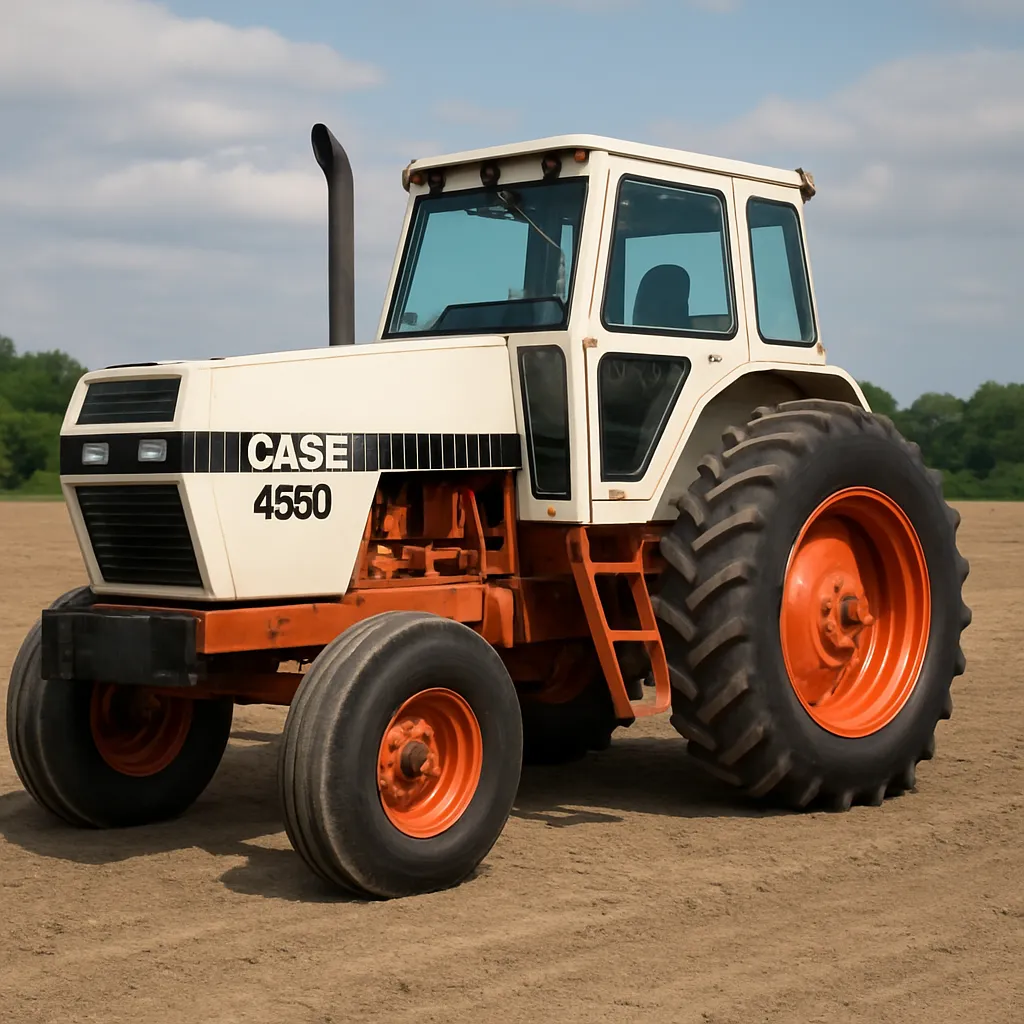
The Case 4690 tractor stands as a useful example of a medium-duty agricultural machine that balances power, versatility, and practicality for modern farming needs. While many variants and regional configurations exist, this model is commonly recognized by farmers, contractors, and collectors for its solid mechanical design and adaptability to a wide range of tasks. The following sections explore the typical technical characteristics, real-world applications, maintenance and operational guidance, market context, and interesting facts that make the Case 4690 a noteworthy machine in the world of agricultural equipment.
Overview and historical context
The Case 4690 arrived as part of Case’s lineup of tractors intended for medium-sized operations requiring dependable performance without the complexity or cost of larger, high-horsepower machines. Case (and later Case IH after corporate reorganizations) produced numerous models for different markets; the 4690 belongs to a class of tractors designed to serve multiple roles on mixed farms, vineyards, and contractor operations.
Design philosophy
Manufacturers aimed at creating a machine that was both durable and easy to service. The 4690 typically emphasizes straightforward mechanical systems—robust diesel engine architecture, a proven transmission layout, and reliable hydraulic components. This philosophy made the tractor appealing where uptime and simple repairs were priorities.
Market placement
The 4690 fits between smaller sub-compact and compact models and larger utility tractors. It targets farms that need more than a compact machine can deliver but do not require the complexity or weight of a full-size agricultural tractor. As such, its presence is most felt in family farms, small commercial operations, and as a second utility tractor on larger farms.
Typical technical specifications and performance
Exact specifications of a Case 4690 can vary by year, regional variant, and factory or dealer options. The values below represent typical ranges and common configurations frequently encountered in market listings and owner manuals for medium-power tractors from Case’s mid-range family.
- Engine power: typically in the range of 80–110 horsepower (HP) at the crank, depending on configuration and tuning.
- PTO (Power Take-Off): standard 540 rpm, often with optional 1000 rpm; PTO power available to implements is slightly lower than engine gross power (typical drawbar/PTO losses considered).
- Transmission options: standard synchronized gearboxes, semi-powershift, or full powershift were common in mid-range models; some came with creeper gears or dual-range options for precision field work.
- Hydraulics: open-center hydraulic systems with typical flow rates in the 35–75 liters per minute range (9–20 gallons/min), often with multiple remotes configured for implements.
- Three-point hitch: Category II or intermediate Class II/III linkage with lift capacities typically between 2,000–3,500 kg (4,400–7,700 lbs) at the lift points depending on year and equipment.
- Fuel capacity: commonly in the 120–200 liter (32–53 gallon) range, giving a strong field endurance between refueling stops.
- Weight: operating weight often between 3,500–5,500 kg (7,700–12,100 lbs) depending on attachments, ballast, and axle configuration.
- Tire and axle options: available in 2WD, mechanical front-wheel assist, or full 4WD configurations; tire options range from narrow row-crop to wider flotation tires for reduced soil compaction.
These figures provide a basis for understanding how the 4690 performs in the field. Actual measured performance—fuel consumption, effective PTO horsepower, hydraulic flow under load—depends on maintenance, fuel quality, ambient conditions, and the specific setup.
Primary applications and use cases
The Case 4690 is valued for its versatility. Operators use it across a wide range of agricultural and non-agricultural tasks:
- Field work — plowing, harrowing, seeding, and cultivating on small to medium-sized fields where maneuverability is beneficial.
- Hay and forage operations — mowing, raking, baling (with appropriate PTO and hydraulic connections), and transport of bales.
- Loader and material handling — fitted with front-end loaders for feed handling, moving soil, aggregate, or silage, and light construction tasks.
- Transport and towing — trailer transport of produce, equipment, or materials between fields and farm facilities.
- Orchard and vineyard roles — in narrower configurations, it can serve in orchards and vineyards with protective cabs and low-profile tire options.
- Contracting and municipal use — snow clearing, road-side mowing, and light civil works when equipped with the proper implements.
The model’s reliability and moderate power make it particularly well-suited for operations where a single machine must perform many different tasks rather than being specialized.
Maintenance, common issues, and longevity
Longevity of a Case 4690 hinges on proper maintenance and the operating environment. With routine service and timely replacement of wear items, these tractors can provide many thousands of hours of service.
Routine maintenance checklist
- Regular oil and filter changes (engine oil, hydraulic oil, transmission oil where applicable).
- Fuel system maintenance, including primary and secondary filter replacement and periodic fuel tank cleaning to avoid contamination.
- Cooling system checks—radiator cleaning, coolant replacement, and belt inspection to prevent overheating.
- Hydraulic system inspection—hoses, seals, and filter changes to avoid leaks and maintain flow.
- Transmission and clutch inspection, including adjustment as required for synchronized gearboxes or powershift systems.
- PTO and three-point hitch lubrication and inspection for wear or bending of linkage components.
Common issues observed by owners
Commonly reported issues for mid-range tractors like the 4690 include:
- Wear in transmission synchros or clutch slippage after prolonged heavy use.
- Hydraulic leaks due to aging seals, especially in high-hour units.
- Turbocharger wear or soot buildup in some diesel variants if fuel quality and air filtration aren’t maintained.
- Electrical aging—starter motor and alternator wear, and corrosion on battery terminals or wiring connectors in wet environments.
With appropriate servicing intervals and timely repairs, the 4690 can remain productive. Many operators value its straightforward mechanical layout as easier to troubleshoot and repair than more electronically complex modern tractors.
Operational tips for efficiency and safety
To get the best performance from a Case 4690, operators should follow practical operational guidelines:
- Match implement size to tractor capacity. Overloading the three-point hitch or PTO reduces fuel efficiency and increases wear.
- Use proper ballast to maintain traction and steering control—insufficient or excessive ballast affects fuel consumption and soil compaction.
- Pre-operational checks: tires, fluid levels, lights, and brakes before fieldwork each day to catch developing faults early.
- Implement proper transport speeds and brake testing when towing—especially on hilly terrain to reduce stress on brakes and transmission.
- Train operators on safe loader and three-point hitch use; avoid sudden movements when carrying heavy loads high over the ground.
Market context, resale, and aftermarket
Tractors like the Case 4690 often have a long second life in resale and rental markets. Their straightforward design means many remain in service for decades, especially in regions where simplicity and ease of repair are prioritized.
Resale value
Resale values depend on hours of operation, condition, service history, and regional demand. Medium-power tractors with good maintenance records retain value well because they serve a wide variety of users—from smallholders to contractors. In many regions, a well-kept 4690-level tractor can command a respectable portion of its original cost even after many years of use.
Aftermarket and modification
Because of the 4690’s broad use, a vibrant aftermarket exists for common upgrades and replacements. Popular aftermarket areas include:
- Front-end loaders and specialized buckets for material handling.
- GPS guidance and precision farming retrofits to improve field efficiency and reduce overlap.
- Improved seat and cab comfort packages, heating/AC upgrades, and sound insulation for long-days operation.
- Heavy-duty hitch and drawbar options for contractor use.
- Upgraded lighting systems and safety features—Rollover Protection Structures (ROPS) or cabs where not factory-fitted.
Access to parts and aftermarket support is better in areas with a strong Case dealer network and among online suppliers who support legacy models.
Comparisons and positioning versus competitors
In the medium-power category, the 4690 is compared against models from John Deere, New Holland, Massey Ferguson, and Kubota. Its strengths are often cited as:
- Balanced cost-to-performance ratio—good power for typical farm tasks without high acquisition costs.
- Ease of maintenance compared to more electronically complex tractors.
- Good availability of basic parts and common components due to shared industry standards in PTOs, hitches, and hydraulic couplers.
Weaknesses compared to newer models include less advanced fuel economy controls, fewer convenience electronics, and potentially higher emissions by modern standards if not retrofitted.
Interesting facts and practical anecdotes
The Case 4690, like many durable tractors, has inspired a number of practical and creative uses beyond standard agriculture:
- Repurposing as a stable base in small construction and landscaping businesses, where the tractor’s loader and hydraulic systems simplify earthmoving tasks.
- Conversion projects by enthusiasts—some owners refurbish older 4690s with modern cabs, improved electronics, or restored historic paint schemes for shows.
- Use on hobby farms and estates where a versatile all-rounder is preferred over multiple specialized machines.
Owners frequently remark on the model’s straightforward serviceability—many routine tasks can be completed on-farm without specialized tools, which reduces downtime and maintenance expense. For collectors, older well-preserved units attract interest for their nostalgic value and mechanical simplicity.
Summary and practical takeaways
The Case 4690 represents a class of tractors designed for operators who need a dependable, moderately powered machine that can handle an array of farm and light industrial tasks. Its key strengths are durability, versatility, and ease of maintenance. Typical power and hydraulic figures place it comfortably in the medium-duty category, suitable for most mixed-farm operations. While not as advanced in electronics or emissions control as modern tractors, its mechanical simplicity can be an advantage where serviceability and cost control are priorities.
When considering purchase or continued operation of a Case 4690, focus on documented service history, checks for hydraulic and transmission wear, and a realistic assessment of the implements you plan to use. Correct matching of implements and regular maintenance will extend useful life and preserve resale value.