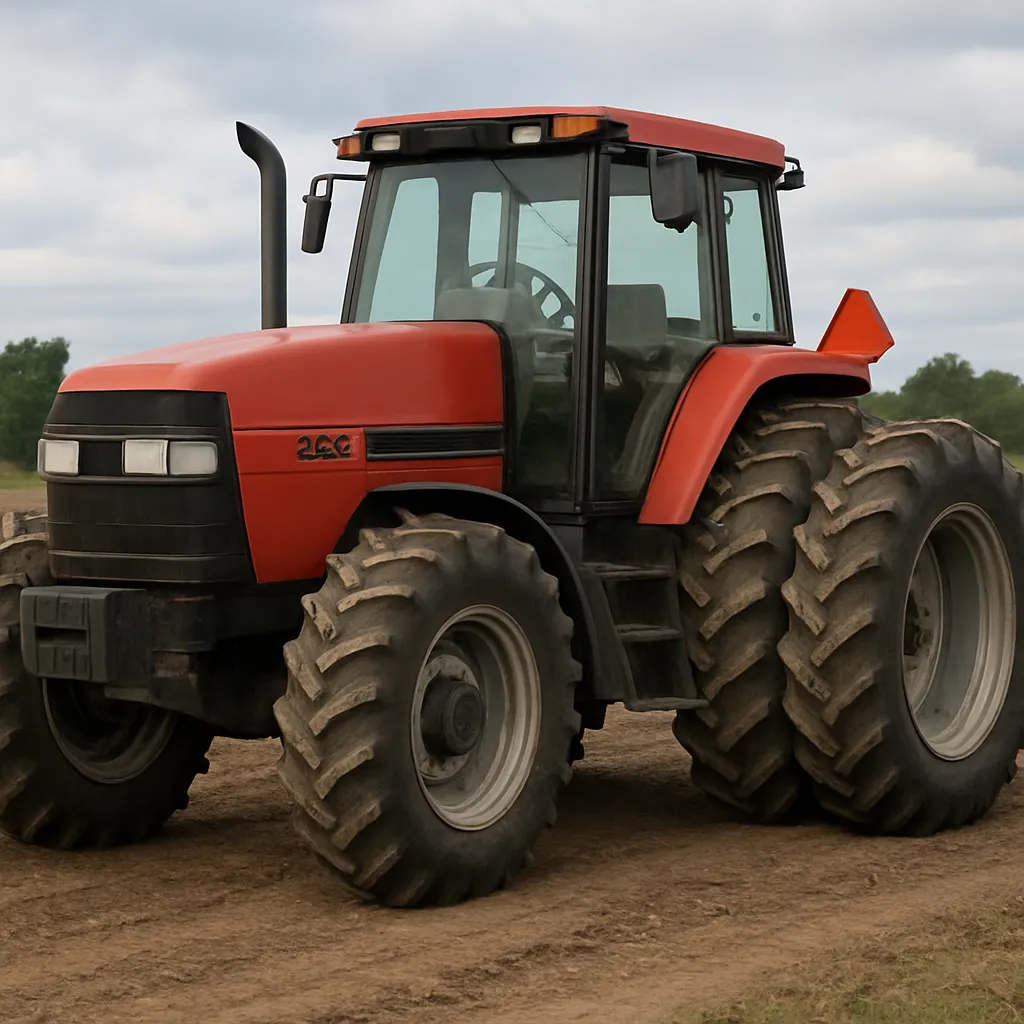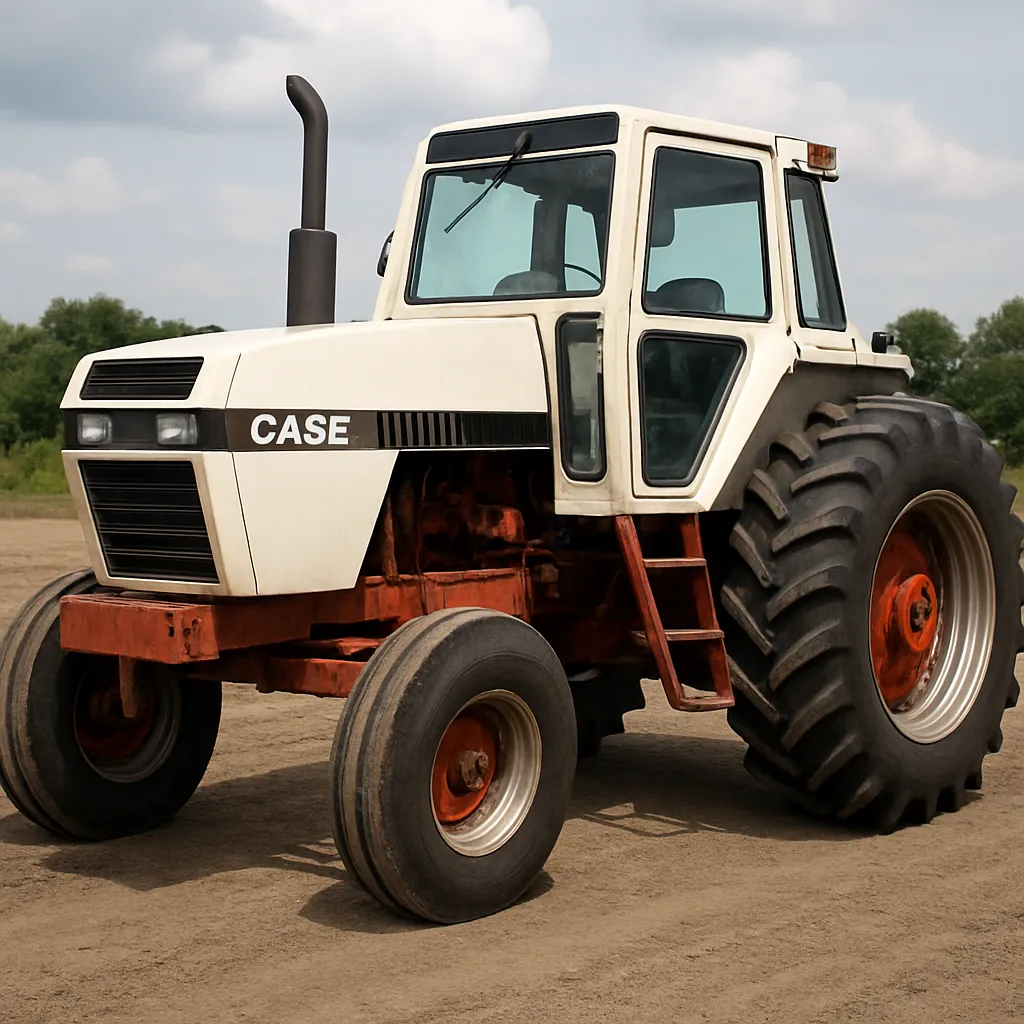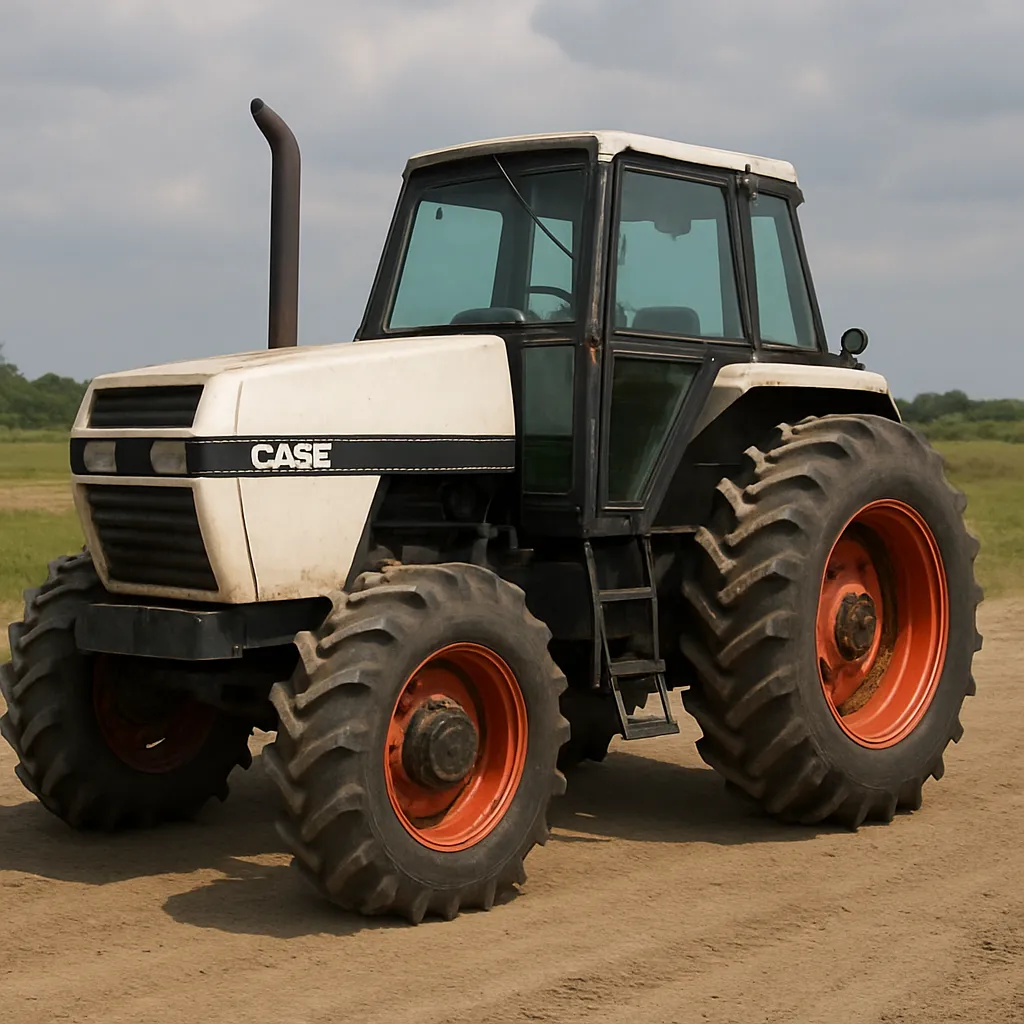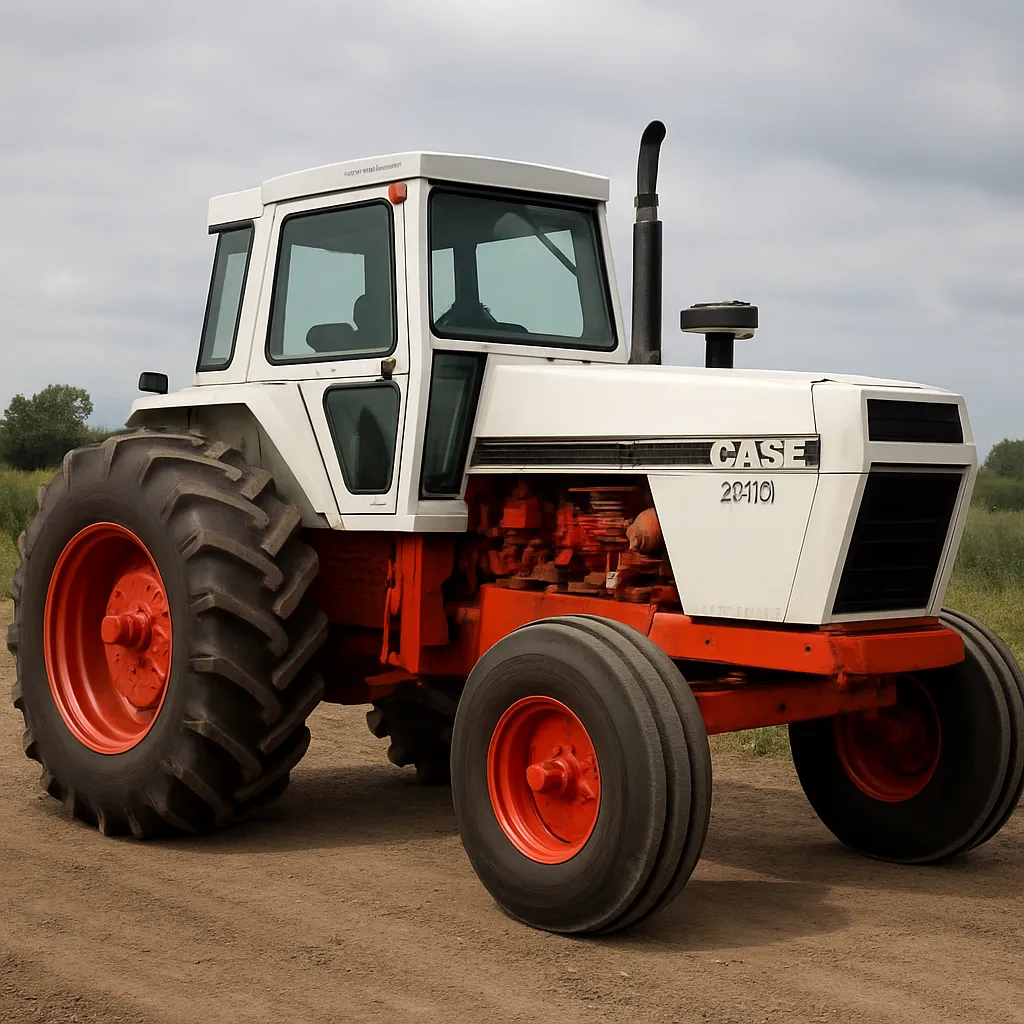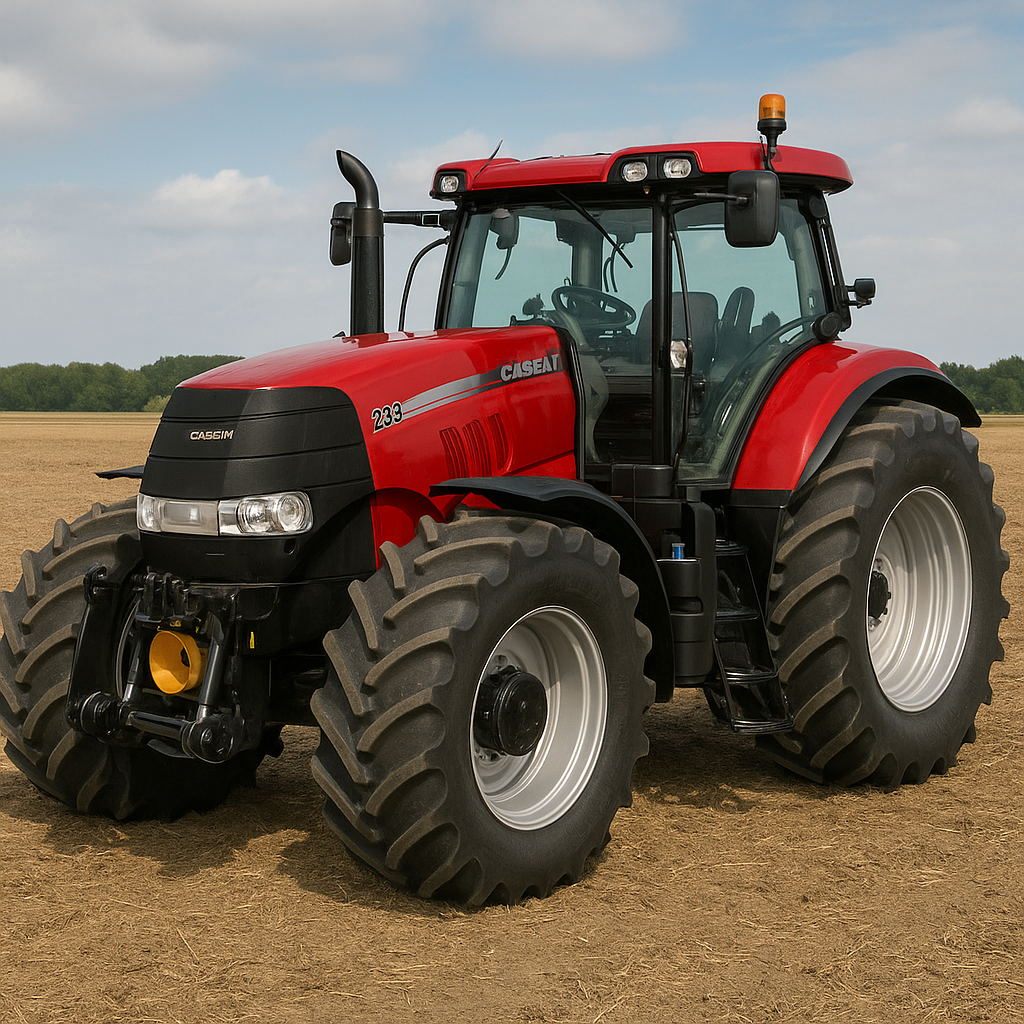
The Case IH Puma 225 is a medium-to-large agricultural tractor designed to bridge the gap between heavy fieldwork and precision modern farm operations. Combining robust mechanical engineering with increasingly sophisticated electronic controls, this model has been widely used by arable farmers, contractors, and mixed operations that demand both pulling power and on-board technology. In the following sections you will find an overview of its capabilities, typical technical specifications, fields of application, operator-focused features, maintenance considerations, and guidance for prospective buyers.
Overview and design philosophy
The Puma series from Case IH aims to deliver a balance of reliable mechanical systems and advanced operator assistance. The Puma 225 typically positions itself as a versatile all-rounder: powerful enough for large cultivations, sowing and harvesting tasks, while also agile and comfortable for loader work, transport, and precision seeding. Its development has focused on serviceability, fuel economy, and integration of digital farm-management tools, which makes it attractive for modern farms moving toward data-driven workflows.
This model is frequently specified with features to match local needs: a variety of transmissions (including stepless continuously variable options), multiple hydraulic flow packages, and cab configurations with high levels of noise insulation and ergonomic controls. Depending on market and year, the Puma 225 has been offered with engines meeting contemporary emissions regulations—often using selective catalytic reduction (SCR) and diesel particulate filter (DPF) technology to comply with Stage IV / Tier 4 Final standards.
Typical technical specifications
Tractor specifications can vary by year and market, and many units are customized at the factory or by dealers. The figures below summarize typical characteristics for a Puma 225 in commonly sold configurations; consider them indicative rather than absolute.
Engine and power
- Power: nominally around 225 rated horsepower at the engine flywheel. Peak or boost power may be available for short periods, increasing effective output during heavy loads.
- Engine type: turbocharged, aftercooled diesel with common-rail injection. Emissions control frequently incorporates SCR and DPF.
- Displacement and cylinder layout depend on the generation and engine supplier (typically a 6-cylinder configuration in similar-class machines).
Transmission and driveline
- Transmission options commonly include power-shift ranges and stepless (CVT/CVX) systems — the latter favored for tasks requiring constant ground speed, such as sprayer work or seeding.
- Gear ranges, creeper options, and multiple drive ratios allow road speeds up to about 40 km/h (varies by market/legal limits and configuration).
- 4WD with locking differentials and electronically controlled driveline management ensures traction and torque distribution for heavy fieldwork.
Hydraulics, PTO and linkage
- Hydraulic systems typically offer variable-flow pumps with flows commonly in the range of 110–170 liters per minute, configurable with auxiliary circuits and priority steering systems — essential for loader and implement demands.
- PTO (Power Take-Off) speeds usually include 540 / 1000 rpm options and may include economy modes; the PTO is enabled via electronic control for smooth engagement and reliability.
- The rear hitch lift capacity is designed for heavy implements; depending on specification, it can handle several tonnes of lift force at the hitch points.
Weights, dimensions and fuel
- Operating weight commonly ranges from roughly 7,000 to 9,500 kg depending on fitted tires, ballast and front implement packages.
- Fuel tank capacity is typically large to support long working days; values generally fall between 300 and 500 liters on many configurations.
- Tire options (row-crop, flotation, duals) and wheelbase choices influence ground pressure, transport stability, and soil compaction characteristics.
Applications and typical use cases
The Puma 225 is positioned for operations that demand reliable power and flexibility. Common applications include:
- Primary tillage: pulling large ploughs, discs or cultivators across extensive acreage where consistent tractive effort and engine torque are required.
- Seedbed preparation and sowing: when fitted with precision seeding equipment and autoguidance, the tractor’s stability and hydraulic control offer accurate implement control.
- Spraying and fertiliser application: steady ground speed and high-capacity tanks on implements make it suitable for chemical and liquid fertiliser spreading.
- Baling and forage work: PTO power for balers and forage harvesters; hydraulics for controlling baler or wrapper systems.
- Transport and loader work: loader-equipped variants are used for moving bulk materials, pallets and feed tasks around farmyards.
- Contracting: many contractors favor the Puma 225 for its versatility across multiple clients and seasons — especially where one machine must handle diverse tasks.
Operator experience: cab, controls and comfort
Case IH places emphasis on operator environment for the Puma series. The Puma 225 typically offers:
- Quiet, climate-controlled cabs with high-visibility glazing, often achieving sound levels low enough for extended shifts without excessive fatigue.
- Ergonomically arranged controls: multifunction joysticks for loader and hydraulic control, and armrest-mounted consoles for transmission and implement management.
- Precision steering and suspension options: air-suspended seats, cab suspension, and optional front axle suspension for improved ride quality during transport.
- Infotainment and displays: multi-function colour terminals that present engine, transmission and implement data, and in many cases interface with guidance and telematics platforms.
These features enhance operator productivity and safety, and in combination with automated driving aids can significantly reduce operator workload on long field runs.
Technology, precision farming and connectivity
Modern Puma tractors are commonly equipped to integrate with precision agriculture systems. Typical technology features include:
- Telematics: remote monitoring systems allowing fleet managers to track location, fuel consumption, engine hours and other diagnostics in near real-time.
- Autoguidance compatibility: GNSS-based steering systems for sub-meter to centimeter-level accuracy, improving seeding accuracy and reducing overlap.
- ISOBUS support: plug-and-play communication with a wide range of implements for easier control and data capture.
- Automatic section control and rate controllers: enabling more efficient input application (seed, fertiliser, chemical) with reduced waste.
These features support the move toward data-driven decisions on farms: yield mapping, field-by-field management, and automated task logging to improve efficiency and regulatory compliance.
Performance and fuel economy
Fuel efficiency is a major consideration for operators of a 200+ horsepower tractor. The Puma 225’s fuel consumption depends greatly on matching engine torque curves to implement demands and optimizing transmission selection. General performance tips and trends:
- Engines with electronic torque management and boost functions allow the tractor to deliver extra power when needed, preventing the operator from shifting down excessively and saving fuel overall.
- CVT transmissions can improve fuel economy in many tasks by maintaining the engine in the most efficient rpm band; however, specification, field conditions and operator technique remain decisive.
- Proper tyre selection and inflation, correct ballast, and tidy hitch geometry reduce drawbar pull and fuel consumption in traction-heavy tasks.
Exact fuel consumption figures vary with workload, but typical specific fuel consumption for modern diesel agricultural engines in this class often ranges between 200–260 g/kWh under nominal conditions. Real-world consumption will depend on load profile and duty cycle.
Maintenance, reliability and operating costs
Ownership costs for a tractor like the Puma 225 include fuel, routine maintenance, tires, insurance, and depreciation. The design emphasis on serviceability can reduce downtime:
- Easy access to daily check points (oil, filters, cooling system) shortens service intervals and allows operators to spot issues early.
- Modern emission systems add maintenance tasks (DPF regeneration cycles, SCR urea/AdBlue replenishment), but provide the emissions control necessary for regulatory compliance.
- Using manufacturer-recommended consumables and scheduled servicing helps maintain residual value and reliability, important factors when operating intensive contracting fleets.
Spare-part availability and dealer support strongly influence lifetime cost and downtime. Case IH has a well-established dealer network in many agricultural regions, which helps reduce waiting time for replacement parts and specialized repairs.
Market positioning and resale
The Puma 225 competes against models from other major manufacturers in the 200–250 hp segment. Its strengths often cited by owners and evaluators include robust engine performance, a comfortable cab, and strong dealer support. When assessing resale value consider:
- Specification level: tractors with advanced electronics, autoguidance-ready packages, and high-spec transmissions tend to hold value better.
- Hours and maintenance history: low-hour units with documented servicing achieve higher prices.
- Local demand: resale values reflect local farm sizes, contractor needs, and market trends for used equipment.
Safety and regulatory considerations
Operators should be aware of safety and local regulatory aspects:
- Roll-over protective structures (ROPS) and seatbelt usage are fundamental; newer Puma cabs provide integrated ROPS protection and excellent visibility for safe operation.
- Emissions-related compliance — ensuring AdBlue/urea is available and that DPF regeneration is managed — avoids downtime and legal issues related to emissions controls.
- Lighting, signalling and transport configurations must meet local road-use regulations for farm vehicles when moving between fields and sites.
Buying advice and configuration guidance
If you are considering the Puma 225 for purchase, these practical points help match a machine to your needs:
- Define the primary tasks: match transmission type to the most frequent duty (CVT for constant-speed tasks; powershift for mixed-field and transport use).
- Hydraulic demand: confirm pump flow and number of circuits for implements like seed drills, sprayers, or hydraulic motors.
- PTO and hitch capacity: verify that lift capacity and PTO torque meet implement specifications to avoid underperformance on heavy gear.
- Precision farming kit: if planning autoguidance or ISOBUS implements, ensure your specified terminal and antenna meet accuracy and compatibility needs.
- Test drive: evaluate cab ergonomics, visibility, control responsiveness and how the tractor behaves under real implement loads.
Practical examples and user scenarios
Examples of how a Puma 225 might be used across seasons:
- Spring: primary cultivations and seedbed preparation, where strong rear linkage and high drawbar pull let the tractor handle large ploughs and heavy cultivators.
- Summer: sprayer runs and fertilizer spreading with autoguidance to minimise overlaps and ensure timely applications.
- Autumn: harvest-support tasks including straw baling and haulage between fields and storage; PTO reliability and robust hydraulics critical for baler operation.
- Winter: loader duties around the yard, material handling, and transport when equipped with appropriate tyres for slippery conditions.
Summary
The Case IH Puma 225 is a capable, versatile tractor tailored to medium-to-large farming enterprises and contracting operations. It blends core mechanical robustness—such as high-rated horsepower, durable engine platforms and strong hitch performance—with modern conveniences like advanced transmission choices, substantial hydraulics, and integrated telemetrics and precision-farming compatibility. Operator-focused features including a comfortable cab, ergonomic controls and attention to comfort increase productivity, while attention to routine maintenance and the added complexity of emission systems shape running costs.
When specified correctly for the task and maintained well, the Puma 225 can be a long-lived workhorse offering a strong balance between power, technology and operator comfort — suitable for large arable farms, mixed operations and professional contractors who require a reliable and adaptable machine.