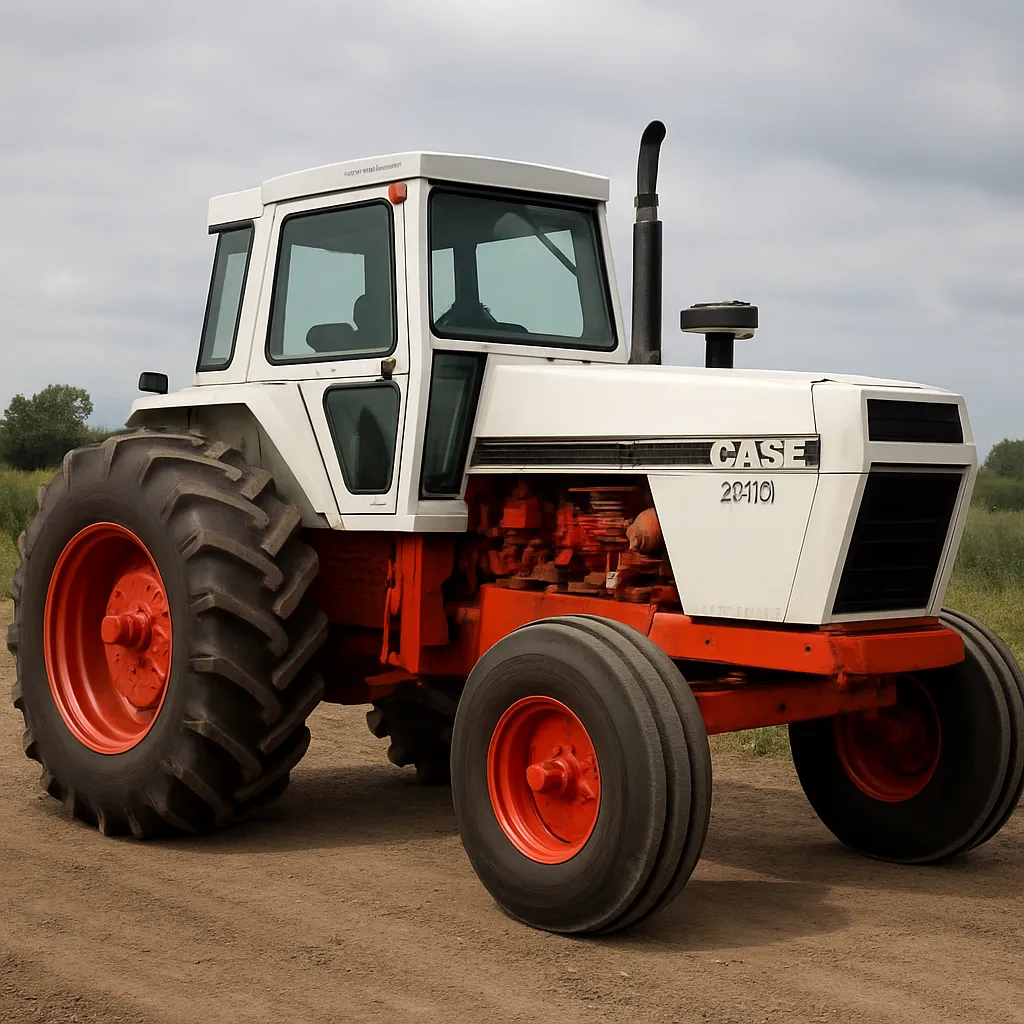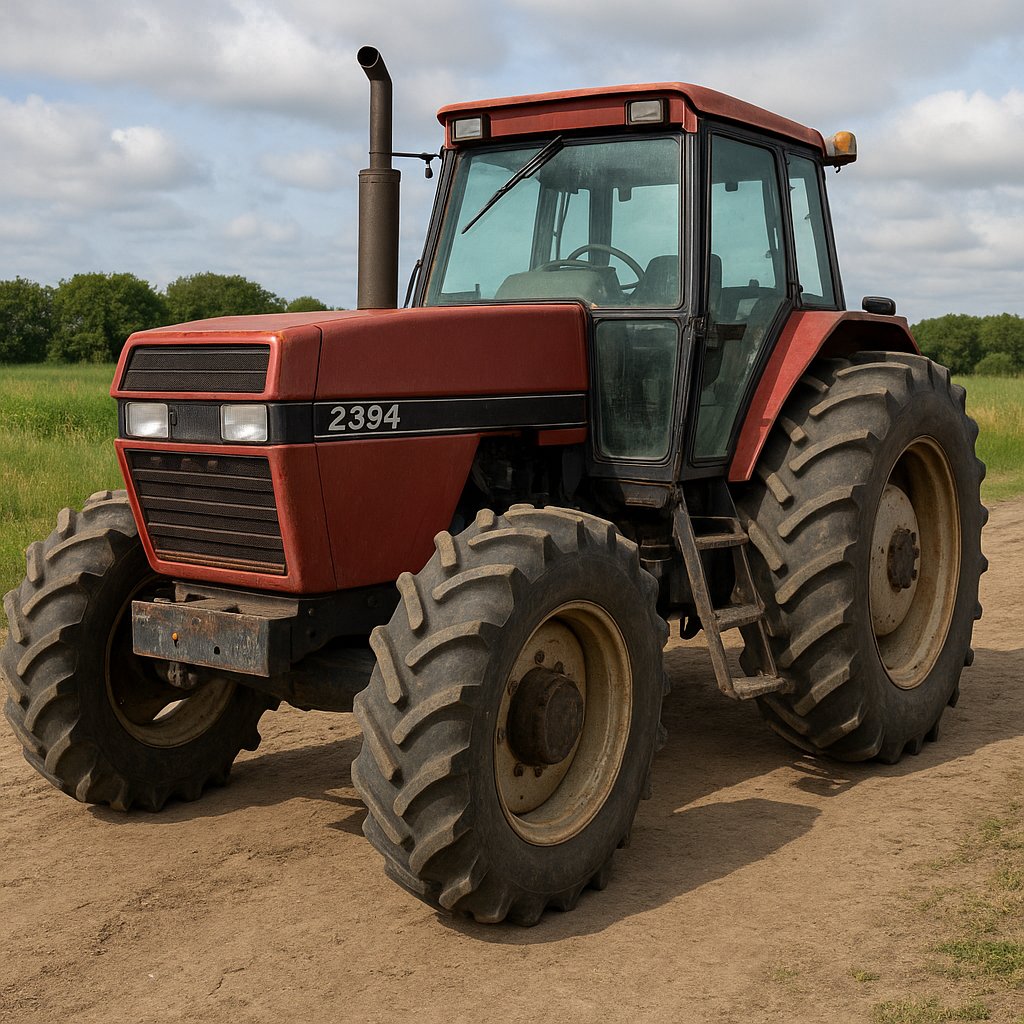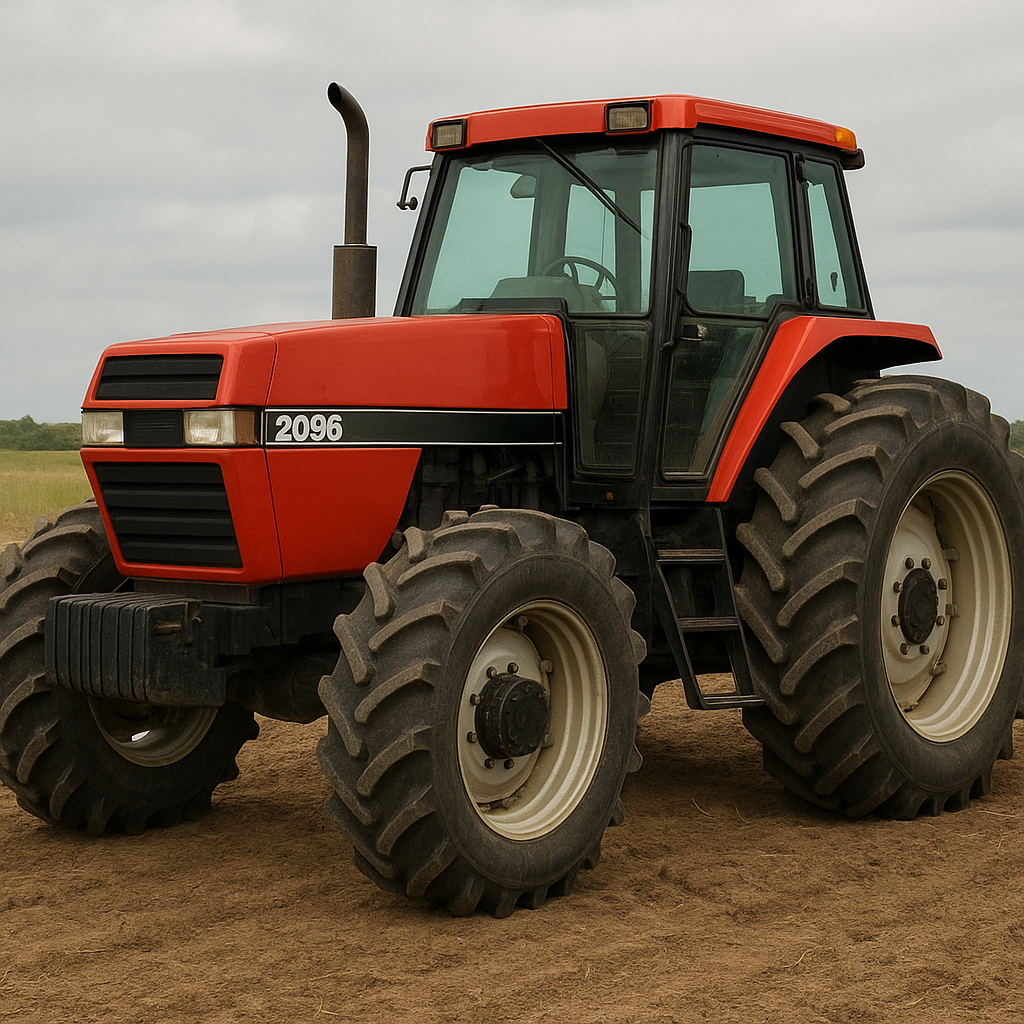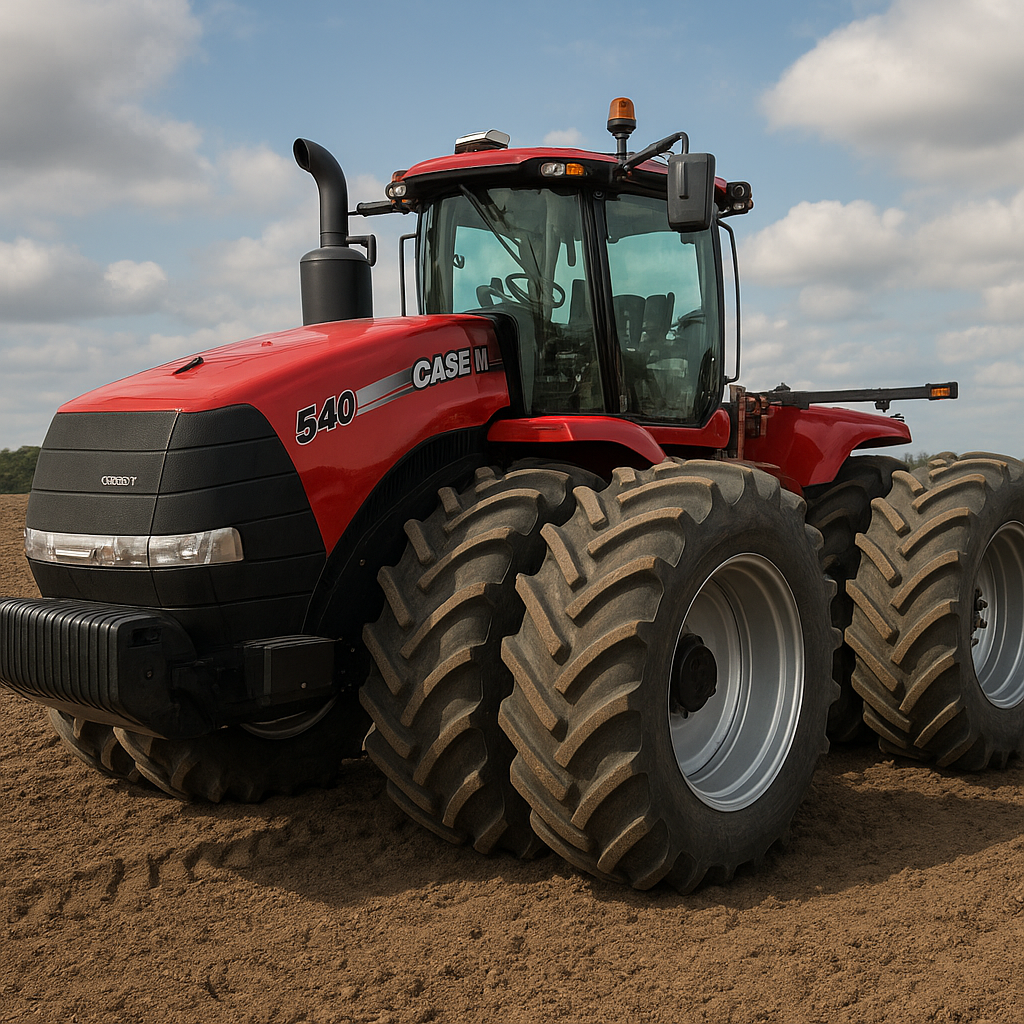
The Case IH Steiger 540 is a heavyweight agricultural tractor designed for large-scale farming operations, contractors and enterprises that require high-power machines for demanding fieldwork. This article explores the Steiger 540’s design philosophy, typical applications, key features and practical considerations for operators and fleet managers. It also touches on comparative strengths, common configurations and advice for maximizing life-cycle value. Throughout the text you will find practical information useful for anyone researching or operating a high-horsepower row-crop or tillage tractor.
Technical overview and performance characteristics
The Steiger 540 sits near the top of Case IH’s Steiger family in terms of rated output. Its model designation points directly to its nominal power: approximately horsepower rated at 540 hp (roughly 402 kW). As with many modern high-horsepower tractors, actual performance depends on configuration (wheeled vs. tracked), optional packages and the year of manufacture. Manufacturers often tune engines and control systems so rated power is delivered under standard test conditions; field results depend on load, ground conditions and implement matching.
Key technical areas that define the Steiger 540’s capability include engine design, drivetrain, hydraulic capacity and cooling systems. These subsystems work together to convert diesel fuel into continuous, controllable tractive force and implement power.
Engine and power delivery
The heart of the Steiger 540 is its diesel engine, a high-displacement inline configuration optimized for low-end torque and long service intervals. Engines in this class typically feature advanced fuel injection, turbocharging and electronic engine management to balance performance and emissions. The high torque output at lower engine speeds allows the tractor to pull heavy tillage tools or large planters while maintaining fuel efficiency and transmission longevity.
Drivetrain and transmission options
Steiger tractors are available with robust transmissions designed to handle sustained high torque. Options include multi-speed power shift or continuously variable-type systems depending on the model year and market. The transmission philosophy emphasizes smooth power delivery, operator comfort and the ability to maintain constant ground speed under varying loads. Effective gear ratios and torque management reduce clutch wear and improve overall driveline life.
Hydraulics, PTO and implement control
Modern Steiger 540 units come equipped with a strong hydraulic system capable of supporting multiple remote valves, high flow demand implements and precision control systems. The Power Take-Off (PTO) provides high-capacity implement power for operations such as rotary tillage, heavy pumps or large balers. Electronic control systems and ISOBUS compatibility are common, allowing seamless cooperation with precision farming tools and variable-rate implements. High hydraulic flow and pressure translate directly into implement responsiveness and operational productivity.
Typical applications and field roles
The Steiger 540 is purpose-built for high-acreage and heavy-duty tasks where smaller tractors would struggle or require impractically large working widths and multiple passes. Common uses include:
- Primary tillage: pulling large moldboard plows, disc harrows and tandem discs across deep, dense soils.
- Heavy seeding and planting: powering wide planters and air seeders that demand consistent forward speed and hydraulic control.
- Land clearing and preparation: hauling and powering heavy attachments for field renovation and drainage-ready grading.
- Transport and heavy towing: moving loaded wagons, fertilizer carts and grain carts during harvest season.
- Specialty tasks: forestry mulching, contractor work and road maintenance when fitted with the correct implements.
Because of its size and weight, the Steiger 540 is most efficient on broad, open fields where large implements can be used to maximize productivity. It is less suited to tight, highly irregular fields or small mixed farms where maneuverability and smaller tool compatibility are priorities.
Design features that enhance utility and operator experience
Case IH designed the Steiger line to combine brute strength with operator-focused refinements. Several design elements warrant attention:
- traction: Large tires or Quadtrac tracked options provide exceptional traction and reduced soil slip, translating into better fuel economy and consistent field performance.
- cab comfort and ergonomics: high-visibility cabs with climate control, adjustable seating and intuitive control layouts reduce operator fatigue during long shifts.
- Cooling and durability: heavy-duty cooling systems and reinforced driveline components support prolonged operation under heavy load and in challenging climates.
- Precision-farming integration: GPS guidance, auto-steer, ISOBUS and telematics make the tractor suitable for modern agronomic practices focused on input optimization.
These features support sustained productivity and also improve working conditions, which influences operator performance and retention when used on large farms and by contractors.
Variants, tracks and configuration choices
Large tractors like the Steiger 540 are offered in multiple configurations to suit soil types and application needs. Two common platform choices are conventional wheeled tractors and tracked variants.
- Wheeled models: typically offer lower upfront cost and simpler serviceability. Best for firm ground and transport-focused work where top road speeds and ease of movement between fields matter.
- Tracked models (Quadtrac): feature independent rubber tracks on four articulated bogies. These provide lower ground pressure, improved flotation and traction on soft or wet soils. Quadtrac systems reduce soil compaction across a larger footprint and can increase productivity when traction-limited conditions are common.
Choosing between wheels and tracks involves balancing initial investment, fuel efficiency, soil preservation concerns and transport logistics. Tracks generally reduce slip and improve pull performance, especially when paired with wide tillage implements.
Operational considerations and best practices
To derive maximum value from a Steiger 540, operators and fleet managers should plan for the following:
- Implement matching: pair the tractor with implements sized to the tractor’s drawbar and PTO capacity to avoid under- or over-utilization.
- Fuel and maintenance budgeting: high-horsepower tractors consume more fuel per hour under load, so operational budgets should reflect peak-season consumption profiles.
- Tire/track maintenance: monitor tire pressures, lug wear and track tension regularly. Correct setup significantly affects fuel use and soil impact.
- Operator training: modern systems like ISOBUS and autosteering increase efficiency but require training to be used properly.
- Seasonal planning: deploy the Steiger for the most demanding tasks (primary tillage, heavy planting, transport) where its power yields the greatest time savings.
Simple operational tweaks — such as proper ballast, correct hitch setup and thoughtful speed selection — can improve fuel efficiency and reduce wear on major components.
Maintenance, reliability and service intervals
High-horsepower tractors should be supported by a structured maintenance schedule. Typical maintenance actions include oil and filter changes, fuel system checks, cooling system service and driveline inspections. Preventive maintenance prevents cascading failures which are particularly costly in large tractors where parts and downtime impact whole-season productivity.
Case IH and most OEMs publish recommended intervals for major services. For a machine like the Steiger 540, common practices include:
- Daily pre-start checks: fluid levels, visual leaks, tire/track condition and lights.
- Short-interval services (every 200–500 hours): oil and filter replacement, air filter inspection and basic hydraulics checks.
- Major services (every 1,000–2,000 hours): transmission service, cooling system flush and in-depth engine inspections.
Adhering to manufacturer recommendations extends component life and preserves resale value. For enterprise buyers, warranty packages, extended service contracts and telematics-based condition monitoring are worth considering.
Economic and environmental considerations
Investing in a Steiger 540 is a strategic decision that should be evaluated in terms of productivity gains, operating costs and long-term returns. High-capacity tractors shorten working windows and increase the throughput of soil preparation and seeding operations, which can protect crop yields by ensuring timely fieldwork.
On the cost side, factors to include in calculations are:
- Initial purchase or lease cost
- Fuel consumption under typical working conditions
- Maintenance and major component replacement costs
- Insurance, taxes and transport logistics
- Resale value and depreciation
Environmentally, larger tractors can both positively and negatively affect soil health. On the positive side, efficient passes with wide implements reduce the total number of tractor passes over a field, lowering cumulative compaction from multiple machines. On the negative side, a single heavy tractor concentrates weight, which can increase deep compaction if not properly managed with ballast and flotation solutions. Track systems (Quadtrac) are often promoted to mitigate compaction by spreading load over a greater surface area.
Comparisons with competing models
In the high-horsepower market segment, the Steiger 540 competes with other flagship tractors from global manufacturers. Buyers typically evaluate machines based on net power, drawbar performance, fuel efficiency, operator ergonomics and total cost of ownership. Case IH’s advantages often cited by owners include integrated precision farming systems, strong dealer support networks in many regions and proven durability in heavy tillage applications.
When comparing models, consider:
- Real-world fuel consumption at the field drawbar
- Hydraulic and PTO capacity for the implements you plan to use
- Availability of parts and local service support
- Financing options and warranty coverage
Test-driving and field demonstrations under conditions similar to your typical operations are invaluable in making a purchasing decision.
Safety, ergonomics and operator tips
Large tractors require strict adherence to safety protocols. Recommended practices include:
- Wearing seat belts and using ROPS (rollover protective structures) when fitted.
- Observing speed limits, especially on roads and slopes.
- Keeping bystanders clear during implement operation and transport.
- Using proper lighting and marking for road travel.
- Following lockout procedures during maintenance.
Ergonomic improvements — such as adjustable seats, low-vibration cabs and user-friendly control layouts — reduce fatigue and support long operating shifts, which is especially important during planting and harvest windows.
Market presence and resale considerations
The Steiger 540 has been a staple in markets with large-scale row-crop farming and contractor work. Resale values for high-horsepower tractors tend to be more resilient than those for lower-power machines, provided maintenance records are clear and optional equipment (such as advanced auto-steer and telematics) is present. Factors affecting resale include overall hours, service history, condition of driveline components and whether the tractor has been used primarily for tillage (which is harder on components) or lighter work like transport and planting.
For fleets, rotating tractors between seasons and maintaining comprehensive service records can preserve market value and simplify trade or sale when upgrading.
Final considerations and practical recommendations
Choosing and operating a Case IH Steiger 540 or similar high-power tractor should flow from a careful assessment of your acreage, implement inventory and seasonal workload. The Steiger 540 is best deployed where wide implements and continuous heavy-duty tasks make its size and power pay off in time savings, lower unit costs per acre and improved timeliness of field operations.
Practical recommendations:
- Match implements to the tractor’s capability to avoid wasted capacity or needless wear.
- Consider track options when soil compaction and traction are frequent challenges.
- Invest in operator training for precision-technology packages to fully realize efficiency gains.
- Keep a disciplined maintenance schedule and use OEM-approved parts to preserve reliability and resale value.
By combining high power with modern controls and robust construction, the Steiger 540 is a compelling choice for large farms and contractors that need dependable, continuous field performance.
Note: Specifications and available options may vary by year and region. For precise technical data, consult a local Case IH dealer or official product manuals.