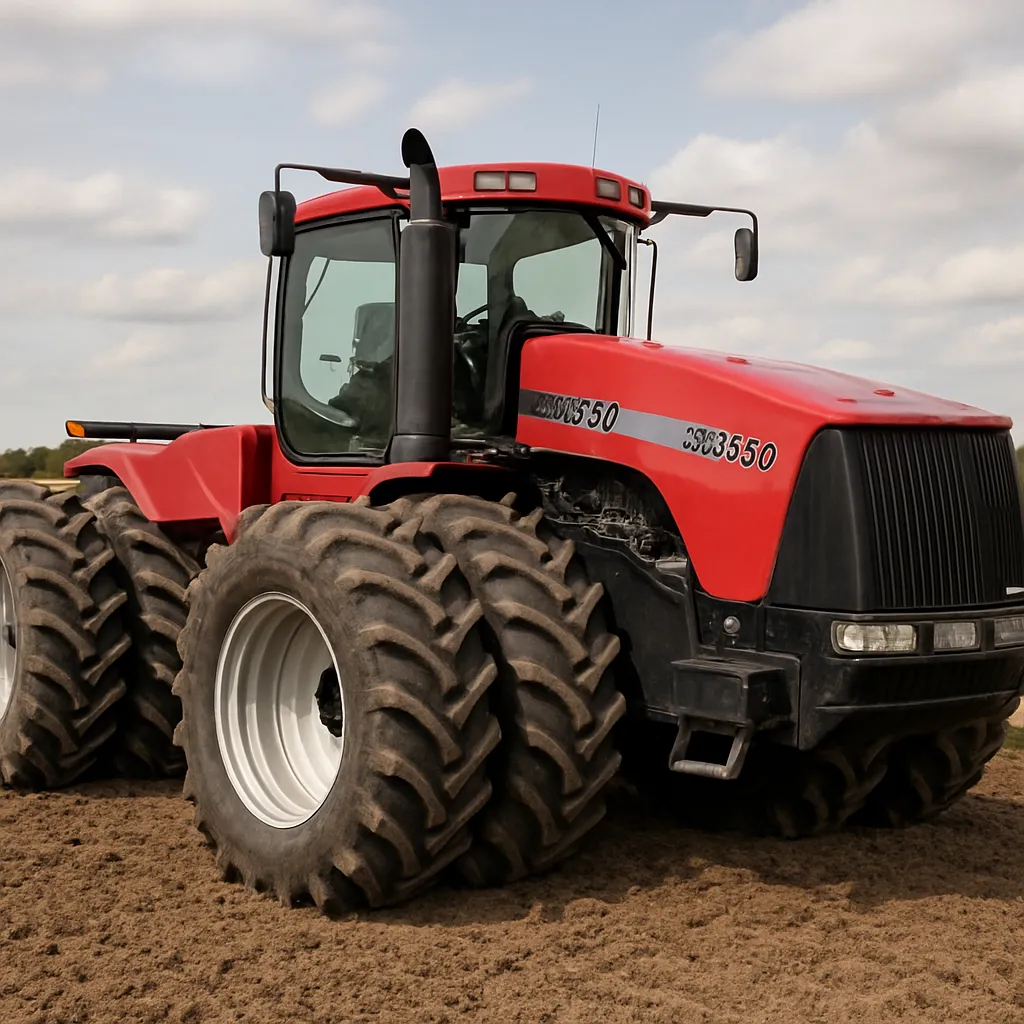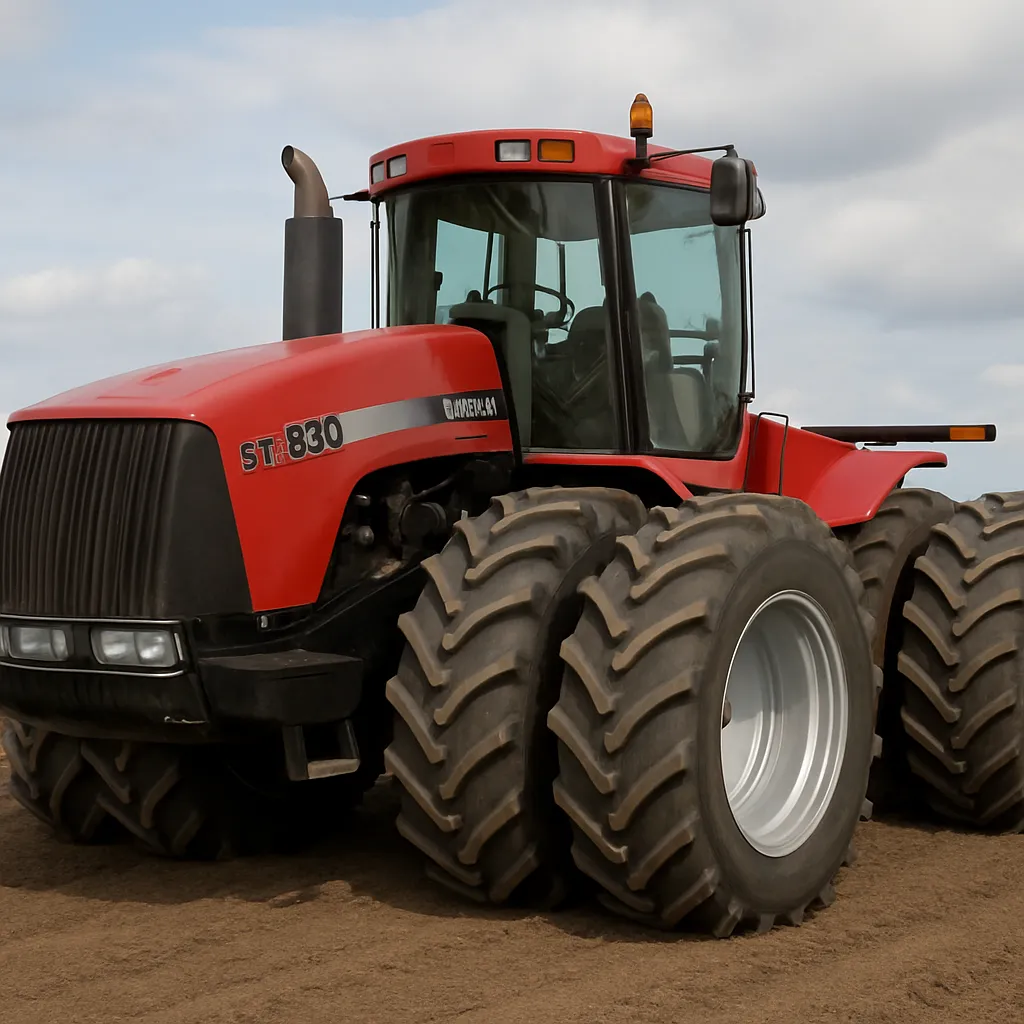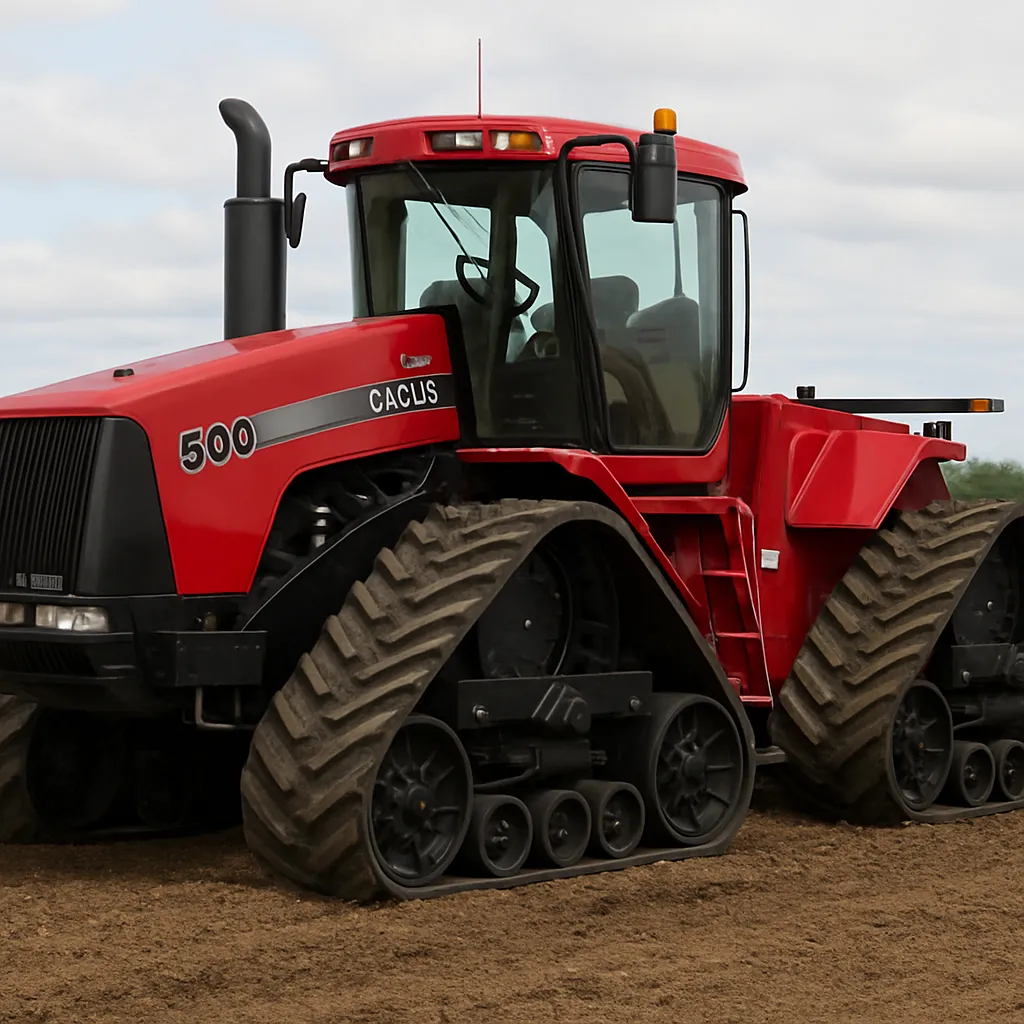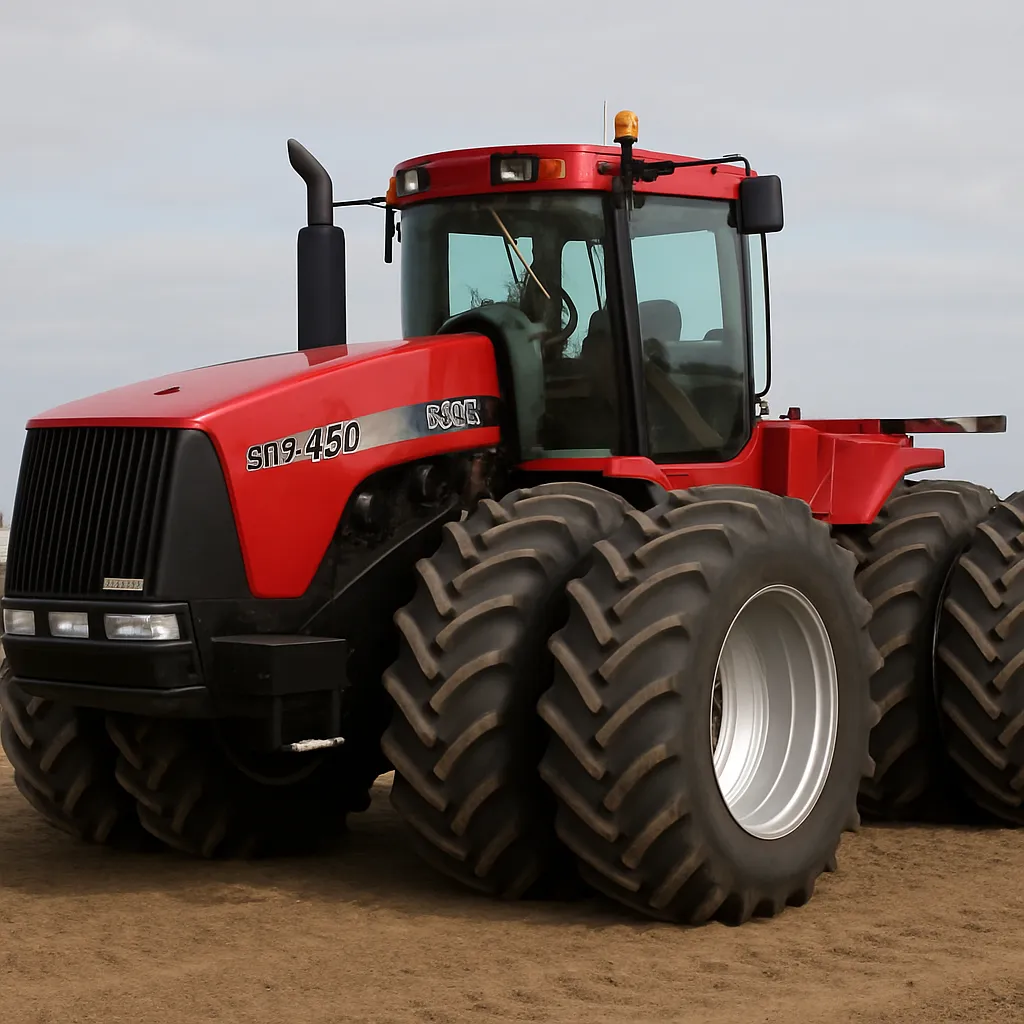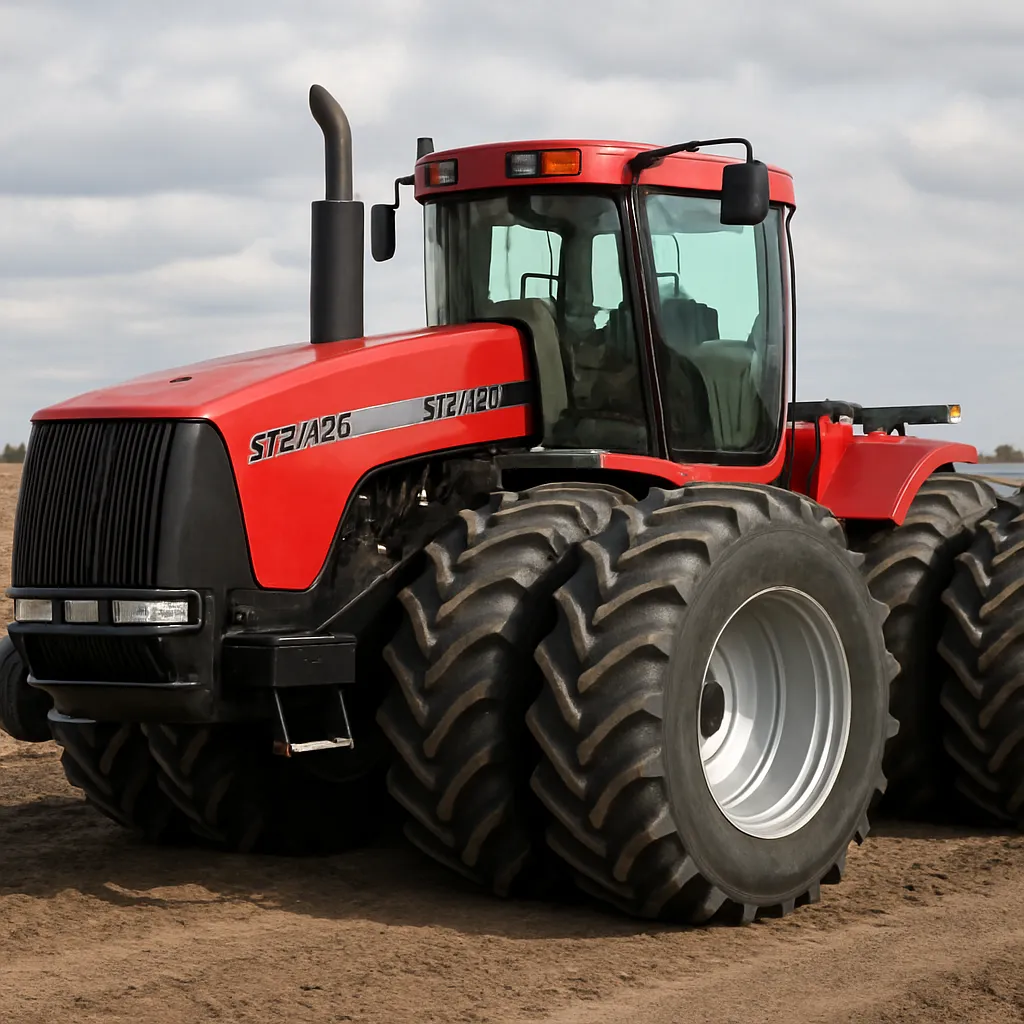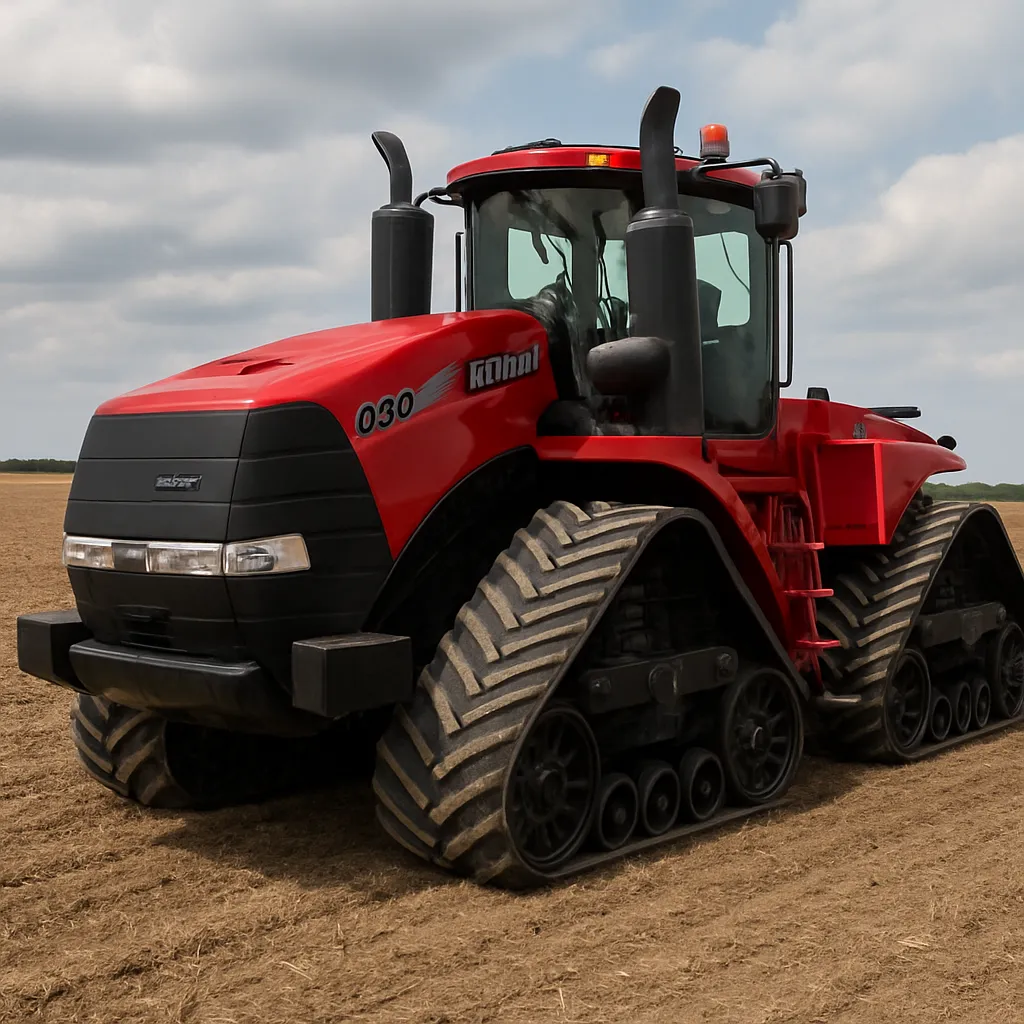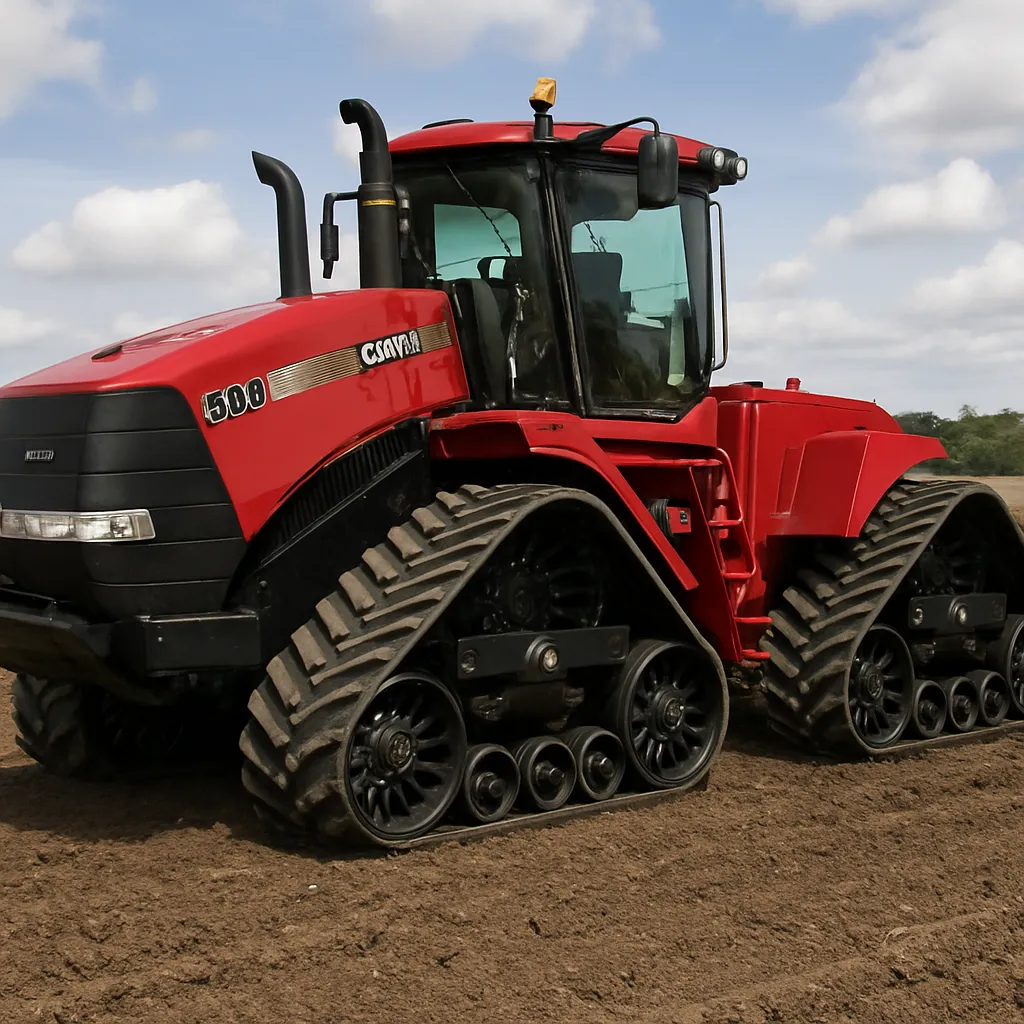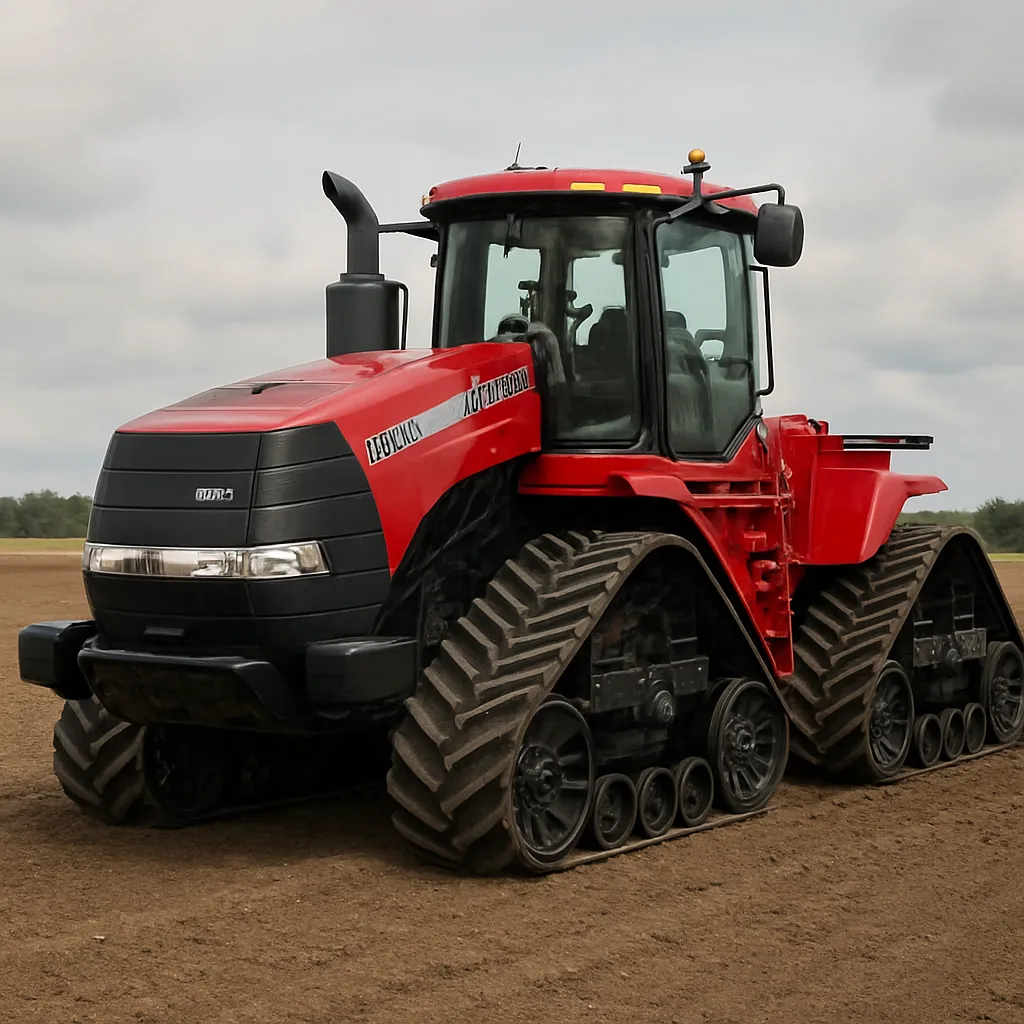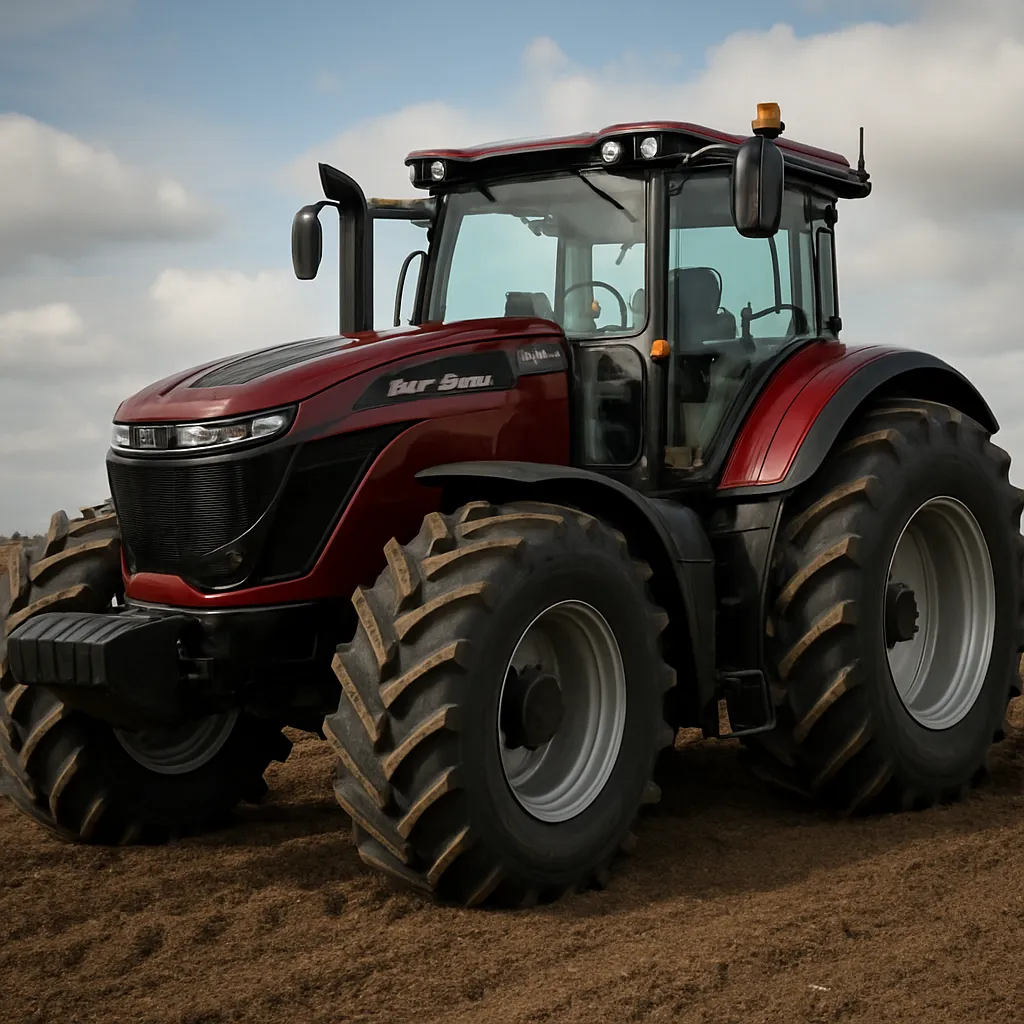
The Challenger 1050 Concept represents one of the most ambitious visions of large-scale agricultural machinery produced by the Challenger brand within the AGCO family. Designed as a statement piece rather than a mass-produced model, this machine explored extremes of power, traction and operator comfort for very large farms and contracting operations. In the paragraphs that follow, the article examines the Concept’s design philosophy, likely uses on modern farms, technical highlights and operational implications for agriculture, while also placing the machine in historical and market context. The article emphasizes practical considerations, environmental and economic impacts, and how concepts like this influence future tractor development.
Design and engineering philosophy
The Challenger 1050 Concept was conceived as a bold demonstration of how far agricultural tractor design can be pushed when the objective is both raw capability and improved field efficiency. At the core of this concept is an emphasis on unrivaled traction, continuous power delivery and a platform intended for the largest-scale tillage, seeding and hauling tasks.
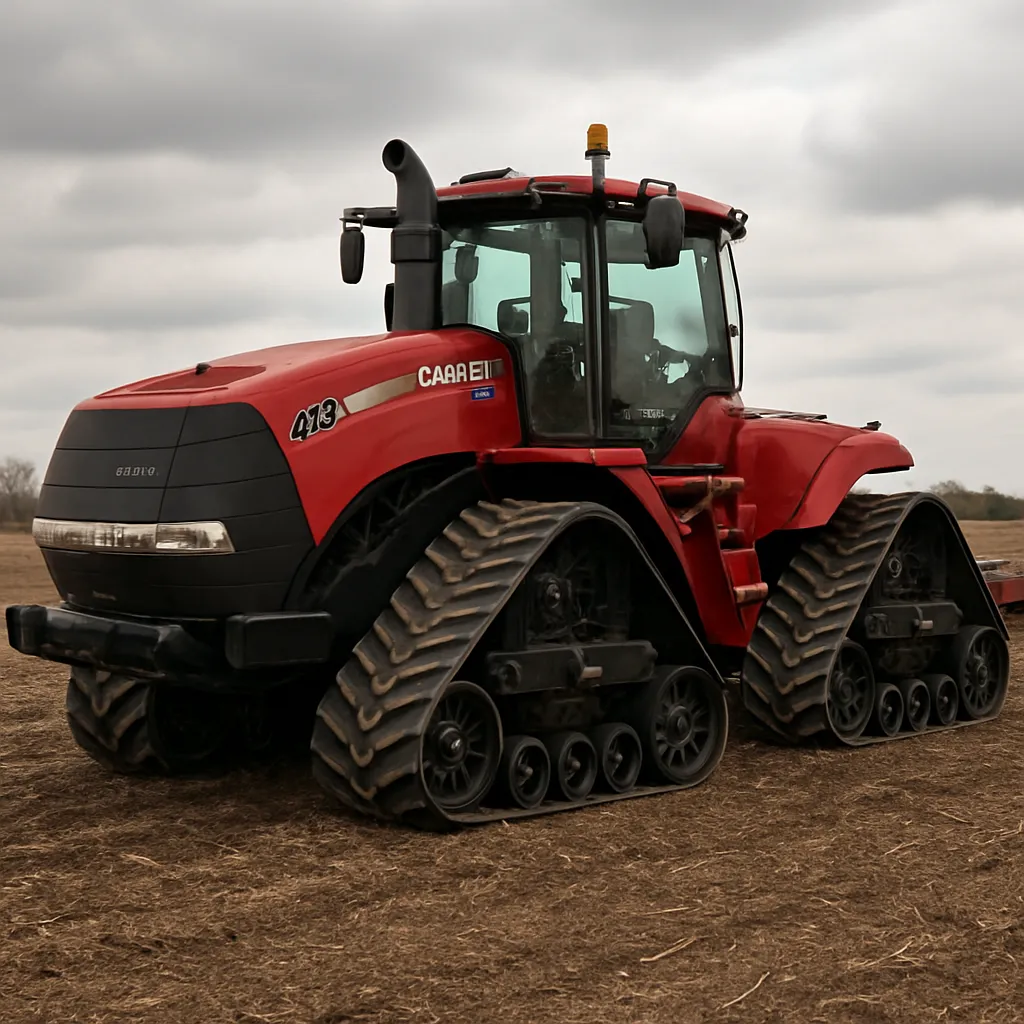
The machine’s most distinctive elements are its large low-ground-pressure undercarriage and the overall visual proportioning that emphasizes mass and structural stiffness. Designers focused on maximizing the useful power that reaches the ground while limiting soil compaction—a central trade-off for high-horsepower machines. To reduce peak contact pressures, the concept used extensive track contact area and a heavy but optimized chassis that could withstand extremely high draft loads without excessive flexing.
Key design priorities included:
- Delivering continuous high engine power to heavy implements without frequent downshifting or lugging.
- Reducing slip and optimizing traction in a wide range of soil conditions.
- Improving operator ergonomics and situational awareness for long shifts.
- Demonstrating modularity so that a single platform could carry different implement interfaces and hydraulic/electrical architectures.
Throughout the concept, Challenger emphasized innovation over immediate production practicality. Many systems shown on the Concept were intended as testbeds for advanced traction control, remote monitoring and hydraulic power distribution rather than items destined for rapid deployment.
Applications and fields of use
The Challenger 1050 Concept was aimed at a narrow but important segment of agriculture: very large farms, contractors and vertically integrated operations that need extreme capability to cover vast areas quickly and cost-effectively. Typical applications include:
- Deep primary tillage with large plows or subsoilers where draft forces are extreme and consistent tractor pull is required.
- High-capacity seeding and air-seeder operations where large widths and high forward speeds reduce the number of passes across a field.
- Transport tasks for grain and bulk material on large farms and contractor fleets, where horsepower and traction reduce transit times between fields and storage.
- Land reclamation and heavy earthmoving support where agricultural tractors double as site preparation machines.
Beyond these direct agricultural tasks, concept tractors like the 1050 often attract interest from contractors working in niche sectors such as biomass production, large-scale land leveling, and specialty applications that require a lot of mechanical power at low ground pressure.
Technical highlights and known figures
As a concept, the Challenger 1050’s specifications were presented more as demonstration numbers than as guaranteed production specs. Nonetheless, several figures and technical themes are commonly associated with it:
- Horsepower: The 1050 name implies a nominal rating of roughly 1,050 horsepower. This figure places the machine firmly in the “mega-tractor” category and is intended to indicate continuous engine output suitable for the most demanding implements.
- Under-carriage and traction: The Concept emphasized extensive track area rather than narrow tires to spread weight and reduce ground pressure, improving traction while limiting compaction. Many photos and descriptions reference a quad- or multi-track layout designed to maximize contact patch and minimize slip.
- Weight: Concept tractors of this power class typically have operating weights in the range of tens of tonnes (many tens of thousands of pounds). The Challenger 1050 Concept was shown as a very heavy machine, engineered to provide stable draft force with heavy implements. Exact production-ready weights were not released because final components and ballast would alter figures.
- Powertrain: To support >1,000 hp, a robust diesel engine with advanced cooling and torque management would be necessary, along with heavy-duty transmissions or continuously variable systems adapted for high torque transfer. The concept incorporated advanced drivetrain components and sophisticated electronic control to distribute power efficiently to the tracks.
- Cab and operator environment: Concepts like the 1050 frequently include an unusually spacious cab with advanced controls, multi-function displays and comfort systems to support extended operations. Features showcased typically included air-ride seats, climate control, panoramic visibility and extensive electronic assistance to reduce operator fatigue.
- Hydraulics and interfaces: Heavy-duty hydraulic capacity to operate large seeding coulters, planters and hydraulic systems on implements was an important element. The concept demonstrated high-flow hydraulics and modular connections so the tractor could power very large implements without auxiliary frames or external power units.
- Electronics and telematics: Remote monitoring, telematics and precision guidance systems were part of the concept’s package. By integrating GPS-based precision agriculture with engine and traction controls, the tractor could optimize field passes, minimize overlap and improve fuel economy per hectare.
Because the 1050 Concept was never a production item, some numerical values remain approximate or illustrative. Popular press and industry materials repeatedly used the 1,050 horsepower figure and highlighted the four-track, low-ground-pressure layout as central to its function.
Operational advantages and limitations
Operating a machine of the size and power implied by the Challenger 1050 Concept carries both potential advantages and clear limitations. Understanding both sides helps explain why many such ideas remain concept machines while selected design elements migrate into production units.
Advantages
- Massive pulling capability: A megatractor reduces the need to tandem multiple smaller tractors for heavy draft tasks, simplifying logistics and potentially saving time.
- Reduced field passes: With wider implements and higher continuous power, the Concept could cover more hectares per hour, lowering time-related costs during narrow seasonal windows such as planting or harvest support.
- Lower specific fuel use in some regimes: For certain high-resistance operations, a single high-power machine can be more fuel-efficient per hectare than two smaller tractors, because of reduced overlap and better hydrodynamic efficiencies at steady state.
- Improved traction and less compaction: Properly designed tracks lower contact pressure, spreading weight and reducing deep compaction compared to heavy dual-wheel configurations.
Limitations and challenges
- Field access and transport: Very large tractors may face difficulties in narrow field entrances, road transport constraints and local regulations regarding width, weight and axle loads.
- Capital cost and utilization: A machine of this class represents a major capital outlay. Only operators with sufficiently high utilization rates can justify the purchase economically.
- Soil health concerns: While tracked systems lower peak surface pressures, the overall mass can still lead to subsoil compaction if not managed carefully with controlled traffic farming and deep soil management.
- Maintenance complexity: Heavy components, track systems and high-output powertrains can increase maintenance requirements and the need for specialized service infrastructure.
Economic and environmental considerations
Deciding whether a megatractor concept makes sense in practice depends on local economics, labor availability and environmental objectives. Several factors are especially relevant:
- Cost per hectare: Operators must compare purchase, depreciation, fuel and maintenance costs against increased output per hour. For contractors and large farms, the balance often favors fewer, more powerful machines when hectares are extensive and windows are tight.
- Fuel and emissions: High-horsepower engines consume significant fuel; however modern engines optimized for load-following efficiency and aftertreatment systems can meet emissions regulations while improving overall fuel use per hectare.
- Sustainability: Minimizing passes and using low-ground-pressure undercarriages can reduce surface compaction and erosion. But the net sustainability depends on whether the machine reduces the total number of heavy passes and how soil structure is maintained over several seasons.
- Resale and residual value: Concepts that introduce new ideas often influence later production tractors. Early adopters may face uncertain resale markets, while design elements that prove successful can increase residual value for proven production models.
How the 1050 Concept influenced later designs
Even if never mass-produced, machines like the Challenger 1050 Concept serve several important roles in the agricultural machinery ecosystem:
- They push engineering boundaries and demonstrate the feasibility of advanced track systems and heavy-duty drivetrains.
- They provide a platform to test telematics, power distribution and operator interface concepts at full scale.
- They create marketing and brand value by signaling a manufacturer’s capability to serve the top end of the market.
Over the following years, many manufacturers introduced larger tracked tractors, improved continuously variable transmissions for high-draft work and broader adoption of precision systems. Elements such as improved cab comfort, integrated GPS/autosteering and high-flow hydraulics found their way into production models across brands, reflecting lessons learned from concept machines.
Practical tips for operators considering very large tractors
If an operator or contractor is evaluating whether a high-power machine inspired by a concept like the Challenger 1050 fits their operation, consider the following checklist:
- Estimate annual hours of heavy draft work to calculate cost per hectare with different fleet configurations.
- Assess field gateway widths, road transport rules and local restrictions on width/weight.
- Plan for maintenance capacity, spare parts inventory and operator training for advanced systems.
- Design a controlled traffic plan to minimize compaction risks and allow the heavy machine to operate on dedicated lanes where possible.
- Evaluate telemetry and precision agriculture integration to maximize the machine’s productivity and traceability.
Historical context and future outlook
In the late 20th and early 21st centuries, agricultural machinery steadily increased in size and capability as farm consolidation and contractor services changed how field tasks are organized. The Challenger 1050 Concept is part of that narrative—an exploration of what the top end of tractor capability might look like when constrained primarily by engineering, not by immediate market demand.
Looking forward, similar concepts will likely emphasize hybridization, electrification of implement drives, and even greater integration with autonomous systems. The lessons of a machine like the 1050—regarding traction management, low-ground-pressure solutions and operator-centered design—remain relevant. Future iterations may combine high net power with fuel-saving hybrid systems, improved soil-sensing tools and semi-autonomous operation to increase effective utilization while reducing lifecycle environmental impact.
Conclusion
The Challenger 1050 Concept stands as a compelling illustration of extreme capability in agricultural machinery design. While it was never intended to be a direct production model available to every farm, its ideas—especially about managing very high power, reducing compaction with extensive tracks and enhancing the operator environment—have influenced subsequent models and the broader direction of heavy-farm-equipment development. For high-capacity operations and contractors, the concept highlights both the promise and the practical trade-offs of moving toward ever larger and more powerful tractors. Understanding those trade-offs—economic, environmental and logistical—is essential for any farm manager considering whether to adopt machinery inspired by such cutting-edge concepts.