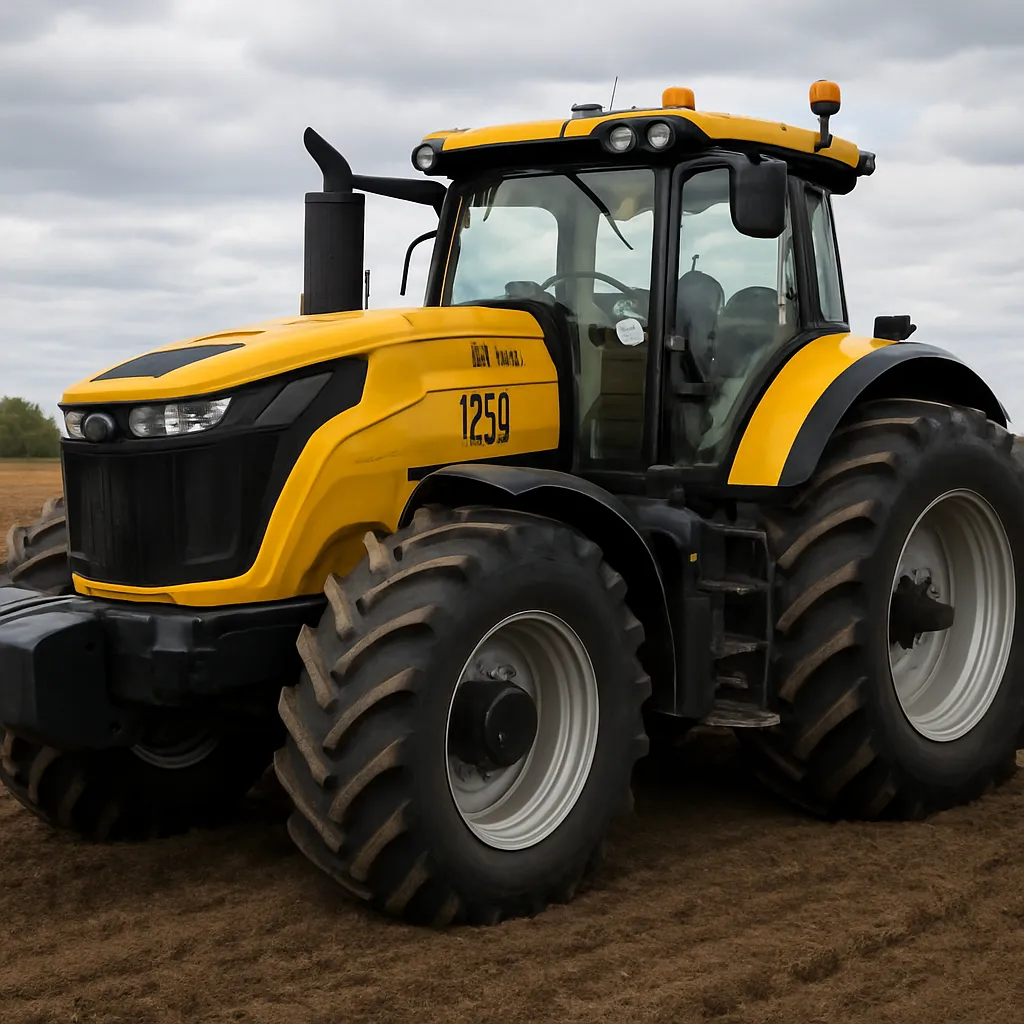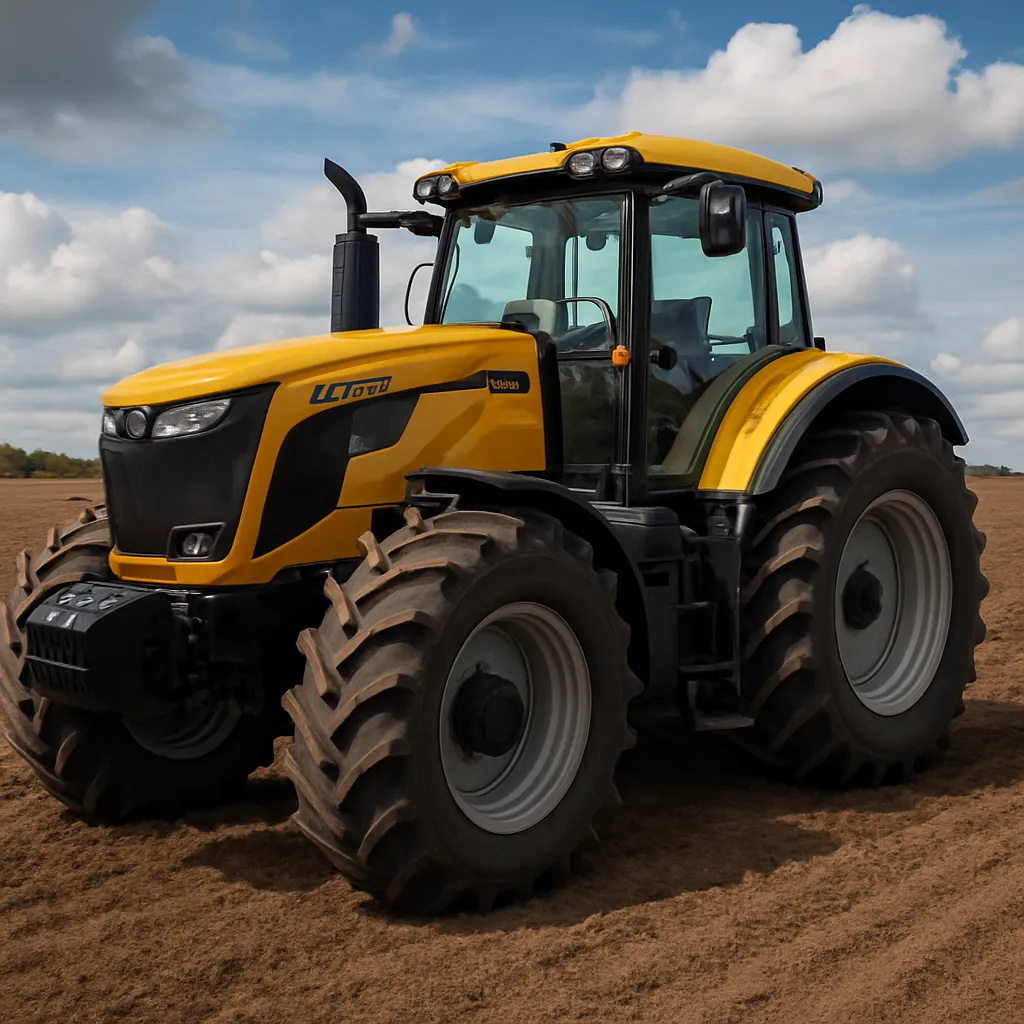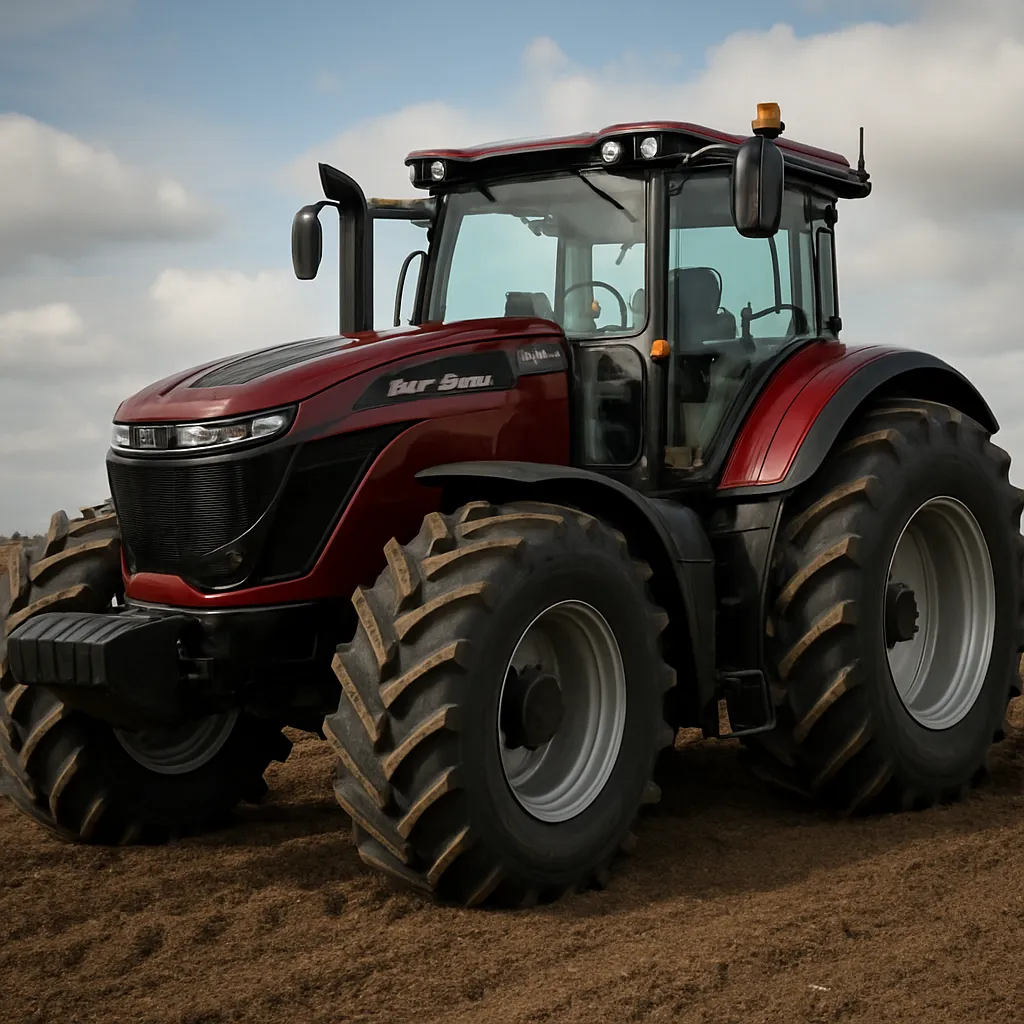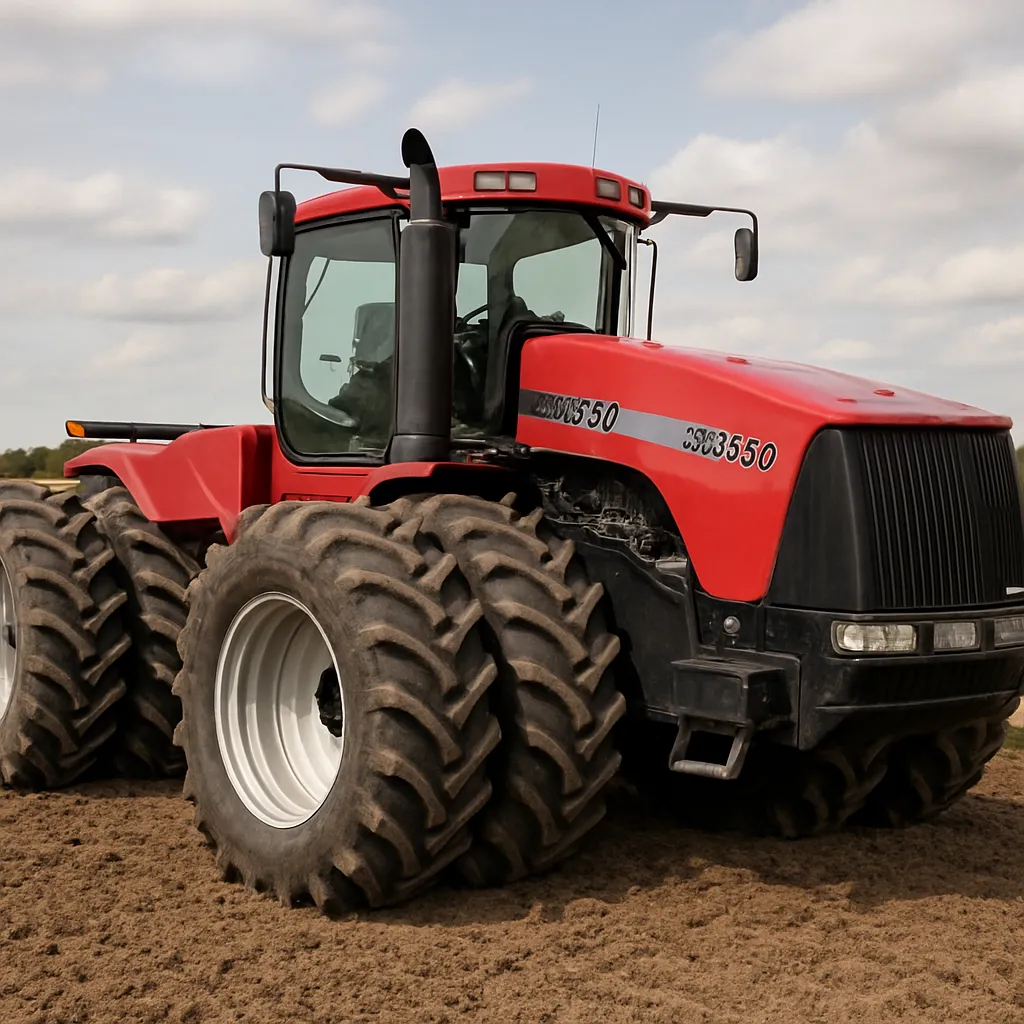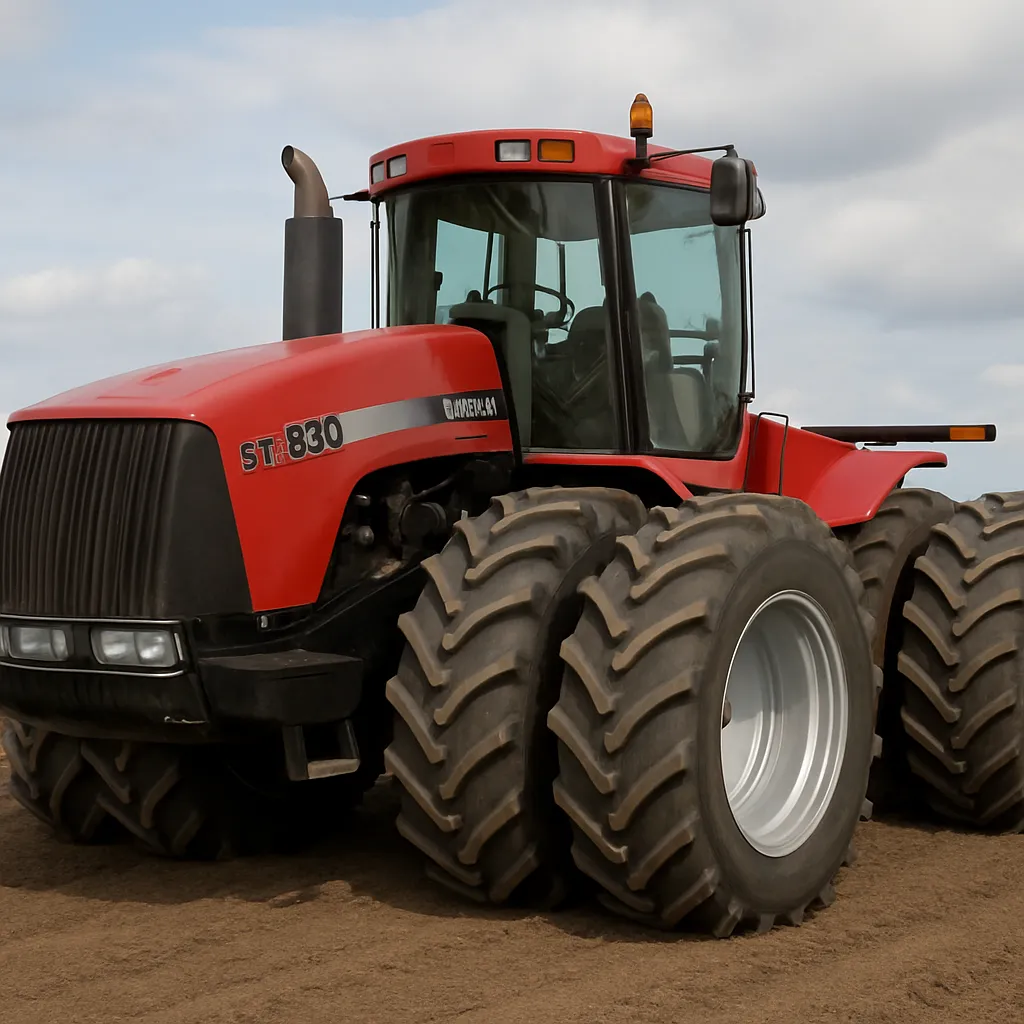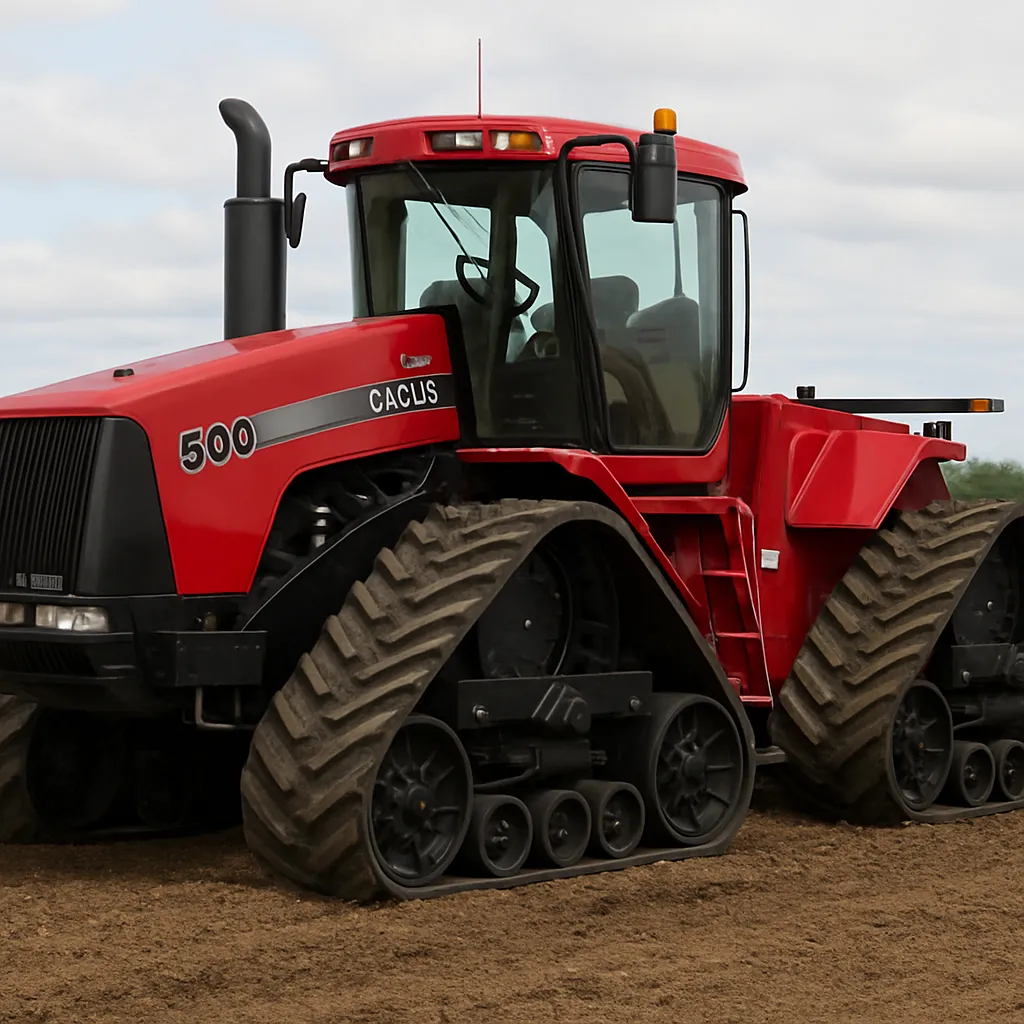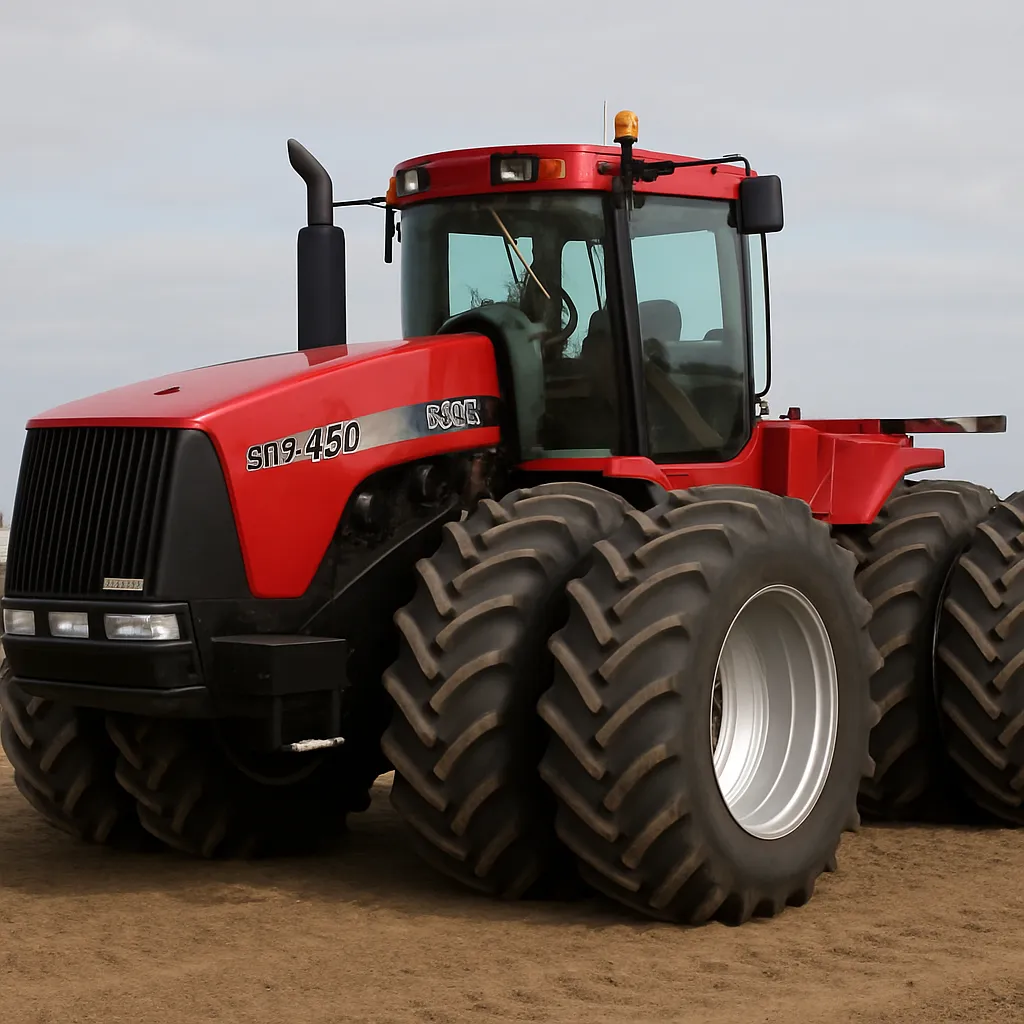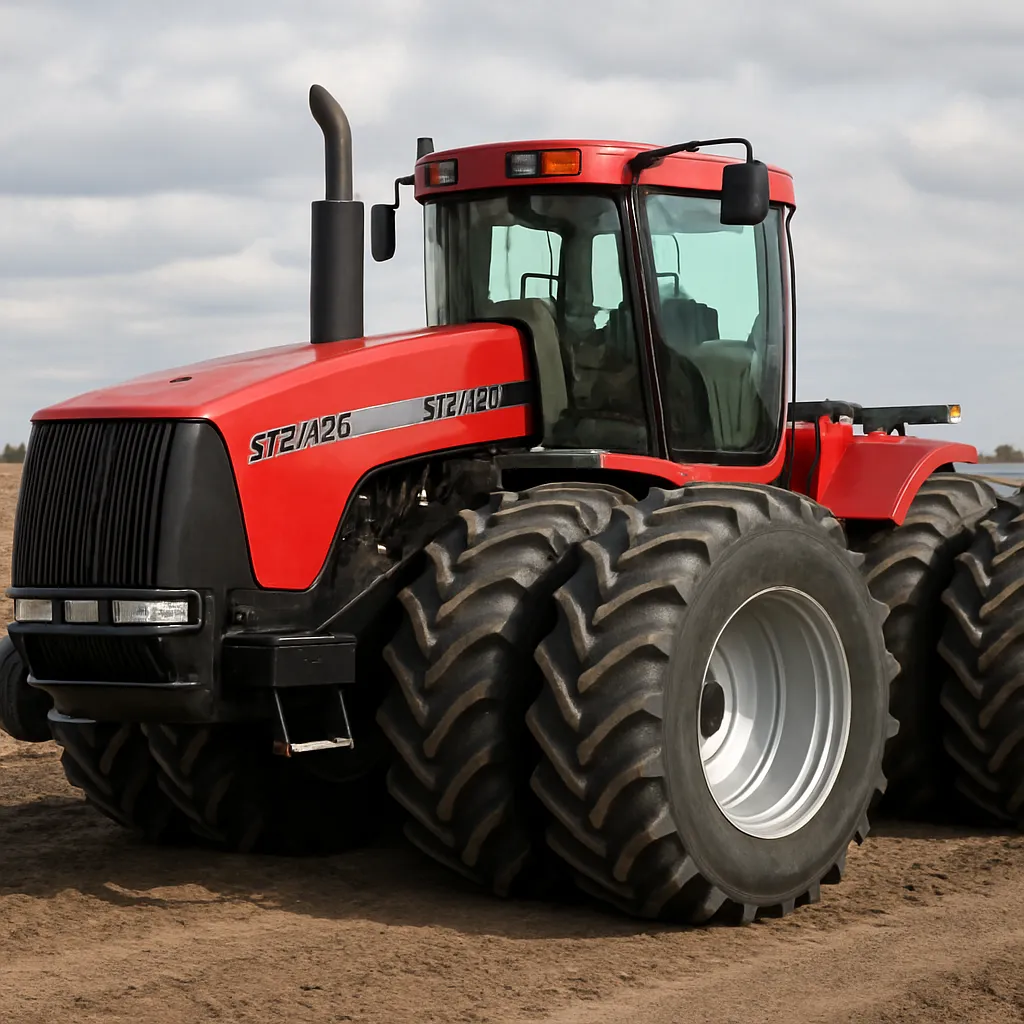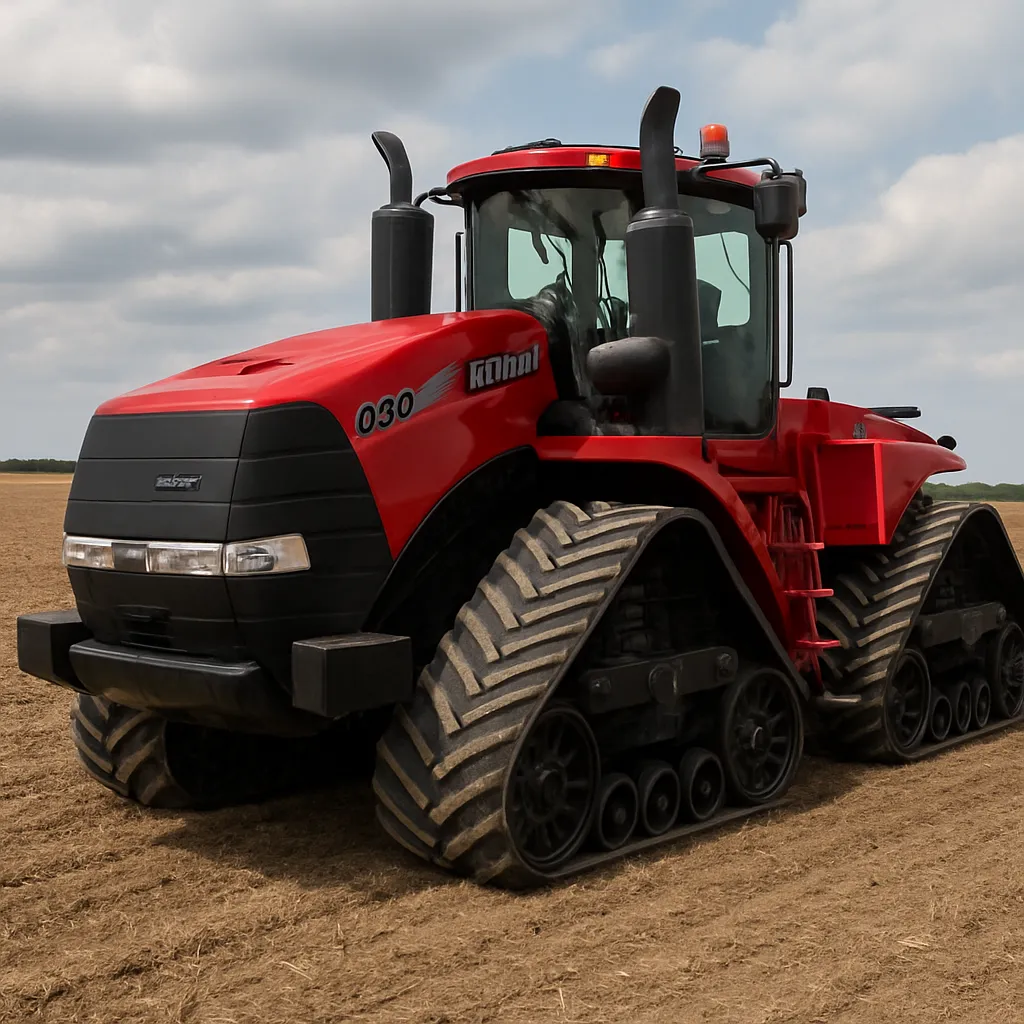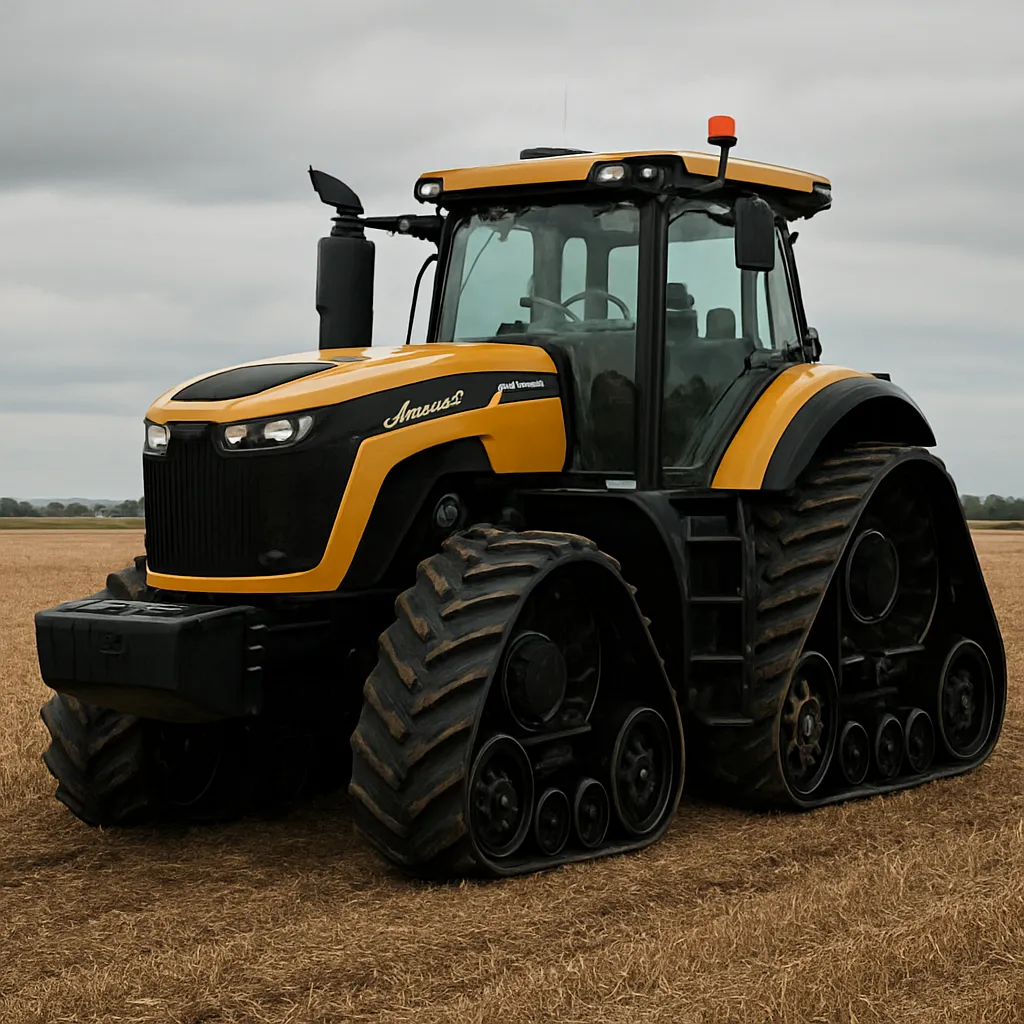
The Challenger 1350 Proto represents a forward-looking concept within the heavy agricultural tractor segment. Designed as a prototype rather than a production model, it synthesizes lessons from modern tracked tractors and emerging technologies to address large-scale farming, soil stewardship, and precision agriculture. This article explores the machine’s intended uses, design philosophy, technical attributes, field performance expectations, and wider implications for farm economics and sustainability.
Overview and design philosophy
The Challenger 1350 Proto is conceived as a high-capacity, track-based tractor aimed at contractors and large-scale farms that require reliable power, low ground pressure, and consistent traction across varied soil conditions. As a prototype, its development focused on integrating proven mechanical systems with modular electronics and sensor architectures to enable both immediate productivity gains and straightforward future upgrades.
Key design priorities include reduced soil compaction, high drawbar pull for heavy implements, and user-centric controls for long operating days. The prototype combines a robust chassis, modular track assemblies, and a serviceable powertrain layout intended to balance reliability with serviceability in the field.
Where the Challenger 1350 Proto is used
The versatility of a large tracked tractor like the Challenger 1350 Proto makes it suitable for several agricultural and non-agricultural roles:
- Primary tillage: deep ripping, moldboard plowing, and heavy cultivations where sustained traction and consistent soil engagement are required.
- Seedbed preparation and finishing: large disk harrows, rollers, and finishing combinations benefit from even weight distribution and predictable ground contact.
- Seeding and planting: pulling wide air drills and multi-row planters across variable ground while minimizing soil disturbance and avoiding wheel-track overlap.
- Large-scale spraying and spreading: as a prime mover for boom sprayers and nutrient spreaders when stable, low-compaction operation is advantageous.
- Specialized tasks: land reclamation, drainage installation, forestry preparation, and construction support where tracked mobility outperforms wheeled tractors.
Because the prototype emphasizes track systems rather than wheels, it is particularly valuable on farms with wet soils, heavy clay, or where fields must be worked early in the season without causing long-term compaction problems.
Core technical characteristics
As a prototype, exact production specifications for the Challenger 1350 Proto can vary depending on final engineering choices. Nevertheless, the project targeted a set of performance ranges typical for modern high-capacity tracked tractors. The following figures are representative estimates that reflect design intent rather than certified production data:
- Estimated engine power: approximately 350–420 mechanical horsepower (260–310 kW), a range chosen to offer high implement compatibility and power reserves for heavy draft work.
- Estimated maximum torque: in the region of 1,600–2,100 Nm, tuned to provide robust low-speed pulling capacity for draft tasks.
- Operating weight: 15,000–20,000 kg depending on track configuration and ballast options, helping to increase traction while maintaining acceptable ground pressure.
- Fuel capacity: prototype target 700–1,200 liters to allow extended field operation between refueling stops.
- Hydraulic system: high-flow hydraulics with estimated implement flow rates from 200–350 L/min and multiple remote couplers for complex implement control.
- Transmission and speed: continuously variable or power-shift transmission options with top road speeds around 40 km/h (prototype targets), balancing field speed and transport efficiency.
- Track options: multiple track widths (e.g., 450–710 mm) and lengths to tailor flotation and soil contact area for different crops and regional soils.
The prototype emphasized service-friendly access to routine-maintenance points—filters, drains, and diagnostic ports—alongside modular assemblies for rapid replacement of wear items such as seals, idlers, and rollers.
Performance and field behavior
Large tracked tractors are evaluated not only by peak power but by how that power is translated into useful field performance. The Challenger 1350 Proto focused on translating engine output into consistent draft and traction performance while minimizing fuel consumption under load. The design prioritized low-end torque and smooth power delivery so that implements operate at consistent depth and speed.
Soil contact and compaction
Tracked undercarriages distribute machine weight over a greater area than wheels, resulting in lower ground pressure and more even weight distribution. For the prototype, achieving a balance between weight (for traction) and footprint (for low pressure) was critical. Expected average ground pressure targets were in the range of 0.5–1.1 bar depending on track width and ballast—values that reduce deep compaction risks compared with equivalent wheeled machines.
Fuel consumption and operational efficiency
Fuel usage varies with task intensity. For heavy primary tillage, prototype fuel consumption estimates were generally targeted between 18–30 liters per hour depending on load, while lighter finishing tasks might drop toward 10–15 liters per hour. These ranges align with the goal of delivering high workrate (hectares per hour) while maintaining competitive operating costs through advanced engine controls and optimized transmission ratios.
Drawbar pull and implement compatibility
The combination of engine torque, transmission gearing, and track traction gives high sustained drawbar pull, enabling the Challenger 1350 Proto to pull wide cultivators, multi-section planters, and large rippers at economically meaningful field speeds. Implement compatibility is supported by robust three-point hitch ratings and multiple PTO options where needed.
Cab, controls and operator experience
Recognizing that operators often spend long hours in the cab, the prototype emphasized ergonomic layout, visibility, and advanced control systems. The cab design focused on reducing fatigue, simplifying implement control, and enabling rapid data access for precision tasks.
- Ergonomics: adjustable air-ride seat, intuitive control layout, and redundant safety switches for implement override.
- Visibility: wide-glass cab with low bonnet profile and optional camera systems to monitor implement sections and track conditions.
- Controls: multi-function joystick(s) and touchscreen telemetry console for implement settings, engine and transmission data, and telematics upload.
- Comfort: climate control, sound insulation targeting low in-cab dB, and accessible storage for long shifts.
The electronic architecture was designed to support future features like partial automation and section control, giving the machine a pathway to full integration into precision farming operations.
Precision agriculture and digital integration
Even as a prototype, Challenger 1350 Proto’s electronic systems were developed with digital farming in mind. Integration points included standard ISOBUS compatibility, GPS-guided steering readiness, and telematics modules for remote diagnostics and fleet management.
- Section and rate control: support for automatic implement section control to reduce overlap and input waste.
- Guidance: compatibility with RTK GNSS corrections to enable precise line following and headland management.
- Telematics: remote performance monitoring, fault codes reporting, and usage analytics to optimize maintenance and utilization.
- Data architecture: secure data logging for yield mapping, pass-count analysis, and predictive maintenance algorithms.
These digital features collectively aim to increase input-use efficiency and provide measurable improvements in field planning and execution.
Maintenance, serviceability and lifecycle considerations
Prototype design decisions emphasized ease of service and predictable lifecycle costs. Important maintenance attributes included modular track assemblies for quicker replacements, centralized daily service points, and accessible filters and inspection ports to shorten downtime.
- Routine maintenance intervals: typical major service cycles anticipated at 500–1,000 operating hours for some components, with daily checks for lubricants, track tension, and hydraulic levels.
- Wear components: tracks, idlers, and sprockets designed for field-replaceable modules to reduce repair times and cost per hectare.
- Warranty and support: prototypes generally test dealer service networks and parts logistics to design a scalable support model prior to production.
Good lifecycle planning also includes implementing predictive maintenance through sensor data—another reason electronic systems were a development priority.
Economic and operational impact
For large farms and contractors, tractors like the Challenger 1350 Proto influence both per-acre costs and scheduling flexibility. Higher purchase price and ballast/track-related costs are offset by improved uptime, higher daily hectare throughput, and reduced crop losses linked to soil compaction.
Cost of ownership considerations
Key components of ownership cost include capital amortization, fuel, maintenance, and operator time. While a tracked prototype typically commands a premium over comparable wheeled units, the economics can be favorable when considering:
- Increased field windows: ability to work earlier and later in the season on wetter soils.
- Reduced compaction-related yield losses over the long term, especially on soils prone to deep compaction.
- Higher productivity per hour with wide implements due to reliable traction and efficient powertransfer.
Example operational metrics (representative estimates): an experienced contractor operating a high-capacity track tractor may consistently deliver 20–40 hectares per hour when pulling wide air-seeders or cultivators, while fuel consumption per hectare will vary widely with implement depth and speed.
Environmental and sustainability aspects
The Challenger 1350 Proto’s emphasis on fuel efficiency and lower ground pressure is aligned with sustainability goals. Reduced compaction contributes to healthier soil structure, better water infiltration, and improved root growth. Additionally, modern engine systems targeting Tier 4/Stage V emissions compliance reduce particulate and NOx emissions compared to older engines.
Further sustainability advantages include:
- Potential for reduced pass counts: more effective implements and higher-power draw enable fewer passes to achieve the same agronomic results.
- Longevity and rebuildability: modular drivetrain elements and remanufacturable components lower lifecycle environmental impact through reduced raw-material demand.
- Enabling precision application: section control and variable-rate technologies reduce overuse of fertilizers and pesticides.
Safety and regulatory considerations
Heavy tracked tractors raise unique safety and regulatory concerns. The prototype incorporated rollover protection, emergency shutoffs, robust lighting packages for low-visibility operation, and interlocks for implement engagement. Track guards and accessible walkways were included in design drafts to reduce technician injury risk during maintenance.
Regulatory compliance extends to emissions, workplace safety standards, and transportation laws—especially where tractor width and weight exceed standard road allowances. Prototypes typically undergo specialist testing and consultation to ensure final machines meet national and regional regulations.
Future directions and technology trends
The development of the Challenger 1350 Proto is consistent with several agricultural trends:
- Autonomy and assisted operation: the prototype was designed with sensor and control architectures ready to accept higher levels of automation, from assisted steering to supervised autonomy.
- Precision inputs: integrated data systems allow more precise agronomy decisions and reduced input waste.
- Electrification and hybridization: while the prototype focused on traditional diesel power, the modular electrical architecture accommodates hybrid assist systems for load smoothing and auxiliary electrification.
- Materials and durability: use of advanced materials for undercarriage wear parts and corrosion-resistant components improves service life.
These trends suggest that a machine like the Challenger 1350 Proto could be a platform that evolves over time rather than a static product, allowing operators to adopt new technologies as they mature.
Comparisons with wheeled tractors and other tracked machines
Deciding between a tracked tractor like the Challenger 1350 Proto and a wheeled equivalent depends on farm size, soil type, and operational priorities. Tracks generally offer superior traction, lower ground pressure, and better performance on wet soils, while wheeled tractors often cost less initially and may have lower rolling resistance on hard surfaces.
When compared to other tracked machines, the Proto’s strengths are its modular serviceability, digital-ready electronics, and focus on operator ergonomics. Its balance of power and track footprint aims to compete effectively with high-horsepower models from other manufacturers while offering a pathway to digital and autonomous features.
Concluding perspective
The Challenger 1350 Proto, as an advanced tracked tractor concept, demonstrates how contemporary agricultural machinery integrates mechanical robustness with digital flexibility. Its design philosophy targets high productivity across large fields, reduced soil impact, and a serviceable platform for future technological upgrades. While exact production specifications would depend on final engineering and market decisions, the prototype highlights the key attributes sought by large-scale operators: high sustained power, reliable traction, low ground pressure, and systems that support precision and remote monitoring.
Selected strong keywords used through the article for emphasis:
- prototype
- track
- horsepower
- torque
- fuel efficiency
- hydraulics
- autonomy
- precision
- durability
- compaction