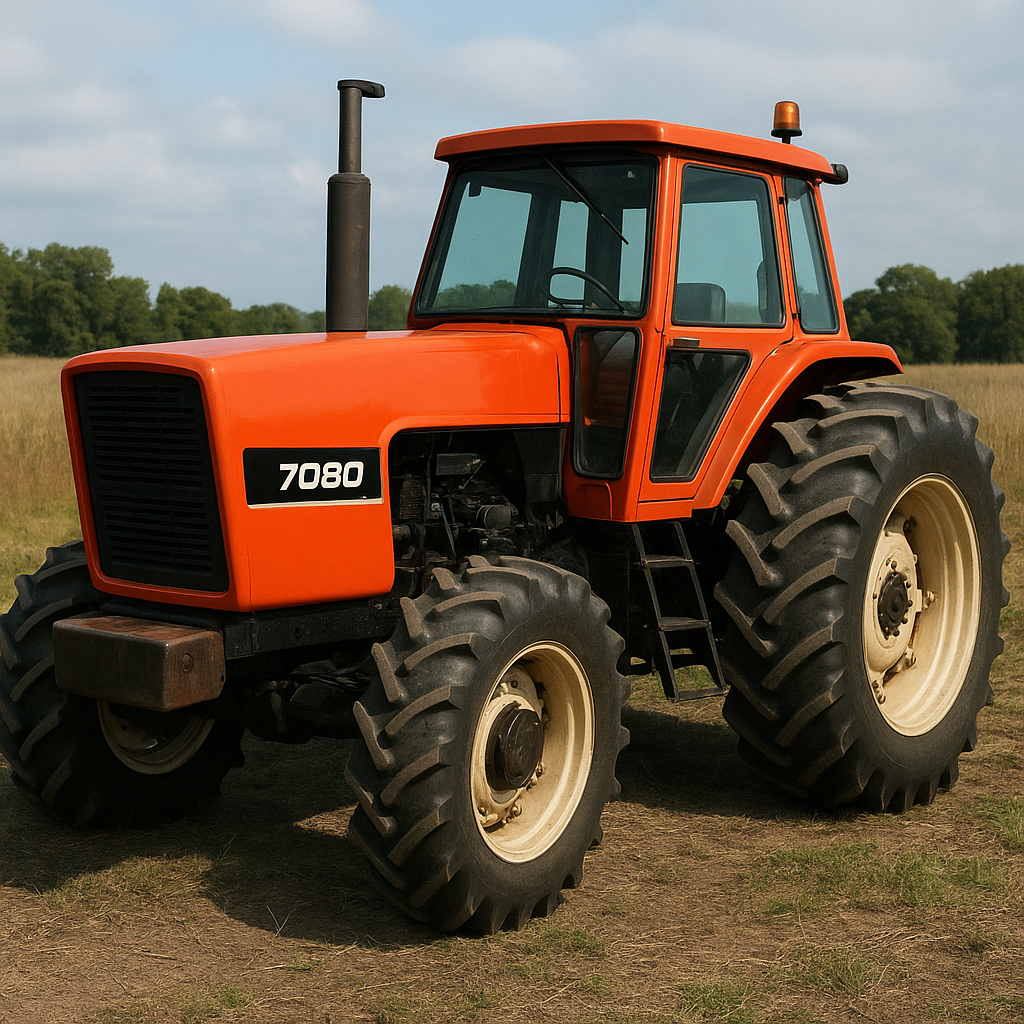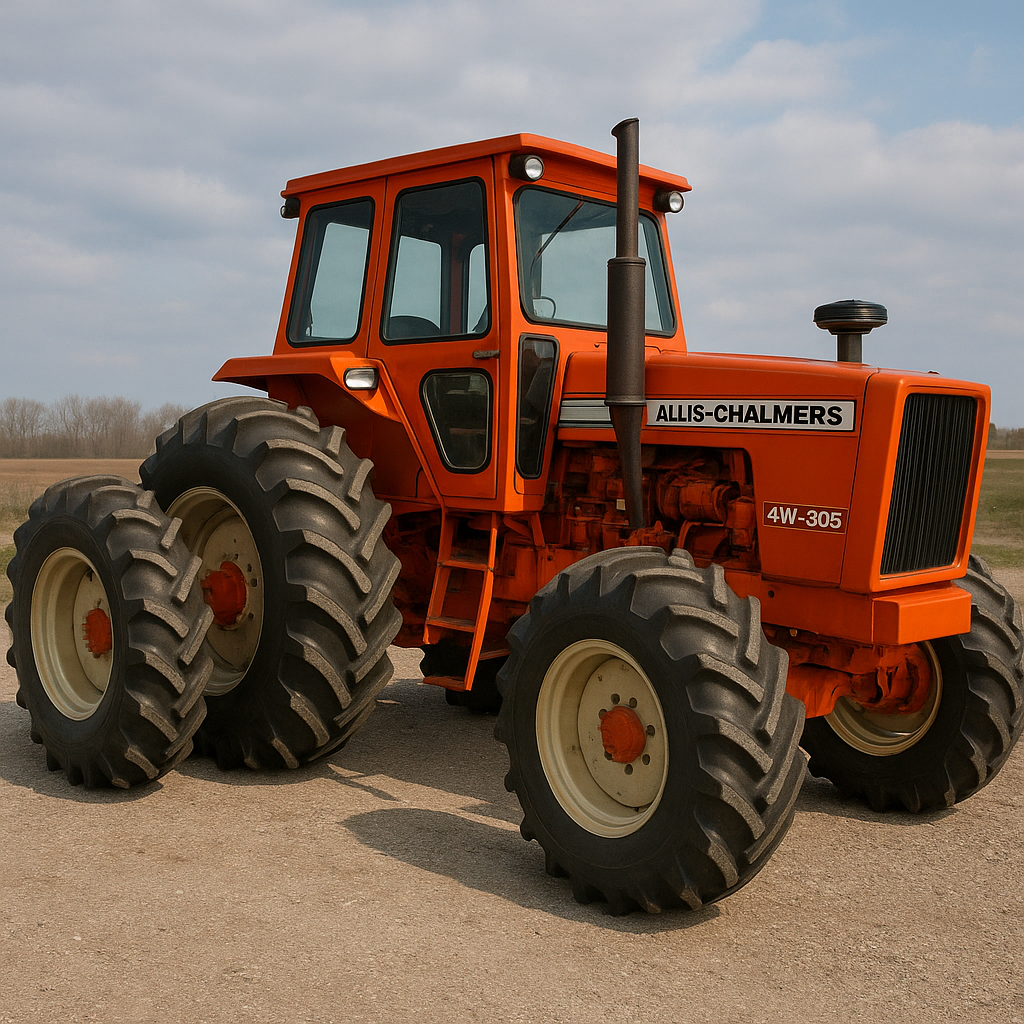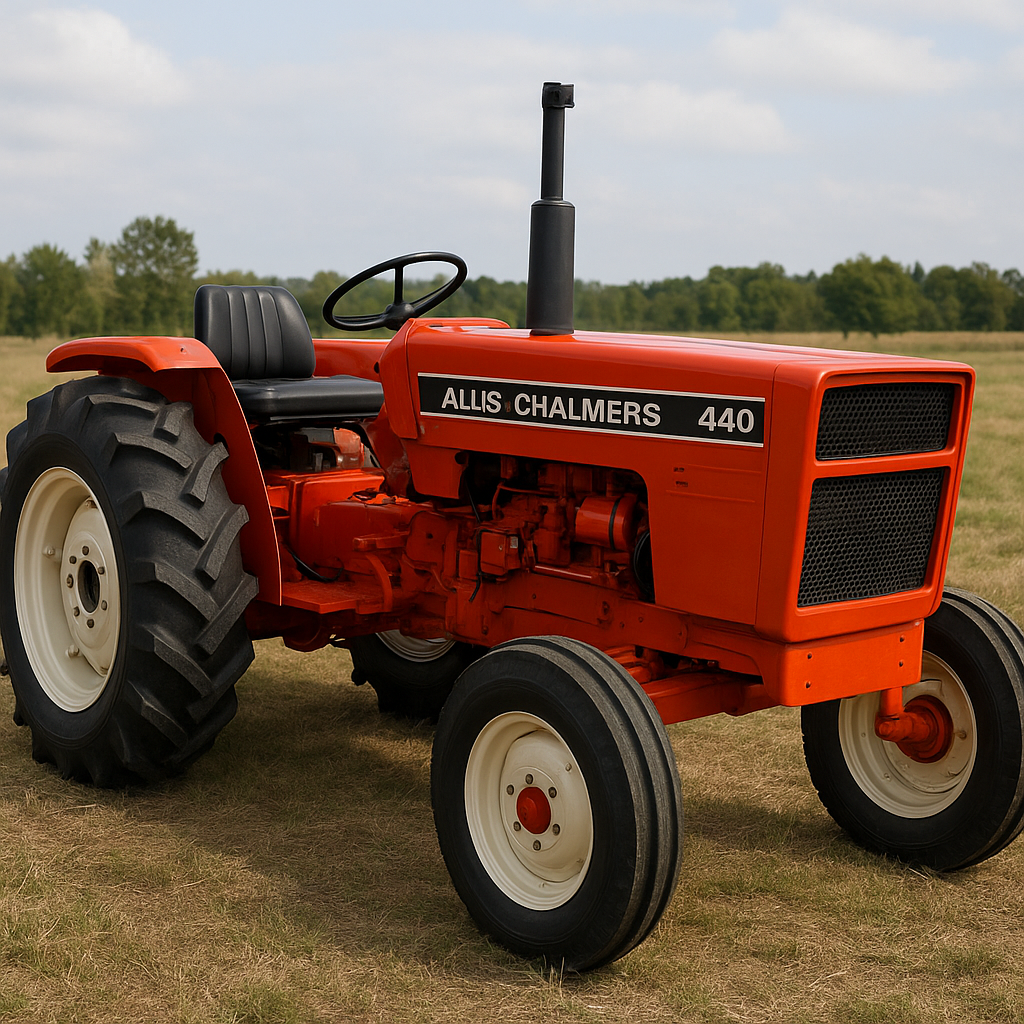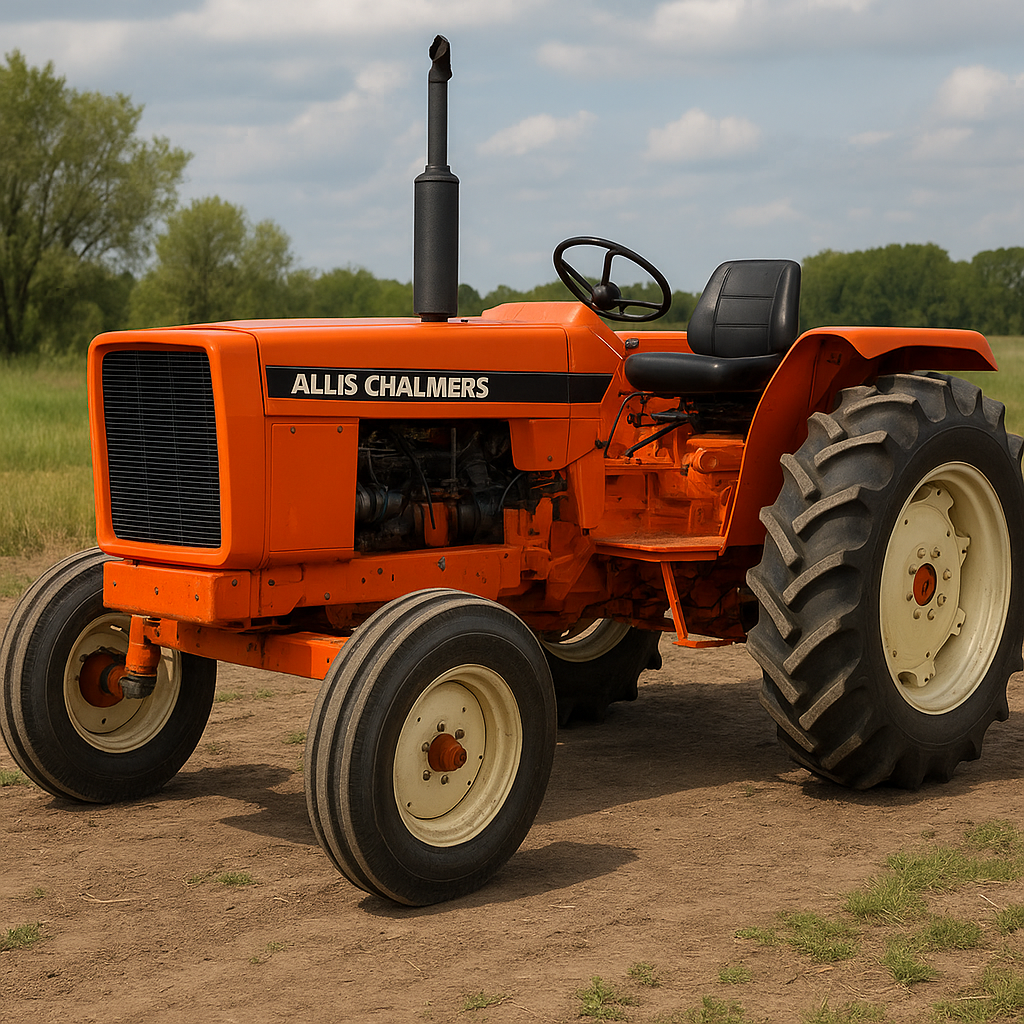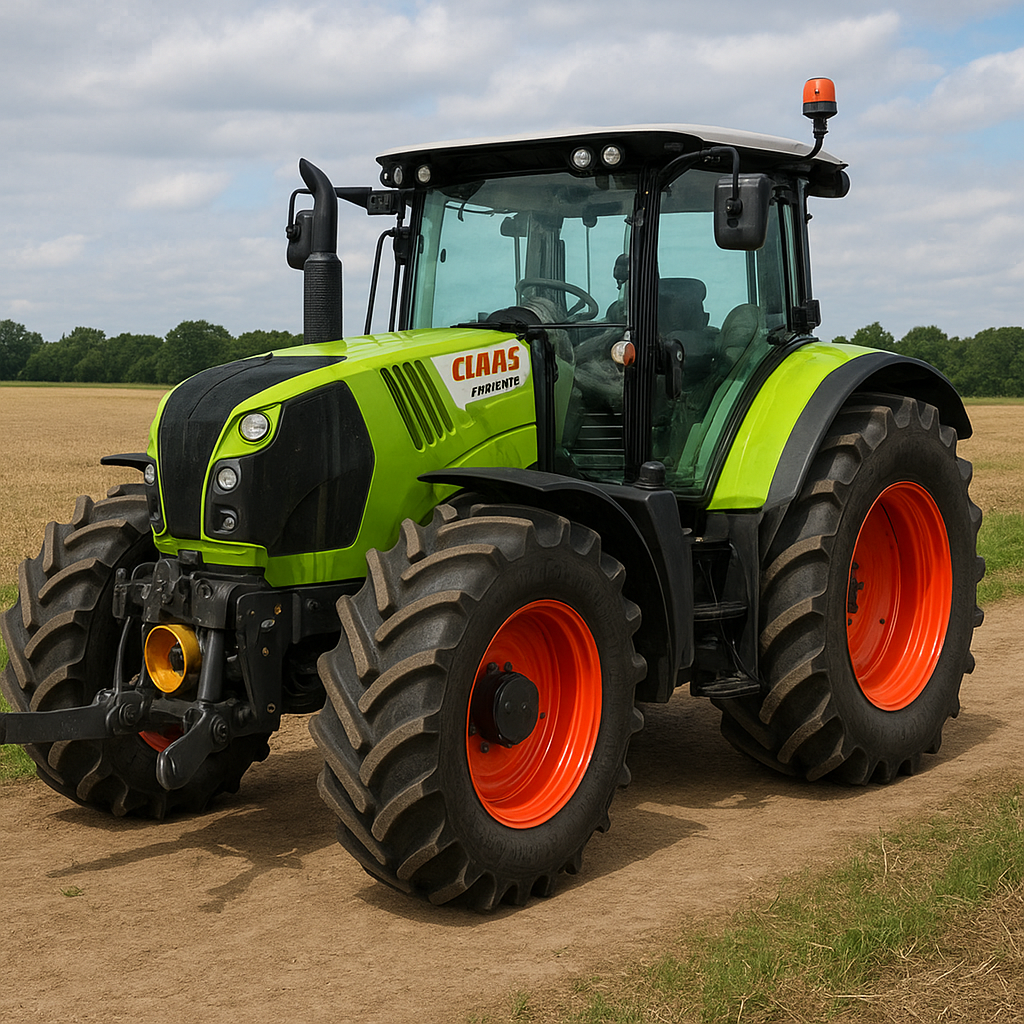
The Claas Arion 530 is a mid-range agricultural tractor that balances power, comfort and versatility for a wide spectrum of farm operations. Designed as part of the Arion family, the Arion 530 has been positioned to serve mixed farms, contractors and livestock operations that need a dependable machine capable of handling fieldwork, loader duties and transport tasks. In the following sections you will find an overview of the tractor’s main characteristics, typical applications, technical and operational details, and practical advice for selecting and maintaining an Arion 530.
Design, technical characteristics and variants
The Arion 530 sits in the medium-power class of Claas’s lineup and combines practical engineering with operator-focused features. It is built around a compact but robust chassis and a comfortable, ergonomically arranged cab. The model has been offered in different specifications across production years and markets, so exact equipment and numbers may vary with model year and optional packages.
Powertrain and performance
- Engine: The Arion 530 typically uses a modern diesel engine with four cylinders. Depending on production year and emission stage, the engine displacement and specific tuning vary, but the model is commonly rated in the roughly mid-100s horsepower range. This provides a balance between pulling power in the field and economical performance on the road.
- PTO and driveline: Standard PTO configurations include 540 and 540/1000 rpm options; some versions may offer an optional front PTO. The tractor features a robust driveline designed for implements such as mowers, balers and manure spreaders.
- Transmission: Claas offers several transmission choices across the Arion range. For the 530, customers typically choose between a mechanical synchromesh/powershift-type gearbox or more advanced smooth-shifting options. Later model years and higher-spec variants provide convenient shuttle and creeper options tailored to loader work and low-speed tasks.
Hydraulics, lift and three-point linkage
- Hydraulic system: The Arion 530 is equipped with a hydraulics system strong enough for modern implements. Flow rates and pump configurations differ by specification, but the system supports multiple remote valves and responsive control for front loaders and rear implements.
- Rear linkage and lift capacity: The rear three-point linkage is designed to handle common agricultural tools. Typical lift capacity for tractors in this class usually ranges in the several-thousand kilograms bracket, allowing the Arion 530 to manage large ploughs, cultivators and mounted balers depending on configuration.
Cabin and operator ergonomics
Claas focuses on operator comfort and usability across the Arion family. The Arion 530 usually includes a well-insulated cab, good visibility for front loader work, thoughtful layout of controls, and available air-conditioning or climate control. Seating, steering column adjustment, and easy access to key functions are standard features meant to reduce operator fatigue during long working days.
Across the technical sections above you will encounter the terms engine, transmission and hydraulics frequently — these three systems largely determine the tractor’s suitability for particular applications. The Arion 530 strikes a practical compromise between capacity and running costs, making it attractive to a broad buyer base.
Applications and practical uses
The Arion 530 is engineered to be a multi-purpose tractor. Below are the most common applications where it demonstrates value:
- Arable farming: Suitable for seedbed preparation, light-to-medium ploughing, cultivating, fastening operations and seeding with mounted or trailed implements. Its mid-range power is ideal for farms that combine cereals, oilseed rape and other rotational crops.
- Forage and livestock farms: Loader work, feeding, muck spreading and baling are frequent tasks. Good visibility and optional front loader hydraulics make the Arion 530 efficient for handling bales and farm materials.
- Contracting and municipal work: With appropriate accessories, the tractor can be used in road verge mowing, winter maintenance (snow clearing) and municipal transport or sweeping duties.
- Transport and haulage: When coupled to trailers, the tractor is sufficiently capable of transporting grain, silage or equipment on-farm and on-country lanes, maintaining a good compromise between speed and fuel efficiency.
The model’s versatility is one of its strongest selling points: it can be the single tractor on a small-to-medium farm handling a wide variety of tasks rather than a specialized unit for one purpose.
Operational economy, fuel and service considerations
Fuel consumption and efficiency
Fuel efficiency is a major factor for most tractor buyers. The Arion 530’s fuel consumption depends heavily on duty cycle, implement load and transmission choice. Under moderate field loads, tractors in this power class typically consume anywhere from roughly 8 to 15 liters per hour, with lower consumption during transport and increased rates under heavy draft. Modern variants of Claas engines and optimized transmissions aim to improve real-world economy through efficient torque curves and adaptive shifting.
Fuel consumption is therefore best evaluated by testing the tractor with the exact implements and field conditions that reflect your farm’s workload. Fuel savings from a well-matched transmission and appropriate gear selection can be significant over a season.
Maintenance and operating costs
- Routine maintenance: Regular oil and filter changes, air filter checks, coolant monitoring and hydraulic checks are essential. The Arion 530 is engineered for serviceability with accessible service points, which reduces downtime and labor during routine maintenance.
- Ownership costs: Insurance, tires, wear parts for the PTO and hydraulics, and scheduled engine servicing contribute to total cost of ownership. Choosing factory service packages or extended warranties can sometimes lower unexpected repair costs.
- Longevity and resale: Claas tractors typically have good residual values in major European markets when maintained. The Arion 530’s balanced specification and broad appeal help support resale values compared with niche or over-specialized models.
Keeping a tractor like the Arion 530 at peak performance requires attention to the drivetrain and hydraulic interfaces. Investing in genuine parts and following manufacturer-recommended intervals pays dividends in uptime and resale.
Attachments, accessories and customization
One of the advantages of the Arion 530 is that it can be equipped with a wide array of attachments to expand its utility. Common accessory categories include:
- Front loaders with quick-attach systems for buckets, forks and bale grapples — useful for material handling and loading tasks.
- Front- and rear-mounted mowers, flail mowers and hedge cutters for maintenance work and forage production.
- Baling and silage implements, including mowers, tedders and balers, where PTO and hydraulic compatibility are key considerations.
- Spreading and spraying equipment for manure or fertiliser distribution and crop protection.
- Transport trailers and tipper bodies sized for on-farm logistics and crop haulage.
When selecting attachments, ensure hydraulic flow, lift capacity and PTO compatibility match the demands of the implement. For loader work in particular, consider a strong front linkage and responsive joystick controls to improve cycle times and precision.
Safety, operator comfort and control systems
Modern tractors such as the Arion 530 are designed with operator safety and ergonomics in mind. Important safety and comfort features include:
- Robust rollover protective structure (ROPS) integrated into the cab design and compliant with regional standards.
- Effective braking systems and differential lock options to maintain control on slopes and in heavy draft work.
- Visibility aids, including mirrors and optional lighting packages for early mornings and night operations.
- Operator aids such as cruise control for field speeds, convenient shuttle levers for loader duties, and logically arranged hydraulic controls to reduce fatigue.
Operator comfort can directly influence productivity: a comfortable seat, reduced cabin noise, easy access to controls and reliable climate control all contribute to longer comfortable shifts.
Market position, comparisons and buying guidance
The Claas Arion 530 competes in a highly contested mid-range tractor segment alongside models from other major manufacturers. Its strengths are a combination of brand reputation, a broad dealer network in Europe, and a balance of modern features without the premium price tags of large high-horsepower tractors.
Choosing the right configuration
When evaluating an Arion 530 for purchase, consider these factors:
- Primary tasks: Prioritize engine and hydraulic specs if doing sustained heavy draft or hydraulic-intensive work. For loader-heavy farms, examine lifting and front axle options.
- Transmission preference: Manual or powershift units are typically less costly; smoother, automated shifting systems will improve comfort and efficiency but at a higher capital cost.
- Service and support: Access to qualified service personnel and parts in your region will affect uptime. Claas’s dealer network is strong in many parts of Europe, but local coverage varies.
- Resale and longevity: A machine with a standard specification and good maintenance history will have stronger resale appeal.
New vs. used
Buying new offers the latest emissions compliance, factory warranty and potential for dealer financing. Buying used can lower acquisition cost but requires thorough inspection of engine hours, service history, transmission behavior and the condition of the hydraulics and chassis. A well-documented service record and recent maintenance are desirable when evaluating a used Arion 530.
Environmental considerations and emissions
Tractor manufacturers have progressively adopted cleaner engine technologies to meet emissions standards. The Arion 530, depending on its production year, adheres to the relevant regional emission stage (for example, EU Stage IIIA, IIIB, or Stage IV equivalents) and incorporates aftertreatment systems where required. These systems may include diesel particulate filters (DPF) and selective catalytic reduction (SCR). Choosing a later model typically results in lower NOx and particulate emissions, which is important for farms operating near populated areas and for long-term regulatory compliance.
Reducing fuel use through match-making implements, choosing efficient transmissions and implementing good operational practices (e.g., minimizing idle time, using appropriate gears) both lower running costs and the farm’s environmental footprint.
Concluding remarks
The Claas Arion 530 is a solid choice for farmers and contractors looking for a medium-power tractor that combines practical performance with operator comfort and flexibility. While precise specifications vary by year and market, the Arion 530 consistently emphasizes a dependable engine, balanced lift capacity, user-oriented cab features, and honest operating economics. Its reliability and adaptability to a wide range of implements make it particularly suited to mixed farms and businesses that require a single, multipurpose tractor rather than a fleet of specialized machines.
Before deciding on a purchase, evaluate the specific model year and trim level, verify hydraulics and PTO compatibility for your implements, and review service support in your area. Properly maintained, the Arion 530 can deliver long seasons of productive service and good residual value at resale—a practical investment for a broad set of farming operations.