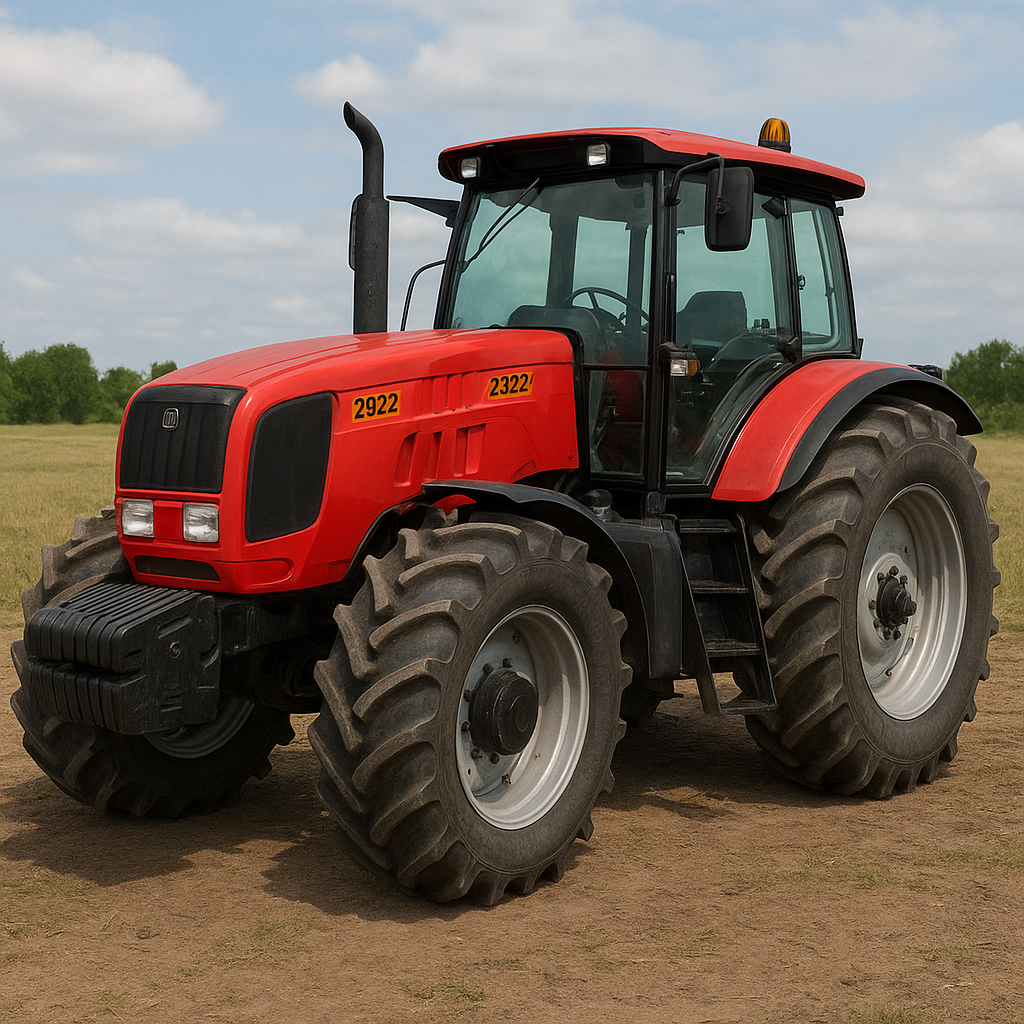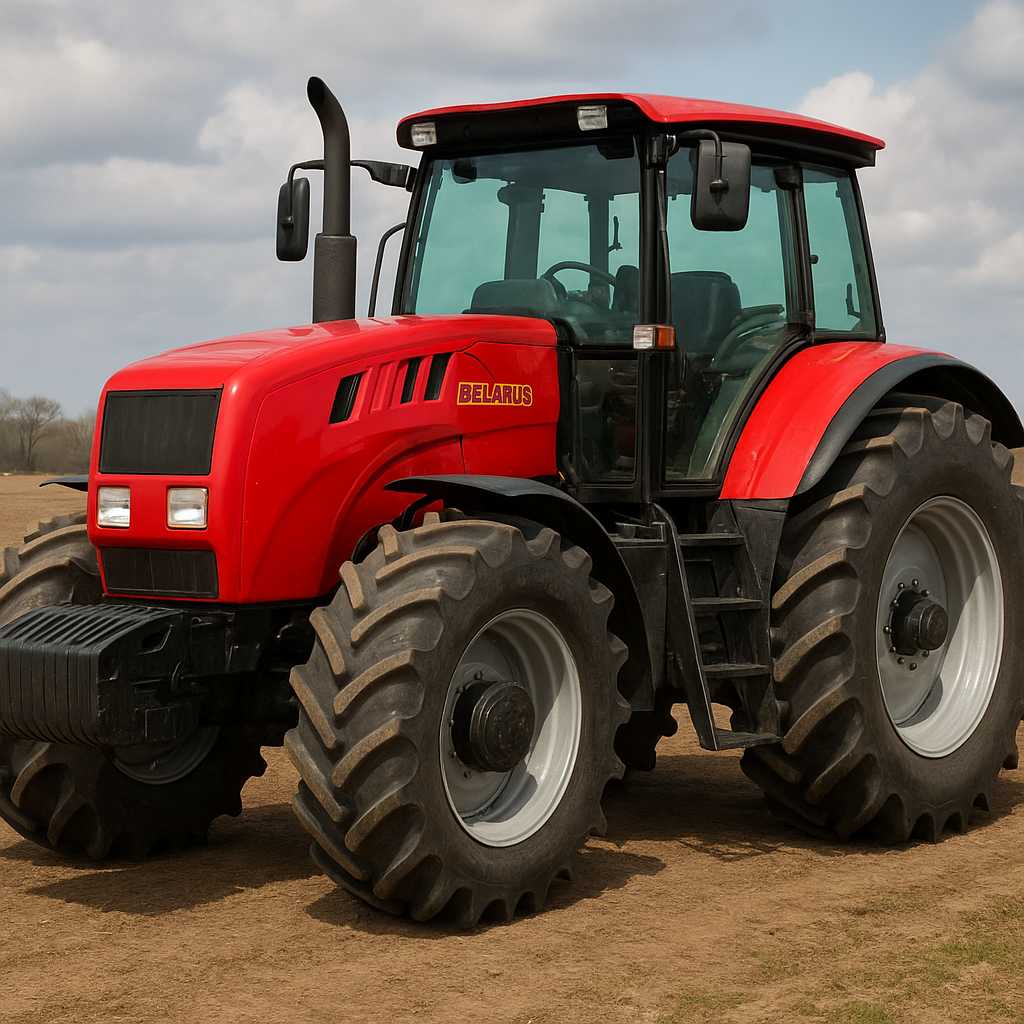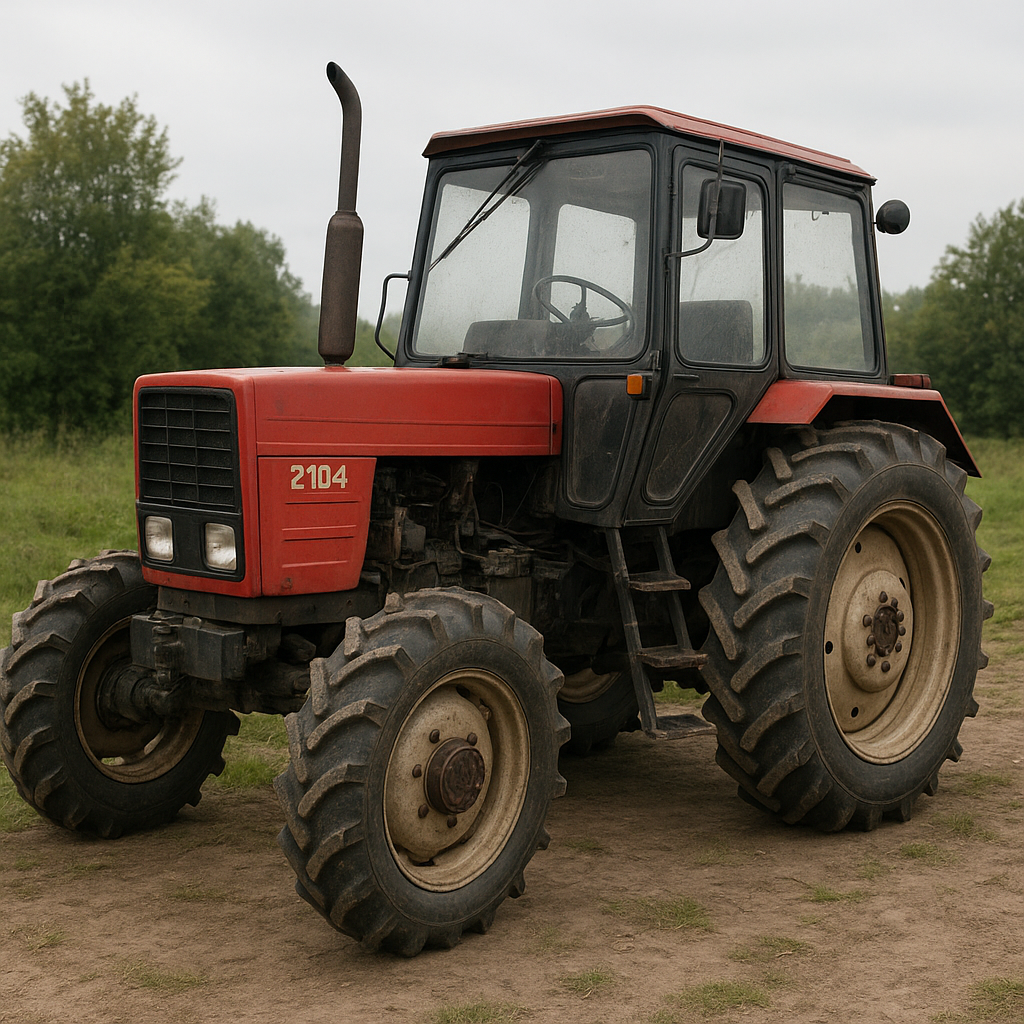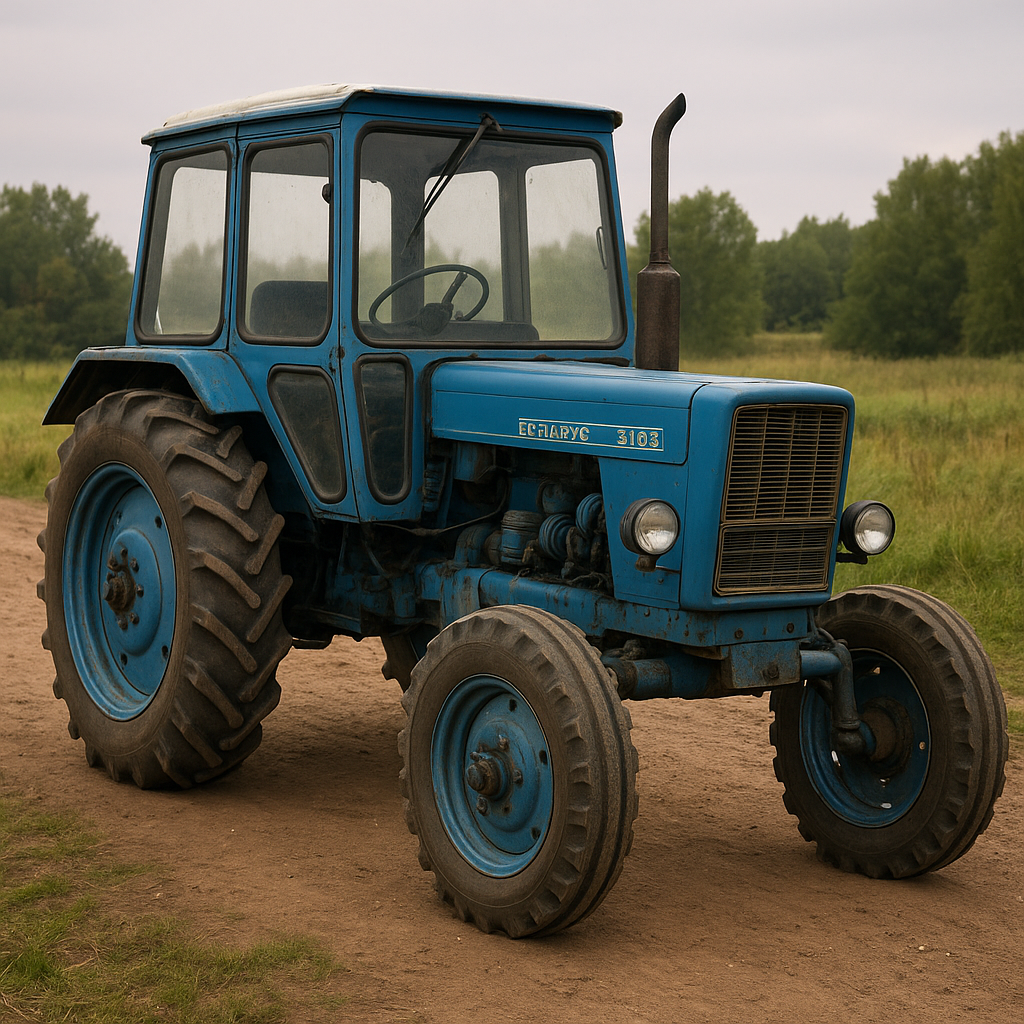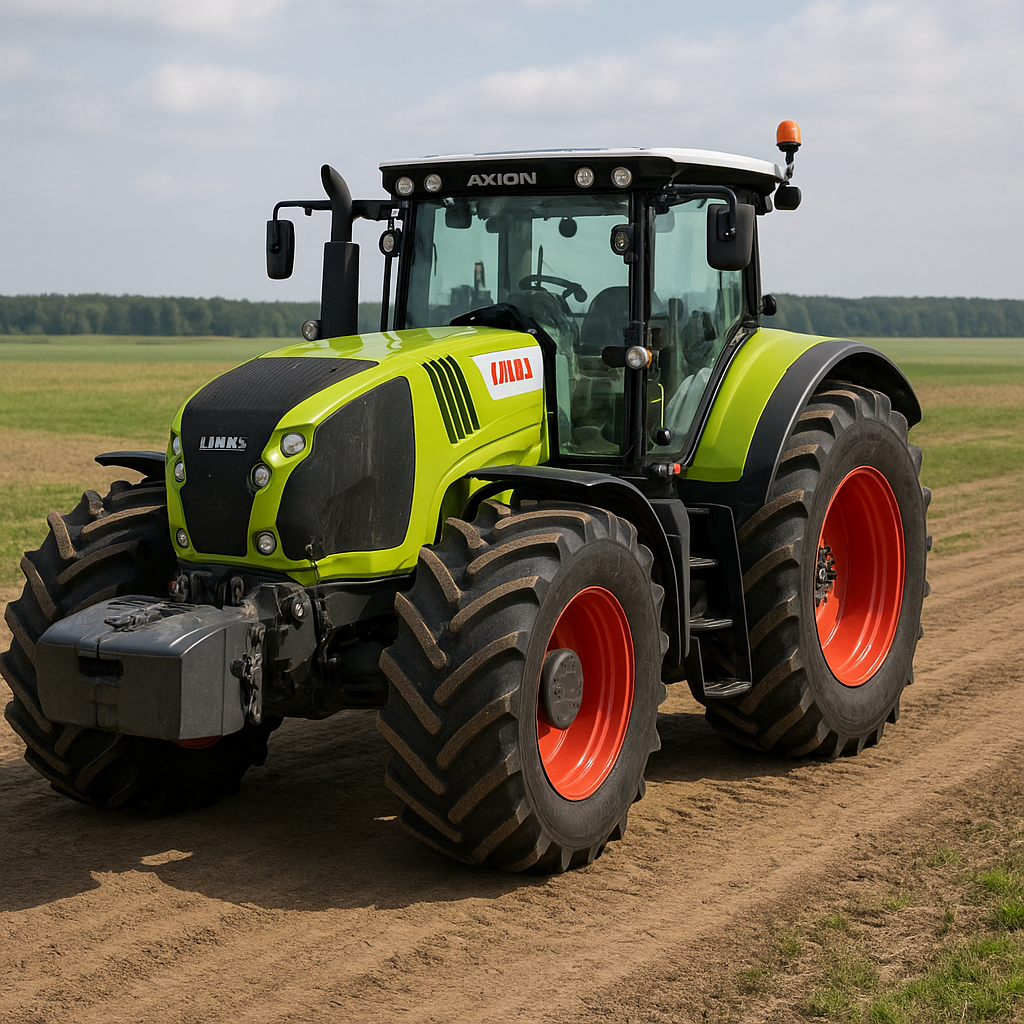
The Claas Axion 840 is a versatile, high-performance agricultural tractor designed to meet the demands of medium-to-large farms and contracting businesses. Combining robust mechanical engineering with operator-focused design, the Axion 840 is intended for a wide range of tasks from heavy tillage and seeding to transport and specialized implements. This article examines the machine’s key features, typical applications, technical aspects, operational considerations and market context, offering a comprehensive overview for farmers, contractors and machinery enthusiasts.
Design and technical characteristics
The Axion 840 belongs to Claas’s Axion 800 series, a line positioned between compact utility tractors and the largest high-horsepower models. The design philosophy emphasizes a balance of power, fuel efficiency and operator ergonomics. While specific technical specifications can vary depending on year, market and optional equipment, some general characteristics are consistent across many configurations.
Engine and drivetrain
- The Axion 840 typically uses a reliable, turbocharged six-cylinder diesel engine with electronic management for improved response and emissions control. Engine output in this class commonly places the model in the upper-middle horsepower band suitable for heavy fieldwork.
- Power delivery is tuned to provide good low-end torque for draft work and the ability to maintain speed under load during transport.
- Transmission options usually include either a powershift or a continuously variable-style transmission (Claas’s branded systems), offering smooth shifting and efficient power transfer. These transmissions aim to optimize both tractive performance and fuel consumption.
Hydraulics, PTO and hitch
- Hydraulic systems on the Axion 840 are designed to support modern implements: multiple remote valves, high maximum flow rates and advanced control logic for precision implements.
- The rear linkage capacity is sized to handle large implements such as deep cultivators, seed drills and spreaders. Front linkage options are available to accommodate front-mounted implements.
- PTO configurations commonly include standard speeds (540 / 1000 rpm), enabling compatibility with a wide variety of agricultural machinery.
Chassis, axles and tires
- A robust chassis and front axle provide stability during heavy draft work. Options for four-wheel drive and differential locks help maintain traction on varied soil conditions.
- Tire choices and wheel spacing can be configured for fieldwork, transport or specialty crops—giving operators the ability to tailor the tractor for soil protection or high-speed road transport.
Applications and operational roles
The Axion 840 is a multi-role tractor suited for farms and contractors that require reliable performance across seasons. Below are the main application areas where the tractor thrives.
Arable farming and tillage
- Primary tillage: The Axion 840 is capable of pulling large ploughs and heavy discs, making it suited for primary soil cultivation on medium and large fields.
- Secondary tillage and seedbed preparation: With adequate horsepower and precise hydraulic control, the tractor handles cultivators, harrows and rollers efficiently.
Seeding and planting operations
- When paired with seed drills and planters, the Axion 840 provides steady traction and speed control to achieve accurate seed placement and uniform emergence.
- Power take-off and hydraulic responsiveness support pneumatic seeders and press wheels that require stable power delivery.
Transport and logistics
- Road transport: On-farm transport of grain trailers, slurry tankers and implements benefits from comfortable cab features and driveline stability. Axion 800 models often offer configurations that balance field capability with on-road efficiency.
- Contracting: Contractors appreciate the Axion 840’s flexibility—fast enough for road moves, strong enough for heavy implements, and configurable for various tasks.
Specialized tasks
- Livestock farms: With front loaders and bale handling equipment, the tractor works well in feeding and handling contexts.
- Grassland and mowing: When equipped with appropriate PTO-driven implements, the Axion 840 handles large mowers, tedders and balers.
- Crop protection and precision work: Modern control systems and hydraulic functionality make the tractor compatible with sprayers and precision farming accessories.
Operator environment and comfort
Claas places emphasis on the working environment for long days in the field. The Axion 840’s cab and control layout aim to reduce operator fatigue and increase productivity.
- Ergonomic cab layout: Controls are positioned for intuitive reach, with multi-function levers and logically grouped switches. Visibility to the front and sides is optimized for coupling and implement monitoring.
- Climate control and noise insulation: Modern cabs offer effective heating and air conditioning along with acoustic treatment to reduce noise levels during long shifts.
- Advanced displays and telematics: Many models incorporate in-cab screens for machine settings, GPS guidance and telematics—allowing fleet managers to monitor usage, performance and maintenance remotely.
Performance, efficiency and economy
Performance and operating costs are crucial factors for buyers. The Axion 840 aims to deliver a balance of strong on-field performance and competitive fuel consumption.
Fuel consumption and emissions
- Controlled injection systems and aftertreatment technologies help the engine meet regional emissions standards while striving for efficient fuel use.
- Actual fuel consumption depends on load, terrain and operating practices; careful matching of gear selection, implement size and working speeds helps optimize economy.
Productivity features
- Automatic engine and transmission management systems can optimize engine speed and gear selection to maintain efficiency during variable loads.
- Traction control, differential locks and electronic draft control contribute to more effective fieldwork with less slippage and better fuel utilization.
Maintenance, reliability and total cost of ownership
Long service intervals, ease of access and parts availability are key to reducing downtime and ownership costs. Claas has structured support networks in many agricultural regions to back up service needs.
- Service access: Routine maintenance points—filters, fluid checks and lubrication—are designed for straightforward access to minimize workshop time.
- Parts and dealer network: Depending on region, Claas provides dealer support, genuine parts and service plans that influence residual values and uptime.
- Total cost of ownership: When evaluating purchase decisions, operators should consider fuel, maintenance, resale value and the potential productivity gains the machine brings to their operation.
Safety and regulatory considerations
Safety features on modern tractors focus on rollover protection, braking performance and operator awareness systems:
- ROPS-integrated cab structures, seat restraints and robust braking systems are standard safety elements.
- Lighting and visibility options, including LED packages and camera systems, improve safety during night work and road transport.
- Compliance with regional emissions and safety regulations is typically managed through factory configurations and authorized dealer support.
Market context and statistics
In the broader tractor market, the Axion 800 series competes in the segment aimed at medium-to-large operations and contractors. While precise sales numbers for the Axion 840 can vary by market year-to-year, some general trends and comparative notes are useful when considering this model.
- Segment positioning: The Axion 840 is positioned as a workhorse for demanding tasks but remains more maneuverable and cost-effective than the largest flagship models.
- Adoption drivers: Farmers and contractors choosing this class often prioritize a balance of versatility, durability and modern operator features like telematics and guidance compatibility.
- Resale and depreciation: Claas tractors typically maintain solid resale value in many markets thanks to dealer support and brand recognition; however, exact depreciation depends on hours, maintenance history and local demand.
Typical technical figures commonly cited for tractors in the Axion 800 class (including variants like the Axion 840) include:
- Engine power range: commonly within the range of approximately 200 to 300 rated horsepower depending on configuration and market tuning.
- Hydraulic flow: varied configurations often permit maximum flows in the neighborhood of 100–200+ liters per minute with optional pumps for high-flow implements.
- Rear linkage lift capacity: often rated to several tonnes (for many modern large tractors this means rear lift capacities around 6,000–10,000+ kg depending on spec).
- PTO options: 540 / 1000 rpm as standard with sophisticated engagement systems for smooth starting under load.
Note: The exact numbers for the Axion 840 can differ by year and regional specification; buyers should verify the factory specification sheet or consult a local dealer for precise figures relevant to a specific machine.
Practical buying considerations
When evaluating the Axion 840 for purchase, consider the following items to ensure the machine matches your needs and provides the intended value:
- Task profile: Match horsepower, hydraulic capacity and PTO configuration to the primary implements you will use.
- Transmission preference: Decide whether a powershift, continuously variable or hybrid transmission suits your fieldwork and transport duties.
- Optional packages: Evaluate packages for lighting, comfort, telematics, weight kits and tire options that impact daily usability and resale.
- Service support: Confirm local dealer support, warranty terms and service intervals to manage operating costs and downtime.
- Used vs new: A used Axion 840 can be a cost-efficient choice if properly maintained; assess hours, service history and any wear on drivetrain and hydraulics.
Conclusion
The Claas Axion 840 is a capable and adaptable tractor that serves a wide range of agricultural roles—from heavy tillage and seeding to transport and specialized farm operations. Its strengths lie in a combination of reliable mechanical engineering, operator comfort and flexible configuration options that let owners tailor the machine to their needs. For those seeking a machine in the medium-to-high power class, the Axion 840 offers a compelling balance of performance, versatility and modern features. Prospective buyers should review the exact specification of the model year and regional configuration, consult local dealers for up-to-date technical data and consider total cost of ownership when making their decision.