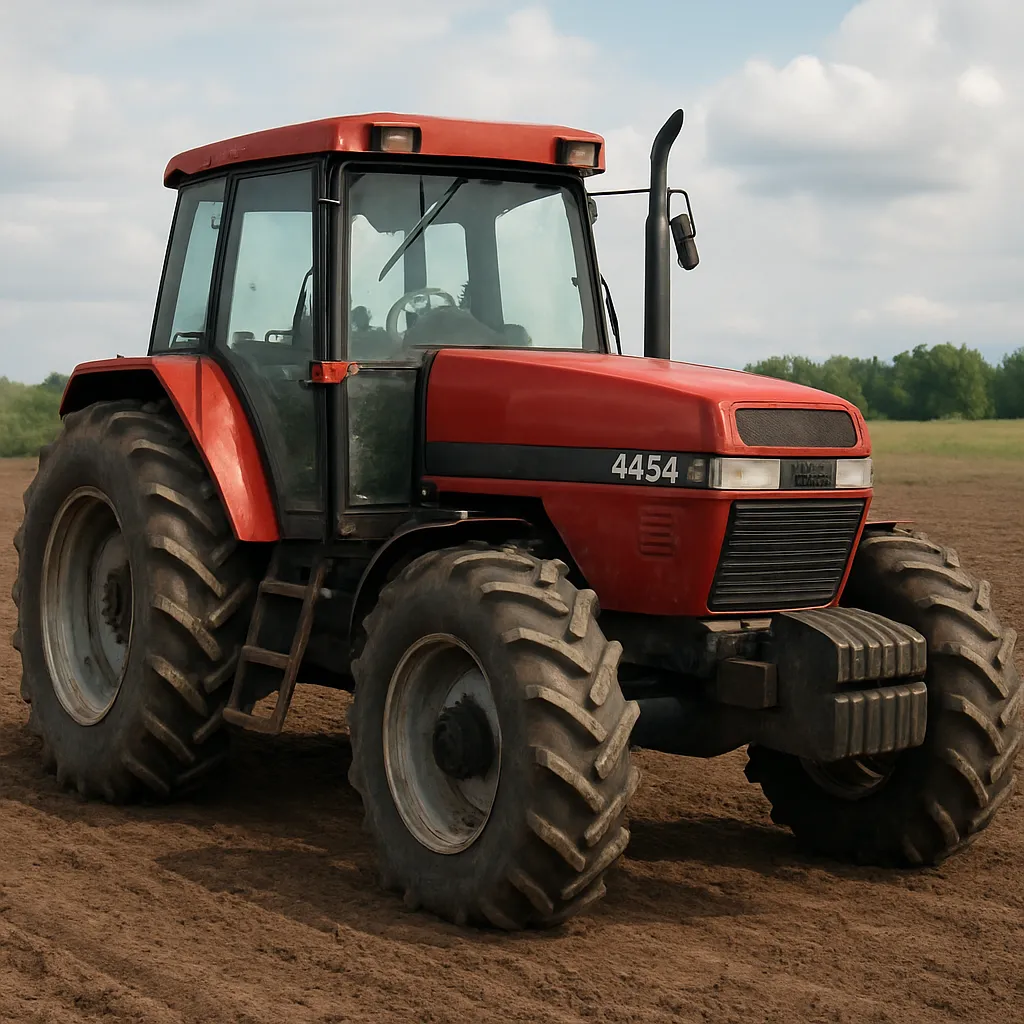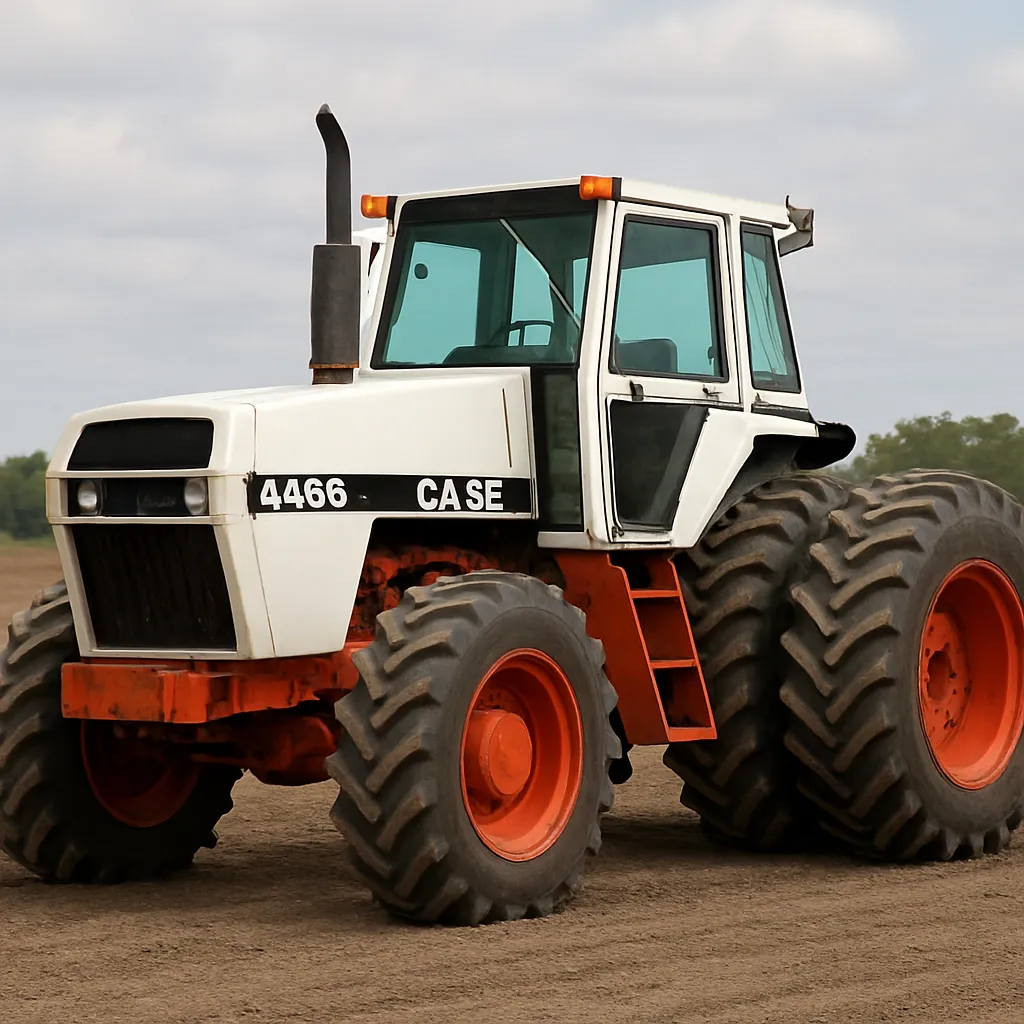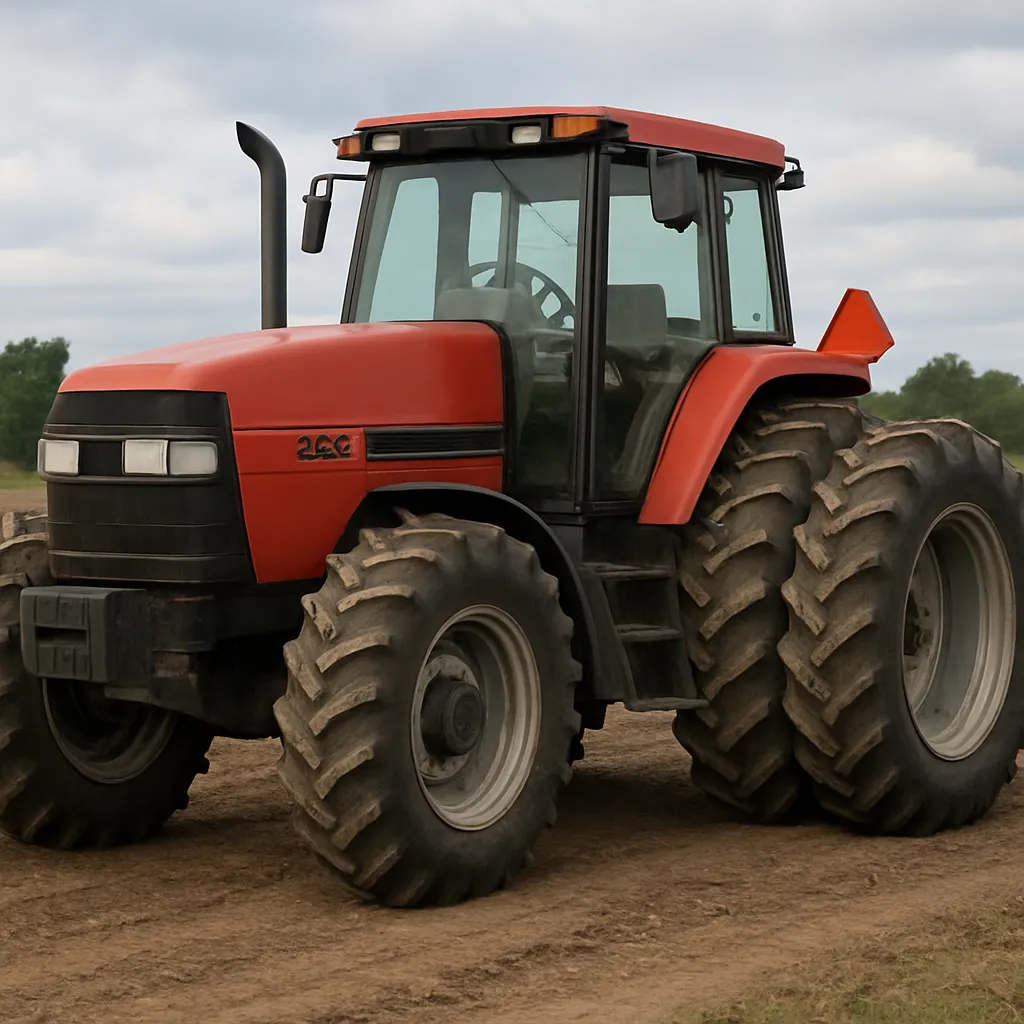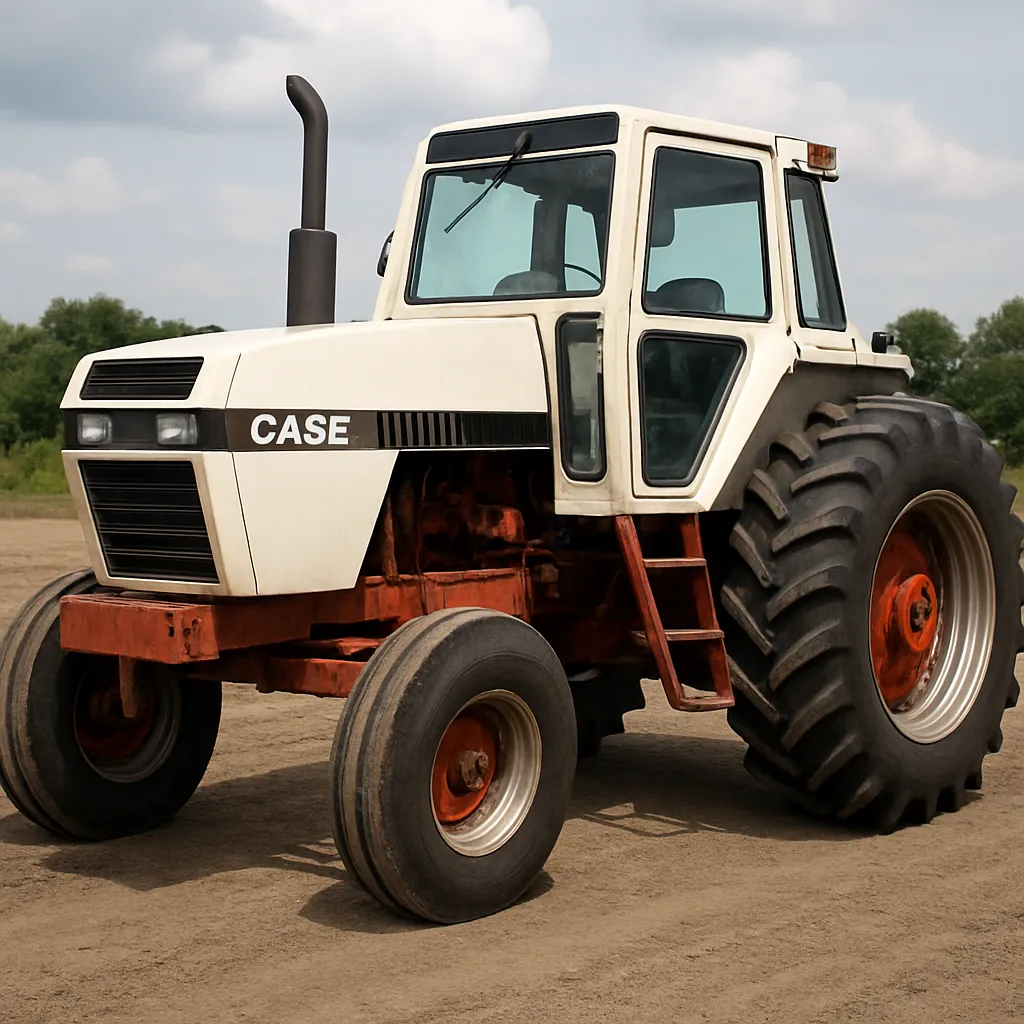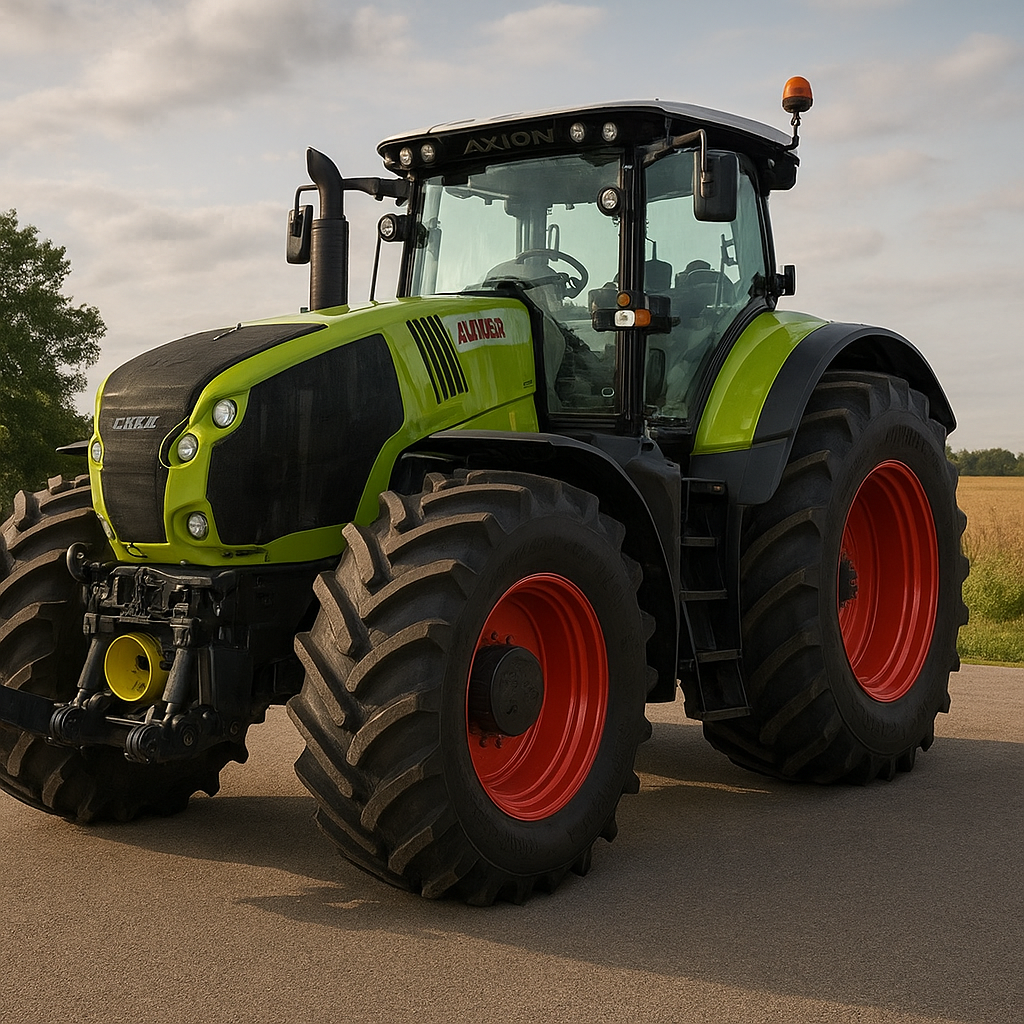
The Claas Axion 930 is a heavyweight contender in the modern agricultural tractor market, blending robust mechanical engineering with advanced electronics to meet the demands of large-scale farming and heavy-duty field tasks. In this article we will explore the design philosophy, technical characteristics, typical applications, operational advantages, and practical considerations related to the Axion 930. Where available, approximate technical data and industry context are included to help readers understand how this model fits into contemporary agricultural workflows.
Overview and design philosophy
The Claas Axion 930 is part of the Axion 900 series, a line positioned toward the top end of Claas’ tractor range. Built for reliability and long working hours, the Axion 930 combines a muscular drivetrain with operator-focused ergonomics and electronics. Claas designed the Axion 900 series to be versatile: it must be powerful enough for heavy primary tillage and traction work while being refined enough for transport, precision seeding, and implement control. The result is a machine that aims to offer farm managers a balance of power, efficiency, and comfort.
Key attributes of the Axion 930’s design include a rigid, durable chassis, a high-capacity hydraulic system, configurable transmission options, and a cab environment designed for extended shifts. Claas also integrated modern emissions aftertreatment and engine management systems to meet regulatory standards across global markets. In short, the Axion 930 is engineered as a multi-role workhorse for large farms, contractors, and mixed operations that need reliable performance across a wide range of tasks.
Engine, transmission and drivetrain
A major selling point of the Axion 930 is its drivetrain. While exact specifications can vary by model year and market, the Axion 930 typically features a high-displacement turbocharged diesel engine that delivers around 300 hp (approximately 220–225 kW) of rated power. The engine architecture is matched to modern emissions systems—commonly involving selective catalytic reduction (SCR) using AdBlue and particulate filtration—to achieve compliance with Tier 4 / Stage V or equivalent regulations depending on the year and region.
Transmission options
- Continuously variable transmission (CVT): Many Axion 900 models are available with Claas’ CMATIC CVT, providing stepless speed adjustment that optimizes fuel consumption and ensures seamless response during both fieldwork and road transport. CVT systems are valued for smooth torque delivery and improved efficiency under variable load.
- Powershift alternatives: In some configurations, a powershift transmission (multi-range powershift) may be offered. These provide direct mechanical gear steps and can be preferable in certain towing or high-drawbar operations.
- 4WD and differential locks: Full-time or switchable four-wheel drive and electronically controlled differential locks ensure traction in muddy, uneven, or steep terrain while lowering wheel slip for improved fuel economy and soil preservation.
Drivetrain and chassis
The Axion 930’s chassis and axles are engineered for heavy loads. Typical operating weights for tractors in this class usually fall in the range of 9,000–11,000 kg, depending on equipment and ballast. The robust front axle and frame design allow the machine to carry large front-mounted implements or front loaders while maintaining stability. Ground clearance, tyre options, and ballast flexibility enable operators to adapt the tractor for both field and transport duties.
Hydraulics, PTO and implement control
Modern tractors thrive on their ability to manage complex implements, and the Axion 930 is no exception. Claas equips the Axion 930 with a high-capacity hydraulic system and sophisticated electronic implement interfaces to support large planters, cultivators, sprayers, balers, and specialized attachments.
- Hydraulic flow: The main hydraulic system typically offers generous flow (often in the range of 170–220 liters/minute depending on pump configuration), enabling multiple remote valves and high-demand implements to run concurrently.
- Rear linkage lift capacity: Rear lift capacities for this tractor class are often around 8,000–10,000 kg at the lower link ends, which supports heavy cultivators, seed drills and large-mounted equipment.
- PTO options: The Axion 930 usually provides multiple PTO speed settings (540 / 1000 and sometimes economy 1000E), allowing compatibility with a broad range of implements. PTO engagement is electronically controlled for smooth starts under load.
- ISOBUS and implement integration: Claas places emphasis on ISOBUS compatibility and integrated control systems so that implements can be controlled directly from the tractor terminal, reducing the need for separate displays and enhancing precision workflows.
Cab, ergonomics and electronics
Operator comfort and ease of use are central to long-day productivity. The Axion 930’s cab is designed to minimize fatigue while maximizing control and information availability.
- Cab environment: Spacious layout, advanced suspension seats, climate control, and low noise levels make the cab comfortable for prolonged work. Visibility from the cab is optimized for front and rear implement monitoring and for safe road travel.
- Operator interfaces: Claas typically equips this tractor with an ergonomic armrest console, multifunction joystick(s), and an advanced on-board terminal (compatible with Claas’ telematics and control software) to manage transmission settings, hydraulic functions, and ISOBUS tasks.
- Precision farming systems: The Axion 930 supports GPS guidance, auto-steering, section control, and variable-rate application through integrated hardware and software. These features improve input efficiency, reduce overlap, and enhance overall productivity.
- Telematics: Claas’ telematics solutions (often marketed under the Claas TELEMATIC or similar product names) allow fleet managers to monitor location, fuel use, operating hours, and maintenance alerts remotely—helpful for contractors and large farm operations.
Applications and typical use cases
The Claas Axion 930 is intended for a broad spectrum of heavy agricultural tasks. Its main strengths—high power output, advanced hydraulics, and comfortable cab—make it particularly suitable for the following roles:
- Primary tillage: Pulling large ploughs, heavy cultivators and disc harrows across large acreages where steady torque and traction over many hours are required.
- Seeding and planting: Towing large seed drills and planters; ISOBUS and precision guidance features help maintain accuracy and efficiency.
- Forage and harvesting support: Operating large balers, forage wagons, and transport tasks during peak harvest windows.
- Transport and haulage: Road transfer of grain, slurry tankers, and heavy trailers at legal highway speeds using efficient transmission settings.
- Loader and farmyard tasks: With a front loader attachment, the Axion 930 can handle heavy loading, pallet work, and material handling on large farms or contracting sites.
- Specialist implement work: Running sprayers, seed drills with variable-rate application, and other precision agriculture tools that require integrated electronic control.
Fuel economy, emissions and environmental considerations
Fuel efficiency and emissions compliance are crucial for modern tractors. The Axion 930’s engine management, turbocharging, and aftertreatment systems aim to provide a balance between performance and regulatory compliance.
Typical features include turbocharged diesel engines tuned for torque at low rpm to reduce fuel consumption under load, as well as selective catalytic reduction (SCR) using AdBlue and diesel particulate filters (DPF) to reduce NOx and particulate emissions. Claas and engine suppliers continually refine combustion and exhaust systems to meet evolving emissions standards such as Stage V in Europe or Tier 4 in North America.
Operators can further improve fuel efficiency by using precision farming techniques (auto-guidance, optimized implement overlap, and controlled engine load), selecting appropriate transmission settings, and maintaining correct tyre pressures and ballast.
Maintenance, serviceability and lifecycle costs
Durability and ease of maintenance significantly affect total cost of ownership for larger tractors. Claas typically engineers the Axion 930 with accessible service points and modular components to minimize downtime.
- Service intervals: Routine maintenance intervals for oil, filters, and inspections are defined by Claas and depend on operating conditions; following manufacturer schedules ensures longevity and preserves warranty coverage.
- Field service and parts network: Claas has a global dealer network providing replacement parts, diagnostics, and field service—important for contractors working long hours in peak seasons.
- Resale value: Tractors in this performance class typically retain significant resale value when properly maintained, partly because demand for reliable high-horsepower tractors remains strong among larger farms and contractors.
Competitive positioning and market context
The Axion 930 competes with higher-tier tractors from other major manufacturers (e.g., John Deere, New Holland, Fendt, Massey Ferguson) in the 250–350 hp class. Claas differentiates itself through strong integration with its harvesting and forage equipment lines, as well as a reputation for robust engineering in European markets.
Major decision factors for buyers often include total lifecycle cost, dealer support, implement compatibility (ISOBUS), fuel economy, and operator comfort. The Axion 930’s combination of power, electronic integration, and adaptability makes it a compelling choice for operations that require both heavy traction and precision implement control.
Practical tips for operators
- Use cruise and engine management features to maintain consistent ground speed and reduce fuel spikes during heavy draft work.
- Leverage ISOBUS and precision guidance to limit overlaps during seeding and spraying—this reduces input costs and increases effective field capacity.
- Monitor telematics data to optimize maintenance scheduling and detect fuel or performance anomalies early.
- Balance tyres and ballast to match implement weight, ground conditions, and traction needs—proper setup improves traction and minimizes soil compaction.
- Adhere to recommended service intervals and use OEM filters and lubricants for best performance and long-term value.
Approximate technical data and notes
Below are generalized figures and typical specifications for a Claas Axion 930 within the Axion 900 family. Exact numbers vary by year, market, and specific configuration—always consult the official Claas documentation or your local dealer for precise values for a specific tractor.
- Rated engine power: approximately 300 hp (≈220–225 kW)
- Maximum torque and power curve: tuned for high torque at mid-low rpm to support draft work (exact torque varies by engine spec)
- Transmission: CMATIC CVT or powershift options depending on configuration
- Hydraulic flow: high-flow hydraulic pumps typically delivering in the range of 170–220 L/min (model-dependent)
- Rear linkage lift capacity: commonly around 8,000–10,000 kg at the lower link arms
- PTO: 540 / 1000 rpm standard with electronic engagement; economy PTO settings may be available
- Operating weight: typically in the 9,000–11,000 kg class, adjustable by ballast and equipment
- Fuel tank capacity: often several hundred liters (e.g., roughly 400–600 L depending on tank and auxiliary tanks)
- Cab features: climate control, suspended cab and seat options, integrated terminal and joysticks, ISOBUS compatibility
Conclusion
The Claas Axion 930 is engineered to serve as a reliable, versatile machine for large-scale agriculture and contracting. With its high power output, flexible transmission options, robust hydraulics, and modern electronic interfaces, it supports a wide range of demanding tasks—from primary tillage and large-scale planting to heavy transport and implement operation. Claas’ emphasis on operator comfort, integrated precision farming tools, and telematics helps users extract high utilization and efficiency from this class of tractor. For farmers and contractors considering a high-horsepower, multi-role tractor, the Axion 930 represents a balanced choice that bridges raw capability with advanced control systems.