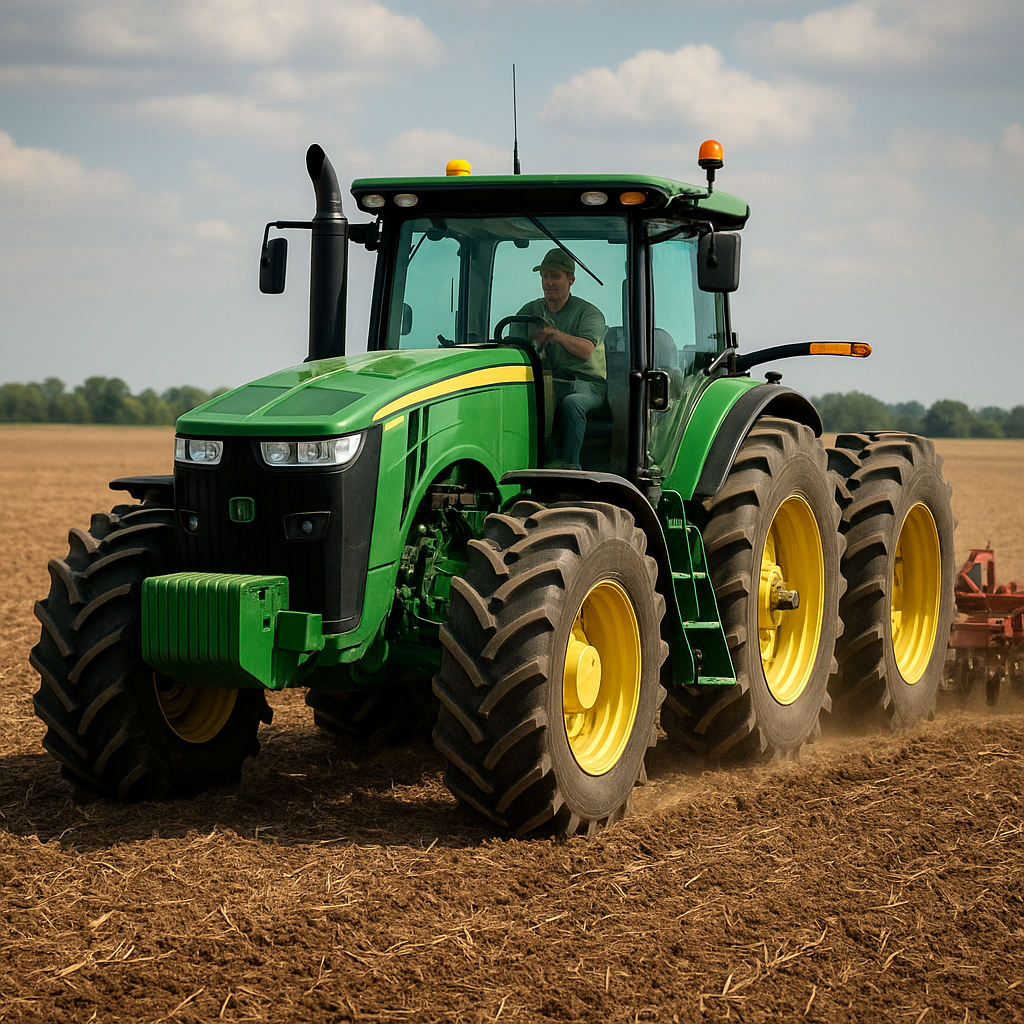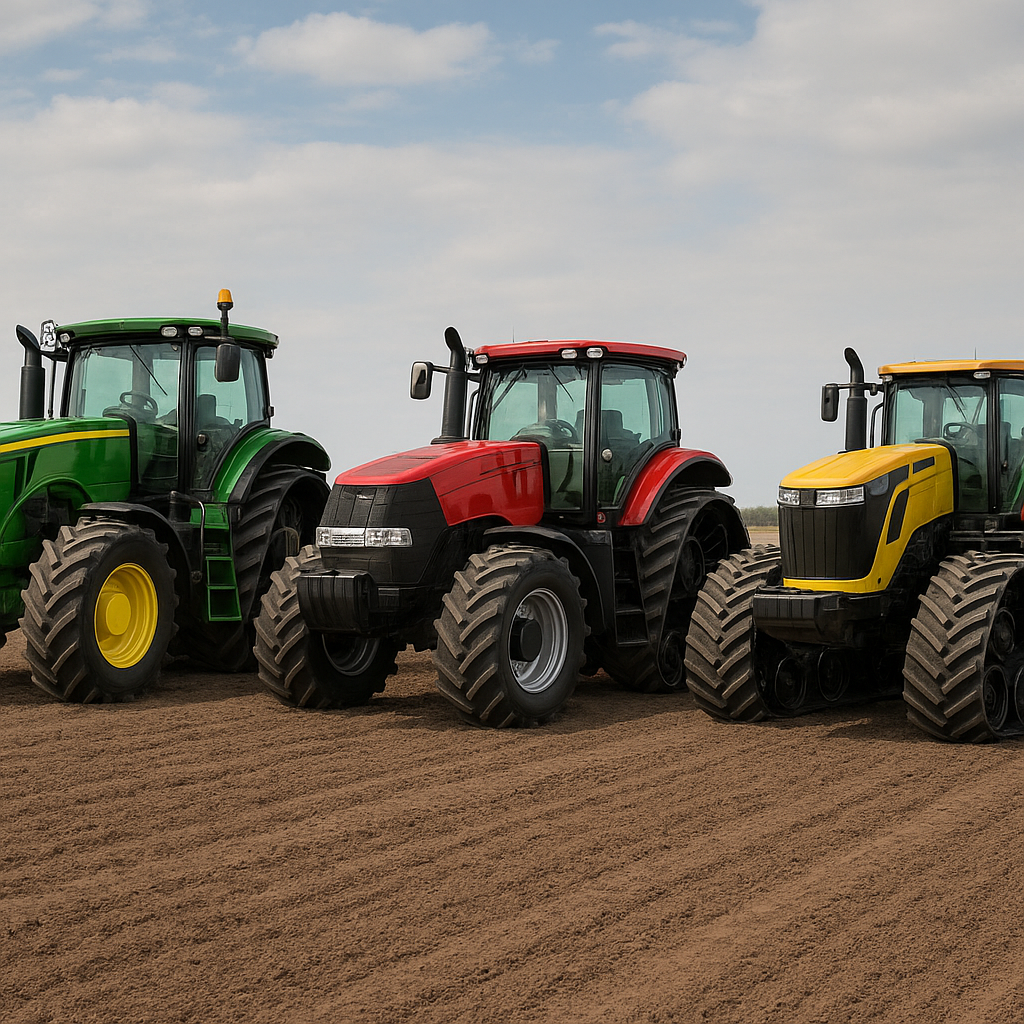
The astonishing scale and power of modern agricultural machines have revolutionized the farming industry. Among these, the world’s most massive tractors stand out not only for their sheer size but also for the complexities involved in their upkeep. This exploration delves into the financial realities of sustaining such formidable equipment, offering a detailed comparison of long-term expenses associated with owning and operating giant tractors.
History and Evolution of Colossal Farm Machines
The journey from early horse-drawn plows to today’s multi-thousand-horsepower behemoths has been marked by continuous innovation. Pioneers in tractor manufacturing gradually increased size and power, responding to demands for higher productivity on ever-larger farms. By the late 20th century, several manufacturers began producing machines exceeding 500 horsepower, a threshold soon surpassed by specialty builders offering models in excess of 1,000 horsepower.
Key milestones in this evolution include:
- The introduction of four-wheel drive systems, boosting traction and handling.
- Advanced hydraulic circuits enabling seamless operation of heavy implements.
- Electronic engine management for optimized fuel consumption and emissions control.
These advancements paved the way for today’s giants, which often feature dual tires or tracks, sophisticated onboard computers, and cab amenities rivaling luxury vehicles. As machines grow in complexity, so do the maintenance demands and associated expenses.
Key Components and Maintenance Challenges
Understanding the primary systems that incur the highest upkeep costs is crucial for anyone considering investment in a giant tractor. The following components represent the bulk of routine service and unexpected repair expenditures:
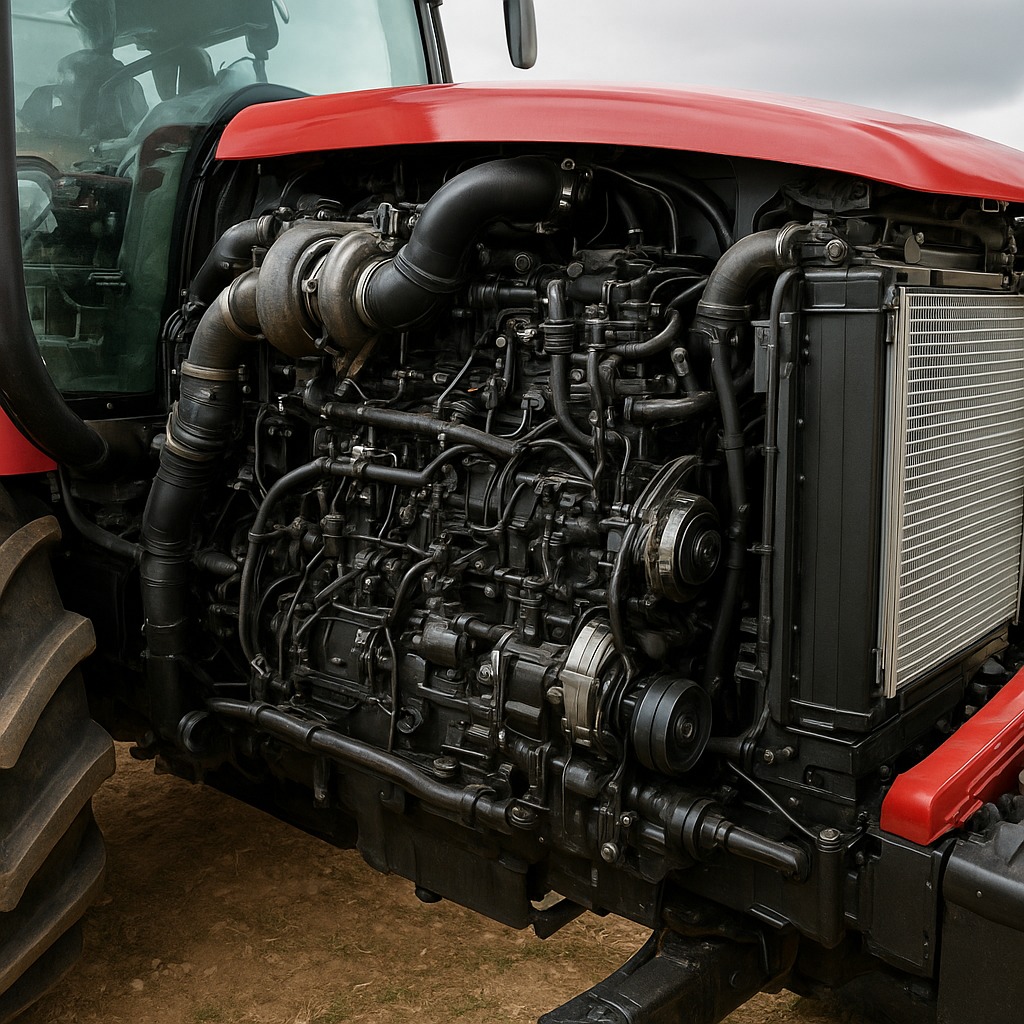
- Engine: As the heart of the tractor, engines in mega-horsepower models can cost tens of thousands to rebuild or replace. High-performance turbochargers, precision fuel injectors, and advanced exhaust treatments increase both initial price and repair complexity.
- Transmission: Heavy-duty powershift or continuously variable transmissions (CVT) demand regular fluid changes, filter replacements, and occasional overhaul after several thousand operating hours.
- Hydraulics: The hydraulic system powers implements and steering. Service includes checking hoses, replacing seals, and maintaining correct fluid viscosity to prevent overheating and failure.
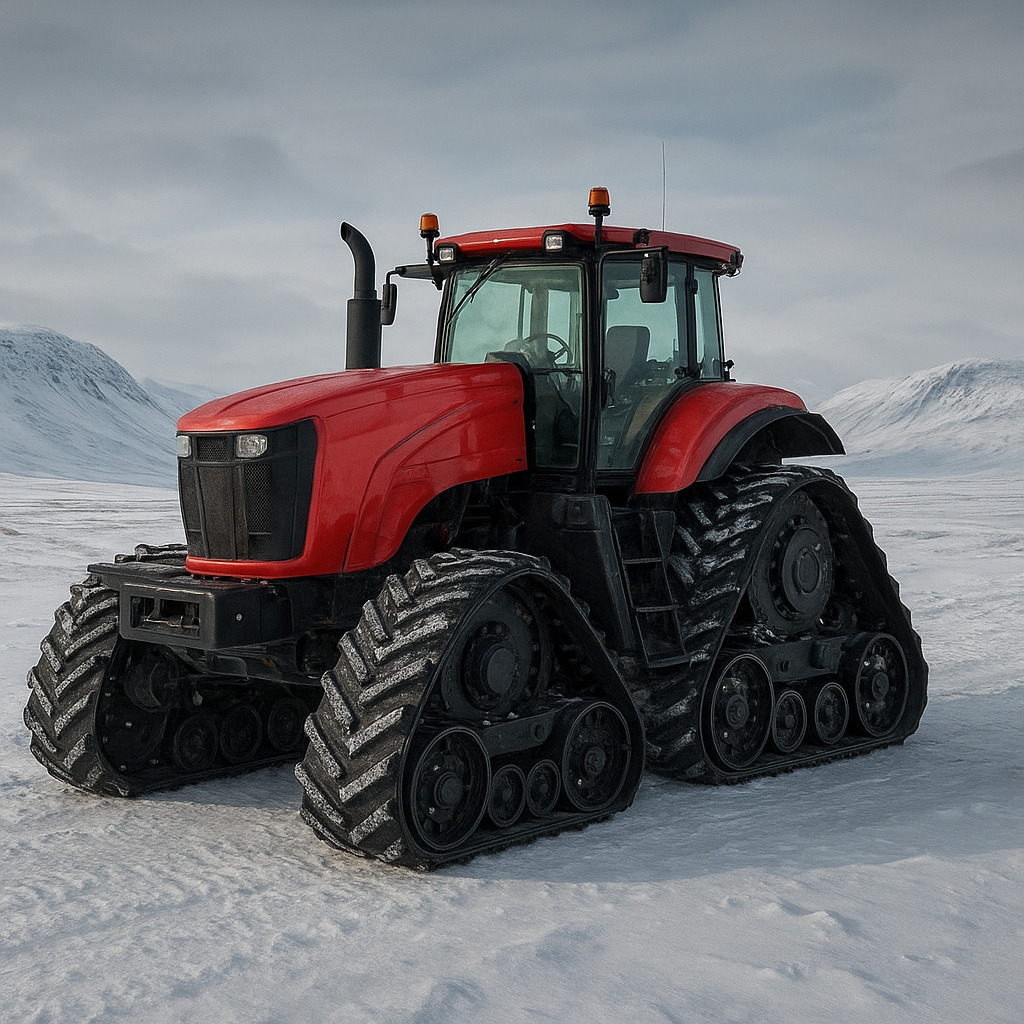
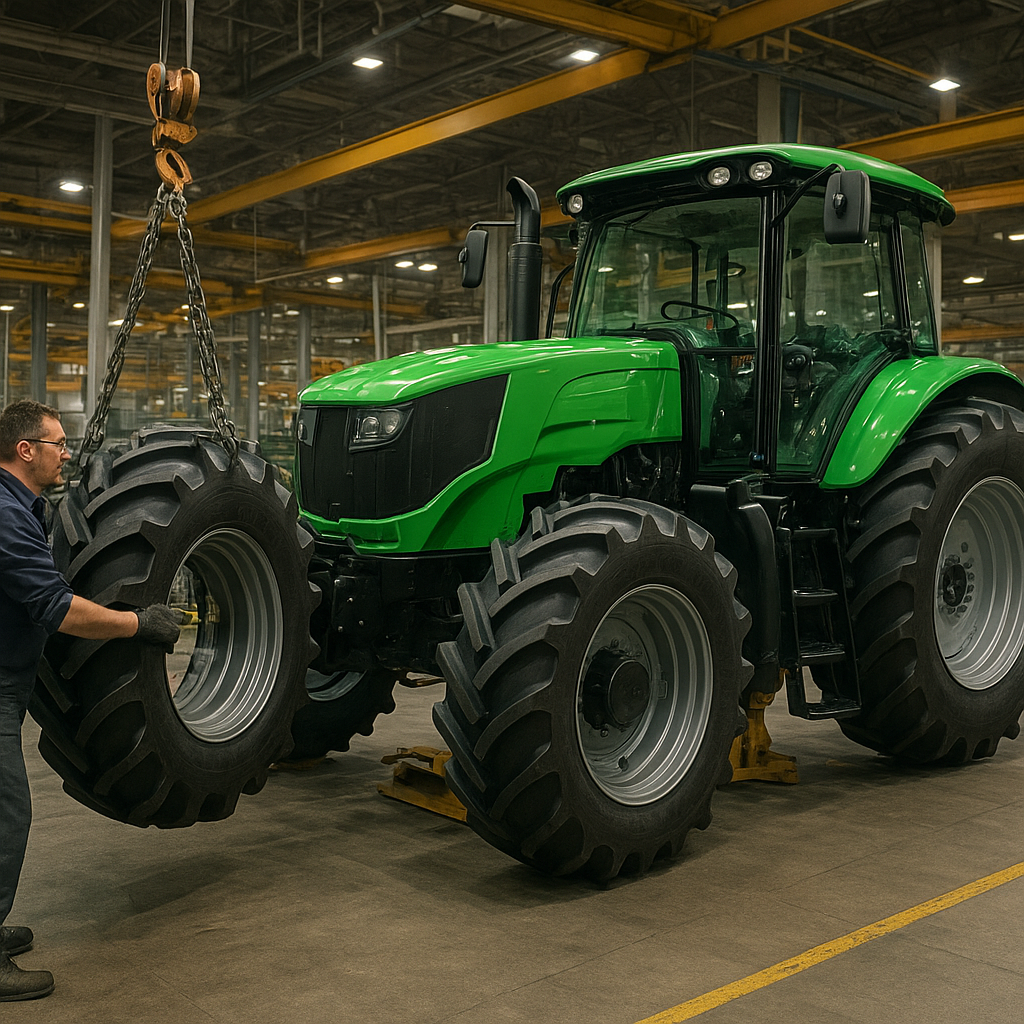
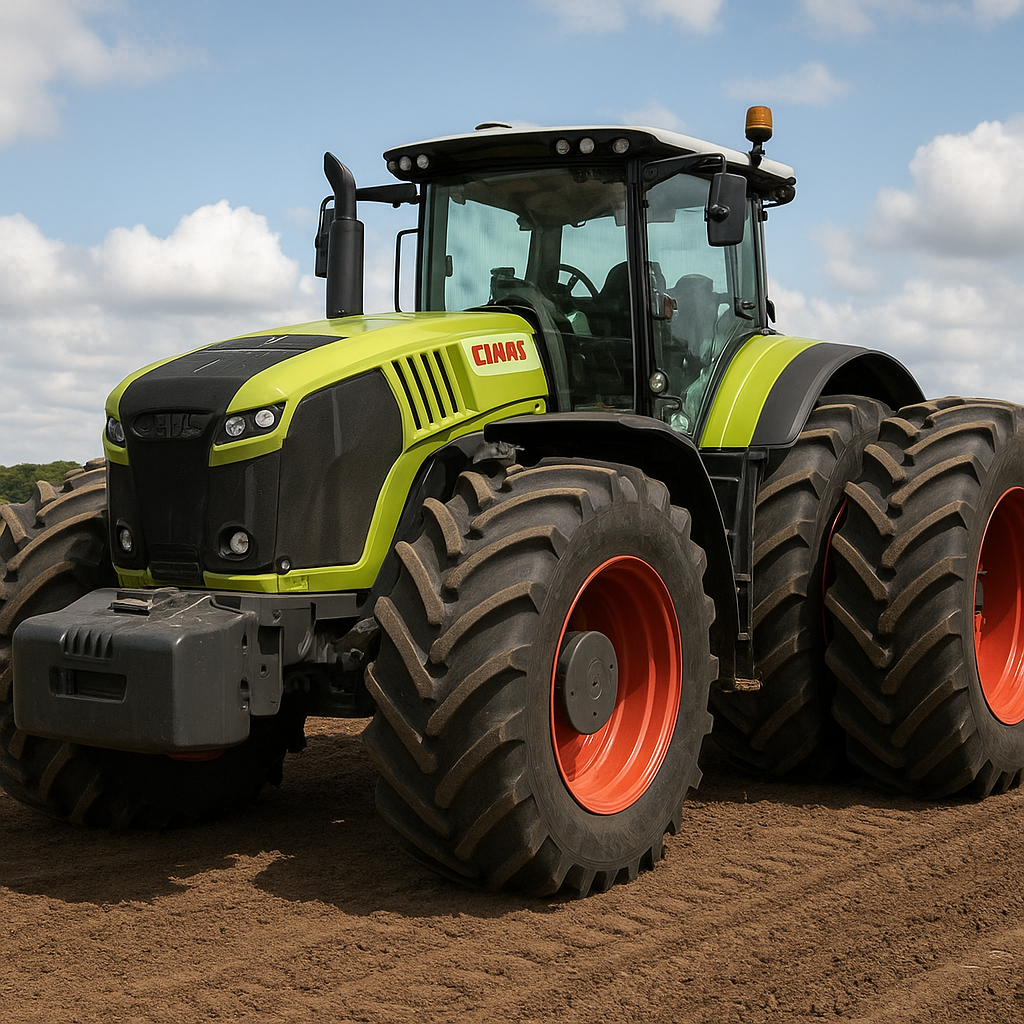
- Tires and Tracks: Giant tires, often 4 meters in diameter, represent a significant investment. Rotating tires across dual configurations can extend life but adds labor costs. Track systems require periodic tensioning and replacement of worn pads.
- Electronics and Diagnostics: Modern tractors feature complex wiring harnesses, sensors, and controllers. Diagnostic tools may be proprietary, leading to expensive subscriptions or dealer-only repairs.
Regular inspections and preventive care reduce downtime and extend component life, but scheduling such maintenance often requires halting operations during peak seasons. Many owners find that outsourcing services to specialized technicians or purchasing extended warranty packages can mitigate unexpected expenses.
Cost Comparison: Operational vs Maintenance Expenses
A holistic view of tractor ownership must differentiate between operational costs—such as fuel, tires, and implements—and pure maintenance and repair fees. For giant tractors, the balance frequently tips toward higher upkeep percentages compared to mid-size machines.
Fuel and Lubrication
- Fuel consumption for a 1,200-horsepower tractor can exceed 85 liters per hour under full load. At current diesel prices, this amounts to several hundred dollars of fuel cost per hour of operation.
- Premium engine oils and hydraulic fluids, often required to meet manufacturer specifications, add to per-service-shop bills. Scheduled oil and filter changes every 250–500 hours typically cost $2,000–$3,500, including parts and labor.
Routine Maintenance and Wear Items
- Brake packs, steering linkages, and air filters represent routine replacements. A full set of air filters alone can cost over $1,000 for a large tractor.
- Hydraulic hose assemblies, seals, and gaskets may require replacement every 1,000–1,500 hours, averaging $5,000 in parts if done in a single service interval.
Major Component Overhaul
- Engine reconditioning or replacement: $50,000–$150,000, depending on power rating and rebuild level.
- Transmission overhaul: $30,000–$80,000, influenced by the complexity of gears, clutches, and electronic controls.
- Track system renewal: $40,000–$100,000 for a complete set, with variations based on track type and width.
When amortized over an expected 15-year service life and 10,000 operating hours, maintenance and repair expenses can account for 30–40% of total ownership costs, rivaling the initial purchase price.
Strategies to Optimize Lifecycle Costs
Steady advances in remote monitoring and predictive diagnostics now allow fleet managers to schedule maintenance before catastrophic failure occurs. Key tactics include:
- Implementing telematic systems to track engine hours, fluid temperatures, and maintenance alerts in real time.
- Establishing partnerships with OEM-authorized service centers to secure volume discounts on parts.
- Training in-house technicians on specialized tasks to reduce labor rates associated with dealer visits.
- Evaluating extended service contracts that cap hourly repair rates and include preventative maintenance packages.
Such measures can shrink unplanned downtime and enhance overall reliability, ultimately improving return on investment for operations relying on horsepower above 800 units.
Environmental and Regulatory Considerations
Meeting Tier 4 and equivalent emissions standards has forced manufacturers to incorporate exhaust after-treatment systems like selective catalytic reduction (SCR) and diesel particulate filters (DPF). While these innovations reduce environmental impact, they also introduce new maintenance demands:
- Consumption of diesel exhaust fluid (DEF) adds a recurring expense and service step.
- Periodic cleaning or replacement of DPF elements can cost upwards of $10,000.
- Software updates and calibrations to maintain compliance often require dealer intervention.
Noncompliance can result in fines or restrictions on field operations during sensitive periods, making diligent upkeep of emissions equipment a critical aspect of cost management.