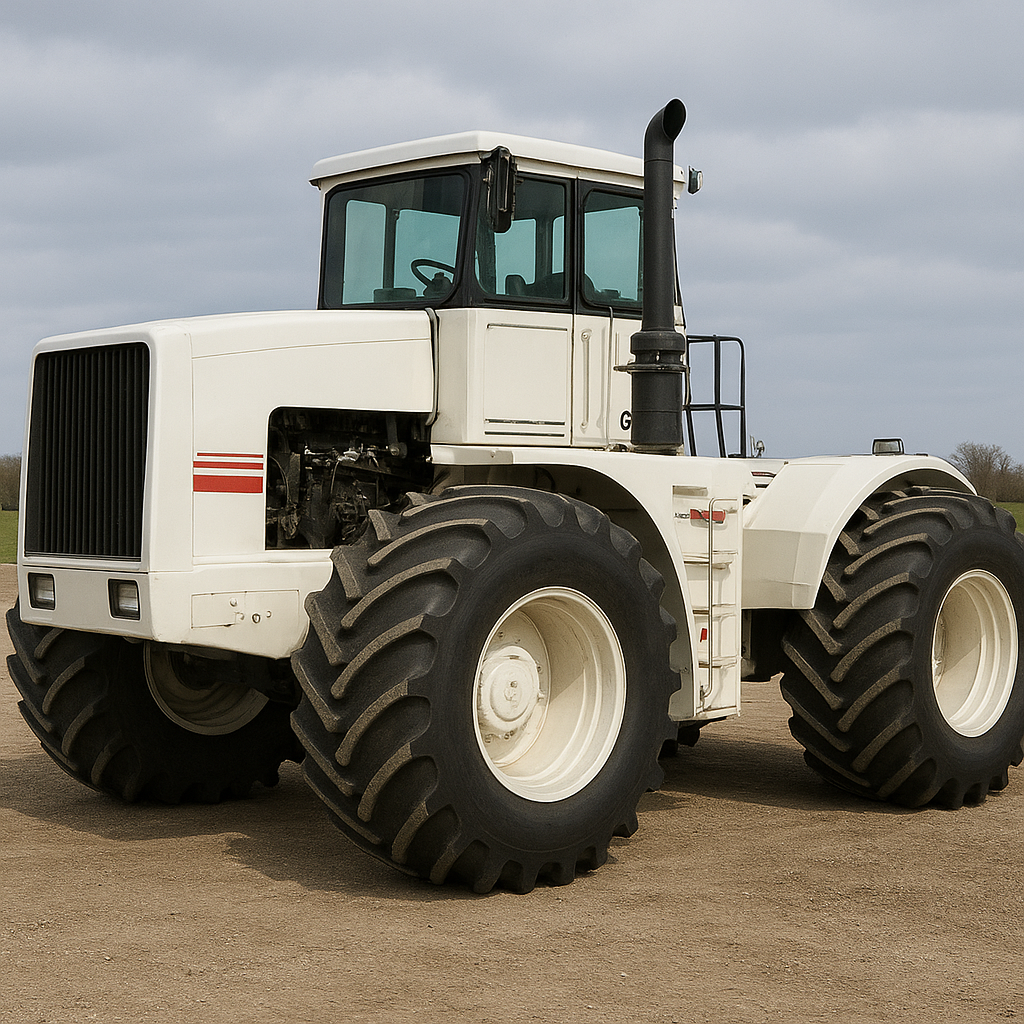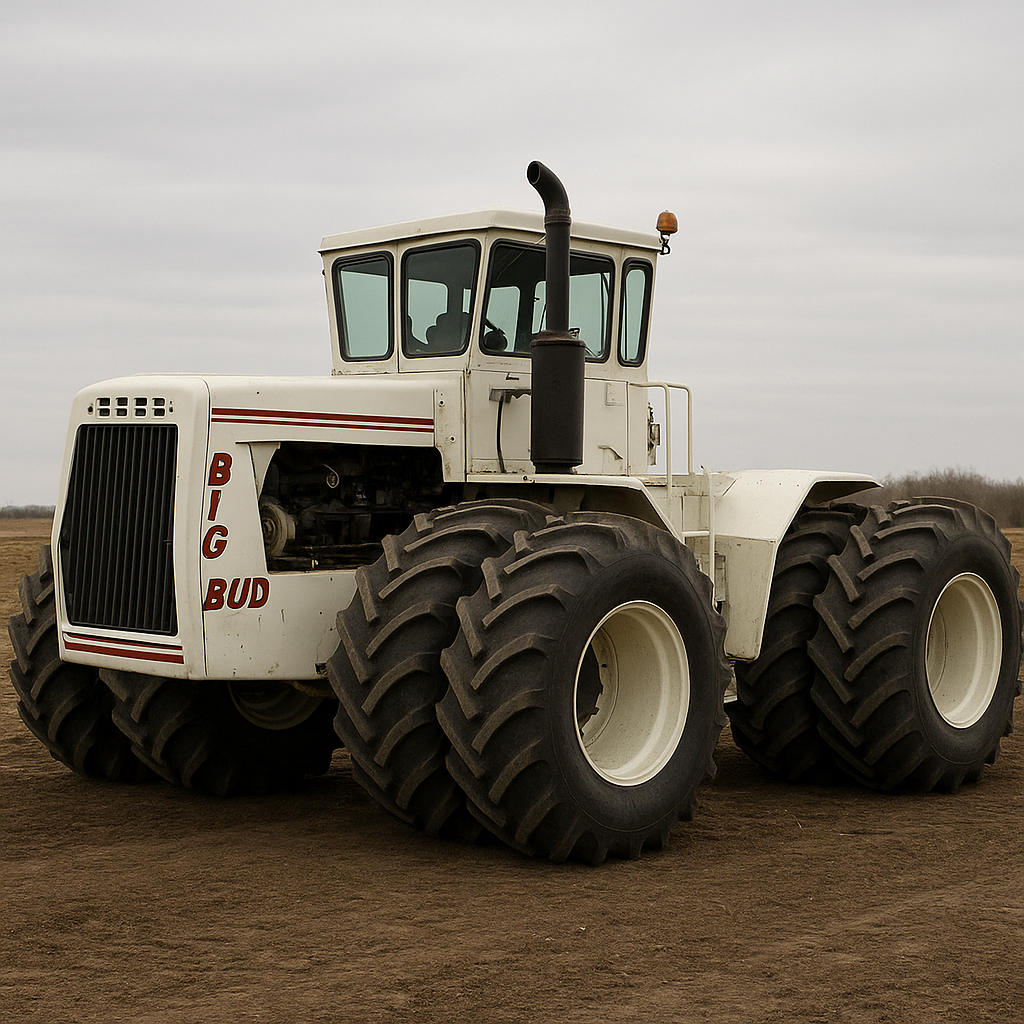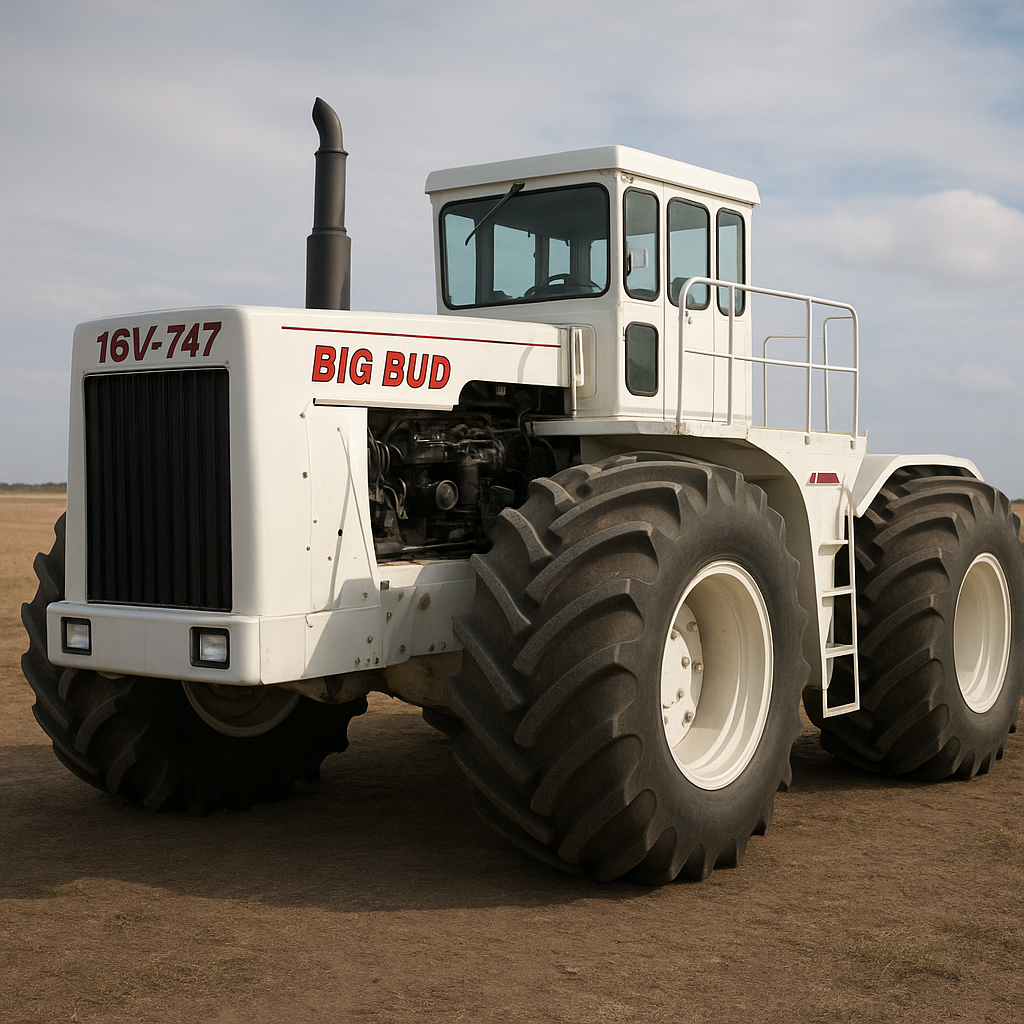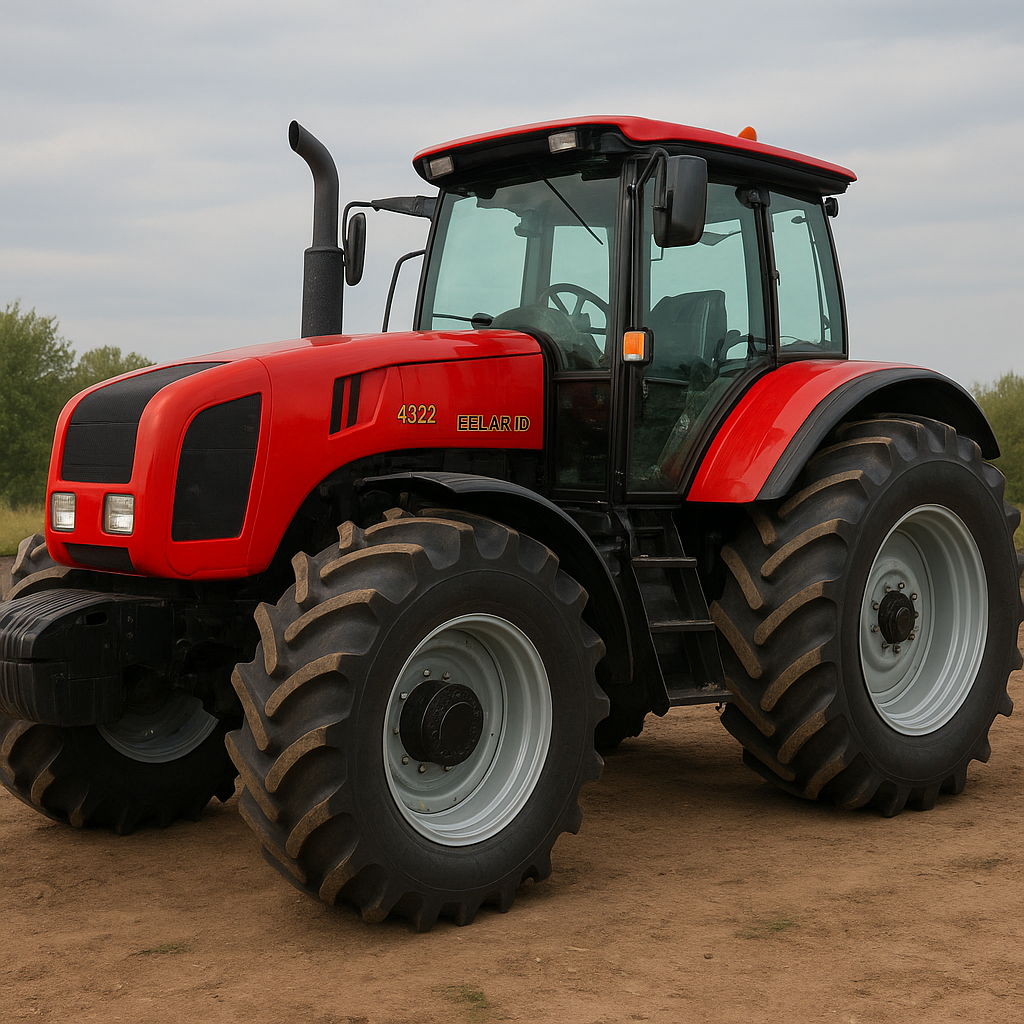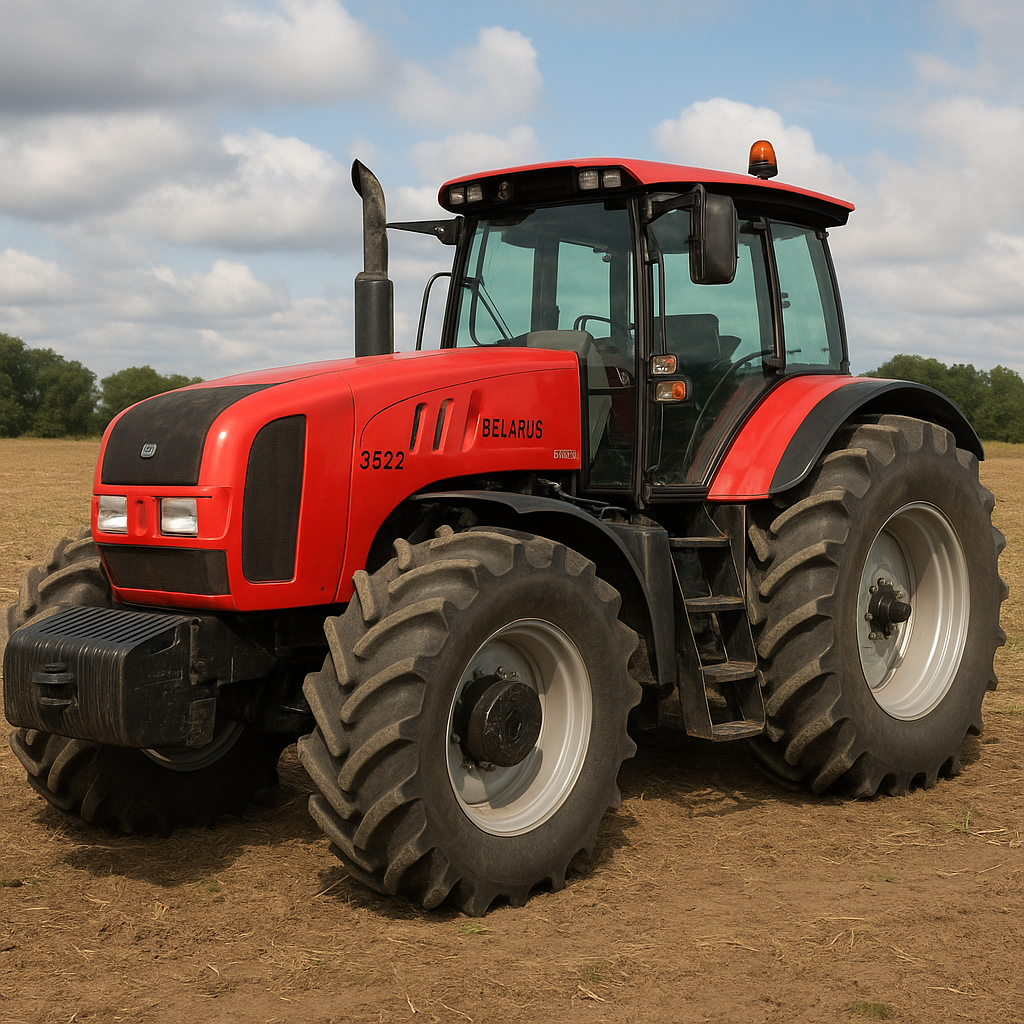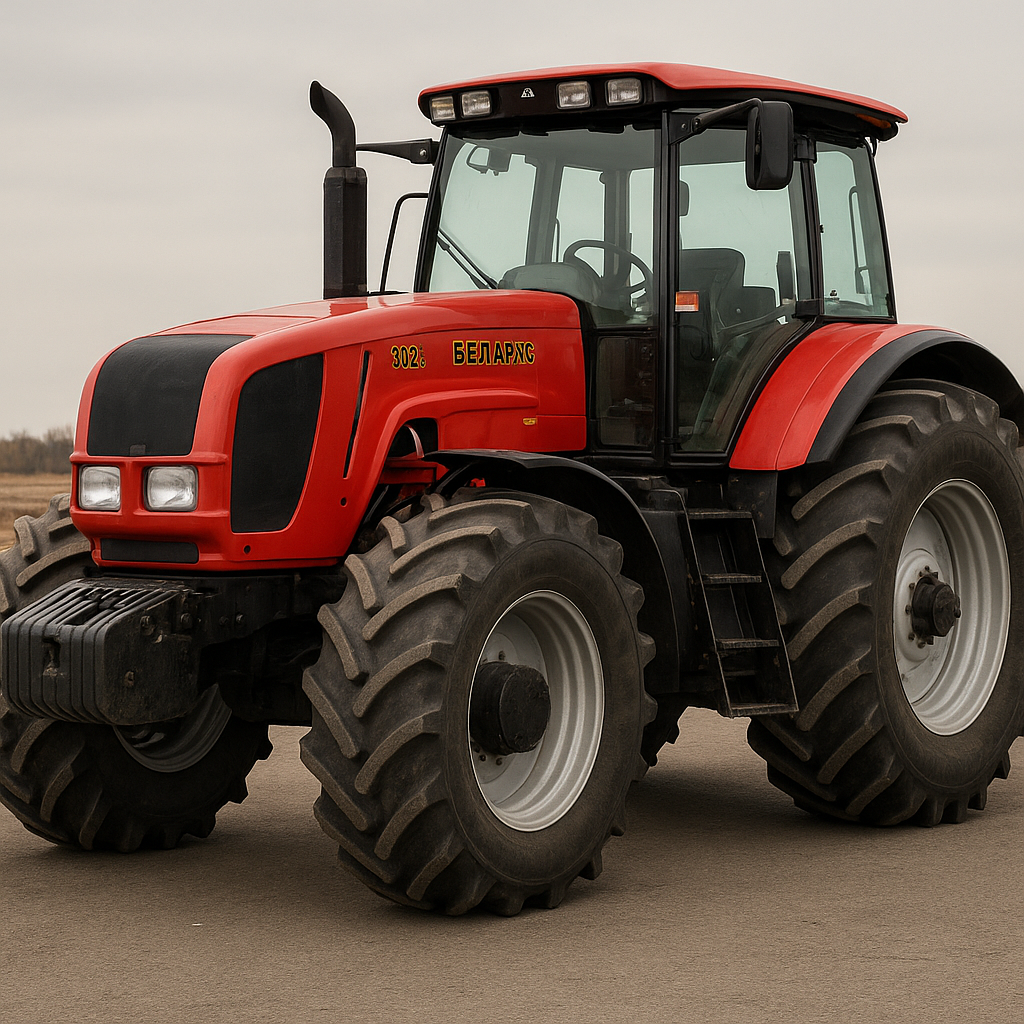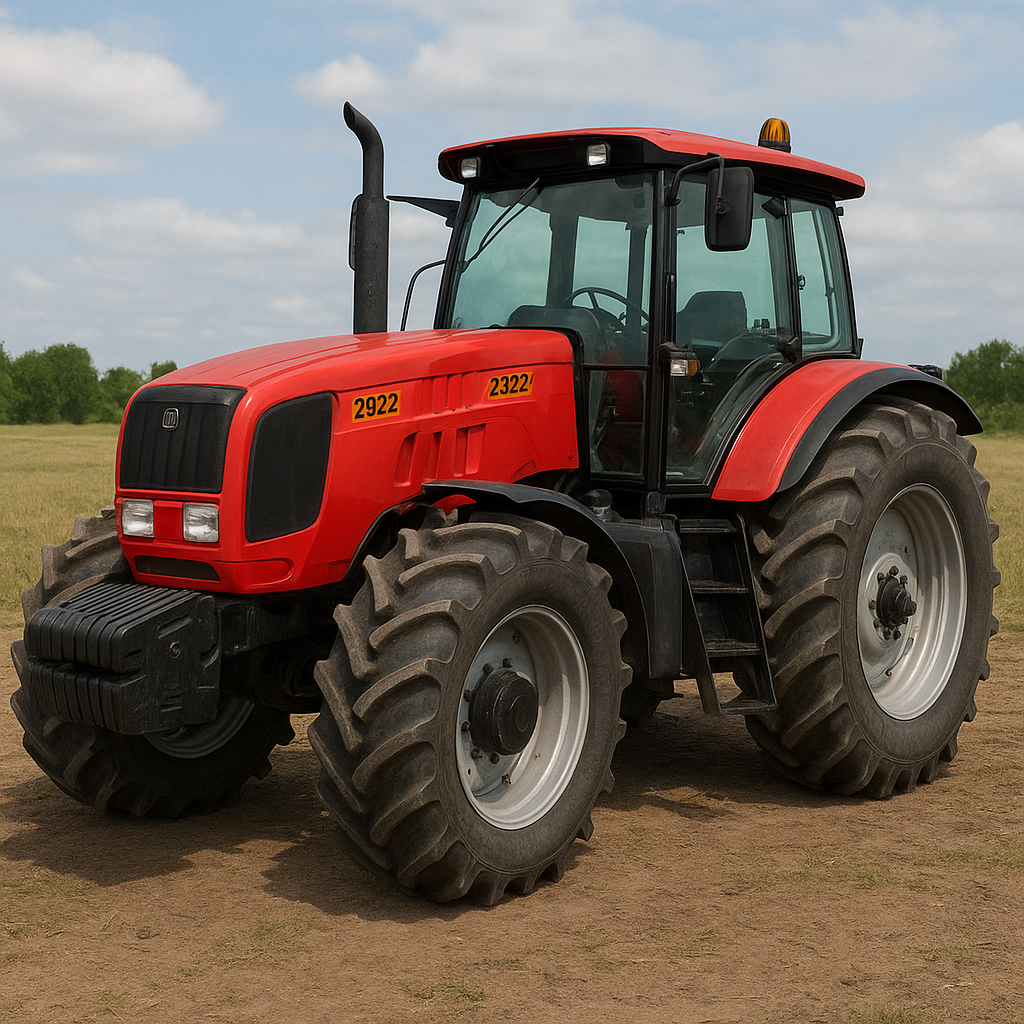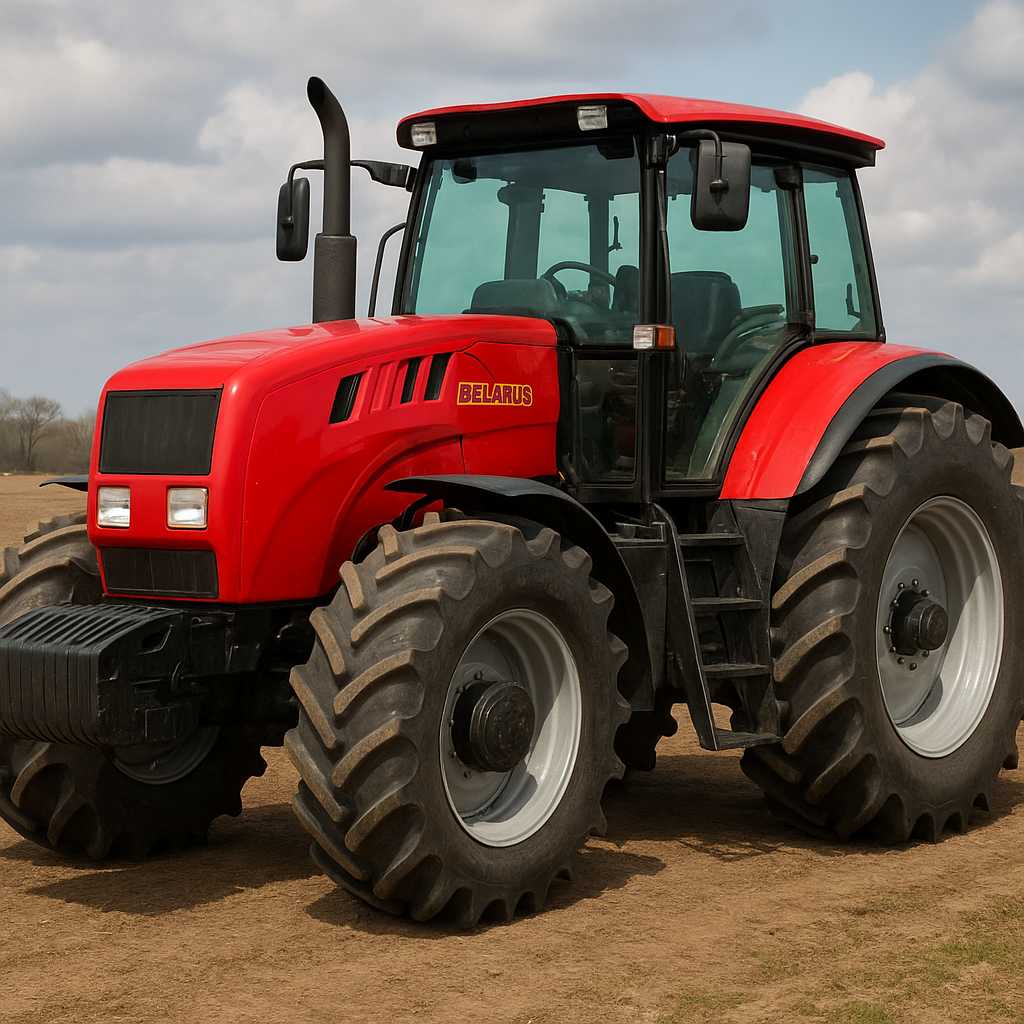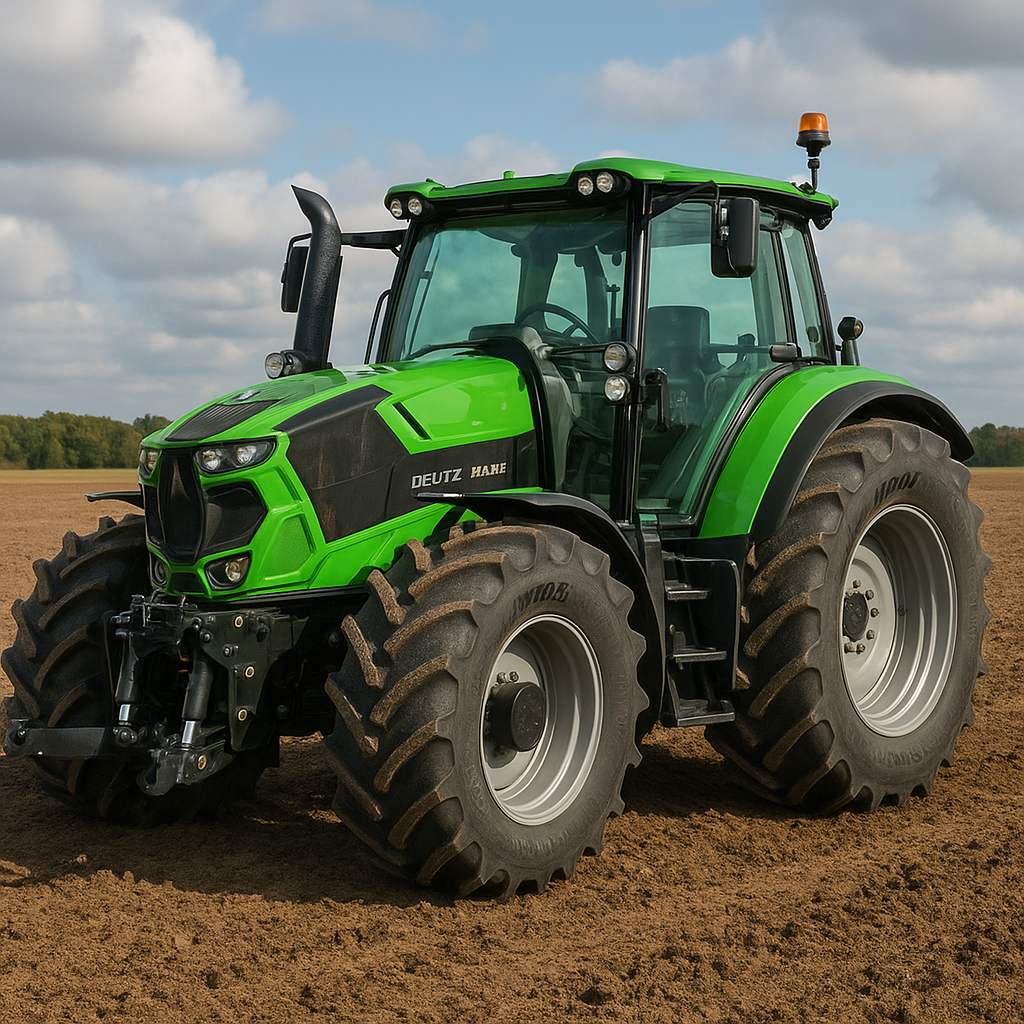
The Deutz-Fahr 6155 TTV is a mid-range agricultural machine designed to combine robust mechanical engineering with modern electronics and operator comfort. This article examines the tractor’s design philosophy, typical applications, technical characteristics, and practical considerations for owners and operators. It is intended for farmers, contractors, and machinery enthusiasts who want a comprehensive view of what makes this model relevant in contemporary agriculture.
Overview and design philosophy
The Deutz-Fahr 6155 TTV is part of the manufacturer’s 6-series lineup aimed at productivity-minded users who require a balance between power, efficiency, and comfort. The machine brings together a smooth infinitely variable transmission, a responsive diesel engine, and hydraulics capable of handling a wide range of implements. Designed for medium-to-large farms and contractors, the 6155 TTV targets tasks that demand reliable pull, stable PTO operation and the ability to sustain long working days with operator comfort in mind.
Key design elements
- Deutz-Fahr 6155 TTV chassis engineered for stability, visibility and modular attachments.
- An infinitely variable TTV transmission for seamless speed control and reduced driveline shock.
- High-capacity hydraulic systems and three-point hitch options to support a broad implement range.
- Operator-focused cab with ergonomics, climate control and optional electronic aids for long shifts.
The machine emphasizes versatility: it works well in arable cropping, grassland management, transport and certain front-loader tasks. The architecture allows users to configure the tractor according to their needs, choosing options for front suspension, cab packages, and auxiliary hydraulics.
Technical specifications (typical and approximate)
Technical data for agricultural machines like the 6155 TTV can vary by year, market and factory options. The figures below represent typical specifications associated with this class and model; consult factory documentation or dealer data for exact numbers for a specific unit.
- Rated power: approximately 150–160 hp (ISO) — nominally marketed as 155 hp for many variants.
- Engine configuration: 6-cylinder turbocharged diesel, displacement roughly 6.0–6.1 liters.
- Maximum torque: commonly in the range of 600–700 Nm depending on calibration and boost characteristics.
- Emission standard: machines from different production years meet Stage III B/Stage IV (EU) or equivalent Tier regulations; selective catalytic reduction (SCR) and other aftertreatment systems are used in later models.
- PTO options: standard 540/540E/1000 or combinations thereof (electro-hydraulic engagement available), enabling use with modern implements.
- Transmission: continuously variable TTV transmission, offering stepless speed control up to typical road speeds of 40–50 km/h depending on gearing and options.
- Hydraulic system: closed-centre or load-sensing pump options; typical flow rates range from 110 to 160 L/min depending on specification and whether a dedicated steering pump is separate.
- Rear lift capacity: commonly around 6,500–7,500 kg at the hitch points, enabling heavy mounted implements.
- Fuel tank capacity: typically in the 250–360 liter range to support long operating intervals.
- Unladen weight: around 5,500–6,800 kg depending on configuration and options such as front axle or front linkage.
- Wheelbase: approximately 2.5–2.8 meters, providing a compromise between maneuverability and stability.
These numbers position the 6155 TTV in the medium-high segment where the tractor is powerful enough for demanding tillage and transport tasks while still nimble for fieldwork in varied conditions.
Applications and typical use cases
The Deutz-Fahr 6155 TTV is used across a wide range of agricultural tasks. Its combination of power, hydraulic capacity and operator features makes it suitable for the following primary applications:
Arable farming
- Primary tillage: ploughing and deep cultivation with semi-mounted or trailed implements. The tractor’s torque and lift capacity allow it to handle large ploughs and cultivators.
- Secondary tillage: seedbed preparation with discs and harrows; the TTV gives precise ground speed control for consistent soil work.
- Sowing and planting: pulling large seed drills and planters, maintaining consistent PTO and travel speeds for accurate seed placement.
Hay and forage
- Mowing, raking and baling: the PTO options and hydraulic outputs match modern forage equipment including large balers and mowers.
- Silage and wrapping operations: stable hydraulic flow and lifting power assist in handling heavier loaders and transport trailers in grassland systems.
Livestock and mixed farms
- Loader work: with a front loader the 6155 TTV becomes a versatile handling machine for feed, bedding and material movement.
- Material transport: trailers and slurry tankers benefit from the tractor’s torque band and transport speed capabilities.
Contracting and municipal tasks
- Contractors often select this tractor for medium- to large-scale field jobs because of its combination of power, endurance and serviceability.
- Snow clearing and road maintenance attachments can be used where municipal contracts require robust loader and hydraulic functions.
The tractor’s suitability for multiple roles is one of its core strengths: a single machine can switch between heavy traction work, PTO-driven implement tasks and loader/transport duties with minimal reconfiguration.
Technology, driver comfort and controls
Modern tractors like the 6155 TTV integrate electronic controls to maximize efficiency, protect driveline components and simplify operation. The focus is as much on sensor-driven optimization as it is on physical robustness.
Transmission and drive aids
- TTV transmission provides stepless acceleration and deceleration, enabling the operator to maintain a constant implement working speed without clutching or shifting, improving fuel economy and reducing wear.
- Automated modes: creep, transport and field modes let the operator choose settings that control engine rpm and transmission behavior for best match to tasks.
- Traction management systems: electronic differential locks and axle management reduce wheel slip while limiting operator intervention.
Hydraulics and implement control
- ISOBUS compatibility on many configurations allows plug-and-play implement control, reducing complexity in the cab and increasing accuracy for precision farming implements.
- Proportional auxiliary valves, flow control and electronic hitch control make the tractor responsive when using multi-function implements.
Cabin ergonomics and operator aids
- Comfort options include air-suspended seats, climate control, and low-noise cabins designed for long shifts.
- Advanced dashboards and touchscreen displays provide machine data, GPS guidance compatibility and settings for transmission, engine and hydraulics.
- Visibility is optimized by large glazing surfaces and lighting packages for night work.
Maintenance, reliability and operating costs
For many buyers, total cost of ownership matters as much as upfront price. The 6155 TTV is built with service intervals and access in mind, but operating costs still depend on usage patterns, maintenance discipline and local fuel and labor costs.
Maintenance points
- Regular engine service: oil, filters and inspections per manufacturer schedule to ensure long-term durability of the turbocharged diesel system and aftertreatment devices.
- Hydraulic filters and fluid changes: critical to sustained performance of hydraulic pumps and valves, especially under heavy implement cycles.
- Transmission and final drive checks: though TTV units are smooth-running, adherence to specified service intervals avoids expensive repairs.
Fuel consumption and economics
Actual fuel use varies by task. For a tractor in this power class, typical fuel consumption patterns might be:
- Light transport: lower-specific fuel use, often in single-digit liters per hour depending on load and speed.
- Field operations under moderate load: mid-range consumption (often in a low-to-mid two-digit liters per hour band).
- Heavy tillage: highest consumption; careful matching of implement size to horsepower can significantly improve efficiency.
Investments in precision farming tools (GPS guidance, section control) usually return value through reduced overlap, optimized inputs and improved field efficiency.
Attachments, versatility and implements
A major strength of the 6155 TTV is its ability to interface with a wide range of implements. The following attachments are commonly used with this type of tractor:
- Front loaders with quick-attach mounting for buckets, bale spears and forks.
- Rear-mounted seeders, sprayers and spreaders that use the rear PTO and high lift capacity.
- Trailed ploughs, cultivators and rollers for large-acreage operations.
- Front and rear weights or ballast to balance heavy mounted or trailed equipment and to optimize traction.
Because hydraulic flow and lift capacity are generous, many implements that require responsive control—such as hydraulic folding planters or large balers—are well suited to this tractor.
Market position, resale and buying considerations
The Deutz-Fahr 6155 TTV sits competitively among mid-to-high power tractors from European manufacturers. Buyers typically weigh the following factors:
- New vs used: depreciation curves for tractors mean that a lightly used, dealer-serviced model can offer substantial savings without large sacrifices in capability.
- Optional features: telematics, front suspension, heavier axles and high-flow hydraulics add cost but may be essential depending on intended use.
- Service network: availability of authorized service centers and parts in a buyer’s region affects downtime and long-term ownership costs.
- Resale value: models from recognized brands with good service histories and preferred options (e.g., power, cab package) tend to retain value better.
When planning a purchase, assess your typical implement sizes, transport distance, and whether you expect to undertake contractor-style intensive hours. Matching the tractor to the primary tasks will reduce fuel and maintenance costs over the machine’s life.
Safety, regulations and environmental considerations
Safety systems in modern tractors include rollover protection, efficient lighting, and electronic interlocks for PTO and hydraulics to reduce the chance of operator error. Emissions regulations have pushed manufacturers to adopt exhaust aftertreatment systems such as SCR catalysts, which reduce NOx and particulate outputs. For farms aiming to lower environmental footprint, features to consider include:
- Engine and transmission modes to optimize fuel usage.
- Telematics and precision guidance to reduce overlap and input waste.
- Regular engine maintenance to keep emissions control systems functioning efficiently.
Practical tips for operators
- Match implements to the tractor’s rated lifting capacity and PTO ratings to avoid overloading the driveline.
- Use cruise control and automatic transmission modes where available to maintain consistent working speeds and save fuel.
- Keep service records and follow manufacturer service intervals to preserve resale value and reliability.
- Consider telematics or fleet management subscriptions for contractors to monitor usage, maintenance needs and fuel consumption trends.
Final observations
The Deutz-Fahr 6155 TTV is a versatile, powerful machine well suited to farms requiring a reliable mid- to high-power tractor with modern controls and the ability to handle a wide variety of implements. Its horsepower and electronic aids make it appropriate for demanding tillage, planting and hauling tasks while the TTV drive system and cabin features support operator comfort and efficiency. For buyers considering this model, careful attention to specification options, local service support and implement matching will ensure the best long-term performance and value.