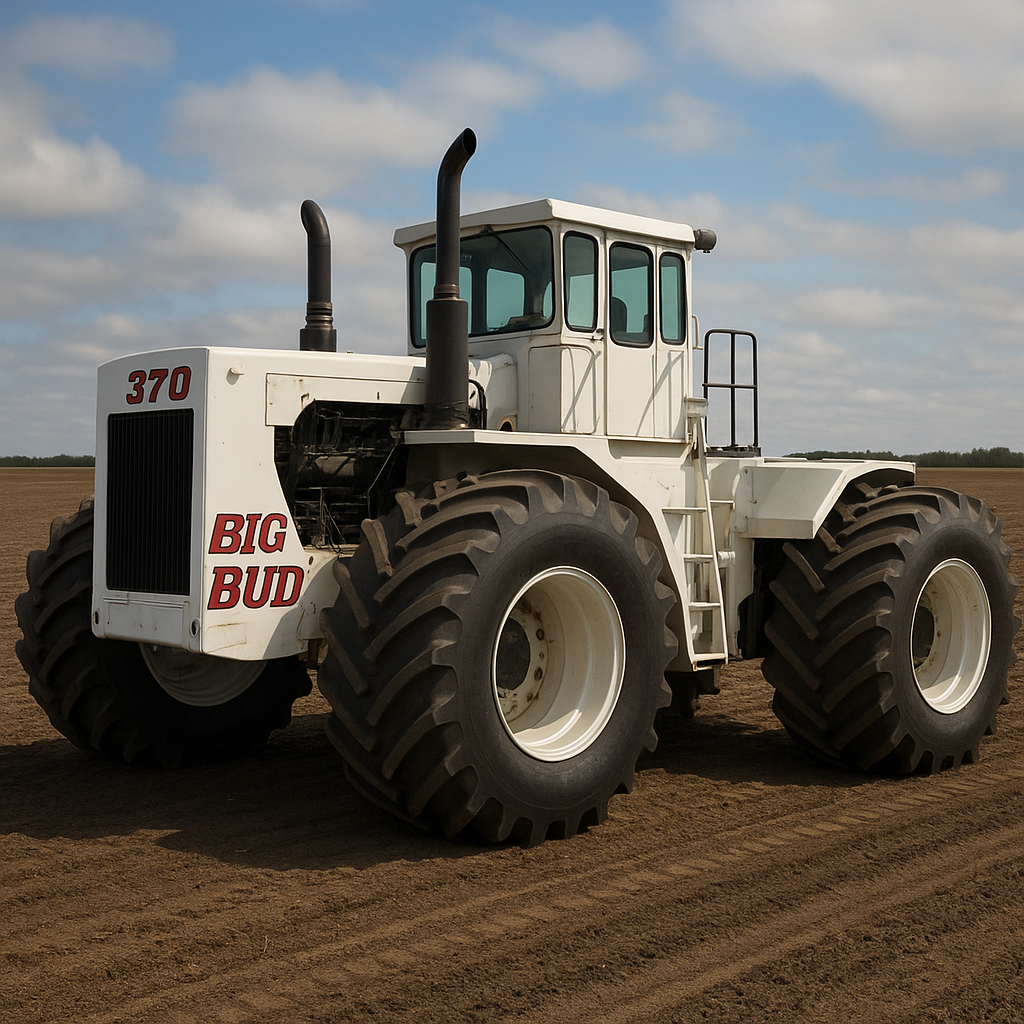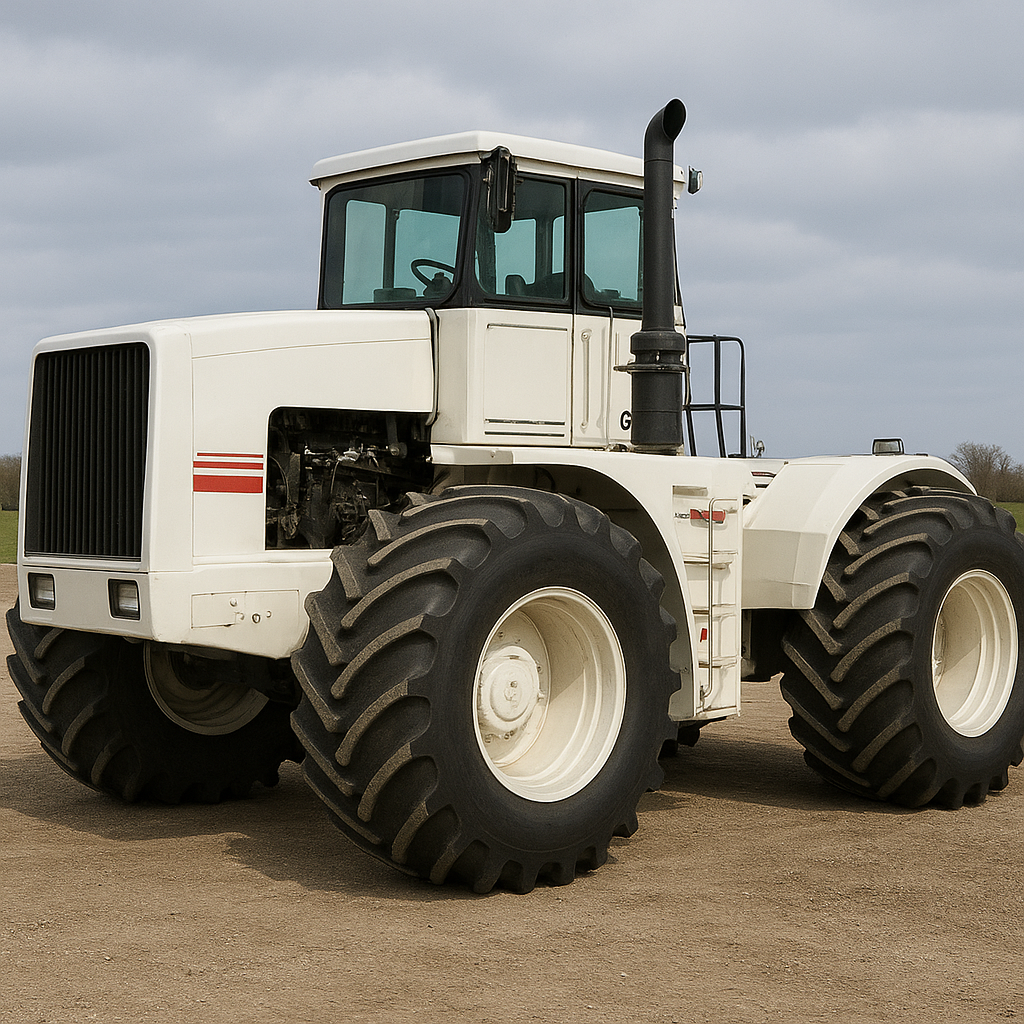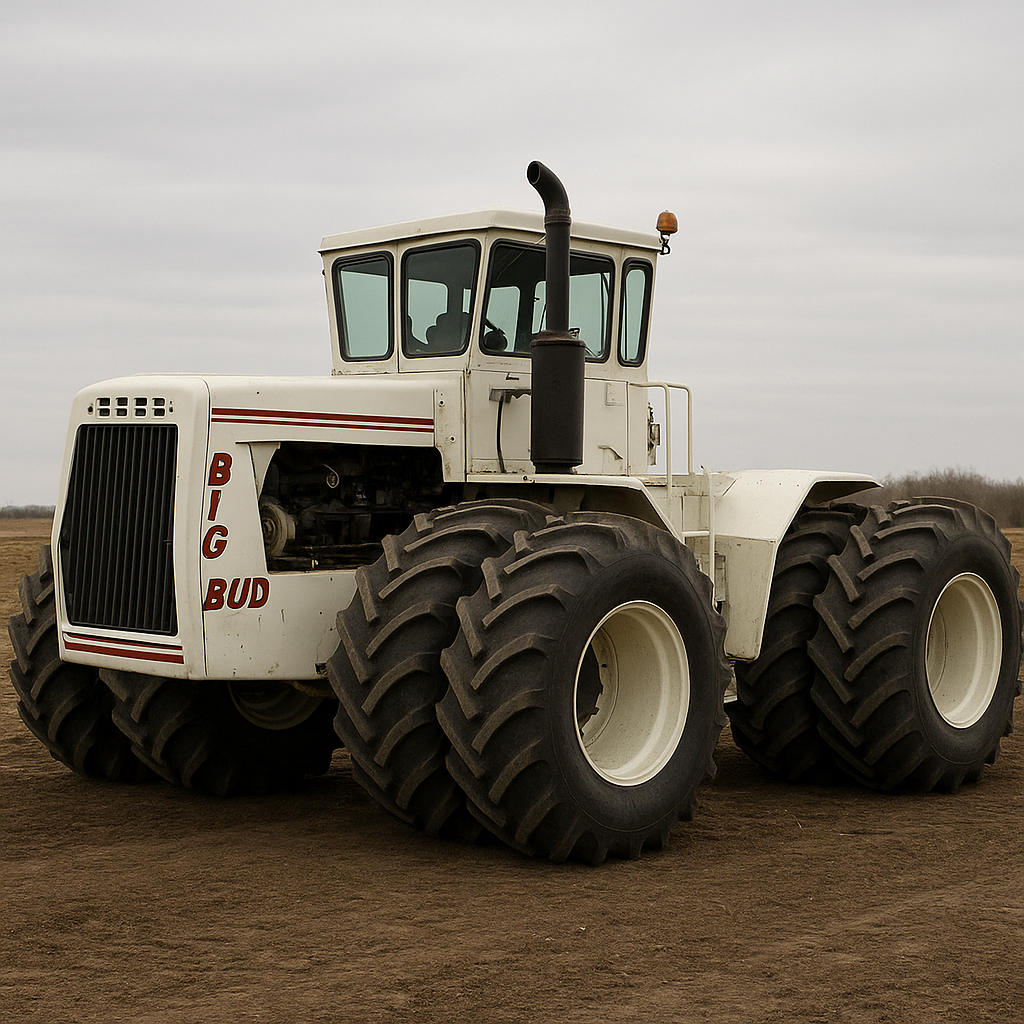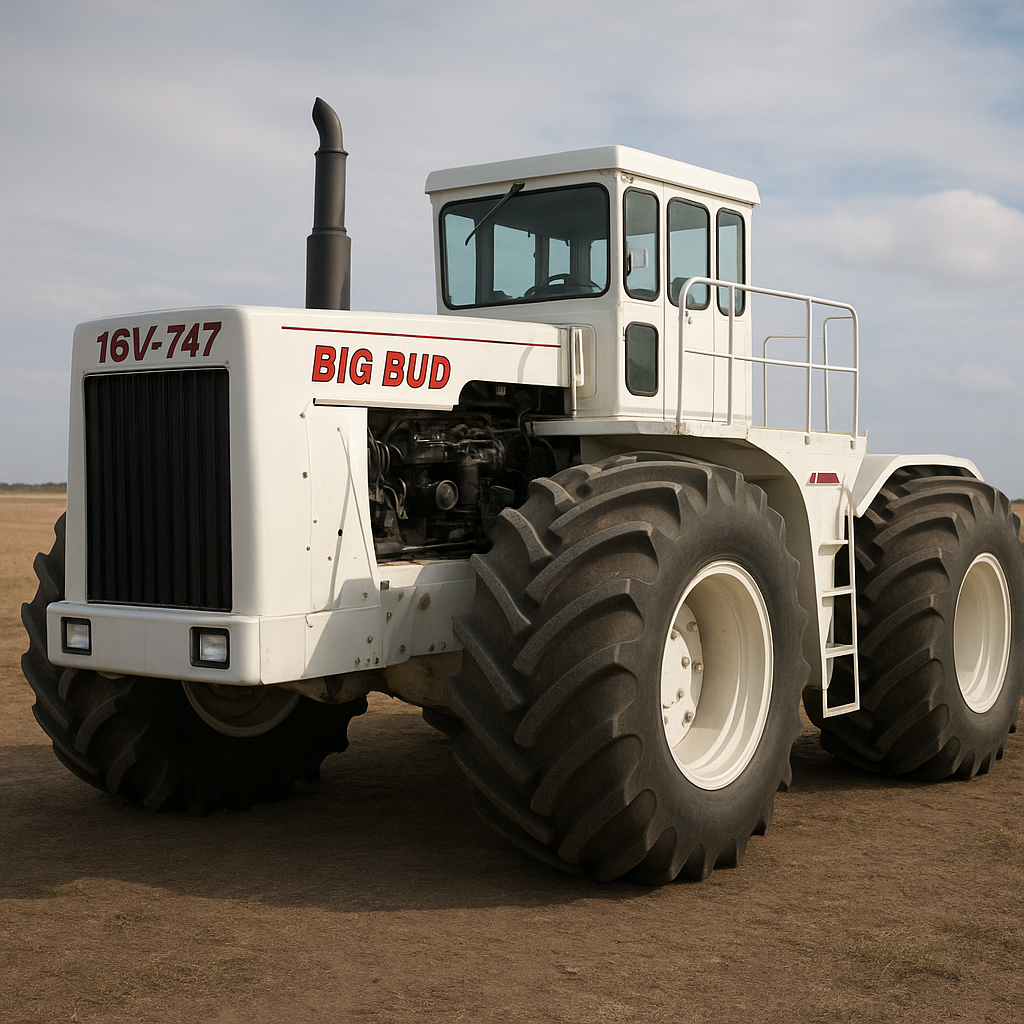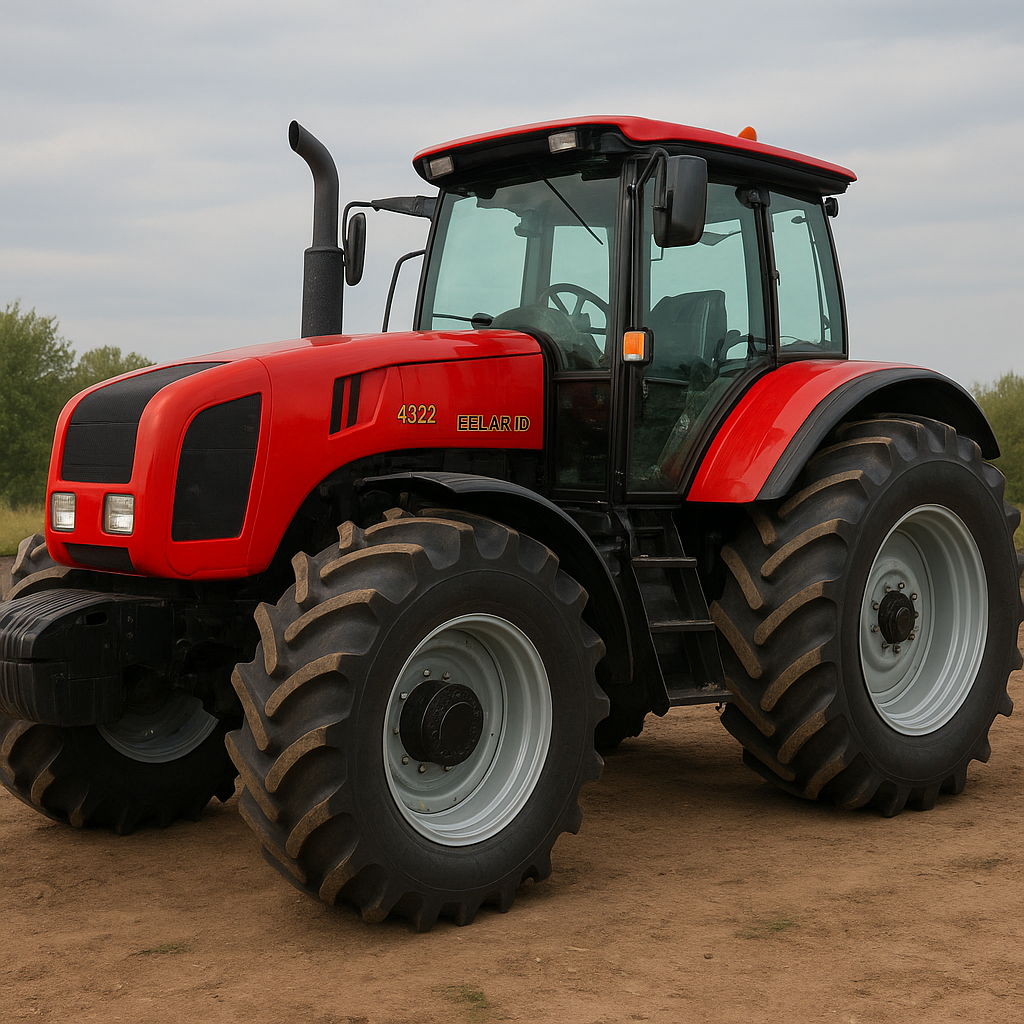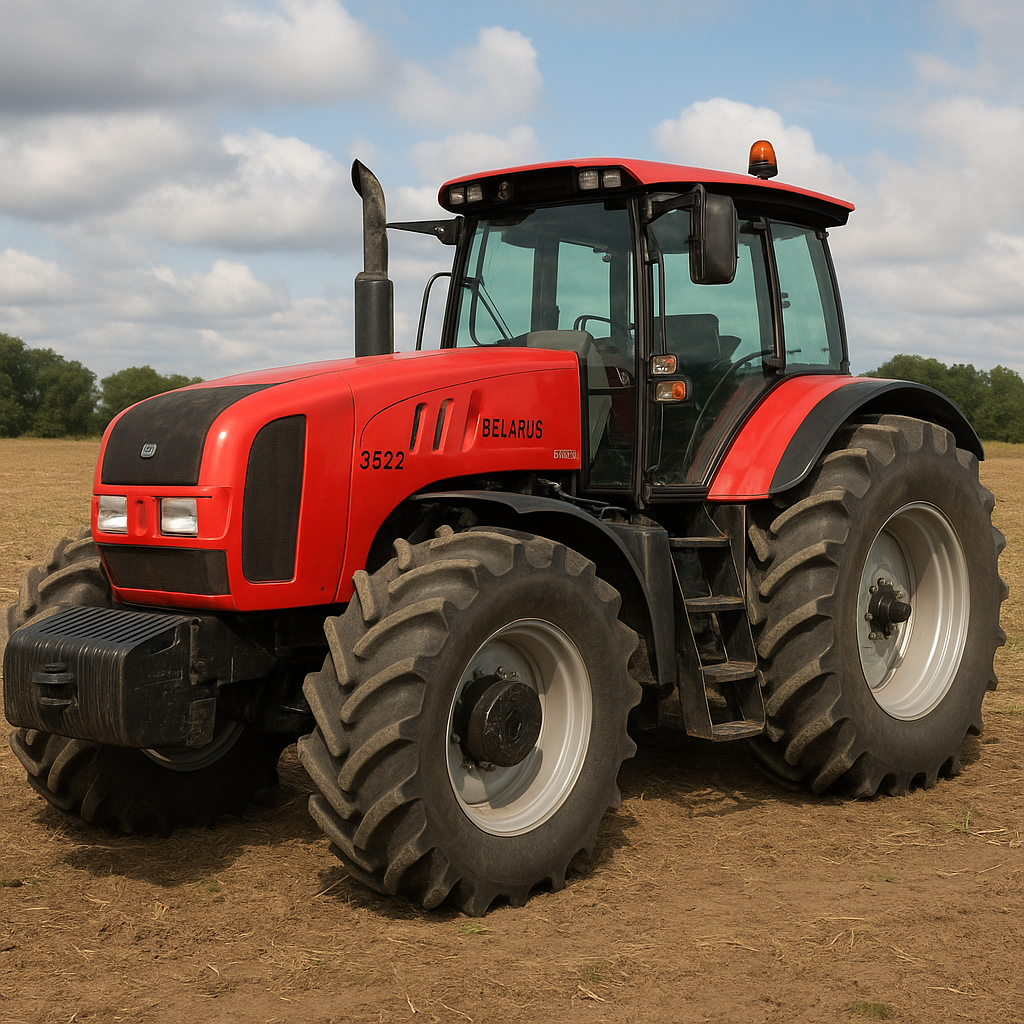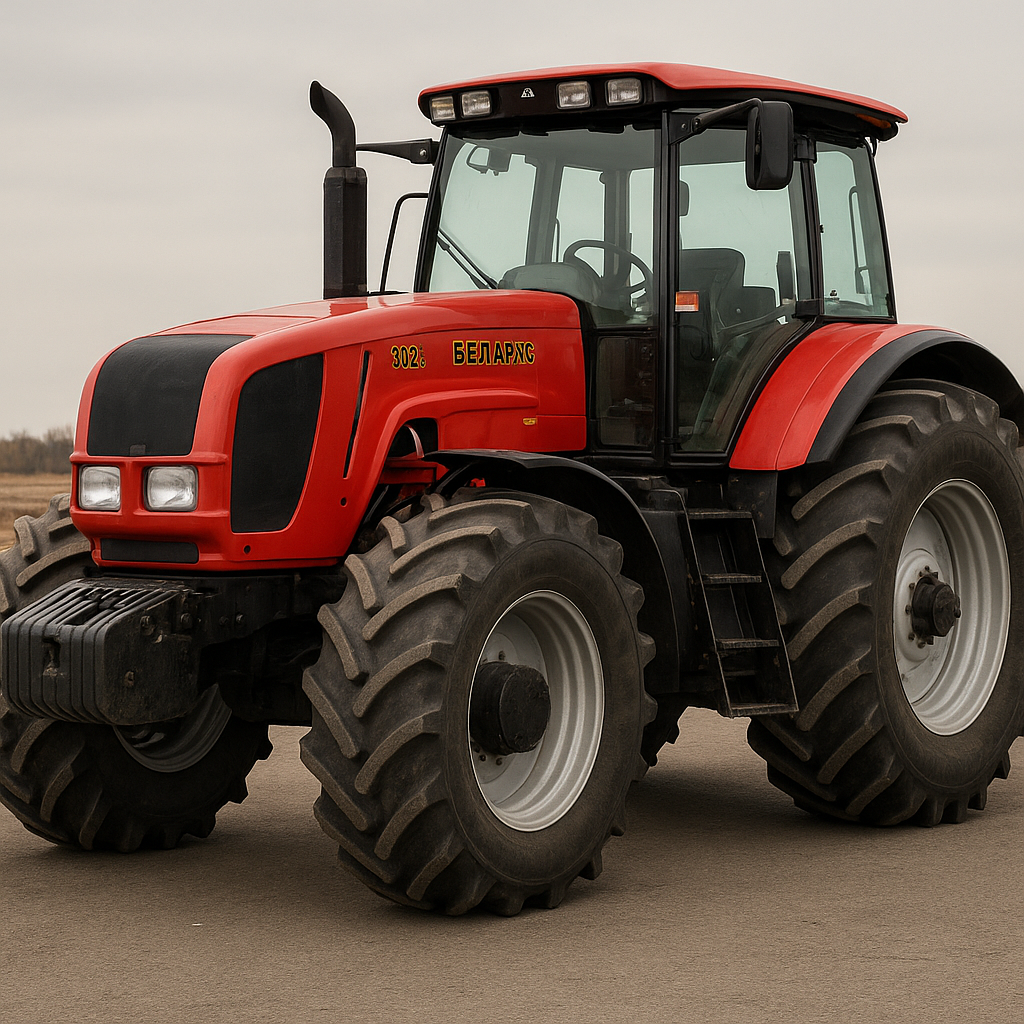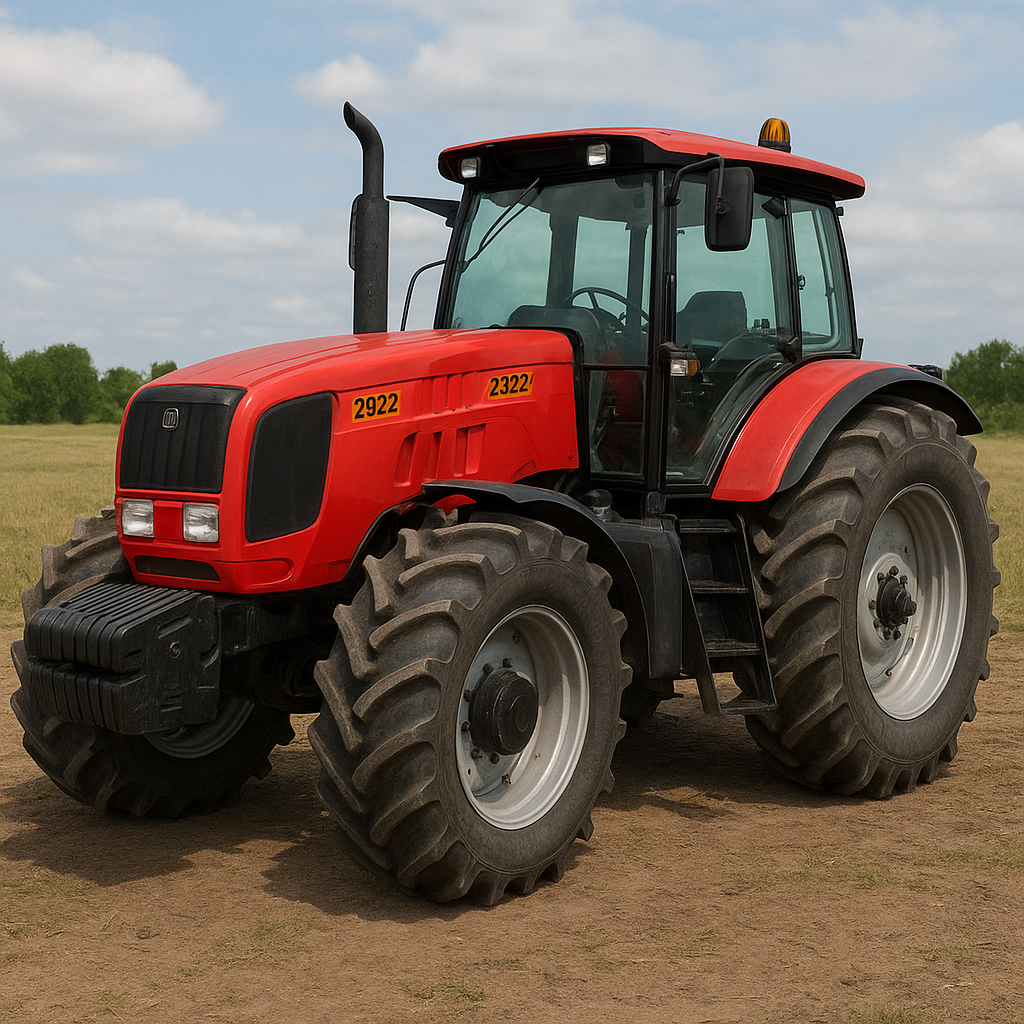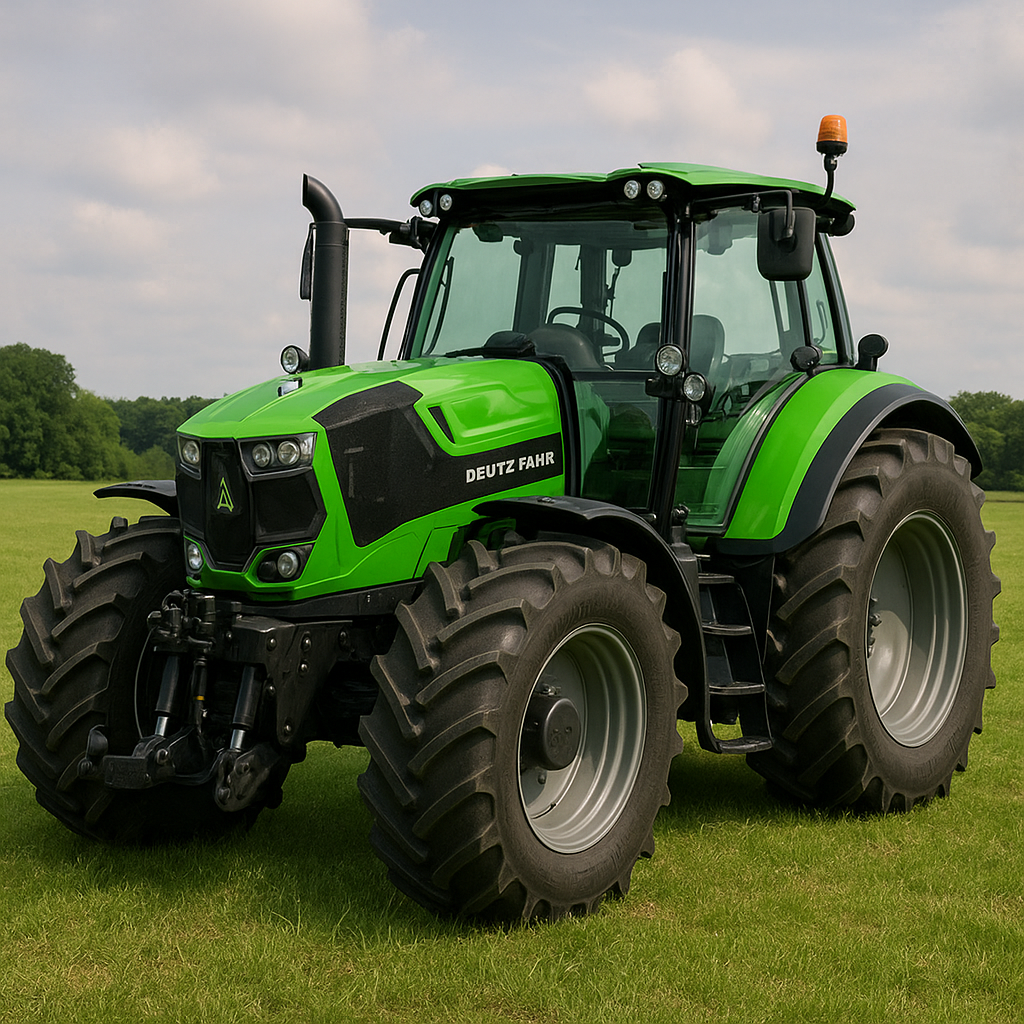
The Deutz-Fahr 6160 is a versatile agricultural tractor from the well-known German manufacturer Deutz-Fahr (part of the SDF Group). Designed to meet the needs of mixed and specialized farms, contractors and transport operations, this model combines robust mechanical engineering with modern operator comforts and electronic controls. The following article explores the tractor’s design, typical specifications, common applications and practical considerations for owners and operators.
Overview and design philosophy
The Deutz-Fahr 6160 is part of the manufacturer’s lineup aimed at medium to high-power tasks. Deutz-Fahr places emphasis on a balance between durability, operational efficiency and operator comfort. The 6160 delivers a combination of mechanical simplicity where reliability matters and enough technological sophistication to increase productivity on contemporary farms.
Heritage and manufacturer context
Deutz-Fahr has a long history in agricultural machinery and today forms part of the SAME Deutz-Fahr (SDF) group. The company is known for engineering tractors that meet strict European standards for emissions and safety while offering features that appeal to professional users. The 6160 benefits from that heritage with a focus on efficient drivetrain design, robust components and user-friendly controls.
Key design principles
- Durability: chassis and components designed for high duty cycles and long life.
- Versatility: ability to adapt to a wide range of implements and tasks.
- Operator ergonomics: cabin comfort, visibility and intuitive controls for long shifts.
- Compliance: engines and exhaust systems configured to meet contemporary emissions regulations in regional markets.
Technical specifications and performance
The Deutz-Fahr 6160 is often referenced in the 6-series range where model numbers roughly indicate the model’s position in the power band. While exact specifications can vary with year, market and options, the typical technical profile of a 6160 includes a robust diesel engine, a choice of transmissions and hydraulic systems designed for demanding agricultural tasks.
Typical specifications (approximate)
- Engine type: turbocharged diesel, typically inline 6-cylinder (depending on production year and region)
- Rated power: around horsepower roughly in the 150–170 hp range (approx. 110–125 kW)
- Maximum torque: designed to prioritize pulling and implement power (varies by engine calibration)
- Transmission: mechanical or semi-powershift options; in some variants continuously variable transmissions (CVT/TTV) are available
- PTO speeds: standard 540/540E/1000 rpm selection commonly supplied
- Hydraulics: variable flow pumps with high flow rates for modern implements; lift capacity at the rear typically suitable for Category II/III implements
- Fuel capacity: large tanks to support long workdays (commonly in the 200–350 litre range depending on configuration)
- Weight: curb weight adjusted based on equipment, ballasts and front implements, typically in the medium-heavy class for stability
- Axles and brakes: heavy-duty front and rear axles with optional suspension and robust braking systems for transport safety
Note: the specifications above are representative values. Exact numbers vary by model year and market-specific configurations. Always consult the official dealer data sheet for precise figures for a given unit.
Engine and emissions
Modern versions of the 6160 were manufactured to meet evolving emissions standards via combinations of engine tuning, exhaust gas recirculation and aftertreatment systems such as selective catalytic reduction and diesel particulate filters. These systems aim to optimize fuel combustion and reduce particulate and NOx emissions while keeping operating costs reasonable.
Drivetrain, transmission and PTO
The 6160 is designed with multiple transmission choices to match user needs: from straightforward mechanical gearboxes that prioritize simplicity and low maintenance to more sophisticated transmissions that offer seamless gear changes and low-speed maneuverability. The presence of multiple PTO speeds and an often-sturdy driveline contributes to the machine’s ability to run a wide variety of implements — from soil cultivation equipment to heavy balers.
Applications and real-world use cases
The Deutz-Fahr 6160 finds its place on mixed farms, arable operations, dairies and with contractors. Its design suits both field tasks and transport roles across seasons.
Primary agricultural roles
- Tillage: ploughing, discing and cultivating where consistent traction and torque are required.
- Seeding and planting: precise PTO and hydraulic control for seed drills and planters.
- Crop care: sprayer and spreader duties, benefitting from stable transport and hydraulic options.
- Hay and forage work: mowing, raking, baling and forage transport, where dependable PTO and hydraulic flow are essential.
Secondary and contractor roles
- Loader work: front loaders for material handling and farmyard tasks; the 6160 often comes with reinforced front mounts and optional joystick controls.
- Transport: heavy trailers and road work thanks to comfortable cabs and adequate top speeds for modern farm logistics.
- Specialized implements: beet harvesting, potato combining and other high-demand tasks when properly equipped.
Seasonal flexibility
One of the strengths of a medium-high power tractor like the 6160 is seasonal flexibility: high-power tasks in autumn and spring (ploughing, cultivation), steady work in summer (spraying, mowing), and heavy handling or transport in winter. This makes it attractive to medium-sized farms and contractors who need one main tractor capable of covering many roles.
Operator comfort, cab technology and controls
Deutz-Fahr places importance on operator comfort because long hours in the cab affect productivity and safety. The 6160 typically offers a well-appointed cab and ergonomically arranged controls.
Cab features and ergonomics
- Visibility: large glazing area for a clear view of implements and surroundings.
- Comfort: adjustable seats with suspension, climate control and noise insulation for reduced fatigue.
- Controls: logically grouped levers, electronic selectors and sometimes joystick control for loaders or hydraulic functions.
- Monitoring: onboard displays and telematics-ready options for engine, transmission and implement management.
Electronics and precision farming
Some 6160 configurations support precision farming tools — GPS guidance, section control for sprayers and variable rate application technologies — enabling better input management and higher yields. These technologies can reduce overlap, save inputs and increase repeatability of field work.
Maintenance, reliability and operating costs
Owners of Deutz-Fahr tractors often cite the balance between reliable mechanical systems and modern service intervals. The 6160 is designed with serviceability in mind; routine access points are placed for ease of inspection and maintenance.
Routine maintenance items
- Engine oil and filter replacements at manufacturer-recommended intervals.
- Air filter servicing and fuel filter changes.
- Hydraulic fluid and filter service to preserve pump and valve life.
- Transmission and final drive checks for leaks and wear.
- Electrical and sensor diagnostics for models equipped with advanced electronics.
Regular maintenance keeps the tractor performing optimally and preserves resale value. The cost of parts and servicing will vary by region and dealer network; however, Deutz-Fahr benefits from an established global support presence that helps ensure parts availability.
Reliability and longevity
When operated and maintained correctly, the 6160 is built to provide many thousand hours of service. The fundamental design prioritizes mechanical robustness, which is essential for heavy field workloads and contractor use. Preventive maintenance, correct fluid use and attention to service intervals are key to long-term reliability.
Market position, resale and comparisons
In markets around Europe and beyond, the Deutz-Fahr 6160 competes with other mid-high power tractors from manufacturers such as John Deere, New Holland, Massey Ferguson and Fendt. Buyers often compare factors such as purchase price, running costs, dealer support, feature set and operator comfort.
Resale value and depreciation
Resale performance depends on hours, condition, maintenance history and fitted options. Well-maintained units with recorded service history and modern options (e.g., front suspension, cab comfort packages, precision farming kits) generally retain value better. Contractor-used tractors typically depreciate faster due to heavier duty cycles.
Why choose a 6160 over alternatives?
- Good balance of power and efficiency for a wide range of tasks.
- Strong dealer network in many regions through the SDF group.
- Comfortable cab and controls appealing to operators covering long hours.
- Options for advanced hydraulics and PTO configurations suitable for modern implements.
Buying guidance and practical tips for owners
Whether purchasing new or used, consider the following to ensure you get the best value from a Deutz-Fahr 6160.
Checklist for used units
- Service records: confirm regular maintenance and any major repairs.
- Hours and wear: compare hours on the engine versus expected operational profile.
- Hydraulic performance: test all valve sections and check for leaks or contamination.
- Transmission and clutch feel: ensure smooth gear changes and look for slipping under load.
- Electronic systems: verify that displays, sensors and control units are functioning correctly.
- Tires and ballast: inspect tires and check that ballasting matches intended use for stability and traction.
Operational tips
- Match implement size to tractor power and hydraulic flow to avoid overloading the drivetrain.
- Follow manufacturer service intervals to keep running costs predictable and to protect warranty where applicable.
- Use recommended fluids and genuine or high-quality replacement parts to maintain performance and reduce downtime.
- Consider investing in precision farming add-ons if your operation benefits from input control and repeatability.
Statistics and performance indicators
Statistics for the Deutz-Fahr 6160 vary with model year and configuration. Below are representative performance indicators and operational figures often used by users to evaluate capability.
- Typical rated power band: approximately 150–170 hp — suitable for medium to large implements.
- Operational fuel consumption: average field fuel consumption may fall in the mid-teens litres per hour under moderate load; heavy work can increase consumption significantly. (Actual consumption depends on implement, ground conditions and operator technique.)
- Hydraulic flow capacity: modern configurations commonly provide high flow rates that enable simultaneous implement and steering functions without performance loss.
- Rear lift capacity: engineered to handle large implements; many units support Category II/III hitch standards with lift loads appropriate for seeding and heavy cultivators.
For precise numeric data such as exact torque, engine displacement and hydraulic flow for a specific 6160 variant, consult the technical data sheet from the dealer or manufacturer for that production year.
Final considerations and practical conclusions
The Deutz-Fahr 6160 is a solid choice for farms and contractors who need a dependable, comfortable tractor capable of covering many agricultural tasks. It blends a sturdy mechanical foundation with modern comfort and optional electronics, allowing operators to extract productivity gains while managing costs. When assessing the 6160, evaluate intended tasks, implement compatibility, service support and total cost of ownership in relation to comparable tractors on the market.
Interesting additional notes
- Deutz-Fahr’s design focus on operator comfort and visibility can translate to better day-long productivity and safer working conditions.
- Integration with precision farming tools is increasingly important; the 6160’s compatibility with GPS and telematics options can help farms move toward more data-driven operations.
- Because the model has been sold in multiple variants, purchasers should always verify exact factory options and modifications to match their operational needs.