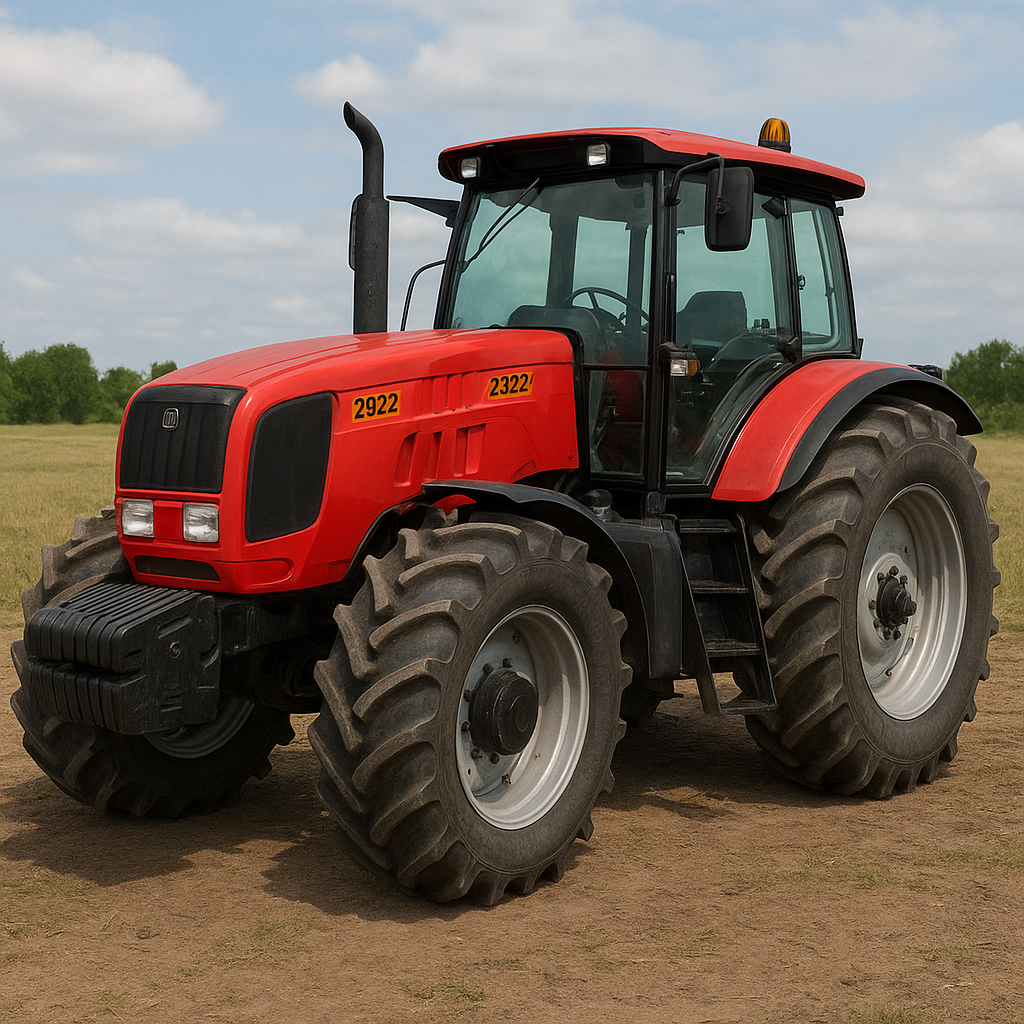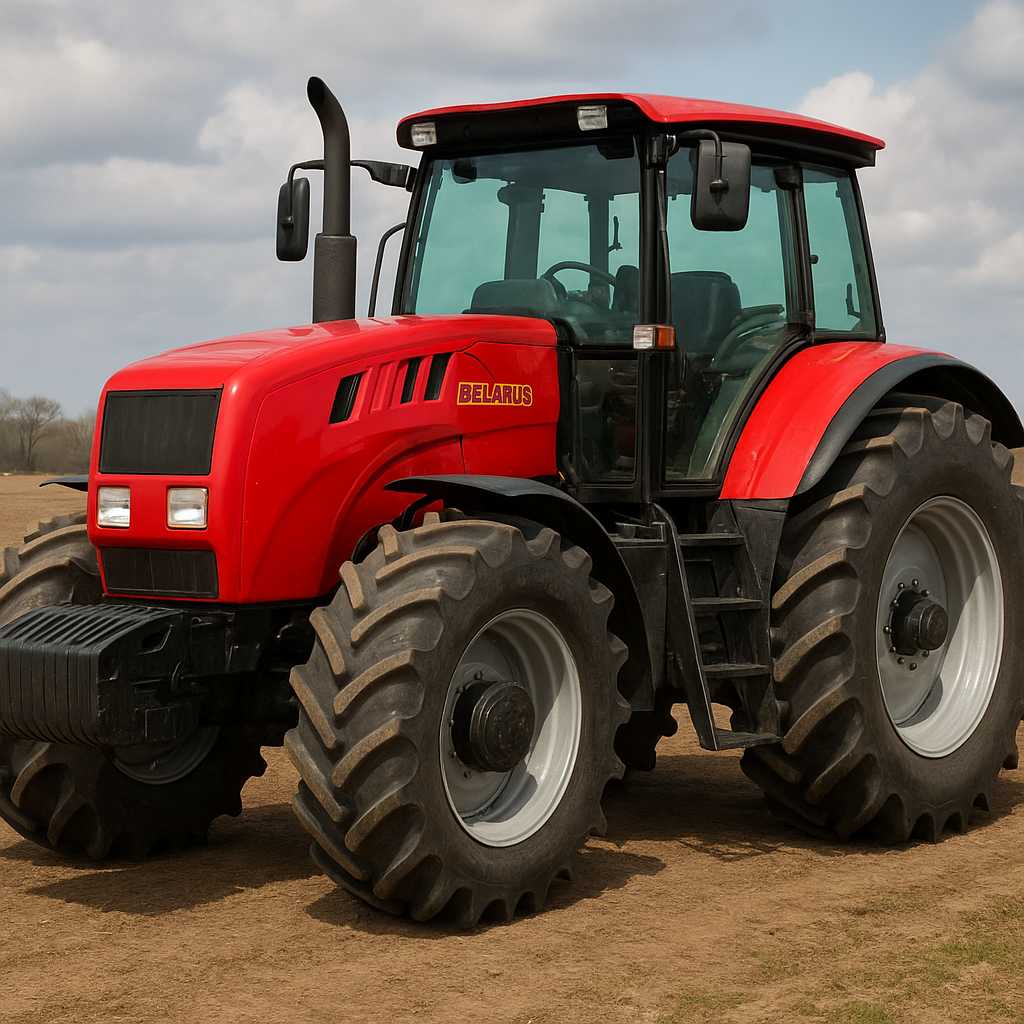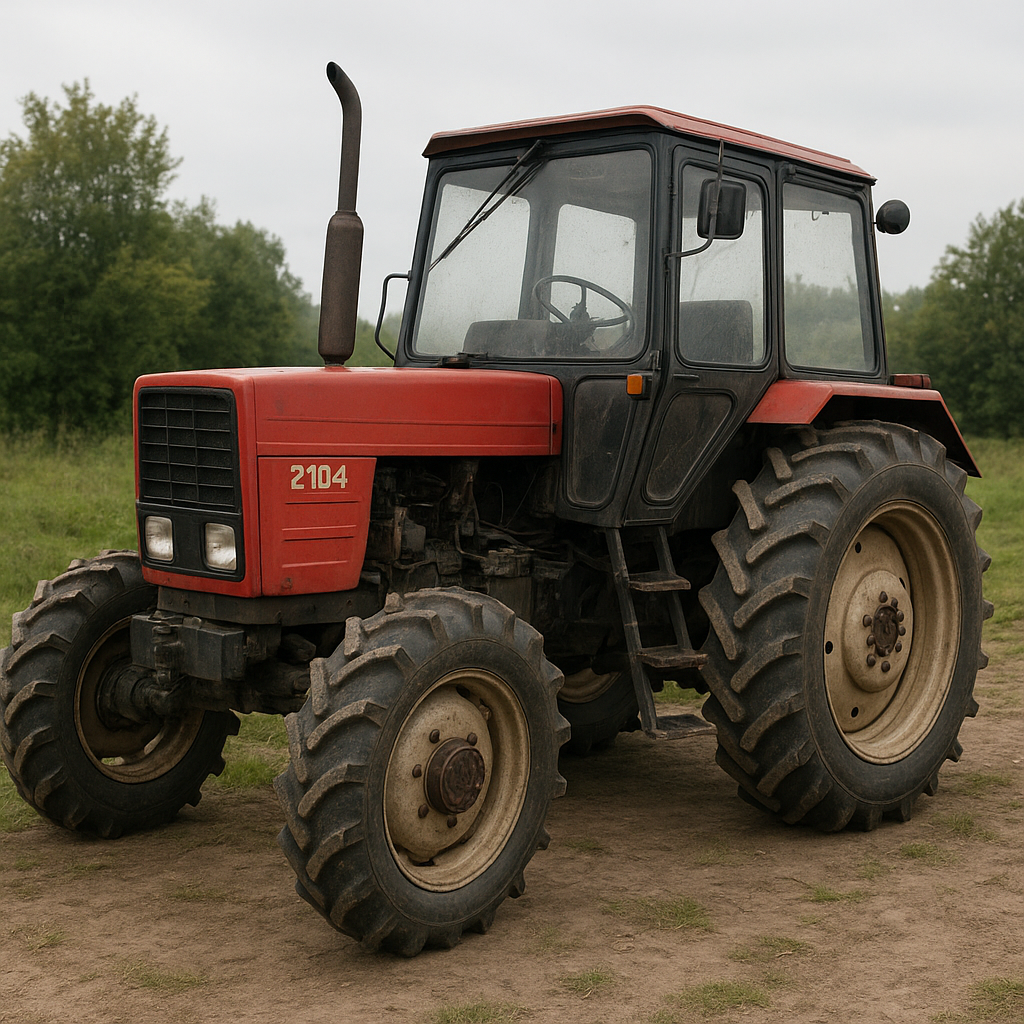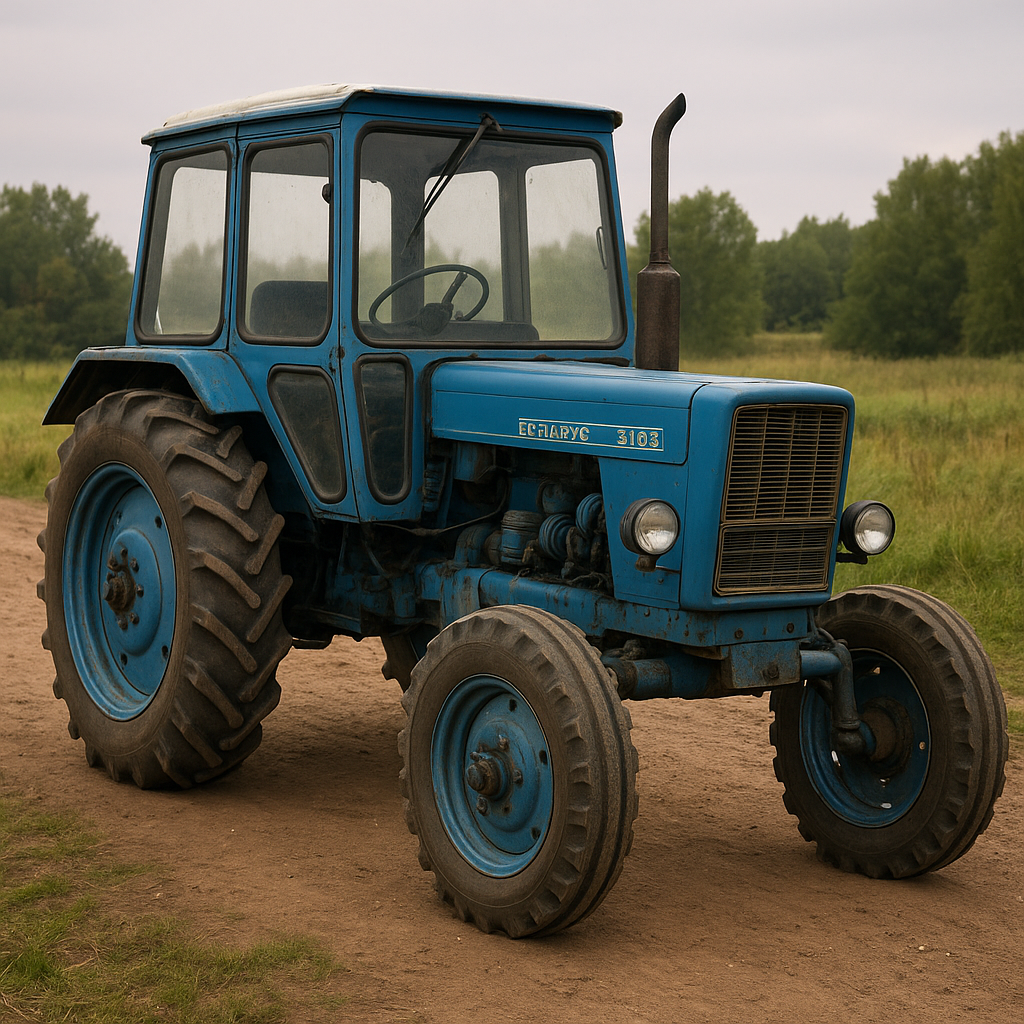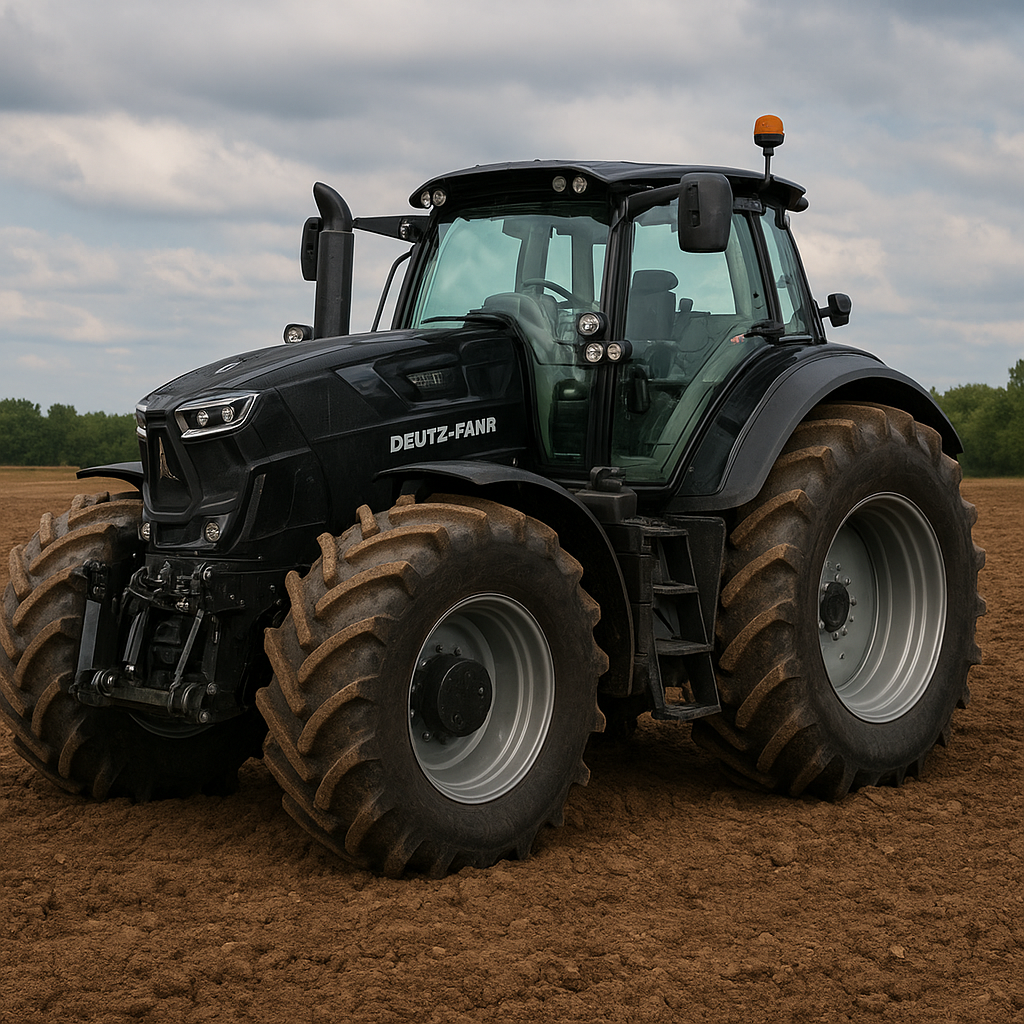
The Deutz-Fahr 7250 Warrior is a flagship agricultural tractor that combines advanced powertrain technology, robust mechanical design and refined operator comforts to meet the demands of modern farming and contracting. Built on the proven 7 Series platform, the 7250 Warrior stands out not only for its performance but also for a set of premium features and exclusive styling that position it for heavy-duty fieldwork, transport and specialty operations. In the following sections we will explore the machine’s design, technical characteristics, practical applications and economic considerations, offering both general descriptions and available statistical data where applicable.
Design and powertrain: engineering for demanding tasks
At the heart of the 7250 Warrior is a six‑cylinder Deutz engine designed to deliver a balance of clean combustion, durable performance and serviceability. The model emphasizes power and torque characteristics tailored for high draft work and sustained load conditions, supported by a continuously variable transmission that optimizes speed under varying loads.
Engine and emissions
- The engine is a Deutz 6-cylinder unit with a displacement of approximately 6.1 liters. It is configured to meet modern emissions standards (Stage IV / Tier 4 Final in most markets) using aftertreatment systems such as SCR and an efficient exhaust management layout.
- Rated power for the 7250 Warrior is typically positioned in the 240–260 hp range (approximately 180–195 kW). Maximum torque figures are robust to allow strong pulling at lower engine speeds, often exceeding 1,000 Nm under peak conditions depending on calibration.
- Fuel systems and turbocharging are optimized for transient response and low‑end pull, improving field efficiency during draft work and transport.
Transmission and driveline
The 7250 Warrior uses the TTV (continuously variable transmission) system which provides stepless speed control and smooth power delivery. This enables operators to maintain an ideal working speed for implements without frequent gear changes. The transmission is backed by a heavy-duty driveline and a reinforced front axle designed for high drawbar loads and towing.
- Transmission: TTV continuously variable transmission offering precise control and high efficiency across a wide speed range.
- Top road speeds available on this class of tractor can reach up to 50–60 km/h in transport configuration, depending on country regulations and wheel/tyre choice.
- Four‑wheel drive with optional front axle suspension improves traction and ride quality during heavy field operations and road movement.
Hydraulics, PTO and lifting capabilities
Hydraulic power and hitch capacity are central to the 7250 Warrior’s versatility. Whether running heavy seed drills, large cultivators, rear-mounted harvest equipment or a front loader, the machine is equipped to manage significant flow rates and lift masses.
Hydraulic system
- Hydraulic pump flow rates are typically offered in options around 160–210 liters per minute, with load-sensing systems allowing efficient distribution to multiple functions.
- Multiple remote valves with quick couplers facilitate complex implement control, including electro-hydraulic actuation and proportional control for ISOBUS-capable implements.
- Hydraulics include factory options for heavier flow and additional spool valves to meet contractor-level demands.
PTO and three‑point hitch
- PTO options commonly include 540, 540E and 1,000 rpm settings to match a wide array of implements.
- Rear three-point hitch lift capacity is substantial — typical figures for a tractor in this class are in the vicinity of 9,000–10,500 kg at the linkage arms (exact numbers vary with specification and options).
- Front linkage availability and front PTO options increase versatility for front-mounted mowers, snow blowers and other implements.
Applications: where the 7250 Warrior excels
The Deutz-Fahr 7250 Warrior is engineered for farms and contracting enterprises that require a combination of field performance, road-speed transport and operator comfort. Its typical applications include:
- Arable farming: primary tillage, stubble cultivation, seedbed preparation and seeding with large, high-capacity implements.
- Forage and harvesting: towing large balers, self-propelled forage wagons and drawn harvest equipment; its PTO and lift capacity support heavy harvesting attachments.
- Contracting and haulage: road transport of trailers and heavy machinery thanks to high road speeds and stable ride characteristics.
- Loader work: optional heavy-duty front loaders can be fitted for farm yard and material handling tasks; the chassis and hydraulics are sized to handle robust front-loader cycles.
- Specialist applications: slurry tankers, cultivator-mounted sprayers, and heavy front-mounted implements benefit from the Warrior’s power and hydraulics.
Why contractors choose the Warrior edition
The Warrior edition of the 7 Series was conceived to appeal to customers who want a premium specification straight from the factory. Distinguishing features include enhanced cab comfort, deluxe trim, stronger front axles, upgraded lighting packages and aesthetic upgrades. These attributes make the tractor attractive to contractors who value both function and presentation when working on client farms or on public roads.
Operator environment and comfort
Long hours behind the wheel are typical in modern agriculture; therefore, Deutz-Fahr places emphasis on ergonomics, visibility and control ergonomics in the 7250 Warrior. This focus reduces fatigue, improves productivity and contributes to safety.
- Cab comfort: the cab is insulated for noise and vibration, often featuring air-suspended seats, climate control, and an ergonomic console layout with an intuitive joystick and multi-function armrest.
- Advanced lighting options (LED and Xenon packages) provide excellent visibility for night work and low-light conditions.
- Integrated telematics and ISOBUS compatibility allow remote data logging, precision farming functions and implement auto-guidance integration which enhance operational efficiency.
Fuel efficiency, economy and maintenance
Fuel consumption and life-cycle costs are decisive for buyers. The 7250 Warrior is designed to be competitive by combining modern engine management with features that reduce unnecessary fuel use and service intervals.
Fuel economy and emissions strategy
- Optimized fuel maps and turbocharging produce high torque at low engine revs, reducing fuel use for many draft and PTO tasks.
- Aftertreatment systems such as selective catalytic reduction (SCR) allow the engine to run in efficient combustion modes while meeting stringent emissions targets.
- Real-world fuel consumption will vary by task, implement and operator technique; typical medium-duty field work for machines in this class can range widely — as a guideline, figures might fall between 12–30 L/hour depending on load and conditions.
Serviceability and downtime reduction
Deutz-Fahr designs service points for accessibility: grouped filters, easy‑access fluid reservoirs and scheduled maintenance intervals that balance uptime and component longevity. Optional telematics can alert owners and dealers to maintenance needs before failure occurs, reducing unplanned downtime — a critical factor for contractors during peak seasons.
Key technical specifications and statistical data
The following list summarizes typical technical specifications and notable figures for the Deutz-Fahr 7250 Warrior. Where manufacturer or regional options cause variation, values are given as typical ranges or approximate figures.
- Engine: Deutz 6-cylinder, approx. 6.06 L displacement, Stage IV / Tier 4 Final compliant.
- Rated power: ~240–260 hp (≈180–195 kW) depending on market tuning and boost options.
- Maximum torque: commonly in excess of 1,000 Nm at mid-range rpm (approximate).
- Transmission: TTV continuously variable transmission with stepless speed control.
- Top road speed: up to 50–60 km/h (country and spec dependent).
- Hydraulic flow: typical options 160–210 L/min with load sensing pump configurations.
- Rear lift capacity: approximately 9,000–10,500 kg at the linkage arms (variant dependent).
- PTO options: 540 / 540E / 1000 rpm; optional front PTO available on some builds.
- Fuel tank capacity: commonly around 350–450 L (approximate, depends on fitted tanks).
- Weight: operational weight typically in the range 8,500–9,500 kg depending on equipment and ballast.
- Wheelbase and dimensions: wheelbase ~2.6–2.8 m; overall length around 5.0–5.5 m and height ~3.0 m depending on cab and tyre size.
Comparative strengths and weaknesses
Understanding where the 7250 Warrior fits within the market helps buyers evaluate return on investment and operational fit.
Strengths
- Versatility: able to perform a wide range of tasks from tillage to transport.
- Comfort: premium cab features reduce operator fatigue and increase productivity during long shifts.
- Power and torque: adequate for heavy draft implements and high-capacity PTO-driven equipment.
- Advanced transmission: TTV provides smooth, efficient operation and easy matching of engine speed to implement load.
- Factory Warrior package offers high specification and aesthetic appeal for high-end users.
Weaknesses and considerations
- Initial purchase price for a high-spec Warrior model is higher than base variants; total cost should be weighed against expected utilization and income generation.
- Complex emissions aftertreatment and electronics require competent maintenance and may increase service costs compared to simple, lower-spec tractors.
- Fuel usage under heavy load remains a significant operational cost; efficiency gains are task-dependent.
Market positioning and target customers
The 7250 Warrior is aimed at professional farmers, contractors and larger mixed farms that require a reliable, high‑performance machine with premium features. Key target customers include:
- Contractors who need a high-spec workhorse capable of sustained operation and presentable appearance when working for clients.
- Large scale arable growers operating wide implements where power, hydraulics and lift capacity are essential.
- Mixed farms requiring a single, flexible tractor for a broad spectrum of tasks including transport, tillage and harvesting support.
Practical tips for operators and fleet managers
Maximizing the value of a 7250 Warrior requires attention to operator training, maintenance scheduling and matching the tractor to appropriate implements.
- Invest in operator training for TTV and ISOBUS systems; efficient use of transmission and PTO control reduces fuel consumption and wear.
- Schedule preventive maintenance based on actual hours and telematics data, not just calendar intervals, to minimize unplanned downtime.
- Use tyre and ballast setups that optimize traction for your predominant tasks to reduce slippage and fuel waste.
- Consider factory options such as larger hydraulic pumps, front linkage and telematics if your operations frequently demand peak performance or remote monitoring.
Conclusion
The Deutz-Fahr 7250 Warrior is a high-capability tractor that merges substantial mechanical capability with premium operator comforts and modern electronics. It is particularly well suited to professionals and large-scale operations where a balance of power, efficiency and durability is required. While its premium specification involves higher acquisition and potential service costs, the machine’s adaptability to heavy draft work, transport tasks and complex implement control can deliver considerable productivity gains when deployed in the right operational context. For buyers weighing options in the 200–260 hp class, the 7250 Warrior is a compelling choice where advanced transmission, strong hydraulics and a comfortable, well-equipped cab are priorities.