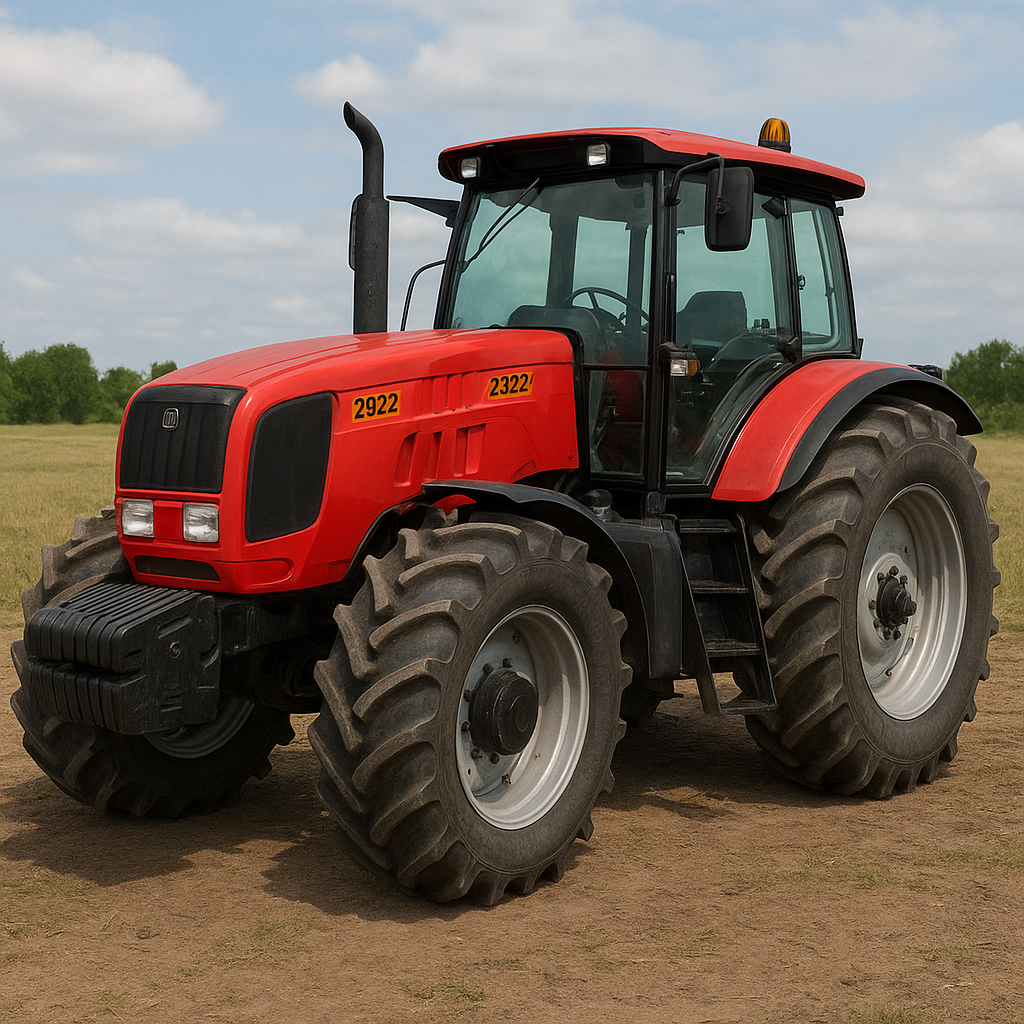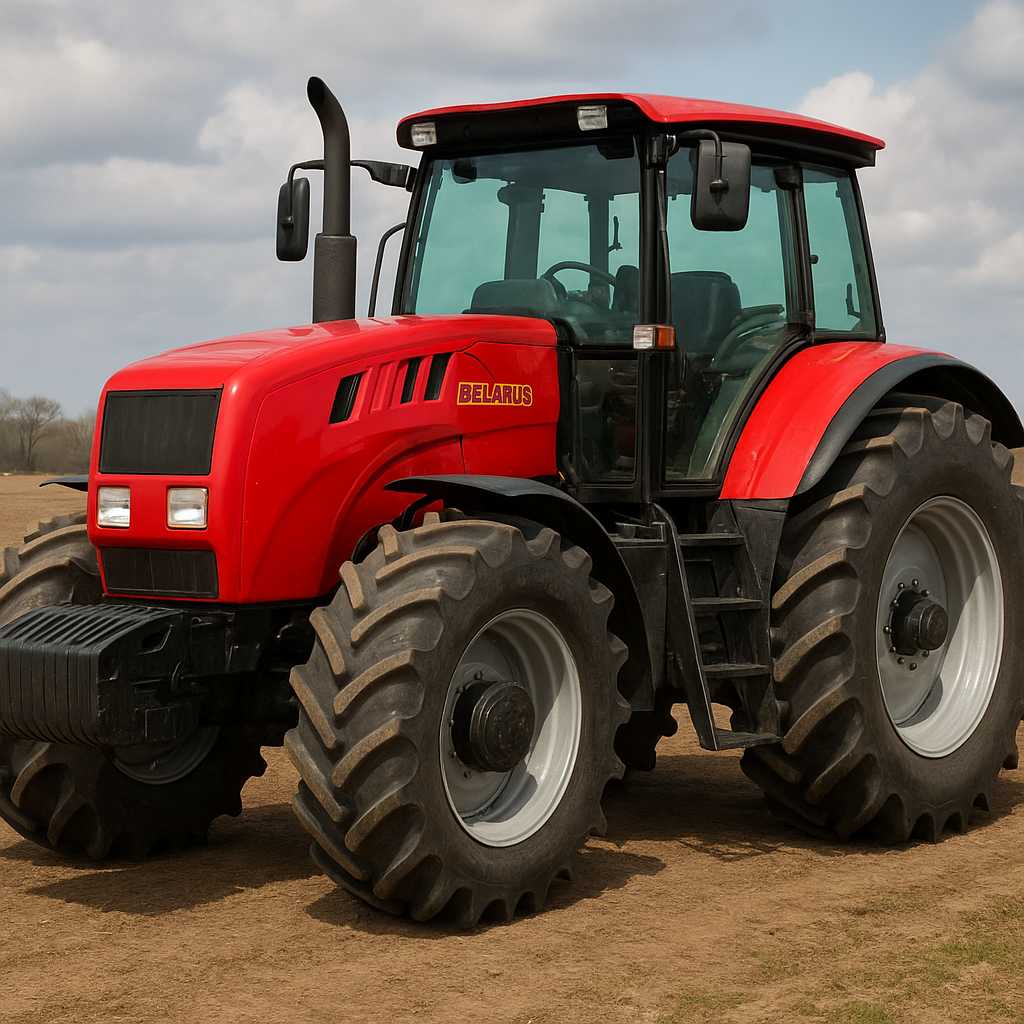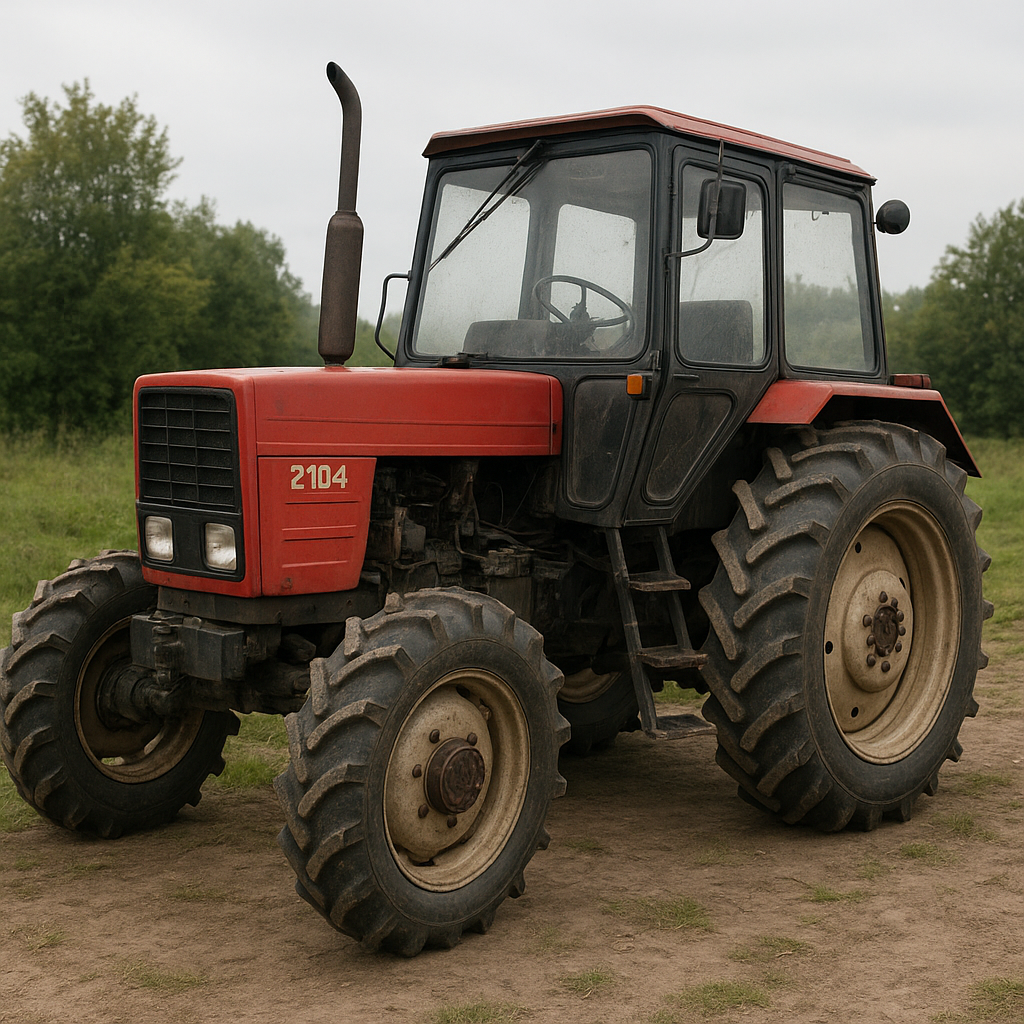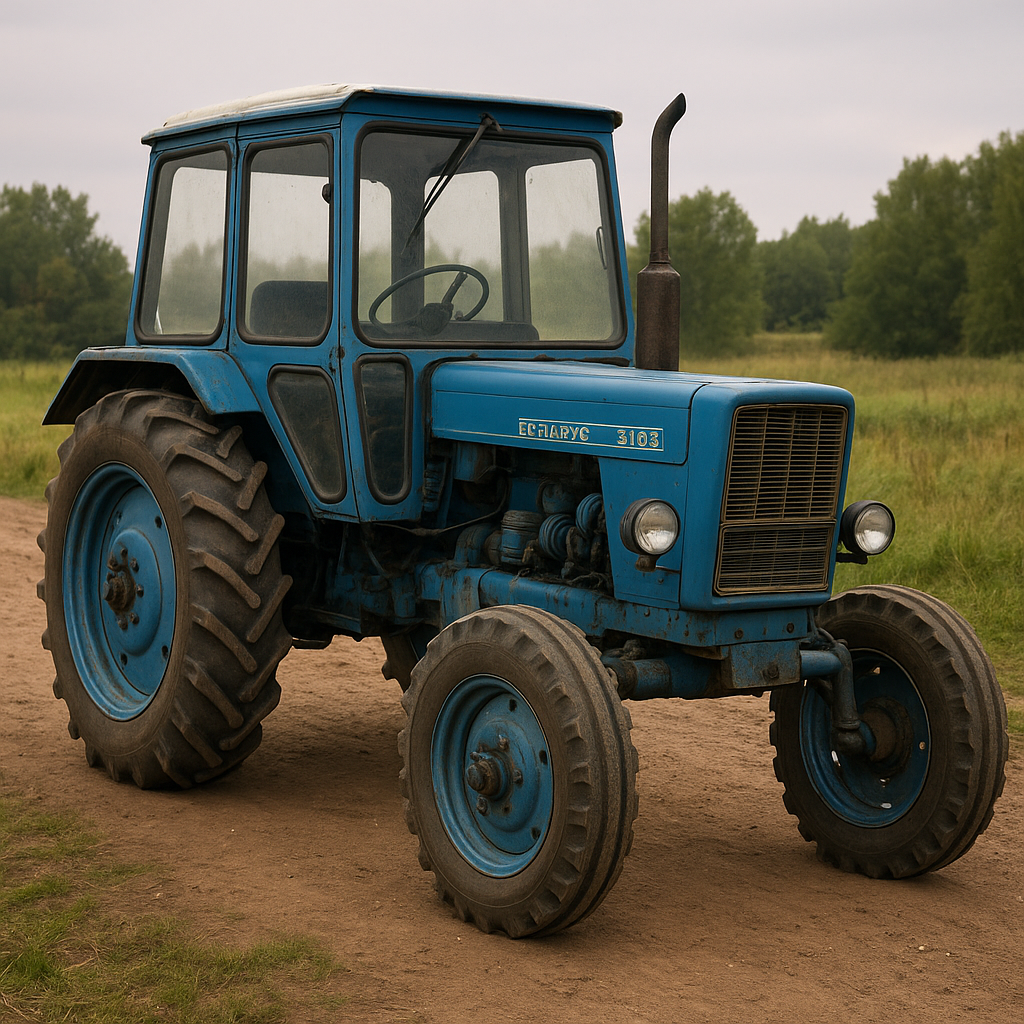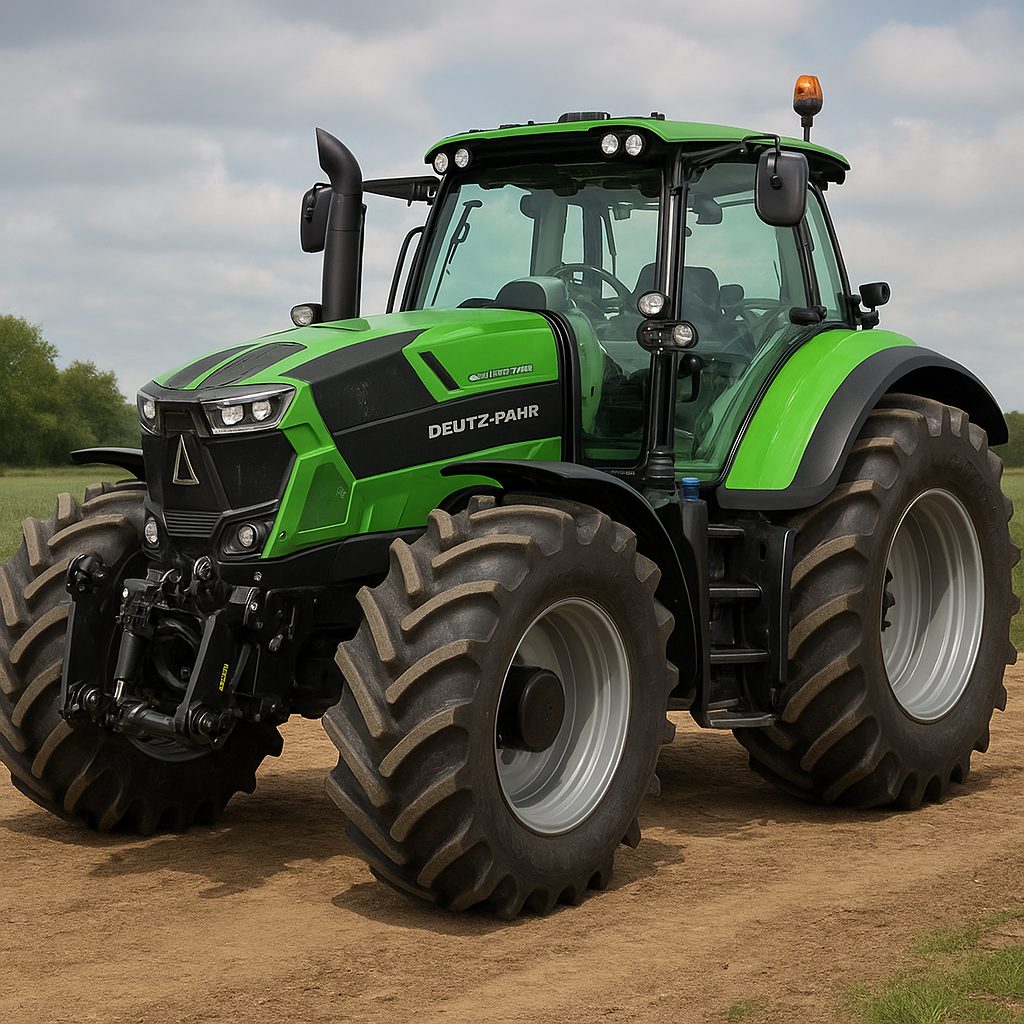
The Deutz-Fahr 8280 Warrior is a high‑performance agricultural tractor designed to meet the demands of modern farming and contracting. Built to combine robust mechanical engineering with advanced operator comfort and precision electronics, the 8280 Warrior is marketed as a premium variant within Deutz-Fahr’s lineup, often fitted with factory options and a distinctive specification package under the “Warrior” badge. This article explores the tractor’s design, typical applications, technical highlights, operator environment, maintenance considerations and market role, offering practical context for farmers, contractors and fleet managers.
Design and engineering highlights
The 8280 Warrior is conceived as a versatile, powerful machine for medium-to-large scale agriculture and contractor work. Its core design philosophy focuses on delivering reliable power, efficient fuel use and strong mechanical components that can withstand long operating hours in demanding conditions. The model typically sits in the upper mid-range of Deutz-Fahr’s power band and is engineered with emphasis on both field performance and road transport.
At the heart of the machine is a modern, turbocharged diesel engine tuned to provide consistent torque delivery across a broad rpm range. While exact specifications can vary by year and market, Warrior editions are commonly offered with higher-spec engines and factory-installed packages that optimize cooling, air filtration and emission controls for long-term reliability. The powertrain is matched to a stepless or multi-range transmission that prioritizes smooth, continuous acceleration and precise speed control—features that help with sensitive soil-engaging work and heavy transport tasks.
Rigidity and durability are reflected in the chassis, heavy-duty front axle and reinforced three-point linkages. Many 8280 Warrior tractors include enhanced hydraulics and high-capacity pumps to operate modern implements such as large planters, wide cultivators and high-capacity front loaders. The combination of a strong frame, capable hydraulic system and robust PTO configuration makes the tractor adaptable to many implements and attachments used by progressive farms.
Practical applications and field roles
The 8280 Warrior is suited for a wide array of agricultural tasks. Its power and hydraulic capacity enable it to handle:
- Arable cultivation: primary tillage, secondary cultivation and wide seedbed preparation with large multi‑roll cultivators or powered discs.
- Seeding and planting: pulling large seed drills and planters, often with on-the-go metering and pneumatic systems that require steady hydraulic supply.
- Crop care: sprayer tank transport and boom operation, where stable speed control and ISOBUS or electronic control integration are advantageous.
- Hay and forage work: powering mowers, tedders, rakes and large balers; the torque characteristics and PTO options support consistent performance in varying crop loads.
- Livestock farm operations: slurry tankers, forage wagons and feed mixers—the tractor’s hydraulic responsiveness and linkage lifting capacity are helpful for these tasks.
- Loader and material handling: many owners fit the Warrior with a front loader for pallet work, silage handling and feeding duties; reinforced front linkage and optional load-sensing hydraulics make loader cycles efficient and stable.
- Contracting and transport: road speeds and heavy-draft capability mean the 8280 performs well in contracting fleets for short transport and implement towing between sites.
Because of its versatility, this tractor appeals to both large mixed farms and independent contractors who need one machine to perform a broad range of duties. The “Warrior” package often brings dealer-fitted options that further tailor the tractor to high-utilization roles, such as LED working lights, heavier-duty front axles and premium cab features for long operating days.
Operator environment and controls
Deutz-Fahr has invested considerably in operator comfort and ergonomics, and the 8280 Warrior reflects that emphasis. The cab is typically designed for a combination of visibility, intuitive controls and reduced operator fatigue. Key elements include a panoramic windshield and well-placed mirrors for an unobstructed view of mounted implements and front-loader work.
Controls are arranged to reduce operator movement and cognitive load during long shifts. Depending on factory configuration, the tractor can include an armrest-mounted multifunction console, joystick for loader and transmission control, and electronic levers for hydraulic functions. Advanced versions support ISOBUS compatibility, enabling seamless control of modern implements directly from the tractor’s display.
Comfort features commonly found or available as part of the Warrior specification include an air-suspended seat, multi-zone climate control, noise insulation and a high-spec audio/communication package. These contribute to higher productivity by keeping operators alert and comfortable through extended operations.
Hydraulics, PTO and implement integration
One strong point of the 8280 Warrior series is its implement integration capability. The tractor generally offers multiple hydraulic circuits with optional load-sensing pumps to ensure consistent flow to high‑demand implements. Flow rates and remote valve configurations are tailored to handle large planters, autosteer seeders, hydraulic motors and auxiliary systems.
PTO options typically include standard 540 and 1,000 rpm selections, with some versions offering ground-speed PTO functionality for variable-speed implements. The rear linkage and front linkage, when fitted, are rated for substantial lifting capacities so that the tractor can carry or pull heavy, modern agricultural machinery with confidence.
Technology, precision farming and connectivity
Modern Deutz-Fahr tractors, including Warrior editions, are increasingly equipped with precision farming systems. Common features may include GPS-ready guidance, auto-steer capabilities, telematics for fleet monitoring and electronic documentation systems for fieldwork. These tools help reduce overlap during field operations, optimize input use and provide real-time monitoring of tractor health and productivity.
Connectivity features can include remote diagnostics, maintenance alerts and data logging that assist fleet managers in planning service intervals and tracking machine utilization. ISOBUS compatibility simplifies integration of third-party implements, while optional guidance and variable-rate application systems help reduce costs and environmental impact.
Specifications and typical figures
Exact technical data for the 8280 Warrior vary by model year and market specification. The following figures are representative of the class and commonly reported for tractors of this series, but individual machines may differ depending on factory options and regional configurations:
- Engine power: typically in the upper mid-range class—many units are rated around the mid‑to‑high 200s horsepower (approx. 240–300 hp), depending on tune and emission spec.
- Transmission: stepless (continuously variable) or advanced powershift options; designed for smooth load handling and precise ground speed control.
- PTO: 540 / 1,000 rpm (with optional ground-speed PTO in some configurations).
- Hydraulic flow: standard to high flow options, often with load-sensing pumps providing upwards of 100–160 L/min on high-spec machines.
- Rear linkage lift capacity: typically substantial, often in the 7,000–9,000 kg range depending on linkage and counterbalance configuration.
- Fuel capacity: large tanks designed for long workdays, commonly several hundred liters (exact capacity varies by model and tank option).
- Top road speed: many modern tractors are road-capable at 40–60 km/h depending on gearbox and local homologation.
Because dealer options and regional legislation influence the final specification, buyers should consult local dealers for up‑to‑date technical sheets, emission class details and available factory packages for the Warrior edition.
Maintenance, reliability and operating costs
Warrior variants are often specified for high uptime and reduced lifecycle costs through a combination of robust components and dealer services. Practical maintenance considerations include:
- Service intervals: modern diesel engines and emission systems mean service intervals are engineered to balance performance and uptime—regular oil, filter and inspection schedules remain critical.
- Consumables: fuel, filters and hydraulic oil are the primary regular costs. Efficient engine tuning and good practice in matching implement loads help optimize fuel consumption.
- Aftermarket support: Deutz-Fahr’s dealer network provides parts and service plans. Many owners value extended warranties or service contracts for high-utilization tractors.
- Depreciation and resale: well-maintained high-spec tractors with documented service history usually retain value better; Warrior editions with premium equipment and comfort packs can command stronger resale prices.
Overall ownership costs are influenced heavily by utilization. Contractors with high hours per year will prioritize uptime, maintenance plans and rapid dealer support, while farmer-owners may focus on fuel efficiency, multi-role capability and long-term reliability.
Comparisons and market position
In its segment the 8280 Warrior competes with other premium tractors from major manufacturers offering similar power bands and feature sets. Strengths that often distinguish the Warrior edition include a high level of factory spec, refined operator environment and strong implement integration capability. Competitors may match or undercut on specific features—brand preference often rests on dealer service quality, available options and local support networks.
Contractors and large farms tend to evaluate machines on three practical axes: total cost of ownership, operator comfort/productivity and implement compatibility. The Warrior combination of premium features and robust mechanics is designed to score well across these axes, particularly where operators value integrated technology and extended working hours in the field.
Safety features and regulatory considerations
Safety on modern tractors covers rollover protection, lighting and visibility, emergency cut-offs and stability with heavy implements. The 8280 Warrior typically includes factory-installed safety systems, improved lighting packages for night work and optional camera systems for improved rear visibility. Emissions compliance and homologation vary by market; buyers should confirm that emission systems (such as SCR or DPF-based technologies) meet local regulations and that service networks can support required maintenance.
Why choose the Warrior edition?
The “Warrior” badge is often applied by Deutz-Fahr as a way to deliver a tractor with an elevated specification directly from the factory—reducing the need for aftermarket accessories and ensuring the machine is ready for intensive, multi‑purpose use. Key reasons operators select a Warrior model include:
- Higher standard specification: premium seating, lighting, hydraulics and electronics fitted as standard.
- Reduced downtime: better cooling, filtration and component choices suited for extended operational hours.
- Operator retention: improved comfort translates to lower fatigue and higher productivity during peak seasons.
- Resale attractiveness: premium spec machines can command better values in the used market.
Real-world considerations and buyer guidance
When evaluating an 8280 Warrior for purchase or lease, consider the following practical points:
- Match power and hydraulic flow to your largest implement. Overspecifying increases upfront cost while underspecifying leads to poor productivity.
- Check the exact factory package and options included in the Warrior edition—lighting, cab features, hydraulics and PTO options can vary significantly.
- Ask about telematics and precision agriculture features if you plan to integrate guidance, documentation and fleet monitoring into daily routines.
- Confirm service coverage, parts availability and warranty options with local dealers—these materially affect running costs and uptime.
- Test‑drive under load whenever possible to evaluate comfort, visibility and implement control in real conditions.
Conclusion
The Deutz-Fahr 8280 Warrior represents a blend of robust mechanical engineering and higher-end factory specification aimed at operators who need a versatile, high‑performance tractor for diverse agricultural and contracting tasks. With an emphasis on power, comfort, hydraulics and technology, it is a strong contender in its class for farms and contractors seeking productivity and operator wellbeing. While exact technical figures depend on year and market, the Warrior editions typically offer enhanced features that improve uptime, implement compatibility and resale potential. Prospective buyers should verify the detailed specification through a local dealer and match the tractor’s capabilities to the most demanding jobs they expect to perform.