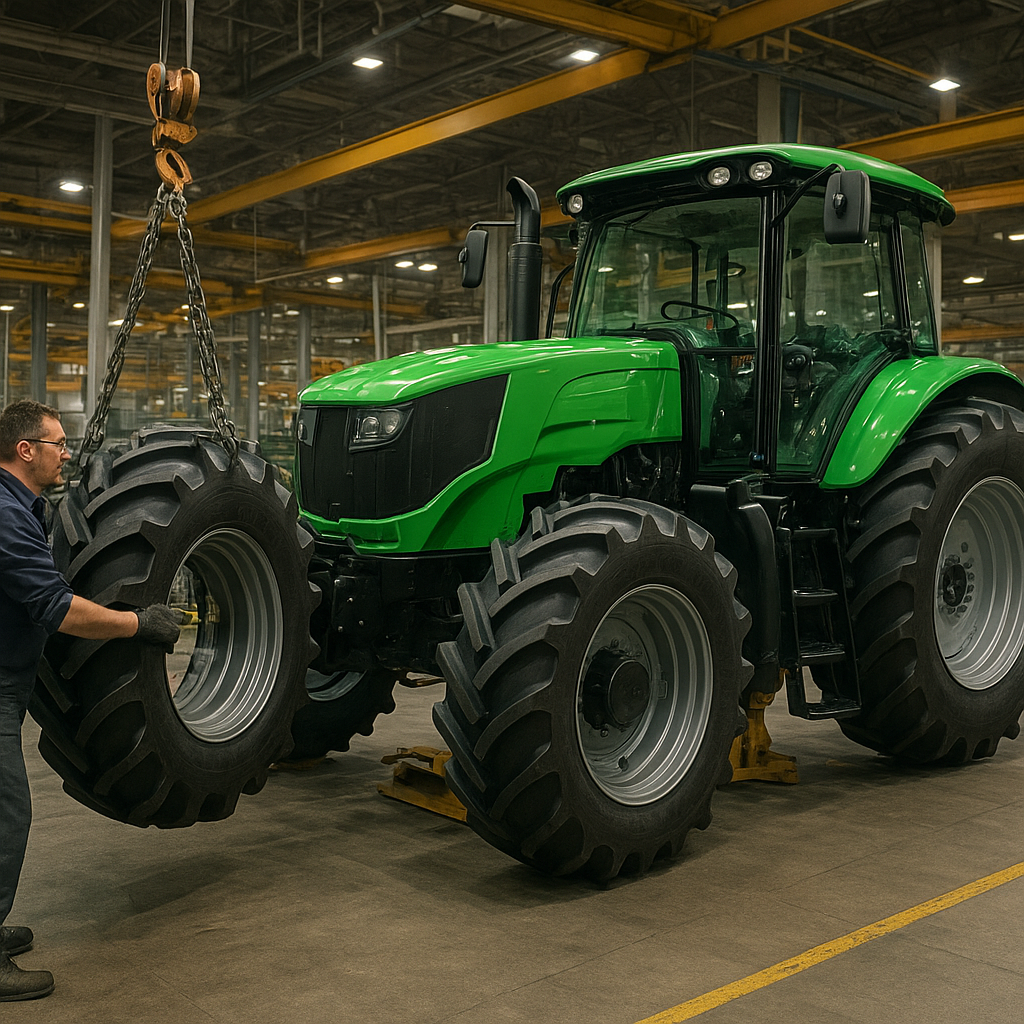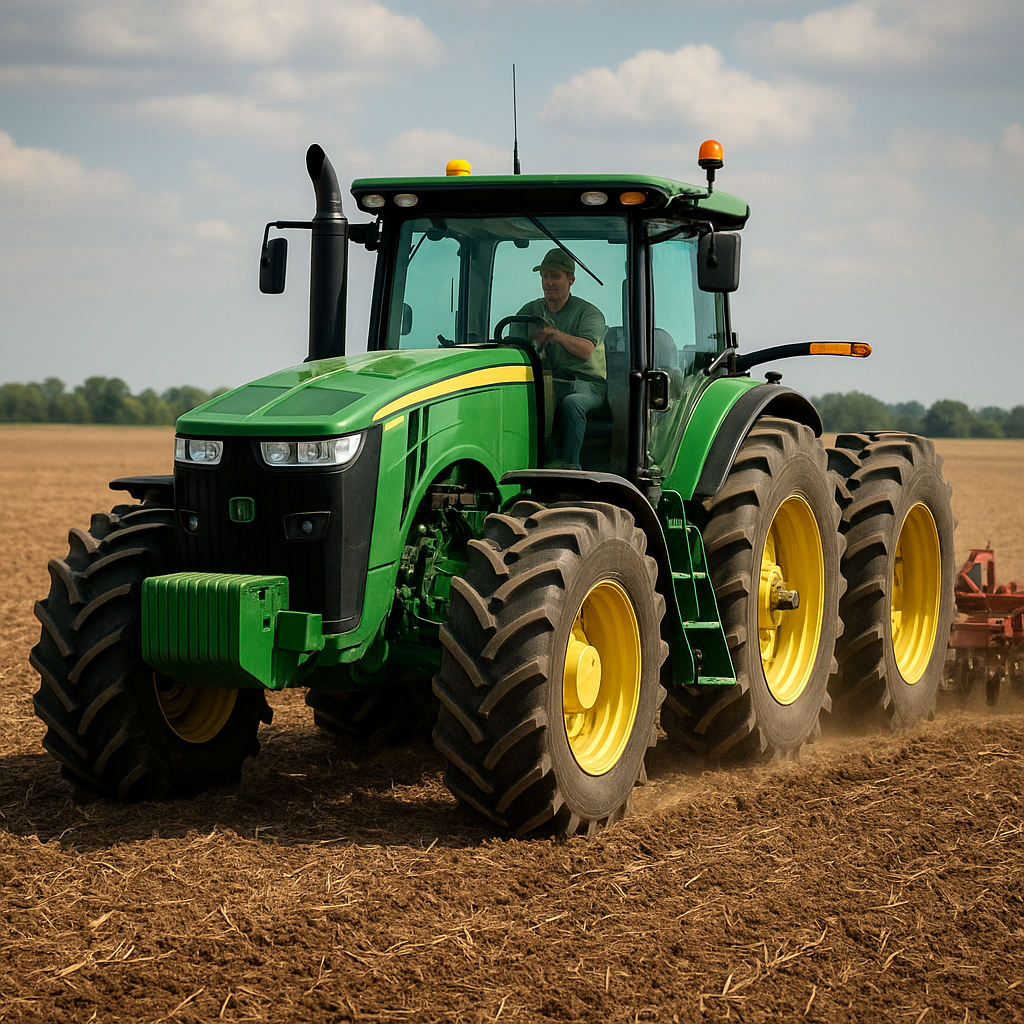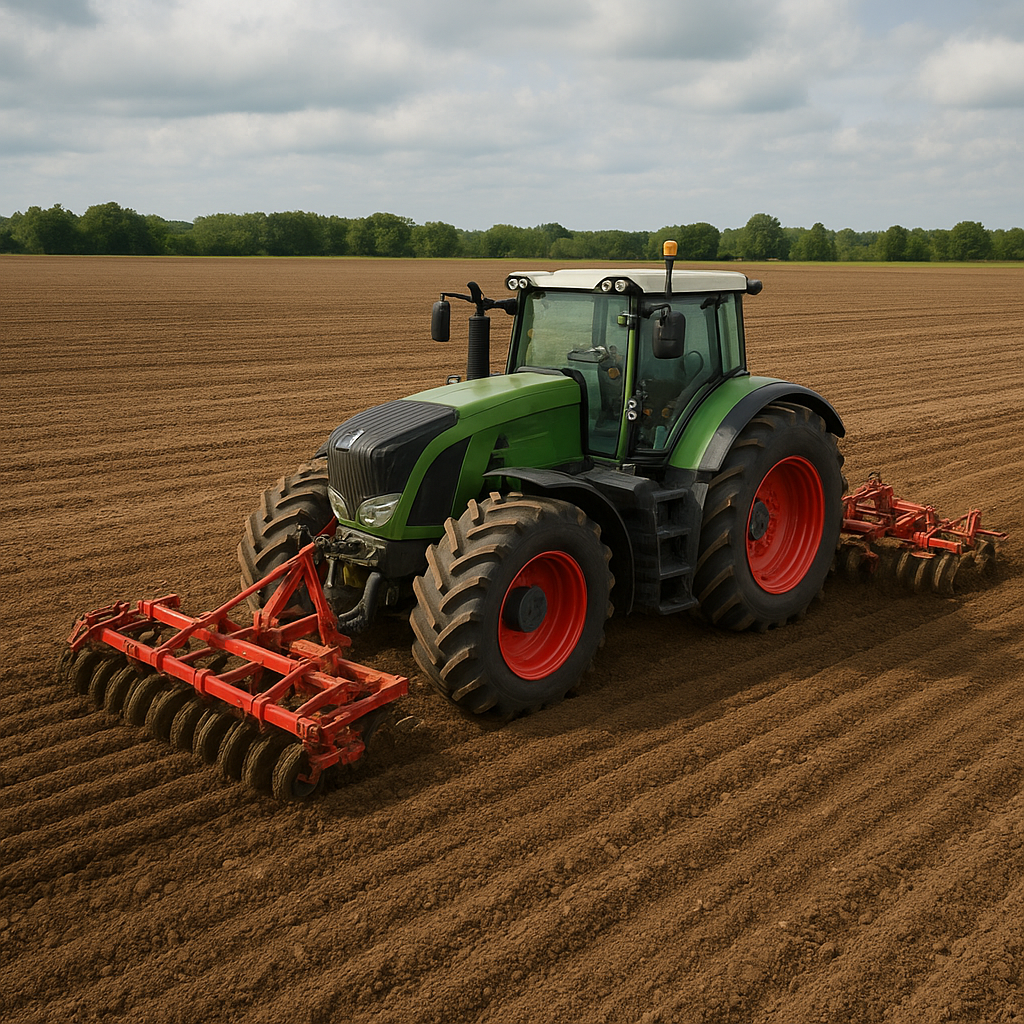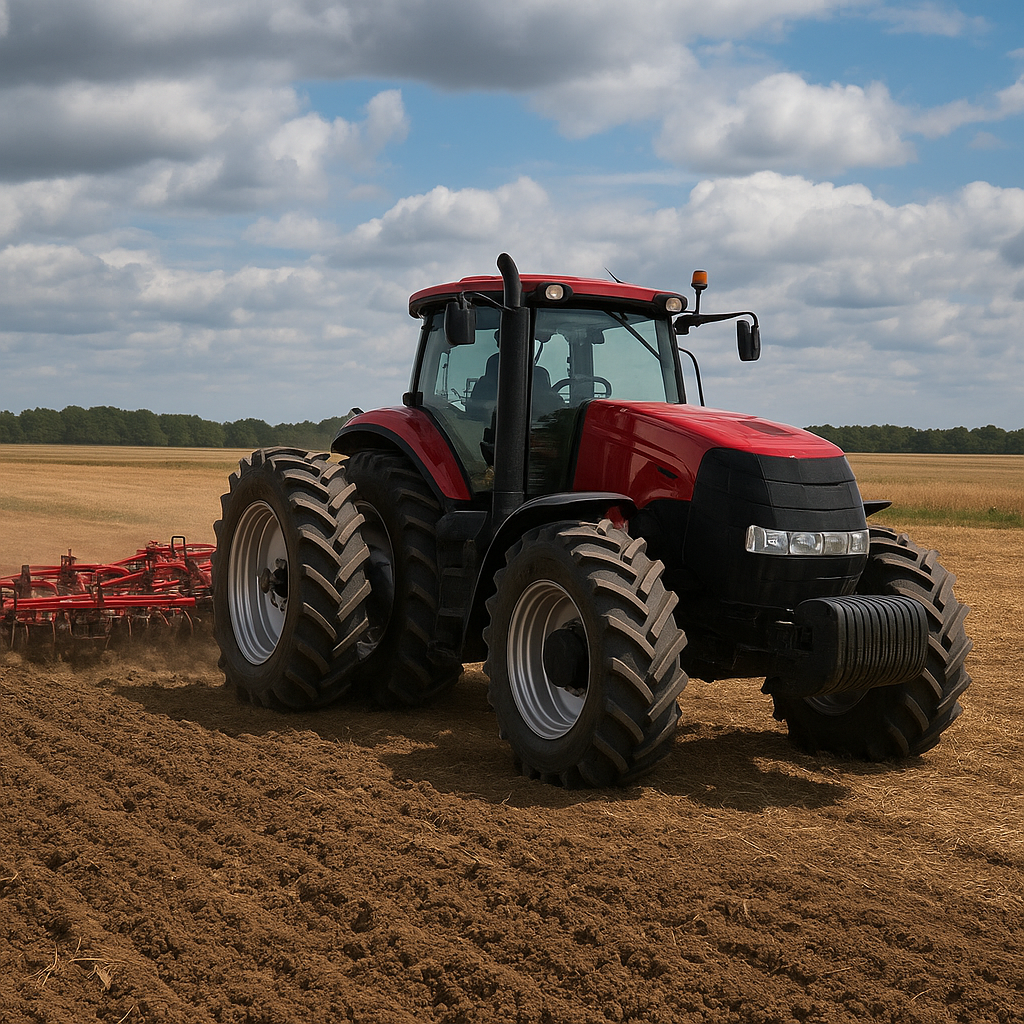
Under the sprawling skies of modern agriculture, massive tractors have become the cornerstone of efficient, high-output farming. By combining cutting-edge technology with raw power, these behemoths ensure that today’s growers can tackle large fields with unprecedented speed and precision.
The Emergence of the Massive Tractors
In the past few decades, agricultural machinery has experienced a dramatic transformation. What once were modest machines with limited horsepower have evolved into giants boasting well over 500 HP. This leap has been fueled by the increasing demand for higher yields and the need to manage thousands of acres in a short window between planting and harvest.
From Old-School to State-of-the-Art
- Early tractors prioritized simplicity, reliability, and straightforward mechanics.
- Today’s giants incorporate advanced telemetry systems that monitor every aspect of operation in real time.
- GPS-guided auto-steering reduces overlap, optimizing fuel use and cutting hours in the field.
Defining “Giant” in Tractor Terms
Tractors surpassing 300 horsepower used to be rare; now, 500–600 HP is common among top-tier models. Some manufacturers even offer special editions exceeding 700 HP, designed for broad-acre operations. These machines redefine what it means to be versatile, handling everything from plowing and planting to heavy-duty baling and deep tillage.
Core Innovations Driving Performance
Modern giant tractors aren’t just scaled-up versions of earlier models—they represent a synergy of mechanical might and digital intelligence. Several breakthroughs have been central to this evolution:
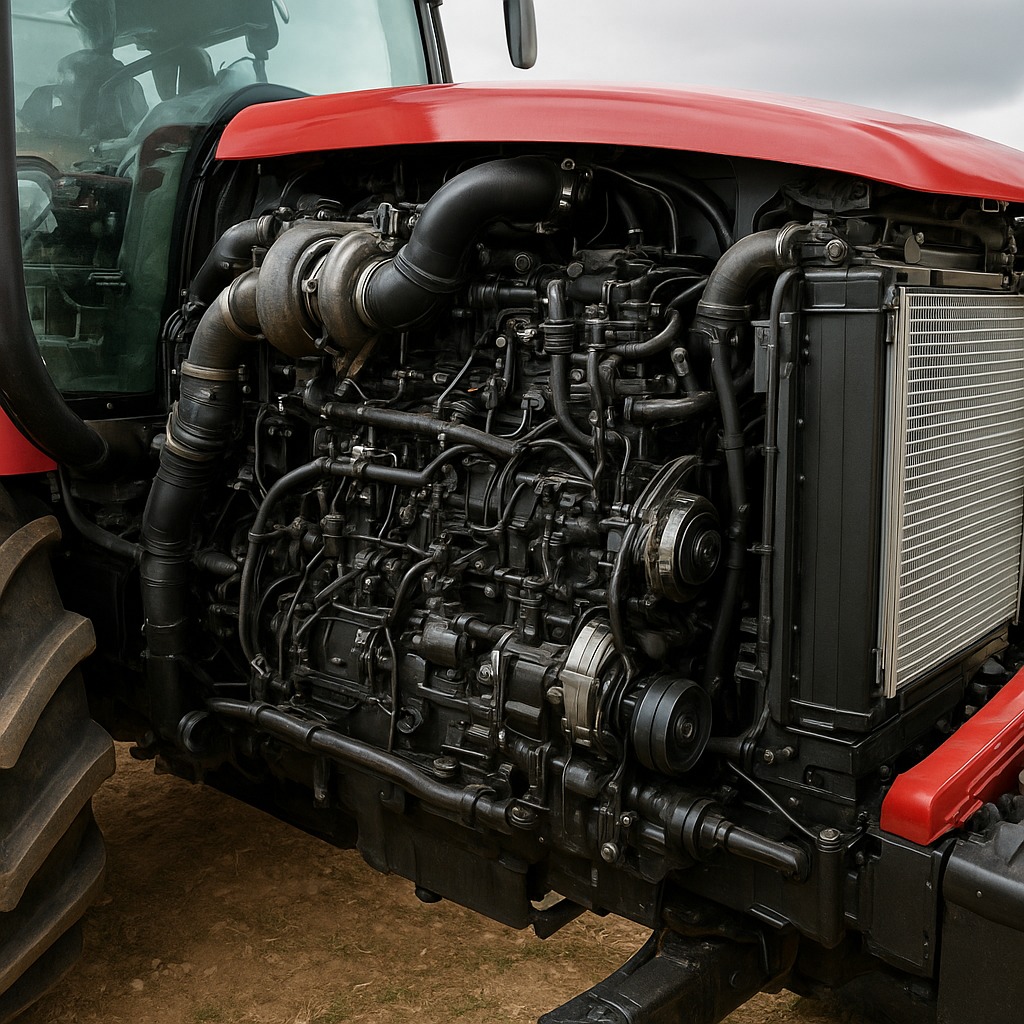
- Engine Technology: Turbocharged and aftercooled diesel engines deliver massive torque at low RPMs, maximizing fuel efficiency and longevity.
- Cab Comfort: Air-suspended seats, climate-controlled cabins, and noise insulation ensure operators remain alert and comfortable during long shifts.
- Advanced Hydraulic Systems: High-flow hydraulics allow swift attachment changes and power-hungry implements to operate at full capacity.
- Precision Ag Integration: On-the-go sensors measure soil moisture and nutrient levels, automatically adjusting seeding rates and fertilizer distribution.
Reducing Soil Compaction
With great weight comes the risk of compacting the upper soil layers, jeopardizing root growth and water infiltration. To counter this, manufacturers have introduced:
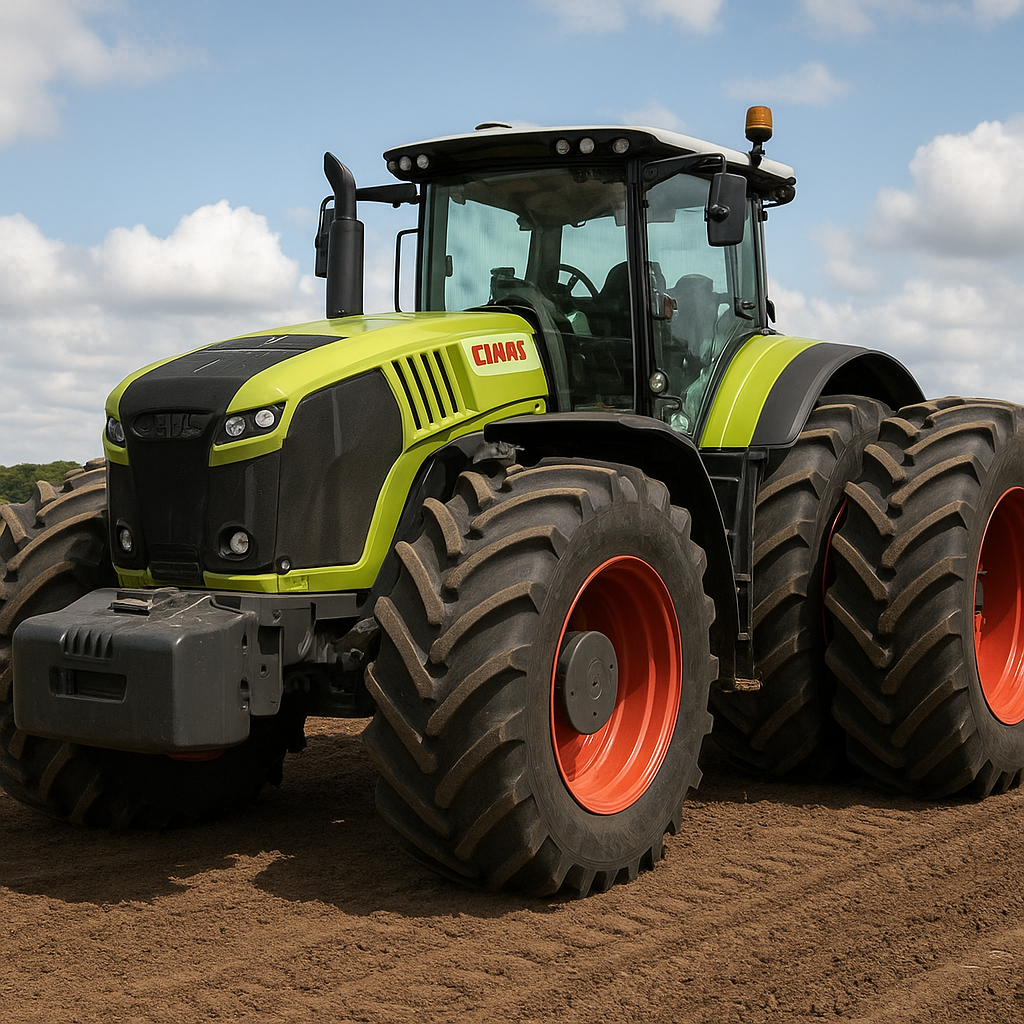
- Ultra-wide tires spreading the load over larger areas.
- Double wheels or tracks to minimize ground pressure.
- Real-time monitoring systems to alert operators when ground pressure exceeds optimal thresholds.
Automation and Connectivity
Automation is no longer confined to concept farms. Today’s giant tractors can:
- Operate in autonomous mode along preset routes.
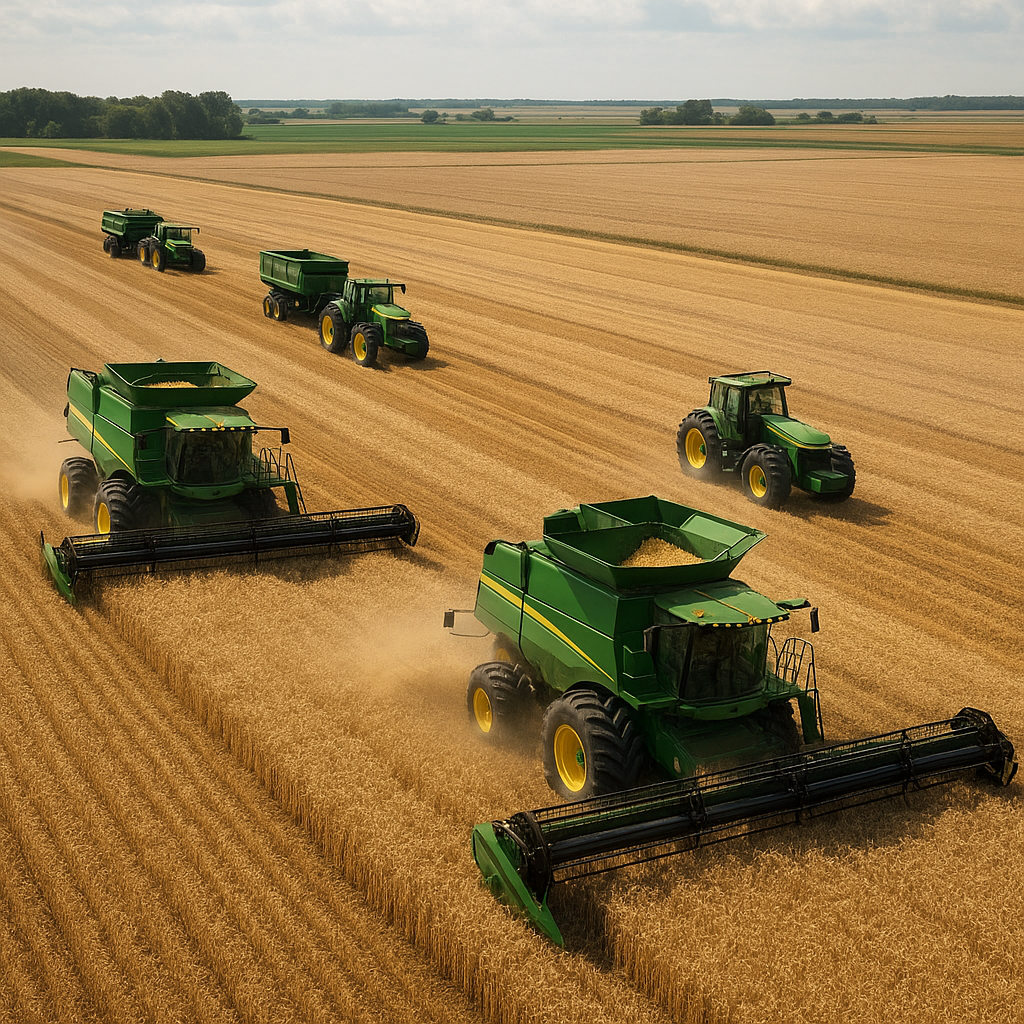
- Communicate with other machines to orchestrate multi-vehicle tasks without manual intervention.
- Transmit data to cloud platforms for remote analysis, enabling agronomists to provide instant feedback on field conditions.
Boosting Productivity on a Massive Scale
By harnessing powerful machinery, farmers can finish jobs weeks earlier than before. This acceleration not only cuts labor costs but also mitigates weather-related risks, such as unexpected rainfall or early frosts.
Time Savings and Cost Efficiency
Consider a 5,000-acre corn operation. Deploying several giant tractors equipped with high-capacity planters can reduce planting time from four weeks to just over one week. The benefits are multi-fold:
- Lower fuel consumption per acre, thanks to optimized engine performance.
- Reduced wear and tear by minimizing idle time and overlap.
- Fewer labor hours needed, alleviating skilled-operator shortages.
Environmental Impact and Sustainability
Although large tractors may consume more fuel per hour, the reduction in total operational hours often results in a net decrease in carbon emissions for a given acreage. Key strategies include:
- Precision fertilizer application to prevent nutrient runoff.
- Variable-rate seeding to match field variability and boost overall efficiency.
- Adaptive tillage methods that preserve soil structure and organic matter.
Facing Future Challenges and Embracing Innovation
As farms expand further and environmental regulations tighten, tractor manufacturers are racing to incorporate more sustainable, intelligent solutions.
Electrification and Alternative Fuels
Developers are experimenting with hybrid drivetrains and biofuel-compatible engines. While a fully electric tractor may still be on the horizon, pilot projects have shown promising reductions in noise and tailpipe emissions.
Machine Learning and Predictive Maintenance
By collecting terabytes of operational data, next-gen tractors can predict component failures before they happen. This shift toward innovation-driven maintenance schedules ensures maximum uptime and prolongs equipment life.
- AI algorithms analyze vibration patterns to detect bearing wear.
- Real-time oil analysis predicts engine wear rates.
- Cloud-based dashboards offer dealers instant diagnostics, speeding up repairs.
Regulatory and Economic Considerations
Rising labor costs and shifting subsidies challenge farmers to justify investments in giant tractors. However, case studies frequently demonstrate a rapid return on investment through increased yield, lower input waste, and expanded operational windows.
By staying at the forefront of technological advancements—embracing automation, sustainability practices, and connectivity—modern agriculture continues to scale new heights in productivity, profitability, and environmental stewardship. These industrial giants not only reshape the landscape of large-acre farming but also pave the way for a truly smart, sustainable future in agriculture.