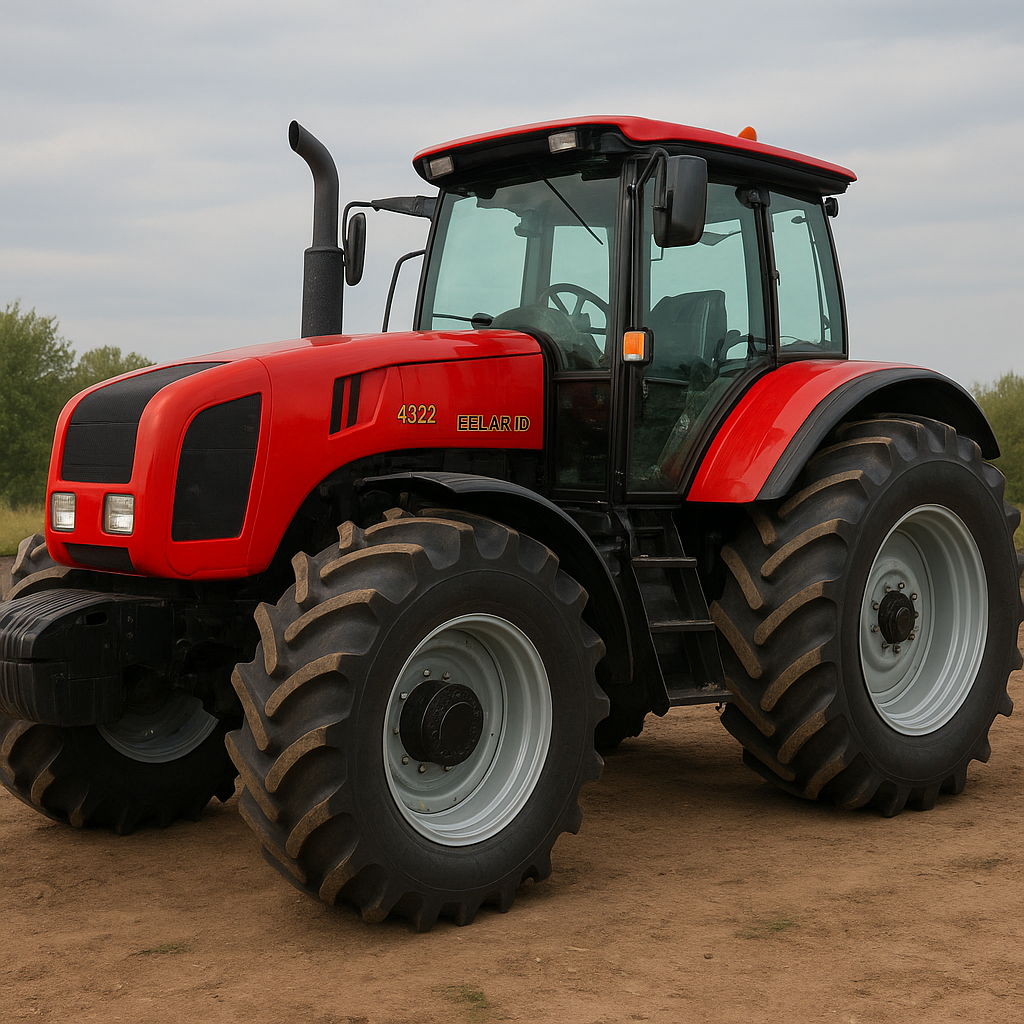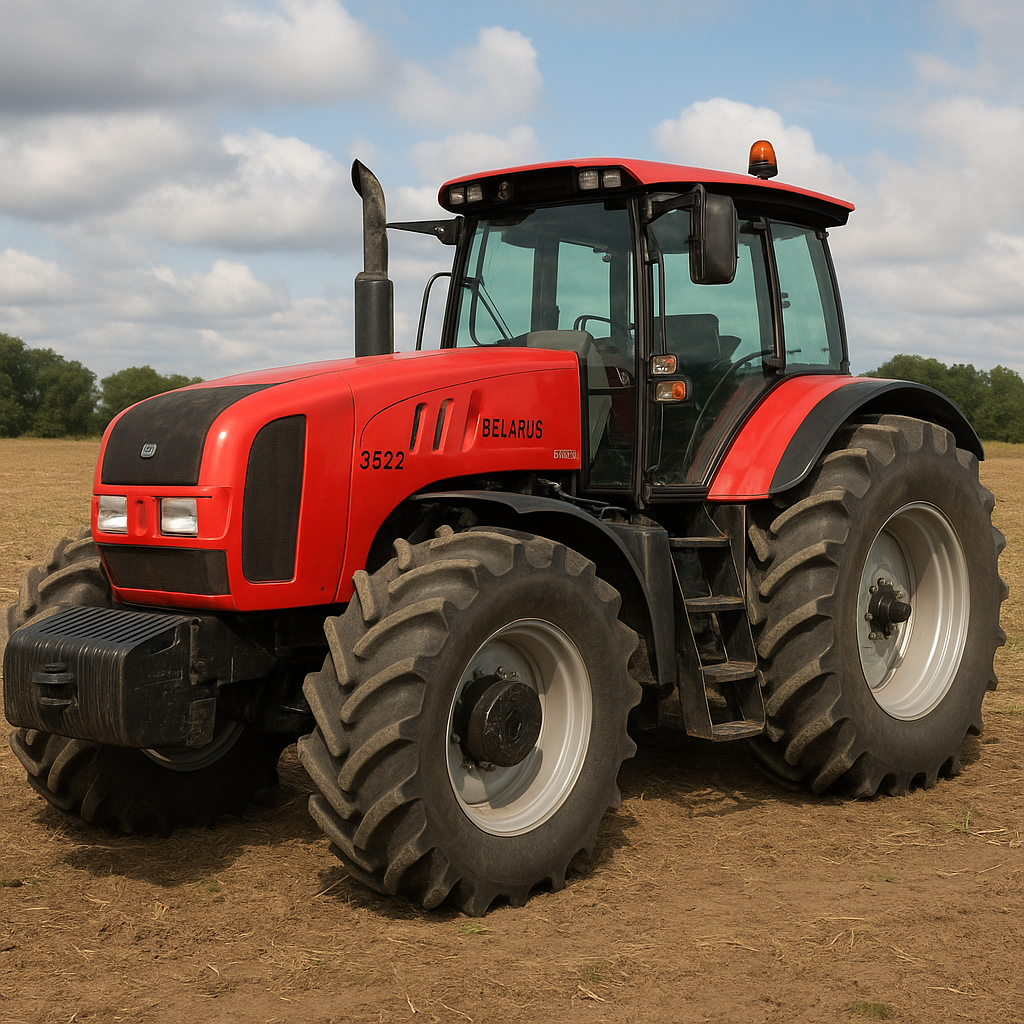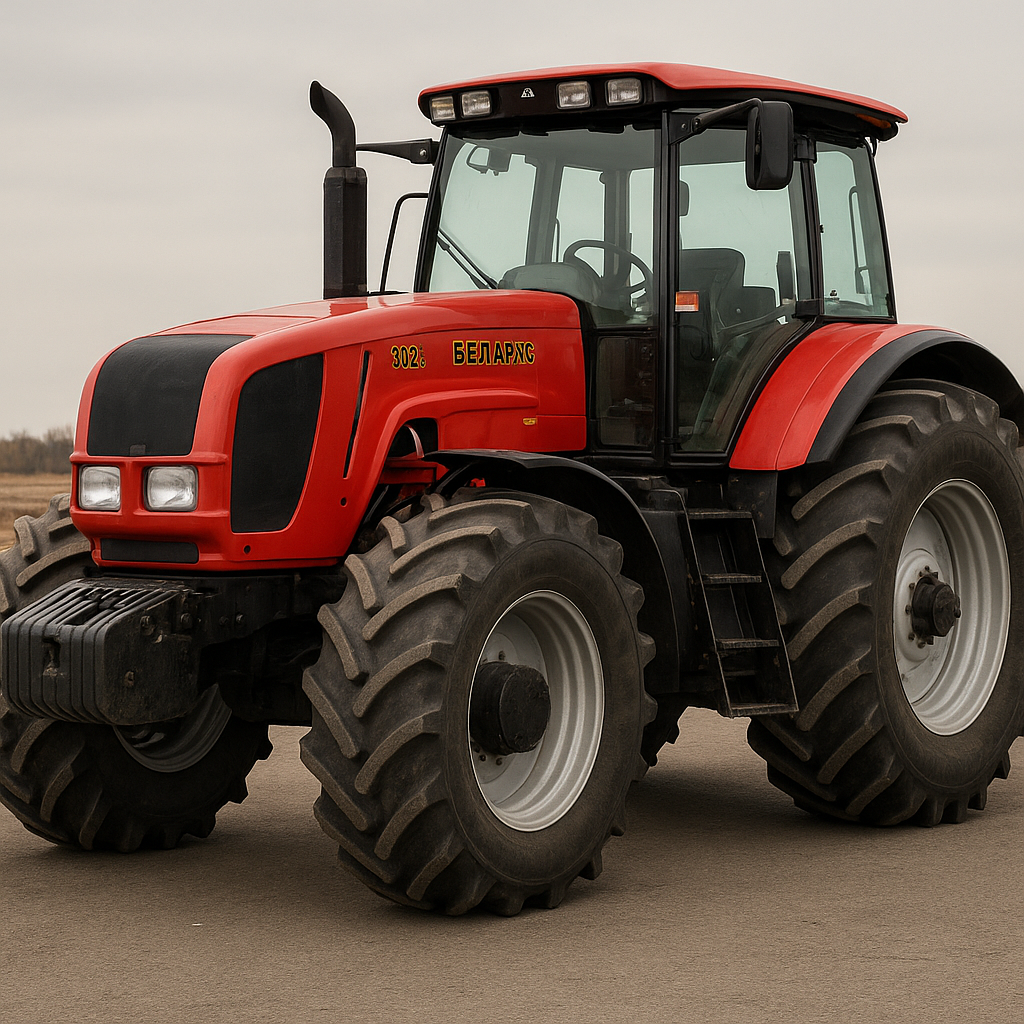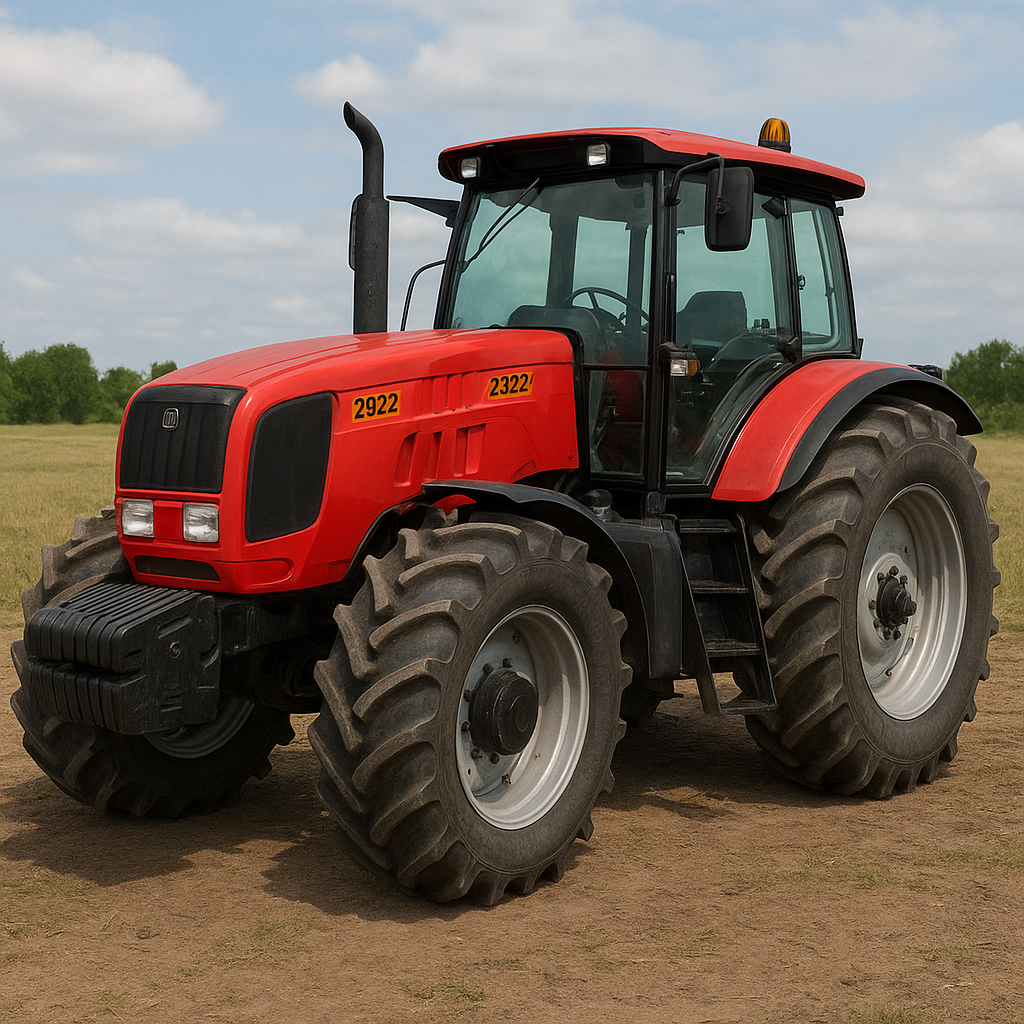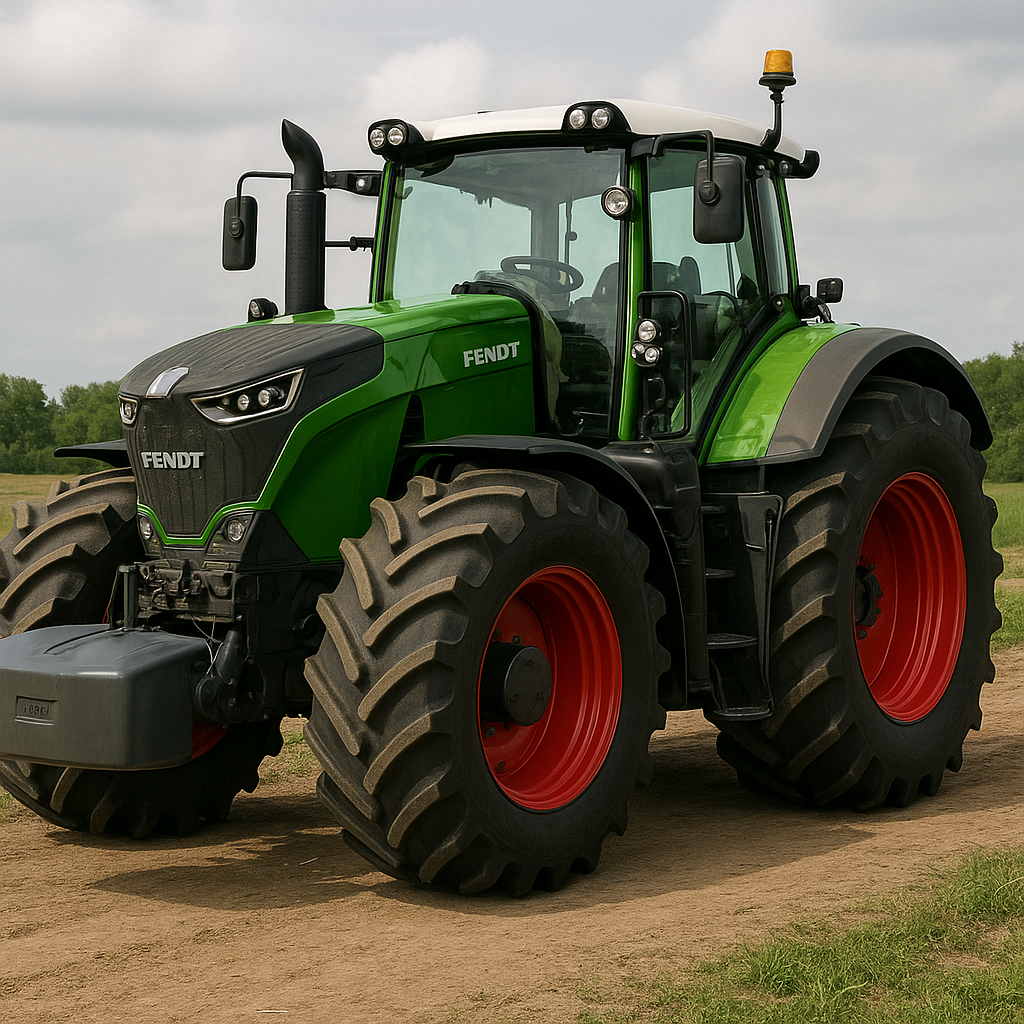
The Fendt 1038 Vario is one of the flagship models in Fendt’s high-horsepower tractor range, designed to meet the demands of large-scale arable farms, contractors and specialized agricultural operations. Combining robust mechanical design with advanced electronic control and precision-farming capabilities, this tractor targets operators who need sustained power, versatility and productivity throughout long working days. In the following sections, we explore its technical features, typical applications, operator-focused design, technological innovations and economic considerations.
Overview and design philosophy
The Fendt 1038 Vario sits within the Fendt 1000 Vario family, a series developed to bring high traction, continuous power delivery and modern operator ergonomics to the high-horsepower segment. The model designation reflects its position in the lineup: built for heavy-duty traction tasks and large implements. At its core is a CVT-based transmission concept the brand calls Vario, allowing stepless speed control and optimal engine load management — traits that increase both productivity and efficiency in variable-field and transport operations.
Fendt’s design philosophy for this class focuses on:
- reliable high continuous output for pulling heavy implements;
- hydraulic and electrical systems capable of running large, high-flow implements and hydraulically driven attachments;
- operator comfort and visibility for long shifts;
- integration with modern farm management systems for precision and data-driven tasks.
Technical characteristics and specifications
Although exact configurations may vary by market and optional equipment, the 1038 Vario is commonly characterized by the following technical features and performance parameters.
Engine and performance
The tractor is powered by a robust turbocharged diesel engine — typically an inline six-cylinder — calibrated to deliver maximum output in the high-horsepower bracket. Typical figures associated with the 1038 model are around 380 horsepower (approximately 280 kW) at nominal engine settings, with transient boost available for heavy load situations. The engine is engineered for strong low-end torque, enabling consistent pull when moving large soil-engaging tools or heavy trailers.
Emissions control systems (such as SCR and particulate filtration) ensure compliance with modern standards (e.g., Stage V / Tier 4 final in many markets), balancing performance with lower emissions and improved fuel consumption.
Transmission and driveline
One of the defining elements is the continuously variable Vario transmission. This stepless gearbox allows the driver to select any ground speed within the operating range without gear steps, keeping the engine near its most efficient RPM point. Practical benefits include smoother field work, precise speed matching for seeding or spraying, and faster transport speeds on roads (often up to around 60 km/h, depending on configuration).
Hydraulics, PTO and linkage
The 1038 Vario is equipped with a powerful hydraulic system designed to operate large modern implements. Standard and optional configurations often include high-flow hydraulic pumps, multiple remote valves, and advanced control logic to manage flow distribution precisely. PTO options typically include the common 540 and 1000 rpm standards, with variants supporting economy PTO speeds for lower engine RPM operation.
Electronic rear linkage control and optional front linkage with PTO enable front-mounted tools and full three-point implement management. The hydraulic flow capacity and linkage lift capacity are sized to meet the demands of large seeders, disc harrows and mounted mowers.
Chassis, axles and weight
The chassis of the 1038 is designed for high stability and traction. A heavy, well-balanced frame supports high rear linkage loads and provides low ground compaction when properly ballasted. Front axle suspension and optional cab suspension improve ride quality during transport. Kerb weights for similarly classed machines can range substantially depending on ballast and options but typically situate the tractor in the heavier category of agricultural machines to ensure traction and stability under load.
Cab and operator environment
Fendt places emphasis on operator comfort to reduce fatigue and enhance productivity. The cab is often equipped with adjustable, climate-controlled seating, intuitive armrest controls, and a multifunction joystick. Visibility is optimized for implement monitoring, while sound insulation and vibration damping lower in-cab noise. Integrated displays provide machine data, implement control and guidance system interfaces.
Applications and real-world use cases
The Fendt 1038 Vario is intended for operations that demand sustained high output and adaptability. Typical use cases include:
- Large-scale arable farming — pulling wide cultivators, ploughs and sowing rigs across extensive fields. The continuous power delivery and traction control are beneficial for maintaining working accuracy and throughput.
- Contracting and heavy haulage — contractors rely on the 1038 for transporting trailers, slurry tankers and running high-capacity implements between sites, where robust driveline and high road speeds are advantageous.
- Crop-specific tasks — operations such as sugar beet harvesting, maize cultivation and large-scale forage harvesting often require tractors capable of sustained power and hydraulic flow to support complex machinery.
- Mounted and towed implement management — the combination of PTO options, strong linkage and ample hydraulics means the tractor can manage modern seed drills, sprayers and spreaders effectively.
- Precision farming and specialist applications — pairing the 1038 with GPS guidance and implements enables accurate field passes, repeatability and optimized input application.
Technology and precision agriculture features
Fendt integrates several digital and automation systems to enhance productivity, many of which are available or compatible with the 1038 Vario. These systems focus on making on-farm operations more accurate, less wasteful and more easily documented.
- Guidance and GPS compatibility — automatic steering and guidance systems allow for precise headland and field-pass control, reducing overlap and saving fuel, seed and chemicals.
- ISOBUS and implement control — enables seamless communication between tractor and implement for parameter sharing and automated adjustments.
- Telematics and fleet management — modern Fendt tractors can be linked with farm management platforms to monitor fuel use, working hours, performance metrics and maintenance needs remotely.
- FendtONE and in-cab interfaces — these digital ecosystems (or analogous manufacturer systems) provide a single user interface for machine control, documentation and planning, contributing to better decision-making and workflow integration.
Operator comfort, safety and ergonomics
Long operating hours are common in the segments where the 1038 Vario works, so design emphasis on human factors is critical. The cab typically includes:
- ergonomically placed controls on a multifunctional armrest and joystick for implement and drive control;
- climate control and low-noise insulation to reduce fatigue;
- advanced display systems that prioritize relevant information and reduce driver distraction;
- visibility and lighting packages for night work and implement monitoring;
- built-in safety systems like automatic parking brakes, rollover protection and robust lighting for road transport.
Maintenance, operating costs and total cost of ownership
High-horsepower tractors represent a significant capital outlay, so understanding operating costs is essential. Key points include:
- Fuel efficiency — thanks to load-sensing engine control and the stepless Vario transmission, fuel consumption per hectare can be optimized versus older, gear-based tractors. Fuel performance depends heavily on operating patterns, payload and matching engine load to work demands.
- Service intervals — modern engines and after-treatment systems require scheduled maintenance (oil, filter changes, and emissions system checks). Adhering to service intervals enhances longevity and resale value.
- Resale value — well-maintained high-end tractors generally retain higher resale values due to brand reputation and robust component design. Fendt models often command strong second-hand demand.
- Parts and dealer network — availability of parts and local dealer competence influence downtime; dealers typically offer diagnostic tools and manufacturer-supported service agreements.
Comparative advantages and limitations
Advantages of the Fendt 1038 Vario include strong continuous power delivery, advanced transmission technology, operator comfort and deep integration with precision tools. The machine’s engineering is focused on maximizing uptime and matching power to implement needs, which translates into field productivity gains for many large operations.
Potential limitations or considerations include:
- higher purchase price compared with lower-powered or more basic tractors;
- complexity of modern electronic and emissions systems, which requires trained service personnel;
- size and weight may limit access in smaller or very wet fields unless carefully managed with appropriate tyres and ballast strategies.
Environmental and regulatory aspects
Modern versions of high-horsepower tractors like the 1038 Vario are designed to meet strict emissions regulations through exhaust after-treatment systems, such as selective catalytic reduction (SCR) and particulate filters. These systems reduce NOx and particulate output but add to the maintenance footprint. From an environmental management perspective, pairing large tractors with precision application techniques can reduce overall input usage by minimizing overlaps and improving timing, which contributes to lower environmental impact per hectare.
Case studies and typical fleet roles
In many farming enterprises, the 1038 Vario serves as a “workhorse” for tasks where its combination of power and controls delivers measurable gains:
- Primary tillage where a reliable power source reduces time-to-complete and allows pulling wider implements;
- Transport duties moving grain or forage between fields and storage, taking advantage of high road speeds and comfort features for driver endurance;
- Seeder and sprayer operations where constant ground speed and precise implement control increase application uniformity;
- Contracting fleets that require robust machines capable of multi-shift operation and diverse implement compatibility.
Purchasing considerations and options
Prospective buyers should evaluate:
- matching engine and hydraulic capacity to the largest implements in use;
- desired road speed and transmission options for transport efficiency;
- available cab and comfort packages for operator well-being;
- integration options for guidance, ISOBUS and telematics to leverage precision farming benefits;
- service agreements and local dealer support for maintenance and diagnostics.
Final thoughts
The Fendt 1038 Vario embodies a modern approach to high-horsepower agricultural machinery: combining continuous, controllable drivetrain power, advanced hydraulics and electronics, and a cab designed for long periods of focused work. For large farms and contractors, the balance of power, comfort and digital capability can translate into improved throughput, reduced overlap and streamlined operational management. While initial acquisition and maintenance of such a tractor require careful financial planning, the potential efficiency gains and the ability to handle the largest implements make it a central investment for modern large-scale agricultural production.